Quick Facts About Mobor Beach
Quick Facts about Mobor Beach, Goa
| Entry Fee | No entry fee |
| Timings | Open 24 hours; water sports typically operate 8:00 AM – 5:00 PM |
| Altitude (m) | 0–5 m above sea level |
| Ideal Visit Duration | 2–4 hours for beach and water activities |
| Best Time of Day | Early morning (7:00–10:00 AM) or late afternoon (4:00–6:30 PM) for light and calmer waters |
| Crowd Level | Moderate; can increase on weekends and public holidays |
| Distance from City Centre (km) | Approximately 38 km from Margao city centre |
| Walking Difficulty | Easy; flat sand and short walking distances along the shoreline |
| Parking Available | Yes; limited parking near beach access points |
| Last Mile Access | Accessible via taxis, auto-rickshaws, and resort shuttles; some paths require short walks on sandy tracks |
| Suitable for Kids | Yes; calm waters in shallow areas |
| Suitable for Seniors | Yes; easy beach access from parking, though sand can be tiring for long walks |
| Wheelchair Friendly | Partially; main access paths are uneven sand, limited mobility aids available |
Why Visit Mobor Beach, Goa
Visitors come to Mobor Beach primarily for its calm waters and sandy shoreline, making it suitable for swimming, sunbathing, and water sports such as jet skiing and parasailing. Its location near the Sal River estuary also attracts those interested in scenic river views alongside the beach.
On the ground, Mobor Beach offers a relaxed atmosphere compared with the busier beaches of central Goa. Early mornings and late afternoons are quieter, with local vendors and small cafés operating along the beachfront, while occasional weekend crowds bring a livelier energy.
What makes Mobor distinct is the combination of beach and river estuary scenery, along with a less commercialized environment. Travelers can enjoy water activities and natural views without the dense crowds found at nearby Cavelossim or Colva beaches, providing a balanced experience of leisure and local Goan coastal life.
History of Mobor Beach, Goa
Mobor Beach developed as a local fishing and river estuary area, with its significance historically tied to the Sal River and nearby Cavelossim village. The beach has long supported traditional fishing activities, which continue alongside modern water sports and small-scale tourism.
While not associated with major historical events, Mobor Beach is part of the South Goa coastal region known for its Portuguese-influenced villages and estuary-based livelihoods. Visitors can observe remnants of these local practices in fishing boats and nets still used by the community.
Best Time to Visit Mobor Beach, Goa
Mobor Beach is best visited during the dry winter months when the weather is pleasant for beach activities, water sports, and riverside walks. Monsoon and peak summer months can limit outdoor enjoyment due to heavy rain or high heat.
- Ideal months: November to February
- Weather during best season: Dry, sunny days with temperatures ranging from 20°C to 32°C, lower humidity, and calm sea conditions
- Periods to avoid: June to September due to heavy monsoon rainfall causing rough sea conditions and limited water sports; April to May for high heat and humidity
How to Reach Mobor Beach, Goa
- Nearest Airport: Goa International Airport (Dabolim) is approximately 35 km from Mobor Beach. Taxis and app-based cabs take 45–60 minutes depending on traffic.
- Nearest Railway Station: Margao (Madgaon) Railway Station is about 38 km away and is the closest major rail hub connecting South Goa to other Indian cities.
- Road Access & Last-Mile Connectivity: Mobor Beach is accessible via NH-66 and local roads through Cavelossim village. Last-mile access includes taxis, auto-rickshaws, and resort shuttles. Some paths near the estuary are sandy and may be difficult for standard vehicles during heavy rain.
What to Expect When You Visit Mobor Beach, Goa
- Environment and Surroundings: Mobor Beach features a long sandy shoreline along the Arabian Sea and the Sal River estuary, with nearby small cafés, fishing boats, and low-rise resorts. The area is quieter than major South Goa beaches but can be moderately busy on weekends.
- Facilities and Amenities: Basic facilities include beachside shacks, restrooms at some resorts, and limited seating. Water sports operators provide safety gear, but amenities are minimal compared to commercial beaches.
- Accessibility and Movement: The beach is flat and easy to walk, though some sandy tracks from parking areas may be difficult for standard vehicles during heavy rain. Movement along the shoreline is straightforward.
- Typical Visitor Conditions: Visitors include families, couples, and small tour groups. Peak activity occurs in the morning and late afternoon for water sports and sunbathing, while midday can be quieter but hotter.
Important Visitor Information and Safety for Mobor Beach, Goa
- Crowd and Weather Notes: Weekends and public holidays attract moderate crowds. The most comfortable weather is from November to February; heavy monsoon rainfall occurs from June to September.
- Peak and Quiet Hours: Morning (7:00–10:00 AM) and late afternoon (4:00–6:30 PM) are best for visits. Midday can be hot and less suitable for extended stays.
- Dress Code: Casual beachwear is appropriate; modest clothing is recommended when visiting nearby villages or local religious sites.
- Safety and Practical Cautions: Swimming is safest in calm waters; avoid the sea during rough conditions in monsoon months. Be cautious on sandy or uneven paths near parking and estuary areas, and secure personal belongings in crowded spots.
Photography and Viewpoints at Mobor Beach, Goa
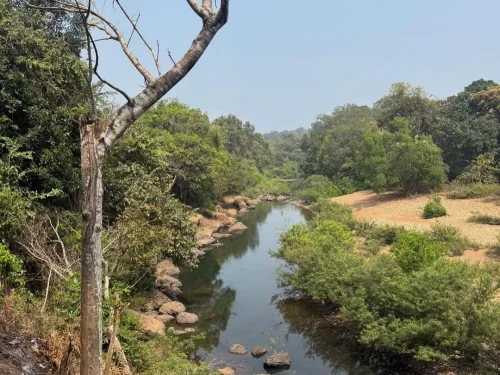
- Best Viewpoints: The northern stretch near the Sal River estuary provides scenic river and beach views. The southern shoreline offers clear shots of the open Arabian Sea and fishing boats.
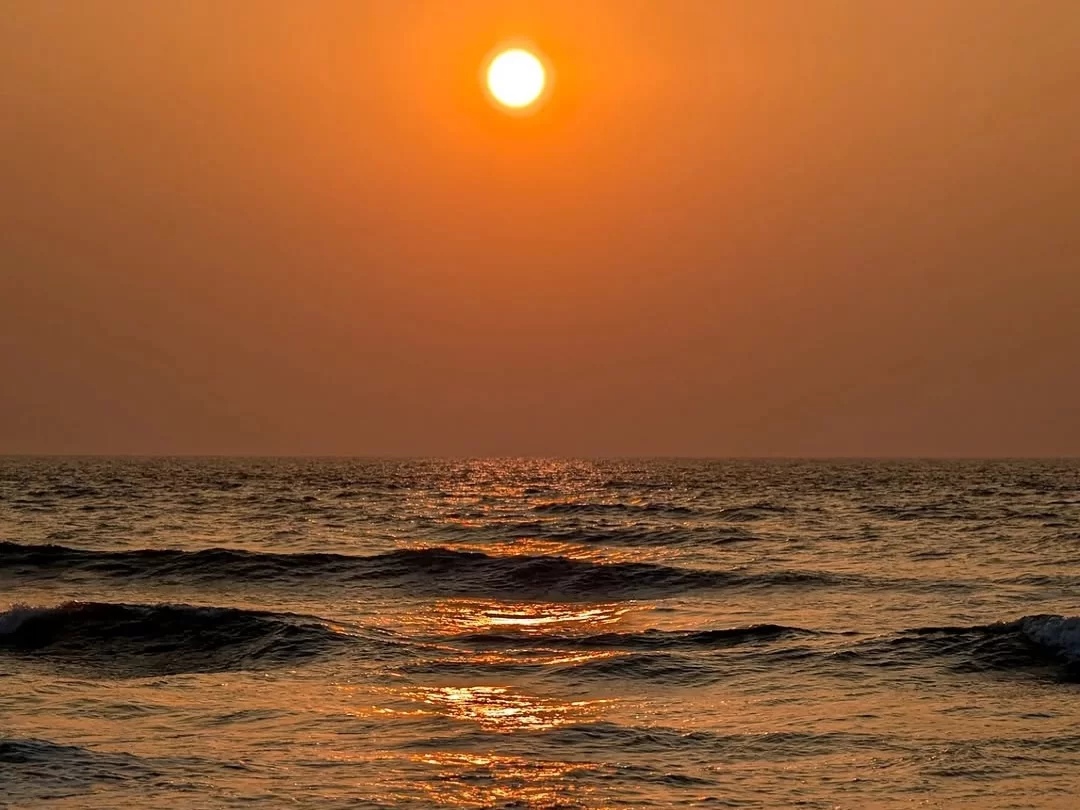
- Lighting and Time-of-Day: Early morning (6:30–9:00 AM) provides soft, warm light ideal for sunrise and calm water reflections. Late afternoon (4:00–6:30 PM) captures golden-hour tones along the sand and estuary.
- Photography Restrictions: No formal restrictions on beach photography; however, seek consent before close-up shots of local fishermen or water sports participants.
- Crowd and Access Factors: Weekends and holidays can increase crowds, making wide-angle shots more difficult. Sandy paths from parking areas may require careful footing for equipment.