Quick Facts About Galgibaga Beach
Galgibaga Beach, South Goa, Goa, India – Quick Facts for Visitors
| Entry Fee | No entry fee |
| Timings | Open all day; night access may be restricted in turtle nesting season (generally Nov–Mar) |
| Altitude (m) | 0 m (sea level) |
| Ideal Visit Duration | 1–2 hours |
| Best Time of Day | Early morning or sunset; avoid late night during nesting season |
| Crowd Level | Low; slightly higher on weekends and winter months |
| Distance from City Centre (km) | Approx. 37 km from Margao (Madgaon) city centre |
| Walking Difficulty | Easy; flat sandy terrain |
| Parking Available | Limited informal roadside parking near access points |
| Last Mile Access | Narrow village roads followed by short walk over sand |
| Suitable for Kids | Yes, with supervision; limited facilities |
| Suitable for Seniors | Yes, but basic amenities and sandy walking surface |
| Wheelchair Friendly | No; soft sand and lack of paved access |
Why Visit Galgibaga Beach, South Goa, Goa, India
Visitors come for a relatively undeveloped stretch of coastline with clean sands and fewer commercial shacks compared to many Goa beaches. The area is known for protected olive ridley turtle nesting zones, which attract travellers interested in quiet natural environments.
On the ground, the atmosphere is calm and low-key, with limited water sports, small local eateries near access points, and long open sections of beach. Activities mostly include walking, sitting by the shoreline, and watching sunsets rather than organized entertainment.
What distinguishes this beach is its conservation-focused setting and restricted development, which results in fewer crowds and minimal nightlife. The absence of heavy commercialization offers a different coastal experience within Goa, especially for travellers seeking a quieter location.
History of Galgibaga Beach, South Goa, Goa, India
Galgibaga Beach has historically been associated with small coastal fishing communities that relied on traditional fishing practices along the southern Goa shoreline. The surrounding villages developed gradually without large-scale tourism infrastructure, which helped preserve the area’s natural coastal landscape.
In recent decades, the beach gained importance as a protected nesting site for olive ridley sea turtles. Conservation measures introduced by forest and wildlife authorities placed limits on construction, lighting, and night-time disturbance during nesting periods, shaping how tourism functions in the area today.
Best Time to Visit Galgibaga Beach, South Goa, Goa, India
The most suitable time to visit is during the dry winter season when sea conditions are calmer and access roads remain reliable; turtle nesting regulations may affect night access during certain months.
- Ideal months: November to February for stable weather and manageable humidity
- Weather conditions during the best season: Dry days, moderate temperatures, and clearer skies compared to the monsoon period
- Periods to avoid: June to September due to heavy monsoon rains, rough seas, and limited beach activity; late-night visits may be restricted November to March because of turtle nesting protection
How to Reach Galgibaga Beach, South Goa, Goa, India
- Nearest airport: Manohar International Airport (Mopa) approx. 95 km; Goa International Airport (Dabolim) approx. 75 km; taxis or self-drive vehicles required for the final stretch
- Nearest railway station: Canacona (Chaudi) Railway Station approx. 14 km; Madgaon (Margao) Junction approx. 37 km with wider train connectivity
- Road access and last-mile connectivity: Reachable via NH66 toward Canacona and local village roads toward Galgibaga; final approach includes narrow roads and a short walk over sand from informal parking areas; public transport is limited close to the beach
What to Expect When You Visit Galgibaga Beach, South Goa, Goa, India
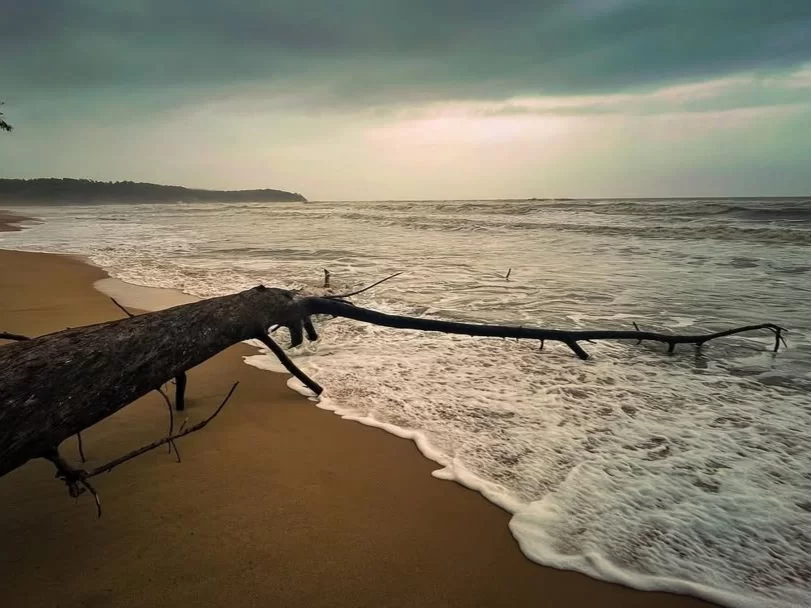
- Environment and surroundings: Long, relatively undeveloped sandy shoreline with minimal construction; sections marked for olive ridley turtle nesting with restricted areas during nesting season
- Facilities and amenities: Limited beach shacks and small local eateries near access points; basic facilities only, with few permanent restrooms and limited changing areas
- Accessibility and movement: Access via narrow village roads followed by short walks across soft sand; no paved promenades or formal pathways along most of the beach
- Typical visitor behavior and conditions: Visitors usually engage in quiet activities such as walking and sitting by the shore; low crowd levels on weekdays, slightly busier during winter weekends; limited lifeguard presence compared to major Goa beaches
Important Visitor Information and Safety for Galgibaga Beach, South Goa, Goa, India
- Crowd and weather notes: Generally quiet compared to central Goa beaches; slightly busier from December to February; monsoon months (June–September) bring strong waves, heavy rain, and limited beach activity
- Peak and quiet visiting hours: Late afternoon to sunset sees the most visitors; mornings are usually calm with fewer people
- Dress code: Standard beachwear is common; modest clothing is advisable when passing through nearby fishing villages
- Safety notes and practical cautions: Swimming conditions can change quickly due to currents and limited lifeguard coverage; turtle nesting zones are protected and may restrict access or lighting at night during the season
Photography and Viewpoints at Galgibaga Beach, South Goa, Goa, India
- Best viewpoints or angles: Wide shoreline perspectives facing south toward the river mouth area and open Arabian Sea horizons; quieter northern stretches provide unobstructed beach views
- Lighting conditions and time-of-day considerations: Soft morning light with fewer people; sunset offers clear horizon views with changing sky colours due to the west-facing coastline
- Rules or restrictions on photography: Avoid disturbing or photographing turtle nesting sites closely during protected seasons; follow any temporary forest department or conservation signage
- Crowd or access factors that affect photography: Limited structures and fewer crowds allow clean frames; access involves walking over soft sand, which may require carrying equipment by hand