Quick Facts About Dudhsagar Waterfall
Quick Facts about Dudhsagar Waterfall, Goa
| Entry Fee | INR 100 per person for entry into the Bhagwan Mahavir Wildlife Sanctuary; additional charges may apply for guides or jeep rides |
| Timings | 7:00 AM – 5:00 PM (Entry into sanctuary; last access to waterfall depends on transport method) |
| Altitude (m) | 310 m at the waterfall drop; surrounding terrain varies |
| Ideal Visit Duration | 3–5 hours including travel from nearest access points |
| Best Time of Day | Early morning for fewer crowds and clear views; late afternoon for photography with softer light |
| Crowd Level | Moderate to high on weekends and during monsoon peak; lighter on weekdays |
| Distance from City Centre (km) | Approximately 60 km from Panaji, Goa |
| Walking Difficulty | Moderate; involves trekking or walking on uneven forest and rocky paths |
| Parking Available | Limited parking at base points for jeeps and private vehicles |
| Last Mile Access | Accessible by jeep rides, short treks, or train view points; some routes require walking on uneven terrain |
| Suitable for Kids | Yes, with supervision; caution required near water and rocky areas |
| Suitable for Seniors | Partially; jeep rides reduce effort, but trekking sections may be strenuous |
| Wheelchair Friendly | No; terrain and trekking paths are not accessible |
Why Visit Dudhsagar Waterfall, Goa
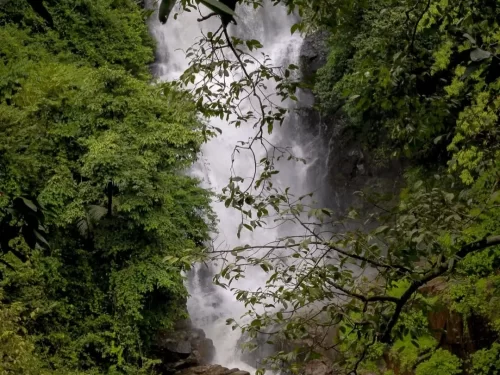
Visitors come to Dudhsagar Waterfall to experience one of India’s tallest waterfalls in a natural forest setting. The waterfall is a major attraction for nature lovers, photographers, and adventure enthusiasts who enjoy trekking, jeep rides, and river-side exploration.
On the ground, the atmosphere is a mix of serene forest surroundings and the powerful roar of cascading water. The area is lively during weekends and monsoon season, with guided jeep tours, trekking groups, and small gatherings of visitors at the base pool.
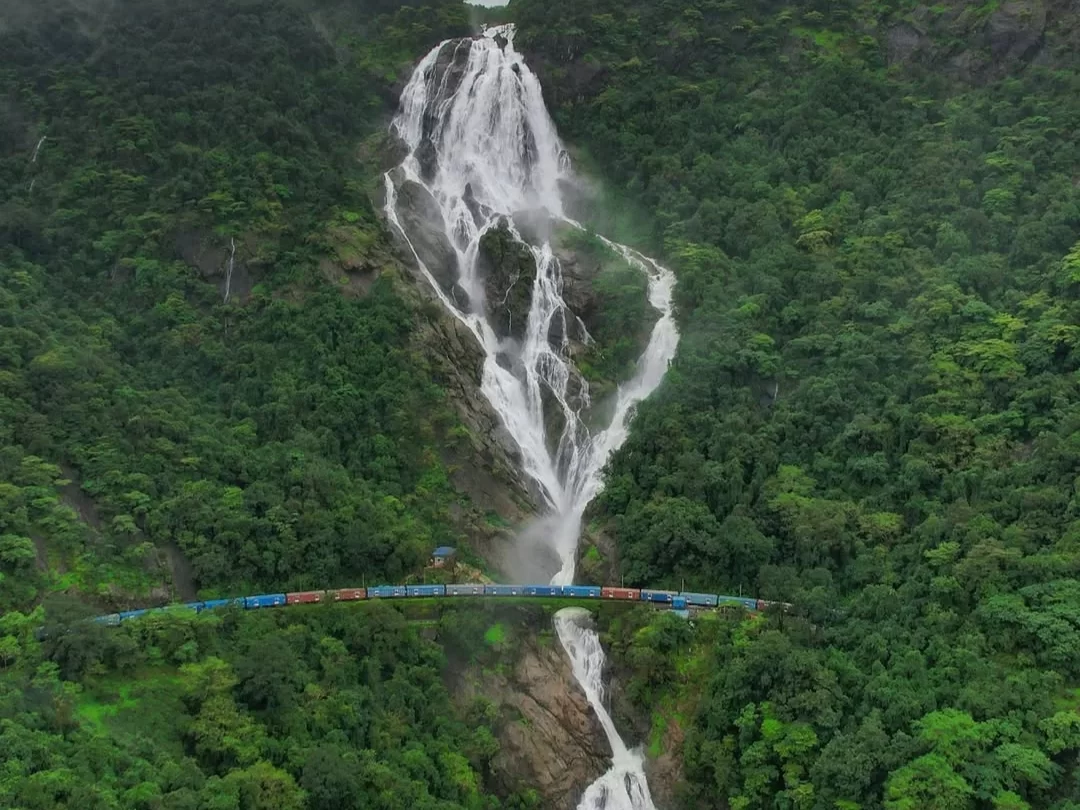
What makes Dudhsagar distinct is its combination of height, multi-tiered flow, and integration within the Bhagwan Mahavir Wildlife Sanctuary. Unlike coastal beaches in Goa, it offers a forest and river ecosystem, making it a unique destination for travelers seeking natural landscapes away from urban areas.
History of Dudhsagar Waterfall, Goa
Dudhsagar Waterfall is primarily a natural landmark with no major historical constructions at the site. Its significance is ecological, forming part of the Mandovi River system within the Bhagwan Mahavir Wildlife Sanctuary.
The surrounding area has been used historically by local communities for fishing and as a water source. The railway line passing near the waterfall, built during the British colonial period, adds an element of historical interest for visitors observing the passing trains against the waterfall backdrop.
Best Time to Visit Dudhsagar Waterfall, Goa
Dudhsagar Waterfall is most spectacular during and immediately after the monsoon season, when the water flow is at its peak. Visits outside this period are still possible but may feature lower water levels and reduced visual impact.
- Ideal months: July to February
- Weather during best season: Post-monsoon months offer full waterfall flow, moderate temperatures (22°C–32°C), and clearer forest trails
- Periods to avoid: May to June due to high heat, slippery forest paths, and limited waterfall flow; heavy monsoon months (June–July) may restrict access due to strong currents and muddy trails
How to Reach Dudhsagar Waterfall, Goa
- Nearest Airport: Goa International Airport (Dabolim) is approximately 75 km away. Travel by taxi or rental car takes around 2–3 hours depending on road conditions.
- Nearest Railway Station: Kulem Railway Station, about 10 km from the waterfall base, is the closest rail access point. Short jeep rides or trekking from Kulem lead to the waterfall.
- Road Access & Last-Mile Connectivity: Access requires either a guided jeep ride through the Bhagwan Mahavir Wildlife Sanctuary or trekking along forest trails. Roads may be rough and slippery during the monsoon, and private vehicles cannot reach the waterfall directly.
What to Expect When You Visit Dudhsagar Waterfall, Goa
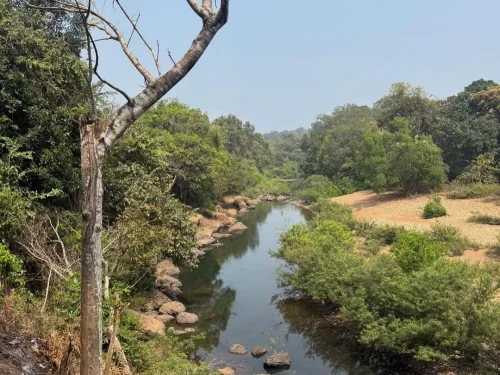
- Environment and Surroundings: The waterfall is located within dense forest of the Bhagwan Mahavir Wildlife Sanctuary, with rocky riverbeds, forest trails, and diverse flora and fauna. The sound of cascading water dominates the area.
- Facilities and Amenities: Minimal facilities are available; basic toilets and refreshment stalls exist near the base entry points. No full-service restaurants or shelters are present near the waterfall itself.
- Accessibility and Movement: Reaching the waterfall requires jeep rides, trekking, or viewing from the nearby railway bridge. Paths are uneven and may be slippery during or after rainfall.
- Typical Visitor Conditions: Visitors include hikers, photographers, and nature enthusiasts. Weekends and monsoon months attract larger crowds, while weekdays are quieter. Safety precautions are essential near water and rocky areas.
Important Visitor Information for Dudhsagar Waterfall, Goa
- Crowd and Weather Notes: The waterfall sees higher footfall during weekends, holidays, and post-monsoon months. Monsoon season (June–September) brings slippery trails and strong water currents.
- Peak and Quiet Hours: Early morning (7:00–9:30 AM) and late afternoon (4:00–6:00 PM) are ideal for visiting and photography. Midday can be hot and crowded near jeep entry points.
- Dress Code: Comfortable trekking attire and sturdy footwear are recommended; modest clothing is suggested when passing through local villages.
- Safety and Practical Cautions: Avoid swimming near strong currents, especially during monsoon. Watch for slippery rocks on trekking paths. Keep personal items secure and follow guidance from jeep operators or forest staff.
Photography and Viewpoints at Dudhsagar Waterfall, Goa
- Best Viewpoints: The base pool area offers wide-angle shots of the full cascade. The railway bridge provides a unique perspective of trains passing with the waterfall in the background.
- Lighting and Time-of-Day: Early morning (7:00–9:30 AM) provides soft light and fewer crowds. Late afternoon (4:00–6:00 PM) captures golden-hour tones and contrasts between forest greenery and water flow.
- Photography Restrictions: No formal restrictions exist, but drones are prohibited within the sanctuary. Respect privacy of visitors and local staff when photographing close-up scenes.
- Crowd and Access Factors: Weekends and post-monsoon months can be busy, making unobstructed shots challenging. Trekking paths and jeep trails may limit access to certain angles for those with mobility constraints.