Quick Facts About Bhagwan Mahaveer Wildlife Sanctuary
| Entry Fee | 100 |
| Timings | 07:00 - 17:00 |
| Altitude (m) | 560 |
| Ideal Visit Duration (hrs) | 5 |
| Best Time of Day | Morning |
| Crowd Level | Moderate |
| Distance from Panaji (km) | 60 |
| Walking Difficulty | Moderate |
| Parking Available | Yes |
| Last Mile Access | Trek |
| Suitable for Kids | Yes |
| Suitable for Seniors | No |
| Wheelchair Friendly | No |
Why Visit Bhagwan Mahavir Wildlife Sanctuary, Goa
Visitors come to Bhagwan Mahavir Wildlife Sanctuary to experience Goa’s largest protected forest and its diverse wildlife. The sanctuary offers opportunities to see leopards, sloth bears, sambars, langurs, and a wide variety of bird species in their natural habitat, along with forested trails and riverine landscapes.
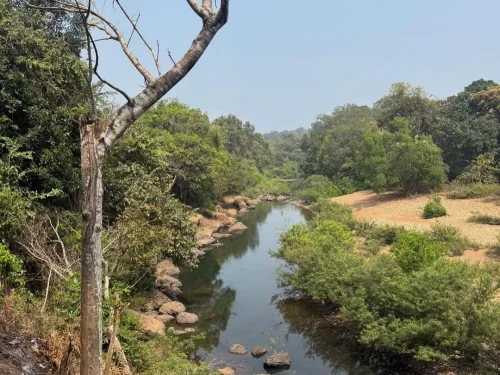
On the ground, the sanctuary has a dense forest environment with a mix of evergreen and deciduous trees, flowing streams, and well-marked trekking paths. The sound of wildlife and flowing rivers provides a tranquil and immersive nature experience, punctuated by occasional jeep rides and guided tours.
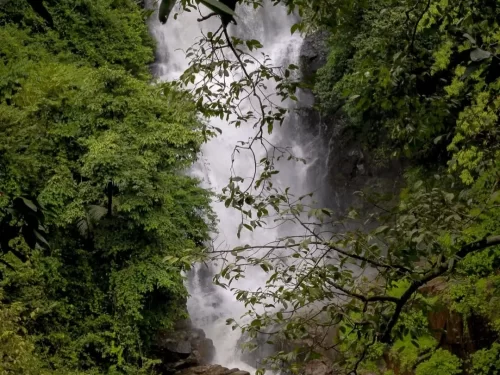
What makes this sanctuary distinct for travelers is its combination of biodiversity and accessibility. Unlike smaller forest areas in Goa, it encompasses multiple trekking trails, river crossings, and viewpoints, including access to Dudhsagar Waterfall, allowing visitors to engage with both wildlife and iconic natural landmarks in a single trip.
History of Bhagwan Mahavir Wildlife Sanctuary, Goa
Bhagwan Mahavir Wildlife Sanctuary was established in 1978 as a protected area to conserve the rich biodiversity of the Western Ghats in Goa. It covers approximately 240 km² and includes evergreen and semi-evergreen forests, supporting a wide range of flora and fauna.
Within the sanctuary, the Tambdi Surla Mahadev Temple, a 12th-century Shiva temple, adds cultural and religious significance, attracting visitors interested in historical architecture alongside nature exploration.
Best Time to Visit Bhagwan Mahavir Wildlife Sanctuary, Goa
The sanctuary is best visited during the post-monsoon and winter months when forest trails are accessible, wildlife activity is higher, and temperatures are comfortable for trekking and sightseeing.
- Ideal Months: October to March
- Weather Conditions: Pleasant temperatures ranging from 20°C to 30°C; forest paths are dry and safer for trekking
- Periods to Avoid: June to September (monsoon season) due to heavy rainfall, slippery trails, and restricted jeep access
How to Reach Bhagwan Mahavir Wildlife Sanctuary, Goa
- Nearest Airport: Goa International Airport (Dabolim), approximately 65 km away; taxi or cab services are available to sanctuary entry points.
- Nearest Railway Station: Castle Rock Railway Station (around 20 km) provides access to Dudhsagar and forest trails; limited passenger trains operate through this section.
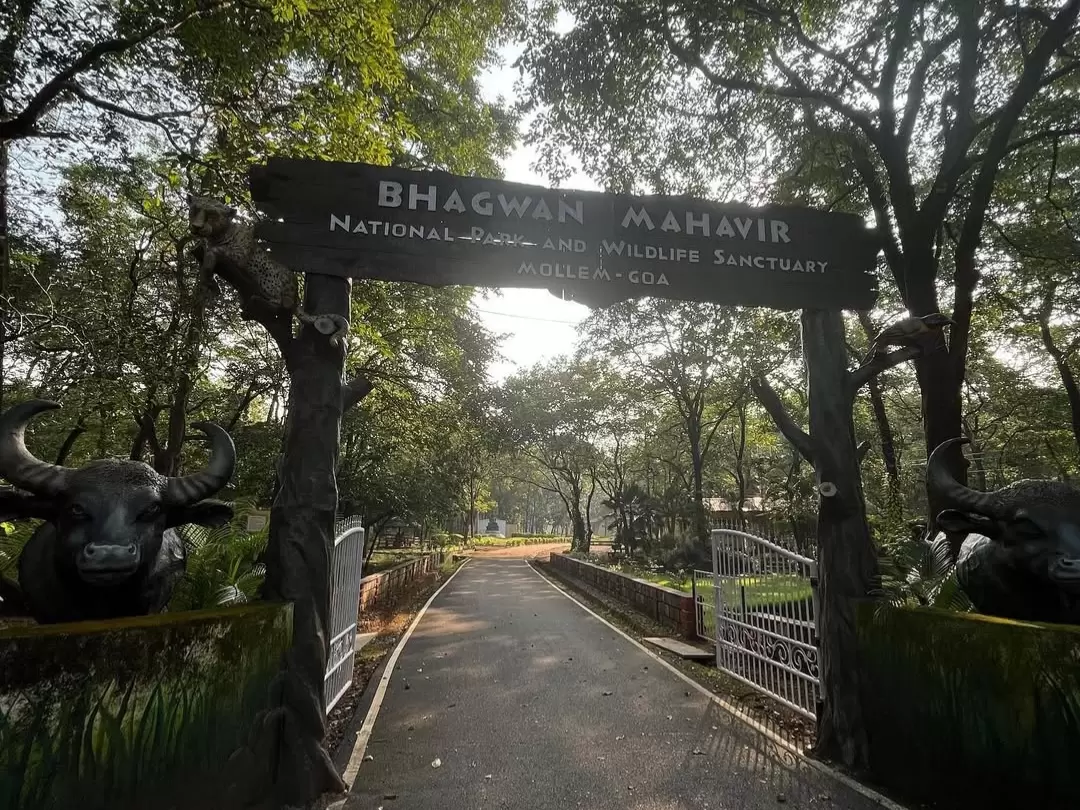
- Road Access and Last-Mile Connectivity: Accessible via Mollem or Tambdi Surla; private vehicles can reach parking areas, followed by short treks or guided jeep rides into core forest areas. Some trails are only reachable on foot or by sanctioned forest jeeps.
What to Expect When You Visit Bhagwan Mahavir Wildlife Sanctuary, Goa
- Environment and Surroundings: Dense evergreen and semi-evergreen forests with rivers, streams, and occasional waterfalls. Wildlife sightings include leopards, sloth bears, langurs, and a variety of birds.
- Facilities and Amenities: Limited amenities; parking available at entry points, basic signage on trails, and some rest areas. No restaurants or extensive visitor facilities inside the core sanctuary.
- Accessibility and Movement: Main entry points allow jeep rides and trekking; many trails involve uneven paths, steps, and river crossings. Core areas require walking or guided transport.
- Typical Visitor Behavior and Conditions: Visitors include trekkers, wildlife enthusiasts, and photographers. Weekends and post-monsoon months are busier, so expect moderate crowds along popular trails.
Important Visitor Information and Safety for Bhagwan Mahavir Wildlife Sanctuary, Goa
- Crowd and Weather Notes: Moderate crowds; post-monsoon months (October to March) offer dry trails and comfortable temperatures. Avoid monsoon season due to slippery paths and limited access.
- Peak and Quiet Visiting Hours: Early morning (7:00–10:00 AM) is ideal for wildlife sightings; late afternoon (3:30–5:00 PM) is quieter and cooler for walking.
- Dress Code: Wear comfortable trekking clothes, sturdy shoes, hats, and insect repellent. Light-colored clothing is recommended for spotting wildlife.
- Safety Notes and Practical Cautions: Stay on marked trails, follow guide instructions, and maintain safe distance from wildlife. River crossings can be slippery; carry water and first-aid. Jeep rides are recommended for deeper forest areas where walking is strenuous.
Photography and Viewpoints at Bhagwan Mahavir Wildlife Sanctuary, Goa
- Best Viewpoints: Dudhsagar Waterfall offers dramatic shots from the base and mid-level trails; forest clearings along jeep trails provide wildlife and bird photography opportunities.
- Lighting Conditions: Early morning (7:00–10:00 AM) provides soft light for wildlife and waterfall shots; late afternoon (3:30–5:30 PM) offers warm tones for forest landscapes.
- Photography Rules: No drones allowed inside the sanctuary. Maintain distance from wildlife, and flash photography is discouraged to avoid disturbing animals.
- Crowd and Access Factors: Weekends and post-monsoon months are busier; trekking trails can be crowded. Jeep rides allow access to deeper viewpoints where walking is difficult.