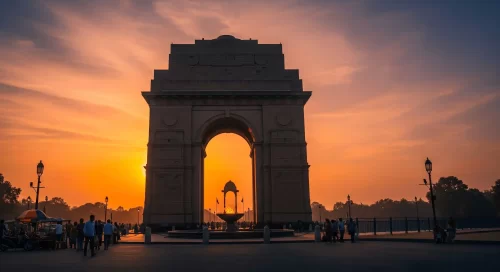
What Makes Delhi a Unique Travel Region
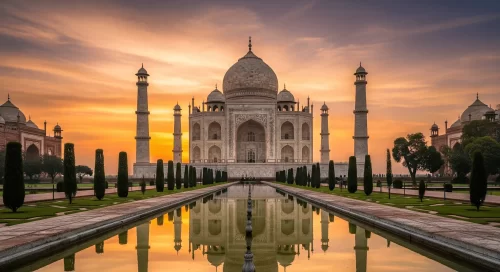
Delhi is not just a capital city; it is a layered historical landscape where empires, migration, politics, and modern ambition coexist within the same space. Geography placed it along ancient trade routes and river systems, making it a natural seat of power for centuries. That legacy still shapes daily life, architecture, food culture, and public rhythm. Travel here feels dynamic and fast-paced, moving between old-world streets and contemporary districts within minutes. The experience is urban, intense, and deeply rooted in living history rather than preserved nostalgia.
- Geography: Strategically positioned plains that supported trade, settlement, and power centers
- Culture: A blend of imperial heritage, migration influence, and modern cosmopolitan identity
- Travel vibe: Energetic, layered, and constantly evolving
- Distinct experience type: Urban exploration combining heritage depth with contemporary life
Popular Tourist Circuits Across Delhi
Travel across Delhi is structured around historic layers and urban districts rather than long-distance movement. The city is compact compared to most states, but traffic density and peak-hour congestion influence daily planning. Most exploration happens in clustered zones combining heritage quarters, ceremonial avenues, cultural districts, and contemporary neighborhoods. Climate plays an important role, with summers requiring slower pacing and winters allowing full-day outdoor exploration. Three to four days is a realistic duration to experience Delhi comfortably without rushing between major cultural and historical belts.
| Circuit Type |
Areas Covered (generic descriptions only, no place names) |
Ideal Duration (realistic and safety based) |
Travel Style |
| Historic Capital Circuit |
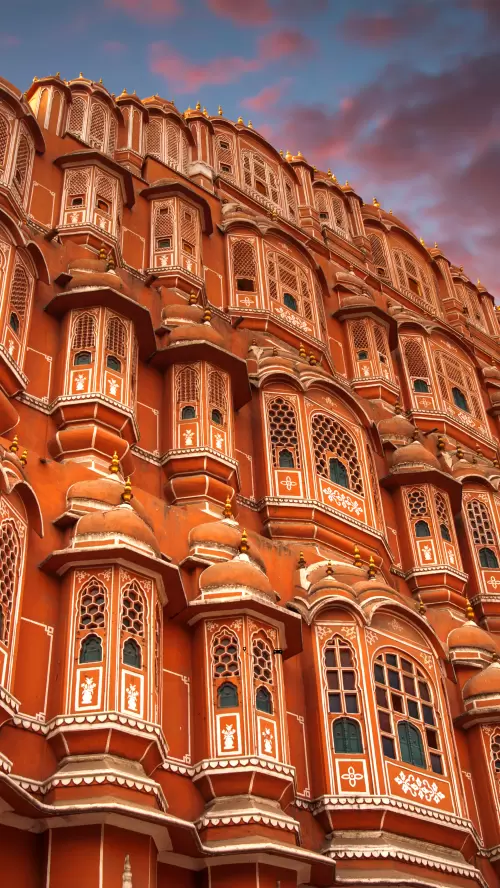
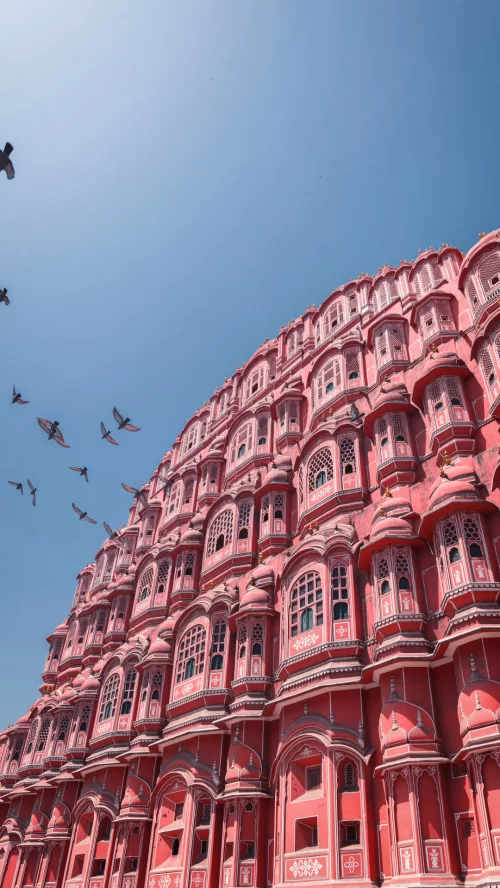
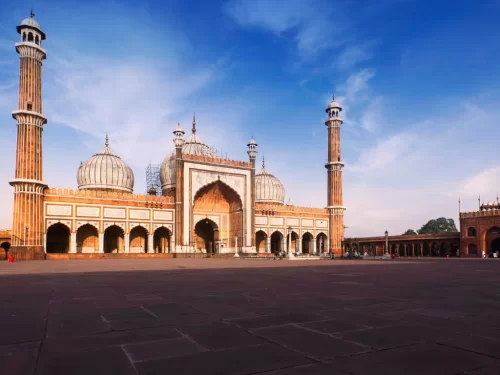
Medieval fort complexes, ancient ruins, and old residential quarters |
2–3 days |
Walking tours combined with short city transfers |
| Imperial & Political District Circuit |
Grand boulevards, ceremonial buildings, and national institutions |
1–2 days |
Structured sightseeing with guided interpretation |
| Culture & Museum Circuit |
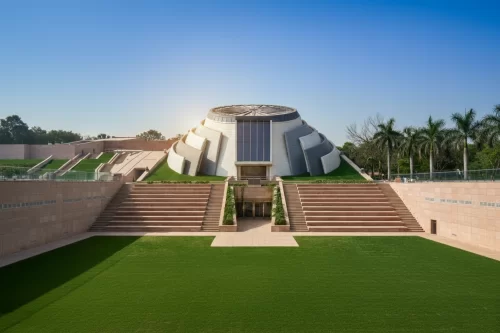
Art spaces, national museums, memorial sites, and cultural centers |
1–2 days |
Indoor-focused exploration with flexible pacing |
| Urban Lifestyle Circuit |
Markets, food streets, contemporary neighborhoods, and nightlife zones |
1–2 days |
Leisure exploration with local transport and walking |
Best Time to Travel to Delhi
Choose your travel window to Delhi based on temperature comfort, festival atmosphere, and how much time you plan to spend outdoors exploring heritage and markets.
| Season |
Months |
Weather Conditions |
Travel Suitability |
| Winter |
October to February |
Cool to pleasant days with crisp mornings and comfortable evenings. |
Most comfortable period for sightseeing, heritage walks, food exploration, and full day outdoor plans. |
| Summer |
March to June |
High daytime temperatures with dry heat conditions. |
Suitable for travelers comfortable with warmer weather who plan early morning outings and indoor experiences during peak hours. |
| Monsoon |
July to September |
Moderate rainfall with humid air and occasional cloudy days. |
Ideal for those who enjoy a softer travel pace, refreshed greenery, and fewer crowds. |
How Travelers Usually Explore Delhi
Travel in Delhi typically begins at its international airport or major railway stations, after which visitors settle into centrally located bases for easy city access. Exploration is usually structured zone-wise, as historical districts, markets, cultural centers, and modern neighborhoods are spread across different parts of the city. Pacing is flexible, with travelers balancing guided sightseeing, independent exploration, and leisure time depending on traffic flow and personal interests.
- Road travel through taxis and app-based cabs is commonly used for flexible city movement.
- Rail connectivity includes long-distance trains and an extensive metro network for efficient urban travel.
- Local transport options include metro rail, buses, auto-rickshaws, cycle-rickshaws, and ride-hailing services.
- Most visits are structured as day explorations within the city, though some travelers combine Delhi with broader regional circuits.
Culture, Food & Everyday Life in Delhi
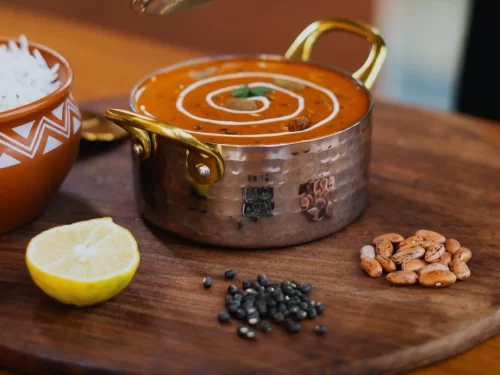
Life in Delhi is shaped by its role as a political capital, trade center, and historic crossroads of cultures. The climate shifts between intense summers, monsoon humidity, and cool winters, influencing daily routines, clothing choices, and food preferences. Workdays move at a fast pace, especially in commercial and administrative zones, yet social life remains deeply rooted in conversation, gatherings, and family connections. Travelers may observe a confident, expressive communication style and a strong sense of pride in heritage. Food habits reflect both practicality and cultural layering, with meals adapting seasonally to provide comfort during winter and lightness during warmer months. Street-side eating culture coexists with home-style cooking, reflecting diversity and accessibility. Emotionally, Delhi feels energetic and layered, where tradition and ambition exist side by side, creating an atmosphere that is dynamic yet culturally grounded.
- Fast-paced urban lifestyle with strong historic identity
- Seasonally adaptive food habits
- Expressive social interactions and community warmth
- Blend of administrative structure and everyday vibrancy



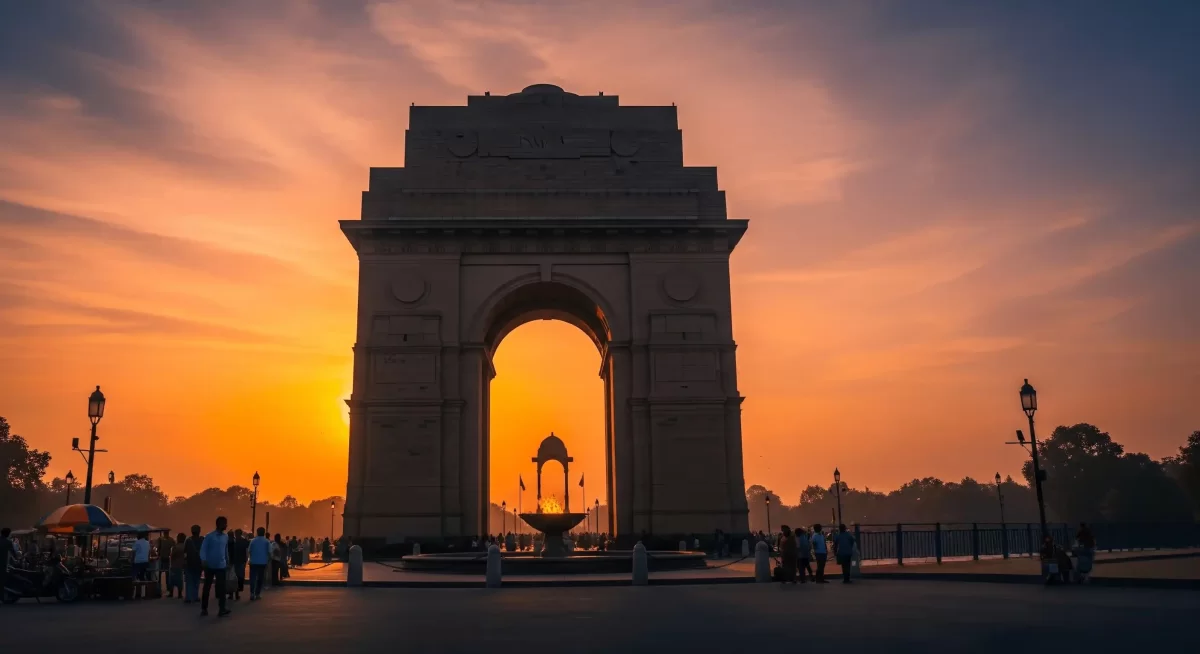
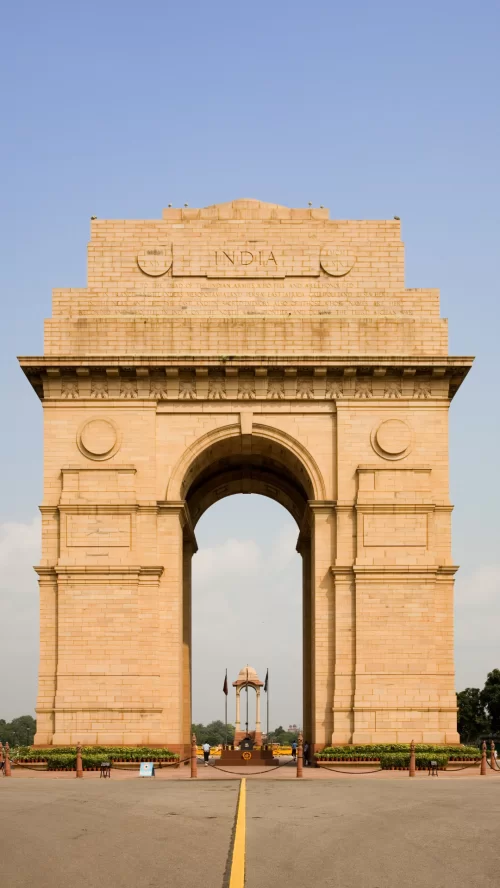
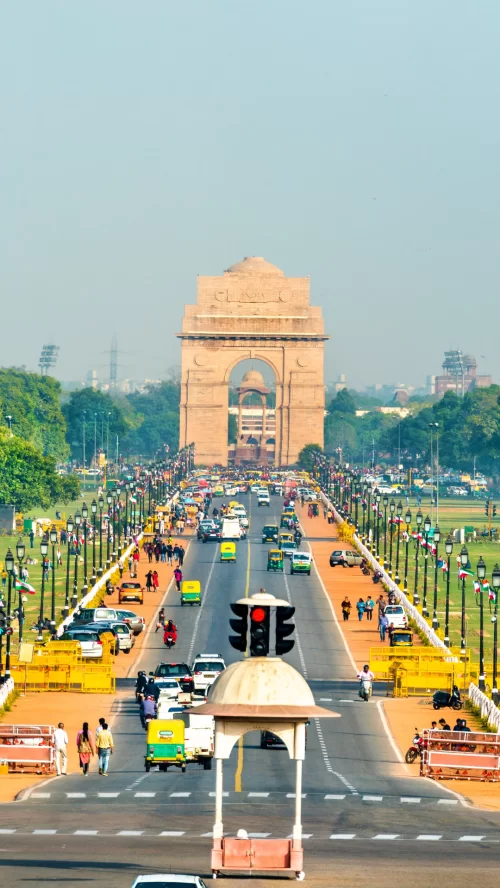
 Historical Site
 Museum
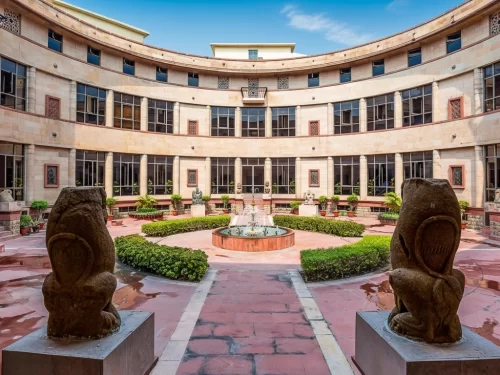 Museum