


Uttarakhand in January – Weather, Snowfall & Travel Guide
Plan a January trip to Uttarakhand with practical information on weather, snowfall, temperatures, road conditions, places to visit and winter activities.
+91 9910402252
admin@chalbanjare.com


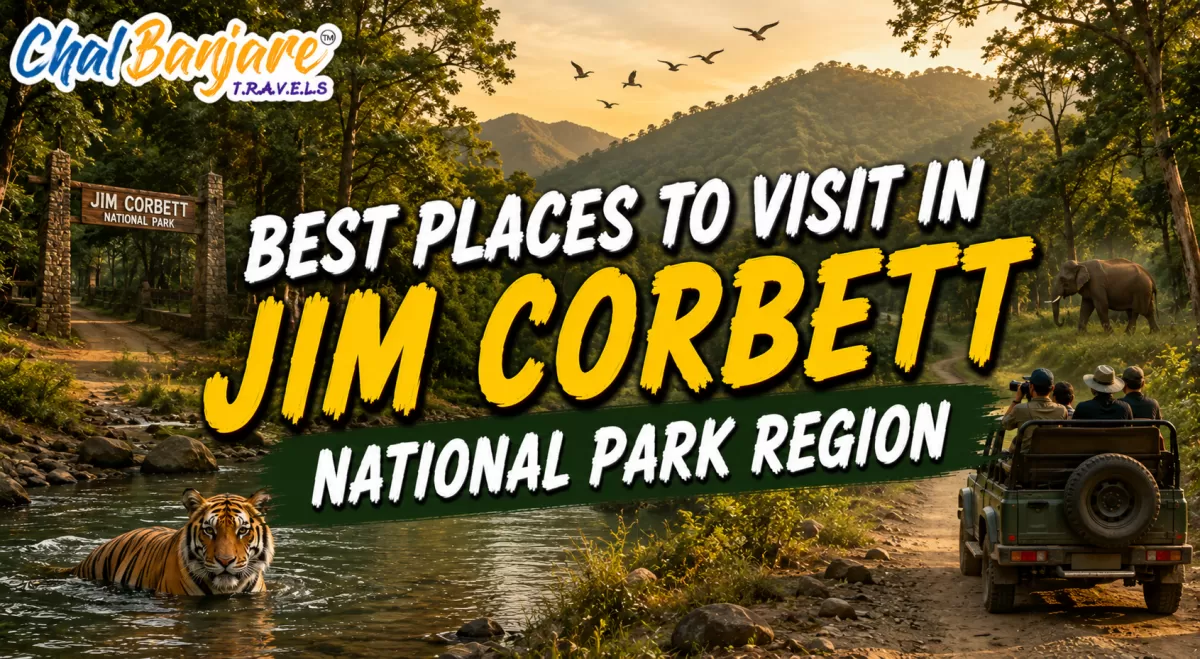
Beyond wildlife safaris, the Jim Corbett region offers rivers, forests, temples, scenic landscapes, birdwatching spots, and nature experiences across the Kumaon foothills.
Jim Corbett National Park is divided into several safari zones, each offering a distinct landscape, ecosystem, and wildlife experience. Rather than one continuous tourism area, every zone has separate entry gates, designated safari routes, and different forest characteristics. This variety allows visitors to explore river valleys, dense sal forests, open grasslands, hilly terrain, and mixed woodland habitats while experiencing different aspects of Corbett's remarkable biodiversity.
Dhikala is the largest and most celebrated safari zone, renowned for its expansive grasslands, Ramganga River floodplains, and excellent wildlife viewing opportunities. Bijrani combines dense sal forests with open meadows, while Jhirna remains open for most of the year and features dry deciduous forests that support a wide range of wildlife. Dhela offers diverse vegetation with relatively gentle terrain, Durga Devi is characterised by hilly forests and riverbeds, Garjia features scenic woodland close to the Kosi River, and Sitabani, although managed separately from the national park, remains popular for its forests and birdlife.
Every safari zone offers a different experience, and visitors staying for multiple days often explore more than one zone to appreciate the park's varied landscapes and wildlife habitats.
Each safari zone supports different wildlife populations depending on habitat type, water availability, vegetation, and seasonal conditions. Grasslands around Dhikala attract large herbivores including elephants, spotted deer, hog deer, and wild boar, while dense forests in Bijrani and Dhela provide suitable habitat for tigers, leopards, and numerous bird species. River corridors support crocodiles, otters, and aquatic birdlife, creating excellent opportunities for observing multiple ecosystems during a single safari.
Morning and afternoon safaris reveal changing wildlife behaviour throughout the day. Early morning often provides increased chances of observing large mammals before temperatures rise, while afternoon safaris allow visitors to experience changing forest light, active birdlife, and beautiful sunset landscapes across the grasslands and river valleys.
Wildlife sightings can never be guaranteed because animals move freely throughout the forest. Visitors who focus on the complete forest experience rather than a single species often enjoy the most rewarding safari.
Selecting the most suitable safari zone depends on travel dates, seasonal accessibility, accommodation location, and individual wildlife interests. Some zones operate only during particular seasons because of weather conditions, while others remain accessible for most of the year. Advance booking is particularly important during weekends, holidays, and the peak tourism season because permits for popular safari zones are limited.
Travellers interested in extensive landscapes and overnight forest experiences often prefer Dhikala, while visitors making shorter trips frequently choose Bijrani, Jhirna, or Dhela because of easier accessibility. Birdwatchers may favour Durga Devi and Sitabani for their rich avian diversity, whereas photographers often combine multiple safari zones during longer stays to capture varied habitats and wildlife.
Careful safari planning improves the overall experience while allowing visitors to explore Corbett's remarkable ecological diversity. Each zone contributes differently to understanding India's oldest national park and its extraordinary wildlife heritage.
The Ramganga River forms the ecological heart of Jim Corbett National Park and supports one of the richest wildlife habitats in northern India. Flowing through forests, grasslands, rocky riverbeds, and wetlands, the river provides water for countless species while creating spectacular natural scenery throughout the park. Many of Corbett's most memorable wildlife sightings occur along the Ramganga, where elephants, deer, crocodiles, birds, and numerous other animals regularly gather near the water.
Beyond its ecological importance, the river offers visitors beautiful panoramic landscapes where flowing water reflects surrounding forests and distant Himalayan foothills. Open riverbanks, sandy islands, grasslands, and forested valleys create diverse scenery that changes with the seasons. During winter, clear skies and pleasant temperatures further enhance the beauty of the Ramganga valley.
River landscapes appear particularly beautiful during early morning and late afternoon when softer light enhances both wildlife observation and photography across the surrounding forests and grasslands.
Several peaceful riverside areas surrounding Corbett provide opportunities to enjoy nature away from the more active safari routes. The Ramganga, Kosi, and smaller seasonal streams flowing through the region create quiet environments where visitors can appreciate forests, birdlife, flowing water, and Himalayan foothill scenery. These rivers also support rich biodiversity by connecting different habitats across the landscape.
Forest rest areas, river viewpoints, nearby resorts, and designated nature zones often overlook these water bodies, allowing visitors to spend time observing wildlife activity while enjoying the tranquil surroundings. Gentle river sounds, shaded woodland, and occasional sightings of birds or mammals create a relaxing contrast to the excitement of jeep safaris.
Visitors should always remain within designated tourism areas and follow park regulations near rivers because these habitats are actively used by wildlife throughout the day and night.
Riverside habitats around Jim Corbett support exceptional birdlife and offer excellent opportunities for nature observation and landscape photography. Kingfishers, river lapwings, wagtails, fish eagles, herons, storks, cormorants, and numerous woodland birds are regularly observed near flowing water, making river corridors especially attractive for birdwatchers throughout the year.
Morning light creates beautiful reflections across calm river sections while mist rising from the water adds atmosphere to the surrounding forests. Visitors staying at riverside accommodation often enjoy birdwatching directly from their property while observing changing wildlife activity throughout the day. These peaceful experiences complement the excitement of wildlife safaris and provide a broader appreciation of Corbett's remarkable natural diversity.
Patience and quiet observation greatly improve wildlife and birdwatching opportunities near rivers. Spending additional time in these peaceful habitats often rewards visitors with memorable sightings while showcasing another important side of the Corbett landscape.
Jim Corbett National Park is one of India's richest wildlife destinations and is internationally recognised for protecting the Bengal tiger while supporting an extraordinary variety of mammals, reptiles, birds, and plant life. The combination of dense sal forests, open grasslands, river valleys, wetlands, and foothill landscapes creates ideal habitats for numerous species that thrive across different parts of the park. Each safari introduces visitors to changing ecosystems where every habitat supports different forms of wildlife.
Tigers remain the park's most iconic residents, although sightings depend entirely on natural animal movement and cannot be guaranteed. Asian elephants, spotted deer, sambar deer, barking deer, wild boar, langurs, rhesus macaques, crocodiles, gharials, otters, and occasionally leopards are also regularly observed across various safari zones. The remarkable biodiversity ensures that every safari offers opportunities to experience the richness of Corbett's natural environment regardless of whether a tiger is seen.
Successful wildlife observation depends on patience, quiet behaviour, and experienced guides. Every safari presents different opportunities because animals move naturally throughout the forest according to seasonal conditions and daily activity patterns.
Jim Corbett National Park is one of India's premier birdwatching destinations, supporting more than six hundred recorded bird species across forests, rivers, wetlands, grasslands, and foothill habitats. The wide variety of ecosystems attracts resident birds throughout the year as well as migratory species during the winter months. This exceptional diversity makes Corbett equally rewarding for dedicated birdwatchers and casual nature enthusiasts.
River corridors, forest clearings, grasslands, and woodland edges remain among the best locations for observing birds. Visitors frequently encounter crested serpent eagles, fish eagles, kingfishers, hornbills, woodpeckers, barbets, owls, wagtails, flycatchers, drongos, parakeets, minivets, and numerous Himalayan woodland species depending on the season and habitat being explored.
Early mornings remain the most productive period for birdwatching because birds are highly active during cooler hours. Carrying binoculars significantly enhances the overall experience while allowing visitors to observe distant species without disturbing their natural behaviour.
Wildlife observation in Jim Corbett extends beyond simply searching for individual animals. Every safari provides opportunities to appreciate animal tracks, alarm calls, forest behaviour, changing landscapes, and interactions between different species within the ecosystem. Experienced naturalists and guides help visitors understand how rivers, forests, grasslands, and seasonal weather influence wildlife movement across the park.
Visitors staying multiple days often combine jeep safaris with riverside birdwatching, forest walks in permitted tourism areas, nature interpretation centres, and peaceful observation from riverside accommodation. This broader approach allows travellers to experience Corbett as a complete ecological landscape rather than focusing solely on large mammals.
Respecting wildlife by maintaining silence, avoiding sudden movement, and following guide instructions ensures a safer and more rewarding safari experience. Visitors who appreciate the complete ecosystem often leave with a much deeper understanding of Corbett's extraordinary natural heritage.
Ramnagar serves as the primary gateway to Jim Corbett National Park and is much more than simply a transit town. Situated along the Kosi River, it offers visitors an opportunity to experience local Kumaoni culture, bustling markets, religious sites, riverside scenery, and convenient travel facilities before entering the forests. Many travellers spend time here purchasing supplies, enjoying regional cuisine, and exploring the town before beginning their wildlife safari.
The local markets feature shops selling handicrafts, woollen garments, locally produced foods, outdoor equipment, souvenirs, and daily essentials. Small temples scattered throughout the town reflect the region's religious traditions, while riverside areas provide pleasant walking opportunities during the cooler parts of the day. Ramnagar's relaxed atmosphere offers a welcome introduction to the wider Corbett landscape.
Visitors arriving before their safari often find Ramnagar an ideal place to relax, organise travel plans, and enjoy local hospitality before continuing towards the various safari entry gates.
Almost every visitor travelling to Jim Corbett National Park passes through Ramnagar because it serves as the administrative and logistical centre for tourism in the region. Safari permits, accommodations, transport services, tour operators, restaurants, and local markets are concentrated here, making the town the starting point for exploring different safari zones including Dhikala, Bijrani, Jhirna, Dhela, Durga Devi, and Garjia.
The town's strategic location between the Himalayan foothills and the forests allows easy access to multiple tourism areas while maintaining excellent road connectivity with Delhi, Nainital, Haldwani, and other destinations across Uttarakhand. Visitors often use Ramnagar as their accommodation base before travelling into the national park during early morning safari departures.
Staying in Ramnagar provides flexibility when visiting multiple safari zones because travel distances to different park entrances remain relatively convenient. Early departures from the town also help visitors reach safari gates on time.
Beyond its tourism infrastructure, Ramnagar offers visitors an opportunity to experience the culture of the Kumaon region before entering the protected forests. Local residents maintain traditions connected with agriculture, trade, hospitality, and forest conservation, creating a welcoming atmosphere for travellers. Seasonal festivals, traditional foods, regional handicrafts, and interactions with local communities provide insight into everyday life surrounding India's oldest national park.
Modern travel facilities including hotels, banks, medical services, fuel stations, transport providers, and equipment shops ensure visitors are well prepared before beginning their wildlife adventures. This combination of practical convenience and cultural character makes Ramnagar an important part of the overall Jim Corbett travel experience.
Spending time exploring Ramnagar before entering the national park provides a broader understanding of the Corbett region. The town successfully combines practical travel convenience with authentic local culture, creating a rewarding beginning to any wildlife holiday.
Although Jim Corbett National Park is primarily known for its remarkable wildlife and forests, the surrounding region is also home to several important temples and spiritual destinations that reflect the rich cultural heritage of Kumaon. These religious sites are often located amidst forests, rivers, and Himalayan foothills, creating peaceful environments where visitors can combine sightseeing with moments of reflection. Many travellers include these attractions before or after their wildlife safaris to experience another side of the Corbett region.
Among the most visited spiritual destinations is the Garjia Devi Temple, beautifully situated on a large rock in the Kosi River. Hanuman Dham near Ramnagar is another important religious site known for its peaceful atmosphere and impressive temple complex. Smaller local temples dedicated to Shiva, Durga, and regional deities can also be found throughout nearby villages, offering insight into the religious traditions that continue to shape daily life in the area.
Morning visits provide a peaceful atmosphere while allowing visitors to avoid larger crowds during weekends and religious festivals. Respectful dress and behaviour are recommended while visiting all temple premises.
One of the unique characteristics of the Corbett region is the close relationship between forests, rivers, and spiritual sites. Many temples are surrounded by natural landscapes where flowing rivers, dense forests, and mountain scenery create tranquil environments that encourage quiet reflection. Unlike large urban pilgrimage centres, these locations maintain a calm atmosphere where nature remains an integral part of the spiritual experience.
The Garjia Devi Temple overlooking the Kosi River provides beautiful panoramic views of surrounding forests, while smaller village shrines often stand beneath ancient trees or beside seasonal streams. Visitors frequently appreciate the opportunity to experience peaceful surroundings where birdsong, flowing water, and forest landscapes enhance the spiritual atmosphere throughout the region.
Visitors often find these quieter spiritual locations particularly rewarding because they combine beautiful natural scenery with authentic local traditions. Spending time without rushing allows a greater appreciation of both the landscape and the cultural significance of the region.
The spiritual traditions surrounding Jim Corbett are closely connected with the everyday lives of local communities. Religious festivals, seasonal celebrations, temple fairs, and family ceremonies continue to play an important role across villages near Ramnagar and the surrounding Kumaon region. Visitors travelling during major festivals may witness devotional music, traditional rituals, and colourful community gatherings that reflect centuries of local heritage.
These cultural traditions also highlight the close relationship between people and the surrounding forests. Many local beliefs emphasise respect for nature, rivers, and wildlife, reflecting a long history of coexistence with the Himalayan environment. Understanding these traditions provides valuable insight into the broader cultural landscape surrounding India's oldest national park.
Including spiritual attractions within a Corbett itinerary creates a balanced travel experience that combines wildlife, culture, history, and local traditions. These peaceful destinations offer visitors an opportunity to understand the region beyond its famous forests and safari experiences.
The landscapes surrounding Jim Corbett National Park represent one of the most diverse natural environments in northern India. Dense sal forests, open grasslands, river valleys, wetlands, rocky riverbeds, and the lower Himalayan foothills combine to support an extraordinary variety of wildlife while creating spectacular scenery throughout the year. These ecosystems extend beyond the safari routes, allowing visitors to appreciate the region's remarkable natural diversity through peaceful exploration and scenic observation.
The Ramganga and Kosi rivers shape much of the surrounding landscape, while forest corridors connect different wildlife habitats across the park. Seasonal changes further transform the scenery, with lush greenery after the monsoon, golden grasslands during winter, colourful forests in spring, and clear mountain visibility during the cooler months. Every season reveals different aspects of Corbett's rich natural environment.
Visitors spending additional time beyond scheduled safaris often discover a deeper appreciation of Corbett's landscapes. Quiet observation of forests, rivers, and grasslands reveals the ecological richness that supports the park's remarkable wildlife.
The wider Corbett region offers numerous natural attractions beyond the official safari zones. Riverside landscapes, forest roads, village surroundings, wetlands, foothill viewpoints, and nearby conservation areas provide opportunities to experience the beauty of the region without entering the national park itself. These locations remain particularly attractive for visitors interested in photography, birdwatching, nature walks, and peaceful outdoor experiences.
Garjia, Sitabani, the Kosi River corridor, Corbett Falls, and several forested areas surrounding Ramnagar provide scenic alternatives where visitors can appreciate natural beauty while supporting responsible tourism. These quieter locations often attract a variety of birds, butterflies, and smaller wildlife, creating rewarding experiences beyond traditional jeep safaris.
Many visitors combine these natural attractions with safari experiences to create a more balanced itinerary. Exploring beyond the main tourism zones reveals additional landscapes that contribute significantly to the ecological richness of the Corbett region.
Nature around Jim Corbett can be enjoyed through many peaceful outdoor experiences in addition to wildlife safaris. Birdwatching, riverside walks in designated tourism areas, landscape photography, forest interpretation centres, and relaxing beside scenic rivers all provide opportunities to connect with the surrounding environment at a slower pace. These activities appeal especially to visitors seeking relaxation as well as wildlife observation.
Sunrise over mist-covered grasslands, quiet evenings beside the Kosi River, and panoramic forest landscapes create memorable moments that showcase Corbett's natural beauty beyond animal sightings. Spending time appreciating these peaceful surroundings often becomes one of the highlights of a longer visit to the region.
Allowing unhurried time for nature appreciation creates a richer travel experience. Corbett's forests, rivers, grasslands, and mountain scenery offer remarkable opportunities to enjoy one of India's finest protected landscapes from many different perspectives.
The Corbett region offers some of the finest wildlife and landscape photography opportunities in India. The combination of dense sal forests, open grasslands, rocky riverbeds, mist-covered valleys, wetlands, and the Ramganga and Kosi rivers creates an extraordinary variety of photographic subjects throughout the year. Whether visitors are carrying professional equipment or simply using a smartphone, every safari and nature excursion presents opportunities to capture the unique beauty of India's oldest national park.
Wildlife photography remains the primary attraction, with opportunities to photograph elephants, spotted deer, sambar, wild boar, crocodiles, birds, and if fortunate, the elusive Bengal tiger. Equally rewarding are the forest landscapes themselves, where shafts of sunlight filtering through towering sal trees, reflections across rivers, and distant Himalayan foothills provide dramatic natural compositions. Seasonal changes also influence photography, with lush greenery during the monsoon, golden grasslands in winter, and colourful forest vegetation during spring.
Morning safaris provide softer light and greater wildlife activity, making them particularly rewarding for photography. Remaining patient and respecting wildlife ensures both safe and memorable photographic experiences.
Each safari zone offers different photographic opportunities based on its terrain and wildlife. Dhikala is famous for expansive grasslands, river floodplains, and panoramic landscapes, while Bijrani provides beautiful forest scenes with filtered sunlight. Jhirna and Dhela feature mixed woodland habitats, whereas Durga Devi attracts photographers interested in rivers, rocky valleys, and birdlife. Exploring multiple safari zones allows photographers to capture a wider variety of landscapes throughout their stay.
Birdwatching locations along the Ramganga River, Kosi River, forest clearings, and wetland habitats provide excellent opportunities to photograph hornbills, kingfishers, fish eagles, woodpeckers, owls, herons, and numerous migratory species. Scenic viewpoints overlooking rivers, forests, and foothill landscapes further enhance the diversity of photographic subjects available throughout the Corbett region.
Photographers staying for multiple days benefit from visiting different safari zones because each area presents unique habitats, lighting conditions, and wildlife behaviour. Flexibility with weather and safari timing often produces the most rewarding images.
Sunrise is widely regarded as the finest time for photography in the Corbett region. Soft golden light illuminates forests, grasslands, and rivers while mist often lingers above the landscape, creating atmospheric scenes rarely seen later in the day. Wildlife is generally more active during the cooler morning hours, increasing opportunities for observing natural behaviour while enjoying ideal lighting conditions.
Nature photographers can also focus on forest details including textured tree bark, colourful butterflies, insects, wildflowers, flowing streams, and dramatic cloud formations above the Himalayan foothills. During winter, crisp visibility enhances panoramic landscape photography, while post-monsoon months reveal lush forests and vibrant green vegetation throughout the park.
Patience, quiet observation, and respect for wildlife remain essential for successful photography in Corbett. Visitors who appreciate the complete ecosystem rather than focusing only on large mammals often return with the most varied and memorable collection of photographs.
Jim Corbett is one of the most family-friendly wildlife destinations in India, offering experiences that combine adventure, education, and nature without requiring strenuous physical activity. Jeep safaris remain the highlight for most families, allowing children and adults to observe wildlife from designated safari vehicles while learning about forests, rivers, and conservation. The combination of wildlife, scenic landscapes, and well-organised tourism infrastructure makes Corbett suitable for visitors of different age groups.
Beyond safaris, families can enjoy riverside walks in permitted tourism areas, birdwatching, Corbett Falls, Garjia Temple, nature interpretation centres, and peaceful stays surrounded by forests and rivers. Many resorts also organise evening nature talks, village visits, and outdoor activities that introduce younger visitors to the ecological importance of the Corbett landscape in an engaging way.
Planning a balanced itinerary that combines safari adventures with relaxed sightseeing allows families to enjoy the region comfortably while avoiding unnecessary travel fatigue.
The Corbett region offers a wide variety of accommodation ranging from riverside resorts and forest lodges to comfortable hotels near Ramnagar. Many properties are specifically designed for families and provide spacious rooms, gardens, children's activity areas, nature trails, and outdoor recreation while maintaining close access to the safari zones. Staying near forests and rivers also increases opportunities to observe birds and smaller wildlife directly from the property.
Educational experiences add further value to a family holiday. Guided safaris, nature interpretation centres, wildlife presentations, and interactions with experienced naturalists help children understand forest ecosystems, animal behaviour, and the importance of wildlife conservation. These learning opportunities often become as memorable as the wildlife sightings themselves.
Booking accommodation well in advance during peak travel periods ensures better choices and convenient access to safari departures. Properties located close to safari gates reduce early morning travel time for families with children.
Family travel in Corbett becomes more enjoyable when activities are planned according to the ages of travellers and seasonal weather. Morning safaris usually provide cooler temperatures and increased wildlife activity, while afternoons can be reserved for relaxed sightseeing, local attractions, or time at the accommodation. During warmer months, carrying drinking water, hats, and lightweight clothing helps maintain comfort throughout the day.
Families travelling with elderly members or young children may prefer shorter sightseeing schedules that combine one safari with nearby attractions rather than multiple long excursions. Allowing sufficient rest between activities ensures everyone can comfortably appreciate the forests, wildlife, and natural beauty without feeling rushed.
With thoughtful planning, Jim Corbett offers rewarding experiences for visitors of every age. The combination of wildlife, forests, rivers, and educational opportunities makes it one of the finest family nature destinations in India while encouraging appreciation for conservation and the natural environment.
The Corbett region offers far more than wildlife safaris. The villages surrounding Ramnagar and the buffer areas of Jim Corbett National Park provide visitors with an opportunity to experience the traditional lifestyle of the Kumaon region. Agriculture, livestock rearing, forestry, and tourism continue to shape everyday life in these communities, where people have lived alongside forests and wildlife for generations. Visiting local villages introduces travellers to a slower pace of life while showcasing the customs, hospitality, and cultural heritage that complement the natural beauty of the national park.
Traditional Kumaoni cuisine is an important part of the local experience. Visitors can enjoy regional dishes prepared using seasonal ingredients grown in the Himalayan foothills. Meals often include Mandua Roti, Bhatt Ki Churkani, Kafuli, Chainsoo, Aloo Ke Gutke, Jhangora Ki Kheer, and freshly prepared lentil dishes that reflect the agricultural traditions of the region. Local restaurants, village homestays, and family-operated eateries offer opportunities to experience authentic flavours beyond standard tourist menus.
Choosing locally owned restaurants and village-based experiences allows visitors to support the surrounding communities while gaining a better understanding of the cultural identity that exists alongside the forests of Jim Corbett.
Markets around Ramnagar and nearby towns provide insight into the everyday life of the region while offering opportunities to purchase locally made handicrafts and traditional products. Small shops sell woollen clothing, handcrafted wooden items, bamboo products, handmade decorative pieces, locally produced honey, spices, herbal products, and souvenirs inspired by the forests and wildlife of Corbett. These markets remain lively gathering places where both residents and visitors interact throughout the year.
Community-based tourism initiatives in certain villages also encourage visitors to participate in cultural experiences while supporting sustainable livelihoods. Traditional music, local festivals, farming practices, handicraft demonstrations, and interactions with village residents help travellers appreciate the region beyond its famous tiger safaris. These experiences create meaningful connections while encouraging responsible tourism within the local economy.
Visitors interested in authentic cultural experiences should allow time beyond safari schedules to explore nearby markets and villages. Supporting local artisans and family-run businesses contributes directly to the sustainable development of communities surrounding the national park.
The relationship between local communities and the forests surrounding Jim Corbett has developed over centuries and continues to influence daily life today. Many residents depend on eco-tourism, agriculture, forest conservation, and hospitality while maintaining a strong respect for the natural environment. Visitors often discover that local knowledge of wildlife, seasonal changes, and forest behaviour adds valuable perspective to their understanding of the region.
Guided village walks, conversations with local naturalists, and visits to community-managed tourism initiatives reveal how conservation and responsible tourism support livelihoods while protecting one of India's most significant wildlife landscapes. This close connection between people and nature has become an important part of the Corbett experience, demonstrating how local communities contribute to preserving the region's ecological heritage.
Including local cultural experiences within a Corbett itinerary creates a more complete journey that combines wildlife, nature, heritage, and community life. These authentic interactions often become some of the most memorable aspects of visiting the region while supporting responsible and sustainable tourism.
The Jim Corbett region offers experiences suitable for wildlife enthusiasts, birdwatchers, photographers, families, nature lovers, and travellers seeking peaceful outdoor holidays. Visitors interested primarily in wildlife should prioritise jeep safaris across different safari zones, while birdwatchers can combine safaris with riverside exploration and forest walks in designated tourism areas. Families often enjoy balancing wildlife experiences with waterfalls, temples, riverside attractions, and local cultural visits.
Photographers benefit from planning multiple morning safaris across different zones to capture varied habitats, while visitors seeking relaxation can spend time beside the Kosi River, explore nearby villages, or enjoy scenic forest accommodation. Selecting activities according to personal interests rather than attempting to visit every attraction creates a more enjoyable and rewarding experience throughout the Corbett region.
Travellers staying two or three days can comfortably experience multiple safari zones while also exploring nearby natural and cultural attractions without feeling rushed.
Well-organised planning greatly improves a visit to Jim Corbett National Park. Safari permits should be reserved well in advance, especially for popular zones such as Dhikala and Bijrani during weekends, holidays, and the winter travel season. Accommodation should ideally be selected according to the safari zone being visited to minimise early morning travel and maximise time within the park.
Morning safaris generally provide the best wildlife viewing opportunities, while afternoons can be dedicated to Corbett Falls, Garjia Temple, Ramnagar markets, birdwatching, or relaxing at riverside accommodation. Grouping nearby attractions together reduces unnecessary driving while allowing visitors to appreciate both wildlife and the wider Corbett landscape.
Thoughtful planning ensures visitors spend more time enjoying forests and wildlife rather than travelling between attractions. A flexible itinerary also allows adjustments according to weather, wildlife sightings, and safari availability.
Preparing appropriately helps visitors enjoy a safe and comfortable wildlife holiday. Neutral-coloured clothing is recommended during safaris because it blends naturally with the forest environment. Comfortable footwear, hats, sunglasses, sunscreen, binoculars, cameras, insect repellent, reusable water bottles, and light jackets during winter mornings all contribute to a more enjoyable experience. Visitors should also carry valid identification required for safari entry.
Respecting wildlife remains essential throughout the visit. Following guide instructions, maintaining silence during safaris, avoiding littering, staying inside designated tourism areas, and refraining from feeding or disturbing animals help protect both visitors and the park's fragile ecosystem. Responsible behaviour ensures that future generations can continue to enjoy the remarkable biodiversity that makes Jim Corbett one of India's most important national parks.
Jim Corbett offers far more than wildlife sightings alone. Its remarkable combination of forests, rivers, birds, local culture, mountain scenery, and conservation history creates one of India's most rewarding nature destinations. Visitors who explore the region patiently and responsibly leave with a deeper appreciation of both its extraordinary biodiversity and the communities that help preserve it.


Get customized Uttarakhand tour planning designed around seasonal weather changes, hill road travel timing, pilgrimage flow, and comfort-based pacing. Whether you are visiting for spiritual journeys, Himalayan views, wildlife reserves, river valleys, or p
⚡ Quick Response | 💰 Free consultation | 🕒 24×7 expert support

