

Best Places to Visit in Odisha with Family
Find destinations in Odisha for a family trip, considering beaches, heritage sights and nature outings to choose places that suit different ages and interests.
+91 9910402252
admin@chalbanjare.com


Explore Odisha through nature outings, cultural experiences and adventure activities, with ideas to help you choose what to do and shape your travel itinerary.
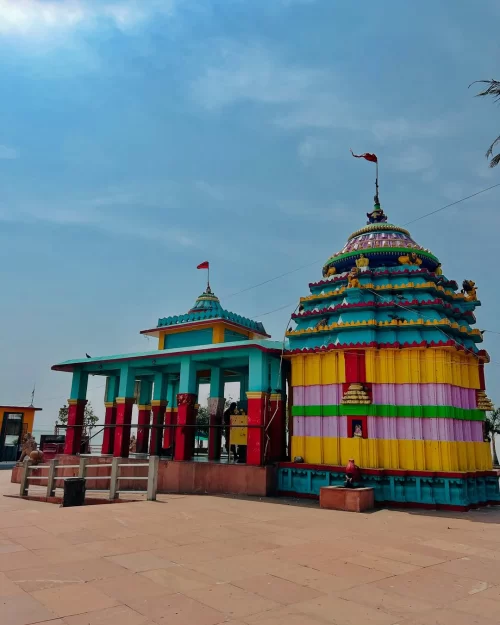
Odisha’s temples offer different experiences: active worship in Puri and Bhubaneswar, detailed architectural study at smaller shrines, and monumental sculpture at Konark. Allow time to appreciate these differences instead of treating every temple as a similar sightseeing stop.
Begin with Mukteswar’s carved gateway and nearby Parsurameswar, then consider Lingaraj for its scale and religious importance. Group nearby Old Town temples together, with breaks between walking sections.
Lingaraj permits Hindu visitors only. Confirm rules for phones, footwear and photography at each shrine rather than assuming one set of instructions applies everywhere.
Shri Jagannath Temple remains an active centre of worship, with darshan shaped by daily rituals. Entry is restricted to Hindus, and queues can expand considerably during festivals.
Keep a flexible visiting window and ask at an official information point about current access and Mahaprasad arrangements.
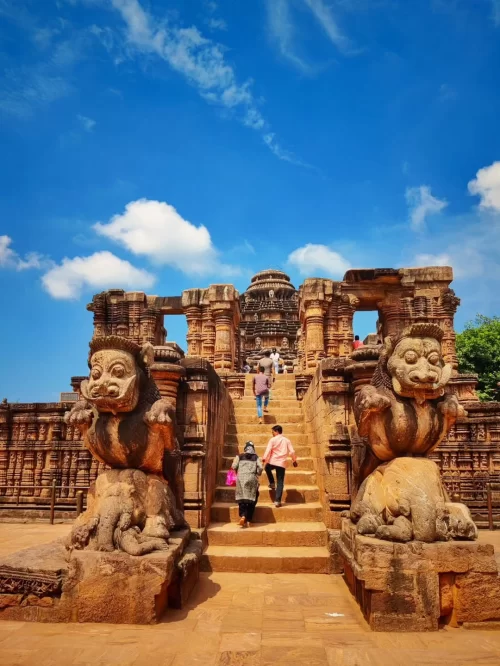
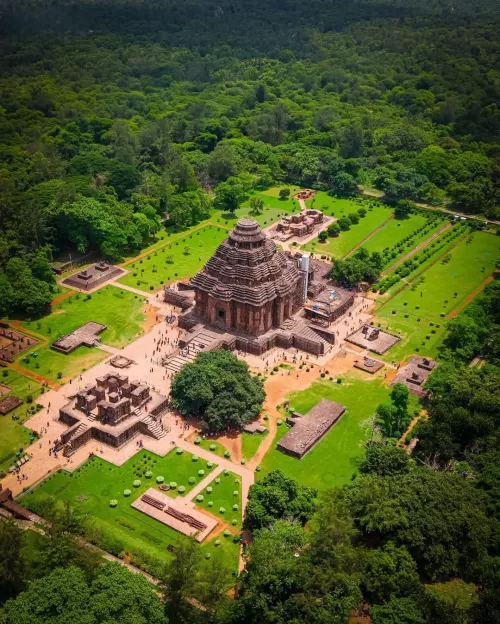
At the UNESCO-listed Sun Temple, examine the carved wheels, horses, musicians and scenes of everyday life. Allow approximately two hours, ideally with an authorised guide if architecture is a major interest.
Konark is an archaeological monument with conservation restrictions. Respect barriers and do not climb carved surfaces for photographs.
Choose your Chilika experience before choosing your boarding point. Satapada, Mangalajodi, Barkul and Rambha serve different interests and should not be treated as interchangeable stops around a small lake.
Satapada suits a Puri-based excursion into the southeastern lagoon. Boat trips may visit Irrawaddy dolphin habitat, but sightings are uncertain and often brief.
Ask operators to maintain distance rather than pursue animals. Confirm the route, duration and whether the fare covers the whole boat or individual passengers.
Mangalajodi’s shallow wetlands are particularly rewarding during the winter migratory season. A guided small-boat outing allows patient observation of birds feeding and moving through the habitat.
Carry binoculars, keep voices low and avoid asking the boatman to disturb birds for closer photographs.
These lakeside bases suit travellers who want lagoon views and an overnight stay. Confirm available boat routes rather than assuming every island or sanctuary area is accessible from your hotel.
A Bhitarkanika boat excursion introduces a tidal landscape of creeks, mangrove roots and muddy banks. The experience rewards quiet observation rather than a checklist of guaranteed animal sightings.
Saltwater crocodiles are a major attraction, while kingfishers and other birds add interest along the waterways. Tides, weather and animal behaviour influence what you see.
Follow the guide’s instructions about where to look and when to remain quiet. Never request a closer approach that disturbs wildlife.
Choose your accommodation, boarding jetty, authorised boat and permitted route as one plan. An overnight stay near the entry area is generally more comfortable than combining a long transfer with an immediate return journey.
Check current entry permissions, identification requirements and seasonal closures. Crocodile breeding protection, census work and operational notices can affect access.
Use only authorised walking areas after landing. Nearby beaches and forest routes are not automatically covered by the same permission.
Similipal offers forest drives, waterfall viewpoints and opportunities to observe wildlife in northern Odisha. Give it a dedicated extension rather than adding it casually to a short Puri–Konark holiday.
A waterfall sightseeing route and a designated wildlife safari may involve different zones, timings and booking arrangements. Decide whether scenery, birdwatching or wildlife observation is your priority before reserving a permit.
Barehipani and Joranda are major waterfall attractions on permitted routes. View them from designated areas and do not assume visitors can walk to their bases.
Confirm your entry gate, eligible vehicle, guide requirements and exit instructions. Baripada and Jashipur provide different approaches, so accommodation should match the booked route.
Tourism is affected by annual monsoon closures and changing forest conditions. Verify the opening notice for your travel season rather than relying on an old timetable.
Allow at least a full excursion day, with overnight stays positioned to avoid a rushed early-morning approach.
Odisha’s beaches suit different styles of holiday. Choose Puri for convenience and pilgrimage, Gopalpur for a slower seaside stay, or Chandipur for its changing tidal landscape.
Walk along the seafront early or towards evening, leaving the hottest hours for rest. Busy stretches provide nearby food and shopping, while the designated managed Golden Beach section has its own access arrangements.
Confirm current facilities and lifeguard instructions rather than assuming the entire shoreline is managed identically.
Stay two nights if you want relaxed walks, unhurried meals and fewer daily transfers. Check the actual beach access from your accommodation, especially when travelling with children or seniors.
Chandipur’s exposed low-tide shoreline is its defining attraction. Check local tide information because the retreat does not happen at the same clock time every day.
Stay within advised walking areas and avoid following the receding sea far offshore. Exposed channels, soft ground and the returning tide require caution.
At every beach, follow warning flags, weather advisories and closure orders. A scenic shoreline or calm-looking surface does not establish that swimming is safe.
Craft and performance experiences reveal the skill behind Odisha’s cultural traditions. They are most rewarding when you allow time for explanation, arrange visits properly and pay fairly for an artist’s work.
Visit workshops near Puri to learn about painted compositions, religious storytelling and surface preparation. Palm-leaf engraving and other crafts offer further reasons to look beyond the first souvenir stall.
Ask permission before photographing artists or unfinished pieces. If you want a hands-on workshop, confirm the fee, duration and materials in advance.
Pipili is associated with colourful fabric appliqué, locally called Chandua. Compare stitching, materials and finishing when choosing wall hangings, umbrellas, bags or decorative textiles.
Check cleaning instructions and packing requirements, especially for large or delicate purchases.
Look for scheduled Odissi programmes at cultural venues or officially announced festivals. Confirm the date, location and ticket arrangements before changing your travel plans.
Raghurajpur is also associated with Gotipua, a distinct performance tradition that contributed to the development of modern Odissi. Do not assume a village visit includes a spontaneous performance or that rehearsals are open to spectators.
For broader route planning, explore Odisha travel options with Chal Banjare and check which cultural activities are specifically included.
Koraput and Daringbadi offer two different hill experiences and require separate travel planning. Choose Koraput for broader mountain-and-waterfall circuits, or Daringbadi for a shorter stay centred on viewpoints, gardens and nearby nature outings.
Deomali, Odisha’s highest peak, offers exposed slopes and layered hill views when visibility allows. Arrange the vehicle approach and any walking route locally, carrying water and a windproof layer.
Duduma and Rani Duduma are different waterfalls on different approaches. Give them adequate travel time instead of assuming their similar names indicate neighbouring entrances.
Combine a visitor-accessible coffee garden with Hill View Park, Nature Park or a short permitted woodland walk. Midubanda Waterfall requires additional consideration because the stepped approach includes a return climb.
Mandasaru is a separate gorge excursion. Use recognised local guides for forest trails and ask about terrain, duration and current access before setting out.
Build in flexibility for mist and rain. Daringbadi’s nickname should not be taken as a promise of snowfall.
Trying regional food is one of the easiest ways to make an Odisha holiday more distinctive. Balance restaurant meals with selected market snacks, asking about ingredients and choosing freshly prepared food.
Try dalma, a combination of lentils and vegetables, alongside rice and seasonal accompaniments. Pakhala, rice served in water and sometimes fermented, is particularly associated with warm-weather meals; preparation and side dishes vary.
Fish and prawn dishes feature in coastal cooking, including mustard-based preparations. Vegetarian travellers should ask about ingredients and cooking arrangements rather than assuming every regional meal follows temple-style restrictions.
Cuttack’s dahibara aludum combines yoghurt-soaked lentil dumplings with spicy accompaniments. For sweets, look for chhena poda, a baked fresh-cheese dessert, and regional pitha varieties when available.
Puri’s Mahaprasad belongs to a religious food tradition, so enquire through authorised channels and respect serving practices. In market lanes, watch for seasonal produce, spices and packaged local products without expecting every stall to provide ready-to-eat food.
Leave room for a proper meal between excursions. Food stops are more enjoyable when they provide a break rather than another rushed item on the sightseeing list.


Get customized Odisha tour planning designed around temple visit timing, coastal weather patterns, wildlife seasonality, and realistic travel pacing across regions. Whether you are visiting for spiritual journeys, heritage architecture, beach relaxation,
⚡ Quick Response | 💰 Free consultation | 🕒 24×7 expert support

