

Best Places to Visit in Odisha with Family
Find destinations in Odisha for a family trip, considering beaches, heritage sights and nature outings to choose places that suit different ages and interests.
+91 9910402252
admin@chalbanjare.com


Learn how to travel from Puri to Konark, with an overview of distance, route and transport options to help you organise your sightseeing journey.
The Puri to Konark distance is approximately 35 km by road, depending on your starting point and the exact destination in Konark. For a direct car journey, allow around one to one-and-a-half hours as a practical planning estimate.
Your hotel’s location, traffic leaving Puri and the approach to the Sun Temple can affect the journey. A stopping bus may take longer, and waiting for departure adds to the total.
For a return trip, the main road distance is roughly 70 km before hotel pickups, parking approaches and sightseeing detours. Do not use that figure alone to calculate a hired-car bill, as minimum booking conditions may apply.
A longer sightseeing day is particularly useful for families and travellers who need regular breaks.
The usual tourist route follows the Puri–Konark Marine Drive through the Balighai coastal corridor towards Ramchandi, Chandrabhaga and Konark. It is the practical choice for combining the transfer with selected coastal stops.
The journey passes stretches of coastal vegetation, settlements and beach approaches. Although it follows the coast, the sea is not continuously visible from the vehicle.
Ramchandi lies along the approach towards Konark, while Chandrabhaga is close to the temple town. Your driver can organise these stops on the outward or return journey according to weather and sightseeing timing.
Use Konark Sun Temple’s visitor approach or designated parking area as your destination rather than a general map pin for Konark town. Confirm the final meeting point if a driver will drop you and wait elsewhere.
Road diversions, events and local traffic controls can change the approach. Follow current signs and instructions rather than taking an unfamiliar shortcut simply because a navigation app suggests it.
Stop only where parking is permitted. Avoid sudden roadside photography stops on bends, narrow sections or busy junctions.
A bus is a practical lower-cost option if your main objective is reaching Konark and you can manage the final approach to the monument. It offers less flexibility than a hired vehicle for beach stops and waiting time.
Puri district tourism information identifies Konark-bound services from the bus-stand area near Gundicha Temple. Other services may use different stops, so confirm the actual boarding point before leaving your hotel.
Ask whether the bus follows Marine Drive and where you should get down for the Sun Temple. A service passing through Konark may continue to another destination.
Ordinary and stopping services can differ in journey time, seating and luggage space. Ask the operator or conductor for the fare to your exact stop and whether any luggage charge applies.
A single current fare cannot be reliably applied to every service. Older online timetables should also not be treated as a guarantee of departure frequency or the final return bus.
A taxi is convenient when you want hotel pickup, several sightseeing stops or a predictable return arrangement. Specify whether you need a direct transfer or a sightseeing excursion before requesting a price.
Choose a one-way transfer if you are staying in Konark or have separate onward transport arranged. Confirm the drop-off location and do not assume the driver will remain available during sightseeing.
A one-way fare is not necessarily half a round-trip price because the operator may need to account for the vehicle’s return journey.
A sedan may suit a couple or small group travelling without large bags. A larger vehicle can be more comfortable for families, additional luggage or travellers who need easier boarding.
Compare written, all-inclusive quotations for the same itinerary. Confirm whether monument tickets and guide services are excluded rather than assuming they form part of the car booking.
Self-drive transport provides flexibility, but rental availability and conditions should be checked before building your itinerary around it. A scooter is best considered by confident, appropriately licensed riders who are comfortable with an intercity return journey.
Check brakes, tyres, lights, mirrors and fuel level before leaving. Photograph existing damage and clarify the deposit, return deadline, kilometre allowance and breakdown assistance.
Confirm that the rental arrangement permits your intended journey and ask about registration, insurance and responsibility for damage. For scooters, check helmet availability for both rider and passenger.
Use a licence valid for the vehicle category, wear helmets on two-wheelers and use seatbelts in cars. Stop safely before checking navigation rather than handling a phone while moving.
Scooters leave you exposed to sun, rain and wind. Consider another option during heavy rain, poor visibility or coastal weather warnings, and plan the return in daylight where possible.
Follow signs and staff directions to the applicable visitor parking area at Konark. Ask about the charge, obtain a receipt where issued and note the route back to your vehicle.
Do not assume you can park beside the monument entrance or leave a vehicle on beach sand. Event-day arrangements may differ from ordinary access.
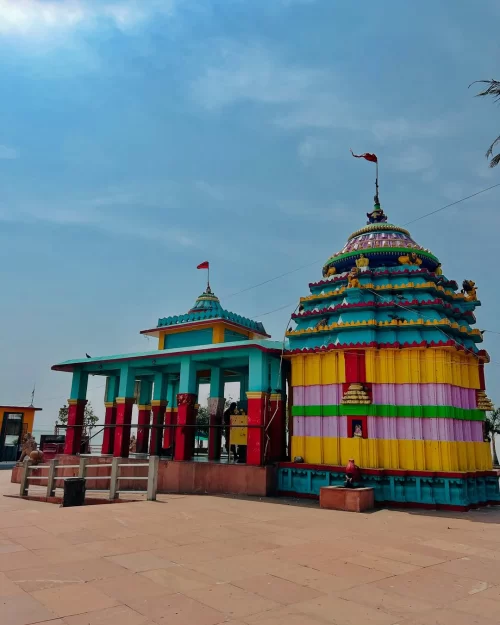
Ramchandi and Chandrabhaga are convenient additions to a Puri–Konark sightseeing trip when your transport arrangement includes waiting. Keep them optional if weather, heat or a departure connection limits your time.
Ramchandi lies along the Marine Drive approach to Konark. Allow approximately 30–45 minutes for a respectful temple visit and a short look around the permitted coastal areas.
Check footwear and photography requirements at the shrine. Boat rides or water activities are separate decisions and should not be assumed to be included in a transport booking.
Chandrabhaga is close to Konark and works well for a short walk or photographs. Its association with sunrise does not mean you must arrive before dawn; an afternoon stop can fit more naturally into a regular temple excursion.
Allow around 20–40 minutes according to conditions. Treat it primarily as a sightseeing stop unless local supervision and instructions clearly permit bathing.
On hot days, visit the Sun Temple early and shorten exposed beach walks. During rough seas or warnings, remain away from the water and follow any access restrictions.
Once you reach Konark, allow time between the vehicle drop-off or bus arrival point and the monument entrance. Keep the return arrangement clear before beginning sightseeing.
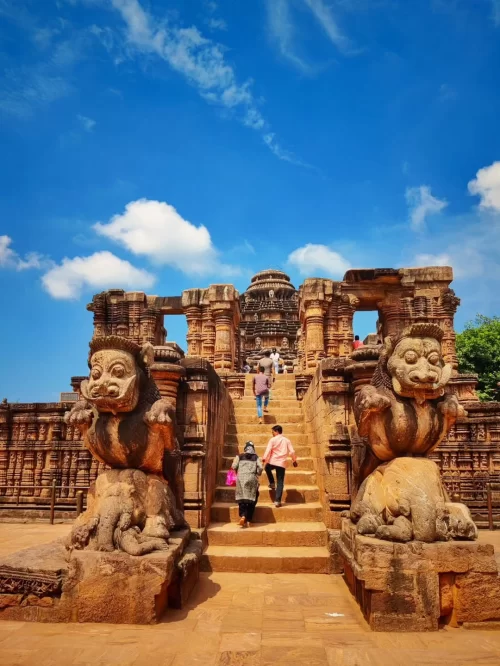
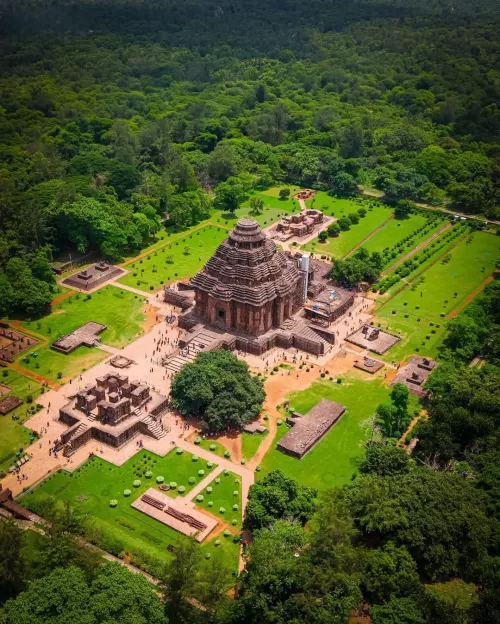
Approximately two hours is a useful starting allowance for exploring the Sun Temple’s chariot design, carved wheels and sculptural details. Allow more if you want a detailed guided visit or need frequent breaks.
Check current ticket categories and visitor hours through recognised official channels. The archaeological museum has its own schedule, so verify it separately if it is part of your plan.
For a waiting taxi, save the driver’s contact and agree on a precise meeting place. For a bus return, identify the correct stop and ask about the latest practical departure before entering the monument.
Do not rely entirely on finding an app-based vehicle after sightseeing. Arrange a backup if your return is time-sensitive.
If you have a train from Puri, add time for the road journey, collecting luggage and reaching the station. A flight from Bhubaneswar requires a further transfer and a larger margin.
Shorten coastal stops rather than reducing the buffer needed for an important departure.
Choose transport according to the full outing rather than the outward fare alone. A cheaper journey can involve additional local rides, waiting and less time at the attractions.
For buses, include hotel-to-stop transfers. For taxis, include waiting and all planned stops. For rentals, add fuel, parking, applicable excess-kilometre charges and any extra rental period.
Divide genuinely shared costs by your group size, while keeping individual tickets and meals separate. Request current quotations instead of treating an old online fare as fixed.
Cooler months generally make outdoor sightseeing easier. Summer requires early starts and sun protection, while monsoon travel needs flexibility for rain and coastal conditions.
Festival crowds and major events can alter traffic and parking near Konark. Check local advisories and retain extra time rather than assuming the usual approach will remain available.


Get customized Odisha tour planning designed around temple visit timing, coastal weather patterns, wildlife seasonality, and realistic travel pacing across regions. Whether you are visiting for spiritual journeys, heritage architecture, beach relaxation,
⚡ Quick Response | 💰 Free consultation | 🕒 24×7 expert support

