
Best Places to Visit in Odisha with Family
Find destinations in Odisha for a family trip, considering beaches, heritage sights and nature outings to choose places that suit different ages and interests.
+91 9910402252
admin@chalbanjare.com


Find places to explore within 100 km of Puri, with nearby sightseeing ideas to help you choose excursions based on your interests and available time.
Raghurajpur, approximately 14 kilometres from Puri, is a rewarding short excursion for travellers interested in Odisha’s traditional art. Its homes and workshops form a working crafts community rather than a conventional museum.
Pattachitra paintings are known for detailed outlines, decorative borders and compositions drawn from religious stories. Speaking with an artist helps explain the preparation, materials and time involved in producing a piece.
You may also find palm-leaf engravings, painted masks and other handmade objects. Demonstrations depend on artists’ availability, so arrange ahead if a particular workshop experience is important to you.
Allow approximately two hours for browsing and conversations, with more time if buying artwork or joining a pre-arranged activity. Ask permission before photographing people, interiors and unfinished work.
Raghurajpur works well as a half-day outing or a planned detour during a transfer towards Bhubaneswar. It is not directly on the Puri–Konark coastal road.
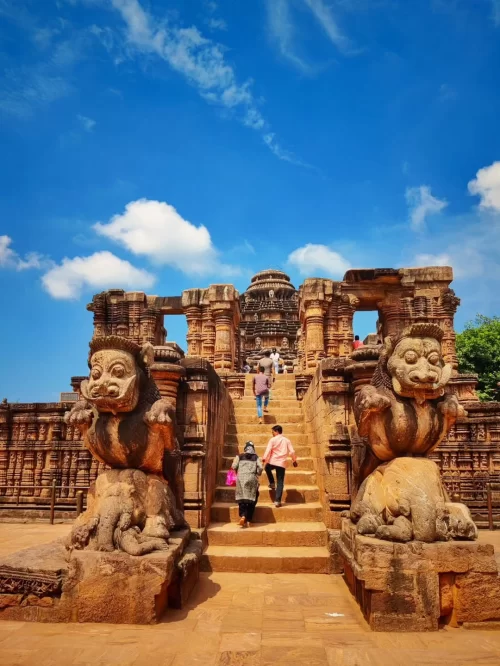
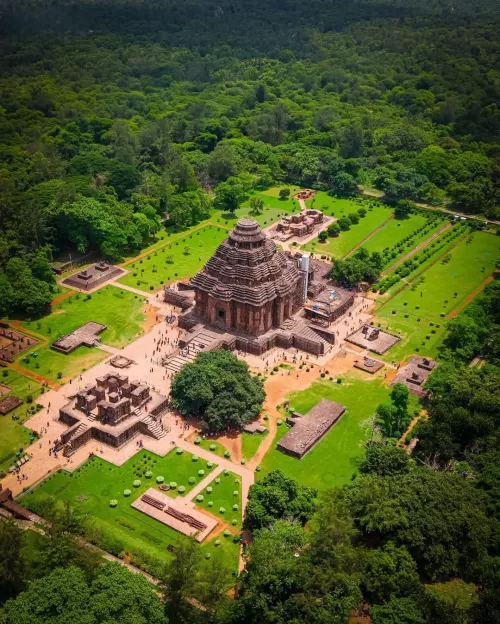
Konark Sun Temple lies approximately 35 kilometres from Puri and is one of the strongest choices for a heritage day trip. Combine it with nearby coastal stops rather than trying to add Chilika on the same day.
Built in the 13th century under King Narasimhadeva I, the UNESCO-listed monument represents the chariot of Surya, the Sun God. Its carved wheels and horses are the best-known features, but dancers, musicians, animals and everyday scenes make a slower circuit worthwhile.
The temple survives partly in ruins. Expect an archaeological monument with conservation restrictions rather than an intact sanctuary that visitors can freely enter.
Keep approximately two hours for the monument, longer if architecture and sculpture are major interests. An authorised guide can explain the layout and carvings; agree on the fee and duration before starting.
The nearby ASI archaeological museum displays sculptures and architectural material that add context. Check its opening day separately from the Sun Temple, and confirm current monument tickets through official booking channels.
Start early during warmer months, carry drinking water and wear comfortable footwear. The exposed grounds can become tiring around midday.
Chandrabhaga and Ramchandi, also commonly written Ramachandi, fit naturally into a Puri–Konark excursion. They offer different coastal settings and are best treated as walking and scenery stops, with water activities considered separately.
Close to Konark, Chandrabhaga has a broad, exposed shoreline suited to an early-morning visit or a walk after sightseeing. Sunrise photography requires leaving Puri before dawn, so arrange transport the previous evening.
Carry sun protection and avoid planning a long beach stay during the hottest hours. Observe warning signs and lifeguard advice; open sea conditions can be unsuitable for swimming.
Ramchandi lies along the coastal approach to Konark, approximately 28 kilometres from Puri depending on the starting point. The nearby temple and the Kusabhadra river-mouth landscape make it a different experience from the open beach at Chandrabhaga.
Boat rides or other water activities may be offered, but availability depends on operators, permissions and conditions. Confirm safety equipment, the route and the complete charge before paying.
Allow around 30–60 minutes at each beach for a simple visit, excluding meals or activities. Use established parking areas and avoid isolated stretches after dark.
Satapada is approximately 50 kilometres from Puri and provides access to the southeastern part of Chilika’s brackish-water lagoon. Allow most of a day for the return journey, boating arrangements and a meal break.
Excursions commonly visit dolphin habitat, while longer options may continue towards the lagoon’s sea-mouth area. Ask for a clear explanation of the route and duration rather than choosing solely by a package name.
Confirm whether the price covers the whole boat or each passenger, and whether additional stops, waiting time or landing charges are included. Do not assume that distant Chilika attractions are convenient additions from Satapada.
Chilika supports Irrawaddy dolphins, but sightings are not guaranteed. Animals may surface briefly and at a distance, so patience and binoculars can be more useful than expecting a close photograph.
Keep your evening flexible instead of booking a tightly timed train immediately after the excursion.
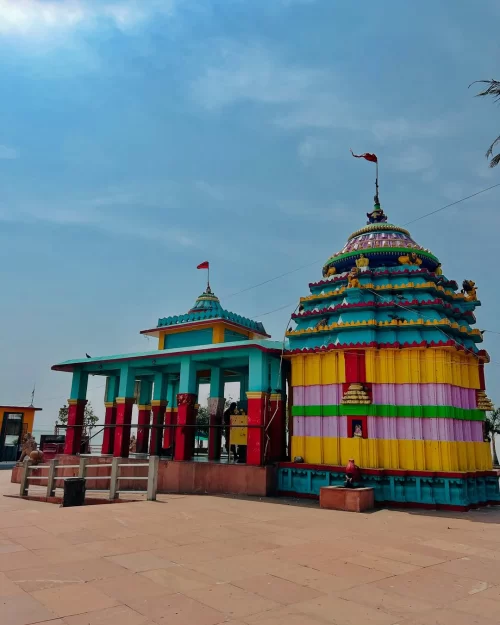
Alarnath Temple at Brahmagiri is approximately 20–25 kilometres from Puri, depending on your starting point. Dedicated to Vishnu, it is a meaningful excursion for pilgrims interested in the wider Jagannath devotional tradition.
The temple becomes particularly important during Anavasara, the period after Snana Yatra when the principal Jagannath deities are withdrawn from public darshan. Many devotees visit Alarnath during this interval.
The shrine is also associated with Chaitanya Mahaprabhu’s devotional traditions. Treat these associations as part of a living pilgrimage practice rather than simply an architectural stop.
Brahmagiri lies along the approach towards Satapada, making the two destinations a practical combination. Allow time for temple access and queues before continuing, especially during Anavasara when a brief stop may become a much longer visit.
Confirm current darshan hours, visitor eligibility and rules for belongings locally. Kheer is associated with the temple’s offerings, but availability follows worship arrangements rather than a guaranteed daily tourist service.
If Alarnath darshan is your main purpose, keep the boating excursion optional. Festival crowds should determine the pace of the day.
Pipili, approximately 40 kilometres from Puri, is known for colourful appliqué work called Chandua. It is a convenient shopping stop on the Puri–Bhubaneswar corridor, provided your driver leaves the bypass where necessary to reach the craft shops.
Traditional appliqué combines pieces of coloured fabric into decorative designs. Shops sell wall hangings, umbrellas, lampshades, bags and other textile products, reflecting a craft tradition also connected with ceremonial decoration.
Allow approximately 45 minutes to one-and-a-half hours, depending on how much you want to compare. A quick roadside stop may be sufficient for browsing, while a workshop visit needs advance coordination.
Combine Pipili with Raghurajpur for a craft-focused outing, or visit during a transfer to Bhubaneswar. Keep enough time for shopping instead of adding it as a rushed stop before a flight.
Bhubaneswar and Dhauli fall within a practical 100-kilometre excursion radius of Puri, but the capital’s attractions are spread across the city. A day trip should focus on selected sights rather than every temple, museum and cave.
Dhauli combines ancient Ashokan rock edicts near the hill’s base with the much later Shanti Stupa above. Visit both to understand the difference between the archaeological remains and the modern monument associated with peace.
Allow approximately one-and-a-half hours, with additional time for steps and movement between stopping points. It pairs well with a selective Old Town temple circuit.
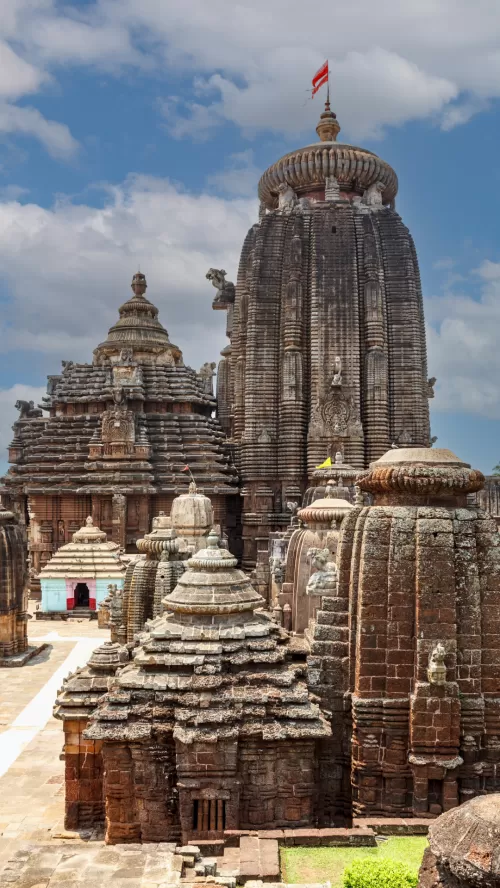
Lingaraj, Mukteswar and Parsurameswar introduce different aspects of Kalinga temple architecture. Lingaraj permits Hindu visitors only; others should enquire about authorised exterior viewing arrangements.
For a manageable day, combine Dhauli with two or three temples and a meal break.
These ancient Jain caves require a separate allowance of approximately two to three hours. Steps and uneven rock make comfortable footwear important.
If the caves are your priority, reduce temple stops or stay overnight in Bhubaneswar. A single day covering Dhauli, an extensive temple circuit, both cave hills and shopping is unnecessarily tiring.
Use the distances below as approximate one-way planning ranges from Puri. The 100-kilometre limit describes the distance to each destination, not the total distance travelled during a return excursion or multi-stop circuit.
Plan three separate routes: Konark with the coastal beaches, Alarnath with Satapada, and Raghurajpur or Pipili towards Bhubaneswar. Combining Satapada and Konark in one sightseeing day creates substantial backtracking.
A hired car offers flexibility for multiple stops. Buses can reduce costs, but check current routes, return departures and the distance from the bus stop to the attraction. Confirm vehicle waiting charges, parking, tolls and the final drop-off before booking.
October to March generally provides more comfortable sightseeing weather. Start exposed monument visits early in hotter months, and keep coastal and boating plans flexible during rain or strong winds.
Follow official cyclone and marine weather advisories. During Rath Yatra and major holidays, allow extra time to leave Puri and avoid scheduling an excursion immediately before a fixed departure.


Get customized Odisha tour planning designed around temple visit timing, coastal weather patterns, wildlife seasonality, and realistic travel pacing across regions. Whether you are visiting for spiritual journeys, heritage architecture, beach relaxation,
⚡ Quick Response | 💰 Free consultation | 🕒 24×7 expert support

