
Best Places to Visit in Odisha with Family
Find destinations in Odisha for a family trip, considering beaches, heritage sights and nature outings to choose places that suit different ages and interests.
+91 9910402252
admin@chalbanjare.com


Discover Odisha’s temples, beaches, heritage sites and natural attractions to help you choose destinations and organise a sightseeing itinerary around your travel interests.
Puri combines an important Hindu pilgrimage with a seaside stay. Give it at least one full day, or two nights if you want time for temple darshan, beach walks and a relaxed excursion nearby.
The temple is dedicated to Lord Jagannath, worshipped alongside Balabhadra and Subhadra, and is one of Hinduism’s four principal Char Dham pilgrimage destinations. Its daily rituals shape the darshan experience, so avoid treating it as a monument with uninterrupted visitor access.
Entry is restricted to Hindus. Check the temple administration’s current instructions for dress, permitted belongings and security arrangements before visiting. Leave phones and other restricted items at your accommodation or an authorised deposit facility.
Allow a generous window for queues, particularly on religious dates. Mahaprasad is an important part of the temple’s devotional traditions; ask about authorised arrangements and availability rather than accepting an unsolicited package outside.
Visit the seafront early in the morning or towards evening for walking and coastal views. The Swargadwar stretch is lively, while the designated Golden Beach area offers a more managed beach experience; check current access charges and facilities locally.
Follow lifeguard instructions and warning flags. Strong surf can make swimming unsafe even when the weather appears pleasant.
Konark is one of Odisha’s most rewarding heritage stops, particularly for travellers interested in sculpture and architecture. It is approximately 35 kilometres from Puri and works well as a half-day excursion, although a slower visit allows more time for the museum and coast.
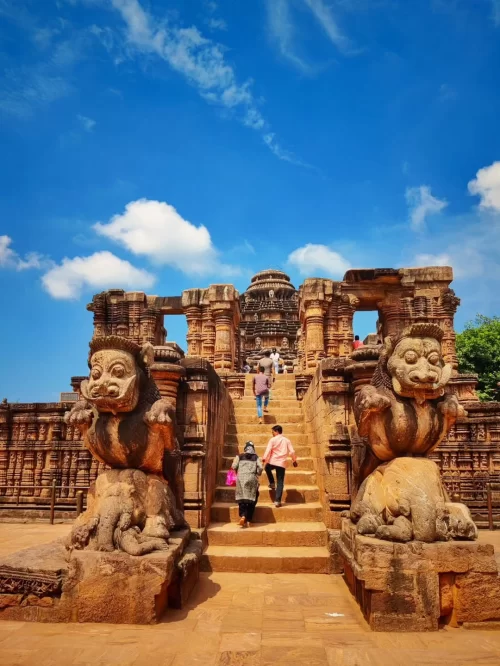
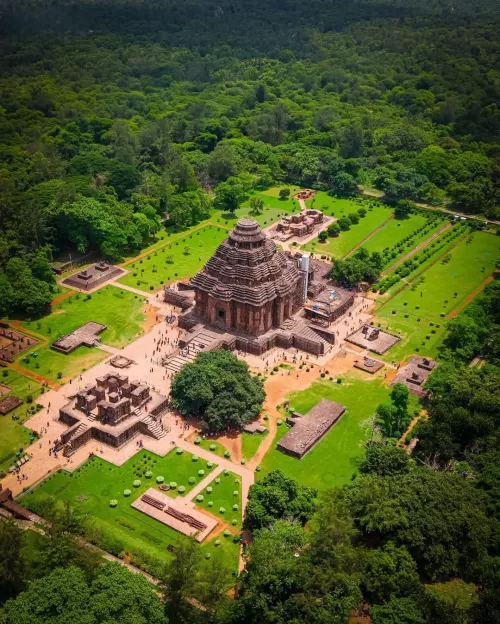
Built in the 13th century under King Narasimhadeva I, the UNESCO-listed Sun Temple represents Surya’s monumental chariot, with carved wheels and horses. Look beyond the familiar wheel photographs to notice dancers, musicians, animals and scenes of everyday life across its stone surfaces.
The monument survives partly in ruins, and conservation measures affect which areas visitors can approach. Do not expect to enter an intact main sanctum. Allow approximately two hours for the grounds, longer if using a knowledgeable authorised guide.
The nearby ASI archaeological museum adds context through sculptures and architectural fragments. Check its opening day and hours separately from the monument.
Chandrabhaga Beach is a short drive from the temple and suits a coastal walk or an early-morning visit. Avoid scheduling exposed monument sightseeing at midday in hot weather, and do not assume the beach is safe for swimming.
Bhubaneswar deserves a full sightseeing day rather than being used only as an airport stop. Its Old Town temples and ancient Jain caves reveal different strands of Odisha’s religious and architectural history.
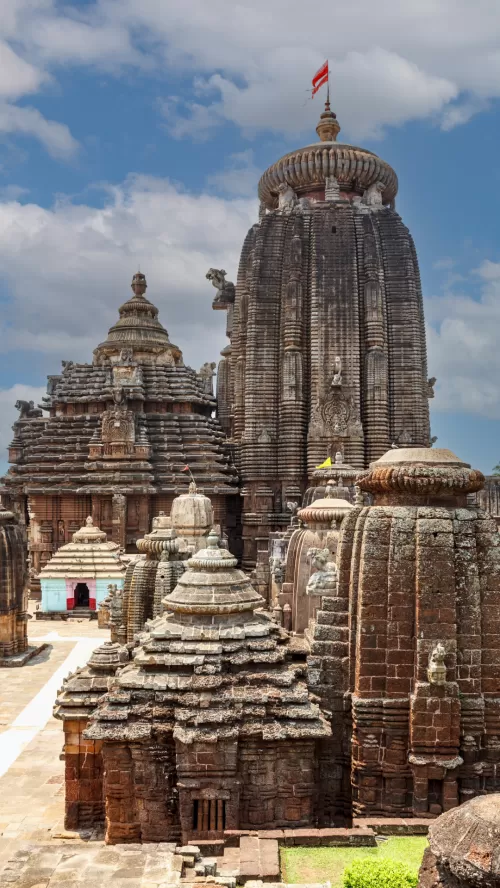
Lingaraj Temple is an important living Shiva shrine, while Mukteswar and Parasurameswar reward closer attention to carved details and the development of Kalinga temple architecture. Group nearby temples together to reduce cross-city travel.
Lingaraj has religious entry restrictions, including restrictions on non-Hindu visitors. Confirm eligibility and photography rules at each shrine; access arrangements at one temple do not apply automatically to another.
Allow time to walk around the Bindusagar area, while respecting worshippers and keeping clear of ritual activities.
These neighbouring hills contain rock-cut caves associated with ancient Jain monastic life and King Kharavela. Rani Gumpha’s sculpted façade and the historically important Hathigumpha inscription are notable features at Udayagiri.
Allow around two to three hours for both hills, depending on your walking pace. Steps, uneven rock and exposed slopes make an early visit preferable in warm weather. Travellers with limited mobility should assess the climbs before committing to the complete circuit.
These are the Jain caves near Bhubaneswar, distinct from the Buddhist Udayagiri site covered later in this guide.
Chilika is a large brackish-water lagoon, and its different access points offer different experiences. Choose your base according to your interests rather than assuming Satapada, Barkul and Mangalajodi are interchangeable stops.
Satapada is a practical Chilika excursion from Puri and is associated with boat trips into Irrawaddy dolphin habitat. Sightings are never guaranteed. Choose an authorised operator who keeps a respectful distance and does not chase or surround dolphins.
Before paying, confirm the route, duration, total boat charge, passenger capacity and availability of usable life jackets. A longer advertised trip is not necessarily a better wildlife experience.
Barkul suits travellers approaching from the Bhubaneswar–Berhampur road corridor or looking for a lakeside overnight stop. Boat trips may include island visits, depending on weather, permissions and the operator’s route. Confirm the complete journey before boarding.
Mangalajodi is particularly rewarding in winter, when migratory birds use its shallow wetlands. Small guided boats provide a closer view of the habitat than a general lagoon cruise.
Carry binoculars, keep voices low and follow the guide’s instructions. Morning or late-afternoon outings usually offer more comfortable conditions, but bird activity and visibility vary.
Bhitarkanika offers a tidal landscape of mangroves, creeks and estuaries, with boat-based wildlife watching as a central experience. Allow one to two days, preferably with an overnight stay near your chosen entry point.
Travel through mangrove waterways with an authorised boat operator and guide, looking for saltwater crocodiles, kingfishers, other wetland birds and wildlife along the banks. Sightings depend on tides, weather and animal behaviour.
Dangmal is a common focus for visitor itineraries, but the practical route depends on your accommodation, boarding jetty and permitted activities. Confirm these details together before booking transport.
Arrange entry permissions, identification requirements and accommodation through recognised booking channels. Tourist access is subject to seasonal closures, including crocodile breeding protection, and occasional census or operational closures. Check the latest forest department notice for your dates.
Nearby coastal areas do not automatically fall within your park permission. Avoid accepting additional wildlife excursions without checking that access is authorised.
Similipal, in northern Odisha’s Mayurbhanj district, suits travellers who want forest scenery, waterfalls and time away from the main coastal circuit. Plan it as a separate extension, allowing at least two nights around the forest visit and its approach journeys.
Barehipani and Joranda waterfalls are major attractions on permitted sightseeing routes. The experience includes long forest drives, changing vegetation and time at designated viewpoints rather than unrestricted walking to waterfall bases.
Wildlife viewing requires patience. Although Similipal is a tiger reserve, a general waterfall excursion should not be booked with an expectation of seeing tigers.
Day visits, overnight nature-camp stays and designated wildlife safari routes can have different booking arrangements. Confirm your entry gate, route, guide, vehicle eligibility and exit requirements before paying. Baripada and Jashipur serve different approaches, so choose accommodation to match your booking.
Tourism is affected by annual monsoon closures and forest conditions. Reopening dates and available routes must be checked for the relevant season; older travel blogs may show arrangements that no longer apply.
Ratnagiri, Udayagiri and Lalitgiri form Odisha’s Buddhist heritage circuit, often called the Diamond Triangle. These archaeological sites suit travellers interested in monasteries, sculpture and the history of Buddhism beyond the better-known pilgrimage centres.
Ratnagiri contains substantial monastic remains, stupas and Buddhist sculptures. Its carved architectural elements make it especially rewarding for visitors who enjoy examining stonework. Allow time to understand the monastery layout rather than visiting only for photographs.
The Buddhist Udayagiri site contains excavated monastic structures, stupas and sculptures across a broader landscape. It is separate from Bhubaneswar’s Udayagiri Jain caves, so specify the Buddhist site when arranging a driver or checking a map.
Lalitgiri adds monastery remains and a hilltop stupa setting to the circuit. Check current museum access separately if you want to include displayed finds as well as the outdoor remains.
Allow a full day from Bhubaneswar for all three sites, with an early departure and a pre-arranged vehicle. Carry water and plan lunch because food choices are less extensive than in the main tourist cities.
Outdoor paths, steps and exposed areas can be tiring in hot weather. For a slower visit or limited mobility, choose two sites instead of rushing through all three. Check ASI ticketing and museum arrangements before travelling.
Build your Odisha itinerary around one main region, then add selected extensions. Combining every destination in this guide into a short holiday creates long transfers and leaves too little time for temple visits, boating or forest excursions.
For birdwatching, substitute Mangalajodi for Satapada rather than trying to fit both into the same day. Add a dedicated day for the Buddhist circuit or at least two days for Bhitarkanika. Similipal needs a separate northern Odisha extension with time for transfers.
Bhubaneswar to Puri is approximately 60–65 kilometres by road, while Puri to Konark is about 35 kilometres. These are planning distances; hotel locations and chosen routes affect the total. Allow additional time for urban traffic, temple approaches and meal stops.
Biju Patnaik International Airport in Bhubaneswar is a practical arrival point. Bhubaneswar and Puri have rail connections, while a hired car is useful for multi-stop heritage days. For forest trips, book accommodation, permits and the correct vehicle together.
October to March generally provides more comfortable sightseeing weather, with winter particularly useful for Chilika birdwatching. April to June can be hot and humid. Monsoon rain can disrupt boating, forest access and coastal plans, while cyclone warnings require immediate changes to exposed seaside activities.
Book ahead for Rath Yatra, major holidays and winter weekends. Confirm accessibility directly: temple queues, cave steps, boat boarding and forest vehicles present different challenges for children, seniors and travellers with limited mobility.


Get customized Odisha tour planning designed around temple visit timing, coastal weather patterns, wildlife seasonality, and realistic travel pacing across regions. Whether you are visiting for spiritual journeys, heritage architecture, beach relaxation,
⚡ Quick Response | 💰 Free consultation | 🕒 24×7 expert support

