
Best Places to Visit in Odisha with Family
Find destinations in Odisha for a family trip, considering beaches, heritage sights and nature outings to choose places that suit different ages and interests.
+91 9910402252
admin@chalbanjare.com


Explore Konark’s Sun Temple and nearby attractions to help you choose heritage sights, coastal stops and other places to include in your sightseeing plans.
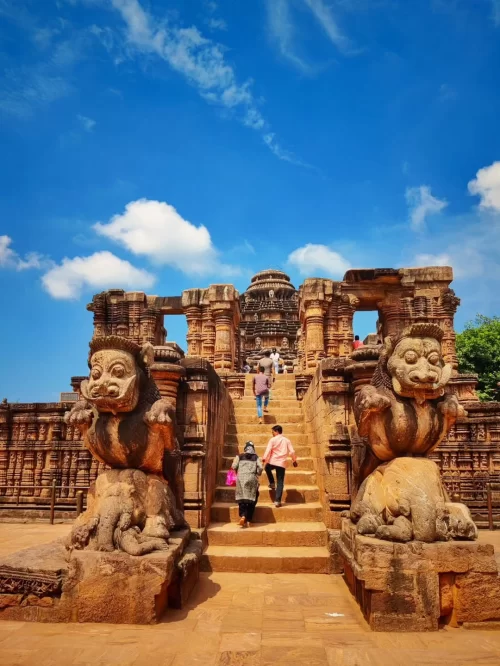
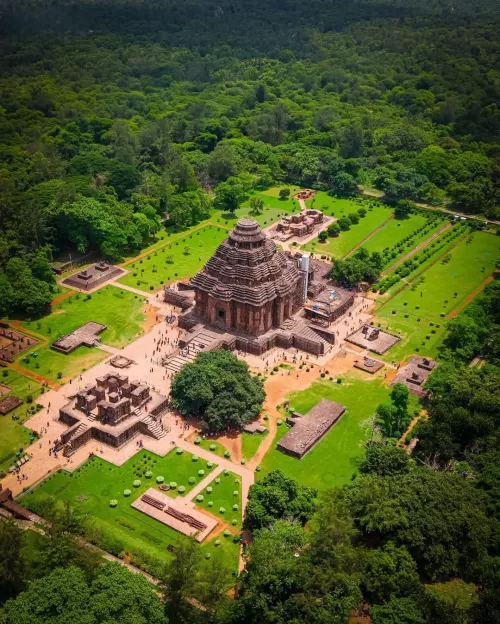
Konark Sun Temple is the main reason to visit the town and deserves at least two hours of your sightseeing day. Built in the 13th century under King Narasimhadeva I of the Eastern Ganga dynasty, the UNESCO-listed monument represents the chariot of Surya, the Sun God.
The temple was conceived with twelve pairs of carved wheels and seven horses. Look closely at the spokes, rims and decorative details rather than stopping only at the most photographed wheel.
An authorised guide can explain the architectural layout and different interpretations of its symbolism. Agree on the guiding fee and duration before starting.
Musicians, dancers, animals, religious imagery and scenes of everyday life cover the surviving stone surfaces. These details make the monument particularly rewarding for visitors interested in sculpture, performance traditions and historical craftsmanship.
The main sanctuary tower no longer survives, and access to remaining structures is controlled for conservation. Expect to explore an archaeological monument rather than enter an intact working temple interior.
The Konark Archaeological Museum adds context to the Sun Temple through sculptures and architectural fragments recovered from the complex. It is especially worthwhile if you want to understand the carvings rather than simply photograph the monument.
Look for religious figures, decorative stonework and fragments that reveal how individual sculptural elements fitted into the larger building. Examining objects at closer range can help you recognise details that are harder to study on the temple’s exterior.
Allow approximately 45 minutes to an hour for a focused visit, or longer if you enjoy reading labels and comparing sculptural styles.
The ASI archaeological museum is a separate attraction from the Sun Temple and should not be confused with an interpretation centre or multimedia presentation. Confirm the current museum opening hours, weekly closure and ticket requirements before fixing your sightseeing order.
Do not assume that a monument ticket automatically covers the museum or that both places operate for identical hours. If visiting Konark early in the morning, explore the temple first and arrange the museum visit around its confirmed opening time.
Follow gallery photography rules and avoid touching displayed objects. Ask about current accessible entry arrangements if anyone in your group has difficulty with steps.
Chandrabhaga Beach lies approximately three kilometres from the Sun Temple and is an easy addition to a Konark sightseeing trip. Its open shoreline suits sunrise photography, a short coastal walk and a break between heritage visits.
Staying near Konark makes an early start easier. If travelling from Puri, arrange your vehicle the previous evening and check the sunrise time for your dates rather than relying on a fixed departure hour.
Cloud, haze and rain can affect visibility, so treat sunrise as a coastal experience rather than a guaranteed photograph of the sun emerging over the water.
Allow approximately 30–60 minutes for a simple walk, with longer visits depending on weather and your interests. The beach has religious significance and can become busy during ceremonial occasions, including Magha Saptami.
If beach time is your priority, schedule it around cooler hours instead of adding a long midday stop after the temple.
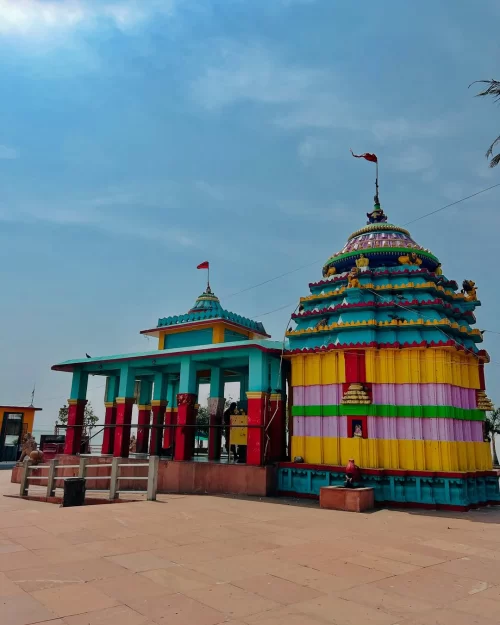
Ramchandi, also commonly written Ramachandi, combines a living shrine with a coastal river-mouth setting along the Puri–Konark road. Depending on the exact stopping point, it is roughly five to eight kilometres from central Konark.
The temple is dedicated to Goddess Ramchandi and remains important to local worshippers. Its appeal lies in its religious role and setting rather than the monumental scale of the Sun Temple.
Confirm current darshan access, remove footwear where instructed and ask before photographing worship areas. Allow additional time if ceremonies or queues are taking place.
The Kusabhadra river-mouth area offers a different view from Chandrabhaga’s open beach. Spend time at established visitor areas, keeping away from unstable banks and channels.
Boat trips or water activities may be offered, but availability depends on weather, permissions and the operator. Check life jackets, passenger capacity, duration and the complete charge before booking.
Allow around one hour for a straightforward temple and coastal stop, excluding activities or a meal. When returning towards Puri, Ramchandi is a logical stop after Konark and Chandrabhaga.
Kuruma is a small Buddhist archaeological site approximately eight kilometres from Konark. It suits travellers with a particular interest in Odisha’s Buddhist history and offers a quieter, smaller-scale visit than the Sun Temple.
Excavations revealed remains of a Buddhist monastery, including brick-built structures and a courtyard arrangement. Discoveries associated with the village include Buddhist images, notably a Buddha in the earth-touching posture.
Expect low archaeological remains rather than a large standing monastery. Interpretation and visitor services may be limited, so a little background reading or a knowledgeable guide makes the stop more useful.
Ask your driver to confirm the exact location and current approach before leaving Konark. Check local access arrangements, particularly after heavy rain, and do not rely on finding transport waiting at the site.
Kuruma is an optional extension for a slower day. If your schedule is tight, prioritise the Sun Temple and museum first.
The coastal drive between Puri and Konark passes alongside the Balukhand-Konark Wildlife Sanctuary, bringing wooded stretches and coastal scenery into the journey. Enjoy the public road as part of your excursion, while treating entry into protected areas as a separate arrangement.
A drive along Marine Drive is not the same as a guided wildlife visit. If you want a nature walk, birdwatching activity or nature-camp stay, confirm the authorised location, booking channel and permitted activities beforehand.
Nuanai is one recognised nature-camp option associated with this coastal forest landscape. Check current accommodation and activity availability rather than assuming a roadside operator can arrange unrestricted sanctuary access.
The coastal woodland supports wildlife, including deer and birds, but sightings are never guaranteed. The main appeal for many visitors is the contrast between forest, sandy coastline and the open road.
Allow time for a few permitted stops rather than assuming every beach access or forest track is open to tourists.
Pipili and Raghurajpur add traditional crafts to a wider Puri–Konark–Bhubaneswar trip, but neither should be treated as a quick stop directly beside the Sun Temple. Choose the combination according to your onward route.
Pipili is known for colourful appliqué work, or Chandua, used in decorative textiles and ceremonial traditions. Shops sell wall hangings, umbrellas, bags, lampshades and other fabric products.
Allow approximately 45–90 minutes for browsing. Inspect stitching, lining and fabric quality, and ask about cleaning and packing before buying. Tell your driver you want the shopping area rather than simply passing the town on a bypass.
Raghurajpur, near Puri, is associated with Pattachitra painting, palm-leaf engraving and other crafts. Allow approximately two hours if you want to speak with artists and understand their techniques.
Ask permission before photographing homes or work in progress. Demonstrations and workshops should be arranged ahead if they are central to your visit.
Pipili fits a planned journey towards Bhubaneswar, while Raghurajpur is often easier during a separate outing from Puri or a transfer along that corridor. Adding both villages, the museum, beaches and Kuruma to one Konark day creates a long and rushed circuit.
Allow one full day for Konark’s principal attractions, with an overnight stay if you want sunrise, detailed heritage sightseeing and an evening programme. Extra excursions should fit around these priorities rather than reduce the Sun Temple to a brief stop.
If staying near Konark, visit Chandrabhaga at sunrise and begin the temple afterwards. Confirm any evening light-and-sound programme separately, including its operation, language, tickets and return transport.
Konark is approximately 35 kilometres from Puri; allow roughly one to one-and-a-half hours by road as a planning window. Bhubaneswar is another practical gateway, with a longer drive that varies by route and city traffic.
Biju Patnaik International Airport serves air arrivals, while Puri and Bhubaneswar provide rail connections followed by road transfers. A hired car offers flexibility for scattered stops; budget travellers should confirm current buses and return departures before setting out.
October to March generally offers more comfortable sightseeing conditions. Summer requires early starts and shaded breaks, while rain and coastal weather warnings can affect beach and nature plans.
Carry water, sun protection and comfortable footwear. Confirm step-free routes and assistance directly for anyone with limited mobility, and check museum schedules, monument access and local advisories shortly before travel.


Get customized Odisha tour planning designed around temple visit timing, coastal weather patterns, wildlife seasonality, and realistic travel pacing across regions. Whether you are visiting for spiritual journeys, heritage architecture, beach relaxation,
⚡ Quick Response | 💰 Free consultation | 🕒 24×7 expert support

