

Best Places to Visit in Odisha with Family
Find destinations in Odisha for a family trip, considering beaches, heritage sights and nature outings to choose places that suit different ages and interests.
+91 9910402252
admin@chalbanjare.com


Get to know Cuttack’s heritage sites and local attractions, helping you choose sightseeing stops and organise your visit around the city’s history and culture.
Barabati Fort is an important starting point for understanding Cuttack’s role as a former capital and administrative centre of Odisha. Visit for its surviving gateway, moat and archaeological remains rather than expecting restored palace rooms.
The fort is closely associated with the Eastern Ganga rulers and the development of medieval Cuttack. Its position near the Mahanadi helped connect political authority with river routes and the surrounding settlement.
Much of the former complex no longer stands. A guide or reliable historical introduction helps explain the relationship between the surviving structures and the buildings that once occupied the enclosure.
Allow approximately 45 minutes to an hour for a general visit, longer if you enjoy examining archaeological remains. The nearby Barabati Stadium is a separate venue; a fort visit does not include access to it.
Combine the fort with Cuttack Chandi Temple before continuing to the city’s museums. Avoid relying on a late-evening visit if studying the ruins is your main interest.
The Odisha State Maritime Museum at Jobra explains how rivers, canals and overseas connections shaped the region. It occupies the historic Jobra workshop premises, making the building’s industrial background part of the experience.
The galleries introduce Odisha’s maritime contacts alongside inland navigation and water-related engineering. This broader perspective helps visitors understand why Cuttack’s river setting mattered beyond its scenic value.
Look for the connections between the workshop, canal development and the movement of people and goods. The museum provides useful context for the maritime traditions remembered through celebrations such as Bali Jatra.
The museum’s official website lists visiting hours as 10:00 AM to 4:30 PM, Tuesday to Sunday, with Monday closed. Check for holiday notices before travelling.
Allow approximately one-and-a-half to two hours. Confirm current admission charges and whether any additional attraction or activity requires a separate ticket.
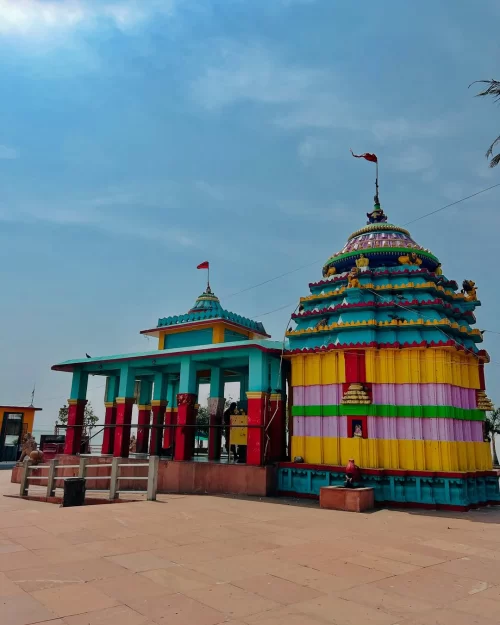
Cuttack Chandi Temple, also called Katak Chandi Temple, is dedicated to the goddess revered as the city’s presiding deity. It is a living place of worship and a meaningful stop for visitors interested in Cuttack’s religious traditions.
The temple offers a different experience from the nearby fort ruins. Its importance lies in the continuing relationship between the shrine, worshippers and the city’s festival calendar.
Visit quietly, allow devotees space and avoid treating an active ritual as a photography opportunity. Ask temple staff about offerings and current access rather than following unsolicited instructions outside.
Allow approximately 30–45 minutes on an ordinary day, with additional time for queues or ceremonies. Religious occasions, particularly the Durga Puja period, can bring much heavier footfall.
The temple pairs conveniently with Barabati Fort, but confirm darshan availability before deciding the order of your morning visits.
The Netaji Birthplace Museum in Odia Bazaar preserves the family home associated with Subhas Chandra Bose’s birth and childhood. It is one of Cuttack’s most worthwhile stops for travellers interested in modern Indian history.
Photographs, letters, personal material and interpretive displays introduce Bose’s upbringing and later public life. The domestic setting gives the visit a more personal scale than a large general-history museum.
Read the displays in sequence where possible. They help connect his early environment with the wider political journey and freedom struggle covered in the galleries.
Keep approximately one hour for a general visit, longer if you want to study the interpretation closely. It can be a useful educational stop for older children when adults provide some background beforehand.
Check the current opening hours, weekly closure and ticket arrangements directly before travelling. Published schedules differ across visitor listings, so avoid planning your arrival close to the advertised closing time.
Qadam-e-Rasool is an important Muslim shrine and historic religious complex in Cuttack. Its name refers to the “footprint of the Messenger,” and the shrine is associated with a footprint relic venerated by devotees as belonging to Prophet Muhammad.
The complex is known for its historic architectural details, including domed forms and ornamental elements. It also contains graves and memorial spaces, so explore it as an active sacred environment rather than simply another monument.
Distinguish the devotional significance of the relic from independently established historical evidence. A respectful conversation with the caretaker can help explain local traditions and the parts of the complex open to visitors.
Ask about visiting arrangements before entering, particularly during prayers or religious observances. Access to inner spaces may differ from access to the grounds.
Allow approximately 30–45 minutes if access is available. Keep the visit flexible rather than expecting uninterrupted tourist entry throughout the day.
Dhabaleswar Temple is a Shiva shrine on an island in the Mahanadi, outside Cuttack’s central sightseeing area. Its religious significance and river setting make it worth a separate half-day excursion.
Confirm the current road approach, authorised bridge access and vehicle stopping point with your accommodation or a reliable local driver. A concrete bridge now connects the island approach; older guides may still describe boats or the former suspension bridge as the standard route.
Do not assume vehicles can reach the temple door. Ask how far you must walk from parking and whether assistance is available for seniors or visitors with limited mobility.
Bada Osha and the Kartik pilgrimage period can bring substantial crowds and special arrangements. On these dates, allow a larger part of the day and follow police directions for queues and movement.
For an ordinary visit, budget roughly three to four hours including road travel from Cuttack, adjusting for your starting point and traffic. Confirm darshan hours before departure.
Cuttack’s silver filigree, locally called Tarakasi, is one of the city’s distinctive craft traditions. Fine silver wires are shaped and joined into intricate jewellery and decorative objects, making shopping here an opportunity to understand craftsmanship as well as buy a souvenir.
Nayasarak, Balu Bazaar, Choudhury Bazaar and nearby market neighbourhoods are useful starting points for finding filigree shops and workshops. These are working commercial areas rather than a single organised craft market.
If you want to watch an artisan at work, arrange the visit beforehand. A retail shop may stock locally made pieces without having a workshop open to visitors.
Allow at least one to two hours if comparing several shops. Price reflects both the metal and the labour involved, so similarly sized pieces may differ considerably in cost.
Ask permission before photographing designs or workshop processes, and avoid interrupting intricate work.
One full day suits a selective Cuttack city tour, while two days give you time for both museums, religious sites, craft shopping and Dhabaleswar. Leave room for traffic: short distances through the old city can take longer than expected.
Begin with Barabati Fort and Cuttack Chandi Temple, then visit the Odisha State Maritime Museum after it opens. Take a lunch break before continuing to the Netaji Birthplace Museum.
Finish with either a pre-confirmed Qadam-e-Rasool visit or silver filigree shopping. Travellers who want detailed museum visits should avoid adding every remaining attraction before evening.
Visit Dhabaleswar in the morning, then return for the sacred site or market area omitted on Day 1. This arrangement gives you more flexibility if queues or traffic extend the excursion.
Check museum schedules before assigning days. The Maritime Museum is closed on Mondays, and other attractions have their own opening arrangements.
Cuttack railway station provides a practical rail arrival point. Biju Patnaik International Airport in Bhubaneswar is the main nearby air gateway, followed by a road transfer.
Autos and taxis suit local journeys, while a pre-arranged vehicle is convenient for Dhabaleswar. Agree on waiting charges and pickup points, especially where narrow lanes or crowd controls limit access.
October to March generally offers more comfortable walking conditions. Durga Puja and Bali Jatra bring distinctive experiences alongside heavier crowds and traffic restrictions; check event dates and diversions before travel.
Try Cuttack’s dahibara aludum during a suitable food break, choosing a busy vendor serving freshly prepared portions. Carry water, wear comfortable footwear and confirm steps, toilets and assistance directly when travelling with children or seniors.


Get customized Odisha tour planning designed around temple visit timing, coastal weather patterns, wildlife seasonality, and realistic travel pacing across regions. Whether you are visiting for spiritual journeys, heritage architecture, beach relaxation,
⚡ Quick Response | 💰 Free consultation | 🕒 24×7 expert support

