
Best Places to Visit in Odisha with Family
Find destinations in Odisha for a family trip, considering beaches, heritage sights and nature outings to choose places that suit different ages and interests.
+91 9910402252
admin@chalbanjare.com


Explore Bhubaneswar’s temples and other tourist spots to help you select sightseeing stops and organise a city itinerary around your cultural and historical interests.
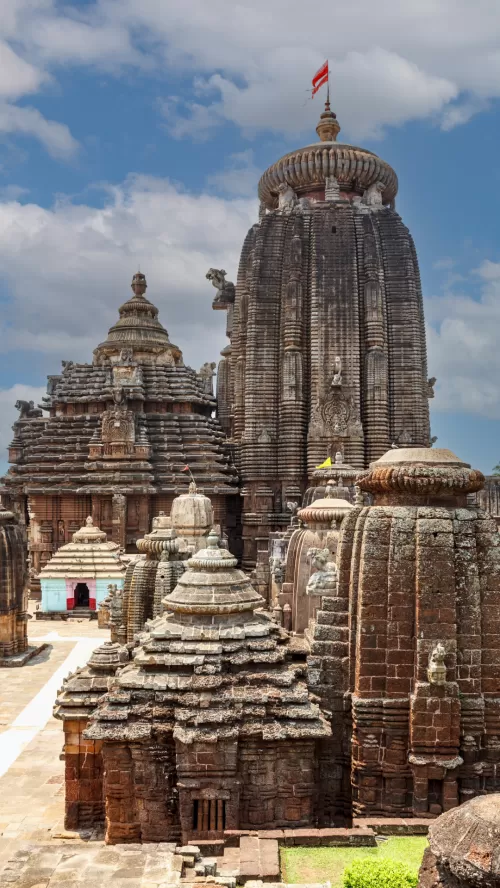
Lingaraj Temple is one of Bhubaneswar’s most important sacred landmarks and a major example of Kalinga temple architecture. Its principal structure dates to the 11th century, and the complex remains an active centre of worship.
The temple is dedicated to Shiva, with worship traditions that also reflect connections between Shaivism and Vaishnavism. Its tall, curving sanctuary tower rises above a sequence of halls, while smaller shrines fill the surrounding enclosure.
Notice how the architectural forms lead towards the main sanctuary rather than focusing only on the height of the tower. An informed guide can help explain these elements, but agree on any guiding service and payment beforehand.
Only Hindus are permitted inside the temple. Non-Hindu visitors can enquire about the designated exterior viewing platform and its current availability. Respect the boundary and avoid assuming that a guide can override religious entry rules.
Allow approximately one to two hours for an ordinary visit, with longer waits possible during major festivals. Confirm the current darshan sessions because rituals and afternoon breaks affect access.
These three temples make a rewarding architectural circuit near Bhubaneswar’s Old Town. They are smaller and easier to study closely than Lingaraj, although each deserves attention for different reasons.
Mukteswar is particularly known for its carved arched gateway, or torana. Look closely at the decorative motifs, sculpted figures and the relationship between the gateway, hall and sanctuary.
The compact setting makes it suitable for a slower visit of approximately 30–45 minutes. Remember that architectural sightseeing takes place alongside religious use, so keep clear of worship activities.
A short walk from Mukteswar, Parsurameswar is an early surviving example of Odisha’s temple-building traditions. Its modest scale allows visitors to examine sculptural panels and the arrangement of the sanctuary and hall without crossing a large complex.
Visit the two temples together rather than arranging separate journeys. Carry water, especially if walking between them in warm weather.
Rajarani is best approached as a protected architectural monument, with elaborate exterior sculpture and a landscaped setting. Unlike a busy darshan stop, the main attraction is studying the building and its carvings.
Allow around 45 minutes to an hour and check current ASI admission arrangements. A short vehicle transfer connects it with the Mukteswar–Parsurameswar area if your group prefers to limit walking.
Bhubaneswar’s Old Town, associated with the historic sacred landscape of Ekamra Kshetra, is best explored on foot in manageable sections. Bindu Sagar provides a useful focal point, with temples, lanes and everyday neighbourhood activity around it.
Bindu Sagar is a sacred waterbody connected with the city’s temple traditions. A walk along accessible surrounding streets helps place Lingaraj and nearby shrines within their wider setting.
Keep to public paths, respect ritual activity and avoid treating steps used by worshippers as unrestricted photography platforms. Do not assume the water is suitable for recreational bathing.
Ananta Vasudeva Temple is an important Vishnu shrine near the tank. Other heritage stops, including Vaital Deul, can be included according to your interests, available time and current access.
If you want to try a traditional temple meal, ask about authorised arrangements, serving times and visitor eligibility. Meals should fit around the temple’s practices rather than a fixed restaurant-style schedule.
Allow approximately one-and-a-half to two hours for a focused heritage walk, excluding extended darshan. Early morning generally offers more comfortable temperatures, though streets remain active and some interiors may not yet be accessible.
For an organised heritage walk, confirm the current departure point, booking requirements and operation. Older announcements do not guarantee that a particular weekly walk is still running.
Udayagiri and Khandagiri are neighbouring hills containing ancient rock-cut caves associated with Jain monks and the patronage of King Kharavela. They offer a different historical experience from Bhubaneswar’s freestanding Hindu temples.
Rani Gumpha is a highlight for its two-level arrangement and sculpted façade. Other caves reveal how relatively small rock-cut spaces were adapted for monastic use.
The Hathigumpha inscription is historically important for its account of Kharavela. A guide or reliable interpretation helps explain its significance; the inscription is not something most visitors can understand simply by looking at the rock surface.
Khandagiri adds further caves and Jain religious associations across the neighbouring hill. You do not need to climb every accessible section to appreciate the site, particularly when travelling with children or seniors.
These Jain caves are different from the Buddhist Udayagiri site in Odisha’s Ratnagiri–Udayagiri–Lalitgiri circuit. Specify the Bhubaneswar caves when booking transport.
Dhauli combines an ancient inscription site with a much later peace monument on a hill overlooking the surrounding landscape. It is a worthwhile excursion for travellers interested in Ashoka, Buddhism and the history associated with the Kalinga War.
The inscriptions near the base of the hill belong to the Mauryan period and communicate aspects of Ashoka’s governance and ethical outlook. Notice the elephant carved above the inscription area, while respecting protective barriers.
Read the available interpretation or use a knowledgeable guide to understand the historical context. Dhauli is closely associated with the Kalinga War narrative, but the inscriptions and surviving landscape should not be treated as a detailed map of the battlefield.
The white Shanti Stupa is a modern peace pagoda, distinct in date and purpose from the ancient edicts below. Buddha imagery and the elevated setting make it a place for both reflection and sightseeing.
Allow approximately one-and-a-half to two hours for the main stops, excluding travel from your hotel. The approach involves separate stopping points and steps, so ask your driver about the nearest permitted drop-off if mobility is a concern.
If interested in an evening light-and-sound programme, confirm current operation, language, tickets and timing before building your day around it.
These museums complement each other: Odisha State Museum provides a broad introduction to the state’s history and material culture, while Kala Bhoomi focuses on handicrafts and handlooms. Allow around one-and-a-half to two hours for each, depending on your interests.
The State Museum’s collections include archaeological sculpture, manuscripts, coins and material relating to Odisha’s cultural traditions. It is particularly useful before or after a temple circuit, when displayed objects can add context to the carvings and religious imagery seen outdoors.
The museum’s official website lists visiting hours of 10:00 AM to 5:30 PM. Check the weekly closure, public-holiday arrangements and availability of individual galleries before travelling.
Located in the Pokhariput area, Kala Bhoomi introduces visitors to Odisha’s craft and textile traditions through displays of materials, techniques and finished work. It is a useful stop before shopping because it helps explain the labour and skill behind handmade products.
Ask about current guided tours, demonstrations or workshops rather than assuming they run every day. Confirm opening days directly, as online listings can give conflicting information.
The two museums are in different locations, so include a vehicle transfer between them. Check photography rules, bag arrangements and accessibility at each. They offer a useful alternative during hot or rainy weather, although some parts of the campuses may be outdoors.
Nandankanan Zoological Park, on the northern side of the Bhubaneswar urban area, is best treated as a dedicated family excursion. Allow at least half a day, extending the visit if you want additional activities or time at the separately managed State Botanical Garden.
The zoo combines animal enclosures with a large, green campus. It is known for its tiger breeding history, but the broader experience includes learning about different species and their conservation.
Expect substantial walking. Use the current visitor map to select priorities rather than attempting every enclosure with young children or senior family members.
The official seasonal schedule lists 7:30 AM–5:30 PM from April to September and 8:00 AM–5:00 PM from October to March. The zoo and State Botanical Garden are closed on Mondays, subject to any special official notice.
Entry tickets and optional experiences may have separate charges, booking procedures and operating hours. Check availability before promising children a particular safari, ride or other activity.
Two full days are enough for a selective introduction to Bhubaneswar’s temples, caves, museums and Dhauli. Add a third day for Nandankanan or a slower pace. Trying to cover every attraction in one day leaves little time beyond transfers and brief stops.
Biju Patnaik International Airport and Bhubaneswar railway station provide practical arrival points. Taxis and autos suit individual journeys, while city buses can reduce costs if their routes match your stops.
A pre-arranged car is useful for Dhauli or a multi-stop day. Confirm waiting time, parking and the final drop-off when comparing fares. Walk within the Old Town temple cluster where comfortable, but use transport between the city’s more widely separated areas.
October to March generally offers more comfortable sightseeing conditions. In hotter months, place caves and heritage walks early, reserving museums and rest for the middle of the day. Rain makes exposed stone and steps slippery.
Check temple eligibility, museum closures and attraction notices before finalising the order. For children, seniors and travellers with limited mobility, prioritise fewer stops and confirm actual walking distances, steps and assistance rather than relying on a general accessibility label.


Get customized Odisha tour planning designed around temple visit timing, coastal weather patterns, wildlife seasonality, and realistic travel pacing across regions. Whether you are visiting for spiritual journeys, heritage architecture, beach relaxation,
⚡ Quick Response | 💰 Free consultation | 🕒 24×7 expert support

