
Best Places to Visit in Odisha with Family
Find destinations in Odisha for a family trip, considering beaches, heritage sights and nature outings to choose places that suit different ages and interests.
+91 9910402252
admin@chalbanjare.com


Get an overview of Odisha’s places to visit, local food, transport options and travel expenses to help you choose destinations and organise your trip.
The best places to visit in Odisha depend on whether you want a pilgrimage, a heritage holiday, time by the sea or a nature-focused journey. For a first visit, begin with the Bhubaneswar–Puri–Konark circuit and add one destination that matches your interests.
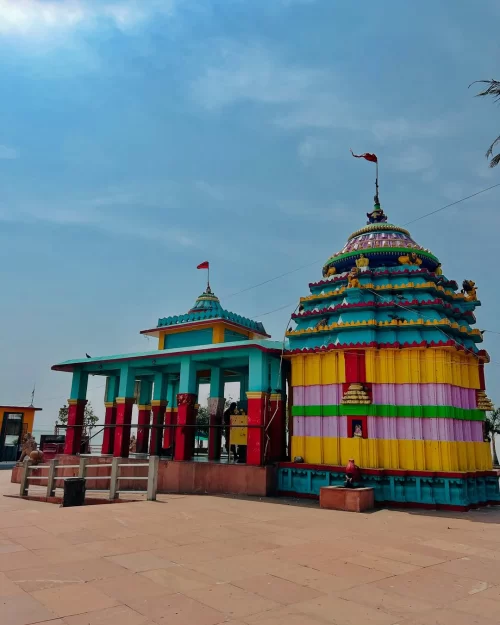
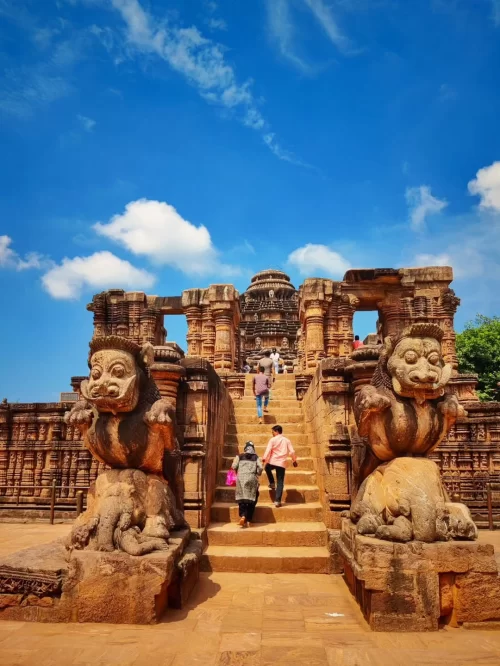
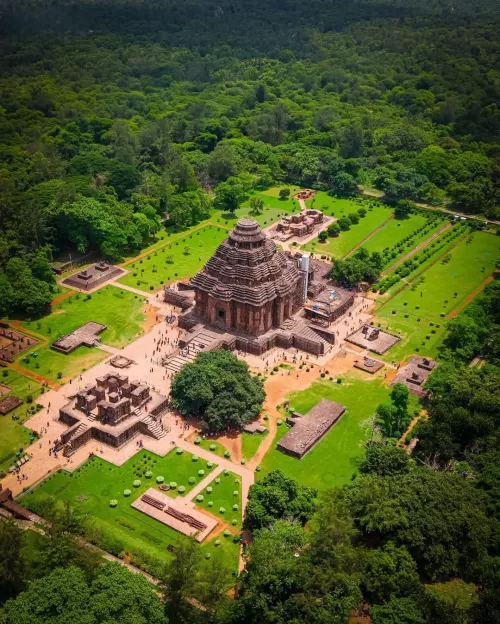
Bhubaneswar offers historic temples, the Jain caves at Udayagiri and Khandagiri, museums and access to Dhauli. Puri combines Jagannath Temple pilgrimage with a busy seafront, while Konark’s Sun Temple rewards visitors interested in architecture and stone carving.
These destinations work well together, but temple queues, museum opening days and sightseeing time still need to be considered. Avoid treating all three as a single-day excursion.
Choose Puri for a lively beach stay with extensive visitor services, Gopalpur for a slower seaside holiday, or Chandipur for its distinctive tidal shoreline. At Chilika, select your base carefully: Satapada suits dolphin-watching outings, Mangalajodi focuses on wetland birdwatching, and Barkul or Rambha offer different lakeside experiences.
Daringbadi suits a relaxed hill break, while Koraput provides access to landscapes around Deomali, reservoirs and waterfalls. Cuttack’s museums and silver filigree traditions, and the Buddhist sites of Ratnagiri, Udayagiri and Lalitgiri, are worthwhile choices for a more detailed cultural itinerary.
Odisha’s most rewarding activities often involve spending time with a landscape or tradition rather than simply reaching a viewpoint. Choose a few substantial experiences and allow enough time to enjoy them properly.
Bhitarkanika is known for boat journeys through mangrove creeks, with opportunities to observe saltwater crocodiles and birds. Similipal offers forest drives and waterfall landscapes during its permitted tourism season, while Debrigarh can suit travellers exploring western Odisha.
Wildlife sightings are never guaranteed. Book authorised activities, follow guide instructions and check whether permits, vehicles, boats and accommodation are included in the quoted price.
At Chilika, a dolphin-oriented Satapada excursion differs from a birdwatching trip at Mangalajodi. Ask about the route, duration and viewing expectations before booking, and wear a correctly fitted life jacket throughout the ride.
Ask permission before photographing artists or community activities. Cultural visits work best when arranged respectfully, without expecting people to perform or pose on demand.
October to March is generally the most comfortable period for a mixed Odisha sightseeing holiday. However, the best month depends on your route: winter birdwatching, summer temple visits and monsoon hill excursions require different plans.
November to February is particularly useful for combining heritage sightseeing, coastal stays and Chilika birdwatching. Coastal days can remain warm, while inland and hill destinations need warmer clothing for mornings and nights.
October can still bring rain or coastal weather disturbances. Check forecasts before treating an early-season beach or boating holiday as settled-weather travel.
From March, heat builds across much of the state, with April and May demanding shorter outdoor visits and afternoon breaks. The coast remains humid, and hill destinations are not guaranteed to stay cool throughout the day.
The main monsoon period generally runs from June to September. Green landscapes come with possible road disruption, slippery paths, rough seas and seasonal forest restrictions.
Confirm the event calendar before reserving non-refundable travel. Festival dates and arrangements can affect hotel availability, sightseeing access and transfers.
Odia cuisine includes everyday rice-based meals, vegetable preparations, fish dishes, street snacks and a wide range of sweets. Trying a regional thali is a useful introduction because it lets you sample several preparations in one meal.
Dalma combines lentils and vegetables, while santula is a gently cooked vegetable preparation. Besara refers to mustard-based cooking and can appear in vegetarian dishes or fish preparations such as machha besara.
Pakhala is cooked rice served with water, sometimes fermented and accompanied by vegetables, fried items or fish. Ask which version is available and whether the accompanying dishes match your dietary preferences.
Jagannath Temple Mahaprasad is part of a living religious tradition rather than a restaurant service. Availability follows temple offerings and visitor access rules. If you avoid onion, garlic, dairy or particular ingredients, explain your requirements clearly instead of assuming every vegetarian meal is suitable.
Choose your arrival point according to the region you want to explore. Bhubaneswar is the most convenient gateway for the classic coastal circuit, while other airports and railway stations may reduce travel time for western or southern Odisha.
Biju Patnaik International Airport in Bhubaneswar is the main air gateway for many visitors. For western Odisha, check whether services to Jharsuguda suit your departure city and dates rather than automatically routing through Bhubaneswar.
Useful railway stations include Bhubaneswar, Puri, Cuttack, Brahmapur, Sambalpur, Balasore and Koraput. Select the station closest to your itinerary and check the actual service, arrival time and onward transfer before booking.
Forest gates, hill accommodation and Chilika jetties are not necessarily close to a major station. Arrange these transfers separately and confirm pickup details.
For hired vehicles, establish whether the price includes tolls, parking, driver allowance, waiting time and any kilometre limit. App-based transport should not be your only plan for returning from a remote attraction.
A practical Odisha itinerary groups nearby destinations and leaves room for arrival, departure and rest. Three days provide an introduction; a week allows a more balanced circuit with one substantial extension.
This plan needs an early arrival and a late departure. With less time, remove a sightseeing stop rather than rushing temple visits or risking a missed connection.
Allow two nights in Bhubaneswar and two in Puri. Use the additional time for a museum or Cuttack visit, Raghurajpur, and one Chilika excursion. Give Konark and Chilika separate days instead of attempting both between hotel transfers.
Expand the coastal circuit with an overnight Bhitarkanika visit when access permits, or devote more time to Buddhist heritage and local culture. Alternatively, build a separate southern itinerary around Koraput or Daringbadi.
A first-time week does not need to cover Puri, Similipal, Daringbadi and Koraput together. These locations involve substantial transfers and leave little time for the experiences you travelled to enjoy.
Accommodation and transport choices usually have the biggest effect on an Odisha trip budget. The amounts below are suggested planning allowances rather than verified tariffs or package quotations; compare actual prices for your dates before booking.
In Bhubaneswar, prioritise access to the attractions you plan to visit and convenient station or airport transfers. In Puri, decide between temple access, a busy central seafront and a quieter property farther away.
For forest stays, check meal plans, safari arrangements and cancellation terms carefully. A room reservation may not include permits or activities. In the hills, reliable road access and nearby meals can matter more than a panoramic room description.
Premium hotels, seafront locations, festivals and year-end holidays can require a substantially higher allowance. Check taxes, extra-bed charges, breakfast and compulsory holiday meals.
For two adults travelling for six nights, allocating ₹3,000 per night to a shared room and ₹700 per person daily for food over seven days produces a subtotal of ₹27,800. This excludes travel to Odisha, intercity transfers, sightseeing transport, tickets, guides and boat or safari activities.
Obtain route-specific transport and activity quotations before setting the final total. Sharing a car or private boat can reduce the per-person cost, but always check capacity and inclusions.
Check access rules before finalising your itinerary, especially when a temple or wildlife activity is the main reason for travelling. Requirements differ between attractions and should not be assumed to apply uniformly across Odisha.
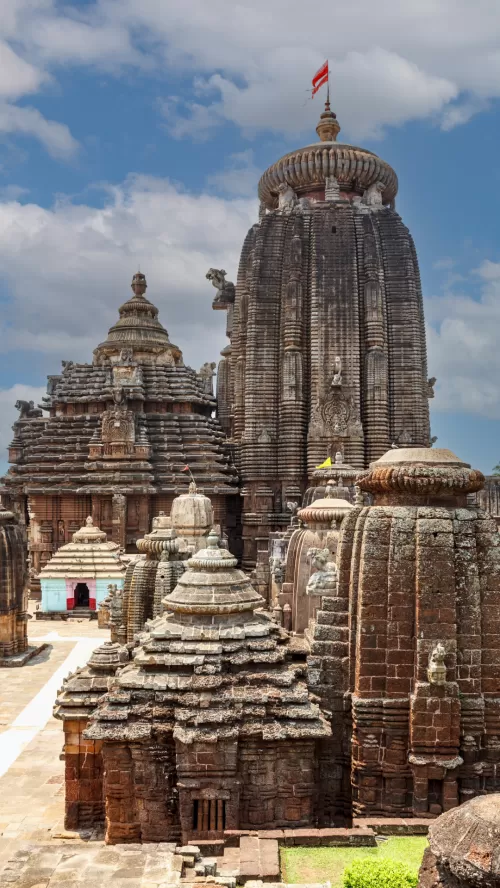
Jagannath Temple in Puri and Lingaraj Temple in Bhubaneswar restrict entry to Hindus. Lingaraj has an external viewing platform for visitors who cannot enter, subject to local access arrangements.
Wear modest clothing, remove footwear where required and follow site-specific restrictions on phones, cameras and belongings. Leave time for security checks and ritual-related pauses rather than expecting uninterrupted darshan.
Use official forest or ecotourism booking channels, carry the identification specified on your permit and confirm the correct entry gate. Bhitarkanika’s published crocodile-breeding closure runs from 1 May to 31 July; Similipal also has a monsoon closure, with dates governed by official notices.
Check whether a quotation includes the permit, guide, vehicle or boat and meals. Never assume a confirmed stay guarantees every activity.
Follow weather alerts and local restrictions at beaches, waterfalls and forest sites. Allow extra time for travellers who need frequent breaks, and choose fewer stops when accessibility information is uncertain.


Get customized Odisha tour planning designed around temple visit timing, coastal weather patterns, wildlife seasonality, and realistic travel pacing across regions. Whether you are visiting for spiritual journeys, heritage architecture, beach relaxation,
⚡ Quick Response | 💰 Free consultation | 🕒 24×7 expert support

