
Best Places to Visit in Odisha with Family
Find destinations in Odisha for a family trip, considering beaches, heritage sights and nature outings to choose places that suit different ages and interests.
+91 9910402252
admin@chalbanjare.com


Learn about winter weather in Odisha and places to consider visiting, helping you plan a seasonal trip around coastal sights, heritage destinations and nature experiences.
December to February forms Odisha’s main winter period, with November also offering comfortable conditions for many trips. Weather varies substantially between the coast, interior districts and higher terrain.
Puri and other coastal destinations generally have mild mornings, warm afternoons and cooler evenings. Around December and January, Puri’s historical average daily highs are approximately 27–28°C, with lows around 18°C.
These figures describe climate averages, not a forecast. Carry sun protection for daytime walks and a light layer for breezy evenings.
Interior locations can experience colder nights than seaside towns. Early open-vehicle safaris may feel particularly chilly because of wind and prolonged sitting.
Pack layers that can be removed as the day warms, and ask forest accommodation providers about blankets and hot water.
Higher areas in Kandhamal and Koraput can have cold mornings, mist and reduced visibility. Daringbadi is associated with winter frost, which should not be confused with a dependable snowfall experience.
Winter is generally drier than monsoon, but showers and coastal disturbances remain possible. Check forecasts for each destination rather than applying one city’s weather to the whole state.
Puri and Konark form a practical winter pairing, combining pilgrimage, architecture and time by the sea. Stay at least two nights in Puri, extending to three if you want a slower pace or another excursion.
Keep a flexible window for Shri Jagannath Temple because rituals and queues affect access. Entry is restricted to Hindus, and visitors must follow current rules for belongings and photography.
Use early mornings or evenings for beach walks. The managed Golden Beach section has its own access arrangements, so check current hours and facilities before planning a visit.
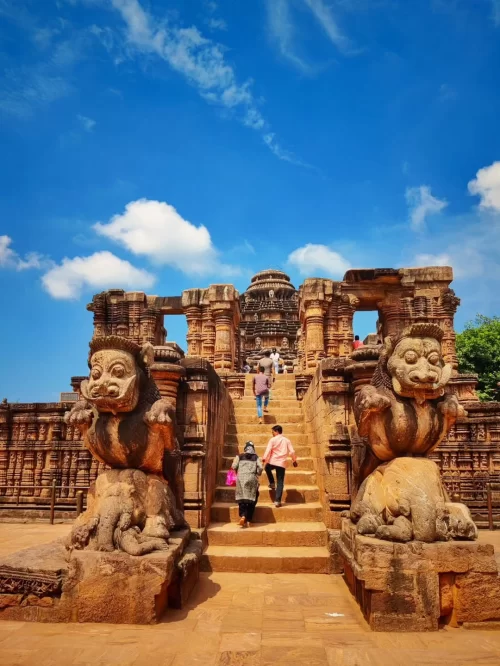
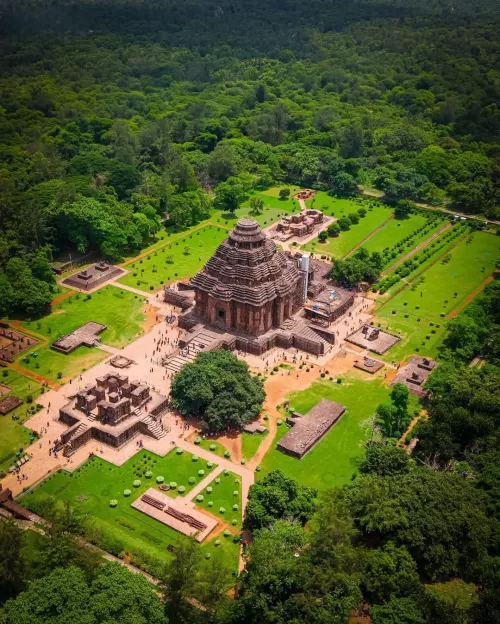
Konark is approximately 35 kilometres from Puri and deserves a separate half-day or longer. Allow around two hours for the Sun Temple, with additional time for the archaeological museum if open.
Winter makes the exposed grounds more comfortable, but midday sunshine can still be strong. Carry water and respect conservation barriers.
Chandrabhaga or Ramchandi can fit the Konark excursion. Choose a manageable walk rather than adding every advertised beach and activity.
Follow lifeguard advice and marine warnings. Comfortable winter weather does not guarantee safe swimming or boating conditions.
Bhubaneswar is worth at least one full sightseeing day, with two days providing a better balance of temples, caves and museums. Winter allows more comfortable walking, particularly in the Old Town and on the cave hills.
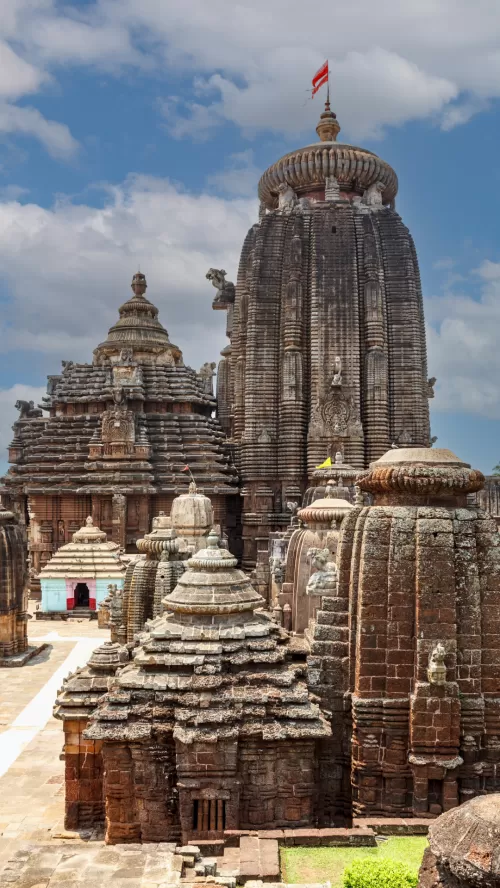
Combine Mukteswar and Parsurameswar, then consider Rajarani and Lingaraj according to your interests. Lingaraj permits Hindu visitors only; confirm authorised exterior viewing arrangements if you cannot enter.
Keep the Old Town circuit selective so there is time to examine carvings and understand the setting around Bindu Sagar.
Allow approximately two to three hours for these Jain cave hills, adjusting the route to your group’s walking ability. Steps and uneven rock require suitable footwear even in dry weather.
These are different from the Buddhist Udayagiri site in Odisha’s Diamond Triangle circuit.
Odisha State Museum provides historical and cultural background, while Kala Bhoomi focuses on crafts and handlooms. Confirm opening days and gallery access before assigning your sightseeing order.
A museum visit also provides useful variety after several outdoor stops. Avoid filling the entire day simply because winter temperatures make more sightseeing possible.
Winter is particularly rewarding for Chilika’s migratory birdlife, but choosing the correct base matters as much as choosing the season. A focused birdwatching outing differs from a general lagoon cruise.
Mangalajodi’s guided small-boat trips suit visitors who want patient observation through shallow channels. November to February is a useful planning window, although species and concentrations vary.
Carry binoculars and keep voices low. Staying nearby can make an early departure easier than a long pre-dawn road transfer.
Satapada is convenient for a day excursion from Puri and is associated with Irrawaddy dolphin-watching trips. Dolphins inhabit Chilika beyond winter, and sightings are never guaranteed.
Choose an operator who maintains distance and does not chase animals. Confirm route length, seating and shade before booking.
These bases can work well for lagoon scenery and an overnight stop along a southern Odisha route. Ask about the actual boat itinerary and any required permissions.
Nalabana is a protected sanctuary, not an island open for unrestricted tourist landings. Do not assume a general boating package authorises entry.
Winter suits many Odisha wildlife trips, but Bhitarkanika and Similipal offer different habitats and require separate routes. Choose one for a shorter holiday rather than rushing between both.
Explore tidal creeks with an authorised boat and guide, watching for saltwater crocodiles and birds. One night and two days generally provide a more comfortable visit than a long return outing from Bhubaneswar.
Match your accommodation with the correct jetty or reporting point. Check permits, life jackets and any winter census closure before confirming travel.
Decide whether you want a waterfall-focused day excursion, a designated wildlife safari or a nature-camp stay. These do not necessarily share the same route or inclusions.
Choose the Baripada- or Jashipur-side approach according to your booking, and arrive near the reporting point the previous day where possible.
Animal sightings depend on natural conditions. Neither a winter date nor an early departure guarantees crocodiles, elephants or tigers.
Daringbadi and Koraput suit travellers seeking hill scenery, cooler starts and nature outings. They are separate destinations, so allow proper transfers and overnight stays if including both.
Spend two or three nights exploring Hill View Park, Nature Park, a visitor-accessible coffee garden and selected woodland areas. Midubanda Waterfall is optional because its stepped approach and return climb do not suit every traveller.
Mandasaru requires a separate excursion window. Confirm current routes and use recognised guides for forest walks.
Deomali offers open hill views when visibility permits, while Kolab Reservoir provides a gentler-paced outing. Duduma near Machkund and Rani Duduma near Nandapur are different waterfalls and need separate route planning.
Allow three or more full sightseeing days for a varied Koraput visit rather than attempting every attraction in one circuit.
Pack warm layers for dawn viewpoints and confirm blankets, hot water and meals with your accommodation. Mist can obscure views and slow road travel.
Do not plan a snow holiday around Daringbadi’s nickname. Winter frost and cold weather are part of the local climate, but snowfall should not be promised.
Build the holiday around a main regional circuit, then add one extension. Odisha’s attractions are too widely spread for every coastal, forest and hill destination to fit comfortably into a short trip.
Add at least two days for a Bhitarkanika overnight excursion. Give Similipal its own arrival, activity and departure planning. Daringbadi benefits from two or three nights, while Koraput is better treated as a dedicated regional trip.
For route comparisons, explore Chal Banjare’s Odisha travel options and review the actual transfer days and inclusions.
Bhubaneswar is a practical air gateway for the central coastal circuit. Rail and road connections can suit other regions, but compare the complete station-to-hotel or airport-to-camp journey.
Choose accommodation by road access, meals and comfort as well as scenery. Forest camps, remote hill properties and beach hotels offer different facilities.
Winter simplifies many outdoor plans, but popular dates and activity-specific rules still need attention. Reserve the arrangements that determine your route before filling the remaining days.
December holidays, New Year and popular weekends can increase demand for rooms, guides and vehicles. Cultural events may also affect local availability.
Reserve early when you need lifts, connecting rooms or a particular safari route. Confirm cancellation terms and whether a room booking includes meals or activities.
Check museum closures, temple arrangements and forest notices before departure. Follow weather and marine advisories for beach and boat outings, even during an otherwise pleasant winter week.
Leave buffers before onward trains or flights, and avoid unfamiliar hill drives after dark where practical. For children and seniors, preserve meal breaks and rest time rather than using every daylight hour for sightseeing.


Get customized Odisha tour planning designed around temple visit timing, coastal weather patterns, wildlife seasonality, and realistic travel pacing across regions. Whether you are visiting for spiritual journeys, heritage architecture, beach relaxation,
⚡ Quick Response | 💰 Free consultation | 🕒 24×7 expert support

