
Best Places to Visit in Odisha with Family
Find destinations in Odisha for a family trip, considering beaches, heritage sights and nature outings to choose places that suit different ages and interests.
+91 9910402252
admin@chalbanjare.com


Understand Odisha’s summer weather, consider places to visit and learn practical travel tips to help you organise sightseeing, rest breaks and packing for your trip.
Odisha’s summer heat builds from March, becomes more demanding during April and May, and can continue into June before monsoon rainfall becomes established. Your experience depends on elevation, distance from the sea and the weather conditions during your particular travel dates.
Puri, Gopalpur and the Chilika coast can feel uncomfortable because of humidity, even when their temperatures are lower than those recorded inland. Sea breezes may bring relief, but warm nights and exposed beach walks still require planning.
Interior plains and western Odisha can experience particularly strong daytime heat. Bhubaneswar and Cuttack also become tiring for extended outdoor sightseeing, especially where stone surfaces, traffic and limited shade add to the discomfort.
Check the forecast for each destination rather than relying on a single statewide temperature. A shower may briefly cool the air without making the rest of the day comfortable.
Daringbadi and Koraput suit travellers who prefer hill landscapes, viewpoints and a slower summer holiday. Their elevation can offer relief compared with hotter lowland areas, but neither destination should be booked with an expectation of consistently cold weather.
Build your sightseeing around Hill View Park, Nature Park and accessible plantation or pine-forest areas. Visit outdoor attractions during their opening hours in the cooler part of the day, then return to your accommodation for lunch and rest.
Waterfall excursions need realistic expectations. Summer flow can be reduced, and places such as Midubanda involve steps that become tiring on the return climb. Ask about current conditions before travelling specifically for a waterfall.
Koraput works well as a base for selected outings towards Deomali, Kolab Reservoir and nearby hill landscapes. Deomali’s exposed slopes can still feel hot under direct sun, so carry water and avoid treating the viewpoint as a shaded walking destination.
Allow two or three nights for either hill region. Daringbadi and Koraput are separate touring areas with substantial road travel between them; choose one for a short break instead of squeezing both into a hurried weekend.
Odisha’s coastal destinations are easier to enjoy in summer when you divide the day between an early outing, an indoor afternoon break and a shorter evening visit. A seafront location does not remove the need to plan around heat and humidity.
Plan Jagannath Temple darshan around current visitor arrangements and your ability to manage queues. Early arrival may reduce exposure to the hottest conditions, although it does not guarantee a short wait. Allow recovery time afterwards before another substantial outing.
Use the beach for early walks or evening time near your accommodation. Follow lifeguard instructions and local restrictions; calm-looking water is not sufficient evidence that swimming is safe.
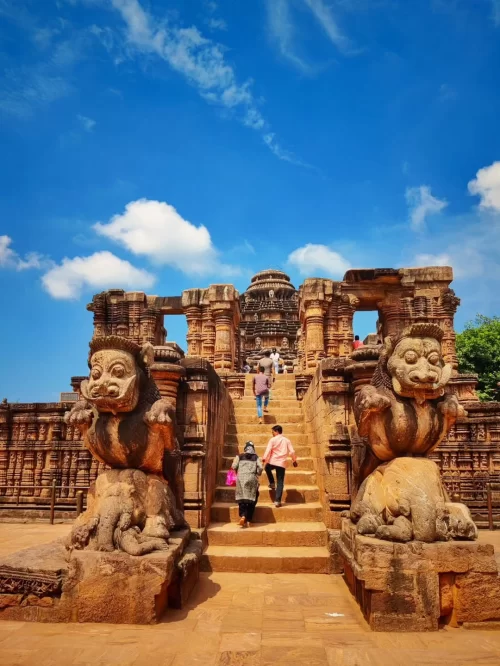
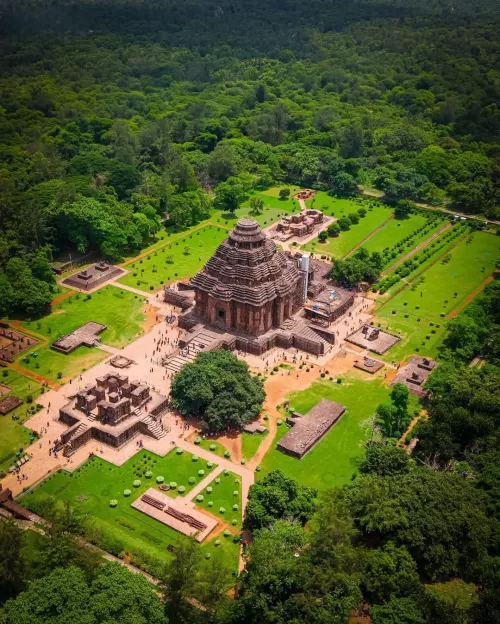
The Sun Temple involves considerable walking around exposed stone architecture. Visit early within official opening hours, carry sun protection and leave time to appreciate the carvings without rushing. Chandrabhaga or Ramchandi can be a brief coastal stop if conditions remain comfortable.
Gopalpur suits travellers who want a seaside stay with limited sightseeing. Prioritise reliable room cooling, nearby meals and convenient beach access. Check weather warnings before planning waterfront activities, particularly when thunderstorms or rough seas are forecast.
Bhubaneswar and Cuttack offer useful combinations of heritage visits and museum time. Arrange outdoor stops first, then use the hotter hours for indoor galleries, lunch and rest.
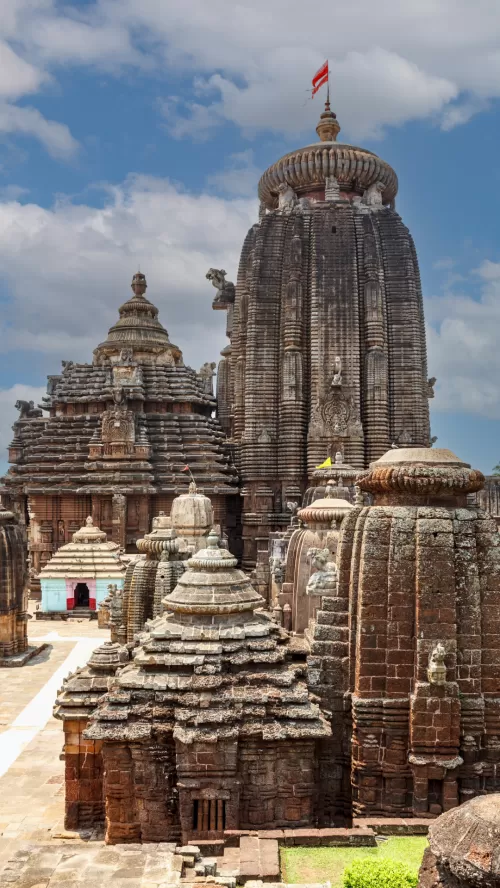
Choose a compact Old Town temple circuit rather than attempting every shrine in one morning. Mukteswar and nearby temples work well together, while Udayagiri and Khandagiri need a separate visit because their steps and exposed surfaces make them more demanding in the heat.
The Odisha State Museum and Odisha Crafts Museum–Kala Bhoomi provide opportunities to explore the state’s history, textiles and craft traditions. Check opening days before arranging your itinerary, and remember that indoor exhibits do not necessarily mean air-conditioned galleries throughout the premises.
The Odisha State Maritime Museum and Netaji Birthplace Museum can form the main stops of a Cuttack visit. Allow for city traffic and check each museum’s weekly closure separately before setting out.
Summer boating on Chilika Lake can be considered when weather and operating conditions permit, but it offers a different experience from winter birdwatching. Expect strong glare, warm conditions and fewer migratory birds.
Satapada is the usual choice for visitors travelling from Puri who want a lagoon boat trip with opportunities to look for Irrawaddy dolphins. Sightings are never guaranteed, and boat operators should keep a respectful distance rather than chase animals.
Mangalajodi is better associated with wetland birdwatching. Resident birds may still be present in summer, but travellers seeking large winter gatherings of migratory birds should choose a different season.
Do not combine a long boat excursion with an ambitious afternoon sightseeing programme. Leave time for road travel, meals and rest after returning to the jetty.
Forest trips in Odisha require destination-specific checks because summer availability varies between parks, routes and activities. An operating nature camp does not automatically mean every safari or boat excursion is available.
Odisha Tourism lists a seasonal closure from 1 May to 31 July for crocodile breeding. This can rule out a standard Bhitarkanika visitor programme during much of the summer holiday period. Check the forest department’s applicable notice before booking transport or accommodation.
For Similipal, verify the opening season, entry gate, permitted vehicle arrangements and available sightseeing route through official booking channels. Access can change with seasonal conditions and management decisions, particularly as the rains approach.
A forest drive may involve long stretches inside a vehicle, so ask about journey duration, meals, drinking water and toilet stops. Waterfall viewing and wildlife sightings should not be treated as guaranteed inclusions.
Debrigarh or Chandaka-Dampara may suit a route focused on their respective regions, subject to current access and booking availability. Choose an authorised activity and avoid adding a distant sanctuary solely to fill an afternoon. Summer heat does not guarantee better animal sightings.
A comfortable Odisha summer itinerary usually covers fewer places than a winter trip. Choose one geographical circuit and protect a daily rest period instead of moving hotels every night.
This is a planning outline rather than a fixed sightseeing commitment. Move activities or drop an excursion if heat alerts make outdoor travel unsuitable.
Confirm working air conditioning, power backup, drinking water and convenient meal options before reserving accommodation. For road travel, check that the vehicle’s cooling works and avoid leaving passengers waiting inside a parked car.
For a hill-focused holiday, replace the coastal circuit with a dedicated Daringbadi or Koraput stay. Account for the longer arrival journey instead of adding the hills as a quick extension from Puri.
Pack for direct sun, heavy perspiration and occasional thunderstorms. Keep essentials in a small day bag so you can use them during temple queues, road stops and boat boarding.
Drink water regularly and reduce outdoor exertion during the hottest hours. Children and senior travellers need frequent opportunities to rest in a cool place. Never leave anyone in a parked vehicle.
If headache, dizziness, nausea or unusual weakness develops, stop sightseeing and move to a cool place. Confusion, collapse or suspected heatstroke requires urgent medical attention. Travellers with fluid restrictions or ongoing medical conditions should follow their clinician’s advice about hydration and summer activity.
Check India Meteorological Department forecasts before each major outing. During a heatwave warning, shorten or postpone exposed sightseeing rather than relying on extra water alone.


Get customized Odisha tour planning designed around temple visit timing, coastal weather patterns, wildlife seasonality, and realistic travel pacing across regions. Whether you are visiting for spiritual journeys, heritage architecture, beach relaxation,
⚡ Quick Response | 💰 Free consultation | 🕒 24×7 expert support

