

Best Places to Visit in Odisha with Family
Find destinations in Odisha for a family trip, considering beaches, heritage sights and nature outings to choose places that suit different ages and interests.
+91 9910402252
admin@chalbanjare.com


Learn about Odisha’s monsoon weather, safety considerations and places to visit so you can prepare for rainy conditions and plan a flexible sightseeing itinerary.
Odisha’s southwest monsoon season generally runs from June to September, although its arrival, intensity and withdrawal vary each year. Rain does not fall continuously everywhere: showery periods can alternate with dry intervals, while some weather systems bring prolonged heavy rainfall.
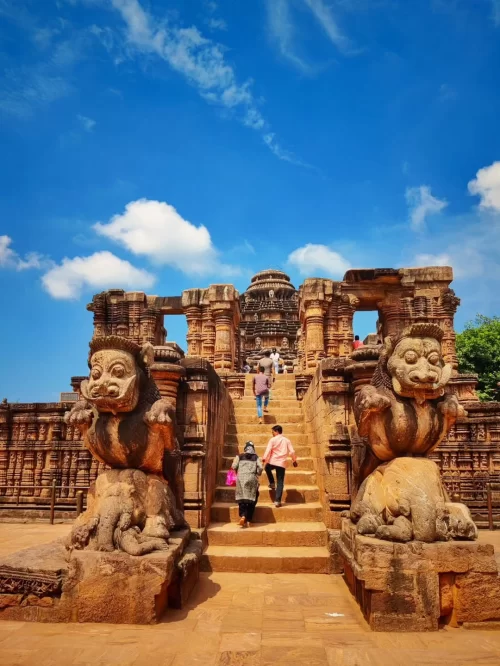
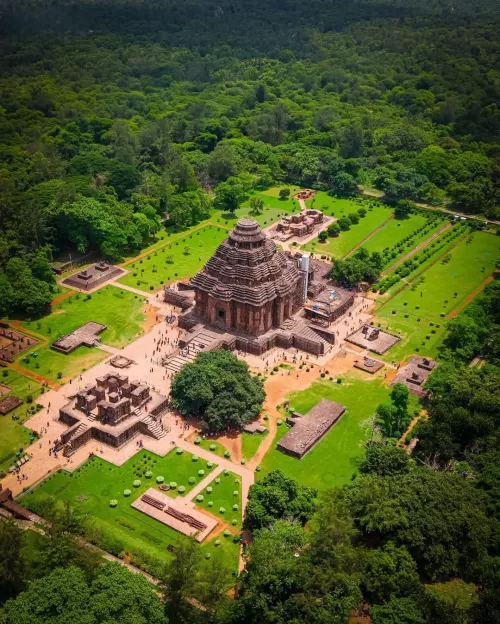
Puri, Konark, Gopalpur and the Chilika region remain humid during the rainy season. A cloudy morning can still feel warm, and coastal wind, waves and rainfall may change your outdoor plans. Conditions at the beach need to be assessed separately from whether it is raining at your hotel.
Bhubaneswar and Cuttack are practical bases for combining short outdoor visits with museums and indoor breaks. Heavy showers can nevertheless cause local waterlogging and slower traffic.
Daringbadi and Koraput become greener, but mist, wet roads and slippery walking surfaces can affect excursions. Interior districts also experience varying rainfall, so a forecast for Bhubaneswar cannot reliably describe conditions across the state.
Check destination-specific forecasts before each transfer. September should not automatically be treated as dry, and rain or coastal disturbances can continue beyond the main monsoon months.
Bhubaneswar and Cuttack are useful choices for a monsoon itinerary because you can adjust the balance between heritage sightseeing and indoor attractions. Keep outdoor visits interchangeable rather than assigning them to an inflexible timetable.
The Odisha State Museum introduces the state’s archaeology, art and cultural history, while Odisha Crafts Museum–Kala Bhoomi focuses on craft and handloom traditions. Check their opening days before travelling, and allow for outdoor sections when moving around museum campuses.
During a suitable weather break, explore selected Old Town temples such as Mukteswar and Parsurameswar. Wet stone can be slippery, particularly where footwear must be removed. Udayagiri and Khandagiri require more caution because their steps and uneven rock surfaces become difficult in rain.
The Odisha State Maritime Museum at Jobra and Netaji Birthplace Museum make worthwhile principal stops. Add Cuttack Chandi Temple or a short craft-shopping visit only if weather and traffic allow.
Daringbadi and Koraput appeal to travellers seeking green landscapes during monsoon, but these trips need more flexibility than city sightseeing. Views may disappear into mist, and the final approach to an attraction can be more difficult than the main road journey.
Hill View Park, Nature Park and permitted plantation visits can form a relaxed programme when conditions are suitable. Avoid building the trip around clear panoramic views, as low cloud can obscure the hills.
For Midubanda Waterfall, ask locally about access before leaving your accommodation. Rain can make the steps slippery, and a stronger waterfall does not necessarily make the visit safer or more accessible.
Deomali, Kolab Reservoir and the wider Koraput region offer varied landscapes, but exposed viewpoints are unsuitable during thunderstorms or poor visibility. Waterfall trips towards Duduma or Rani Duduma should depend on current road conditions and authorised visitor access.
Choose either Daringbadi or Koraput for a short hill holiday. Combining both adds substantial road travel and leaves less room to wait out unsuitable weather.
Monsoon access differs between Chilika Lake and Odisha’s protected forests. Do not assume that every boat service closes for the whole rainy season, or that an available hotel booking confirms access to a nearby park.
Boat trips from Satapada, Barkul or Rambha depend on local weather, operating arrangements and any restrictions imposed by authorities. Strong winds, thunderstorms and unsafe water conditions can lead to cancellations.
Ask about the proposed route, duration, life jackets and cancellation terms before paying. Dolphin sightings at Satapada are never guaranteed, and monsoon is not the main season for Chilika’s large winter gatherings of migratory birds.
Odisha Tourism lists a closure from 1 May to 31 July for crocodile breeding. This overlaps with the early monsoon period. Check the applicable forest department notice and reopening arrangements before including a boat safari in an August or September itinerary.
Similipal has a monsoon tourism closure, with exact closing and reopening dates governed by official notices. Do not book a waterfall or safari programme on the assumption that it will operate during the rains.
For other sanctuaries, verify the particular activity you want. Accommodation, vehicle safaris, boat trips and walking routes may have different availability.
The most useful monsoon precaution is to change plans when conditions deteriorate. A prepaid excursion or a short remaining holiday should not determine whether you enter an unsafe coastal, river or hill location.
Check India Meteorological Department forecasts and district advisories before intercity transfers and outdoor excursions. For coastal visits, also check Indian National Centre for Ocean Information Services advisories concerning high waves and swell surges.
Cyclonic disturbances are not limited to the main monsoon months. Follow the warning applying to your destination rather than assuming a particular month is free of coastal risk.
Do not enter the sea during warnings or closures, and never bypass a suspended boat service by finding an informal alternative. Move away from the waterfront promptly when instructed by lifeguards or local authorities.
A manageable Odisha monsoon route uses a small number of bases and leaves outdoor excursions optional. This reduces repeated packing and gives you alternatives when a planned activity becomes unsuitable.
Keep Chilika as a separate optional excursion rather than promising it alongside Konark in a packed day. For a hill holiday, allow several nights in one region and retain a day without essential sightseeing commitments.
Check reliable vehicle access, power backup, hot water, ventilation and on-site meals. For remote stays, ask whether heavy rain affects the final approach road and what assistance is available if transport is delayed.
Flexible cancellation terms are valuable, but read the conditions carefully: weather-related disruption does not automatically guarantee a refund. Compare the full booking terms rather than assuming monsoon always brings lower prices, especially during festivals and holidays.
Pack clothes and footwear that remain comfortable in humid conditions and dry reasonably quickly. Keep rain protection accessible during transfers instead of placing everything inside checked luggage.
Download tickets, hotel details and essential maps before travelling into areas with unreliable connectivity. Carry a charged power bank and keep important contact numbers available offline.
Use separate bags for wet clothing, and allow shoes and garments to dry whenever possible. Keep prescribed medicines in their original packaging and follow their storage requirements. For children and seniors, carry an easily accessible dry outfit so a sudden shower does not leave them uncomfortable through a long return journey.


Get customized Odisha tour planning designed around temple visit timing, coastal weather patterns, wildlife seasonality, and realistic travel pacing across regions. Whether you are visiting for spiritual journeys, heritage architecture, beach relaxation,
⚡ Quick Response | 💰 Free consultation | 🕒 24×7 expert support

