

Best Places to Visit in Odisha with Family
Find destinations in Odisha for a family trip, considering beaches, heritage sights and nature outings to choose places that suit different ages and interests.
+91 9910402252
admin@chalbanjare.com


See how to organise three days in Bhubaneswar, Puri and Konark, balancing temple visits, heritage sightseeing, beach time and travel between the three destinations.
Follow the route Bhubaneswar → Puri → Konark → Bhubaneswar. This gives each destination a clear place in the itinerary and avoids returning to the same hotel after every excursion.
This is a two-night, three-day plan only when your transport timings leave enough sightseeing time. If you arrive late on Day 1, reduce the Bhubaneswar programme or add a night before starting.
A morning or early-afternoon departure from Bhubaneswar on Day 3 leaves insufficient room for a relaxed Konark visit. Choose a suitably late connection or stay an additional night rather than relying on a tightly timed road transfer.
Keep Chilika Lake, Nandankanan and distant wildlife excursions for a longer trip. Adding them to this route would take time away from the principal sights.
Use the first day for two distinct sightseeing areas: Bhubaneswar’s Old Town and the twin cave hills on the western side of the city. Start after breakfast and keep a proper lunch break between them.
Begin with Lingaraj Temple, allowing extra time if darshan is important to you. Entry is restricted to Hindus; other visitors can enquire about the external viewing platform and its current access arrangements.
Continue to Mukteswar Temple, known for its carved gateway and detailed stonework, and nearby Parsurameswar Temple. A brief stop around Bindu Sagar can help you understand the Old Town setting without turning the morning into an exhausting temple checklist.
Allow roughly two-and-a-half to three hours for this circuit as a planning estimate. Religious rituals and queues can extend the visit.
After lunch, explore the Jain cave complexes at Udayagiri and Khandagiri. Look for Ranigumpha’s carved spaces and the historically important Hathigumpha inscription at Udayagiri, following permitted visitor paths.
Allow approximately one-and-a-half to two hours, depending on how extensively you explore both hills. Expect steps, uneven rock and exposed walking areas. Travellers with limited mobility should discuss a reduced visit rather than assuming access throughout.
Return to your hotel for a relaxed evening. In summer, move the cave visit to the earlier part of the day and adjust the temple circuit around current visitor hours.
Leave Bhubaneswar after an early breakfast and travel directly to Puri. Keeping the transfer uncomplicated gives you more flexibility for Jagannath Temple darshan and an unhurried evening.
Allow approximately one-and-a-half to two-and-a-half hours for the road journey, depending on your starting point, traffic and hotel location. Confirm whether your Puri hotel permits early check-in or can store luggage securely before the room is ready.
Leave large bags and prohibited items at your accommodation before approaching the temple. Check the current entrance, queue and darshan arrangements locally rather than assuming access will be continuous at your arrival time.
Keep several hours available for walking, security checks, queues and darshan. Temple rituals can temporarily affect access, so avoid scheduling another prepaid activity immediately afterwards.
If you want Mahaprasad, enquire about availability at Anand Bazaar after the relevant offerings. Its availability follows temple traditions rather than an ordinary restaurant timetable.
After lunch and rest, head to an accessible stretch of Puri’s beach. Enjoy the seafront atmosphere, browse nearby stalls or simply spend time on the sand.
Swimming is optional and must depend on lifeguard advice, warning flags and local conditions. Keep children close to you near the water and avoid entering the sea after dark.
Start early from Puri so that Konark receives proper sightseeing time before your return journey. Keep your departure booking in mind throughout the day and make coastal stops optional.
Travel along the coastal road towards Konark. Ramchandi lies along this corridor, while Chandrabhaga is close to Konark. Choose one short stop if weather and your schedule permit; visiting both is unnecessary on a departure day.
Allow approximately one to one-and-a-half hours for the Puri–Konark drive without an extended stop. Leave earlier during busy holiday periods.
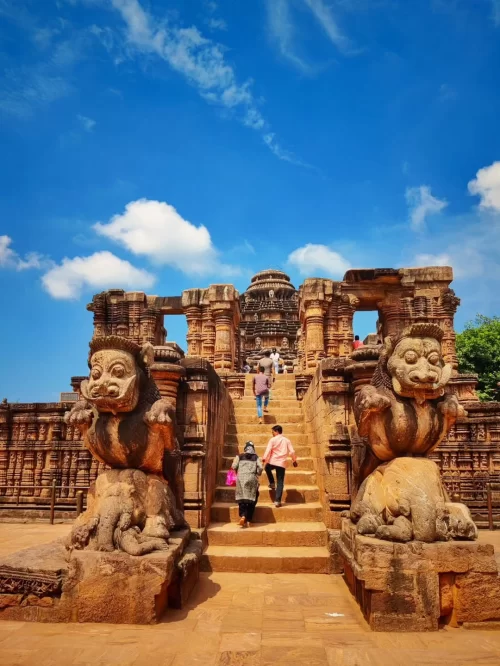
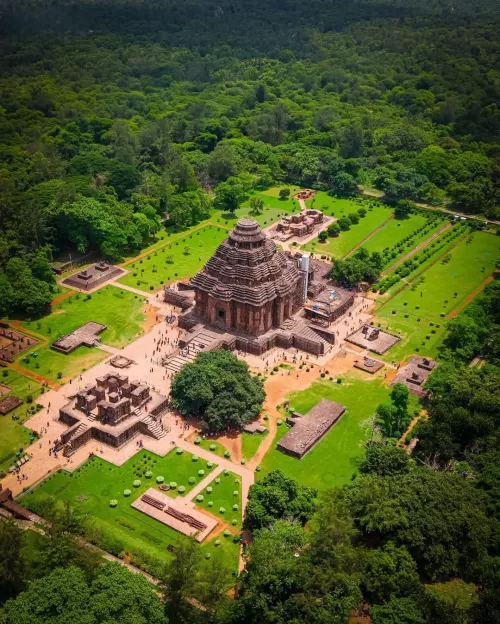
Give the Sun Temple around two hours. Its chariot design, carved wheels, horses and sculptural details are easier to appreciate when you walk slowly or engage an authorised guide.
The visit centres on the surviving monument and its permitted exterior areas. Do not expect access to a functioning inner sanctum. Carry water and sun protection because much of the sightseeing is outdoors.
After an early lunch, begin the return journey. Allow approximately two to two-and-a-half hours to Bhubaneswar, with more time for congestion or adverse weather.
Reach the airport or station according to your airline or railway requirements, adding a separate road-delay buffer. Skip further sightseeing if it would reduce that margin. The Konark archaeological museum is an optional addition only when its opening schedule and your departure time comfortably align.
A private car is the most convenient option for this short circuit, especially when travelling with family or carrying luggage on Day 3. Public transport can reduce expenses but requires more time for connections and final transfers.
These are planning estimates, not guaranteed journey times. Exact hotel locations, city traffic, festivals and weather can change them.
Trains and buses are useful for the Bhubaneswar–Puri connection. Compare the full hotel-to-hotel journey, including station transfers, rather than only the scheduled travel time.
Bus connections can also serve the Puri–Konark corridor, but a car makes it easier to manage coastal stops and continue to Bhubaneswar with luggage. If using public transport on Day 3, allow a larger departure buffer.
For a hired car, confirm tolls, parking, driver allowance, waiting charges, luggage capacity and kilometre limits. Ask about secure luggage arrangements during the Konark visit.
Book one night in Bhubaneswar and one in Puri for the standard route. Choose convenient access and reliable facilities over a hotel description that promises proximity without explaining the actual approach.
A centrally located hotel with straightforward road access works well for the first night. Railway-station areas can suit train arrivals, while an airport-accessible location may help travellers arriving by air.
Check travel time to both Old Town and the caves before booking. A property close to one attraction may still require a substantial transfer to the other.
Swargadwar and the central seafront offer numerous eateries and a lively atmosphere, but can be noisy and congested. Chakratirtha Road and the eastern seafront provide alternative hotel locations for a beach-focused stay.
Temple-side accommodation can suit pilgrims, although some approaches involve restricted vehicle access or a final walk. Ask exactly where your car can drop you.
For children and seniors, convenient meals and a manageable entrance are often more useful than a distant sea view.
Your main expenses are two nights of accommodation, three days of meals, local and intercity transport, monument tickets and optional guide services. Treat the figures below as suggested planning allowances rather than verified tariffs or a tour quotation.
Obtain a separate quotation for the full vehicle route and check current monument ticket categories. Your travel to Odisha, premium dining, shopping and festival supplements need additional provision. A private-car trip will cost more than the room-and-meal subtotal above.
Try an Odia meal with rice, dalma and vegetable preparations such as santula. Pakhala, rice served with water and accompaniments, is another regional option; ask whether the available version is fresh or fermented.
In Puri, consider Mahaprasad where visitor access and availability permit. For sweets, try khaja or chhena poda, buying modest quantities first if you want to compare styles.
Explain dietary requirements clearly. Vegetarian food is not automatically free of onion, garlic or dairy, and seafood meals can change your daily food allowance considerably.
October to March is generally the most comfortable period for this itinerary. November to February is particularly useful for outdoor sightseeing, although coastal weather should still be checked before beach visits.
During summer, put exposed sightseeing early in the day and retain an afternoon rest. In monsoon, carry rain protection and allow flexibility for wet steps, heavy showers and road delays.
Rath Yatra requires a different approach to Puri travel because crowds, accommodation demand and traffic controls can substantially change the ordinary route. Confirm festival arrangements before using this itinerary unchanged.
Check current opening hours and ticket arrangements for the caves and Sun Temple shortly before travelling. Do not assume that an archaeological museum follows the monument’s schedule.
For travellers with limited mobility, ask about steps, walking distances and the final vehicle drop-off point. Reduce the cave circuit or optional coastal stops when necessary, and protect your departure buffer on Day 3.


Get customized Odisha tour planning designed around temple visit timing, coastal weather patterns, wildlife seasonality, and realistic travel pacing across regions. Whether you are visiting for spiritual journeys, heritage architecture, beach relaxation,
⚡ Quick Response | 💰 Free consultation | 🕒 24×7 expert support

