
Best Places to Visit in Odisha with Family
Find destinations in Odisha for a family trip, considering beaches, heritage sights and nature outings to choose places that suit different ages and interests.
+91 9910402252
admin@chalbanjare.com


Discover Odisha’s famous temples and major pilgrimage destinations, with an introduction to their religious significance to help you choose stops for your spiritual journey.
Jagannath Temple is one of Hinduism’s principal pilgrimage destinations and part of the traditional Char Dham pilgrimage. Lord Jagannath is worshipped alongside Balabhadra and Subhadra, with Sudarshana forming part of the sacred ensemble.
Daily rituals determine darshan availability, and queues can extend the visit. Keep several hours available for the complete outing, including the approach, security and belongings storage.
Entry is restricted to Hindus. Check current clothing and prohibited-item requirements before leaving your accommodation.
Mahaprasad at Anand Bazaar follows the temple’s offerings, so cooked meals are not guaranteed immediately after early darshan. Ask about available dishes, portions and prices before purchasing.
Rath Yatra and the Anavasara period change ordinary darshan expectations. Confirm the religious calendar if seeing the principal deities is the main purpose of your journey.
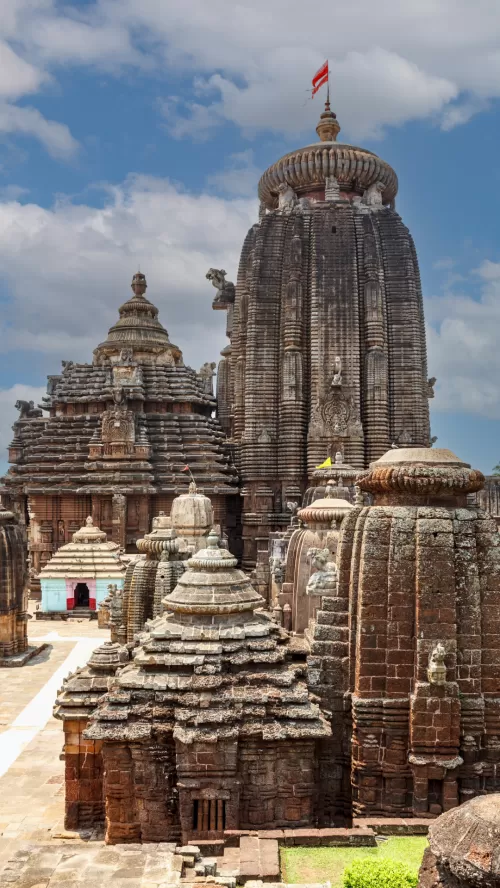
Lingaraj Temple is a major living shrine in Bhubaneswar’s Old Town, associated with Harihara worship and the coming together of Shiva and Vishnu traditions. Its principal architectural composition dates to the 11th century.
The tall sanctuary tower and lower halls demonstrate the developed Kalinga architectural form. For eligible visitors, the surrounding shrines and daily worship add context beyond the main tower.
Entry is restricted to Hindus. An external viewing platform provides an alternative for other visitors, subject to current access arrangements.
Allow approximately one to two hours on an ordinary day, with additional time for queues. Confirm the afternoon break and ritual-related access locally before travelling.
Combine Lingaraj with nearby Bindu Sagar, Mukteswar and Parsurameswar rather than repeatedly crossing the city between attractions.
Bhubaneswar’s historic temples reward a selective circuit, allowing time to compare architectural details rather than treating every shrine as a quick photograph stop.
Mukteswar is particularly rewarding for its carved arched gateway and decorative stonework. Nearby Parsurameswar offers a useful comparison with an earlier phase of temple architecture.
Allow roughly an hour or more for the pair if you want to examine details without rushing.
Rajarani is especially valuable for architectural appreciation and sculptural detail. Visitors should approach it primarily as a heritage monument rather than expect the same darshan experience as an active pilgrimage shrine.
Ananta Vasudeva, Kedar Gouri and Vaital Deul can extend the circuit according to your interests. Check individual entry, photography and worship arrangements.
In summer, split a longer temple programme between morning and late afternoon, retaining time for meals and rest.
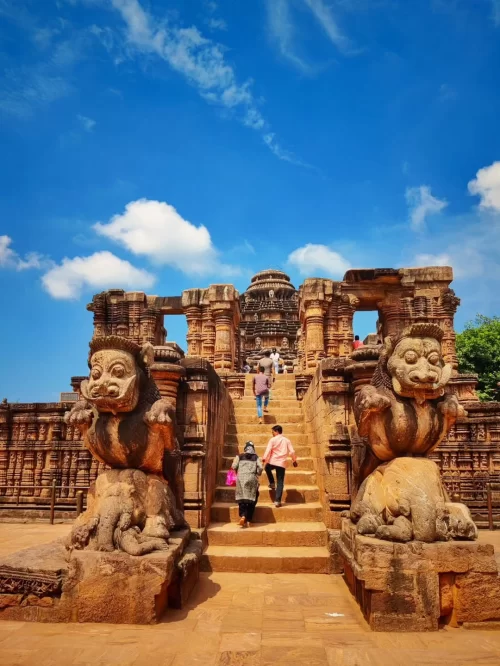
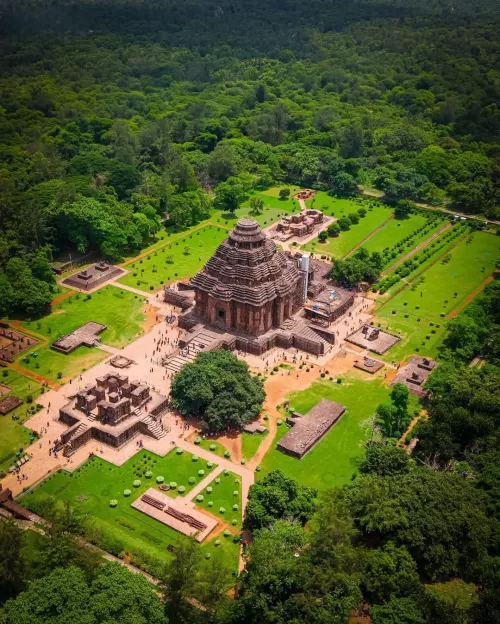
Konark Sun Temple represents Odisha’s historic Surya worship through monumental architecture. Built in the 13th century under Narasimhadeva I, it is visited chiefly as an archaeological and World Heritage monument.
The chariot design incorporates carved wheels and horses, while the sculptural programme includes musicians, dancers, animals, religious imagery and scenes of social life.
Allow approximately two hours. An authorised guide can explain the original arrangement and distinguish surviving structures from elements that no longer stand.
Do not expect ordinary darshan inside an active inner sanctum. Follow the permitted circuit, conservation barriers and current ASI ticket arrangements.
The archaeological museum provides additional context when open. Combine Konark with a Puri stay or visit during a carefully timed transfer between Bhubaneswar and Puri.
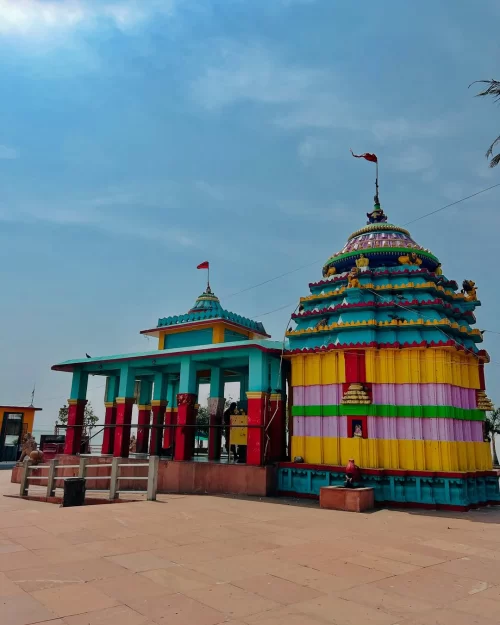
Maa Tarini and Maa Samaleswari are important goddess pilgrimage destinations in different parts of Odisha. Their prominence does not make them neighbouring stops, so arrange them within separate regional routes.
Located in Kendujhar district, Maa Tarini Temple is associated with strong devotional traditions and coconut offerings. Follow the shrine’s arrangements for purchasing and presenting offerings rather than leaving items in undesignated places.
Chaitra Parva is an important occasion, with increased visitor demand. Check local access and accommodation before a festival visit.
Maa Samaleswari is Sambalpur’s presiding goddess and holds particular importance in western Odisha’s religious and cultural life.
Base yourself in Sambalpur for a comfortable visit, with time for the surrounding city and regional traditions. Confirm daily darshan arrangements and any special restrictions during major observances.
Do not add either shrine as a casual detour to a short Bhubaneswar–Puri–Konark holiday without accounting for substantial travel.
Dhabaleswar and Gupteswar combine Shiva worship with distinctive natural settings, but they belong to entirely different regional itineraries.
Dhabaleswar stands on an island in the Mahanadi near Cuttack. The approach and movement arrangements require checking, particularly during heavy rain or major religious occasions.
Confirm the currently authorised crossing and pedestrian access. Older descriptions of suspension-bridge or boat access should not be treated as proof that either is operating for your date.
Gupteswar lies in Koraput district and is approached through the Jeypore region. The natural cave setting and forest surroundings are central to the experience.
Expect steps, uneven surfaces and potentially damp conditions. Ask about the current approach before visiting with anyone who has difficulty climbing or moving through confined spaces.
Allow a dedicated excursion for Gupteswar rather than combining it with several distant waterfalls. Follow local instructions and avoid entering the nearby river.
Build an Odisha temple tour around regional clusters rather than attempting every major shrine in one journey.
October to March generally provides more comfortable sightseeing conditions. Summer requires early starts, while monsoon visits need caution around hill approaches, caves and river crossings.
Check entry eligibility individually. Jagannath and Lingaraj restrict entry to Hindus, but their rules should not be assumed to apply identically at every shrine.
Wear modest clothing, follow footwear and photography requirements, and clarify offerings or service charges beforehand. Ask about steps, toilets, queue assistance and the final vehicle drop-off when travelling with seniors.


Get customized Odisha tour planning designed around temple visit timing, coastal weather patterns, wildlife seasonality, and realistic travel pacing across regions. Whether you are visiting for spiritual journeys, heritage architecture, beach relaxation,
⚡ Quick Response | 💰 Free consultation | 🕒 24×7 expert support

