

Best Places to Visit in Odisha with Family
Find destinations in Odisha for a family trip, considering beaches, heritage sights and nature outings to choose places that suit different ages and interests.
+91 9910402252
admin@chalbanjare.com


Compare train, bus and taxi options for travelling from Bhubaneswar to Puri, helping you choose transport that suits your arrival point, schedule and budget.
Bhubaneswar and Puri are connected by rail and road. For a straightforward road transfer, allow approximately one-and-a-half to two-and-a-half hours, with additional time during congestion, festivals or heavy rain.
These are planning estimates rather than guaranteed durations. A train with a short scheduled journey may still take longer overall if you need a lengthy wait or two separate taxi rides.
Airport arrivals, passengers already staying near Bhubaneswar railway station and travellers arriving at Baramunda have different transfer needs. Choose the option that reduces unnecessary movement across the city rather than selecting solely by the lowest headline fare.
Train travel is practical when your arrival time matches a service to Puri and you can manage the station transfers comfortably. Check the timetable for your travel date before committing to another connection.
For most visitors, the relevant departure station is Bhubaneswar, station code BBS, and the destination is Puri, station code PURI. Do not confuse Bhubaneswar’s main station with similarly named stations elsewhere in the city.
Some travellers may find a connection through Khurda Road useful, but changing there is unnecessary if a suitable direct Bhubaneswar–Puri train is available.
Book reserved accommodation through IRCTC or an authorised booking channel where required. For unreserved travel, obtain the appropriate journey ticket through a railway counter or an official ticketing option such as RailOne.
Do not assume that a general ticket permits travel in a reserved coach. Check the train, class, boarding station and ticket status before departure.
The fare depends on the service and class, so check the displayed amount rather than relying on a single route-wide price. Include the cost of reaching BBS and travelling from Puri station to your hotel.
Keep identification and essential belongings accessible, and check running information before leaving for the station.
Buses are useful for travellers prioritising cost over a direct hotel transfer. The important details are the actual boarding point, service type and arrival stop, since not every Puri-bound bus follows the same city route.
Check services from Babasaheb Bhimrao Ambedkar Bus Terminal at Baramunda and other authorised stops served by the particular operator. Kalpana and the southern approach towards Pipili feature in some route arrangements, but should not be assumed to be boarding points for every service.
Ask for the precise stop name and location before travelling there. A booking labelled “Bhubaneswar” does not necessarily mean the railway station or airport.
Compare available ordinary, express and air-conditioned services for your date. Stopping buses can take longer, and luggage storage may be limited.
Confirm whether tickets are sold aboard, at a counter or through advance booking. Not every local service appears on commercial booking platforms.
Ask for the fare to the exact destination stop and whether luggage attracts a separate charge. A single current fare cannot reliably describe all operators and service types on this corridor.
Also identify the Puri arrival point before boarding. The onward journey from a bus stand or parking terminal can materially affect both convenience and total cost.
A taxi is usually the simplest option when you want to travel directly from an airport, station or hotel to your Puri accommodation. Book the complete transfer rather than comparing an advertised per-kilometre rate alone.
Availability and pricing vary by pickup time, vehicle category and demand. App availability for local rides does not automatically guarantee a suitable one-way intercity booking.
A sedan may suit a couple or small group with manageable bags. Families with several suitcases may need a larger vehicle even when the passenger count appears to fit a smaller car.
Share luggage requirements before paying, including wheelchairs, pushchairs or oversized bags. Ask about air conditioning and ease of boarding when travelling with seniors.
Confirm tolls, parking, taxes, airport pickup charges, waiting after delays and any night supplement. State whether you need a direct transfer or sightseeing stops.
One-way, return and full-day sightseeing bookings have different pricing structures. Obtain the total in writing and clarify cancellation terms before paying an advance.
Biju Patnaik International Airport in Bhubaneswar is the usual air gateway for Puri. A direct road transfer avoids carrying luggage through another station or bus terminal and is particularly convenient after a long flight.
Allow approximately one-and-a-half to two-and-a-half hours after leaving the airport, depending on traffic and your hotel’s location. Add baggage collection and meeting time separately.
For a prebooked pickup, share your flight number and confirm the meeting point, driver contact and included waiting period. Ask what happens if the flight arrives late.
CRUT has published an airport–Puri express service, but older timetables should not be treated as current departure information. Confirm whether a suitable direct service is operating, its fare, boarding location and Puri endpoint for your travel date.
If no convenient service is available, compare a connecting bus or train journey with a direct taxi. Include the first local transfer, waiting time and the final ride to your hotel.
Do not assume public transport will remain available after an evening flight delay. Arrange a suitable backup and tell your hotel if your check-in will be late.
The usual direct road journey follows the Bhubaneswar–Pipili–Puri corridor, using NH316 towards Puri. Your driver’s city approach and final route may vary with the pickup point and traffic arrangements.
A direct transfer is appropriate after a flight, before an important connection or when travellers need rest. Adding attractions introduces extra driving, walking and waiting, so agree on the revised itinerary and price beforehand.
These are suggested visit durations rather than official schedules. Workshops and demonstrations should be arranged rather than assumed.
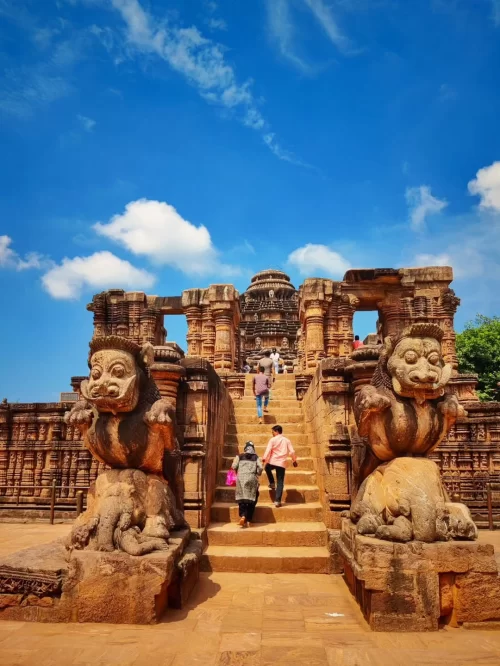
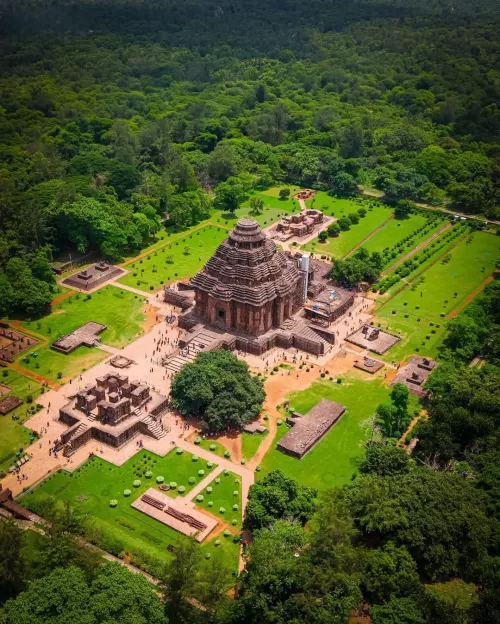
Konark belongs to a separate route choice, not a quick stop on the direct transfer. If adding the Sun Temple, treat the journey as a substantial sightseeing day and allow enough time to reach your Puri hotel comfortably.
Choose the transfer that suits your complete travel situation. A slightly higher fare can be worthwhile if it removes difficult connections, while a well-timed train or bus can offer good value when you are travelling light.
Rath Yatra and other major occasions can change vehicle access, parking, bus endpoints and the final walking distance in Puri. Check district and police advisories close to departure and ask your accommodation how to reach it under the applicable arrangements.
Reserve important connections ahead and avoid planning darshan immediately after an uncertain transfer. For a return flight from Bhubaneswar, add a road-delay margin to the airline’s reporting requirement rather than relying on the shortest map estimate.
Keep identification, medicines, drinking water and essential contact details accessible. A clear pickup point and confirmed final destination prevent more inconvenience than choosing a vehicle by price alone.


Get customized Odisha tour planning designed around temple visit timing, coastal weather patterns, wildlife seasonality, and realistic travel pacing across regions. Whether you are visiting for spiritual journeys, heritage architecture, beach relaxation,
⚡ Quick Response | 💰 Free consultation | 🕒 24×7 expert support

