

Best Places to Visit in Odisha with Family
Find destinations in Odisha for a family trip, considering beaches, heritage sights and nature outings to choose places that suit different ages and interests.
+91 9910402252
admin@chalbanjare.com


Understand how to connect Bhubaneswar, Puri and Konark in one trip, with route planning and sightseeing ideas to help you organise stops and travel.
The most practical travel order depends on your arrival point, departure time and preferred overnight stays. For visitors arriving and leaving through Bhubaneswar, a straightforward circuit is Bhubaneswar → Puri → Konark → Bhubaneswar.
Distances vary with your hotel, airport or station endpoint. Driving times are planning estimates without substantial sightseeing stops; traffic, festivals and weather can extend them.
Visit Puri before Konark if darshan is your priority and your final departure from Bhubaneswar is late enough to accommodate the Konark visit and return drive.
Travel from Bhubaneswar through Konark to Puri if you prefer to finish the main monument sightseeing before settling into a beach stay. This also leaves a simpler direct transfer from Puri to Bhubaneswar on departure day.
If leaving Odisha by train from Puri, finish the tour there rather than returning to Bhubaneswar unnecessarily.
Three full sightseeing days provide a workable introduction, while four days usually offer a better balance between temple visits, road travel and rest. Count usable sightseeing time rather than simply the number of calendar dates on your booking.
This requires an early arrival on Day 1. A late arrival or early final departure means reducing sightseeing or adding a night.
Use Day 1 for Bhubaneswar, Day 2 for selected transfer stops and Konark before continuing to Puri, and Day 3 for darshan and the beach. Visit Raghurajpur on Day 4 before returning to Bhubaneswar.
This arrangement separates a busy monument day from temple queues and makes the departure day easier to manage.
Add a Chilika Lake outing or another day exploring Bhubaneswar’s museums and surroundings. Avoid using the extra day to combine several distant attractions that each deserve a separate visit.
Divide Bhubaneswar sightseeing into an Old Town temple circuit and a separate visit to Udayagiri and Khandagiri. This keeps the route logical and reduces repeated journeys across the city.
Begin with Lingaraj Temple if darshan is important to you, allowing flexibility for queues and rituals. Continue to Mukteswar Temple for its carved gateway and detailed stonework, followed by nearby Parsurameswar Temple.
A short walk around permitted public areas beside Bindu Sagar adds context to the sacred neighbourhood. Allow approximately three hours for a selective Old Town circuit, with more time for extended darshan or detailed architectural study.
The twin hills offer rock-cut spaces, carvings and inscriptions associated with Odisha’s ancient Jain heritage. At Udayagiri, look for Ranigumpha and the historically important Hathigumpha inscription while following permitted paths.
Allow approximately one-and-a-half to two hours for a visit across the two hills. Steps, uneven rock and exposed walking make this more physically demanding than a roadside temple stop.
If you have another half-day, consider the Odisha State Museum or Odisha Crafts Museum–Kala Bhoomi. Check opening days before travelling. For a short visit, protect time at the main attractions rather than adding every museum and temple to one day.
Give Puri at least one substantial sightseeing day if Jagannath Temple darshan is central to your trip. The combination of queues, meals and beach time is more enjoyable without another long road journey immediately afterwards.
Check current visitor entry and queue arrangements before leaving your hotel. Keep several hours available for the complete outing, including walking, storage of belongings, security and darshan.
If you want Mahaprasad at Anand Bazaar, enquire about availability after the relevant offerings. Do not assume cooked food will be ready immediately after an early-morning visit.
Early walks and late-afternoon visits generally fit well around sightseeing. Choose a beach stretch with convenient access from your accommodation, or check the facilities and current access arrangements at the managed Golden Beach area.
Swimming depends on local conditions and lifeguard advice. A popular beach or pleasant weather does not guarantee safe water.
Grand Road is useful for devotional shopping and sweets, while the central seafront and Swargadwar areas offer numerous stalls and eateries. Be respectful near Swargadwar’s ceremonial and cremation areas.
Try an Odia meal with rice, dalma and seasonal vegetables, followed by khaja or chhena poda. Explain dietary requirements clearly rather than assuming every vegetarian meal is free of onion, garlic or dairy.
Transport and hotel location have the greatest influence on the convenience and cost of this circuit. Compare the full route and all inclusions rather than choosing solely by a headline package price.
A private car is convenient for transfer-day sightseeing, luggage and coastal stops. Confirm tolls, parking, driver allowance, waiting charges and any kilometre limit.
Trains and buses can reduce costs between Bhubaneswar and Puri. For Konark, account for local transfers and return connections; it is generally easier to arrange a separate excursion vehicle if you want several stops.
One or two nights in Bhubaneswar followed by two nights in Puri works well for a four-day visit, depending on your arrival time. Choose Bhubaneswar accommodation with straightforward road access and a Puri hotel that suits your preference for temple access or beach convenience.
Ask about lifts, meals, hot water and the actual vehicle drop-off point, particularly when travelling with seniors.
For two adults sharing a room on a four-day, three-night trip, suggested planning allocations are:
These are budgeting assumptions, not verified tariffs. Add travel to Odisha, sightseeing transport, tickets, guides and shopping separately. Obtain quotations for your dates before setting the final total, especially during festivals and year-end holidays.
October to March is generally the most comfortable period for the Bhubaneswar–Puri–Konark circuit. November to February is especially useful for walking and outdoor monuments, although coastal forecasts still matter.
In summer, visit exposed sites early and keep an afternoon rest. During monsoon, allow flexibility for wet steps, heavy rain and unsuitable beach conditions.
Rath Yatra requires festival-specific planning because ordinary Puri sightseeing can be affected by exceptional crowds, restricted vehicle movement and altered visitor arrangements.
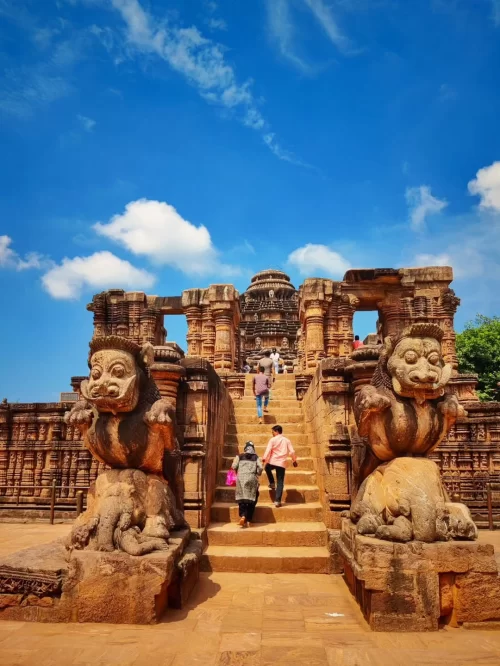
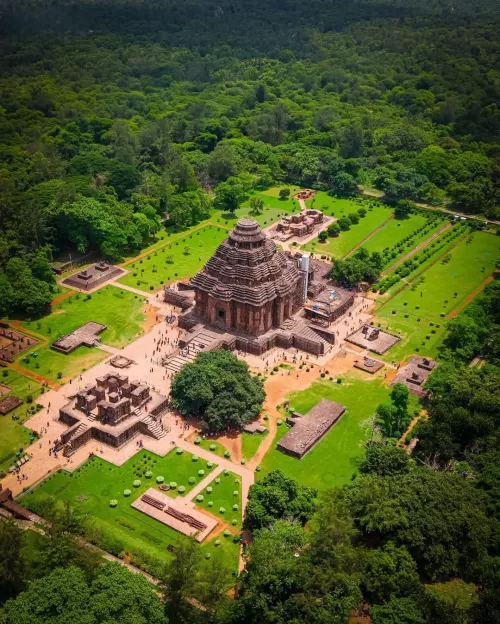
Check current monument and museum schedules before finalising the travel order. Give the cave hills and Sun Temple adequate walking time, and ask about accessibility rather than assuming vehicle access reaches every attraction.
If the final day includes Konark, choose a departure that leaves room for sightseeing, lunch, the road journey and required reporting time. An extra night is preferable when the connection would otherwise depend on everything running exactly to plan.


Get customized Odisha tour planning designed around temple visit timing, coastal weather patterns, wildlife seasonality, and realistic travel pacing across regions. Whether you are visiting for spiritual journeys, heritage architecture, beach relaxation,
⚡ Quick Response | 💰 Free consultation | 🕒 24×7 expert support

