

Best Places to Visit in Odisha with Family
Find destinations in Odisha for a family trip, considering beaches, heritage sights and nature outings to choose places that suit different ages and interests.
+91 9910402252
admin@chalbanjare.com


Compare Odisha’s travel seasons and weather patterns to choose dates that suit your plans for coastal sightseeing, temple visits and exploring the state’s natural attractions.
For a first Odisha holiday covering Bhubaneswar, Puri and Konark, November to February offers a useful balance of comfortable temperatures and time outdoors. October and March can also work well, although afternoons may feel warmer and coastal weather remains variable.
Families and seniors should prioritise manageable weather and fewer transfers. A slightly quieter week within the cooler season may be more comfortable than a major holiday weekend.
No month guarantees clear views, wildlife sightings or uninterrupted boating. Leave flexibility for activities that depend on conditions.
Winter, broadly November to February, is the easiest season for many Odisha itineraries. Days are generally more comfortable for walking than in summer, while evenings and early mornings can feel cool.
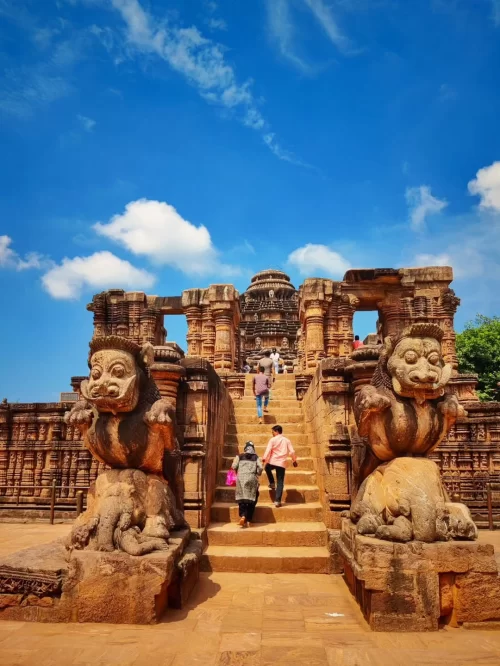
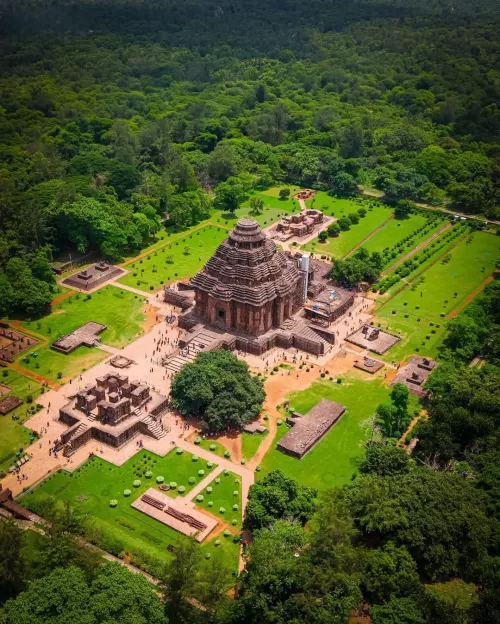
Bhubaneswar’s temple circuits, Konark’s exposed monument grounds and Puri’s neighbourhood walks become easier to spread across the day. Carry sun protection because pleasant air temperatures do not eliminate strong sunshine.
For families, keep meal and rest breaks rather than filling the cooler weather with an excessive number of stops.
Puri and Gopalpur suit seaside stays, while Chandipur requires planning around the tide. Morning and evening walks are rewarding, but swimming and boating still depend on local warnings.
Winter beach weather does not guarantee clear sunrise photographs or safe water conditions.
Hill areas and forest camps can feel noticeably colder than coastal towns, particularly on early safaris or exposed viewpoints. Pack layers rather than relying only on beach clothing.
December holidays and popular weekends can increase accommodation demand. Reserve suitable rooms and important activities before finalising the rest of your route.
Heat builds from March, with April and May often particularly demanding for outdoor sightseeing. June can remain hot and uncomfortable before monsoon conditions become established.
Visit monuments, beach promenades and temple approaches early where opening arrangements permit. Use the middle of the day for lunch, museums, indoor activities and rest.
Do not assume an early start guarantees a short temple queue. Carry water and allow flexibility when travelling with children or seniors.
Daringbadi and higher parts of Koraput can offer relief compared with hotter plains, but they are not uniformly cold summer destinations. Daytime walking, exposed slopes and long road transfers can still feel warm.
Choose accommodation with ventilation or cooling suited to your needs, and confirm the actual walking conditions before booking a trail.
Summer does not mean every wildlife destination remains open. Bhitarkanika normally closes for crocodile breeding during part of this period, while other parks follow their own access notices.
Keep itineraries light, plan regular drinking-water stops and follow official heat warnings. Avoid long exposed climbs simply to complete a fixed sightseeing list.
Odisha’s main southwest monsoon period broadly runs from June to September, with timing and rainfall varying across the state. Rain brings greener scenery but can make outdoor activities less predictable.
City stays with museums, food experiences and shorter temple visits offer more flexibility than an itinerary built entirely around beaches, waterfalls and forest roads. Even urban visits need buffers for heavy showers and waterlogging.
Do not assume lower seasonal demand means every attraction or restaurant operates normally.
Rain can strengthen waterfalls while making approaches slippery and streams more hazardous. Viewing from an authorised area may be possible when a descent or trail is unsuitable.
Never enter flowing water or cross a swollen stream for access. Conditions can change because of rain upstream, even when the immediate surroundings appear settled.
Forest tourism routes may close, and boat trips can be suspended because of wind, rain or water conditions. A nature-camp reservation does not establish that nearby safaris are operating.
Choose clear cancellation terms and keep a spare day where practical. Follow district instructions if roads, beaches or visitor areas are temporarily closed.
Odisha does not have one uniform travel climate. A coastal hotel, an interior town and a highland viewpoint can require different clothing and daily schedules within the same holiday.
Puri, Konark, Gopalpur and other coastal areas are influenced by humidity, sea winds and Bay of Bengal weather systems. A breeze may make a walk more pleasant, but it does not remove heat stress or indicate safe sea conditions.
Bhubaneswar and Cuttack can also feel hot and humid despite being inland from the shoreline.
Interior areas, including western Odisha, can experience more intense dry-season heat and greater differences between daytime and overnight conditions. Plan summer transfers and outdoor activities conservatively.
Reservoir-side accommodation may have an attractive setting without being cool throughout the day.
Higher parts of Kandhamal and Koraput are often cooler, with chilly winter starts and mist affecting visibility. Rain can make local approaches and forest paths harder to negotiate.
Daringbadi’s “Kashmir of Odisha” nickname should not create an expectation of snowfall. Winter frost and cold conditions are different from a reliable snow experience.
Check forecasts for each overnight destination and excursion area rather than using Bhubaneswar’s weather as a statewide guide.
Wildlife and coastal experiences need activity-specific planning. Cooler weather is helpful, but migration, breeding protection, water levels and official permissions determine what is actually available.
November to February is a useful period for winter migrants, particularly for guided wetland outings at Mangalajodi. Species and concentrations vary, so avoid promises of seeing a particular bird.
Nalabana has restricted access. A winter visit does not mean tourists may land on its protected island.
Similipal requires confirmation of seasonal reopening, eligible vehicles and the booked route. Bhitarkanika normally has a May–July crocodile breeding closure and can also close briefly for census work.
Debrigarh, Satkosia and Chandaka activities have their own operating arrangements. Confirm the specific safari or boat trip rather than relying on a general claim that a destination is open.
October to March generally suits beach walks and seaside stays. At Chandipur, check the tide for the date rather than assuming low tide occurs at a fixed hour.
Chilika dolphin-watching trips depend on conditions throughout the year, and sightings remain uncertain. Sea and lagoon outings should always follow the latest local operating advice.
Festival travel can be the main reason to visit Odisha, but it changes the practical experience. Expect different traffic arrangements, busier accommodation and less predictable sightseeing around major events.
Rath Yatra usually falls in June or July according to the religious calendar. Confirm the exact dates, related rituals and official crowd-management arrangements before booking.
Heat, humidity and rain can coincide with prolonged walking or standing. For seniors, young children and travellers with limited mobility, assess the actual route and viewing arrangements rather than relying on a general festival package description.
The Konark Festival is traditionally scheduled for 1–5 December. Confirm the announced programme, tickets and transport arrangements for your travel season.
Bali Jatra in Cuttack and other religious or cultural events follow their own calendars. Their dates and duration should be checked separately.
Reserve early when you need connecting rooms, lifts, road access or a particular location. Ask whether festival restrictions affect hotel pickup, parking and luggage transfers.
Do not assume accommodation close on a map is easy to reach during a procession. Keep extra time before trains and flights.
Pack for the complete route and check conditions close to departure. Seasonal averages help choose a month, while short-range forecasts and local notices determine the day’s activities.
Confirm wildlife permits, entry gates and accommodation together. Check museum closures and temple arrangements before assigning sightseeing days.
For route comparisons, explore Chal Banjare’s Odisha travel options and review the actual transfers and seasonal inclusions.
Check IMD forecasts and warnings, Odisha disaster-management updates and district notices. For coastal outings, consult INCOIS high-wave and swell-surge advisories alongside local instructions.
Cyclonic weather can affect coastal plans, particularly during pre- and post-monsoon periods; October should not automatically be treated as risk-free. Do not interpret a quiet sky at your hotel as permission to ignore a closure.
Keep flexible bookings where possible and accept route changes when weather or conservation requires them.


Get customized Odisha tour planning designed around temple visit timing, coastal weather patterns, wildlife seasonality, and realistic travel pacing across regions. Whether you are visiting for spiritual journeys, heritage architecture, beach relaxation,
⚡ Quick Response | 💰 Free consultation | 🕒 24×7 expert support

