


What is Meghalaya Famous For?
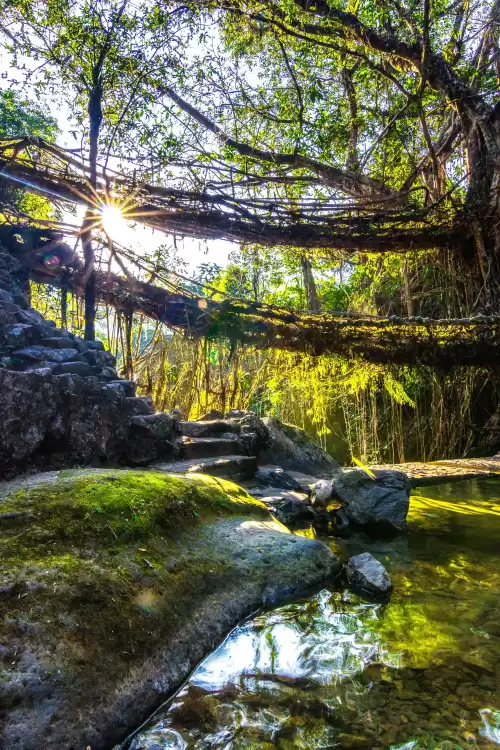
Meghalaya is famous for its living root bridges, waterfalls, caves, hills, tribal culture, clean villages, crystal clear rivers, and unique natural landscapes that attract travellers throughout the year.
+91 9910402252
admin@chalbanjare.com


Meghalaya offers a unique food experience with traditional Khasi, Jaintia, and Garo dishes, local ingredients, smoked preparations, rice-based meals, and flavours influenced by tribal culinary traditions.
Meghalaya's food culture is deeply connected with the traditions of its indigenous Khasi, Jaintia, and Garo communities. Rather than relying on rich spices or heavy gravies, many traditional dishes focus on preserving the natural flavour of locally available ingredients. Rice forms the foundation of most meals, while vegetables, herbs, meat, fish, and fermented ingredients reflect generations of culinary knowledge passed through families.
Traditional cooking methods often include boiling, steaming, smoking, roasting, and slow cooking, creating wholesome meals that reflect both the mountain environment and the agricultural lifestyle of local communities. Seasonal ingredients also play an important role, with many recipes changing according to harvests and locally available produce.
Exploring Meghalaya's food culture gives travellers a deeper understanding of the state's traditions, history, and everyday way of life beyond its famous landscapes.
Understanding tribal food traditions allows visitors to appreciate Meghalaya's cuisine as an important part of its cultural identity and travel experience.
Each of Meghalaya's major tribal communities has developed its own distinctive culinary style. Khasi cuisine is known for simple yet flavourful preparations that highlight fresh ingredients and traditional cooking methods. Jaintia cuisine often features stronger flavours with fermented ingredients and regional specialities, while Garo cuisine incorporates smoked foods, rice, fish, vegetables, and locally available herbs into everyday meals.
Although these food traditions share similarities, every community preserves unique recipes that reflect its geography, customs, and local produce. Travellers exploring different regions of Meghalaya have the opportunity to experience these culinary differences while learning about the diversity that defines the state's culture.
Sampling food from different tribal communities creates a richer and more authentic Meghalaya travel experience.
| Community | Cuisine Characteristics |
|---|---|
| Khasi | Simple Traditional Preparations |
| Jaintia | Regional Flavours And Fermented Foods |
| Garo | Smoked Dishes And Rice Based Meals |
| Mountain Villages | Fresh Local Ingredients |
| Urban Areas | Traditional And Modern Choices |
| Festivals | Special Community Recipes |
Understanding the differences between Khasi, Jaintia, and Garo cuisines helps travellers appreciate Meghalaya's remarkable culinary diversity.
Food is much more than a meal during a Meghalaya holiday. It offers visitors an opportunity to experience local traditions, interact with communities, and understand the history behind regional recipes that have been prepared for generations. Many travellers discover that authentic cuisine becomes one of the most memorable parts of exploring the state.
From city restaurants in Shillong to village kitchens in rural Meghalaya, every destination offers unique flavours that complement sightseeing experiences. Sampling local dishes while travelling through different regions creates meaningful cultural connections that extend beyond landscapes and tourist attractions.
Exploring Meghalaya through its cuisine allows visitors to experience the state's culture in a truly authentic and memorable way.
Food experiences add cultural depth to every Meghalaya journey while introducing visitors to traditions that have shaped the region for generations.
Traditional Meghalaya cuisine offers a variety of authentic dishes that reflect the customs of the Khasi, Jaintia, and Garo communities. Visitors can enjoy rice preparations, smoked meats, fermented delicacies, soups, vegetable dishes, and locally prepared specialities that have remained an important part of everyday life for generations.
Unlike many Indian regional cuisines, Meghalaya's traditional food often focuses on preserving the original taste of ingredients through simple preparation methods. This creates meals that are distinctive, wholesome, and closely connected with local agricultural traditions.
Trying authentic regional dishes allows visitors to experience Meghalaya's culinary heritage while gaining a deeper appreciation for its diverse tribal culture.
Sampling traditional dishes gives travellers an authentic introduction to Meghalaya's rich culinary traditions and local lifestyle.
Many traditional recipes use locally grown rice, fresh vegetables, herbs, bamboo shoots, fermented ingredients, meat, and fish depending on the region. Cooking methods such as steaming, smoking, boiling, roasting, and slow simmering preserve the natural flavours while creating wholesome meals suitable for Meghalaya's climate.
Rather than relying heavily on spices, local cuisine highlights freshness and balance. These simple yet distinctive flavours allow visitors to experience ingredients in their most natural form while learning about the food traditions of Meghalaya's tribal communities.
Understanding local ingredients and cooking methods makes every meal a meaningful cultural experience during your Meghalaya holiday.
| Ingredient | Common Use |
|---|---|
| Rice | Staple Meals |
| Fresh Vegetables | Daily Cooking |
| Local Herbs | Natural Flavour |
| Bamboo Shoots | Traditional Recipes |
| Fermented Ingredients | Regional Specialities |
| Smoked Meat | Authentic Tribal Cuisine |
Learning about Meghalaya's ingredients and cooking techniques helps visitors appreciate the authenticity behind every traditional meal.
Food experiences naturally become part of sightseeing while travelling through Meghalaya. Visitors can enjoy authentic meals in Shillong restaurants, roadside eateries, village homestays, and local markets while exploring waterfalls, caves, rivers, and cultural attractions. Every region offers opportunities to discover recipes that reflect its local traditions.
Travellers who include traditional cuisine in their itinerary often develop a stronger connection with Meghalaya's people and culture. Sampling regional dishes alongside sightseeing creates a well-rounded travel experience that combines landscapes, hospitality, and unforgettable flavours.
Making traditional food part of your Meghalaya itinerary transforms every meal into another memorable travel experience.
Including authentic food experiences throughout your Meghalaya journey adds cultural richness while creating lasting memories beyond sightseeing alone.
Jadoh is one of Meghalaya's best-known traditional dishes and is especially popular among the Khasi community. It is a flavourful rice-based preparation that represents the simplicity and authenticity of Khasi cuisine. For many travellers, tasting Jadoh is considered an essential part of experiencing Meghalaya's local food culture because it reflects everyday culinary traditions that have been followed for generations.
The dish is widely available in local restaurants, traditional eateries, and family-run food establishments across Shillong and many other Khasi regions. Although recipes may vary slightly from one household to another, Jadoh remains one of the state's most recognisable culinary specialities.
Trying Jadoh introduces visitors to Meghalaya's authentic tribal cuisine while offering a memorable taste of Khasi culinary heritage.
Jadoh remains one of the most iconic dishes in Meghalaya and provides visitors with an authentic introduction to Khasi food traditions.
Traditional preparation focuses on preserving natural flavours while using simple cooking techniques that highlight locally available ingredients. Families often prepare Jadoh using recipes passed down through generations, creating subtle regional variations while maintaining the dish's authentic character.
Rather than relying on heavy spice combinations, the preparation emphasises balance, freshness, and traditional methods that remain closely connected with Khasi culinary customs. This creates a distinctive meal appreciated by both local residents and travellers seeking authentic regional cuisine.
Understanding how Jadoh is traditionally prepared helps visitors appreciate the cultural significance behind this famous Meghalaya dish.
| Feature | Description |
|---|---|
| Main Preparation | Traditional Rice Dish |
| Community | Khasi Cuisine |
| Cooking Style | Traditional Methods |
| Flavour Profile | Natural Regional Taste |
| Availability | Restaurants And Local Eateries |
| Food Experience | Authentic Meghalaya Cuisine |
Traditional preparation methods preserve the authentic taste of Jadoh while reflecting Meghalaya's rich culinary heritage.
Travellers wishing to experience authentic Khasi cuisine often begin with Jadoh because it represents one of the community's best-known dishes. Sampling it alongside other regional specialities provides a broader understanding of Meghalaya's diverse food culture and everyday dining traditions.
Visitors can include traditional food experiences while exploring Shillong markets, heritage neighbourhoods, village restaurants, and local cafés. Combining sightseeing with regional cuisine creates a deeper appreciation for Meghalaya's culture while making every meal an enjoyable part of the journey.
Experiencing Jadoh during your Meghalaya holiday creates a meaningful connection with Khasi traditions and local hospitality.
Including Jadoh in your Meghalaya food journey offers an authentic culinary experience while introducing the traditions of Khasi cuisine.
Doh Khlieh is another well-known traditional Khasi speciality that showcases Meghalaya's unique culinary identity. Often recognised as a refreshing local preparation, it is popular among residents and visitors who wish to experience authentic Khasi flavours beyond the state's famous rice dishes. Its distinctive preparation reflects the community's long-standing food traditions and appreciation for fresh ingredients.
The dish is commonly served in traditional eateries and local restaurants where travellers can enjoy authentic regional cuisine prepared according to family recipes. Its popularity makes it an excellent introduction to Meghalaya's everyday food culture.
Trying Doh Khlieh provides visitors with another authentic example of Meghalaya's rich Khasi culinary heritage.
Doh Khlieh offers travellers an opportunity to experience one of Meghalaya's distinctive traditional Khasi preparations.
Like many traditional Khasi dishes, Doh Khlieh highlights simple preparation methods and locally available ingredients. Rather than relying on elaborate cooking techniques, the recipe focuses on freshness and balance while preserving authentic regional flavours that have remained popular across generations.
Individual households and restaurants may prepare the dish slightly differently, reflecting family traditions and local preferences. These subtle variations contribute to the richness of Meghalaya's culinary diversity while maintaining the authentic character of the preparation.
Understanding traditional preparation styles allows visitors to appreciate the cultural value behind this well-loved Khasi speciality.
| Feature | Description |
|---|---|
| Food Style | Traditional Khasi Dish |
| Preparation | Fresh Local Ingredients |
| Cooking Method | Traditional Family Recipes |
| Availability | Local Restaurants |
| Food Tradition | Community Cuisine |
| Experience | Authentic Meghalaya Dining |
Traditional preparation methods preserve the authentic flavours that make Doh Khlieh an important part of Khasi cuisine.
Travellers interested in exploring Meghalaya's authentic cuisine should include Doh Khlieh alongside other traditional dishes during their visit. Sampling several regional preparations provides a broader understanding of Khasi food traditions while introducing visitors to the diversity found within Meghalaya's culinary heritage.
Restaurants in Shillong, local food markets, and traditional dining establishments often provide excellent opportunities to experience authentic recipes prepared using local ingredients. Including these food experiences alongside sightseeing creates a richer and more memorable Meghalaya holiday.
Tasting Doh Khlieh allows visitors to discover another important chapter of Meghalaya's unique culinary traditions.
Adding Doh Khlieh to your Meghalaya food itinerary provides another authentic culinary experience that reflects the traditions of Khasi culture.
Nakham Bitchi is one of the best-known traditional dishes of the Garo community and represents an important part of western Meghalaya's culinary heritage. This distinctive soup has been prepared for generations and remains a popular meal in many Garo households. Travellers interested in regional food traditions often include Nakham Bitchi among the must-try dishes while exploring Meghalaya.
Its preparation reflects the practical cooking methods developed by local communities using ingredients that are readily available in the region. Although recipes may differ slightly from one family to another, the dish continues to represent the authentic identity of Garo cuisine.
Tasting Nakham Bitchi introduces visitors to one of Meghalaya's most recognisable traditional Garo specialities.
Experiencing Nakham Bitchi allows travellers to discover an authentic example of Meghalaya's rich Garo culinary traditions.
Traditional preparation methods focus on creating balanced flavours while preserving the authenticity of locally available ingredients. Like many Garo recipes, Nakham Bitchi reflects generations of culinary knowledge that has been carefully preserved within families and local communities.
Rather than emphasising complex spice combinations, the preparation showcases the natural character of regional ingredients through traditional cooking methods. This creates a distinctive culinary experience that introduces visitors to the simplicity and originality of Garo cuisine.
Learning about traditional preparation techniques helps travellers appreciate the cultural importance of this well-known Meghalaya speciality.
| Feature | Description |
|---|---|
| Community | Garo Cuisine |
| Dish Type | Traditional Soup |
| Preparation | Family Recipes |
| Cooking Style | Traditional Methods |
| Availability | Regional Restaurants |
| Experience | Authentic Tribal Cuisine |
Traditional cooking techniques preserve the authentic flavours that make Nakham Bitchi an important part of Meghalaya's culinary identity.
Visitors exploring western Meghalaya or restaurants specialising in regional cuisine should consider trying Nakham Bitchi as part of their culinary journey. Sampling dishes from different tribal communities provides a broader understanding of the state's cultural diversity while introducing travellers to authentic local traditions.
Combining food experiences with sightseeing allows visitors to connect more deeply with Meghalaya's heritage. Every traditional meal contributes to a richer travel experience by highlighting the customs and hospitality of the communities that prepare these regional specialities.
Experiencing Nakham Bitchi offers travellers an authentic introduction to the food traditions of Meghalaya's Garo community.
Including Nakham Bitchi in your Meghalaya food journey creates a memorable culinary experience rooted in Garo traditions and regional heritage.
Tungrymbai is one of Meghalaya's most distinctive traditional dishes and is especially associated with Khasi cuisine. Prepared using fermented soybeans, it reflects the region's long-standing culinary traditions and demonstrates how fermentation has been used to create unique flavours for generations. Visitors interested in authentic regional food often seek out this speciality during their Meghalaya journey.
The preparation remains an important part of traditional home cooking and is valued for both its distinctive taste and its connection to Khasi food culture. It represents one of the many recipes that showcase Meghalaya's remarkable culinary diversity.
Trying Tungrymbai offers visitors an opportunity to experience one of Meghalaya's most unique traditional food preparations.
Tungrymbai introduces travellers to one of Meghalaya's most traditional and culturally significant culinary specialities.
Fermented foods have long been part of traditional diets in many mountain communities, and Tungrymbai remains one of the best examples within Meghalaya. The dish demonstrates how local communities have preserved ingredients and developed unique flavours using techniques passed through generations.
Its continued popularity reflects the importance of traditional cooking methods within Khasi households. For visitors, tasting Tungrymbai provides valuable insight into everyday local cuisine while highlighting the diversity found within Meghalaya's food culture.
Understanding the cultural significance of Tungrymbai adds greater appreciation to the overall Meghalaya culinary experience.
| Feature | Description |
|---|---|
| Main Ingredient | Fermented Soybeans |
| Community | Khasi Cuisine |
| Preparation | Traditional Methods |
| Food Tradition | Home Cooking |
| Availability | Local Restaurants |
| Experience | Authentic Meghalaya Food |
Tungrymbai represents the creativity and heritage of Meghalaya's traditional cooking practices while preserving generations of local culinary knowledge.
Visitors who enjoy discovering authentic regional cuisine should include Tungrymbai among the traditional dishes they try during their Meghalaya holiday. Sampling distinctive local recipes allows travellers to appreciate the diversity of tribal food traditions while experiencing flavours rarely found outside the region.
Many local restaurants and traditional dining establishments offer opportunities to enjoy this speciality alongside other Khasi dishes. Combining several authentic recipes during the trip provides a comprehensive introduction to Meghalaya's rich culinary heritage.
Experiencing Tungrymbai creates lasting memories while allowing visitors to connect with Meghalaya's remarkable tribal food traditions.
Including Tungrymbai in your food itinerary offers an authentic and memorable introduction to Meghalaya's traditional tribal cuisine.
Pork plays a significant role in many traditional dishes prepared by the Khasi, Jaintia, and Garo communities. Across Meghalaya, travellers will find a wide variety of regional recipes that showcase different cooking styles while reflecting the traditions of individual communities. These dishes remain an important part of everyday meals as well as festivals and family celebrations.
Although ingredients and preparation methods vary from one region to another, pork continues to be one of the most recognised elements of Meghalaya's traditional cuisine. Exploring these dishes allows visitors to experience authentic flavours closely connected with local culture.
Sampling traditional pork preparations provides travellers with a deeper understanding of Meghalaya's culinary diversity and tribal heritage.
Traditional pork dishes represent an important part of Meghalaya's culinary identity and regional food culture.
Different communities prepare pork using a variety of traditional cooking techniques including smoking, boiling, roasting, and slow cooking. These methods preserve natural flavours while reflecting culinary practices that have developed over generations using locally available ingredients and regional preferences.
Rather than depending on heavy spice blends, many recipes emphasise freshness and traditional preparation styles that highlight the original taste of the ingredients. This creates distinctive flavours that are unique to Meghalaya's tribal cuisine.
Learning about these traditional cooking methods helps visitors appreciate the authenticity behind Meghalaya's famous pork dishes.
| Cooking Method | Traditional Purpose |
|---|---|
| Smoking | Traditional Preservation |
| Boiling | Simple Regional Cooking |
| Roasting | Authentic Preparation |
| Slow Cooking | Traditional Flavour Development |
| Local Ingredients | Natural Taste |
| Family Recipes | Cultural Heritage |
Traditional cooking methods continue to preserve the authentic flavours that define Meghalaya's regional pork preparations.
Many of Meghalaya's traditional pork dishes are everyday family recipes rather than foods prepared exclusively for visitors. This makes them an excellent way to experience authentic local cuisine while understanding how food continues to connect communities with their traditions and cultural identity.
Visitors can sample these dishes in traditional restaurants, local eateries, and village homestays where regional recipes are prepared according to longstanding family customs. Combining these culinary experiences with sightseeing provides a richer understanding of Meghalaya's culture.
Experiencing traditional household recipes allows travellers to connect more closely with Meghalaya's authentic food traditions.
Traditional pork dishes provide visitors with an authentic and memorable introduction to Meghalaya's rich culinary heritage.
Although Meghalaya is widely recognised for its traditional meat-based cuisine, vegetarian travellers can also enjoy a variety of satisfying meals throughout the state. Major tourist destinations such as Shillong, Cherrapunji, Dawki, and other popular towns offer restaurants serving vegetarian dishes alongside regional and Indian cuisine.
Traditional rice preparations, fresh seasonal vegetables, lentils, leafy greens, potatoes, and locally grown produce provide the foundation for many vegetarian meals. Modern cafés and hotels also offer diverse menu options suitable for travellers with different dietary preferences.
Vegetarian visitors can comfortably explore Meghalaya while enjoying wholesome meals prepared using fresh local ingredients.
Vegetarian travellers will find suitable food choices across Meghalaya's major tourist destinations while enjoying local hospitality.
Many traditional Meghalaya meals naturally include rice accompanied by seasonal vegetables and locally grown ingredients. Visitors can experience authentic flavours while choosing dishes that align with vegetarian preferences. Fresh produce available throughout the year contributes to simple yet satisfying regional meals.
Restaurants in tourist areas often prepare vegetarian versions of popular local dishes while maintaining traditional cooking methods wherever possible. This allows visitors to experience regional cuisine without compromising their dietary choices.
Understanding local vegetarian options helps travellers confidently explore Meghalaya's food culture throughout their holiday.
| Vegetarian Option | Description |
|---|---|
| Steamed Rice | Traditional Staple |
| Seasonal Vegetables | Fresh Local Produce |
| Lentil Preparations | Nutritious Meals |
| Leafy Greens | Regional Cooking |
| Fresh Salads | Healthy Dining |
| Modern Vegetarian Meals | Tourist Restaurants |
Fresh vegetables and rice-based dishes allow vegetarian travellers to enjoy authentic flavours throughout Meghalaya.
Travellers with specific dietary preferences can plan meals by identifying restaurants, cafés, and accommodations that offer suitable vegetarian options before beginning their journey. Larger towns generally provide greater menu variety, while remote villages may offer simpler traditional meals prepared using locally available ingredients.
Keeping flexibility within the itinerary allows visitors to enjoy both authentic regional cuisine and familiar vegetarian dishes whenever preferred. Careful planning ensures enjoyable dining experiences throughout the Meghalaya holiday.
Planning meals according to personal preferences allows vegetarian visitors to enjoy Meghalaya comfortably while exploring its diverse food culture.
With thoughtful planning, vegetarian travellers can comfortably enjoy Meghalaya's culinary experiences while maintaining their preferred diet.
Meghalaya's local markets offer visitors an opportunity to experience everyday food culture through freshly prepared snacks and traditional treats. Markets in Shillong and other towns feature a variety of regional food items prepared using locally sourced ingredients, allowing travellers to observe how food remains closely connected with community life and local traditions.
Walking through these markets is as much a cultural experience as a culinary one. Visitors can interact with local vendors, observe traditional ingredients, and discover food items that are not commonly found in other parts of India. Every market provides its own unique atmosphere and regional specialities.
Exploring local snack markets allows travellers to experience Meghalaya's vibrant food culture beyond restaurants and hotels.
Visiting local markets provides an authentic introduction to Meghalaya's daily food culture while supporting regional businesses.
Regional snacks often reflect the same cooking traditions found in Meghalaya's main meals. Fresh ingredients, traditional preparation methods, and seasonal produce contribute to flavours that remain closely connected with Khasi, Jaintia, and Garo culinary heritage. Every region offers small variations that make exploring local snacks particularly rewarding.
Visitors who sample different traditional snacks throughout their journey gain a broader understanding of Meghalaya's culinary diversity. These smaller food experiences often complement larger meals while introducing travellers to authentic local tastes.
Traditional snacks provide another enjoyable way to explore Meghalaya's diverse regional food traditions.
| Food Experience | What To Expect |
|---|---|
| Local Markets | Traditional Snacks |
| Street Food Areas | Fresh Regional Flavours |
| Community Events | Traditional Preparations |
| Shillong Cafes | Modern And Local Choices |
| Village Markets | Authentic Local Food |
| Tourist Areas | Regional Specialities |
Sampling traditional snacks helps visitors appreciate Meghalaya's culinary creativity while exploring its lively local markets.
City visits become even more enjoyable when travellers include local food stops within their sightseeing plans. Exploring cafés, market stalls, and traditional eateries allows visitors to experience regional flavours while discovering the daily lifestyle of Meghalaya's residents.
Combining sightseeing with local snacks creates relaxed travel experiences where food naturally becomes part of exploring neighbourhoods, shopping areas, and cultural attractions. This approach offers a deeper appreciation of Meghalaya beyond its famous landscapes.
Authentic snack experiences add another memorable dimension to every Meghalaya city tour.
Including local snacks in your itinerary creates richer travel experiences while introducing the everyday food traditions of Meghalaya.
Trying local food is one of the most rewarding parts of travelling through Meghalaya. Visitors can enjoy authentic cuisine by choosing clean and well-maintained restaurants, busy local eateries, and reputed homestays where freshly prepared meals are commonly served. Exploring regional dishes gradually also allows travellers to become familiar with local flavours while enjoying a comfortable dining experience.
Rather than eating only familiar meals throughout the journey, visitors should include traditional Khasi, Jaintia, and Garo dishes in their itinerary. Combining regional cuisine with sightseeing creates a richer understanding of Meghalaya's culture while making every meal an enjoyable part of the holiday.
Thoughtful food exploration allows travellers to experience Meghalaya's culinary traditions confidently while maintaining comfort throughout their journey.
Exploring Meghalaya's cuisine thoughtfully helps visitors discover authentic flavours while enjoying comfortable dining throughout their holiday.
Food styles vary considerably across Meghalaya because each tribal community follows its own culinary traditions. Visitors should expect differences in ingredients, preparation methods, and flavours while travelling between Khasi, Jaintia, and Garo regions. Understanding these variations helps travellers appreciate the remarkable diversity of Meghalaya's food culture.
Rather than comparing dishes with familiar cuisines from other regions, visitors often enjoy local food more by approaching each recipe as a unique cultural experience. Every traditional meal reflects the customs and environment of the community that prepares it.
Learning about regional food differences creates a deeper appreciation for Meghalaya's rich and diverse culinary heritage.
| Food Planning | Recommendation |
|---|---|
| Traditional Meals | Try Regional Dishes |
| Restaurants | Choose Reputed Places |
| Village Cuisine | Experience Local Recipes |
| Regional Travel | Explore Community Flavours |
| Daily Meals | Balance Familiar And Local Food |
| Food Exploration | Enjoy Cultural Diversity |
Understanding regional culinary differences helps visitors enjoy Meghalaya's traditional cuisine with greater appreciation and confidence.
Many Meghalaya itineraries involve long scenic drives between destinations such as Shillong, Cherrapunji, Dawki, Mawlynnong, and Jowai. Planning meal breaks before starting each journey helps travellers avoid unnecessary delays while ensuring access to suitable dining options throughout the day.
Carrying drinking water, light snacks, and planning lunch or tea breaks around sightseeing locations creates a more comfortable travel experience. Organised meal planning also provides opportunities to explore local restaurants without rushing between destinations.
Planning meals alongside sightseeing allows visitors to enjoy Meghalaya comfortably while making food an enjoyable part of every travel day.
Well-planned meal schedules improve comfort while allowing travellers to experience Meghalaya's diverse culinary traditions throughout their journey.
One of the biggest mistakes travellers make is relying entirely on familiar cuisine while overlooking Meghalaya's authentic regional dishes. Although familiar meals are easily available in major tourist destinations, choosing only them means missing the opportunity to experience one of the state's richest cultural traditions.
Trying traditional dishes alongside familiar food creates a balanced dining experience while introducing visitors to local ingredients, recipes, and community food customs. Even sampling a few regional specialities greatly enhances the overall Meghalaya travel experience.
Exploring authentic local cuisine allows visitors to discover an important part of Meghalaya's cultural identity during their holiday.
Including traditional dishes within your itinerary creates a richer and more authentic Meghalaya travel experience.
Tourist restaurants often provide broader menus designed for visitors, while smaller local eateries usually focus on authentic regional recipes prepared according to traditional methods. Both options have their advantages, and combining them throughout the journey offers travellers the widest variety of culinary experiences.
Visitors should not hesitate to explore reputable local restaurants recommended by accommodation providers or experienced guides. These establishments frequently serve some of the most memorable meals during a Meghalaya holiday.
Understanding different dining options allows travellers to enjoy both authentic cuisine and comfortable restaurant experiences throughout the trip.
| Restaurant Type | Food Experience |
|---|---|
| Traditional Eateries | Authentic Regional Cuisine |
| Tourist Restaurants | Diverse Menu Choices |
| Village Homestays | Family Recipes |
| Modern Cafes | Contemporary Dining |
| Food Markets | Local Snacks |
| Community Restaurants | Traditional Hospitality |
Exploring different dining styles allows visitors to experience Meghalaya's culinary diversity while maintaining dining comfort throughout the journey.
Food is an essential part of Meghalaya's cultural identity, and overlooking local dining experiences means missing valuable opportunities to understand the state's traditions. Authentic restaurants, village kitchens, cafés, and local markets all contribute to a more complete travel experience beyond sightseeing alone.
Visitors who include regional food experiences throughout their itinerary often return with stronger cultural memories because every meal becomes another opportunity to connect with Meghalaya's communities, hospitality, and culinary heritage.
Making authentic cuisine part of your holiday creates a deeper and more memorable Meghalaya travel experience.
Avoiding these common food mistakes allows travellers to experience Meghalaya's remarkable culinary heritage in an authentic and enjoyable way.
A memorable Meghalaya holiday is incomplete without experiencing its rich and diverse culinary traditions. From Khasi, Jaintia, and Garo recipes to traditional rice dishes, regional soups, fermented specialities, village cuisine, and local snacks, every meal offers an opportunity to understand the state's history and culture. Exploring authentic food alongside sightseeing creates a deeper connection with the places and communities you visit.
Visitors should balance traditional dining with modern cafés and restaurants while remaining open to trying locally prepared meals throughout different destinations. This approach ensures a varied culinary experience that complements Meghalaya's natural beauty and cultural attractions.
Exploring Meghalaya's traditional cuisine transforms every meal into a memorable cultural experience while enriching the overall journey.
Traditional food experiences allow travellers to appreciate Meghalaya's culture through authentic flavours, local hospitality, and centuries-old culinary traditions.
Every destination in Meghalaya offers different dining opportunities. Shillong provides the widest variety of cafés and traditional restaurants, while Cherrapunji, Dawki, Mawlynnong, and rural villages offer authentic local meals prepared with regional ingredients. Planning food experiences according to your travel route helps maximise both sightseeing and culinary exploration.
Families, couples, solo travellers, and food enthusiasts can all customise their dining experiences according to personal preferences while still including authentic Meghalaya cuisine throughout the itinerary. Careful planning allows visitors to enjoy regional food comfortably during every stage of the journey.
Planning meals around destinations creates a balanced itinerary where food naturally becomes part of the overall Meghalaya travel experience.
| Destination | Recommended Food Experience |
|---|---|
| Shillong | Traditional Restaurants And Cafes |
| Cherrapunji | Local Eateries And Homestays |
| Dawki | Regional Restaurants |
| Mawlynnong | Village Cuisine |
| Rural Meghalaya | Authentic Community Meals |
| Markets | Traditional Snacks |
Planning food experiences destination-wise allows visitors to enjoy Meghalaya's culinary diversity while travelling comfortably across the state.
Before beginning your Meghalaya journey, prepare a simple food plan that includes traditional Khasi, Jaintia, and Garo dishes, village dining experiences, local snacks, vegetarian options if required, and reputable restaurants along your travel route. Remaining open to authentic regional cuisine adds cultural depth to every sightseeing day.
Travellers who combine food exploration with natural attractions, heritage sites, markets, and local communities often return with unforgettable memories that extend beyond landscapes alone. Meghalaya's cuisine offers one of the most authentic ways to experience the traditions, hospitality, and identity of the state.
With thoughtful planning and curiosity for regional flavours, every meal becomes an important part of an unforgettable Meghalaya travel experience.
Following this checklist helps visitors experience Meghalaya's culinary heritage confidently while creating meaningful memories through authentic local food and hospitality.


Get customized Meghalaya tour planning designed around rainfall patterns, road connectivity, seasonal visibility, and realistic hill travel timing. Whether you are visiting for waterfalls, cave exploration, scenic drives, village experiences, or nature-fo
⚡ Quick Response | 💰 Free consultation | 🕒 24×7 expert support