What is Meghalaya Famous For?
Meghalaya is famous for its living root bridges, waterfalls, caves, hills, tribal culture, clean villages, crystal clear rivers, and unique natural landscapes that attract travellers throughout the year.
+91 9910402252
admin@chalbanjare.com


Meghalaya is famous for its living root bridges, waterfalls, caves, hills, tribal culture, clean villages, crystal clear rivers, and unique natural landscapes that attract travellers throughout the year.
Meghalaya is famous for combining spectacular natural landscapes with rich tribal heritage, making it one of the most distinctive travel destinations in Northeast India. Unlike destinations known for a single attraction, Meghalaya offers a remarkable variety of experiences including living root bridges, crystal-clear rivers, dramatic waterfalls, limestone caves, rolling hills, dense forests, clean villages, and vibrant local culture. Every district presents something different, allowing travellers to experience both natural beauty and authentic community life during a single journey.
The state's attractions are spread across the Khasi, Jaintia, and Garo Hills, each contributing unique landscapes and traditions. Visitors can spend one day exploring waterfalls and caves, another boating on transparent rivers, and the next discovering tribal villages, traditional markets, and local cuisine. This diversity is one of the primary reasons Meghalaya continues to attract nature lovers, photographers, adventure enthusiasts, honeymoon couples, families, and cultural travellers from across India and abroad.
Meghalaya's reputation comes from its extraordinary combination of natural wonders and living traditions. Every journey across the state reveals landscapes and cultural experiences that cannot easily be found elsewhere in India.
Nature and culture exist side by side throughout Meghalaya. Towering waterfalls, evergreen forests, rivers, caves, and mist-covered hills form the physical beauty of the state, while the traditions of the Khasi, Jaintia, and Garo communities preserve its cultural identity. Local festivals, music, handicrafts, architecture, food, and community-based tourism allow visitors to experience a destination where everyday life remains closely connected with nature.
Many famous attractions have cultural significance in addition to their scenic appeal. Living root bridges represent generations of indigenous knowledge, clean villages demonstrate strong community participation, and local markets showcase handmade crafts and regional agricultural products. Rather than simply sightseeing, travellers gain insight into how local traditions continue to shape Meghalaya's tourism experience.
| Feature | Why It Is Famous |
|---|---|
| Nature | Waterfalls forests rivers caves and hills |
| Culture | Khasi Jaintia and Garo traditions |
| Community Tourism | Clean villages and local hospitality |
| Adventure | Trekking boating caving and exploration |
Meghalaya's identity is created by the close relationship between its landscapes and its people. Understanding both aspects allows visitors to appreciate why the state stands apart from many other hill destinations.
The name Meghalaya translates to "Abode of Clouds," perfectly reflecting the state's constantly changing mountain weather. Throughout much of the year, clouds drift across valleys, forests, waterfalls, and hilltops, creating dramatic scenery that has become one of the state's defining characteristics. During the monsoon, mist and rainfall transform the landscape into an exceptionally lush and vibrant environment, while winter offers clearer skies with equally impressive panoramic views.
Cloud-covered mountains not only enhance Meghalaya's natural beauty but also influence its waterfalls, forests, rivers, and biodiversity. Destinations such as Shillong, Cherrapunji, Mawsynram, Laitlum Canyon, and numerous viewpoints across the Khasi Hills frequently provide unforgettable cloud-filled landscapes that attract photographers and nature enthusiasts throughout the year.
The title "Abode of Clouds" represents far more than a poetic name. It reflects the extraordinary atmosphere that shapes Meghalaya's landscapes, climate, and unforgettable travel experiences throughout every season.
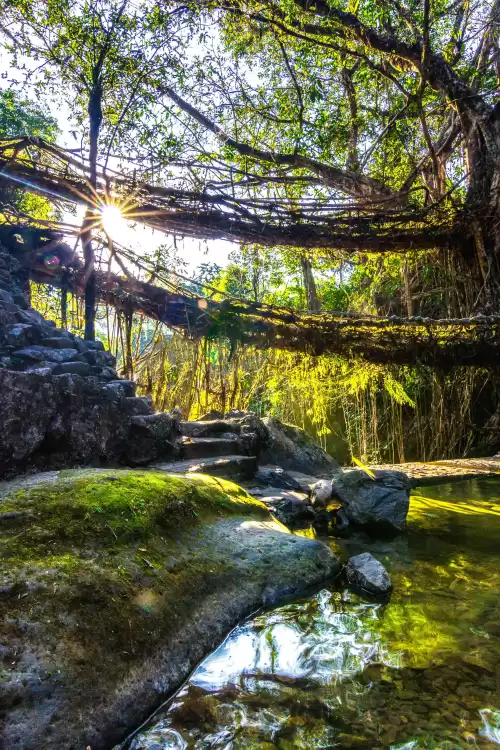
The living root bridges of Meghalaya are among the state's most remarkable attractions and have become internationally recognised symbols of sustainable engineering. Unlike conventional bridges built from steel or concrete, these extraordinary structures are created by guiding the aerial roots of living rubber trees across streams and rivers over many decades. As the roots continue to grow and strengthen naturally, they form durable bridges capable of supporting people while blending perfectly with the surrounding forests.
Most famous living root bridges are located in the Khasi Hills around Cherrapunji and nearby villages such as Nongriat and Riwai. Reaching many of these bridges involves scenic walks through forests, stone stairways, rivers, and traditional villages, making the journey itself an unforgettable experience. Visitors not only admire the engineering achievement but also appreciate the beautiful natural surroundings that have preserved these living structures for generations.
The living root bridges represent the perfect combination of nature, tradition, and sustainability. They remain one of the strongest reasons why travellers from around the world visit Meghalaya.
The creation of living root bridges reflects centuries of indigenous knowledge developed by the Khasi community. Rather than constructing permanent structures using modern materials, villagers carefully guide young rubber tree roots through hollow trunks, bamboo supports, or natural pathways until they gradually reach the opposite side of a stream. Over many years the roots grow thicker, stronger, and naturally intertwine, eventually forming stable bridges capable of lasting for generations.
Unlike conventional bridges that deteriorate over time, living root bridges become stronger as they continue growing. Community members maintain these bridges by carefully guiding new roots and protecting the surrounding forest ecosystem, ensuring they remain functional for future generations while preserving an important part of Meghalaya's cultural heritage.
| Traditional Process | Purpose |
|---|---|
| Guiding Rubber Tree Roots | Create natural bridge framework |
| Community Maintenance | Strengthen bridges over time |
| Forest Conservation | Protect surrounding environment |
| Generational Knowledge | Preserve traditional engineering skills |
These remarkable bridges demonstrate how traditional knowledge and environmental understanding can create sustainable solutions that continue benefiting communities for centuries.
Visiting a living root bridge is much more than a sightseeing activity. The experience combines trekking, village exploration, forest walks, river crossings, photography, and learning about indigenous culture within a single excursion. Every bridge has its own setting, with some located close to villages while others require longer walks through dense subtropical forests and scenic valleys.
Travellers should wear comfortable footwear, carry drinking water, and allow enough time to complete the walk without rushing. Visiting during daylight ensures better photography opportunities while allowing visitors to appreciate both the engineering achievement and the surrounding landscapes. The journey rewards travellers with one of India's most extraordinary examples of harmony between humans and nature.
The living root bridges perfectly represent what makes Meghalaya unique. Their combination of natural beauty, cultural significance, and sustainable design creates an unforgettable travel experience unlike anywhere else in the world.
Meghalaya is renowned for its spectacular waterfalls, many of which rank among the most beautiful in India. Fed by abundant rainfall and mountain streams, these waterfalls flow through deep valleys and forested cliffs, creating breathtaking scenery across the Khasi and Jaintia Hills. Nohkalikai Falls, recognised as one of India's tallest plunge waterfalls, stands as the state's most iconic natural attraction, while Seven Sisters Falls offers a magnificent multi-stream cascade overlooking vast green valleys.
Other impressive waterfalls include Wei Sawdong Falls, Dainthlen Falls, Elephant Falls near Shillong, Bishop and Beadon Falls, and Krang Suri Falls near Jowai. Each waterfall offers a unique landscape, allowing travellers to experience different geological formations, viewpoints, walking trails, and photography opportunities throughout the state.
Waterfalls are among Meghalaya's greatest natural treasures. Every region offers unique cascades that showcase the state's extraordinary landscapes and abundant rainfall.
The beauty of Meghalaya extends well beyond individual waterfalls. Rolling hills, evergreen forests, deep valleys, rivers, limestone cliffs, and cloud-covered mountain ranges combine to create one of India's most visually striking landscapes. Travellers often encounter panoramic viewpoints throughout their journey, where layers of green hills stretch towards the horizon under constantly changing skies.
Natural attractions are connected by scenic mountain roads that make every drive enjoyable. Forests surrounding waterfalls provide habitats for diverse wildlife and birds, while peaceful rivers flowing through valleys further enhance the beauty of the region. These landscapes attract photographers, hikers, nature lovers, and travellers seeking quiet escapes from busy urban environments.
| Landscape Feature | Travel Experience |
|---|---|
| Waterfalls | Dramatic natural scenery |
| Evergreen Forests | Rich biodiversity and peaceful walks |
| Mountain Valleys | Panoramic viewpoints |
| Rivers | Scenic landscapes and boating opportunities |
Meghalaya's natural beauty is created by the perfect combination of mountains, forests, rivers, and waterfalls. Together they form landscapes that remain unforgettable long after the journey ends.
Every journey through Meghalaya reveals new landscapes shaped by rainfall, forests, rivers, and hills. Travellers may begin the morning at a mist-covered viewpoint, spend the afternoon exploring waterfalls or caves, and finish the day beside a peaceful river or scenic lake. This constantly changing scenery is one of the reasons Meghalaya remains one of India's favourite destinations for nature tourism.
Visitors should travel at a relaxed pace to fully appreciate the surrounding environment. Allowing time for photography, short walks, café breaks, and quiet moments at viewpoints creates a richer travel experience than simply visiting attractions quickly. Respecting nature by avoiding littering and following designated visitor routes also helps preserve these remarkable landscapes.
Meghalaya's breathtaking natural environment is the foundation of its tourism appeal. From waterfalls and forests to valleys and rivers, every landscape contributes to the unforgettable beauty that defines the state.
Meghalaya is recognised as one of India's leading cave exploration destinations, with hundreds of limestone caves spread across the Khasi, Jaintia, and Garo Hills. Many of these cave systems have been formed naturally over thousands of years by flowing underground water, creating remarkable passages, chambers, and rock formations. Among the most visited are Mawsmai Cave near Cherrapunji and Siju Cave in the Garo Hills, both offering visitors an opportunity to experience Meghalaya's fascinating underground world.
Mawsmai Cave is particularly popular because it is well developed for tourism, allowing visitors to walk through naturally illuminated passages while observing impressive limestone formations. Siju Cave provides a different experience with larger chambers and a greater sense of adventure, attracting travellers interested in geology and nature. Several other caves across Meghalaya continue to be explored by researchers and adventure enthusiasts, highlighting the state's remarkable geological diversity.
The caves of Meghalaya offer visitors a unique perspective of the state's natural heritage. Their geological beauty and historical significance make them among the region's most fascinating attractions.
Inside Meghalaya's caves, visitors encounter extraordinary limestone formations created slowly by mineral-rich water over thousands of years. Stalactites hanging from cave ceilings, stalagmites rising from the ground, naturally carved tunnels, underground chambers, and unique rock textures create landscapes unlike anything visible above the surface. Every cave displays different geological features depending on its age, water flow, and surrounding terrain.
Many caves remain naturally cool throughout the year, providing comfortable conditions even during warmer months. Carefully maintained visitor routes allow tourists to appreciate these geological wonders while preserving the delicate formations. Guided exploration further enhances the experience by explaining how underground rivers and limestone erosion gradually shaped these remarkable cave systems.
| Geological Feature | Visitor Experience |
|---|---|
| Stalactites | Mineral formations hanging from cave ceilings |
| Stalagmites | Rock formations rising from cave floors |
| Natural Chambers | Large underground spaces |
| Limestone Passages | Scenic walking routes through caves |
Exploring these underground formations allows travellers to appreciate the remarkable geological processes that have shaped Meghalaya's landscape over countless centuries.
Cave exploration adds an exciting dimension to Meghalaya's tourism experience. Unlike many destinations that focus primarily on mountain scenery, Meghalaya combines spectacular landscapes with accessible underground adventures suitable for a wide range of visitors. Exploring caves often becomes one of the highlights of a trip, especially when combined with waterfalls, living root bridges, and scenic viewpoints nearby.
Visitors should wear comfortable walking shoes with good grip, carry light jackets if preferred, and follow all instructions provided by local authorities or guides. Staying on designated visitor routes protects both travellers and the delicate cave ecosystem while ensuring everyone enjoys a safe and memorable experience beneath Meghalaya's hills.
Meghalaya's caves showcase an extraordinary underground world rarely experienced elsewhere in India. They combine adventure, science, and natural beauty into one unforgettable travel experience.
The Umngot River near Dawki is one of Meghalaya's most iconic attractions and is internationally recognised for its exceptionally clear water. During favourable weather conditions, the river becomes so transparent that boats appear to float in mid-air, creating one of the most photographed landscapes in Northeast India. Surrounded by green hills and peaceful valleys, the Umngot River offers visitors an unforgettable combination of natural beauty and tranquillity.
Dawki has become a popular destination for travellers seeking scenic landscapes, photography, and boating experiences. The river changes its appearance throughout the year depending on rainfall and water levels, but it consistently remains one of Meghalaya's most remarkable natural attractions. Early mornings often provide the calmest water conditions, enhancing both visibility and photography opportunities.
The Umngot River perfectly represents Meghalaya's natural beauty. Its crystal-clear waters continue to attract visitors from across the country seeking one of India's most unique river landscapes.
Boating on the Umngot River is the highlight of every visit to Dawki. Local boats allow visitors to glide slowly across the transparent water while enjoying uninterrupted views of the surrounding hills, forests, and riverside scenery. During suitable weather conditions, the riverbed remains visible beneath the boat, creating an extraordinary visual experience that has made Dawki famous worldwide.
Boat rides are generally available through local operators who are familiar with the river's seasonal conditions. Travellers should follow safety instructions, use authorised boating services, and wear any recommended safety equipment while enjoying the experience. The calm atmosphere makes boating suitable for families, couples, photographers, and solo travellers alike.
| Boating Experience | Highlights |
|---|---|
| Transparent Water | Clear views beneath the boat |
| Scenic Surroundings | Hills forests and peaceful landscapes |
| Photography | Excellent opportunities throughout the ride |
| Nature Experience | Relaxing river exploration |
Boating on the Umngot River combines relaxation with extraordinary scenery. It remains one of the most memorable activities available anywhere in Meghalaya.
Beyond its famous transparency, the Umngot River offers visitors a peaceful natural environment where rolling hills, forests, and open skies create a calm atmosphere ideal for relaxation. The surrounding landscapes encourage travellers to spend time appreciating nature rather than rushing between attractions. Scenic viewpoints, riverside walks, and nearby villages further enrich the overall experience.
Many visitors combine Dawki with Mawlynnong, Shnongpdeng, or nearby attractions to create a balanced itinerary featuring rivers, villages, forests, and cultural experiences. Travelling during daylight and allowing sufficient time for photography ensures visitors fully appreciate the beauty of this remarkable destination.
The crystal-clear rivers of Meghalaya showcase the state's extraordinary natural environment. Dawki and the Umngot River remain unforgettable destinations that perfectly reflect the peaceful beauty for which Meghalaya is famous.
Meghalaya is internationally recognised for its clean villages, with Mawlynnong standing as the most famous example of community-led environmental care. The village attracts travellers because of its spotless streets, beautifully maintained gardens, bamboo pathways, and peaceful atmosphere. Rather than relying solely on government initiatives, cleanliness is maintained through active participation by local residents, making Mawlynnong an inspiring example of sustainable tourism and responsible community management.
Beyond Mawlynnong, several other villages across Meghalaya also demonstrate strong traditions of environmental conservation, organised public spaces, and respect for nature. These villages provide travellers with opportunities to experience authentic rural life while observing how local communities preserve their surroundings without sacrificing cultural traditions.
The clean villages of Meghalaya demonstrate how environmental responsibility and tourism can successfully coexist. They provide visitors with memorable experiences built upon community pride and natural beauty.
Village tourism in Meghalaya allows travellers to experience daily life within Khasi, Jaintia, and Garo communities. Visitors can observe traditional wooden homes, locally managed gardens, bamboo craftsmanship, community gathering spaces, and agricultural practices that continue to support village life. Many villages also offer homestays, allowing guests to experience local hospitality while learning about customs, traditions, and regional cuisine.
Unlike commercial tourist centres, village visits encourage slower exploration and respectful interaction with local residents. Walking through the villages provides insight into the values of cleanliness, environmental conservation, and strong community cooperation that have become closely associated with Meghalaya's rural identity.
| Community Feature | Visitor Experience |
|---|---|
| Village Walks | Traditional rural lifestyle |
| Homestays | Authentic local hospitality |
| Gardens | Beautifully maintained surroundings |
| Handicrafts | Locally made bamboo and woven products |
Community tourism allows travellers to appreciate Meghalaya beyond its landscapes. These experiences create meaningful connections with local traditions while encouraging responsible tourism practices.
Responsible tourism is a defining feature of Meghalaya's village experiences. Visitors are encouraged to respect local customs, avoid littering, minimise environmental impact, and support community-owned businesses whenever possible. Purchasing handicrafts directly from artisans, staying in local homestays, and dining at village cafés help ensure tourism benefits the people who preserve these remarkable destinations.
Travellers should also remember that villages are living communities rather than tourist attractions alone. Respectful behaviour, asking permission before photographing residents, and following village guidelines help maintain the welcoming atmosphere that has made destinations such as Mawlynnong internationally admired.
Meghalaya's clean villages demonstrate that tourism can successfully support both local communities and environmental conservation. Visiting these destinations provides meaningful experiences while encouraging responsible travel practices for future generations.
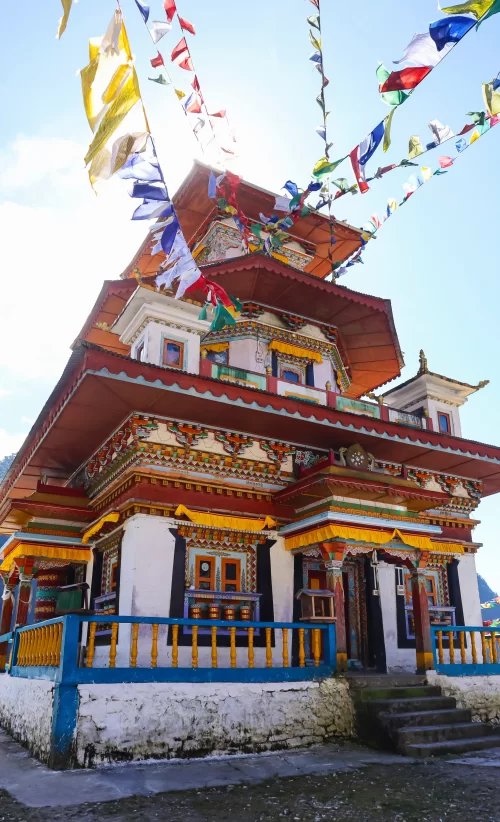
Meghalaya's cultural identity is deeply connected with its three major indigenous communities—the Khasi, Jaintia, and Garo tribes. Each community has preserved its own language, customs, festivals, architecture, traditional clothing, music, and social practices over generations. Their rich heritage continues to shape everyday life across the state, giving Meghalaya a distinctive cultural character that complements its natural beauty. Travellers exploring different regions of Meghalaya quickly notice how each community contributes unique traditions while sharing a deep respect for nature and community life.
The Khasi community mainly inhabits the Khasi Hills, the Jaintia people live across the Jaintia Hills, and the Garo community occupies the western part of the state. These cultural regions offer different experiences through local villages, traditional markets, festivals, handicrafts, cuisine, and community celebrations. Exploring all three regions allows visitors to understand the remarkable diversity that exists within Meghalaya.
The Khasi, Jaintia, and Garo communities form the cultural foundation of Meghalaya. Their traditions continue to enrich the state's tourism experience while preserving centuries of indigenous knowledge.
Traditional festivals remain an important part of community life throughout Meghalaya. Celebrations such as Shad Suk Mynsiem, Behdienkhlam, Wangala, and various harvest festivals showcase colourful costumes, traditional music, dance performances, rituals, and community gatherings. These festivals celebrate agriculture, nature, spirituality, and social unity while allowing younger generations to preserve their cultural heritage.
Daily life across Meghalaya's villages reflects strong community values, traditional occupations, local markets, bamboo craftsmanship, agriculture, and hospitality. Visitors who explore beyond the major tourist attractions often gain a deeper appreciation for the state's cultural richness through conversations with local residents, village walks, and community-based tourism experiences.
| Community | Cultural Highlights |
|---|---|
| Khasi | Festivals matrilineal traditions and living root bridges |
| Jaintia | Historic traditions festivals and handicrafts |
| Garo | Wangala festival music and agricultural heritage |
Meghalaya's festivals and community traditions offer travellers meaningful cultural experiences that extend far beyond sightseeing. Every celebration reflects the close relationship between local communities and their natural surroundings.
Travelling across Meghalaya reveals how each region preserves its own cultural identity while contributing to the state's shared heritage. Traditional homes, local cuisine, handicrafts, music, clothing, and social customs differ from one district to another, allowing visitors to experience remarkable diversity within a relatively compact geographical area.
Respectful interaction with local communities enhances every journey. Visiting cultural museums, staying in village homestays, purchasing handmade products, and attending local festivals whenever possible help travellers experience Meghalaya's traditions in an authentic and responsible manner while supporting community tourism.
Meghalaya's cultural diversity is one of its greatest strengths. Exploring the traditions of its indigenous communities creates a richer travel experience while helping preserve the state's remarkable heritage.
Meghalaya's cuisine reflects the traditions of the Khasi, Jaintia, and Garo communities, each contributing distinctive recipes prepared using locally available ingredients. Unlike heavily spiced cuisines found elsewhere in India, many dishes focus on fresh vegetables, herbs, rice, meat, bamboo shoots, smoked ingredients, and natural flavours. Local cooking methods have been preserved for generations, allowing visitors to experience authentic regional food that represents Meghalaya's cultural heritage.
Popular dishes include Jadoh, Dohneiiong, Doh Khlieh, Tungrymbai, Nakham Bitchi, Pumaloi, and various smoked meat preparations. Every community adds its own cooking style and ingredients, giving travellers opportunities to experience different regional flavours while exploring the state. Vegetarian visitors also find numerous local vegetable preparations alongside familiar Indian cuisine in larger towns.
Traditional cuisine offers one of the most enjoyable ways to understand Meghalaya's culture. Every meal introduces visitors to regional ingredients, community traditions, and centuries of culinary heritage.
Many traditional recipes rely on ingredients grown locally across Meghalaya's hills and valleys. Fresh vegetables, herbs, bamboo shoots, black sesame, turmeric, ginger, locally cultivated rice, and forest produce contribute unique flavours to regional dishes. Smoking, slow cooking, boiling, and natural seasoning remain common preparation techniques, allowing ingredients to retain their original taste.
Home-cooked meals served in village homestays provide some of the most authentic culinary experiences. Visitors can observe how simple cooking methods combined with fresh local produce create meals that reflect Meghalaya's agricultural traditions and sustainable lifestyle.
| Traditional Ingredient | Common Use |
|---|---|
| Bamboo Shoots | Regional dishes and side preparations |
| Local Rice | Main component of many meals |
| Fresh Herbs | Natural flavouring |
| Smoked Ingredients | Traditional cooking techniques |
Local ingredients and traditional cooking methods preserve Meghalaya's culinary identity while offering travellers genuine flavours closely connected with the region's natural environment.
Food plays an important role in Meghalaya's festivals, family gatherings, and community celebrations. Dining at traditional restaurants, village cafés, or homestays allows travellers to experience local hospitality while enjoying recipes that have been passed down through generations. Meals become cultural experiences where visitors gain a deeper appreciation for local traditions alongside regional flavours.
Travellers are encouraged to explore both traditional and modern dining experiences throughout Shillong, Cherrapunji, Jowai, Dawki, and other destinations. Combining local cuisine with sightseeing creates memorable travel experiences while supporting restaurants and family-run establishments that preserve Meghalaya's culinary heritage.
Traditional food forms an essential part of Meghalaya's identity. Every meal offers travellers an opportunity to connect with the state's people, culture, and long-standing culinary traditions.
Music plays an important role in Meghalaya's cultural identity, making the state one of India's most vibrant artistic destinations. Traditional folk music, contemporary performances, community festivals, and modern live music venues all contribute to Meghalaya's unique cultural atmosphere. Shillong, in particular, has earned a reputation as India's music capital because of its active local music scene, talented performers, and enthusiastic audiences.
Throughout the year, visitors may experience traditional performances during community festivals as well as concerts, cultural programmes, and artistic events held across the state. Music is closely connected with celebrations, seasonal festivals, and community gatherings, allowing travellers to experience Meghalaya's cultural life through both traditional and contemporary performances.
Music enriches every aspect of Meghalaya's cultural landscape. Visitors quickly discover that artistic expression remains an important part of daily life throughout the state.
Traditional music continues to accompany festivals, harvest celebrations, weddings, religious events, and social gatherings within Khasi, Jaintia, and Garo communities. Songs often preserve local history, folklore, agricultural traditions, and community values while strengthening cultural identity across generations. Traditional instruments, rhythmic performances, and group dances remain integral parts of many celebrations.
Alongside these traditional practices, Meghalaya has developed a thriving contemporary music culture, particularly in Shillong where young musicians actively perform across various genres. This combination of heritage and modern creativity makes Meghalaya's music scene one of the most distinctive in India.
| Musical Tradition | Cultural Importance |
|---|---|
| Traditional Folk Music | Preserves community heritage |
| Festival Performances | Celebrates seasonal and cultural events |
| Modern Live Music | Reflects Shillong's contemporary identity |
| Traditional Dance | Accompanies community celebrations |
Music remains deeply connected with Meghalaya's traditions while continuing to evolve through modern artistic expression. This balance between heritage and innovation makes the state's cultural scene especially engaging for visitors.
Travellers exploring Meghalaya often encounter cultural experiences beyond museums and historical attractions. Evening performances, local festivals, community events, handicraft exhibitions, food festivals, and live music venues provide opportunities to experience the state's artistic spirit firsthand. Shillong's cafés, cultural centres, and public events frequently showcase local talent while celebrating Meghalaya's creative traditions.
Visitors interested in culture should plan their journey around local festivals whenever possible, allowing additional time to experience music, dance, food, handicrafts, and community celebrations together. Respectful participation and appreciation of local customs enhance every cultural experience while supporting the preservation of Meghalaya's artistic heritage.
Meghalaya's music and cultural traditions add depth to every journey across the state. They reveal a destination where creativity, community, and heritage continue to thrive alongside breathtaking natural landscapes.
Many first-time visitors limit their Meghalaya itinerary to only Shillong and Cherrapunji, missing the remarkable diversity found across the rest of the state. While these destinations are undoubtedly spectacular, Meghalaya also offers crystal-clear rivers at Dawki, peaceful village experiences in Mawlynnong, beautiful waterfalls around Jowai, wildlife in the Garo Hills, fascinating caves, forests, sacred groves, and vibrant tribal culture that deserve equal attention.
Exploring a wider range of destinations provides a much deeper understanding of Meghalaya's landscapes and traditions. Every region contributes something unique, whether it is adventure activities, cultural experiences, biodiversity, or community tourism. A balanced itinerary helps travellers appreciate why Meghalaya is famous far beyond its most photographed attractions.
Exploring Meghalaya's diversity creates richer travel experiences than focusing only on famous landmarks. Every region adds something valuable to the overall journey.
Another common mistake is selecting destinations without considering personal interests, available travel days, or physical comfort. Adventure enthusiasts may enjoy trekking and cave exploration, while families often prefer scenic lakes, waterfalls, and village visits. Couples may prioritise peaceful accommodation and photography locations, whereas nature lovers might focus on forests and wildlife sanctuaries.
Choosing destinations according to travel style allows visitors to spend more time enjoying experiences instead of rushing between locations. Understanding road travel times and seasonal weather also helps travellers build practical itineraries that remain comfortable throughout the trip.
| Travel Interest | Suitable Destinations |
|---|---|
| Nature | Cherrapunji Dawki Jowai |
| Culture | Shillong Mawlynnong village communities |
| Adventure | Caves trekking and rivers |
| Relaxation | Lakes viewpoints and scenic resorts |
Selecting destinations according to personal preferences creates more enjoyable holidays while allowing visitors to fully appreciate Meghalaya's remarkable variety.
Some travellers spend their entire journey moving quickly between viewpoints without taking time to experience Meghalaya's local culture, traditional food, handicrafts, festivals, and community tourism. Visiting local markets, staying in village homestays, tasting regional cuisine, and interacting respectfully with local communities often become some of the most memorable parts of the journey.
Travellers should also allow time for slower experiences such as scenic drives, café visits, photography, forest walks, riverside relaxation, and village exploration. These moments create a deeper connection with Meghalaya than simply checking attractions off an itinerary.
Avoiding these common mistakes allows visitors to experience Meghalaya in its true spirit. Combining natural attractions with cultural exploration creates a journey that remains memorable long after the trip ends.
Meghalaya offers one of the most diverse travel experiences in India by combining dramatic landscapes, rich tribal traditions, peaceful villages, adventure activities, and sustainable tourism. Unlike destinations known for a single attraction, Meghalaya presents travellers with an ever-changing journey through waterfalls, caves, forests, rivers, mountains, living root bridges, cultural festivals, handicrafts, and traditional cuisine. Every region introduces a different aspect of the state's identity, making each day of travel unique and rewarding.
From the lively streets of Shillong to the mist-covered valleys of Cherrapunji, the transparent waters of Dawki, the clean surroundings of Mawlynnong, the forests of the Garo Hills, and the caves of the Khasi and Jaintia Hills, Meghalaya showcases an impressive variety of attractions within a relatively compact area. Whether travelling for photography, relaxation, adventure, wildlife, culture, or family holidays, visitors can build itineraries that match their interests while enjoying the state's welcoming atmosphere and beautiful natural surroundings.
Every destination across Meghalaya contributes something unique to the overall journey. Exploring different regions instead of focusing on only one area allows travellers to appreciate why the state continues to rank among India's most remarkable travel destinations.
A well-planned Meghalaya itinerary balances sightseeing with relaxation while allowing sufficient time to experience the state's natural and cultural diversity. Travellers should group nearby destinations together, such as Shillong with nearby attractions, Cherrapunji with its waterfalls and caves, Dawki with Mawlynnong, and Jowai with surrounding natural sites. This approach reduces unnecessary road travel while providing more opportunities to enjoy each destination at a comfortable pace.
Seasonal planning is equally important. Winter and post-monsoon months generally offer comfortable weather for sightseeing, while the monsoon showcases Meghalaya's waterfalls and lush green landscapes at their most spectacular. Accommodation, transportation, and activity bookings should be arranged in advance during busy travel periods to ensure a smooth and enjoyable holiday.
| Travel Focus | Recommended Experiences |
|---|---|
| Nature | Waterfalls rivers forests caves and viewpoints |
| Culture | Villages festivals handicrafts and local cuisine |
| Adventure | Trekking boating cave exploration and nature walks |
| Relaxation | Scenic stays lakes cafés and peaceful landscapes |
| Photography | Clouds waterfalls valleys rivers and sunrise viewpoints |
Planning according to personal interests rather than rushing between attractions creates a more rewarding experience. Meghalaya is best explored slowly, allowing travellers to appreciate both its spectacular landscapes and its vibrant cultural heritage.
Before beginning your journey, prepare a realistic itinerary covering your preferred destinations, book accommodation according to your travel style, arrange reliable transportation, monitor seasonal weather conditions, and carry appropriate clothing for changing mountain climates. Download offline maps, keep emergency contacts accessible, and allow flexibility within your schedule so unexpected weather changes do not affect the overall travel experience.
While exploring Meghalaya, take time to experience local food, interact respectfully with communities, purchase authentic handicrafts from local artisans, support community-based tourism, and protect the state's fragile natural environment. Travelling responsibly ensures that future visitors can continue enjoying Meghalaya's forests, waterfalls, villages, rivers, wildlife, and cultural heritage in their original beauty.
Meghalaya is famous because it offers an exceptional balance of natural beauty, indigenous culture, sustainable tourism, and unforgettable travel experiences. Whether visiting for a few days or a longer holiday, travellers leave with lasting memories of waterfalls, living root bridges, crystal-clear rivers, welcoming communities, and landscapes unlike anywhere else in India.

Get customized Meghalaya tour planning designed around rainfall patterns, road connectivity, seasonal visibility, and realistic hill travel timing. Whether you are visiting for waterfalls, cave exploration, scenic drives, village experiences, or nature-fo
⚡ Quick Response | 💰 Free consultation | 🕒 24×7 expert support