What is Meghalaya Famous For?
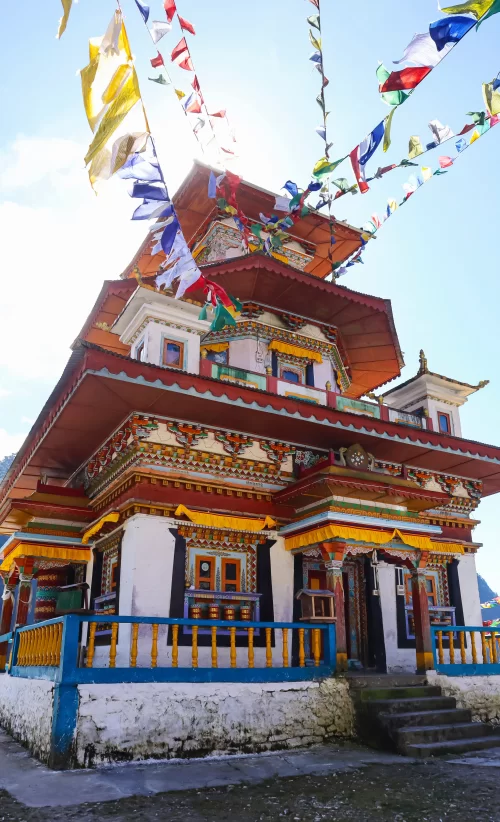
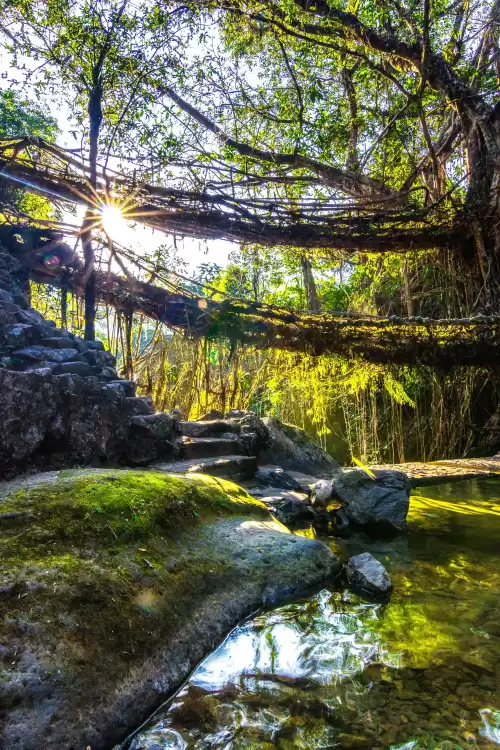
Meghalaya is famous for its living root bridges, waterfalls, caves, hills, tribal culture, clean villages, crystal clear rivers, and unique natural landscapes that attract travellers throughout the year.
+91 9910402252
admin@chalbanjare.com


Tura is the gateway to the Garo Hills of Meghalaya, offering waterfalls, wildlife sanctuaries, scenic viewpoints, caves, rivers, and some of the state's most underrated offbeat travel experiences.
Tura, located in the West Garo Hills of Meghalaya, is one of the most important gateways to the Garo Hills region, known for its dramatic landscapes, dense forests, and rich indigenous culture. Unlike the Khasi Hills, the terrain here is more rugged and expansive, with rolling hills, deep valleys, and wide forest stretches.
The travel atmosphere in Tura is distinctly offbeat, with fewer tourists compared to other Meghalaya destinations. The region feels more remote and raw, offering a deeper connection with nature and traditional Garo life that is still closely tied to forests, rivers, and agriculture.
It is one of the most naturally untouched regions in Meghalaya.
Travelers experience a mix of wilderness, cultural depth, and long scenic drives that define the Garo Hills journey.
Tura offers a raw and immersive Meghalaya experience away from mainstream tourism.
First-time visitors to Tura typically need at least three to five days to properly explore the region due to long travel distances between major attractions. Unlike compact destinations, Garo Hills attractions are spread across vast natural areas requiring significant road travel.
A shorter two-day trip may cover only Tura Peak and nearby waterfalls, but a longer itinerary allows inclusion of Nokrek National Park, Balpakram National Park, and Siju Cave for a more complete experience of the region.
It is one of the most extensive travel circuits in Meghalaya.
Proper time allocation is essential to avoid rushed travel across long forest and hill roads.
Tura requires more time due to its vast and spread-out geography.
A balanced Garo Hills itinerary centered around Tura should include a mix of viewpoints, wildlife reserves, caves, and river landscapes, carefully distributed to reduce long back-and-forth travel. The region is best explored in sections rather than rushed in a single loop.
Travelers typically begin with Tura Peak and nearby attractions before gradually moving toward Nokrek and Balpakram regions. Each zone offers a different experience, from panoramic viewpoints to dense forests and biodiversity-rich parks.
It is one of the most diverse travel circuits in Northeast India.
Proper sequencing of destinations ensures smoother travel and better experience across long distances.
A structured plan is essential for exploring the vast Garo Hills region efficiently.
Pelga Falls is one of the most accessible and popular waterfalls near Tura, known for its scenic surroundings and calm water flow. Located close to the town, it offers a convenient nature escape without requiring long travel into remote forest areas.
The waterfall is surrounded by green hills and open landscapes, making it a pleasant spot for short visits, photography, and relaxed nature observation. During monsoon, the water flow increases, enhancing its visual appeal and surrounding greenery.
It is one of the most easily accessible waterfalls in West Garo Hills.
Pelga Falls serves as an ideal introduction to the natural beauty of the Tura region.
Pelga Falls is a simple yet refreshing nature stop near Tura.
Rongbang Dare Waterfall is a scenic waterfall located in the Garo Hills region, offering a more natural and less crowded experience compared to urban waterfalls. The surrounding environment is rich in vegetation and rolling hills, making the journey as rewarding as the destination.
The waterfall is best visited during or after monsoon when water levels are strong and the surrounding landscape turns lush green. The area remains relatively quiet, providing a peaceful atmosphere for travelers.
It is one of the most scenic offbeat waterfalls near Tura.
The natural setting makes it suitable for slow travel and photography-focused visits.
Rongbang Dare offers a quieter alternative to more popular waterfalls.
Ganol Falls is one of the most dramatic waterfalls in the Tura region, especially during the monsoon season when water volume increases significantly. The waterfall is part of a larger hydro and river system, creating a powerful and dynamic natural scene.
The surrounding area features forested hills and rugged terrain, making it a more adventurous destination compared to easily accessible waterfalls. Travel conditions can vary depending on rainfall and road status.
It is one of the most powerful seasonal waterfalls in Garo Hills.
Visitors often combine Ganol Falls with other nearby nature spots for a fuller exploration of the region.
Ganol Falls showcases the raw energy of Garo Hills during monsoon.
Tura Peak is the most iconic viewpoint in the region, offering wide panoramic views of the surrounding Garo Hills, forested valleys, and distant rolling landscapes. Located close to Tura town, it is easily accessible and remains one of the best places to understand the geography of West Garo Hills.
On clear days, the view extends across multiple layers of hills, with changing light creating soft transitions between green valleys and distant horizons. Early mornings and late afternoons are especially rewarding for photography due to the direction of sunlight and atmospheric clarity.
It is one of the most important viewpoints in Meghalaya’s Garo Hills region.
The site is ideal for slow observation, allowing travelers to appreciate the scale and depth of the landscape.
Tura Peak offers a complete visual overview of the Garo Hills landscape.
The Nokrek region features elevated viewpoints surrounded by dense forest cover, forming part of the Nokrek Biosphere Reserve. These viewpoints are more remote compared to Tura Peak and offer a deeper immersion into untouched natural environments.
The scenery here is dominated by thick greenery, layered hills, and biodiversity-rich forest zones. The experience is less about wide urban visibility and more about being surrounded by natural ecosystems at elevation.
It is one of the most ecologically rich viewpoints in Meghalaya.
These viewpoints are often visited as part of wildlife or forest exploration trips within Nokrek National Park.
Nokrek viewpoints offer deep immersion into untouched forest landscapes.
Sunrise and sunset points around Tura are scattered across hilltops and open clearings where the landscape opens up to wide views of the Garo Hills. These moments of the day transform the scenery with shifting colors, mist layers, and long shadows across the valleys.
Sunrise often brings soft golden light over the hills, while sunset creates warmer tones that highlight the contours of the landscape. These locations are not always formally marked but are often identified by locals and guides.
It is one of the most atmospheric nature experiences in West Garo Hills.
The experience is best enjoyed slowly, without rushing, allowing natural light changes to shape the view.
Tura’s light-based views create constantly changing natural scenery.
Nokrek National Park is one of the most important ecological zones in the Garo Hills region, recognized as part of a UNESCO Biosphere Reserve. The park is known for its dense tropical forests, rich biodiversity, and untouched natural environment that supports rare plant and animal species.
The terrain inside Nokrek is heavily forested with steep slopes, deep valleys, and thick vegetation that creates a humid and layered ecosystem. The park is less commercialized, which helps preserve its raw natural character and makes it ideal for eco-tourism and nature study.
It is one of the most biodiverse forest reserves in Meghalaya.
Visitors experience a true wilderness environment where nature remains largely undisturbed by modern development.
Nokrek represents the ecological heart of the Garo Hills.
Balpakram National Park is one of the most dramatic and visually striking landscapes in Meghalaya, featuring deep gorges, plateaus, and rugged terrain shaped by natural geological processes. The park is often described as the “Land of Spirits” due to its cultural significance among the Garo community.
The landscape here is more open and dramatic compared to dense forest zones, with cliffs, valleys, and wind-shaped formations creating a powerful visual experience. Wildlife sightings are also possible, making it an important conservation area.
It is one of the most scenic national parks in Northeast India.
The combination of geology, wildlife, and cultural beliefs makes Balpakram unique in the Garo Hills region.
Balpakram blends natural drama with cultural heritage.
The broader Garo Hills region around Tura is characterized by a continuous mix of forests, rivers, and rolling hills that stretch across vast landscapes. This diversity creates a constantly changing environment as travelers move between different zones of elevation and vegetation.
Rivers such as Simsang and its tributaries carve through valleys, supporting agriculture and forest ecosystems along their banks. The rolling hills are often covered in dense greenery, especially during monsoon and post-monsoon seasons.
It is one of the most naturally diverse regions in Meghalaya.
The combination of water, forest, and elevation creates a rich and immersive travel experience.
Garo Hills offer a vast and continuously evolving natural landscape.
Nokrek Biosphere Reserve is one of the richest biodiversity zones in Meghalaya, offering a deep forest ecosystem that supports rare and endemic species of flora and fauna. The region is dominated by dense tropical forests, making wildlife sightings dependent on patience, timing, and guided exploration.
The reserve is particularly known for its ecological importance rather than high-frequency animal sightings, as many species here live in deep forest zones. The environment is humid, layered, and largely untouched, allowing natural processes to continue with minimal human interference.
It is one of the most ecologically significant wildlife zones in Northeast India.
Visitors experience biodiversity through forest immersion rather than structured safari encounters.
Nokrek is best for serious nature and ecology-focused travelers.
Balpakram National Park offers a more open and dramatic terrain compared to Nokrek, increasing the chances of observing wildlife in transitional forest and grassland zones. The park is home to various species including deer, elephants, and smaller mammals, depending on seasonal movement patterns.
The combination of cliffs, valleys, and open plateaus creates diverse habitats that support different types of wildlife activity. However, sightings are not guaranteed and often require early morning or guided excursions into deeper areas of the park.
It is one of the most scenic wildlife landscapes in Meghalaya.
Balpakram’s mix of terrain and vegetation makes it ideal for both wildlife and landscape photography.
Balpakram combines wilderness with dramatic natural scenery.
The forests of Garo Hills around Tura are excellent for birdwatching due to their dense canopy, river valleys, and diverse ecological zones. A variety of resident and migratory bird species can be observed, especially in early morning hours when activity levels are highest.
Birdwatching here is a slow and observational experience, often guided by natural sounds and movement within the forest. The mix of forest edges, open hills, and water bodies creates multiple habitats that attract different bird species throughout the year.
It is one of the most rewarding birdwatching regions in Meghalaya.
The experience is ideal for travelers who prefer quiet nature observation over fast-paced tourism.
Garo Hills offer a calm and immersive birdwatching environment.
Siju Cave is one of the most famous limestone cave systems in the Garo Hills region, known for its long underground passages, river channels, and naturally formed rock structures. Located near the Simsang River, the cave is part of a larger karst landscape shaped over thousands of years.
Inside the cave, visitors encounter narrow pathways, water-filled sections, and impressive limestone formations that require careful navigation. The cave environment remains cool and damp, with limited natural light, making torch or guided assistance essential for exploration.
It is one of the most significant cave systems in Meghalaya.
The experience combines adventure, geology, and natural mystery in a single underground journey.
Siju Cave offers a deep and immersive underground experience.
Tetengkol Balwakol Cave is a lesser-known but adventurous cave system in the Garo Hills, offering a more raw and less commercialized exploration experience. The cave features narrow tunnels, uneven rock formations, and natural chambers formed by long-term geological processes.
Unlike more developed caves, this site remains relatively untouched, requiring careful movement and basic caving awareness. The surrounding area is also forested, adding to the sense of isolation and natural immersion.
It is one of the most offbeat cave experiences in Meghalaya.
The cave is best suited for adventure-oriented travelers with guided support.
Tetengkol Balwakol offers a raw and exploratory cave experience.
Beyond the well-known caves, the Garo Hills region contains numerous smaller and less explored cave systems formed by limestone erosion and underground water activity. Many of these caves remain unmarked and are known primarily to local communities and guides.
These hidden caves vary in size and complexity, ranging from short rock shelters to deeper systems requiring technical navigation. The natural surroundings often include forest cover, rocky terrain, and river proximity.
It is one of the most unexplored cave networks in Meghalaya.
Exploring these caves requires caution, preparation, and local guidance due to their remote nature.
Garo Hills caves offer raw and less-commercial underground exploration.
The Simsang River is one of the most important river systems in the Garo Hills, shaping the landscape around Tura with its long flowing course through valleys, forests, and rural settlements. It plays a key role in supporting agriculture, biodiversity, and daily life across the region.
Along its banks, the scenery alternates between calm water stretches, rocky edges, and green riverine vegetation. The river environment changes significantly with seasons, becoming fuller and more dynamic during the monsoon months.
It is one of the most significant river ecosystems in Meghalaya.
The Simsang River adds both ecological value and scenic depth to the Garo Hills landscape.
Simsang River reflects the lifeline of the Garo Hills region.
The river valleys around Tura are characterized by deep green forests, sloping hills, and winding water channels that create a continuous natural landscape. These valleys are often less crowded, offering peaceful environments for slow travel and nature exploration.
Forest trails running parallel to rivers provide opportunities for short walks, birdwatching, and photography. The combination of water and forest creates a balanced ecosystem that feels both calm and immersive.
It is one of the most naturally scenic regions in West Garo Hills.
These landscapes are best experienced slowly, allowing time to observe seasonal and environmental changes.
River valleys offer a peaceful balance of water, forest, and hills.
Nature walks in the Garo Hills around Tura provide a slow and immersive way to experience the region’s landscapes, combining forests, open hills, and rural pathways. These walks are not structured trekking routes but natural trails formed by local movement and terrain.
The experience is defined by silence, fresh air, and continuous views of changing scenery. Depending on the route, travelers may pass through small villages, forest edges, and river-adjacent areas.
It is one of the most relaxing outdoor experiences in Meghalaya.
These walks are ideal for travelers seeking calm interaction with nature rather than adventure-based activities.
Garo Hills nature walks offer quiet and immersive landscape experiences.
The Garo Hills around Tura are home to the Garo community, whose traditions are deeply connected to nature, agriculture, and forest-based living. Cultural practices here are shaped by a strong relationship with the land, where seasonal cycles and community cooperation play a central role in daily life.
Garo heritage is primarily preserved through oral traditions, rituals, and community customs rather than written documentation. These traditions reflect a worldview where nature, ancestors, and community are closely interlinked.
It is one of the most culturally distinct regions in Meghalaya.
Visitors gain insight into a living culture that continues to evolve while maintaining strong traditional roots.
Garo traditions reflect a deep connection between people and nature.
Traditional villages around Tura offer a close look at everyday Garo life, where houses, farming practices, and community spaces reflect a simple and nature-integrated lifestyle. These villages are typically surrounded by forests and agricultural fields.
Local markets in the region serve as important centers for trade and social interaction, where people gather to exchange agricultural produce, handmade goods, and daily essentials. These markets reflect the rhythm of rural economic life.
It is one of the most authentic rural experiences in Garo Hills.
The combination of village life and markets provides a grounded understanding of the region’s social structure.
Village and market life together reflect everyday Garo culture.
Festivals in the Garo Hills are vibrant expressions of community identity, often involving traditional music, dance, and rituals connected to agricultural cycles and seasonal celebrations. These events bring together entire villages in collective participation.
Local cuisine in the region is simple, often based on rice, meat, and locally sourced ingredients, prepared using traditional methods. Handicrafts, including bamboo and weaving products, reflect practical creativity rooted in daily life.
It is one of the most expressive cultural regions in Meghalaya.
Together, festivals, food, and crafts showcase the living heritage of the Garo community.
Garo culture is vibrant, community-driven, and deeply rooted in tradition.
A two-day itinerary in Tura is generally focused on covering nearby attractions such as Tura Peak, Pelga Falls, and a few short nature stops around the town. This compact plan is suitable for travelers with limited time who still want to experience the essence of West Garo Hills without venturing too deep into remote regions.
The first day is usually dedicated to Tura Peak and nearby viewpoints, offering panoramic landscapes and easy-access nature spots. The second day can include waterfall visits or short excursions into surrounding rural areas depending on travel pace and weather conditions.
It is one of the most practical short travel plans in Garo Hills.
However, due to long distances between major attractions, this itinerary feels more relaxed than intensive.
A short trip offers a glimpse of Tura’s landscapes but not full exploration.
A comprehensive Garo Hills itinerary often combines Nokrek National Park, Balpakram National Park, and Siju Cave, creating a multi-zone exploration covering forests, wildlife, caves, and river systems. This combination requires careful planning due to long travel distances between each destination.
Nokrek offers dense biodiversity and forest exploration, Balpakram provides dramatic landscapes and wildlife potential, while Siju Cave adds an underground limestone experience. Together, they form a diverse natural circuit across the region.
It is one of the most diverse eco-circuits in Meghalaya.
This itinerary is best suited for travelers with sufficient time and interest in nature-focused exploration.
This combination offers the most complete view of Garo Hills nature.
Tura is primarily accessed via long road journeys from Guwahati or Shillong, with Guwahati being the most common entry point due to better connectivity. The drive passes through scenic Assam plains before entering the hilly terrain of Meghalaya’s Garo Hills region.
The route from Shillong is longer and more demanding, involving multiple hill sections and extended travel time. Road conditions vary depending on weather, especially during monsoon when landslides or delays may occur in certain stretches.
It is one of the most important long-distance road routes in Meghalaya.
Proper planning, early departures, and vehicle readiness are essential for a smooth journey.
Reaching Tura requires time, planning, and comfortable travel pacing.
Tura offers a wide spectrum of experiences ranging from viewpoints and waterfalls to deep forests, caves, and wildlife zones. The choice of experiences largely depends on how much time travelers have and whether the focus is on relaxation, adventure, or ecological exploration.
Nature-focused travelers often prioritize Nokrek National Park and Tura Peak, while adventure seekers extend their journey toward Balpakram and Siju Cave. The region’s diversity allows each itinerary to feel unique based on selected routes and travel depth.
It is one of the most versatile natural regions in Meghalaya.
Planning based on interest rather than checklist travel ensures a more meaningful and less rushed experience.
Tura rewards travelers who choose depth over coverage.
Including Tura in a Meghalaya itinerary transforms the journey into a more offbeat experience compared to the popular Shillong–Cherrapunji–Dawki circuit. The Garo Hills add raw landscapes, longer road journeys, and less commercialized attractions to the overall travel plan.
This route is ideal for travelers seeking solitude, biodiversity, and large-scale natural environments. It balances forests, rivers, caves, and cultural villages across a vast and less-explored region of the state.
It is one of the most underrated travel circuits in Northeast India.
Adding Tura provides depth and contrast to a typical Meghalaya itinerary.
Tura brings a raw and unexplored dimension to Meghalaya travel.
Before visiting Tura, travelers should prepare for long-distance road travel and relatively remote conditions compared to central Meghalaya. Proper planning of transport, accommodation, and inter-destination travel is essential due to the spread-out nature of attractions.
Basic essentials such as weather-appropriate clothing, cash, and medical supplies are recommended, as some areas may have limited connectivity or facilities. Travelers should also account for longer travel times between destinations within Garo Hills.
It is one of the most important preparation steps for Meghalaya’s western region.
Respecting local customs, planning buffer time, and ensuring vehicle readiness significantly improve travel comfort and safety.
Proper preparation ensures a smooth and rewarding Tura experience.

Get customized Meghalaya tour planning designed around rainfall patterns, road connectivity, seasonal visibility, and realistic hill travel timing. Whether you are visiting for waterfalls, cave exploration, scenic drives, village experiences, or nature-fo
⚡ Quick Response | 💰 Free consultation | 🕒 24×7 expert support