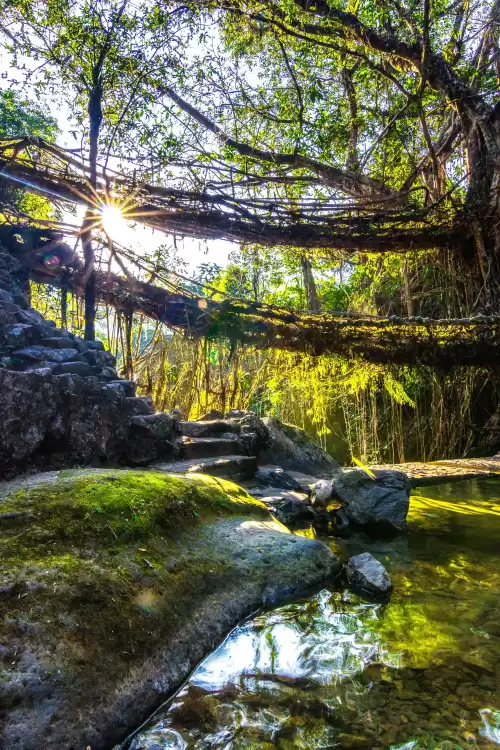


What is Meghalaya Famous For?
Meghalaya is famous for its living root bridges, waterfalls, caves, hills, tribal culture, clean villages, crystal clear rivers, and unique natural landscapes that attract travellers throughout the year.
+91 9910402252
admin@chalbanjare.com


Shopping in Meghalaya offers travellers traditional handicrafts, handwoven textiles, bamboo products, local food items, organic products, and cultural souvenirs representing Khasi, Jaintia, and Garo traditions.
Shopping in Meghalaya is much more than purchasing souvenirs. Every market, roadside stall, village cooperative, and artisan workshop reflects the traditions of the Khasi, Jaintia, and Garo communities. Handmade products are closely connected with local lifestyles, natural resources, and centuries-old craftsmanship. Unlike destinations where shopping revolves around branded products, Meghalaya offers visitors an opportunity to understand the cultural identity of its people through practical household items, traditional clothing, handcrafted décor, organic produce, and locally made accessories.
Many products available across Meghalaya are created using bamboo, cane, wood, natural fibres, cotton, and locally grown agricultural ingredients. Artisans often continue traditional techniques passed down through generations, making every handcrafted product slightly different from another. Shopping therefore becomes a cultural experience where tourists directly interact with makers, learn about regional traditions, and support community livelihoods while taking home meaningful reminders of their journey.
Whether you explore the bustling markets of Shillong or small village stalls near popular tourist destinations, shopping offers insight into Meghalaya's way of life. Visitors often find that the memories associated with meeting local artisans make every purchase far more valuable than ordinary tourist souvenirs.
Shopping opportunities across Meghalaya vary significantly depending on where you travel. Large town markets generally provide the widest variety of handicrafts, textiles, food products, spices, bamboo items, and souvenirs in one location. These markets attract artisans and traders from different districts, allowing tourists to compare products before making purchases.
Artisan shops and government-supported handicraft centres usually focus on higher-quality handmade products. Prices may be slightly higher, but visitors often receive better craftsmanship, consistent quality, and detailed information about the products. Village sellers, on the other hand, usually offer locally produced goods made within their own communities. These purchases often provide the most authentic experience while directly benefiting rural households.
| Shopping Location | Main Features | Best For |
|---|---|---|
| Town Markets | Large variety and competitive pricing | General shopping and comparison |
| Artisan Shops | Quality handmade products | Premium handicrafts |
| Village Sellers | Community made authentic items | Traditional local souvenirs |
Combining all three shopping experiences gives travellers the widest selection while supporting different parts of Meghalaya's local economy. Each location offers a unique perspective on the state's craftsmanship and cultural traditions.
Many visitors initially look for magnets, keychains, or decorative souvenirs, but Meghalaya offers products with much greater cultural and practical value. Handwoven textiles, bamboo household products, natural honey, handmade baskets, tribal jewellery, locally produced spices, herbal products, and traditional crafts represent everyday life across the state rather than mass-produced tourist merchandise.
These products often carry stories connected with local festivals, agricultural traditions, forest resources, and indigenous craftsmanship. Purchasing such items allows travellers to take home something that genuinely represents Meghalaya while encouraging traditional artisans to continue their work.
Travellers who spend time understanding local craftsmanship often return home with souvenirs that carry memories of conversations, traditions, and cultural experiences rather than simply decorative objects. These meaningful purchases create a lasting connection with Meghalaya.
Traditional handicrafts are among Meghalaya's most valued cultural treasures. The Khasi, Jaintia, and Garo communities have developed specialised skills in working with bamboo, cane, wood, natural fibres, and textiles for generations. Most products are still handmade using techniques learned within families, preserving cultural knowledge alongside artistic traditions. Every district has its own styles, patterns, and preferred materials, giving travellers opportunities to discover regional diversity while shopping.
Unlike factory-produced souvenirs, handcrafted items usually require considerable manual effort and attention to detail. Small differences in weaving, carving, and finishing make every piece unique. Purchasing authentic handicrafts therefore supports both cultural preservation and rural employment throughout Meghalaya.
Travellers interested in culture often find handicraft shopping to be one of the highlights of visiting Meghalaya. Every handmade purchase represents generations of knowledge while helping local communities continue their traditional occupations.
Abundant forests have made bamboo, cane, and wood essential materials throughout Meghalaya. Skilled craftsmen transform these natural resources into baskets, storage containers, trays, lampshades, decorative items, furniture, walking sticks, household accessories, and beautifully woven utility products. Many designs combine practicality with artistic detailing, making them suitable for everyday use.
The quality of weaving and finishing varies depending on the artisan and the intended purpose of each product. Visitors can find both lightweight travel-friendly souvenirs and larger handcrafted pieces suitable for home decoration. Bamboo and cane products remain among the most popular purchases because they combine durability with traditional craftsmanship.
| Material | Common Products | Travel Suitability |
|---|---|---|
| Bamboo | Baskets mats trays décor | Excellent |
| Cane | Storage products furniture crafts | Good depending on size |
| Wood | Decorative carvings and gifts | Good for smaller items |
When selecting bamboo or wooden products, examine the finishing, weaving quality, and durability. Properly made handicrafts remain useful for many years while preserving memories of Meghalaya's rich artisan traditions.
Authentic handicrafts usually display careful workmanship, natural materials, and designs rooted in local traditions. Many genuine products are sold directly by artisans, village cooperatives, women's self-help groups, and recognised handicraft centres. Speaking with sellers often helps visitors understand where products were made and the techniques used during production.
Choosing locally produced handicrafts instead of mass-manufactured souvenirs allows tourists to contribute directly to community incomes while preserving traditional skills. Authentic purchases also provide greater cultural value because each item reflects the heritage of Meghalaya rather than generic tourist merchandise.
Well-chosen handicrafts become lasting reminders of Meghalaya's cultural richness. Beyond their decorative value, they represent the creativity, skills, and traditions of communities that continue preserving their heritage through everyday craftsmanship.
Bamboo is one of Meghalaya's most valuable natural resources, and its importance is reflected in the wide range of handcrafted products found throughout the state. Local communities have relied on bamboo for generations to create everyday household items, agricultural tools, storage containers, furniture, and decorative pieces. The knowledge of selecting suitable bamboo, treating it naturally, and weaving durable products has been passed down through families, making bamboo craftsmanship an important part of Meghalaya's cultural identity.
Visitors exploring markets in Shillong, village handicraft centres, or community-run shops across Khasi, Jaintia, and Garo Hills will notice a remarkable variety of bamboo products. From compact baskets suitable for carrying fruits and vegetables to beautifully woven mats, trays, lamp shades, storage organisers, pen holders, and wall decorations, bamboo remains both practical and artistic. Many products are lightweight, making them convenient souvenirs for travellers returning home.
Travellers looking for practical souvenirs often prefer bamboo products because they combine utility with traditional craftsmanship. Every handcrafted piece reflects Meghalaya's close relationship with its forests and demonstrates how local communities transform natural materials into beautiful everyday products.
One of the most attractive aspects of shopping in Meghalaya is the availability of environmentally friendly handcrafted products. Since bamboo grows abundantly across the region and regenerates naturally, it serves as a sustainable alternative to plastic and synthetic materials. Local artisans carefully harvest bamboo and cane before converting them into useful household products without creating significant environmental impact.
Many community cooperatives encourage traditional production methods that minimise waste while supporting rural employment. Visitors can purchase reusable shopping baskets, serving trays, handmade containers, woven storage boxes, eco-friendly gift items, and decorative crafts that promote sustainable living. These products appeal to travellers seeking meaningful purchases that also support environmentally responsible practices.
Buying eco-friendly crafts directly from local artisans not only supports Meghalaya's economy but also encourages sustainable livelihoods. These products demonstrate how traditional knowledge can contribute to modern environmentally conscious lifestyles while preserving cultural heritage.
Rather than purchasing decorative souvenirs that remain unused, many visitors choose practical bamboo products that become part of their daily lives. Bamboo trays, baskets, kitchen organisers, storage containers, table mats, office accessories, laundry baskets, flower holders, and handcrafted gift boxes combine traditional artistry with everyday functionality.
Before making a purchase, travellers should examine the weaving quality, smooth finishing, and overall durability. Well-made bamboo products are lightweight yet sturdy enough for regular household use. Larger items may require careful packing, while smaller accessories easily fit inside luggage without adding significant weight.
| Product | Practical Use | Travel Friendly |
|---|---|---|
| Bamboo Basket | Storage and decoration | Yes |
| Table Mat | Dining and home use | Excellent |
| Pen Holder | Office accessory | Excellent |
| Serving Tray | Kitchen and dining | Good |
| Storage Box | Home organisation | Good |
Useful bamboo souvenirs continue reminding travellers of Meghalaya long after the trip ends. Their practicality, durability, and cultural significance make them among the most rewarding purchases available across the state's local markets and artisan centres.
Handwoven textiles form an important part of Meghalaya's cultural heritage. Across the Khasi, Jaintia, and Garo Hills, skilled artisans continue weaving fabrics using traditional techniques that have been preserved for generations. Although modern clothing has become common, handmade textiles remain closely associated with festivals, ceremonies, family traditions, and community identity. Each region displays distinctive weaving styles, colours, and patterns that reflect local customs.
Many traditional fabrics are produced using cotton and natural fibres with careful attention to weaving quality rather than mass production. Visitors interested in authentic craftsmanship can explore government handicraft stores, artisan cooperatives, village weaving centres, and selected markets where locally woven textiles are sold directly by craftspeople.
Buying handwoven textiles allows visitors to appreciate Meghalaya's artistic traditions while supporting artisans who continue preserving regional weaving techniques. These products represent craftsmanship developed over generations rather than factory-made clothing.
Among the most popular textile purchases in Meghalaya are traditional shawls, stoles, scarves, wraps, and locally inspired garments. These products often combine attractive colour combinations with durable weaving, making them suitable for both daily wear and special occasions. Lightweight shawls and stoles are especially popular because they are easy to carry while travelling and make thoughtful gifts.
Visitors may also encounter traditional clothing associated with Khasi, Jaintia, and Garo communities during festivals or cultural markets. While ceremonial garments are often highly specialised, simplified versions inspired by traditional designs are available for tourists interested in local culture. Purchasing directly from artisans provides better insight into the history and meaning behind each textile.
| Textile Item | Popular Use | Easy to Carry |
|---|---|---|
| Shawl | Traditional and winter wear | Yes |
| Stole | Daily fashion accessory | Excellent |
| Scarf | Travel and gifting | Excellent |
| Traditional Wrap | Cultural occasions | Yes |
Traditional clothing and woven accessories allow visitors to carry home products that remain useful for years while reflecting Meghalaya's rich textile heritage. Their combination of craftsmanship and practicality makes them valuable travel purchases.
Authentic handmade textiles can usually be identified through careful weaving, quality finishing, and unique handcrafted details that differ from machine-produced fabrics. While purchasing, travellers should examine stitching, weaving consistency, fabric strength, and overall craftsmanship. Locally woven products often display small natural variations that indicate genuine handmade work.
Government-supported emporiums, artisan cooperatives, village markets, and recognised handicraft centres remain reliable places to purchase authentic textiles. Buying directly from local weavers ensures that more of the purchase value reaches the communities responsible for preserving Meghalaya's traditional weaving heritage.
Handwoven textiles are among the finest souvenirs available in Meghalaya because they combine everyday usefulness with cultural authenticity. Every purchase helps sustain traditional weaving communities while giving travellers a meaningful reminder of their journey through the hills of Northeast India.
The Khasi community forms one of Meghalaya's largest indigenous groups, and its traditions are reflected in a wide range of handmade products available across the Khasi Hills. Shopping for Khasi crafts allows travellers to experience a culture that values skilled craftsmanship, sustainable use of natural resources, and community-based production. Many traditional items are created using bamboo, cane, wood, natural fibres, and locally available materials that have supported daily life for generations.
Visitors exploring Shillong, Sohra (Cherrapunji), Mawphlang, Nongstoin, and nearby villages can find products ranging from woven baskets and bamboo accessories to handmade household items and decorative crafts. Some products are designed for practical use, while others are inspired by Khasi customs, festivals, and traditional lifestyles. Purchasing directly from local artisans often provides a deeper understanding of the stories and techniques behind every handmade creation.
Khasi handicrafts are appreciated not only for their beauty but also for their practicality and cultural significance. Buying these locally produced items helps preserve traditional skills while supporting communities that continue practising age-old craftsmanship throughout the Khasi Hills.
Local markets across the Khasi region provide excellent opportunities to purchase handmade products directly from artisans and community sellers. Larger town markets usually offer a wider selection, while village markets often feature products created within the surrounding communities. The experience differs considerably from shopping in commercial stores because buyers frequently interact with the people who actually made the products.
Village cooperatives and women's self-help groups also produce quality handicrafts, woven accessories, natural products, and traditional household items. Since many products are handmade in small quantities, designs and patterns may vary from one artisan to another, making every purchase unique.
| Shopping Location | Products Available | Experience |
|---|---|---|
| Shillong Markets | Wide variety of handicrafts and souvenirs | Largest selection |
| Village Markets | Locally handmade products | Authentic cultural interaction |
| Community Cooperatives | Quality artisan products | Supports local livelihoods |
Travellers who combine visits to both city markets and village sellers often discover a broader range of products while experiencing different aspects of Khasi culture. These interactions frequently become memorable highlights of a Meghalaya journey.
Shopping within Khasi communities goes beyond purchasing souvenirs. It creates opportunities to understand how traditional skills continue supporting rural livelihoods and preserving cultural identity. Many artisans explain the purpose of different products, the materials they use, and the time required to complete each handcrafted piece, giving visitors a greater appreciation for local craftsmanship.
Responsible shopping also encourages younger generations to continue practising traditional arts instead of abandoning them for mass-produced alternatives. By choosing handmade products over factory-made copies, travellers contribute directly to cultural preservation while taking home authentic reminders of Meghalaya.
Shopping within Khasi communities allows visitors to build meaningful connections with local people while contributing to sustainable tourism. Every authentic purchase helps preserve Meghalaya's living cultural traditions for future generations.
The Jaintia Hills of eastern Meghalaya are known for their distinct cultural traditions, and local handicrafts reflect the creativity and practical lifestyle of the region's communities. Although the area receives fewer shoppers than Shillong, visitors who explore Jowai and surrounding villages often discover authentic handmade products unavailable in larger tourist markets. Traditional craftsmanship continues to play an important role in preserving the region's cultural identity.
Many handcrafted products are created using bamboo, cane, wood, natural fibres, and locally available materials. Daily household items, decorative accessories, baskets, woven products, and handcrafted gifts are commonly produced by skilled artisans who continue traditional methods passed down through generations. Purchasing directly from these communities provides both cultural value and financial support for local families.
The Jaintia region offers travellers an opportunity to discover quieter markets where craftsmanship remains closely connected with local traditions. Shopping here often feels more personal and authentic than in larger commercial destinations.
Local artisans across the Jaintia Hills produce a variety of useful and decorative items that reflect regional traditions. Visitors can find handwoven baskets, bamboo containers, wooden decorative products, woven mats, natural fibre accessories, and locally produced agricultural products depending on the season. Since production is generally carried out on a small scale, many items display individual craftsmanship that cannot be replicated through machine manufacturing.
Travellers may also encounter products associated with traditional festivals and community celebrations. These cultural items provide insight into local customs and allow visitors to better understand the daily lives of the people living across eastern Meghalaya.
| Product Type | Main Material | Ideal For |
|---|---|---|
| Handwoven Basket | Bamboo | Home use and souvenirs |
| Decorative Craft | Wood and bamboo | Home decoration |
| Woven Mat | Natural fibres | Practical household use |
| Traditional Accessories | Mixed natural materials | Cultural gifts |
Choosing locally produced crafts from the Jaintia Hills allows visitors to support smaller artisan communities while collecting products that genuinely represent eastern Meghalaya's traditional craftsmanship.
Travellers looking for meaningful souvenirs should prioritise handmade products that reflect the traditions of the Jaintia community rather than mass-produced tourist merchandise. Carefully woven bamboo products, handcrafted wooden items, locally made home accessories, and traditional crafts provide lasting reminders of the region's unique cultural heritage.
Before purchasing, visitors should examine the quality of weaving, finishing, and durability. Buying directly from artisan groups, local markets, or community cooperatives helps ensure authenticity while providing fair income to craftspeople who continue preserving traditional skills.
Authentic Jaintia handicrafts combine functionality, cultural importance, and skilled craftsmanship. Every purchase contributes to preserving regional traditions while giving travellers a unique souvenir connected with one of Meghalaya's culturally rich regions.
Meghalaya is well known for its naturally grown agricultural products, many of which are available in local markets throughout the year. The state's clean environment, fertile hills, and traditional farming practices contribute to the production of high-quality honey, spices, herbs, turmeric, ginger, black pepper, cinnamon, bay leaves, and seasonal fruit products. These locally produced food items are among the most popular purchases for travellers looking to take home authentic flavours of Meghalaya.
In addition to fresh produce, visitors can find homemade pickles, fruit preserves, herbal products, smoked ingredients, dried spices, and locally processed food items prepared by village cooperatives and small family businesses. Most products are produced on a smaller scale than commercial brands, giving them distinctive regional characteristics and traditional recipes.
Organic food products make practical travel souvenirs because they are easy to carry and allow visitors to continue experiencing Meghalaya's regional flavours after returning home. Buying directly from local producers also supports sustainable agriculture across the state.
Village markets and weekly community bazaars provide some of the freshest locally produced food products in Meghalaya. Depending on the season, travellers may find fresh spices, wild forest honey, locally grown fruits, medicinal herbs, homemade snacks, bamboo shoot products, and naturally processed ingredients prepared by farming families. These markets often offer products that are unavailable in larger commercial stores.
Many women-led self-help groups and village cooperatives prepare packaged food products using traditional recipes. Purchasing directly from these sellers gives visitors confidence about the product's local origin while ensuring that income benefits the communities responsible for producing them.
| Product | Source | Travel Friendly |
|---|---|---|
| Honey | Village beekeepers | Yes |
| Spices | Local farms | Excellent |
| Pickles | Community producers | Yes |
| Dried Herbs | Traditional growers | Excellent |
| Fruit Preserves | Village cooperatives | Yes |
Travellers planning to purchase food products should check packaging, expiry information where applicable, and transportation requirements before travelling. Properly packed local products usually travel well and make thoughtful gifts for friends and family.
Food souvenirs provide visitors with an opportunity to experience Meghalaya's traditional agriculture long after the journey ends. Natural honey, locally grown spices, herbal products, bamboo shoot preparations, traditional pickles, dried fruits, and handcrafted food items represent the region's farming traditions and local flavours. These products are appreciated because they combine cultural value with everyday usefulness.
Travellers should purchase packaged products from reliable sellers, cooperatives, or recognised local markets to ensure freshness and quality. Asking vendors about ingredients, preparation methods, and storage recommendations also helps visitors select products suitable for their travel plans.
Authentic food products allow travellers to share Meghalaya's unique culinary traditions with family and friends. Every purchase supports local agriculture while preserving traditional recipes and sustainable farming practices that continue to define the state's food culture.
Although neighbouring Assam is internationally recognised for its large tea estates, Meghalaya has steadily developed its own tea-growing regions that produce distinctive varieties suited to the state's cool climate and high rainfall. Small tea gardens in districts such as Ri-Bhoi, West Jaintia Hills, and East Khasi Hills cultivate quality tea with flavours that differ from mass-produced commercial blends. These locally produced teas are increasingly becoming popular among travellers looking for authentic regional products.
Apart from tea, Meghalaya is also known for traditional beverages prepared from locally available fruits, herbs, spices, and agricultural produce. Visitors exploring village markets and speciality stores may find naturally processed herbal drinks, locally made fruit beverages, and packaged products prepared by community cooperatives. Many of these beverages are produced in limited quantities, making them unique souvenirs that represent the state's agricultural traditions.
Tea and traditional beverages provide travellers with practical souvenirs that continue reminding them of Meghalaya's landscapes and local flavours. Purchasing directly from growers or trusted local stores also supports emerging tea producers across the state.
Tea grown in Meghalaya develops its own flavour profile because of the region's elevation, rainfall, fertile soil, and moderate temperatures. Depending on the plantation and processing method, visitors may find black tea, green tea, orthodox tea, and specialty handcrafted teas with subtle floral or earthy notes. These products appeal to travellers interested in exploring lesser-known tea-growing destinations beyond the traditional tea belts of Northeast India.
Several local stores also offer naturally processed herbal infusions prepared using indigenous herbs and spices. These beverages represent local knowledge of regional plants and provide visitors with additional options beyond conventional tea products. Sampling different varieties before purchasing is often possible at selected outlets and tea centres.
| Beverage | Main Characteristic | Popular Purchase |
|---|---|---|
| Black Tea | Strong flavour | Yes |
| Green Tea | Light and refreshing | Yes |
| Orthodox Tea | Premium handcrafted quality | Excellent |
| Herbal Drinks | Natural regional ingredients | Popular souvenir |
Travellers interested in regional food culture should consider purchasing locally produced tea because it offers a genuine taste of Meghalaya's agricultural diversity while supporting smaller tea plantations that continue expanding across the state.
Tea and locally prepared beverages are among the easiest souvenirs to carry home because they are lightweight, practical, and suitable for gifting. Visitors should choose sealed products from recognised tea shops, cooperatives, plantation outlets, or trusted retailers to ensure freshness and quality. Reading packaging information also helps identify locally produced varieties instead of generic commercial brands.
Travellers purchasing tea should consider their personal taste preferences, as different varieties vary in strength, aroma, and processing style. Properly packed tea retains its flavour for extended periods, making it a lasting reminder of a journey through Meghalaya's hills and plantations.
Whether purchased for personal enjoyment or as gifts, Meghalaya's teas and local beverages offer travellers an authentic way to continue experiencing the state's natural flavours long after their journey has ended.
Buying authentic products in Meghalaya requires more than selecting attractive souvenirs. Many handmade items such as bamboo baskets, cane furniture, woven textiles, wooden handicrafts, and traditional accessories reflect the skills of local artisans who spend considerable time creating each piece. Visitors should carefully inspect the overall workmanship, including weaving, stitching, carving, polishing, and finishing before making a purchase. Genuine handcrafted products often display small natural variations that indicate manual craftsmanship rather than machine production.
Travellers should also ask sellers about the origin of the product, the materials used, and whether the item was made locally. Most genuine artisans are happy to explain their work and the traditional techniques involved. Products accompanied by clear information about their place of origin usually provide greater confidence regarding authenticity than generic souvenirs sold without background details.
Taking a few extra minutes to examine quality helps travellers purchase souvenirs that remain useful for many years while genuinely representing Meghalaya's traditional craftsmanship. Authentic products also provide greater value because they preserve the artistic heritage of local communities.
One of the best ways to ensure authenticity is to purchase directly from local artisans, women's self-help groups, village cooperatives, and government-supported handicraft centres. Buying from these sources helps a larger share of the payment reach the people responsible for creating the products. It also encourages younger generations to continue practising traditional crafts instead of shifting entirely to mass-produced alternatives.
Many community sellers rely on tourism as an important source of income. Choosing their handmade products contributes to sustainable livelihoods while preserving cultural traditions that have been maintained for generations. Visitors often gain valuable insights into the making process through conversations with artisans, making the shopping experience far more meaningful.
Supporting local artisans creates a positive impact that extends beyond a single purchase. Responsible shopping strengthens traditional industries, benefits rural communities, and helps preserve Meghalaya's cultural identity for future generations.
Travellers often encounter both handmade and commercially manufactured products in Meghalaya's markets. Handmade items are generally produced in smaller quantities using traditional techniques and natural materials, whereas commercial products may be factory-made, machine-finished, or sourced from outside the state. Understanding this difference helps visitors make informed purchasing decisions based on authenticity rather than appearance alone.
Although handmade products may cost slightly more, they usually offer better cultural value, uniqueness, and craftsmanship. Commercial products can still be useful for budget-conscious travellers, but they may not accurately represent Meghalaya's artisan traditions. Comparing materials, finishing quality, and product origin helps distinguish genuine handmade work from mass-produced alternatives.
| Feature | Handmade Product | Commercial Product |
|---|---|---|
| Production | Created by artisans | Machine manufactured |
| Uniqueness | Each item differs slightly | Uniform appearance |
| Cultural Value | High | Limited |
| Community Benefit | Direct support to artisans | Less direct local impact |
Understanding these differences enables travellers to choose products that genuinely reflect Meghalaya's heritage while ensuring that their purchases contribute positively to the communities preserving traditional craftsmanship.
One of the most common mistakes travellers make is purchasing souvenirs simply because they appear attractive without confirming whether they are genuinely made in Meghalaya. Some products available in busy tourist markets may resemble local handicrafts but are manufactured elsewhere. Buying such items reduces the opportunity to support local artisans and may result in taking home products that have little connection with the state's cultural traditions.
Visitors should ask sellers where the product was made, what materials were used, and whether it was handcrafted by local communities. Reputable shops, artisan cooperatives, and village markets are usually transparent about the origin of their products and are willing to explain the production process.
Authenticity adds long-term value to every souvenir. Spending a little extra time verifying the origin of products ensures that purchases truly represent Meghalaya while supporting the artisans responsible for preserving local traditions.
Prices for handicrafts, textiles, bamboo products, and organic food items can vary between markets, artisan shops, and roadside stalls. Purchasing the first item encountered without comparing quality and pricing may lead to paying more for products of lower craftsmanship. Travellers should visit several shops whenever possible before making final decisions, especially when buying higher-value handicrafts.
Comparing products also helps visitors recognise differences in finishing, material quality, durability, and authenticity. While handmade products naturally cost more than factory-made alternatives, unusually low prices may indicate machine production or inferior materials rather than genuine local craftsmanship.
| Before Buying | Reason |
|---|---|
| Compare multiple shops | Understand price differences |
| Inspect craftsmanship | Check product quality |
| Ask about materials | Confirm authenticity |
| Review finishing | Identify durable products |
Taking time to compare products helps travellers make informed decisions and ensures better value for money. Careful evaluation also increases the likelihood of returning home with authentic souvenirs that remain useful for years.
Another frequent mistake is buying products without considering transportation, durability, or practical use. Large bamboo furniture, fragile wooden carvings, glass containers of honey, or bulky handicrafts may be difficult to carry during long journeys. Travellers should think about luggage space, airline baggage limits, and packing requirements before selecting oversized or delicate items.
Visitors should also ask about product care, storage instructions, and shelf life for food items. Proper information helps avoid damage during travel and ensures that products remain in good condition after reaching home. Choosing practical souvenirs often provides greater long-term satisfaction than purchasing items that cannot be transported safely.
Careful planning prevents unnecessary shopping mistakes and helps travellers enjoy a smooth journey home with authentic Meghalaya products that arrive safely and continue serving as meaningful reminders of their visit.
Planning your shopping according to the destinations included in your Meghalaya itinerary helps you purchase products that genuinely represent each region rather than relying on generic souvenirs. Every part of the state offers something unique. Shillong provides the widest selection of handicrafts, textiles, spices, organic products, and locally produced gifts. Cherrapunji and Mawlynnong are known for community-made bamboo products, handmade souvenirs, and locally produced food items, while the Jaintia and Garo Hills offer regional crafts that reflect their distinct cultural traditions.
Travellers interested in home décor may prefer bamboo baskets, cane furniture, wooden handicrafts, or woven mats. Those looking for useful travel souvenirs can purchase handwoven textiles, shawls, scarves, spices, tea, organic honey, herbal products, or locally prepared food items. Matching purchases with personal interests ensures that every souvenir remains meaningful and useful long after the journey has ended.
| Destination | Recommended Purchases | Best For |
|---|---|---|
| Shillong | Handicrafts textiles tea spices | Complete shopping experience |
| Cherrapunji | Bamboo products honey local crafts | Authentic village souvenirs |
| Mawlynnong | Community handmade products | Eco friendly shopping |
| Jaintia Hills | Regional handicrafts | Cultural souvenirs |
| Garo Hills | Traditional bamboo and cane products | Indigenous craftsmanship |
Instead of purchasing everything from one market, travellers often enjoy collecting products from different regions as they travel across Meghalaya. This approach creates a more meaningful souvenir collection while supporting artisan communities throughout the state.
Shopping should be planned alongside sightseeing rather than left entirely for the final day without preparation. Markets in Shillong can easily be combined with city attractions, while smaller shopping opportunities in Cherrapunji, Dawki, Mawlynnong, Jowai, and Tura fit naturally between sightseeing stops. Planning sufficient shopping time prevents rushed decisions and allows visitors to compare craftsmanship, quality, and prices before making purchases.
Travellers should also consider transportation logistics while shopping. Lightweight products such as textiles, tea, spices, and handicrafts are easier to carry during road trips, whereas fragile wooden carvings or larger bamboo items require careful packing. If travelling by flight, it is useful to check airline baggage limits before purchasing oversized products.
A well-planned shopping schedule reduces unnecessary carrying during sightseeing while giving travellers enough time to explore authentic markets. Careful planning also increases the chances of finding unique products that truly represent Meghalaya's diverse cultural regions.
Before completing your shopping, it is helpful to review a simple checklist to ensure every purchase is authentic, practical, and suitable for transport. Verify that handicrafts are genuinely handmade, compare prices across different shops, inspect product quality carefully, and purchase from trusted artisans or recognised handicraft centres whenever possible. For food products, always check packaging quality and storage recommendations before travelling.
Travellers should avoid rushing through markets on the final day. Allowing adequate time for browsing often leads to better purchases and more enjoyable interactions with local artisans. Responsible shopping not only results in meaningful souvenirs but also contributes directly to preserving Meghalaya's traditional crafts and supporting community livelihoods.
Thoughtful shopping completes a Meghalaya journey by allowing travellers to carry home more than souvenirs. Every carefully selected handicraft, textile, spice, tea, or organic product represents the traditions, craftsmanship, and hospitality of the people who make Meghalaya one of Northeast India's most culturally rewarding destinations.


Get customized Meghalaya tour planning designed around rainfall patterns, road connectivity, seasonal visibility, and realistic hill travel timing. Whether you are visiting for waterfalls, cave exploration, scenic drives, village experiences, or nature-fo
⚡ Quick Response | 💰 Free consultation | 🕒 24×7 expert support