
What is Meghalaya Famous For?
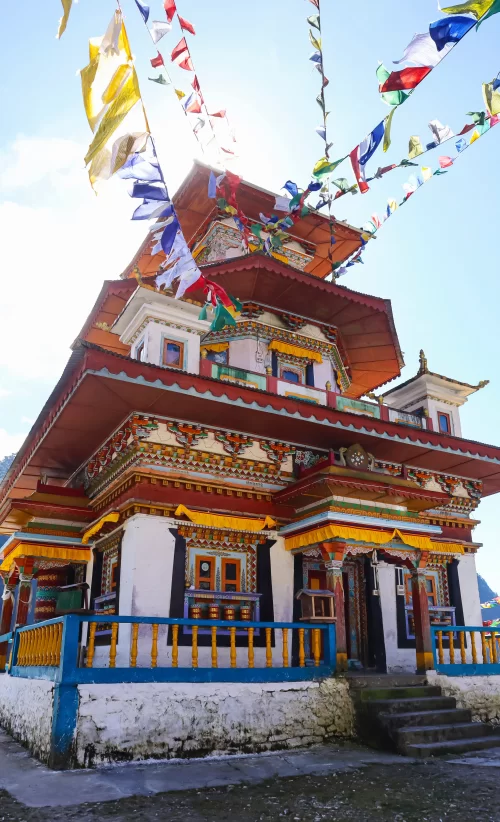
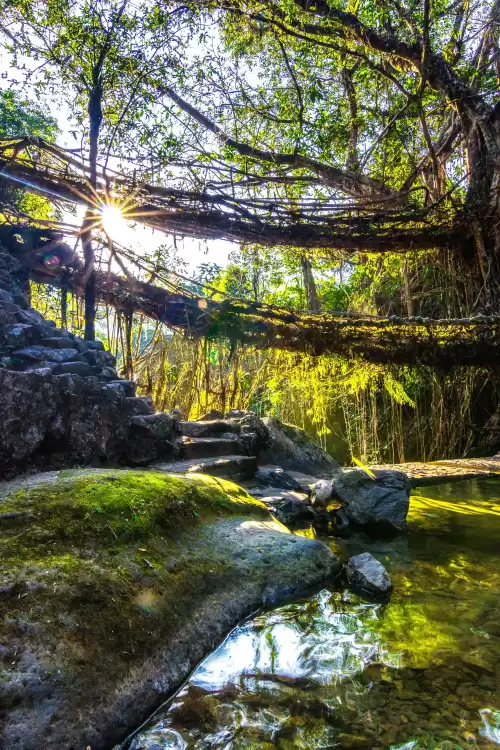
Meghalaya is famous for its living root bridges, waterfalls, caves, hills, tribal culture, clean villages, crystal clear rivers, and unique natural landscapes that attract travellers throughout the year.
+91 9910402252
admin@chalbanjare.com


Meghalaya travel requires proper planning around routes, weather, waterfalls, caves, living root bridges, costs, permits, and seasonal road conditions.
Meghalaya is a hill state in Northeast India known for its plateau-based geography, dense forests, living root bridge systems, and some of the highest rainfall zones in the world. The terrain is a mix of elevated Shillong Plateau regions and deep valleys that connect waterfalls, rivers, and remote villages.
The state is broadly divided into Khasi, Jaintia, and Garo Hills regions, each offering distinct travel experiences ranging from popular tourist circuits around Shillong to remote and less explored landscapes in the western and southern parts of the state.
It is one of the most ecologically diverse travel regions in Northeast India.
Understanding geography helps in planning realistic Meghalaya travel routes.
Meghalaya offers multiple travel styles depending on preferences, ranging from relaxed sightseeing in Shillong to adventure-focused trips exploring caves, trekking routes, and remote villages. Travelers can design itineraries based on comfort, activity level, or cultural exploration.
Some routes are well-suited for family travel with easy access, while others require more time and physical effort due to uneven terrain and rural connectivity challenges.
It is one of the most flexible travel destinations in Northeast India.
Choosing the right travel style improves overall trip experience.
First-time visitors to Meghalaya generally require a minimum of five to seven days to comfortably explore key destinations such as Shillong, Cherrapunji, Dawki, and nearby attractions. This duration allows balanced travel without rushing between long-distance points.
Shorter trips may limit exploration, while longer itineraries provide opportunities to visit offbeat regions and enjoy slower travel experiences across different landscapes.
It is one of the most itinerary-dependent destinations in Northeast India.
Proper duration planning ensures a complete Meghalaya experience.
Shillong, Cherrapunji, and Mawlynnong form the core tourism circuit of Meghalaya, offering a combination of urban hill station experiences, iconic waterfalls, and clean village landscapes. Shillong serves as the main base with access to viewpoints, lakes, and local markets.
Cherrapunji is known for its dramatic waterfalls, caves, and mist-covered valleys, while Mawlynnong is internationally recognized for its clean village environment and living root bridge culture.
It is one of the most visited circuits in Northeast India.
This circuit forms the foundation of most Meghalaya itineraries.
Dawki, Jowai, and the West Jaintia Hills region offer scenic river landscapes, crystal-clear waters, and culturally rich villages. Dawki is especially known for the Umngot River, where boat rides reveal clear water conditions during non-monsoon seasons.
Jowai and nearby areas feature limestone caves, waterfalls, and less crowded natural attractions, making them ideal for travelers seeking quieter experiences.
It is one of the most scenic river regions in Meghalaya.
This region offers peaceful natural landscapes away from crowds.
The Garo Hills region represents one of the most offbeat parts of Meghalaya, offering dense forests, wildlife zones, and unexplored caves and waterfalls. Unlike the more popular Khasi Hills, this region remains relatively less developed for mass tourism.
Travel here is ideal for those seeking remote landscapes, adventure exploration, and cultural interaction with local tribal communities.
It is one of the most untouched regions in Northeast India.
Garo Hills offers raw and less-explored Meghalaya landscapes.
Meghalaya experiences one of the most dynamic weather patterns in India due to its high rainfall zones and elevated plateau geography. Summer months generally offer pleasant temperatures with clear sightseeing conditions, making travel comfortable for exploring Shillong, Cherrapunji, and nearby attractions without major disruptions.
The monsoon season transforms Meghalaya into a lush green landscape with powerful waterfalls at their peak flow, but heavy rainfall can also cause slippery roads, limited visibility, and occasional travel delays in remote areas. This season is visually dramatic but requires flexible planning.
Autumn is often considered one of the most balanced periods with clearer skies, stable road conditions, and excellent visibility of waterfalls and valleys. Winter brings cooler temperatures and crisp air, making it ideal for relaxed sightseeing with fewer crowds and comfortable travel conditions.
It is one of the most seasonally diverse travel destinations in Northeast India.
Each season offers a different travel experience depending on weather preference and itinerary style.
The best season in Meghalaya depends heavily on travel priorities such as waterfalls, road conditions, or sightseeing comfort. For travelers focused on waterfalls, monsoon months provide the most dramatic views, as water flow increases significantly across Cherrapunji and surrounding regions.
For road trips and sightseeing convenience, post-monsoon and winter months offer more stable conditions with improved visibility and safer travel routes across hilly terrain. Summer also provides a balanced option with comfortable temperatures and moderate rainfall.
Travelers should choose their season based on whether they prioritize natural intensity or travel ease.
It is one of the most experience-driven seasonal destinations in India.
Season selection directly shapes the Meghalaya travel experience.
Monthly weather variations in Meghalaya play a crucial role in trip planning because rainfall and temperature can change travel conditions significantly even within short periods. June to September generally represents the peak monsoon phase, where rainfall is frequent and intense across most regions.
October to February is typically more stable, offering clearer skies, better road accessibility, and improved visibility for waterfalls, caves, and viewpoints. March to May provides moderate weather with blooming landscapes and comfortable temperatures for extended sightseeing.
Understanding these monthly shifts helps travelers prepare appropriately for clothing, itinerary design, and road travel expectations.
It is one of the most weather-dependent travel regions in Northeast India.
Monthly awareness ensures safer and more comfortable Meghalaya travel planning.
The most common gateway to Meghalaya is Guwahati in Assam, which is well connected by air, rail, and road networks. Travelers typically arrive at Guwahati Airport and then continue their journey to Shillong and other destinations via road transport.
Guwahati Railway Station also serves as a major entry point for those traveling by train, offering connectivity from various parts of India before transitioning into Meghalaya by shared taxis, private cabs, or buses.
Road travel from Guwahati to Shillong is scenic and well-maintained, making it a comfortable introduction to the hill terrain of Meghalaya.
It is one of the most accessible Northeast India travel routes.
Guwahati acts as the primary gateway for Meghalaya exploration.
Meghalaya’s internal road network connects major destinations like Shillong, Cherrapunji, Dawki, and Jowai through scenic mountain routes. These roads pass through forested hills, valleys, and viewpoints, offering continuous natural scenery throughout the journey.
Routes between Shillong and Cherrapunji are especially popular due to waterfalls and viewpoints along the way, while the Shillong–Dawki route provides access to river landscapes and rural villages.
Travel times can vary based on weather conditions and road traffic, especially during monsoon months.
It is one of the most scenic road travel networks in Northeast India.
Road journeys in Meghalaya are as scenic as the destinations themselves.
Local transport in Meghalaya includes shared taxis, private cabs, and tourist vehicles that connect major attractions efficiently. Shillong serves as the main hub for arranging transport to nearby destinations, making it convenient for travelers without private vehicles.
Self-drive options are also available and offer flexibility, especially for experienced drivers comfortable with hilly terrain. However, caution is advised during monsoon due to slippery roads and reduced visibility in certain areas.
Hiring a local driver is often preferred for safety and convenience in unfamiliar mountain routes.
It is one of the most flexible travel systems in Northeast India.
Transport options in Meghalaya support both comfort and flexible travel styles.
Meghalaya itineraries can be designed based on the number of travel days available, with each duration offering a different level of exploration. A three-day trip is usually limited to Shillong and nearby attractions, making it suitable for quick getaways with minimal travel coverage.
A five-day itinerary is more balanced, allowing travelers to include Cherrapunji along with Shillong, covering waterfalls, viewpoints, and nearby natural attractions without rushing. This duration is one of the most common choices for first-time visitors.
A seven-day itinerary provides a more complete experience, including Dawki, Jowai, and sometimes offbeat locations, offering a deeper understanding of Meghalaya’s landscapes and culture.
It is one of the most flexible itinerary destinations in Northeast India.
Choosing the right duration ensures a smoother Meghalaya travel experience.
Efficient route planning in Meghalaya involves combining nearby destinations to minimize travel time and maximize sightseeing. Shillong often serves as the central base, with day trips planned to Cherrapunji, Dawki, and surrounding areas.
Cherrapunji is typically grouped with nearby waterfalls and caves due to its cluster of attractions, while Dawki and Jowai are often combined in a separate circuit to explore river landscapes and limestone formations.
Proper sequencing of these routes helps reduce backtracking and improves travel comfort across hilly terrain.
It is one of the most route-efficient travel regions in Northeast India.
Smart route planning reduces travel fatigue and improves experience quality.
Route selection in Meghalaya depends heavily on travel time availability and personal interests. Travelers focused on nature and waterfalls may prioritize Cherrapunji and Dawki, while those interested in culture and city experiences may spend more time in Shillong.
Offbeat travelers can extend their routes toward Jowai or Garo Hills for less crowded and more immersive experiences, although these require additional travel time and planning flexibility.
It is one of the most customizable travel destinations in Northeast India.
Personal interests and time availability shape the ideal Meghalaya route.
Budget travel in Meghalaya is suitable for backpackers and solo travelers who prefer economical stays and shared transport options. Accommodation in hostels or budget guesthouses in Shillong and nearby towns helps keep costs low while still providing access to major attractions.
Shared taxis and public transport between destinations further reduce travel expenses, although journey times may be longer compared to private vehicles. Food options at local eateries are generally affordable and widely available across main tourist areas.
It is one of the most budget-friendly travel regions in Northeast India.
Budget planning allows affordable exploration of Meghalaya.
Mid-range travel in Meghalaya is ideal for couples and families seeking comfort without luxury pricing. This category typically includes private taxis, well-rated hotels, and comfortable homestays that provide better amenities and convenience during the trip.
This travel style allows a balanced experience with structured itineraries covering Shillong, Cherrapunji, Dawki, and other popular destinations while maintaining reasonable cost control.
It is one of the most popular travel categories in Meghalaya tourism.
Mid-range travel offers comfort with controlled expenses.
Luxury travel in Meghalaya focuses on premium resorts, boutique stays, and high-end services primarily around Shillong and select scenic locations. These accommodations offer better amenities, privacy, and curated travel experiences for visitors seeking comfort and exclusivity.
Private guided tours, premium transport services, and customized itineraries significantly enhance the travel experience, though they come at a higher cost compared to standard travel options.
It is one of the most premium travel experiences in Northeast India.
Luxury travel ensures comfort and exclusivity in Meghalaya exploration.
Meghalaya does not generally require special permits for Indian citizens, making it one of the more accessible states in Northeast India for domestic travelers. Visitors from across India can freely explore major destinations such as Shillong, Cherrapunji, Dawki, and Jowai without additional entry permissions.
However, international tourists may need to follow specific entry requirements under Indian visa regulations and must carry valid travel documents throughout their journey. Certain sensitive or restricted areas near border zones may also have additional regulations depending on government guidelines.
It is one of the most travel-friendly states in Northeast India in terms of permit accessibility.
Meghalaya offers relatively hassle-free entry for most domestic travelers.
Even though permits are not required for Indian citizens, carrying valid identification documents such as Aadhaar card, voter ID, or passport is essential during travel. These documents may be required at hotel check-ins, transport bookings, or local verification points.
Keeping digital and physical copies of documents helps avoid inconvenience during unexpected checks, especially when traveling between districts or staying in remote homestays.
It is one of the most basic travel requirements in Meghalaya.
Proper documentation ensures smooth travel across Meghalaya.
Meghalaya is home to several eco-sensitive areas, including caves, waterfalls, and living root bridge regions that require responsible tourism practices. Visitors are expected to follow local guidelines to protect natural ecosystems and respect community-managed areas.
Some attractions may have entry fees, restricted access zones, or specific rules regarding photography and waste disposal to maintain environmental balance and cultural respect.
It is one of the most environmentally conscious travel destinations in India.
Respecting local rules helps preserve Meghalaya’s natural beauty.
Meghalaya receives some of the highest rainfall in the world, and during the monsoon season, this heavy rainfall can significantly impact road conditions. Slippery surfaces, reduced visibility, and occasional landslides are common in hilly regions.
Travel between destinations such as Shillong, Cherrapunji, and Dawki may take longer during this season due to weather-related disruptions and slow-moving traffic on narrow mountain roads.
It is one of the most rainfall-affected travel regions in India.
Monsoon travel requires patience and flexible planning.
Weather in Meghalaya can change rapidly, especially in elevated regions where mist, rain, and cloud cover can shift within hours. Travelers should be prepared for sudden changes that may affect sightseeing plans or road conditions.
In remote areas, access to services such as transport, accommodation, or medical facilities may be limited, requiring advance planning and self-preparedness for a smooth journey.
It is one of the most unpredictable weather destinations in Northeast India.
Adaptability is key for safe Meghalaya travel.
While major tourist destinations in Meghalaya are well connected, travel beyond these areas can involve narrow roads, limited transport options, and fewer commercial facilities. Offbeat locations often require more time and careful planning.
These regions offer authentic cultural and natural experiences but may lack modern conveniences, making it important for travelers to adjust expectations accordingly.
It is one of the most authentic rural travel experiences in Northeast India.
Remote Meghalaya offers beauty with practical travel limitations.
One of the most common mistakes in Meghalaya travel planning is trying to cover too many distant attractions in a short time. Although destinations like Shillong, Cherrapunji, Dawki, and Jowai appear close on maps, real travel times are longer due to winding hilly roads and frequent weather changes.
Rushing between locations often reduces sightseeing quality and increases travel fatigue, especially when roads are affected by rain or fog. A slower itinerary allows travelers to actually experience landscapes rather than spending most of the time in transit.
It is one of the most common planning errors in Northeast India tourism.
Balanced itineraries improve comfort and overall travel experience.
Meghalaya’s weather can change quickly from sunny conditions to heavy rain or mist within a short period, making proper packing essential for a comfortable trip. Lightweight rain gear is important even outside monsoon months due to sudden showers.
Layered clothing is recommended because temperatures can vary between Shillong, Cherrapunji, and higher elevation viewpoints. Comfortable footwear is also essential due to wet and uneven terrain in many sightseeing areas.
It is one of the most weather-sensitive travel regions in India.
Smart packing ensures smoother travel across Meghalaya’s varied climate zones.
During peak tourist seasons, especially monsoon and winter holidays, accommodation in popular destinations like Shillong and Cherrapunji can get fully booked. Last-minute arrangements may lead to limited options or higher prices.
Advance booking of hotels and transport helps secure better locations and smoother travel experiences, particularly for families or groups visiting multiple destinations across Meghalaya.
It is one of the most important practical steps in trip planning.
Early planning ensures a more comfortable and organized Meghalaya trip.
Planning a Meghalaya trip becomes easier when travelers clearly define their route, season, and itinerary based on travel goals. The Shillong–Cherrapunji–Dawki circuit is ideal for first-time visitors, while extended trips can include Jowai and Garo Hills for deeper exploration.
Season selection plays a major role in shaping the experience, with monsoon offering dramatic waterfalls and winter providing clearer skies and easier road travel. Choosing the right combination ensures a balanced and enjoyable journey.
It is one of the most customizable travel destinations in Northeast India.
Proper planning ensures a smoother and more meaningful Meghalaya experience.
Meghalaya offers flexible travel options suitable for all types of travelers, from budget backpackers to luxury tourists. Choosing the right combination of transport, accommodation, and itinerary helps align the trip with personal comfort and financial preferences.
Mid-range travel is most common, offering a balance between comfort and affordability, while luxury options provide curated experiences in select locations. Budget travel remains feasible with shared transport and economical stays.
It is one of the most adaptable travel destinations in Northeast India.
Travel style selection directly shapes the Meghalaya experience.
Before starting a Meghalaya trip, travelers should ensure essential preparations such as booking accommodations, planning transport routes, and checking weather conditions. These steps help avoid last-minute disruptions and ensure a smoother travel experience.
Packing rain gear, carrying valid identification, and keeping flexible itineraries are also important due to unpredictable weather and road conditions across hilly regions.
It is one of the most essential preparation stages for Northeast India travel.
A proper checklist ensures a safe, smooth, and memorable Meghalaya journey.


Get customized Meghalaya tour planning designed around rainfall patterns, road connectivity, seasonal visibility, and realistic hill travel timing. Whether you are visiting for waterfalls, cave exploration, scenic drives, village experiences, or nature-fo
⚡ Quick Response | 💰 Free consultation | 🕒 24×7 expert support