
What is Meghalaya Famous For?
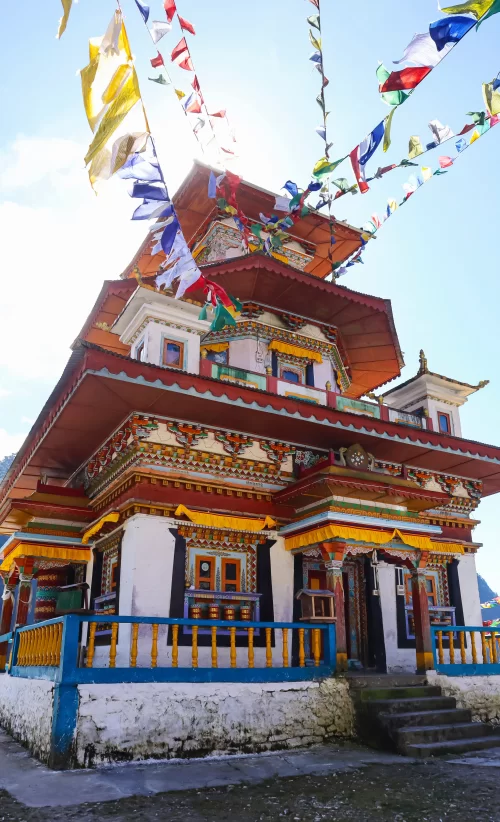
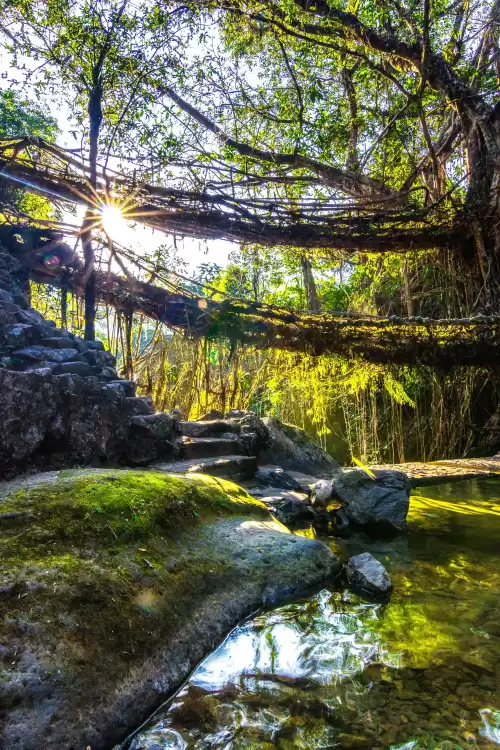
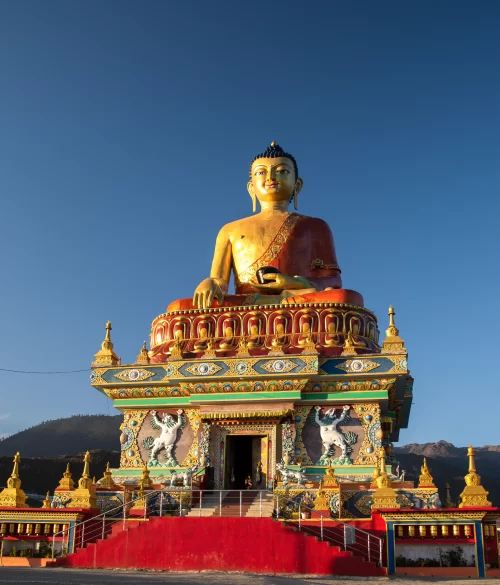
Meghalaya is famous for its living root bridges, waterfalls, caves, hills, tribal culture, clean villages, crystal clear rivers, and unique natural landscapes that attract travellers throughout the year.
+91 9910402252
admin@chalbanjare.com


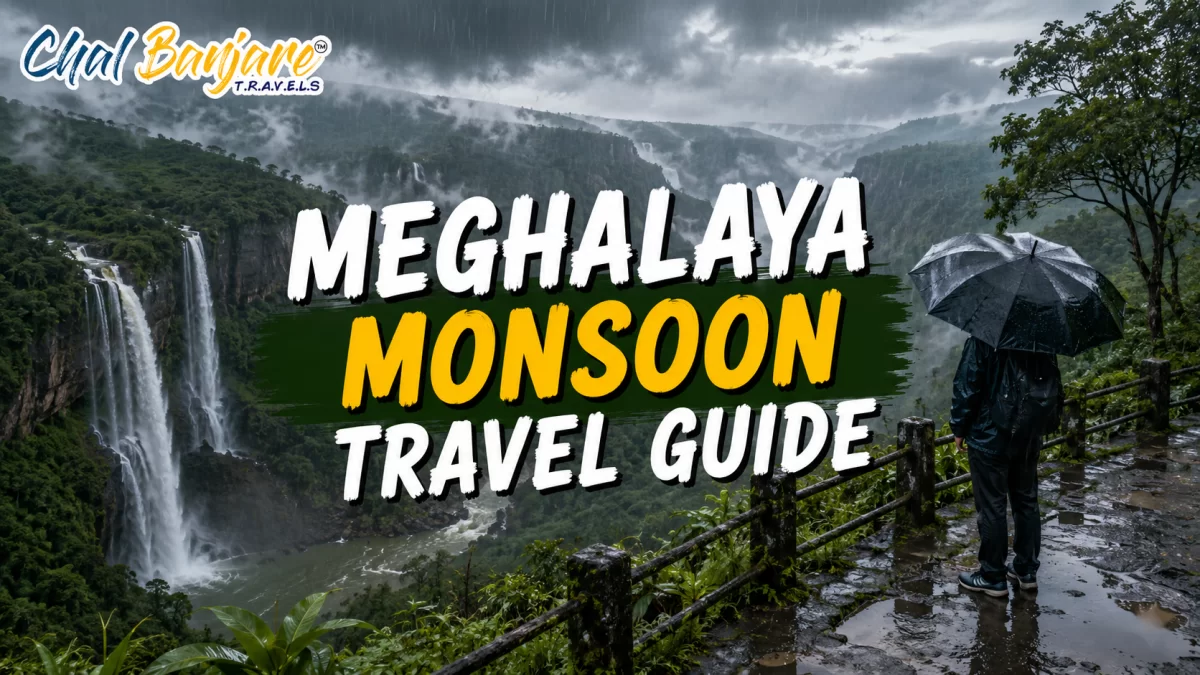
Meghalaya is at its most dramatic during the monsoon, with overflowing waterfalls, mist-covered valleys, lush green landscapes, and unique travel experiences, but it also comes with important weather and road challenges.
Meghalaya’s monsoon season transforms the entire state into a high-contrast natural landscape where rainfall, mist, and rapid vegetation growth define the travel experience. The atmosphere becomes deeply immersive, with clouds moving through valleys and hills often disappearing into dense fog for hours at a time.
Travel during this season is slower and more atmospheric compared to other months, as rain showers can begin and stop unpredictably throughout the day. Roads, viewpoints, and forests take on a softer, more dramatic appearance, making the journey feel constantly dynamic and weather-driven.
It is one of the most visually intense seasons in Meghalaya.
The monsoon creates a raw and constantly changing environment that is especially appealing to nature-focused travelers.
Monsoon defines Meghalaya’s most atmospheric travel conditions.
Planning a Meghalaya itinerary during monsoon requires flexibility, as weather conditions can significantly influence travel times, accessibility, and visibility across different regions. Shorter routes and clustered destinations become more practical than long-distance circuits during this period.
Travelers often prioritize Shillong, Cherrapunji, and nearby waterfalls, where natural beauty is at its peak but distances between attractions remain manageable. It is important to avoid overly packed schedules, as rain can delay movement between locations.
It is one of the most unpredictable travel planning seasons in Meghalaya.
A flexible itinerary ensures that travel remains enjoyable even when weather conditions change unexpectedly.
Monsoon itineraries work best when kept simple and adaptable.
Safety and flexibility are the two most important aspects of monsoon travel in Meghalaya due to the combination of heavy rainfall, slippery roads, and occasional visibility issues. Travelers should plan with extra buffer time between destinations to accommodate unexpected delays.
It is also advisable to monitor local weather updates and avoid traveling during peak rainfall hours whenever possible. Choosing accommodations that allow easy access to main routes can help reduce travel complications during sudden weather changes.
It is one of the most weather-sensitive travel regions in Northeast India.
Proper preparation ensures that monsoon travel remains safe, manageable, and enjoyable.
A flexible approach is key to safe monsoon travel in Meghalaya.
During the monsoon season, Meghalaya’s hills turn into layers of deep green landscapes covered in shifting mist and low-hanging clouds. Visibility often changes within minutes, creating a cinematic effect where valleys appear and disappear throughout the day.
The constant rainfall enhances vegetation growth, making forests, grasslands, and hills appear denser and more vibrant than in any other season. This natural saturation of color and moisture creates a visually rich environment for travelers.
It is one of the most atmospheric natural scenes in Northeast India.
The combination of mist and greenery gives Meghalaya its iconic monsoon identity.
Monsoon turns Meghalaya into a constantly shifting natural canvas.
Rainfall dramatically reshapes Meghalaya’s rivers, forests, and valleys, turning calm water bodies into fast-flowing streams and enriching the entire ecosystem with continuous moisture. Waterfalls expand in volume, while rivers carve stronger paths through valleys.
Forests become denser and more vibrant, with wet foliage reflecting light differently throughout the day. Valleys often fill with mist, creating layered perspectives where terrain depth becomes visually striking.
It is one of the most dynamic seasonal transformations in India.
The entire landscape feels alive and constantly evolving during the monsoon period.
Rainfall reshapes Meghalaya into a continuously changing natural environment.
For nature lovers, the monsoon is the most vibrant season in Meghalaya as it enhances every natural element from waterfalls to forests and hills. The intensity of rainfall brings life to ecosystems, making flora and fauna more active and visually prominent.
Although travel conditions become more challenging, the reward is a highly immersive experience where landscapes feel raw, powerful, and untouched. Photography opportunities also peak during this time due to dramatic lighting and atmospheric conditions.
It is one of the most rewarding seasons for eco-travel in Meghalaya.
The balance of beauty and challenge defines the monsoon experience.
Monsoon offers Meghalaya at its most alive and expressive form.
Nohkalikai Falls near Cherrapunji becomes especially powerful during the monsoon season, when rainfall significantly increases the water volume and transforms it into a roaring cascade. The surrounding cliffs and green valley amplify the dramatic appearance of the waterfall, making it one of the most visually striking sights in Meghalaya.
During this season, mist often rises from the base of the falls, blending with low clouds and creating an atmospheric view that changes continuously throughout the day. The viewing platforms offer wide-angle perspectives of the waterfall dropping into deep forested terrain below.
It is one of the most iconic monsoon waterfalls in India.
The combination of height, volume, and seasonal intensity makes it a must-visit during rainy months.
Nohkalikai becomes especially dramatic during the peak monsoon period.
Seven Sisters Falls is a major monsoon attraction in Cherrapunji, where multiple streams descend together from high cliffs, creating a wide and layered waterfall system. During heavy rainfall, the falls appear more connected and powerful, with increased water spread across the rock face.
Wei Sawdong Waterfall, on the other hand, is known for its three-tiered structure and emerald-colored pools that become especially vibrant during the rainy season. Reaching it involves a short trek, adding a sense of adventure to the experience.
It is one of the most scenic waterfall combinations in Meghalaya.
Both waterfalls highlight different aspects of monsoon beauty, from wide cascades to layered pools.
These waterfalls showcase contrasting forms of monsoon intensity.
Krang Suri Waterfall in the Jowai region becomes especially striking during monsoon, with turquoise pools surrounded by lush green cliffs and intensified water flow. The rainfall enhances both the color and movement of the waterfall, creating a vivid natural setting.
Elephant Falls near Shillong also transforms during this season, with stronger cascades flowing through its multi-level structure. The surrounding forest becomes greener and denser, enhancing the overall visual appeal of the site.
It is one of the most accessible monsoon waterfall experiences in Meghalaya.
Both waterfalls offer easy access while still delivering strong seasonal impact.
These waterfalls combine accessibility with strong monsoon visuals.
Cherrapunji becomes one of the most atmospheric destinations in Meghalaya during the monsoon, where continuous rainfall transforms the entire region into a mist-covered landscape of cliffs, valleys, and waterfalls. The frequent cloud movement often reduces visibility, creating a layered visual experience where hills appear and disappear throughout the day.
Viewpoints around Cherrapunji offer dramatic scenes of deep gorges and flowing waterfalls that intensify with rainfall. The region feels constantly alive, with shifting weather patterns adding unpredictability and depth to the travel experience.
It is one of the most iconic monsoon destinations in India.
The combination of rainfall, elevation, and geography makes Cherrapunji a centerpiece of Meghalaya’s monsoon identity.
Cherrapunji delivers the most dramatic monsoon scenery in Meghalaya.
Shillong during the monsoon is defined by lush green forests, misty lakes, and rolling hills that surround the city, creating a calm yet visually rich environment. Umiam Lake and nearby viewpoints reflect the cloudy sky and changing weather conditions, adding depth to the scenery.
Forest areas around Shillong become denser and more vibrant, with frequent rainfall enhancing the freshness and color of the landscape. The city itself maintains a balance between urban life and natural surroundings, making it ideal for mixed travel experiences.
It is one of the most accessible monsoon hubs in Meghalaya.
Shillong offers a softer but equally immersive monsoon experience compared to Cherrapunji.
Shillong balances comfort and monsoon natural beauty.
The Mawphlang Sacred Forest becomes especially atmospheric during the monsoon, as rainfall enhances its dense canopy, moss-covered trails, and rich biodiversity. The forest floor turns more vibrant, and moisture intensifies the earthy textures of trees, stones, and vegetation.
Guided walks through the forest during this season feel more immersive, with mist and light rain adding a mystical layer to the experience. However, trails can become slippery, requiring careful movement and proper footwear.
It is one of the most mystical monsoon forest experiences in Meghalaya.
The combination of culture, ecology, and rainfall makes the experience uniquely powerful.
Monsoon deepens the sacred and ecological feel of Mawphlang Forest.
The road journey from Shillong to Cherrapunji becomes one of the most atmospheric drives in Meghalaya during the monsoon season, as the route passes through cloud-covered hills, dense forests, and constantly changing visibility conditions. Rainfall adds a fresh sheen to the landscape, making every curve feel like it is entering a new natural frame.
Mist often flows across the road at higher elevations, occasionally reducing visibility and creating a slow-paced driving experience. Waterfalls appear along the roadside during heavy rains, adding spontaneous scenic stops throughout the journey.
It is one of the most scenic monsoon road trips in India.
The combination of rainfall, elevation, and forested terrain makes this route highly immersive and visually dynamic.
This drive captures the essence of Meghalaya’s monsoon landscape.
The route between Dawki and Mawlynnong becomes particularly lush during the monsoon, with green hills, wet countryside roads, and mist drifting across valleys. Although rainfall can make travel slower, the visual richness of the landscape increases significantly during this season.
Rivers and small streams along the route swell with rainwater, while surrounding vegetation becomes denser and more vibrant. The journey offers frequent glimpses of rural life, terraced fields, and natural viewpoints along the way.
It is one of the most picturesque countryside drives in Meghalaya.
Despite weather challenges, the route rewards travelers with unmatched natural beauty.
Monsoon enhances every stretch of this rural Meghalaya route.
Across Meghalaya, monsoon road trips are defined by continuous stretches of lush greenery, rolling hills, and cloud-filled valleys that change appearance with every passing kilometer. These drives are less about destination and more about the journey itself, where landscapes remain in constant motion due to shifting weather patterns.
Frequent rainfall enhances the saturation of colors across forests and fields, while fog and mist add depth and mystery to the terrain. Even short drives between towns feel immersive due to the richness of the environment.
It is one of the most visually rewarding driving experiences in Northeast India.
Monsoon road trips in Meghalaya combine unpredictability with unmatched natural beauty.
Every road in Meghalaya feels alive during the monsoon season.
Monsoon travel in Meghalaya is heavily influenced by continuous rainfall that can significantly reduce visibility on hilly roads and forest routes. The combination of fog, rain, and winding terrain requires slow and cautious driving, especially on elevated stretches like Cherrapunji and East Khasi Hills routes.
Sudden weather shifts can change driving conditions within minutes, turning clear roads into mist-covered paths. This makes travel times unpredictable and often longer than expected, particularly during peak rainfall periods.
It is one of the most weather-sensitive driving environments in India.
Careful planning and patience are essential to navigate Meghalaya’s monsoon roads safely.
Monsoon driving requires constant attention and flexibility.
Landslides are a natural occurrence in Meghalaya during heavy monsoon rainfall, particularly in hilly and forested areas where soil becomes saturated. These events can temporarily block roads and cause unexpected travel delays between destinations.
Authorities typically clear affected routes quickly, but travelers should still plan buffer time between destinations and avoid tightly scheduled itineraries. Flexibility becomes a key part of safe monsoon travel in the region.
It is one of the most unpredictable travel challenges in Meghalaya.
Understanding this risk helps travelers stay prepared and avoid unnecessary stress during their journey.
Delays are common but manageable with proper planning.
Flexible scheduling is essential during Meghalaya’s monsoon season because weather conditions can shift rapidly between heavy rain, light showers, and brief clear windows. Fixed itineraries often fail due to unpredictable road and visibility changes.
Travelers are encouraged to prioritize nearby attractions, adjust daily plans based on real-time weather, and avoid overloading each day with too many destinations. This approach reduces stress and improves safety during travel.
It is one of the most important travel strategies in monsoon Meghalaya.
A relaxed and adaptable plan ensures a smoother and more enjoyable journey.
Flexibility is the key to successful monsoon travel in Meghalaya.
Trekking during the monsoon in Meghalaya becomes significantly more challenging due to constant rainfall that makes forest trails, stone steps, and root-covered paths extremely slippery. Popular routes like living root bridge treks or waterfall trails demand extra caution at every step.
The ground conditions change frequently, with mud, flowing water, and moss-covered surfaces increasing the risk of slips. Even well-marked trails require slow movement and careful footing, especially during continuous rainfall or after heavy showers.
It is one of the most physically demanding trekking conditions in Meghalaya.
Proper footwear and controlled pacing are essential for safety in monsoon trekking environments.
Monsoon trekking demands patience, balance, and careful movement.
Outdoor activities in Meghalaya during monsoon must be planned on a day-to-day basis because weather conditions can vary widely even within a single day. Morning hours may offer clearer skies, while afternoons often bring heavy rainfall.
This makes it important to prioritize flexibility in scheduling treks, waterfall visits, and viewpoint explorations. Adjusting plans based on real-time weather improves both safety and overall travel experience.
It is one of the most unpredictable outdoor travel seasons in Northeast India.
Successful monsoon travel depends on adapting quickly to changing natural conditions.
Weather awareness is essential for all monsoon outdoor activities.
During periods of heavy rainfall, it is often safer and more practical to focus on easily accessible attractions rather than remote trekking routes. Short drives to waterfalls, viewpoints near towns, and cultural experiences become more suitable options.
Indoor or low-effort activities such as local markets, cafés, and village visits can also provide meaningful experiences without weather-related risks. This approach ensures travel remains enjoyable even when conditions are not ideal.
It is one of the most practical strategies for monsoon travel in Meghalaya.
Adapting activity choices based on rainfall intensity ensures both safety and comfort.
Choosing simple experiences ensures a safer monsoon journey.
Monsoon is the most powerful season for waterfall photography in Meghalaya, as continuous rainfall increases water volume and transforms cascades into dramatic natural features. Locations like Nohkalikai, Seven Sisters, and Krang Suri become visually intense with strong flow and surrounding mist.
The combination of water movement, rocky cliffs, and dense greenery creates high-contrast scenes that change constantly depending on light and rainfall intensity. Even short breaks in rain can reveal unique lighting conditions ideal for photography.
It is one of the most dynamic waterfall photography seasons in India.
Timing and patience play a key role in capturing the most powerful visual moments.
Monsoon waterfalls offer unmatched natural intensity for photographers.
The mist-filled valleys of Meghalaya during monsoon create layered compositions where hills, forests, and clouds merge into shifting visual forms. These conditions allow photographers to capture depth, mood, and atmosphere rather than just static landscapes.
Forests appear darker and richer in tone, while clouds move quickly across valleys, constantly reshaping the scene. This unpredictability makes each frame unique and difficult to replicate.
It is one of the most atmospheric photography environments in Northeast India.
Monsoon light adds emotional depth to every landscape frame.
Every moment in Meghalaya’s monsoon feels visually different.
After heavy rainfall, Meghalaya’s landscapes take on a refreshed and dramatic appearance, with saturated greenery, flowing streams, and enhanced contrast between hills and valleys. These post-rain moments are often the best times for wide landscape photography.
Roadside viewpoints, open grasslands, and elevated areas provide excellent opportunities to capture the scale of the terrain. The combination of cleared mist and fresh rain creates a unique visual balance.
It is one of the most rewarding times for landscape photography in Meghalaya.
The post-rain atmosphere highlights the true depth of the region’s natural beauty.
Rain-cleared landscapes reveal Meghalaya at its most vivid form.
One of the most common mistakes during Meghalaya’s monsoon season is underestimating how quickly weather conditions can change. Rainfall can begin suddenly and intensify within minutes, significantly affecting road visibility and travel times across hilly routes.
Many travelers plan fixed itineraries without accounting for delays caused by fog, landslides, or water-logged stretches. This often leads to rushed schedules or missed destinations when conditions do not remain stable throughout the day.
It is one of the most underestimated travel factors in Meghalaya.
Successful monsoon travel requires awareness of constant weather variability.
Ignoring weather variability leads to disrupted travel plans.
Another frequent mistake is packing clothing and footwear that are not suitable for continuous wet conditions. Cotton-heavy outfits and non-waterproof shoes become uncomfortable quickly in Meghalaya’s persistent rain and muddy environments.
Without proper rain protection and grip-based footwear, even short walks to waterfalls or viewpoints can become difficult and unsafe. This impacts both comfort and mobility during outdoor exploration.
It is one of the most avoidable travel errors in monsoon Meghalaya.
Proper gear selection significantly improves safety and overall experience.
Correct packing is essential for comfortable monsoon travel.
Many travelers make the mistake of planning overly packed itineraries during monsoon, assuming normal travel speeds and weather stability. In reality, rain and road conditions often slow down movement between destinations.
Trying to cover too many places in a single day can lead to fatigue and reduced enjoyment, especially when delays occur. A more relaxed and flexible approach is necessary to adapt to changing conditions.
It is one of the most common planning issues in Meghalaya monsoon travel.
Simplified itineraries provide a smoother and more enjoyable experience.
Simple itineraries work best during Meghalaya’s monsoon season.
Selecting the right destinations during Meghalaya’s monsoon season is crucial for balancing safety, accessibility, and scenic value. Areas like Shillong, Cherrapunji, Dawki, and Mawphlang offer strong visual impact during rainfall while still remaining relatively accessible with proper planning.
Waterfall-rich regions become the primary highlight during this season, as increased water flow enhances the natural beauty of the landscape. However, remote destinations and long-distance routes should be planned carefully due to weather sensitivity.
It is one of the most season-dependent travel decisions in Meghalaya.
Focusing on well-connected scenic zones ensures a safer and more enjoyable monsoon experience.
Smart destination selection improves monsoon travel safety and enjoyment.
A safe monsoon itinerary in Meghalaya must remain flexible and responsive to real-time weather conditions. Road safety, visibility, and rainfall intensity should guide daily travel decisions rather than rigid pre-planned schedules.
Travelers are advised to include buffer time between destinations, avoid late evening travel on hill roads, and prioritize shorter travel segments. This approach helps reduce risk while maintaining a steady travel flow across the region.
It is one of the most important planning strategies for monsoon travel.
Safety-focused scheduling ensures smoother movement and better overall travel experience.
A safety-first approach is essential for monsoon travel in Meghalaya.
Before traveling to Meghalaya in the monsoon season, preparation plays a key role in ensuring comfort and safety throughout the journey. Proper rain gear, waterproof footwear, and quick-dry clothing are essential due to continuous rainfall and wet terrain conditions.
Travelers should also carry basic medicines, power backups, and cash, as connectivity and ATMs may be limited in certain remote areas. Keeping travel documents secure and waterproof is also recommended.
It is one of the most important preparation steps for Meghalaya monsoon travel.
A well-prepared traveler can fully enjoy the beauty of Meghalaya even in challenging weather conditions.
Proper preparation ensures a safe and rewarding monsoon experience in Meghalaya.

Get customized Meghalaya tour planning designed around rainfall patterns, road connectivity, seasonal visibility, and realistic hill travel timing. Whether you are visiting for waterfalls, cave exploration, scenic drives, village experiences, or nature-fo
⚡ Quick Response | 💰 Free consultation | 🕒 24×7 expert support