What is Meghalaya Famous For?
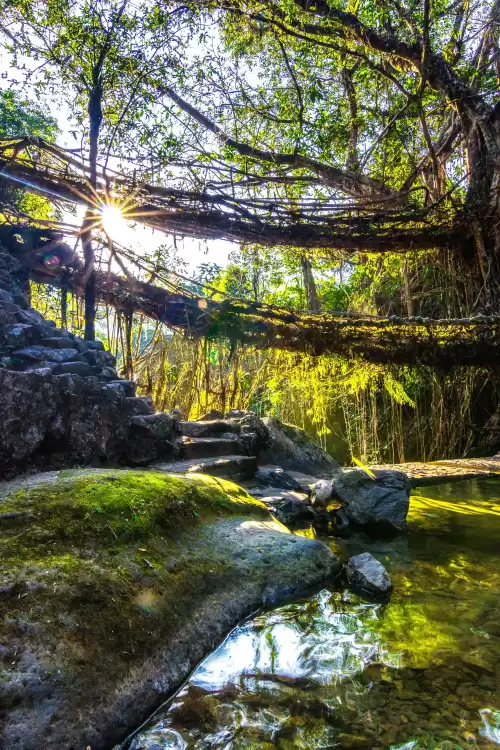
Meghalaya is famous for its living root bridges, waterfalls, caves, hills, tribal culture, clean villages, crystal clear rivers, and unique natural landscapes that attract travellers throughout the year.
+91 9910402252
admin@chalbanjare.com


Jowai is one of Meghalaya’s most underrated destinations, offering turquoise waterfalls, scenic lakes, peaceful villages, river canyons, and authentic offbeat experiences in the Jaintia Hills region.
Jowai, located in the West Jaintia Hills of Meghalaya, is a quieter and more offbeat destination compared to Shillong and Cherrapunji. The region is known for its rolling hills, open grasslands, river valleys, and a strong connection to Jaintia tribal culture that shapes both its lifestyle and landscape use.
Unlike heavily commercial tourist hubs, Jowai offers a more grounded travel experience where natural attractions are spread across rural landscapes rather than concentrated in a single town center. Waterfalls, lakes, and viewpoints are often located within short drives through scenic countryside routes.
It is one of the most underrated travel regions in Meghalaya.
The overall atmosphere is calm and less crowded, making it ideal for travelers who prefer slow exploration, photography, and offbeat nature experiences away from mainstream tourist circuits.
Jowai is best suited for travelers seeking peaceful and less commercial travel experiences.
First-time visitors typically plan a one to two-day stay in Jowai depending on whether they are focusing only on major attractions or combining nearby waterfalls and villages. The region is compact in terms of travel distance, but sightseeing points are spread across rural roads.
A one-day itinerary is suitable for covering highlights like Krang Suri Waterfall, Tyrshi Falls, and nearby viewpoints, while a two-day plan allows deeper exploration of lakes, countryside areas, and cultural sites such as Nartiang.
It is one of the most flexible short-trip destinations in West Jaintia Hills.
Extending the stay provides a more relaxed pace, especially for travelers who prefer photography or offbeat exploration rather than rushed sightseeing.
Proper planning allows Jowai to be experienced without time pressure.
A relaxed itinerary in West Jaintia Hills should focus on grouping nearby attractions together rather than attempting to cover distant points in a single day. The region’s natural beauty is spread across waterfalls, lakes, river valleys, and village landscapes connected by scenic roads.
Travelers often begin from Shillong and gradually move into Jowai, stopping at viewpoints and waterfalls along the way. Once in Jowai, sightseeing is best organized by direction to reduce travel fatigue and maximize time spent at natural attractions.
It is one of the most peaceful road-trip regions in Meghalaya.
A slow-paced approach helps travelers experience the region’s landscapes more deeply while avoiding unnecessary backtracking on hilly routes.
A relaxed itinerary reveals the true calmness of Jowai’s countryside.
Krang Suri Waterfall is one of the most visually striking waterfalls in Meghalaya, known for its bright turquoise pool and multi-layered cascade structure. The waterfall is located in a well-maintained area with steps and viewing points that allow travelers to observe it from different angles.
The water color changes with light conditions, appearing deep blue or emerald depending on sunlight and weather, creating a highly photogenic natural setting. The surrounding forest adds to the visual depth, making it one of the most popular attractions in West Jaintia Hills.
It is one of the most iconic waterfalls in Meghalaya.
The combination of accessibility, color contrast, and natural structure makes Krang Suri a must-visit for both casual travelers and photographers.
Krang Suri offers one of the most visually striking waterfall experiences in the region.
Tyrshi Falls is located close to Jowai and offers a more natural and less commercialized waterfall experience. The waterfall flows over rocky terrain surrounded by green hills and terraced landscapes that reflect the rural character of the region.
The viewpoint provides a wide-angle perspective of the valley, especially during monsoon and post-monsoon seasons when water flow is stronger and vegetation appears more vibrant. The area is quieter compared to major tourist spots, making it ideal for peaceful visits.
It is one of the most scenic roadside waterfalls in Meghalaya.
The natural setting and easy accessibility make Tyrshi Falls a convenient yet beautiful stop in a Jowai itinerary.
Tyrshi Falls reflects the raw natural beauty of West Jaintia Hills.
Phe Phe Falls is a lesser-known but highly scenic waterfall located deeper in the West Jaintia Hills region. It requires a short trek through rural paths and open landscapes, which adds an element of adventure to the visit.
The waterfall is known for its layered flow and calm natural surroundings, making it ideal for travelers who prefer less crowded and more immersive nature experiences. During monsoon and post-monsoon seasons, the water flow becomes stronger and the entire landscape turns lush green.
It is one of the most underrated waterfalls in Meghalaya.
Due to its remote nature, Phe Phe Falls offers a quieter and more intimate connection with the landscape compared to mainstream tourist spots.
Phe Phe Falls is ideal for travelers seeking peaceful and offbeat nature experiences.
Thadlaskein Lake is one of the most serene water bodies near Jowai, surrounded by open green landscapes and gentle hills that create a calm and reflective atmosphere. The lake is linked with local historical and cultural significance, but today it is mainly visited for its peaceful natural setting.
The surroundings are well-suited for quiet walks, light picnics, and slow travel experiences, especially in the early morning when the water surface appears still and mirror-like. The area remains relatively uncrowded, allowing visitors to spend time in a relaxed environment.
It is one of the most peaceful lake destinations in West Jaintia Hills.
The combination of open space, water reflections, and rural scenery makes Thadlaskein Lake ideal for travelers seeking calm nature breaks.
Thadlaskein Lake offers a simple and peaceful nature escape near Jowai.
Madan shnong area around Jowai offers scenic lakeside and water-adjacent landscapes where small water bodies, open fields, and rural surroundings come together. These spots are often used by locals for casual outings and picnics due to their easy accessibility and peaceful environment.
The landscape here is less structured compared to major tourist lakes, giving it a more natural and open feel. During favorable weather, the combination of greenery and still water creates a soothing environment for relaxation and photography.
It is one of the most underrated lakeside regions in Meghalaya.
These areas are best enjoyed slowly, without fixed itineraries, allowing travelers to experience the natural rhythm of rural Jaintia Hills.
Madan shnong offers a quiet and local lakeside experience.
Beyond specific named locations, the Jaintia Hills region around Jowai is dotted with several small freshwater lakes and seasonal water bodies that enhance the natural beauty of the landscape. These lakes often form part of agricultural or rural ecosystems and are surrounded by fields, hills, and forest patches.
Many of these water bodies are not heavily commercialized, which preserves their natural character and makes them ideal for offbeat exploration. The scenery changes throughout the year depending on rainfall and seasonal water levels.
It is one of the most naturally diverse lake regions in Meghalaya.
For travelers who enjoy discovering quiet and less touristy places, these lakes provide a refreshing alternative to crowded destinations.
The lakes around Jowai offer calm, natural, and less explored landscapes.
Nartiang, located near Jowai, is a historically and naturally rich area known for its open countryside landscapes, ancient monoliths, and calm rural environment. The region combines cultural significance with natural scenery, making it a unique blend of heritage and nature within West Jaintia Hills.
The countryside here is characterized by rolling fields, scattered trees, and traditional village settlements that reflect a slow-paced rural lifestyle. The wide-open spaces create a refreshing contrast to more forest-dense regions of Meghalaya, offering a different visual experience.
It is one of the most culturally and naturally balanced regions in Jowai.
The calm environment makes Nartiang ideal for travelers who prefer open landscapes and light exploration without heavy trekking or commercial tourism.
Nartiang offers a peaceful blend of history and rural scenery.
The natural surroundings of Jowai include a mix of forest patches, open grasslands, and agricultural fields that change appearance with the seasons. These landscapes are often spread across small distances, making road journeys between attractions visually engaging.
During monsoon and post-monsoon months, the greenery becomes especially vibrant, while winter brings clearer skies and softer tones across the hills. This seasonal variation gives the region a constantly changing natural character.
It is one of the most naturally diverse rural landscapes in Meghalaya.
These areas are ideal for slow drives, photography stops, and short nature walks rather than structured tourism activities.
Jowai’s countryside offers a calm and ever-changing natural backdrop.
Beyond the main attractions, the areas surrounding Jowai contain several lesser-known natural spots including small waterfalls, quiet river bends, and forest clearings that are often discovered during local travel. These hidden locations are not heavily marked on tourist maps but are accessible through rural roads and village pathways.
These offbeat spots offer a more intimate connection with nature, where silence, open space, and natural movement define the experience. They are especially appealing to travelers who prefer exploration over structured sightseeing.
It is one of the most underrated nature exploration zones in Meghalaya.
The lack of crowds allows visitors to enjoy a more personal and immersive interaction with the landscape.
Jowai rewards travelers who explore beyond the main tourist circuit.
Jowai and its surrounding West Jaintia Hills region feature several elevated viewpoints that offer wide panoramic views of rolling hills, open valleys, and scattered rural settlements. These hilltop locations are often reached via short drives followed by minimal walking, making them accessible for most travelers.
From these viewpoints, the landscape appears layered, with green hills fading into distant horizons depending on weather clarity. The scenery changes throughout the day as light shifts, creating different moods from soft morning mist to warm sunset tones.
It is one of the most naturally expansive viewpoints in Meghalaya.
These locations are best enjoyed slowly, allowing time to absorb the depth and quietness of the surrounding landscape rather than rushing through stops.
Jowai’s hill viewpoints reveal the calm scale of Jaintia Hills.
The areas around Krang Suri and Tyrshi Falls also offer several natural vantage points where travelers can observe valleys, waterfalls, and surrounding forested terrain from elevated angles. These viewpoints often form part of the travel route between attractions rather than separate destinations.
During clear weather, these locations provide sweeping views of green hills and water streams cutting through rocky landscapes. The combination of elevation and water features creates visually dynamic scenery, especially during monsoon and post-monsoon seasons.
It is one of the most scenic waterfall-region viewpoints in West Jaintia Hills.
These stops are ideal for photography breaks during road trips across Jowai’s waterfall circuit.
These viewpoints enhance the overall waterfall circuit experience in Jowai.
Sunrise and sunset viewpoints around Jowai are scattered across hilltops and open clearings that provide wide-angle views of the surrounding hills and valleys. These times of day are especially beautiful due to the soft lighting and shifting colors across the landscape.
Morning mist often adds a layered depth to the hills, while evening sunsets cast warm tones over the countryside, highlighting the natural contours of the terrain. These moments are particularly favored by photographers and slow travelers.
It is one of the most atmospheric natural experiences in West Jaintia Hills.
These viewpoints are less about infrastructure and more about timing, light, and natural surroundings.
Jowai’s light-based views create constantly changing natural scenery.
The Myntdu River is one of the key natural features around Jowai, flowing through the West Jaintia Hills and shaping much of the surrounding landscape. The river is not just a scenic element but also an important part of local ecology and daily rural life in the region.
Along its banks, travelers can observe quiet stretches of water, agricultural fields, and small village settlements that depend on the river system. The overall environment is calm, with natural sounds and open views replacing typical urban noise.
It is one of the most important river landscapes in Jaintia Hills.
The river’s presence adds depth to the region’s scenery, especially during monsoon months when water levels rise and the surroundings become greener and more vibrant.
Myntdu River reflects the slow and natural rhythm of life in Jowai.
The terrain around Jowai includes several rocky river valleys and natural gorges formed by water flow over time. These geological formations create dramatic landscapes where rivers cut through hills and open up narrow, winding valleys.
These areas are especially striking during and after monsoon season when water flow increases and the contrast between rocks, greenery, and flowing water becomes more pronounced. The natural formations provide excellent viewpoints for photography and observation.
It is one of the most geologically interesting regions in Meghalaya.
The combination of elevation changes and water erosion gives the landscape a raw and untouched character that feels distinctly different from more commercial destinations.
Jowai’s river valleys showcase raw geological beauty shaped by time and water.
River walks in the West Jaintia Hills around Jowai offer a peaceful way to experience the region’s natural environment at a slower pace. These walks often follow informal trails along riverbanks, passing through fields, small bridges, and rural pathways.
The experience is defined more by atmosphere than structured routes, with flowing water, bird activity, and open landscapes creating a calming environment. These walks are ideal for travelers who prefer quiet exploration rather than active trekking.
It is one of the most relaxing nature experiences in Jowai.
The simplicity of walking beside natural water systems adds a grounding and immersive quality to the overall travel experience.
River walks in Jowai offer calm and uninterrupted connection with nature.
Jowai is deeply rooted in the cultural traditions of the Jaintia community, where village life, customs, and social structures are closely connected to land, agriculture, and seasonal cycles. The region reflects a slower rhythm of life where traditions continue to influence daily activities in both towns and rural settlements.
Traditional village life in West Jaintia Hills is shaped by community interaction, shared responsibilities, and a strong connection to nature. Visitors can observe how cultural identity is preserved through everyday routines rather than staged performances or curated tourism experiences.
It is one of the most culturally grounded regions in Meghalaya.
This cultural depth becomes more visible when traveling through smaller villages surrounding Jowai, where traditional lifestyles remain closely intact.
Jowai’s heritage is experienced through everyday rural life and traditions.
Local markets in Jowai serve as important social and economic spaces where villagers gather to trade agricultural produce, handmade goods, and daily essentials. These markets provide a real-time glimpse into local life and the economic patterns of the region.
Along with markets, cultural landmarks such as monolith sites and traditional gathering spaces reflect the historical depth of the Jaintia Hills. These places are often tied to ancestral practices and community memory.
It is one of the most authentic cultural environments in West Jaintia Hills.
Visiting these spaces helps travelers understand how tradition and modern life coexist in a rural setting.
Markets and landmarks together reflect Jowai’s living cultural identity.
Festivals in Jowai are an important expression of Jaintia culture, often involving community gatherings, traditional music, and ritual practices that reflect ancestral beliefs and seasonal cycles. These events highlight the strong cultural unity within the region.
Local food is simple and rooted in regional ingredients, often prepared using traditional methods that emphasize natural flavors. Handicrafts such as woven items and bamboo-based products also reflect the practical creativity of rural life.
It is one of the most expressive cultural regions in Meghalaya.
Together, festivals, food, and crafts provide a complete view of how culture is lived and celebrated in everyday life.
Jowai’s culture is vibrant, rooted, and closely tied to community life.
Beyond well-known attractions like Krang Suri and Tyrshi Falls, the Jowai region is dotted with several hidden waterfalls that remain largely unexplored by mainstream tourism. These lesser-known spots are often reached through rural paths, forest edges, or small village roads that pass through quiet countryside landscapes.
These waterfalls vary in size and flow depending on the season, with monsoon months bringing stronger cascades and more dramatic scenery. Unlike commercial sites, these locations usually lack formal infrastructure, which preserves their raw and natural character.
It is one of the most untouched waterfall experiences in Meghalaya.
Travelers who enjoy exploration over structured sightseeing often find these hidden waterfalls more rewarding due to their solitude and natural setting.
Jowai’s hidden waterfalls offer a pure and undisturbed nature experience.
The West Jaintia Hills surrounding Jowai include many small villages that are rarely included in standard tourist itineraries. These villages provide insight into traditional lifestyles, agricultural practices, and community-based living in rural Meghalaya.
Travel through these areas often involves narrow roads, open fields, and forested patches that gradually reveal the rhythm of rural life. The experience is quiet and observational, focusing more on everyday culture than curated attractions.
It is one of the most authentic rural exploration zones in Meghalaya.
These villages help travelers understand the deeper cultural and social fabric of the region beyond major tourist points.
The villages of Jowai reveal the region’s quiet and authentic rural life.
One of the defining features of Jowai’s offbeat appeal is its wide stretches of peaceful countryside where open fields, hills, and scattered settlements create a calm and spacious environment. These areas are ideal for travelers who prefer solitude and slow exploration.
The absence of heavy tourism allows for uninterrupted views of natural landscapes, with changing light, seasonal vegetation, and distant hills shaping the overall experience. The environment encourages reflection and unhurried travel.
It is one of the most peaceful countryside regions in Meghalaya.
Such areas are best experienced through slow drives, short walks, or spontaneous stops along rural roads rather than fixed itineraries.
Jowai’s countryside offers calm, space, and a deep connection with nature.
A one-day Jowai itinerary is ideal for travelers starting early from Shillong and aiming to cover the region’s key waterfalls and nearby natural attractions in a single continuous circuit. The journey is usually structured to minimize backtracking, as attractions like Krang Suri, Tyrshi Falls, and nearby viewpoints are spread across rural roads.
The day typically begins with a drive through scenic West Jaintia Hills, followed by waterfall visits in the morning when lighting conditions are better for photography. Later in the day, travelers often explore lakes or nearby countryside areas at a slower pace before returning.
It is one of the most efficient short trips in Meghalaya.
While a single day is enough for highlights, it requires careful time management due to travel distances between attractions.
A one-day trip captures the essential beauty of Jowai’s landscapes.
A combined itinerary covering Jowai, Krang Suri, and Nartiang offers a well-balanced experience of waterfalls, countryside landscapes, and cultural heritage. This route is typically planned over one to two days depending on travel pace and sightseeing depth.
Krang Suri provides the highlight waterfall experience, Jowai town offers cultural and local market exposure, while Nartiang adds historical and rural landscape value. Together, they create a complete picture of West Jaintia Hills’ diversity.
It is one of the most balanced circuits in Meghalaya.
This combination allows travelers to experience natural beauty and cultural depth without excessive travel stress.
This route offers a complete experience of Jowai’s natural and cultural identity.
The road journey from Shillong to Jowai passes through scenic stretches of West Jaintia Hills, with winding roads, green valleys, and small settlements along the way. The distance is approximately 60–65 kilometers, and travel time usually ranges from 2 to 3 hours depending on road conditions and weather.
The route is known for its changing landscapes, transitioning from Shillong’s urban surroundings to open hills, river valleys, and rural countryside. Road conditions are generally good, though caution is needed during monsoon due to slippery patches and reduced visibility.
It is one of the most scenic short drives in Meghalaya.
Early morning departures are recommended to make the most of daylight hours and avoid traffic delays near urban stretches.
The journey to Jowai is as visually rewarding as its destinations.
Jowai offers a travel experience that can be shaped in multiple ways depending on whether the focus is nature, culture, or offbeat exploration. The region is not concentrated around a single hotspot but spread across waterfalls, lakes, rural landscapes, and cultural villages that together form a diverse travel circuit.
Nature-focused travelers often prioritize Krang Suri, Tyrshi Falls, and countryside viewpoints, while culture-oriented visitors explore Jaintia heritage, local markets, and village life. The flexibility of the region allows both styles to be combined without feeling rushed or overloaded.
It is one of the most versatile travel regions in Meghalaya.
Choosing experiences based on interest ensures a more meaningful and balanced journey through West Jaintia Hills.
Jowai rewards travelers who plan according to their travel style.
An offbeat Meghalaya itinerary including Jowai offers a quieter alternative to mainstream routes like Shillong–Cherrapunji–Dawki. Jowai adds depth to a trip by introducing less crowded waterfalls, open countryside landscapes, and culturally rich rural areas.
This route is ideal for travelers who prefer slow travel, scenic drives, and locations that are not heavily commercialized. Combining Jowai with nearby destinations creates a more diverse experience of Meghalaya’s natural and cultural identity.
It is one of the most underrated travel circuits in Northeast India.
Including Jowai helps balance popular tourist stops with peaceful, less explored regions.
Jowai enhances Meghalaya itineraries with calm and authentic experiences.
Before visiting Jowai, travelers should prepare for rural travel conditions where attractions are spread across countryside roads and weather conditions can change quickly. Comfortable footwear, light rain protection, and layered clothing are essential for exploring waterfalls and outdoor sites.
It is also advisable to plan transport and accommodation in advance, especially during peak seasons when nearby stays near Krang Suri and Jowai town can fill up quickly. Carrying cash is recommended due to limited digital connectivity in some areas.
It is one of the most important preparation steps for Meghalaya travel.
Respecting local culture, maintaining cleanliness, and following responsible travel practices ensure a smooth and meaningful visit to West Jaintia Hills.
Good preparation ensures a smooth and enriching Jowai travel experience.

Get customized Meghalaya tour planning designed around rainfall patterns, road connectivity, seasonal visibility, and realistic hill travel timing. Whether you are visiting for waterfalls, cave exploration, scenic drives, village experiences, or nature-fo
⚡ Quick Response | 💰 Free consultation | 🕒 24×7 expert support