
What is Meghalaya Famous For?
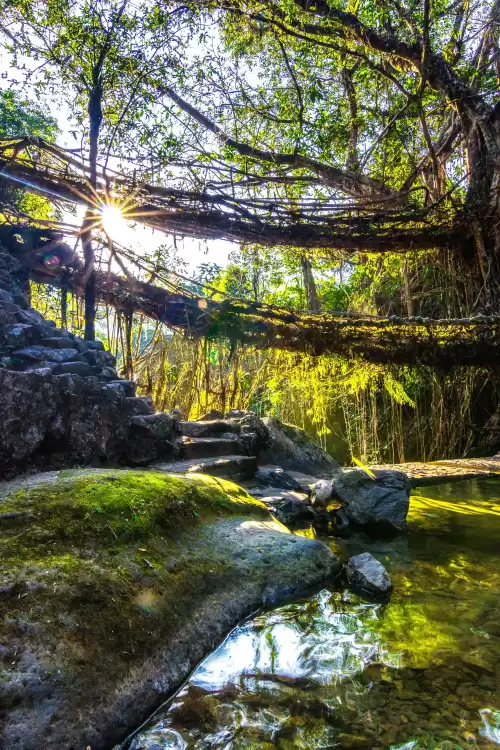
Meghalaya is famous for its living root bridges, waterfalls, caves, hills, tribal culture, clean villages, crystal clear rivers, and unique natural landscapes that attract travellers throughout the year.
+91 9910402252
admin@chalbanjare.com


Meghalaya offers waterfalls, caves, living root bridges, scenic villages, river valleys, viewpoints, and peaceful hill experiences perfect for first-time travelers.
Meghalaya is a hill state in Northeast India located on a high plateau that forms part of the larger Shillong Plateau system. The region is characterized by deep valleys, dense forests, limestone caves, and some of the highest rainfall zones in the world, which together create a unique natural landscape for tourism and exploration.
The state is broadly divided into three major cultural and geographical regions: Khasi Hills, Jaintia Hills, and Garo Hills. Each region offers different travel experiences, ranging from well-developed tourist circuits around Shillong to remote and less explored natural areas in western Meghalaya.
Understanding this geography is essential because travel time, road conditions, and accessibility vary significantly between these regions, especially during monsoon months when rainfall impacts mobility.
It is one of the most geographically diverse destinations in Northeast India.
Geography directly influences travel planning and route selection in Meghalaya.
First-time visitors to Meghalaya can choose from multiple travel styles depending on comfort level, budget, and interest. Some travelers prefer a relaxed sightseeing approach based in Shillong, while others opt for a more active itinerary covering waterfalls, caves, and villages across multiple regions.
Adventure-focused travelers often include trekking to living root bridges, cave exploration, and visits to offbeat destinations, whereas family travelers typically prefer shorter routes with comfortable stays and less intensive travel days.
Selecting the right travel style helps balance travel time, physical effort, and sightseeing priorities.
It is one of the most flexible travel destinations in Northeast India.
Choosing the right travel style ensures a smoother and more enjoyable Meghalaya experience.
The ideal duration for a Meghalaya trip depends on how deeply travelers wish to explore the region. A short 3-day trip is suitable for a quick introduction covering Shillong and nearby viewpoints, while a 5 to 7-day itinerary allows a more complete experience including Cherrapunji, Dawki, and Jowai.
For travelers interested in offbeat exploration, cultural immersion, and slower travel, extending the trip beyond a week provides the opportunity to explore Garo Hills and less crowded natural regions.
Balancing duration with travel goals ensures a more comfortable and meaningful journey across Meghalaya.
It is one of the most itinerary-dependent destinations in Northeast India.
Proper trip duration planning enhances the overall Meghalaya travel experience.
Shillong, Cherrapunji, and Dawki form the core tourism circuit of Meghalaya and are included in almost every first-time itinerary. Shillong serves as the main base city, offering viewpoints, lakes, cafes, and access to nearby attractions in a comfortable hill station environment.
Cherrapunji is known for its dramatic waterfalls, limestone caves, and mist-covered valleys that become especially striking during monsoon and post-monsoon seasons. Dawki, on the other hand, is famous for the crystal-clear Umngot River, where boating experiences reveal exceptionally transparent waters during non-monsoon months.
Together, these destinations represent the most iconic landscapes of Meghalaya tourism.
It is one of the most visited travel circuits in Northeast India.
This circuit forms the foundation of most Meghalaya travel itineraries.
Mawlynnong, Jowai, and the living root bridge regions offer a more culturally rich and nature-focused experience in Meghalaya. Mawlynnong is widely recognized as one of the cleanest villages in Asia and reflects strong community-based environmental practices.
Jowai in the West Jaintia Hills region offers caves, rivers, and waterfalls with fewer crowds compared to the main tourist circuit. The living root bridges, created naturally by training tree roots over decades, represent one of the most unique ecological attractions in the world.
These destinations highlight the blend of culture, sustainability, and natural innovation in Meghalaya.
It is one of the most unique cultural landscapes in India.
These attractions showcase Meghalaya’s sustainable cultural heritage.
Beyond the popular circuits, Meghalaya’s Garo and Jaintia Hills offer offbeat destinations that remain less explored by mainstream tourism. These areas feature dense forests, remote caves, waterfalls, and tribal settlements that provide a deeper understanding of the region’s natural and cultural diversity.
Travel in these regions requires more time and flexibility due to limited infrastructure, but rewards visitors with quieter landscapes and more authentic experiences away from crowded tourist spots.
It is one of the most untouched travel zones in Northeast India.
Offbeat Meghalaya offers raw and less commercialized travel experiences.
The best time to visit Meghalaya depends heavily on what kind of experience travelers are looking for. Waterfalls such as those in Cherrapunji and surrounding regions are at their most powerful during the monsoon and immediately after, when rainfall feeds rivers and creates dramatic natural flow across cliffs and valleys.
For general sightseeing, clearer skies and better visibility are preferred, especially when visiting viewpoints, caves, and long-distance landscapes. Post-monsoon months often provide a balanced combination of lush greenery and improved travel conditions.
It is one of the most season-dependent destinations in Northeast India.
Season choice directly influences the Meghalaya travel experience.
Monsoon in Meghalaya is one of the most intense rainfall seasons in the world, transforming the entire landscape into a vibrant green environment. Waterfalls become extremely powerful, and rivers swell, creating breathtaking natural views across multiple regions.
However, heavy rainfall also brings challenges such as slippery roads, occasional landslides, and reduced visibility in hilly areas. Travel times may increase, and itineraries often require flexibility due to changing weather conditions.
It is one of the most visually dramatic yet logistically challenging seasons in India.
Monsoon offers beauty with practical travel challenges.
Summer in Meghalaya offers relatively comfortable temperatures with moderate rainfall, making it suitable for balanced sightseeing across Shillong, Cherrapunji, and nearby attractions. It is a good time for travelers who prefer mild weather and manageable travel conditions.
Winter provides cooler and clearer weather, which is ideal for road trips and photography, as visibility improves significantly across valleys and viewpoints. Post-monsoon season offers a combination of greenery and stable weather, making it one of the most popular travel periods.
Each season provides a different travel atmosphere depending on comfort and experience preferences.
It is one of the most versatile seasonal destinations in Northeast India.
Choosing the right season ensures a more comfortable Meghalaya journey.
The most common gateway to Meghalaya is Guwahati in Assam, which is well connected to major cities across India by air, rail, and road. Travelers typically arrive at Guwahati Airport and continue their journey toward Shillong and other destinations via road transport.
Guwahati Railway Station also serves as a key entry point for train travelers, after which shared taxis, private cabs, and buses are widely available for onward travel into Meghalaya’s hill regions.
From Guwahati, the drive to Shillong is scenic and well-maintained, offering a smooth introduction to the mountainous landscapes of Meghalaya.
It is one of the most accessible Northeast India travel routes.
Guwahati acts as the primary entry point for Meghalaya tourism.
The road from Guwahati to Shillong is one of the most frequently traveled routes in Northeast India and is known for its scenic beauty and relatively smooth driving conditions. The route passes through hills, forests, and viewpoints that gradually introduce travelers to Meghalaya’s landscape.
Other internal road connections link Shillong with major destinations like Cherrapunji, Dawki, and Jowai, allowing travelers to design circular itineraries without excessive backtracking.
However, travel times can vary depending on weather conditions, traffic, and seasonal road conditions, especially during monsoon months.
It is one of the most scenic road networks in Northeast India.
Road journeys are an essential part of the Meghalaya travel experience.
Travelers in Meghalaya can choose between private taxis, self-drive vehicles, and shared transport depending on budget and comfort preferences. Private taxis are widely preferred for convenience and local driver expertise, especially for multi-day itineraries covering multiple destinations.
Self-drive options offer flexibility for experienced drivers, although caution is required during monsoon due to slippery roads and foggy conditions. Shared taxis and local transport are economical options for solo travelers and budget trips.
It is one of the most flexible transport systems in Northeast India.
Transport choices support all travel styles in Meghalaya.
A three-day Meghalaya trip is usually designed as a quick introduction to the state, focusing mainly on Shillong and nearby attractions. This short duration is best suited for travelers who have limited time but still want to experience the hill station environment, viewpoints, and local culture of Meghalaya.
In such a plan, most sightseeing revolves around Shillong city, nearby lakes, and short excursions to nearby scenic spots. Travel remains relatively compact, and long-distance journeys are generally avoided due to time constraints.
It is one of the most basic but effective ways to experience Meghalaya for the first time.
A 3-day trip offers only a glimpse of Meghalaya’s beauty but still feels refreshing.
A five to seven day itinerary is the most recommended plan for beginners visiting Meghalaya because it allows a balanced combination of major destinations like Shillong, Cherrapunji, Dawki, and Jowai. This duration ensures enough time for travel, sightseeing, and rest without rushing between locations.
With additional days, travelers can explore waterfalls, caves, and river landscapes at a comfortable pace, while also experiencing local culture and village life in different regions.
It is one of the most practical itinerary durations for Meghalaya travel.
This duration provides the most complete first-time Meghalaya experience.
A well-planned Meghalaya itinerary balances multiple experiences including waterfalls, limestone caves, living root bridges, and village visits. Each region offers a different aspect of the state’s natural and cultural identity, making it important to distribute time wisely across destinations.
Waterfall-heavy regions like Cherrapunji require time for viewpoints and short walks, while villages like Mawlynnong offer slower-paced cultural exploration. Cave systems and river destinations add variety to the journey.
It is one of the most diverse travel experiences in Northeast India.
A balanced itinerary ensures a richer and more meaningful Meghalaya journey.
The Shillong to Cherrapunji and Dawki circuit is one of the most popular road trip routes in Meghalaya, offering continuous scenic views of hills, waterfalls, and valleys. This route is widely used by first-time travelers due to its accessibility and well-connected road network.
Cherrapunji lies on a higher elevation and is known for its dramatic landscapes, while Dawki offers river-based experiences with the famous Umngot River, known for its crystal-clear water during non-monsoon seasons.
It is one of the most iconic road trip routes in Northeast India.
This route forms the backbone of most Meghalaya road trips.
The Jowai and West Jaintia circuit offers a quieter and more scenic alternative to the main tourist routes. This region is known for its limestone caves, waterfalls, and rural landscapes that remain less crowded compared to Shillong and Cherrapunji.
Road conditions are generally manageable, but travel times may vary depending on weather and terrain. This route is ideal for travelers seeking offbeat experiences with fewer tourists and more natural surroundings.
It is one of the most peaceful travel circuits in Meghalaya.
Jowai circuit offers a calm and authentic Meghalaya experience.
Longer road trips in Meghalaya extend toward the Garo Hills and other offbeat regions, offering dense forests, wildlife zones, and less-explored cultural landscapes. These routes require more time and flexible planning due to longer distances and limited infrastructure.
Travelers who choose these routes often experience a more raw and untouched side of Meghalaya, away from mainstream tourism circuits, making the journey more immersive but also more demanding.
It is one of the most untouched travel regions in Northeast India.
Extended road trips reveal Meghalaya’s most untouched landscapes.
Budget travel in Meghalaya is ideal for backpackers and solo travelers who prefer economical and flexible journeys. Staying in budget guesthouses, hostels, and homestays in Shillong and nearby towns helps keep accommodation costs low while still providing access to major attractions across the state.
Shared taxis and public transport between destinations like Shillong, Cherrapunji, and Dawki further reduce travel expenses, although travel time may increase due to multiple stops and shared routes. Local food options are widely available and generally affordable, making daily expenses manageable.
It is one of the most cost-friendly travel destinations in Northeast India.
Budget planning allows extended travel experiences without high costs.
Mid-range travel is the most popular choice for couples and families visiting Meghalaya because it offers a balance of comfort, convenience, and affordability. This category typically includes private taxis, well-maintained hotels, and organized itineraries covering major destinations without excessive travel stress.
With mid-range planning, travelers can comfortably explore Shillong, Cherrapunji, Dawki, and nearby attractions while enjoying better accommodation and flexible transport options suited for family needs.
It is one of the most balanced travel styles in Meghalaya tourism.
Mid-range travel ensures comfort without significantly increasing expenses.
Luxury travel in Meghalaya focuses on premium accommodations, boutique resorts, and personalized travel experiences, primarily in Shillong and select scenic areas. These stays offer enhanced comfort, privacy, and curated services for travelers seeking a high-end experience.
Private vehicles with dedicated drivers, customized sightseeing plans, and premium hospitality services significantly increase overall trip costs but provide a more relaxed and exclusive journey.
It is one of the most premium travel options in Northeast India.
Luxury travel ensures maximum comfort and personalized experiences in Meghalaya.
One of the most common mistakes in Meghalaya travel planning is underestimating the actual travel time between destinations. Although places like Shillong, Cherrapunji, Dawki, and Jowai may appear close on maps, winding hilly roads significantly increase travel duration.
This misunderstanding often leads to rushed itineraries, limited sightseeing time, and unnecessary fatigue, especially for travelers trying to cover multiple destinations in a short period.
It is one of the most frequent planning errors in Meghalaya tourism.
Realistic distance planning improves travel comfort and experience quality.
Meghalaya’s monsoon season brings extremely heavy rainfall that can significantly impact road conditions and travel schedules. Slippery roads, reduced visibility, and occasional landslides are common challenges in hilly areas during this period.
Ignoring these conditions often leads to delays, restricted access to certain viewpoints, and the need for flexible itinerary adjustments during the trip.
It is one of the most weather-sensitive travel regions in India.
Weather awareness is essential for safe Meghalaya travel.
A common mistake among first-time visitors is attempting to cover too many destinations in a limited time frame. Meghalaya’s terrain and road conditions naturally slow down travel, making aggressive itineraries unrealistic and exhausting.
Focusing on fewer destinations allows travelers to experience each location more deeply, enjoy natural surroundings, and reduce travel fatigue caused by long driving hours.
It is one of the most common itinerary mistakes in Northeast India travel.
Balanced itineraries create a more enjoyable Meghalaya experience.
Meghalaya’s weather can shift quickly from sunshine to heavy rain or mist, often within the same day, making thoughtful packing essential for a comfortable journey. Lightweight rain protection is necessary throughout the year because sudden showers are common even outside the monsoon season.
Layered clothing works best because temperatures vary between Shillong, Cherrapunji, and higher viewpoints. Mornings and evenings can feel cool, while afternoons may be warmer, so adaptable clothing ensures comfort across different conditions.
It is one of the most weather-variable destinations in Northeast India.
Smart packing ensures smooth travel across Meghalaya’s changing climates.
During peak tourist seasons such as monsoon holidays and winter months, popular destinations like Shillong and Cherrapunji experience high demand for accommodation. Last-minute bookings may result in limited availability or higher prices in preferred locations.
Early reservation of hotels, homestays, and transport ensures better choices, smoother travel planning, and reduced stress during the journey, especially for families and group travelers.
It is one of the most important practical steps in Meghalaya travel planning.
Early planning ensures a more comfortable and organized Meghalaya trip.
Meghalaya is home to strong cultural traditions and community-managed natural sites, where respecting local customs is an important part of responsible travel. Villages such as Mawlynnong and areas with living root bridges follow community-based rules that help preserve their environment and heritage.
Visitors are expected to avoid littering, follow designated paths, and respect local guidelines at natural attractions, caves, and waterfalls to ensure sustainable tourism practices across the region.
It is one of the most eco-conscious travel regions in India.
Responsible travel helps preserve Meghalaya’s natural and cultural beauty.
Planning a Meghalaya trip becomes more effective when itinerary decisions are aligned with both season and budget. The core circuit of Shillong, Cherrapunji, and Dawki is suitable for most travelers, while extended routes toward Jowai and Garo Hills offer deeper exploration for those with more time.
Budget travelers can focus on shared transport and homestays, while mid-range and luxury travelers can enjoy private cabs and comfortable stays with more flexibility. Seasonal selection also plays a major role in shaping travel experience quality.
It is one of the most flexible travel destinations in Northeast India.
Proper alignment of season and budget ensures a smoother Meghalaya experience.
A successful first trip to Meghalaya requires balanced planning that considers travel time, road conditions, and destination selection. Avoiding overly packed itineraries allows travelers to enjoy natural landscapes, waterfalls, and cultural sites without unnecessary rush.
Including buffer time for weather changes and maintaining flexibility in daily plans ensures a more relaxed and enjoyable journey across this scenic hill state.
It is one of the most experience-rich destinations in Northeast India.
A well-planned trip creates a more meaningful Meghalaya experience.
Before starting a Meghalaya trip, travelers should ensure key preparations such as hotel bookings, transport arrangements, and weather checks are completed in advance. These steps help avoid last-minute disruptions and improve overall travel efficiency.
Packing rain gear, carrying valid identification, and preparing for changing road conditions are also important due to the region’s unpredictable weather and hilly terrain.
It is one of the most essential preparation stages for Northeast India travel.
A complete checklist ensures a safe, smooth, and memorable Meghalaya journey.


Get customized Meghalaya tour planning designed around rainfall patterns, road connectivity, seasonal visibility, and realistic hill travel timing. Whether you are visiting for waterfalls, cave exploration, scenic drives, village experiences, or nature-fo
⚡ Quick Response | 💰 Free consultation | 🕒 24×7 expert support