
What is Meghalaya Famous For?
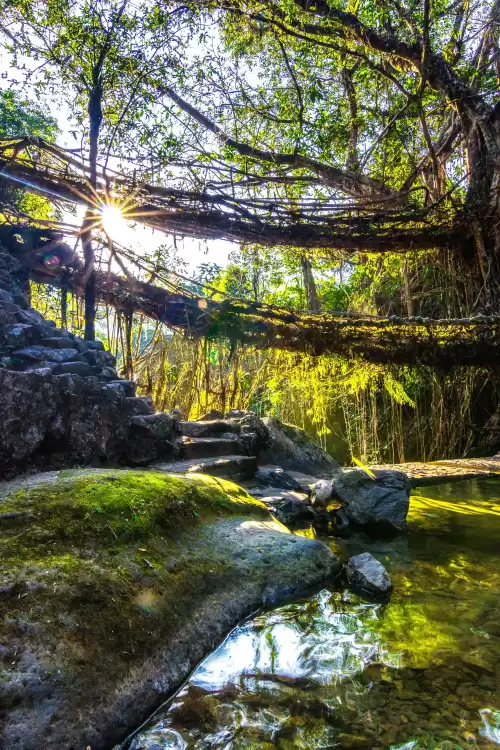
Meghalaya is famous for its living root bridges, waterfalls, caves, hills, tribal culture, clean villages, crystal clear rivers, and unique natural landscapes that attract travellers throughout the year.
+91 9910402252
admin@chalbanjare.com


Meghalaya offers some of Northeast India’s most breathtaking viewpoints, featuring dramatic canyons, rolling hills, cloud-covered valleys, river landscapes, and unforgettable sunset experiences.
Shillong Peak is the highest viewpoint in the Shillong region, offering a wide panoramic perspective of the entire city, surrounding hills, and distant valley layers. The elevation provides a clear sense of Shillong’s unique placement within Meghalaya’s rolling terrain.
On clear days, the view stretches across forested slopes, scattered settlements, and cloud-filled horizons that shift throughout the day. The area is often associated with restricted access zones nearby, but the viewpoint itself remains one of the most iconic in the region.
It is one of the highest natural viewpoints in Meghalaya.
The peak offers a complete aerial perspective of Shillong.
Shillong Peak delivers a wide-scale understanding of the region’s geography.
Laitlum Canyon is one of the most dramatic natural formations near Shillong, characterized by deep valleys, steep cliffs, and winding trails that descend into remote settlements. The name itself reflects its meaning as a place of deep viewpoints and vast openness.
The canyon becomes especially atmospheric during monsoon when clouds move through valleys, creating shifting layers of visibility. The combination of cliffs and green slopes makes it one of the most visually powerful landscapes in Meghalaya.
It is one of the most iconic canyon viewpoints in Northeast India.
The landscape changes dramatically with weather conditions.
Laitlum offers one of the most cinematic natural scenes in Meghalaya.
Upper Shillong features several smaller yet scenic viewpoints that overlook forest patches, rolling hills, and nearby valleys. These spots are often less crowded compared to major viewpoints, providing a quieter visual experience of the region.
The area is characterized by pine forests, misty surroundings, and gently sloping terrain that creates layered natural compositions. It is ideal for short scenic stops while traveling through Shillong’s outskirts.
It is one of the most peaceful zones around Shillong.
The viewpoints offer calm forest-based scenery.
Upper Shillong provides quiet and natural scenic breaks.
Shillong Peak offers one of the most elevated sunset experiences near the city, where the sun gradually sets over layered hills and distant valleys. The shifting light creates long shadows across forested terrain, enhancing depth and texture.
As evening approaches, the sky transitions into warm tones while mist begins to settle over lower valleys. The combination of elevation and open horizon makes this location ideal for slow sunset observation.
It is one of the highest sunset viewpoints in Meghalaya.
The peak offers wide horizon visibility during golden hours.
Shillong Peak delivers a calm and elevated sunset experience.
Laitlum Canyon becomes especially striking during golden hour when sunlight falls across cliffs and deep valleys, creating layered contrasts between light and shadow. The terrain enhances the visual depth of the canyon during sunset.
As the sun lowers, mist often gathers in lower valley sections, creating a soft, atmospheric effect that changes every few minutes. This makes Laitlum one of the most dynamic sunset locations in Meghalaya.
It is one of the most dramatic sunset landscapes in Northeast India.
The canyon transforms completely with evening light.
Laitlum Canyon offers a cinematic sunset experience.
Umiam Lake near Shillong offers one of the most peaceful sunset environments, where calm water reflects changing sky colors during evening hours. The still surface of the lake creates mirror-like reflections of surrounding hills.
As daylight fades, the lake transitions into soft blues and golden tones, making it ideal for quiet observation and photography. The surrounding landscape adds depth without overwhelming the natural calmness of the water.
It is one of the most serene sunset spots in Meghalaya.
The lake reflects the sky in real time.
Umiam Lake offers a calm and reflective sunset experience.
Eco Park in Cherrapunji is a well-designed viewpoint that opens up wide perspectives of deep valleys, green cliffs, and distant waterfalls shaped by Meghalaya’s heavy rainfall system. The park offers structured viewing areas that allow visitors to safely observe the dramatic landscape.
From different sections of the park, the terrain reveals layered hills and mist-filled valleys that change appearance throughout the day. The combination of accessibility and natural depth makes it one of the most visited viewpoints in Sohra.
It is one of the most organized viewpoints in Cherrapunji.
The park provides structured valley observation points.
Eco Park combines natural scenery with easy accessibility.
Thangkharang Park offers one of the most unique viewpoints in Meghalaya, where visitors can see the vast Bangladesh plains extending far beyond the cliff edges of Cherrapunji. The elevation creates a dramatic contrast between hills and plains.
The park is surrounded by natural vegetation and open viewpoints that become especially striking during clear weather conditions. The visibility range makes it one of the most geographically significant observation points in the region.
It is one of the most distinct viewpoints in Northeast India.
The location offers international-border landscape visibility.
Thangkharang Park offers rare cross-border landscape views.
Mawkdok Dympep Valley Viewpoint is located along the Shillong–Cherrapunji highway and offers one of the most accessible yet dramatic valley views in Meghalaya. The viewpoint overlooks deep green valleys carved by natural erosion over centuries.
During misty mornings, clouds move through the valley, creating shifting layers of visibility that reveal and hide parts of the landscape. This dynamic weather pattern makes every visit slightly different.
It is one of the most atmospheric roadside viewpoints in Meghalaya.
The valley transforms constantly with cloud movement.
Mawkdok Dympep offers quick yet powerful valley visuals.
Laitlum Canyon is one of the most dramatic canyon landscapes in Meghalaya, where steep cliffs drop into deep valleys carved over centuries by natural erosion and rainfall. The viewpoint sits high above the valley floor, offering an uninterrupted sense of scale and depth that is difficult to find elsewhere in the region.
The landscape constantly changes with shifting clouds, especially during monsoon when mist flows through the canyon like moving layers of white fabric. This creates a dynamic scene where visibility alternates between clear views and soft atmospheric cover, making each moment visually distinct.
It is one of the most iconic canyon landscapes in Northeast India.
The viewpoint captures extreme vertical depth and natural drama.
Laitlum Canyon offers one of the most cinematic natural scenes in Meghalaya.
Shnongrim Canyon in West Jaintia Hills is a rugged natural formation shaped by long-term geological activity, featuring steep rock faces, deep cuts, and layered terrain that reflects the slow transformation of the landscape over time.
Unlike more accessible viewpoints, this canyon remains relatively offbeat, surrounded by rural settlements and forested areas. The rawness of the terrain gives it a more untouched and natural character, especially during cloudy or rainy weather conditions.
It is one of the least commercialized canyon viewpoints in Meghalaya.
The area reflects deep geological history and erosion patterns.
Shnongrim Canyon offers a raw and untouched geological landscape.
East Khasi Hills is filled with multiple dramatic valley viewpoints where rolling hills drop into deep green valleys shaped by constant rainfall and river systems. These viewpoints are often located along highways and hill ridges, offering easy yet visually powerful stops.
The combination of elevation, forest cover, and cloud movement creates constantly shifting scenery. During monsoon, valleys become layered with mist, while clearer seasons reveal long stretches of green terrain and distant settlements.
It is one of the most visually diverse hill regions in Meghalaya.
The landscapes change with every season and weather shift.
East Khasi Hills offers continuously evolving natural panoramas.
The hilltop viewpoints around Dawki offer elevated perspectives of the Umngot River as it winds through crystal-clear waters and lush green valleys. From these heights, the river’s transparency becomes more visible, especially during dry seasons when the riverbed stones can be seen clearly.
These viewpoints are often located along rural roads and small hill ridges, allowing travelers to experience both the river and surrounding landscapes in a single frame. The contrast between hills and water creates a layered scenic composition.
It is one of the most visually striking river landscapes in Meghalaya.
The viewpoints highlight the famous transparency of the Umngot River.
These viewpoints reveal the full beauty of Dawki’s river system.
Shnongpdeng offers calmer riverside viewpoints along the Umngot River where the atmosphere is quieter and more immersive compared to central Dawki. The riverbanks here are wider and more open, allowing visitors to sit, walk, and observe the flowing water closely.
The surroundings include rocky edges, small sandy patches, and green landscapes that reflect in the clear water. These viewpoints are ideal for slow travel, photography, and spending extended time near the river.
It is one of the most peaceful river zones in Meghalaya.
The area blends village life with natural river beauty.
Shnongpdeng offers a slow and immersive river experience.
Dawki Valley is surrounded by panoramic landscapes where rolling hills, river bends, and forested slopes come together in wide scenic views. These landscapes shift with light and season, creating different visual moods throughout the year.
From elevated points, visitors can observe how the Umngot River carves through the valley, forming natural curves and reflective surfaces. The combination of terrain and water creates a balanced scenic composition.
It is one of the most picturesque valleys in Meghalaya.
The region offers wide-angle natural landscapes.
Dawki Valley offers a complete natural visual experience.
The viewpoints around Krang Suri Waterfall offer elevated perspectives of turquoise waters cascading through layered rock formations surrounded by dense green forests. From higher vantage points, the waterfall appears as a bright blue-green streak cutting through the landscape.
These viewpoints allow visitors to understand the full scale of the waterfall system, including surrounding cliffs, forest cover, and natural pools below. The visual contrast between water color and greenery makes this one of the most striking natural scenes in the region.
It is one of the most scenic waterfall viewpoints in Meghalaya.
The location highlights the natural color of the water system.
Krang Suri viewpoints offer a full-scale waterfall perspective.
Hilltop locations around Jowai provide wide views of rolling landscapes, agricultural fields, and distant river valleys. These points are often located along rural roads, making them accessible yet naturally preserved.
The elevation reveals the structure of West Jaintia Hills, where hills, valleys, and settlements form a continuous green pattern. During monsoon, mist often moves through the valleys, adding depth and softness to the scenery.
It is one of the most peaceful hill regions in Meghalaya.
The viewpoints reflect rural landscape continuity.
Jaintia hilltops offer calm and wide natural perspectives.
The areas around Phe Phe Falls and nearby canyon formations in West Jaintia Hills include several scenic overlooks where visitors can view layered cliffs, forested slopes, and water systems flowing through deep terrain.
These overlooks are less commercialized, offering raw natural viewpoints without heavy infrastructure. The combination of canyon depth and waterfall flow creates a dramatic natural composition.
It is one of the most underrated scenic zones in Meghalaya.
The landscapes remain untouched and naturally structured.
These overlooks reveal the raw natural structure of Jaintia Hills.
Shillong Peak offers one of the most expansive photography viewpoints in Meghalaya, where the entire city, surrounding hills, and layered valleys can be captured in a single wide frame. The elevation allows for clear separation of foreground forests and distant horizons.
Early morning and late evening light conditions are particularly favorable here, as soft sunlight enhances hill textures and cloud formations. The shifting weather adds dynamic contrast, especially when mist moves across the lower valleys.
It is one of the most important landscape photography locations in Meghalaya.
The viewpoint provides complete city-to-valley framing opportunities.
Shillong Peak offers structured and natural photography balance.
Cherrapunji viewpoints provide dramatic photography opportunities where waterfalls descend from cliffs into deep valleys, surrounded by dense greenery and constantly shifting mist. These conditions create layered compositions ideal for both wide and telephoto shots.
The region’s high rainfall ensures that waterfalls remain active for most of the year, while cloud movement adds atmospheric depth. Each viewpoint reveals a different angle of Meghalaya’s erosion-shaped terrain.
It is one of the most visually intense photography zones in Northeast India.
The landscape changes dramatically with monsoon conditions.
Cherrapunji offers constantly evolving photographic landscapes.
Across Meghalaya, sunrise and golden-hour locations are spread across hills, lakes, and valleys where early light creates soft gradients across the landscape. These moments highlight the natural layering of terrain and vegetation.
Fog and mist often settle in valleys during early morning, creating cinematic depth and partially hidden landscapes. As the sun rises, details gradually emerge, offering a sequence of evolving photographic scenes.
It is one of the most atmospheric photography experiences in Meghalaya.
The region is ideal for natural light transitions.
Meghalaya’s light conditions create naturally cinematic photography moments.
The Mawphlang countryside in East Khasi Hills offers several hidden viewpoints that remain away from mainstream tourist circuits. These elevated spots overlook rolling hills, forest patches, and traditional Khasi villages that blend naturally into the landscape.
The viewpoints are often reached through short rural trails or roadside stops, making them accessible yet relatively untouched. The atmosphere remains quiet, with limited visitor movement and uninterrupted natural surroundings.
It is one of the most peaceful offbeat zones near Shillong.
The landscape reflects raw rural Khasi terrain.
Mawphlang offers quiet and natural offbeat scenery.
Beyond popular sites like Tura Peak, the Garo Hills contain several lesser-known hilltops that provide wide views of valleys, forests, and river-cut terrain. These locations are often part of rural routes and remain largely unexplored by mainstream tourism.
The elevation reveals layered landscapes where hills transition into dense forest zones. Weather conditions such as mist and monsoon clouds significantly enhance the visual depth of these viewpoints.
It is one of the most unexplored viewpoint networks in Meghalaya.
The region remains naturally undisturbed.
Garo hilltops offer raw and untouched visual landscapes.
Across Meghalaya, numerous quiet viewpoints exist away from major tourist circuits, often located along rural roads, forest edges, or village peripheries. These places provide uninterrupted views of hills, valleys, and seasonal landscapes.
The absence of commercial activity allows these viewpoints to retain a natural and peaceful atmosphere. They are ideal for slow travel experiences where observation and silence become part of the journey.
It is one of the most serene travel experiences in Meghalaya.
The viewpoints emphasize simplicity and natural beauty.
These viewpoints highlight Meghalaya’s untouched natural calm.
Laitlum Canyon offers one of the most atmospheric sunrise experiences in Meghalaya, where early morning light gradually spreads across deep valleys and steep cliff formations. The first rays of sunlight interact with drifting mist, creating layered visibility that shifts every few minutes.
As the sun rises higher, the canyon slowly reveals its full depth, exposing winding trails and distant settlements. The combination of elevation and open terrain makes the sunrise feel expansive and cinematic.
It is one of the most dramatic sunrise viewpoints in Northeast India.
The canyon transforms continuously with morning light.
Laitlum sunrise offers a constantly evolving natural spectacle.
Umiam Lake and Shillong Peak provide two contrasting sunset experiences in Meghalaya. At Umiam Lake, the water reflects warm evening colors, creating mirror-like surfaces that capture the sky’s transition from gold to deep blue.
Shillong Peak, on the other hand, offers a higher vantage point where the sun sets behind layers of hills and valleys, producing long shadows and a wide horizon view. Both locations highlight different aspects of Meghalaya’s terrain.
It is one of the most visually balanced sunset combinations in Meghalaya.
The contrast between water and elevation enhances the experience.
Umiam and Shillong Peak together define Meghalaya’s sunset beauty.
Cherrapunji’s valleys become especially striking during golden hour when sunlight filters through mist and illuminates cliffs, waterfalls, and dense vegetation. The terrain creates layered shadows that enhance the depth of the landscape.
As clouds move across the region, light breaks intermittently, revealing shifting scenes of green valleys and falling water. This dynamic interaction between light and weather makes every moment unique.
It is one of the most cinematic landscapes in Meghalaya.
The valleys constantly shift with changing light patterns.
Cherrapunji offers ever-changing golden-hour scenery.
Meghalaya’s viewpoints change their character dramatically with seasons, making timing an important part of travel planning. During monsoon, valleys fill with mist and waterfalls become more powerful, while winter and clear seasons offer long-distance visibility across hills and plains.
Selecting viewpoints should depend on what kind of experience is preferred—misty and atmospheric scenes or clear panoramic landscapes. Locations like Laitlum, Cherrapunji, and Dawki each respond differently to weather conditions.
It is one of the most season-sensitive travel destinations in India.
Weather directly shapes the visual experience.
Timing plays a key role in Meghalaya viewpoint experiences.
A well-planned Meghalaya itinerary can connect multiple viewpoints across Shillong, Cherrapunji, Dawki, and Jaintia Hills, allowing travelers to experience diverse landscapes in a single journey. Each region contributes a different visual identity, from waterfalls and canyons to lakes and river valleys.
Efficient routing helps reduce travel time while maximizing scenic exposure, especially when combining sunrise, sunset, and mid-day viewpoints. Balanced planning ensures both iconic and offbeat locations are included.
It is one of the most visually rewarding travel circuits in Northeast India.
The itinerary blends multiple landscape types seamlessly.
A structured plan enhances the overall Meghalaya experience.
Before exploring Meghalaya’s viewpoints, preparation is essential due to changing weather, hilly terrain, and long travel distances between locations. Proper clothing, footwear, and weather protection ensure comfort during outdoor observation.
Carrying essentials such as water, light rain gear, and basic navigation tools is recommended, especially for offbeat viewpoints that may not have commercial facilities. Safety awareness is important in cliff-edge and canyon areas.
It is one of the most important preparation steps for Meghalaya travel.
Good preparation ensures safe and enjoyable exploration.
Preparation ensures a smooth and safe Meghalaya viewpoint journey.


Get customized Meghalaya tour planning designed around rainfall patterns, road connectivity, seasonal visibility, and realistic hill travel timing. Whether you are visiting for waterfalls, cave exploration, scenic drives, village experiences, or nature-fo
⚡ Quick Response | 💰 Free consultation | 🕒 24×7 expert support