
What is Meghalaya Famous For?
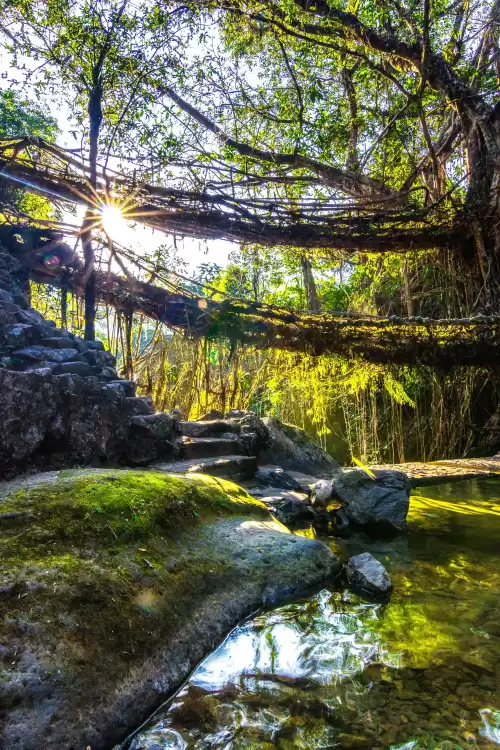
Meghalaya is famous for its living root bridges, waterfalls, caves, hills, tribal culture, clean villages, crystal clear rivers, and unique natural landscapes that attract travellers throughout the year.
+91 9910402252
admin@chalbanjare.com


Meghalaya’s villages offer rich cultural experiences through Khasi, Jaintia, and Garo traditions, community lifestyles, indigenous architecture, local food, festivals, and centuries-old customs preserved in the hills.
The Khasi Hills preserve one of Northeast India's most distinctive indigenous cultures, and visiting traditional villages allows travelers to understand a way of life that has evolved alongside Meghalaya's forests, hills, and rivers for centuries. Everyday life in Khasi villages revolves around agriculture, community cooperation, local markets, traditional craftsmanship, and close connections with nature. Unlike cultural experiences created specifically for tourism, most villages continue their normal daily routines, allowing visitors to observe authentic rural life rather than staged demonstrations.
Walking through these settlements reveals traditional homes, village paths, churches, kitchen gardens, bamboo fences, and small community gathering areas where residents continue long-established customs. Many families cultivate seasonal crops, rear livestock, and maintain home gardens that supply much of their daily food. Travelers who respectfully engage with local communities often gain valuable insight into Khasi traditions, family life, and the practical relationship between people and the surrounding landscape.
Experiencing Khasi village life allows visitors to understand Meghalaya beyond its famous waterfalls and viewpoints. The simplicity, community spirit, and close relationship with nature create meaningful cultural experiences that remain long after the journey ends.
Many Khasi villages are beautifully positioned among rolling hills, forests, streams, and agricultural terraces, creating landscapes where nature and settlement exist in close harmony. Narrow stone pathways connect homes, gardens, churches, and community spaces, while flowering plants and carefully maintained surroundings add to the peaceful atmosphere. Unlike busy tourist destinations, these villages encourage slow exploration where visitors can appreciate both the scenery and the rhythm of rural life.
Walking through the villages also provides opportunities to observe traditional farming practices, bamboo construction, local plant species, and panoramic viewpoints overlooking surrounding valleys. Every season brings subtle changes to the landscape, with post-monsoon months offering particularly lush greenery while winter provides clear mountain views. Comfortable walking shoes and respectful behavior allow travelers to explore these communities without disturbing daily activities.
The peaceful surroundings of Khasi villages offer a refreshing contrast to busier tourist attractions. Walking through these landscapes allows visitors to experience Meghalaya's countryside while appreciating the close connection between village life and nature.
Hospitality forms an important part of village life across the Khasi Hills, and many communities welcome visitors through locally managed homestays, small cafés, and community tourism initiatives. Staying in a village provides opportunities to interact with local families, learn about everyday routines, enjoy home-cooked meals, and understand cultural traditions through genuine conversation rather than formal presentations. These experiences often become some of the most memorable moments of a Meghalaya journey.
Visitors should approach every interaction with respect for local customs and privacy. Simple gestures such as greeting residents politely, asking permission before taking photographs, and supporting locally owned businesses help strengthen community-based tourism while creating meaningful cultural exchanges. Responsible travel ensures that tourism continues to benefit both visitors and local communities without disrupting traditional lifestyles.
Experiencing Khasi hospitality allows travelers to build genuine connections with local communities while gaining a deeper understanding of Meghalaya's cultural heritage beyond its natural attractions.
Mawlynnong has become one of Meghalaya's best-known villages because of its remarkable cleanliness, organized community management, and attractive natural surroundings. Rather than being maintained by external agencies, the village demonstrates how collective community participation has helped preserve clean streets, well-kept gardens, bamboo pathways, and carefully managed public spaces. Visitors immediately notice the orderly environment as they walk through flower-lined lanes surrounded by traditional Khasi homes and abundant greenery.
Despite its popularity, Mawlynnong remains an active village where residents continue their daily lives while welcoming visitors through responsible tourism. Walking through the village reveals gardens, bamboo fencing, local shops, churches, and peaceful residential areas that reflect both community pride and traditional Khasi values. Spending sufficient time on foot provides a much richer experience than simply making a brief sightseeing stop.
Mawlynnong demonstrates how community participation can preserve both cultural identity and environmental quality. Visiting the village offers valuable insight into responsible rural tourism within Meghalaya.
One of Mawlynnong's greatest achievements is its long-standing commitment to community-led cleanliness and environmental responsibility. Residents actively participate in maintaining public spaces, managing waste, protecting natural surroundings, and encouraging responsible visitor behavior. These local initiatives have contributed significantly to the village's reputation while allowing tourism to develop alongside traditional community life rather than replacing it.
Visitors play an important role by respecting local rules, avoiding litter, using designated waste facilities, and supporting sustainable tourism practices. Walking through the village clearly demonstrates how small community efforts collectively create an attractive and well-preserved environment. Travelers interested in rural development and responsible tourism often find these initiatives as fascinating as the village's natural beauty.
Mawlynnong provides an excellent example of how sustainable tourism and local community participation can successfully work together while preserving both culture and the natural environment.
Beyond its reputation for cleanliness, Mawlynnong offers visitors an opportunity to observe traditional Khasi village architecture and peaceful rural surroundings. Many homes are surrounded by flowering gardens, fruit trees, bamboo fences, and carefully maintained courtyards that blend naturally with the surrounding landscape. The village layout encourages walking, allowing visitors to appreciate architectural details, local craftsmanship, and the calm atmosphere without motorized traffic dominating the experience.
Nearby attractions such as the Riwai Living Root Bridge and Bamboo Skywalk complement the cultural experience by connecting visitors with both local traditions and the surrounding forests. Together, these attractions provide a balanced understanding of how Khasi communities continue living alongside the natural environment. Visitors should remain respectful throughout residential areas because these homes continue to serve as private family residences.
Traditional homes and surrounding natural attractions complete the Mawlynnong experience by showing how Khasi communities continue preserving their cultural heritage while embracing responsible tourism in a peaceful rural setting.
Kongthong is one of Meghalaya's most culturally distinctive villages because of its remarkable tradition of melodic whistling communication. Instead of calling people only by spoken names, families traditionally use individually composed tunes that are passed down through generations. These melodic calls, locally associated with everyday communication, are used to identify individuals across hillsides, forests, and agricultural fields where sound travels efficiently through the landscape. This unique cultural practice has attracted researchers, travelers, and cultural enthusiasts from around the world while remaining an important part of village identity.
Visitors exploring Kongthong quickly realize that the village offers far more than a single cultural curiosity. The tradition reflects the close relationship between the local community and the surrounding natural environment, where communication developed in harmony with forests, valleys, and mountain terrain. While modern lifestyles have introduced new forms of communication, many families continue preserving this remarkable heritage alongside their daily routines. Travelers should approach these traditions respectfully, understanding that they represent living cultural practices rather than performances created specifically for tourism.
The whistling tradition makes Kongthong one of Meghalaya's most remarkable cultural destinations. Understanding the history and purpose behind this practice provides visitors with a deeper appreciation of the region's indigenous heritage beyond conventional sightseeing.
Kongthong is surrounded by rolling hills, forests, cultivated fields, and peaceful countryside that create an ideal environment for slow village walks. Stone pathways connect homes, farms, community spaces, and viewpoints overlooking the surrounding valleys, allowing visitors to experience the landscape at a relaxed pace. Unlike crowded tourist destinations, the village retains a calm atmosphere where natural sounds, birds, and flowing streams dominate the environment.
Walking through the surrounding countryside reveals terraced farmland, bamboo groves, seasonal flowers, and panoramic views across the Khasi Hills. Every season offers different scenery, with post-monsoon bringing lush greenery while winter provides excellent long-distance visibility. Comfortable walking shoes are recommended because some paths include uneven surfaces and gentle slopes. Travelers should remain on established trails and respect private agricultural land throughout the visit.
The countryside surrounding Kongthong complements its cultural heritage beautifully. Walking through these peaceful landscapes allows visitors to experience the close relationship between traditional village life and Meghalaya's natural environment.
The identity of Kongthong is shaped by generations of Khasi traditions, community cooperation, agriculture, music, language, and respect for the surrounding environment. Daily life continues to revolve around farming, local customs, family relationships, and community activities that preserve the village's cultural heritage while gradually adapting to modern influences. Visitors who spend time interacting respectfully with residents gain a much richer understanding than those making only a brief sightseeing stop.
Local guides and community members often explain how traditions have been maintained while tourism continues to develop carefully within the village. Rather than overwhelming the community, responsible tourism encourages visitors to appreciate cultural practices respectfully while supporting local livelihoods through homestays, handicrafts, and community-managed experiences. Respectful behavior helps ensure that Kongthong's unique traditions continue to thrive for future generations.
Kongthong offers one of Meghalaya's most meaningful cultural experiences because visitors learn about a living tradition rather than a historical exhibit. Respectful engagement allows travelers to appreciate the remarkable heritage that continues to define this unique village today.
Most travelers know Nongriat because of the famous Double Decker Living Root Bridge, yet the village itself offers an equally rewarding cultural experience. Hidden deep within the rainforest of the East Khasi Hills, Nongriat has developed around traditional Khasi lifestyles that remain closely connected to the surrounding forests, rivers, and mountain terrain. Since vehicles cannot reach the village directly, daily life continues at a slower pace where walking trails, suspension bridges, and stone staircases remain the primary means of movement.
After completing the trek, visitors who spend additional time inside the village discover peaceful homes, cultivated gardens, local cafés, and family-run homestays that serve trekkers throughout the year. Unlike destinations designed mainly for tourism, Nongriat continues functioning as a living community where agriculture, hospitality, and traditional village life exist alongside increasing visitor interest. Spending a night in the village provides a much deeper appreciation of the local environment than a quick return trek.
Nongriat offers much more than its famous bridge. Spending time within the village reveals a unique mountain community where traditional lifestyles continue within one of Meghalaya's most beautiful rainforest landscapes.
The daily lifestyle of Nongriat reflects generations of adaptation to Meghalaya's mountainous rainforest environment. Families have traditionally depended on farming, forest resources, local craftsmanship, and community cooperation to sustain village life in a location where modern road access remains impossible. Even today, supplies are transported manually along the same stone staircases used by visitors, demonstrating the resilience and determination of the local community.
Walking through the village provides opportunities to observe agricultural terraces, fruit trees, bamboo structures, traditional homes, and community spaces that blend naturally with the surrounding rainforest. Travelers who interact respectfully with residents often gain valuable insight into how village life has evolved while preserving traditional Khasi customs. The slower pace of Nongriat allows visitors to appreciate a way of life that differs significantly from urban environments.
Traditional lifestyles in Nongriat demonstrate how communities continue thriving within Meghalaya's rugged mountain landscape. Understanding these daily routines adds meaningful cultural depth to the famous trekking experience.
Hospitality plays an important role in Nongriat because many local families welcome trekkers through small homestays, cafés, and guesthouses. Staying overnight allows visitors to experience the village after day visitors return, when the rainforest becomes peaceful and the sounds of streams and wildlife dominate the surroundings. Meals prepared by local families often feature simple regional recipes using fresh ingredients, creating opportunities to experience Khasi hospitality in an authentic setting.
Community-based tourism has helped generate income while encouraging the preservation of local traditions and the surrounding environment. Visitors contribute positively by choosing locally owned accommodation, respecting village customs, avoiding litter, and interacting politely with residents. Responsible tourism ensures that Nongriat remains both a remarkable trekking destination and a thriving forest community for future generations.
The hospitality of Nongriat transforms the trek into a much richer cultural experience. Spending time with the local community allows visitors to appreciate not only the famous Living Root Bridges but also the resilient people who call this remarkable rainforest village home.
One of the most rewarding ways to understand Meghalaya's culture is through its traditional food. Across Khasi villages, many family-run homestays and small local eateries continue preparing recipes that have been passed down through generations. Meals are generally simple, freshly cooked, and closely connected to seasonal ingredients grown locally or sourced from nearby forests and farms. Unlike restaurant-style menus in larger towns, village meals often reflect what is freshly available on that particular day, giving visitors a genuine taste of everyday Khasi cooking.
Traditional Khasi cuisine emphasizes natural flavors instead of heavy spices. Rice forms the staple of most meals and is commonly served with vegetables, locally grown herbs, meat preparations, smoked ingredients, bamboo shoots, and homemade chutneys. Popular dishes such as Jadoh, Dohneiiong, Tungrymbai, and Dohkhlieh represent different aspects of Khasi culinary traditions. Travelers staying in village homestays often have opportunities to watch food being prepared, learn about cooking methods, and understand how locally available ingredients shape everyday meals.
Sharing a meal with local families provides much more than food alone. It offers visitors an opportunity to understand Khasi hospitality, agricultural traditions, and the close relationship between local communities and the natural environment that supplies their ingredients.
Village cuisine across Meghalaya changes naturally with the seasons because many ingredients are harvested locally. Fresh leafy vegetables, wild edible plants, ginger, turmeric, chillies, mushrooms, bananas, citrus fruits, and bamboo shoots frequently appear in traditional recipes depending on availability. Local markets play an important role in connecting nearby villages, allowing families to exchange seasonal produce while maintaining long-standing culinary traditions.
Traditional preservation techniques also remain important in rural Meghalaya. Smoking, fermenting, drying, and pickling ingredients help families preserve food while adding distinctive flavors to many regional dishes. Rather than relying heavily on processed ingredients, village cooking continues to emphasize fresh produce and time-tested preparation methods. Visitors interested in food culture often find local markets and village kitchens just as fascinating as the meals themselves.
Understanding seasonal food traditions allows travelers to appreciate how Meghalaya's cuisine develops directly from its forests, farms, and mountain landscapes. Every meal reflects both local geography and generations of cultural knowledge.
Although Meghalaya is one state, each major indigenous community has developed its own culinary identity. Khasi cuisine emphasizes dishes prepared with local herbs, smoked meat, fermented soybeans, and rice-based meals. Jaintia food shares certain similarities while introducing regional ingredients and preparation styles influenced by local agriculture and village traditions. Garo cuisine often incorporates smoked meat, dried fish, indigenous vegetables, and distinctive cooking methods that reflect the forests and river valleys of western Meghalaya.
Travelers exploring multiple regions quickly notice these subtle culinary differences. Eating at family-operated restaurants, village cafés, and community homestays provides opportunities to compare flavors while supporting local businesses. Rather than searching for standardized restaurant menus, visitors benefit most from remaining open to regional specialties that vary from village to village throughout Meghalaya.
Experiencing food across Khasi, Jaintia, and Garo communities gives visitors a broader understanding of Meghalaya's cultural diversity. Regional cuisine becomes an important part of the travel experience while connecting every destination through its unique local flavors.
Mawphlang Sacred Forest is one of Meghalaya's most significant cultural and ecological heritage sites. Unlike ordinary forests, this protected woodland has been preserved for centuries through traditional Khasi beliefs that emphasize respect for nature and community responsibility. Walking through the forest reveals ancient trees, thick moss, medicinal plants, orchids, ferns, and unique biodiversity that has remained largely undisturbed because of long-standing cultural practices.
Exploring the Sacred Forest with knowledgeable local guides greatly enhances the experience because they explain the cultural importance of different locations, traditional stories associated with the forest, and the ecological value of preserving this remarkable landscape. Visitors also learn why the forest has remained protected for generations and how traditional conservation methods continue to influence modern environmental awareness in Meghalaya.
The Sacred Forest offers far more than a nature walk. It introduces visitors to one of Meghalaya's strongest examples of how indigenous traditions have successfully protected biodiversity through cultural values rather than modern regulations alone.
The Mawphlang Sacred Forest reflects a long tradition of Khasi beliefs that emphasize harmony between people and nature. For generations, local communities have protected the forest by following customs that discourage removing plants, stones, wood, or other natural materials from within its boundaries. These practices have allowed the ecosystem to remain remarkably well preserved while demonstrating how cultural traditions can contribute directly to environmental conservation.
Visitors exploring the forest gain insight into how indigenous knowledge has influenced sustainable land management long before modern conservation programs were introduced. Guides explain how respect for sacred places has helped maintain biodiversity while strengthening community responsibility. Understanding these beliefs encourages travelers to appreciate the forest not only as a tourist destination but also as a living example of cultural heritage and environmental stewardship.
Learning about Khasi conservation traditions gives visitors a deeper appreciation of how culture and ecology remain closely connected throughout Meghalaya's indigenous communities.
The area surrounding Mawphlang contains several important heritage features, including traditional Khasi monoliths that commemorate historical events, respected community members, and cultural traditions. These stone monuments remain valuable reminders of the region's history and continue to form an important part of Khasi cultural identity. Visiting these sites alongside the Sacred Forest creates a broader understanding of the area's historical and spiritual significance.
The surrounding village also offers opportunities to observe traditional Khasi architecture, rural lifestyles, and peaceful countryside landscapes. Travelers who spend additional time exploring Mawphlang rather than visiting only the forest often gain a much richer appreciation of local heritage. Combining heritage sites, village walks, and guided forest exploration creates one of Meghalaya's most meaningful cultural experiences.
Mawphlang combines heritage, history, culture, and nature within one destination. Exploring the Sacred Forest together with nearby heritage sites provides one of the most complete introductions to Khasi cultural traditions anywhere in Meghalaya.
The West Jaintia Hills preserve a distinctive cultural identity that differs from both the Khasi and Garo regions of Meghalaya. Traveling through traditional Jaintia villages allows visitors to experience peaceful rural settlements surrounded by forests, agricultural land, rivers, and limestone hills. Many villages continue to follow long-established customs while adapting gradually to modern life, creating an environment where traditional lifestyles remain visible in everyday activities. Unlike heavily commercialized tourist destinations, these communities provide an authentic glimpse into local life through their homes, village pathways, farms, and community spaces.
Walking through the villages reveals carefully maintained homes, churches, schools, local gathering areas, and agricultural fields where seasonal farming remains an important occupation. Daily life moves at a relaxed pace, allowing visitors to appreciate the rhythm of village life while observing how families continue preserving cultural traditions. Travelers should remain respectful while exploring residential areas and seek permission before photographing local people or private property.
Visiting traditional villages allows travelers to experience the everyday life of the Jaintia Hills beyond famous waterfalls and viewpoints. These peaceful communities provide meaningful cultural experiences through genuine interaction rather than staged tourism.
Village markets across the Jaintia Hills serve as important community centers where local residents buy, sell, and exchange agricultural produce, handmade goods, spices, woven products, bamboo items, and household necessities. These markets provide excellent opportunities for visitors to observe everyday social interactions while discovering locally produced handicrafts that reflect regional skills and traditions. Unlike souvenir shops designed mainly for tourists, many market stalls continue serving local communities first, giving travelers a more authentic shopping experience.
Handcrafted bamboo products, woven baskets, traditional textiles, locally grown spices, seasonal fruits, and handmade household items often represent generations of practical knowledge passed through families. Purchasing directly from local artisans supports village livelihoods while encouraging the continuation of traditional craftsmanship. Visitors should explore respectfully without disrupting normal market activities, remembering that these remain working community spaces rather than tourist attractions alone.
Exploring local markets provides valuable insight into everyday life across the Jaintia Hills. Beyond shopping, these community spaces allow travelers to experience the region's economic, cultural, and social traditions firsthand.
The Jaintia community has preserved a rich cultural heritage expressed through traditional customs, social practices, festivals, music, and strong community relationships. Many celebrations remain closely connected to agriculture, seasonal cycles, and local history, while village gatherings continue playing an important role in strengthening community identity. Travelers who visit with local guides or community hosts often gain a much deeper understanding of these traditions than those simply passing through the region.
Everyday community life revolves around cooperation, family relationships, farming, education, religious activities, and local governance. Rather than focusing only on major festivals, visitors benefit from observing the ordinary routines that sustain village life throughout the year. Respectful interaction with residents, participation in community-based tourism, and genuine curiosity about local traditions create meaningful cultural exchanges that enrich the travel experience.
Learning about Jaintia customs allows visitors to appreciate the cultural diversity that exists across Meghalaya. These traditions remain an important part of daily life and contribute significantly to the region's unique identity.
The Garo Hills offer a cultural landscape that differs noticeably from eastern Meghalaya. Villages surrounding Tura are set among forested hills, agricultural fields, rivers, and bamboo groves, creating peaceful rural environments where traditional Garo lifestyles continue alongside modern development. Traveling through these villages introduces visitors to local architecture, farming practices, community life, and cultural traditions that have been preserved across generations.
Unlike larger towns, village life moves at a slower rhythm, allowing travelers to appreciate daily activities such as farming, livestock care, local craftsmanship, and community gatherings. Many visitors combine village exploration with nearby attractions including Nokrek National Park, Balpakram National Park, or Tura Peak, creating a balanced itinerary that includes both natural and cultural experiences. Spending time within the villages provides a deeper understanding of western Meghalaya beyond its forests and wildlife.
Traditional villages around Tura provide visitors with meaningful opportunities to experience Garo culture in an authentic rural setting where community traditions continue shaping everyday life.
The heritage of the Garo community reflects centuries of adaptation to the forests, rivers, and hills of western Meghalaya. Agriculture continues to support many rural households, while community cooperation remains an important aspect of village life. Visitors often observe traditional farming methods, bamboo construction, local food preparation, and family-based livelihoods that remain closely connected to the surrounding environment.
Learning about Garo heritage through local interaction provides valuable insight into customs, social traditions, and historical practices that continue influencing daily life. Community elders, guides, and homestay hosts often explain local traditions in greater detail, allowing visitors to appreciate the cultural significance of everyday activities rather than viewing them simply as tourist attractions. Respectful curiosity creates rewarding experiences for both travelers and local residents.
Understanding Garo heritage enriches every visit to western Meghalaya by revealing how local communities continue preserving cultural identity while adapting gradually to changing times.
Traditional crafts, music, and community celebrations remain important expressions of Garo cultural identity. Bamboo and cane craftsmanship continues to produce practical household items, baskets, tools, and decorative products that reflect generations of local skill. Traditional music and dance are especially significant during festivals and community celebrations, where performances strengthen cultural identity while bringing villages together.
Visitors exploring Garo villages through community tourism programs may have opportunities to learn about local crafts directly from artisans or observe cultural performances during appropriate occasions. Purchasing locally produced handicrafts supports village livelihoods while encouraging the continuation of traditional skills. Respecting community customs, participating responsibly, and appreciating cultural activities in their proper context create more meaningful travel experiences than simply observing from a distance.
Exploring Garo crafts, music, and community traditions provides visitors with a broader understanding of western Meghalaya's cultural richness while supporting the preservation of valuable indigenous knowledge and artistic heritage.
Wangala is one of Meghalaya's most significant cultural festivals and is celebrated by the Garo community after the completion of the agricultural harvest. Often referred to as the Hundred Drums Festival, Wangala is a thanksgiving celebration that honors nature, community, and the successful harvest season. The festival combines traditional music, rhythmic drumming, colorful attire, ceremonial dances, and community gatherings that reflect the cultural identity of the Garo Hills. Although modern celebrations may include cultural programs for visitors, Wangala continues to hold deep social and cultural importance for local communities.
Visitors attending Wangala experience much more than a stage performance. Traditional dancers wearing distinctive attire perform synchronized dances accompanied by large ceremonial drums, while community members participate in rituals, music, food preparation, and cultural activities throughout the celebration. Local markets, handicraft displays, and traditional cuisine further enrich the festival atmosphere. Travelers planning to witness Wangala should confirm festival dates in advance because the celebration follows the agricultural calendar rather than fixed tourism schedules.
Attending the Wangala Festival provides one of the finest opportunities to experience the living traditions of the Garo community. The celebration highlights music, dance, agriculture, and community spirit while preserving one of Meghalaya's most important cultural heritages.
Across the Khasi and Jaintia Hills, numerous traditional festivals continue to celebrate seasonal change, agriculture, community identity, and indigenous heritage. Festivals such as Shad Suk Mynsiem in the Khasi Hills and Behdienkhlam in the Jaintia Hills remain among the region's most important cultural events. These celebrations bring together local communities through traditional dance, ceremonial attire, music, religious observances, and social gatherings that have been preserved for generations.
Visitors attending these festivals gain valuable insight into Meghalaya's cultural diversity while observing customs that continue to play an important role in community life. Although each festival follows its own traditions and historical significance, they all emphasize collective participation, respect for heritage, and strong community relationships. Travelers should remain respectful throughout the celebrations, follow local guidance, and observe ceremonies without interrupting ongoing cultural activities.
Khasi and Jaintia festivals demonstrate the remarkable cultural diversity within Meghalaya. Experiencing these celebrations allows visitors to appreciate traditions that continue shaping community life across the state's eastern regions.
Traditional music and dance remain essential parts of cultural expression throughout Meghalaya. Every major indigenous community has developed distinctive musical styles, instruments, costumes, and performance traditions that are presented during festivals, weddings, seasonal celebrations, and important community events. Drum performances, bamboo instruments, folk songs, and group dances often accompany gatherings where multiple generations participate together, ensuring that cultural knowledge continues to be passed forward.
Community gatherings also provide opportunities for visitors to experience local hospitality, traditional food, handicrafts, and storytelling in a respectful cultural setting. Rather than viewing these events simply as entertainment, travelers should appreciate them as living expressions of identity that continue to strengthen social bonds within villages and towns. Supporting community-managed cultural programs contributes directly to preserving these traditions while encouraging responsible cultural tourism.
Traditional music, dance, and community celebrations reveal the vibrant cultural identity that continues to thrive throughout Meghalaya. These experiences allow visitors to connect with local traditions while appreciating the diversity that defines the state's indigenous communities.
Every region of Meghalaya offers a different cultural experience, making it worthwhile to choose villages according to personal interests rather than attempting to visit every destination. Travelers interested in community-led tourism and environmental initiatives often begin with Mawlynnong, while those seeking unique cultural traditions frequently visit Kongthong for its remarkable whistling heritage. Nongriat provides opportunities to experience rainforest village life alongside the famous Living Root Bridges, whereas Mawphlang introduces visitors to Khasi heritage through its Sacred Forest and nearby historical sites. The Jaintia Hills and Garo Hills further expand the journey by offering distinctive regional customs, traditional villages, local markets, and indigenous festivals.
Instead of rushing between multiple villages in a single day, travelers benefit from spending longer periods in fewer locations. Walking through villages, interacting respectfully with local residents, staying in community-managed homestays, and exploring nearby natural attractions provide a much deeper understanding of Meghalaya's indigenous heritage than brief sightseeing visits. Selecting destinations according to cultural interests allows every traveler to create a more meaningful itinerary.
Thoughtful planning allows visitors to experience the remarkable cultural diversity of Meghalaya while respecting the traditions and daily lives of its indigenous communities. Slow travel consistently creates richer cultural experiences than hurried sightseeing.
A culturally focused Meghalaya itinerary is most rewarding when combined with the state's natural attractions rather than treating them as separate experiences. Travelers can begin in Shillong before exploring Mawphlang, continue to Cherrapunji and Nongriat, visit Mawlynnong and Kongthong, and then extend the journey toward the Jaintia Hills or the Garo Hills depending on available time. This approach allows visitors to experience waterfalls, forests, living root bridges, and indigenous villages together while understanding how local communities have shaped these landscapes for generations.
Community-managed homestays, village cafés, guided walks, local markets, and cultural festivals provide opportunities for genuine interaction while supporting local livelihoods. Respecting village customs, purchasing locally produced handicrafts, and choosing responsible tourism services contribute positively to community development. Travelers who remain flexible and curious often discover that conversations with residents become some of the most memorable parts of the entire journey.
A journey through Meghalaya's indigenous communities becomes far more meaningful when travelers engage respectfully with local culture while appreciating the natural landscapes that continue shaping village life across the state.
Preparing appropriately before visiting Meghalaya's villages helps ensure a comfortable and respectful cultural experience. Comfortable walking shoes, modest clothing suitable for rural communities, reusable water bottles, rain protection, cash for small village purchases, power banks, and lightweight backpacks are practical items for most itineraries. Visitors should also carry personal medications, maintain flexible schedules, and keep enough time to explore villages without rushing between destinations.
Responsible behavior is equally important throughout the journey. Travelers should always greet residents politely, ask permission before photographing people or private homes, avoid littering, respect community rules, and support locally owned businesses whenever possible. Purchasing handicrafts directly from artisans, choosing family-operated accommodation, and following local guidance help preserve Meghalaya's cultural heritage while ensuring tourism continues benefiting village communities in a sustainable manner.
Good preparation and respectful travel practices allow visitors to enjoy authentic cultural experiences while contributing positively to Meghalaya's indigenous communities. A thoughtful approach ensures that every village visit becomes both meaningful and mutually beneficial for travelers and local residents alike.


Get customized Meghalaya tour planning designed around rainfall patterns, road connectivity, seasonal visibility, and realistic hill travel timing. Whether you are visiting for waterfalls, cave exploration, scenic drives, village experiences, or nature-fo
⚡ Quick Response | 💰 Free consultation | 🕒 24×7 expert support