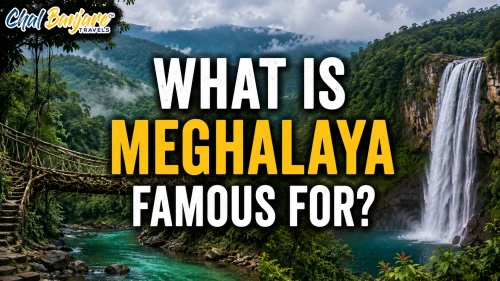
What is Meghalaya Famous For?
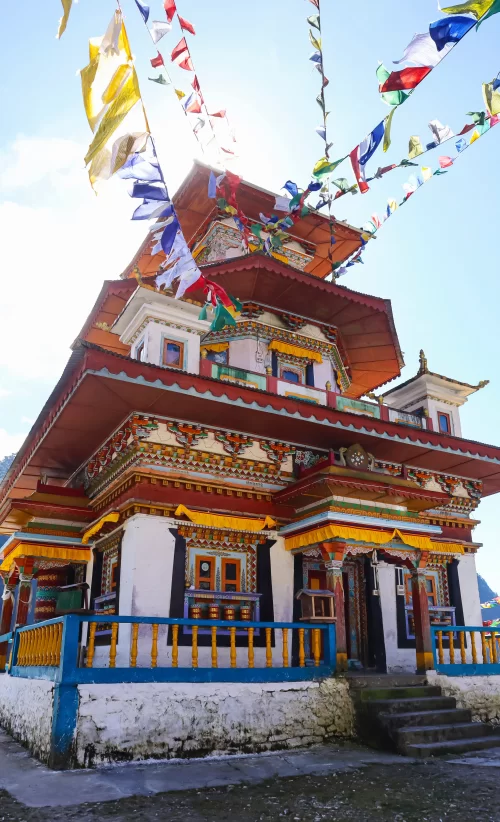
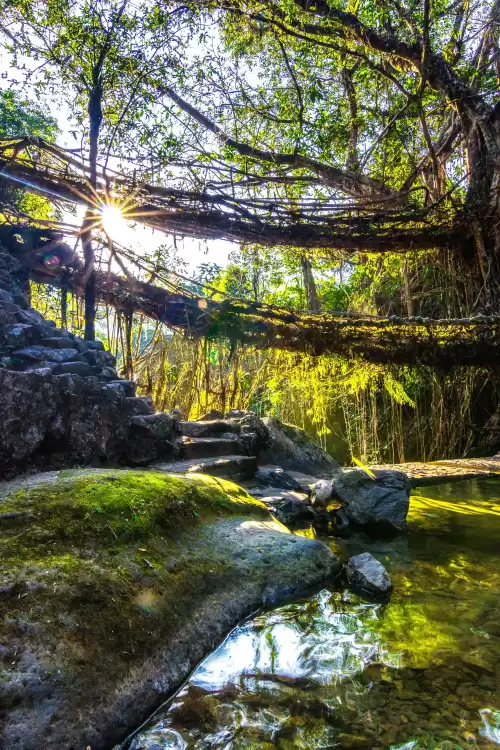
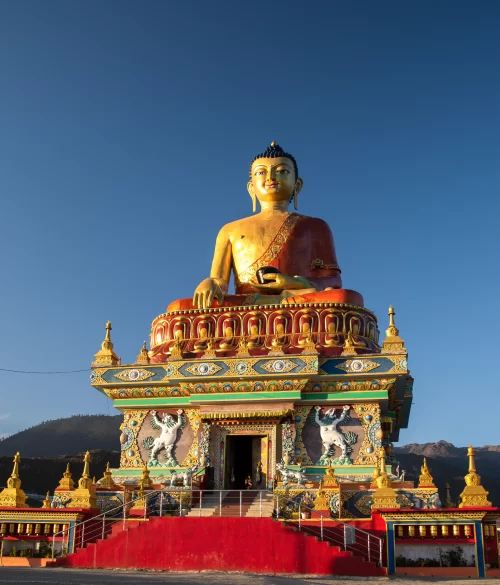
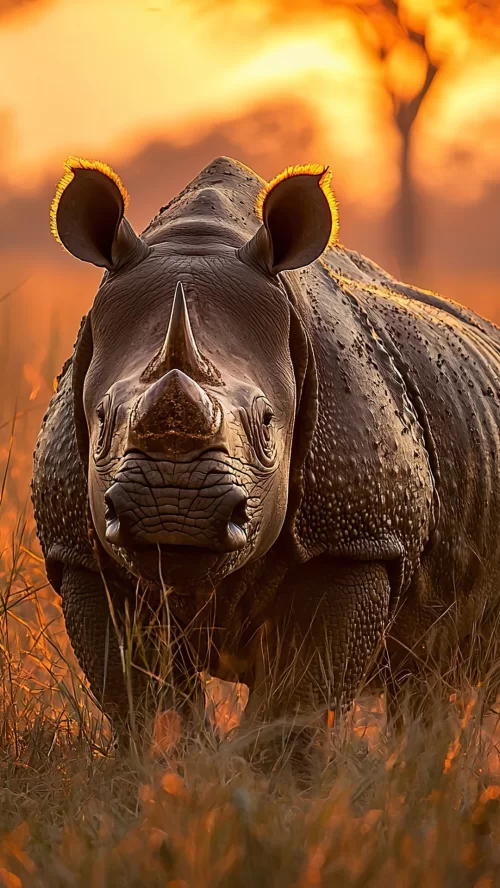
Meghalaya is famous for its living root bridges, waterfalls, caves, hills, tribal culture, clean villages, crystal clear rivers, and unique natural landscapes that attract travellers throughout the year.
+91 9910402252
admin@chalbanjare.com


Meghalaya offers some of Northeast India’s most scenic camping experiences, from crystal-clear rivers and rainforest valleys to waterfalls, canyons, and remote village landscapes perfect for nature lovers and adventure travelers.
Camping beside the Umngot River in Dawki is one of Meghalaya's most memorable outdoor experiences. Instead of leaving after a short boating trip, visitors who stay overnight can enjoy the peaceful riverside atmosphere long after the daytime crowds have disappeared. The calm flow of the river, surrounding green hills, and fresh mountain air create an ideal environment for travelers looking to spend time close to nature. During the dry season, the famous crystal-clear water remains the main attraction, allowing campers to enjoy beautiful reflections and uninterrupted river views directly from many campsite locations.
Most camps are located on safe sections of the riverbank and are operated by local tourism providers. Accommodation generally consists of comfortable tents with mattresses, blankets, common washrooms, and simple local meals. While the facilities remain basic compared to hotels, the experience focuses on the natural surroundings rather than luxury. Visitors should carry warm clothing during winter because riverside temperatures become cooler after sunset.
Camping beside the Umngot River allows visitors to experience Dawki beyond daytime sightseeing. Spending the night beside one of Meghalaya's most beautiful rivers creates a slower and more immersive travel experience while supporting local community tourism.
The riverside camps around Dawki offer uninterrupted views of forested hills, flowing water, and open valleys that change throughout the day with shifting sunlight and cloud movement. Early mornings often begin with cool mountain air and soft light spreading across the river, while evenings become quiet as the surrounding landscape gradually settles after tourist activity decreases. These natural surroundings make riverside camping suitable for couples, families, photographers, and anyone looking to escape busy urban environments.
Unlike commercial resorts, these camps emphasize simplicity and outdoor living. Visitors spend most of their time walking beside the river, relaxing outside their tents, or enjoying conversations while surrounded by nature. Because the area remains environmentally sensitive, campers are encouraged to avoid littering, minimize noise, and follow responsible tourism practices that help preserve the peaceful atmosphere.
Peaceful riverside camping provides an opportunity to slow down and appreciate Meghalaya's landscapes without rushing between tourist attractions. The combination of mountains, forests, and flowing water creates one of the state's most relaxing overnight experiences.
Many organized camps near Dawki arrange evening bonfires during suitable weather, allowing visitors to gather beside the river after sunset. These relaxed evenings often include local food, conversations, music played at moderate volume, and opportunities to enjoy the cool night air while listening to the sound of flowing water. Bonfires are generally organized only when weather conditions are safe and local regulations permit their use.
As night falls, the riverside becomes noticeably quieter than during the daytime. With limited artificial lighting around many campsites, visitors can enjoy a peaceful atmosphere before retiring to their tents. Camp operators usually provide blankets suitable for local temperatures, although carrying an additional warm layer is advisable during winter. Responsible campers should always follow fire safety instructions and avoid disturbing neighboring camps.
Bonfire evenings complete the Dawki camping experience by bringing visitors together in a relaxed natural setting. Combined with the peaceful surroundings of the Umngot River, overnight camping becomes one of Meghalaya's most enjoyable outdoor experiences.
Shnongpdeng has become Meghalaya's leading adventure camping destination because it combines comfortable riverside camps with easy access to outdoor activities. Located upstream from Dawki, the village offers camps positioned beside the Umngot River where visitors can stay overnight while enjoying one of the state's most scenic natural environments. The calm surroundings, forested hills, and clear river create a perfect setting for travelers seeking both relaxation and adventure.
Adventure camps generally provide tents, mattresses, blankets, meals, and common facilities suitable for short stays. Since the focus remains on outdoor experiences rather than luxury accommodation, visitors should expect simple but well-maintained arrangements. Many travelers choose Shnongpdeng over Dawki because they can spend more time enjoying the river without returning immediately after boating activities.
Adventure camping at Shnongpdeng combines comfortable outdoor stays with easy access to Meghalaya's most popular river experiences, making it an excellent destination for travelers seeking more than a standard hotel stay.
One of the biggest advantages of camping at Shnongpdeng is the opportunity to combine overnight stays with river-based adventure activities. Visitors can begin the morning with kayaking or boating, relax during the afternoon beside the river, and return to camp without the pressure of completing all activities within a single day. This flexible schedule creates a much more enjoyable experience than rushed sightseeing.
Depending on river conditions, travelers may also participate in snorkeling, cliff jumping, swimming, or ziplining through local adventure operators. Activity availability depends on weather and seasonal water levels, so visitors should confirm schedules with campsite staff after arrival. Booking both camping and activities through the same operator often simplifies planning and transportation.
Camping gives visitors the flexibility to enjoy Shnongpdeng at a relaxed pace instead of rushing through multiple activities. This balance between adventure and relaxation makes the destination one of Meghalaya's finest outdoor experiences.
During clear winter nights, Shnongpdeng offers favorable conditions for stargazing because the riverside experiences relatively low levels of artificial lighting compared to urban areas. After adventure activities end and camps become quiet, visitors can relax outside their tents while observing the night sky reflected across the calm sections of the Umngot River. The surrounding hills create a peaceful atmosphere that enhances the overall camping experience.
Although cloud cover may occasionally reduce visibility, particularly during the rainy season, winter generally offers the best opportunities for clear skies. Visitors should remain within designated camping areas after dark and use flashlights while moving around the campsite. Respecting quiet hours allows everyone to enjoy the peaceful natural setting throughout the evening.
Stargazing completes the Shnongpdeng camping experience by allowing visitors to enjoy Meghalaya's peaceful riverside environment long after daytime adventure activities have ended. The calm atmosphere and natural surroundings make every overnight stay memorable.
Camping near Cherrapunji offers a completely different experience from riverside camping in Dawki or Shnongpdeng. Here, camps are surrounded by rolling hills, deep valleys, dense forests, and constantly changing weather that gives the landscape its famous misty appearance. Throughout the day, clouds move across the hills, creating dramatic scenery that changes every few minutes. During the post-monsoon season, the entire region becomes exceptionally green, making it one of the most beautiful camping destinations in Meghalaya.
Most camps are located on elevated ground overlooking valleys or close to forested areas rather than inside busy tourist locations. Visitors wake up to cool mountain air, drifting clouds, and panoramic views that stretch across the Khasi Hills. Since temperatures become cooler after sunset, especially during winter, carrying warm clothing and rain protection is recommended throughout the year. Camping operators generally provide basic facilities while maintaining the natural surroundings with minimal disturbance to the environment.
Camping in Cherrapunji allows visitors to experience Meghalaya's mountain landscapes beyond ordinary sightseeing. Spending the night surrounded by clouds, forests, and cool air creates a deeper connection with one of India's wettest and most scenic regions.
Many camps near Cherrapunji are located within convenient driving distance of famous attractions such as Nohkalikai Falls, Seven Sisters Falls, Dainthlen Falls, Wei Sawdong Falls, Eco Park, and Mawkdok Dympep Valley. This makes camping a practical option for travelers who want to begin sightseeing early before larger tourist groups arrive. Early morning departures from camps also provide better lighting for photography and a more peaceful experience at popular viewpoints.
Unlike hotels located inside towns, camps place visitors closer to nature, reducing travel time to nearby attractions while providing quiet surroundings after sightseeing. Visitors should still plan their daily routes carefully because weather changes quickly in Cherrapunji. Dense fog, rain, and cloud cover can temporarily reduce visibility at viewpoints, making a flexible itinerary useful throughout the trip.
Camping close to Cherrapunji's waterfalls and viewpoints gives visitors greater flexibility throughout the day while allowing them to experience the region's peaceful mountain atmosphere during the evening and early morning hours.
Nature camps around Cherrapunji are designed for travelers who prefer quiet forest surroundings instead of crowded tourist accommodations. These camps are usually located near woodland areas where visitors can enjoy birdsong, flowing streams, fresh mountain air, and shaded walking trails. The combination of forest landscapes and nearby valleys creates a peaceful environment throughout the day.
Many camps encourage responsible tourism by using eco-friendly practices and limiting unnecessary development within natural surroundings. Visitors should expect simple accommodation rather than luxury facilities, allowing the emphasis to remain on outdoor experiences. Walking through nearby forests during the morning or evening provides opportunities to observe native vegetation, butterflies, and seasonal flowers while enjoying Meghalaya's cool climate.
Forest camping near Cherrapunji provides an ideal escape for travelers seeking tranquility and close contact with nature. The combination of forests, cool weather, and peaceful surroundings creates one of Meghalaya's most relaxing outdoor experiences.
Although Nongriat is best known for its homestays, nature camping experiences near the village provide trekkers with an opportunity to stay close to the famous Double Decker Living Root Bridge while remaining surrounded by rainforest. Since Nongriat can only be reached on foot from Tyrna, every overnight stay feels more adventurous than ordinary accommodation. Camping or simple eco-stays allow visitors to experience the forest after most day trekkers have returned, creating a much quieter atmosphere around the village.
Staying overnight also reduces the physical pressure of completing the entire trek in one day. Visitors can reach Nongriat at a comfortable pace, relax during the evening, and explore nearby attractions the following morning without worrying about daylight. Facilities remain basic because all supplies must be carried into the village, but the peaceful environment more than compensates for the simplicity of the accommodation.
Camping or staying overnight near the Double Decker Living Root Bridge transforms the trek into a relaxed rainforest experience rather than a physically demanding day excursion.
One of the greatest advantages of staying overnight near Nongriat is the opportunity to explore the surrounding rainforest without time pressure. Early mornings reveal birds, flowing streams, cool mountain air, and soft sunlight filtering through the dense forest canopy. Visitors can revisit the living root bridge before larger groups arrive or simply enjoy quiet walks through the village while appreciating the natural surroundings.
The rainforest environment remains humid throughout much of the year, supporting rich vegetation including bamboo, ferns, orchids, mosses, and towering tropical trees. Walking slowly through these landscapes allows visitors to notice many details often missed during a rushed day trek. Carrying a flashlight is useful during early morning or evening movement because natural light fades quickly beneath the forest canopy.
Exploring Nongriat's rainforest during an overnight stay allows visitors to experience the landscape at a much slower pace. The peaceful atmosphere reveals a completely different side of the village compared to busy daytime trekking hours.
An overnight stay near Nongriat is the best option for visitors planning to continue to Rainbow Falls because it divides the physical effort across two days. Instead of rushing from Tyrna to Rainbow Falls and back, trekkers can rest overnight before continuing through the rainforest the following morning. This approach provides more energy for the additional trek while allowing greater flexibility if weather conditions change.
Beginning the Rainbow Falls trek early also provides quieter trails, cooler temperatures, and better photography conditions. After returning to Nongriat, visitors can prepare for the climb back to Tyrna without feeling exhausted from attempting the entire route in a single day. This itinerary is particularly suitable for photographers, nature enthusiasts, and travelers who enjoy slow exploration rather than covering long distances quickly.
Combining overnight camping or village stays with the Rainbow Falls trek creates one of Meghalaya's finest adventure itineraries. The additional time allows visitors to experience the rainforest more completely while reducing the physical demands of this remarkable trekking route.
Umiam Lake is one of Meghalaya's most peaceful camping destinations, offering a completely different atmosphere from the riverside camps of Dawki and Shnongpdeng. Located around 15 kilometers before Shillong, the lake is surrounded by rolling hills, pine forests, and wide stretches of calm water. The large reservoir creates an open landscape where visitors can enjoy fresh mountain air, scenic lake views, and quiet natural surroundings throughout the day. Camping here is suitable for travelers who prefer relaxation and lakeside scenery instead of physically demanding trekking.
Several organized camps and eco-stay facilities operate around the lake, providing tents, cottages, and outdoor seating areas overlooking the water. Depending on the campsite, visitors may also have access to nearby boating, kayaking, and nature walks through pine-covered slopes. Since the area remains cooler than the plains, carrying light warm clothing is advisable throughout the year, particularly during evenings and winter months.
Camping near Umiam Lake combines easy accessibility with beautiful natural surroundings. The peaceful lakeside atmosphere, forest landscapes, and outdoor activities make it one of Meghalaya's most comfortable camping destinations for visitors of all ages.
One of the highlights of camping at Umiam Lake is experiencing the changing scenery between sunrise and sunset. Early mornings often begin with gentle mist floating across the water while surrounding pine forests gradually become visible as sunlight reaches the hills. The calm surface of the lake reflects the surrounding landscape, creating excellent conditions for photography and peaceful nature walks before other visitors arrive.
During the evening, the setting sun creates warm colors across the water while the surrounding hills slowly darken against the sky. Campsites located near the shoreline provide comfortable places to sit and enjoy these changing landscapes without leaving the accommodation area. Unlike crowded tourist viewpoints, lakeside camps allow visitors to experience these moments at a relaxed pace while surrounded by nature.
The sunrise and sunset experience at Umiam Lake adds a special dimension to overnight camping. The changing light, calm water, and surrounding forests create memorable moments that encourage visitors to slow down and appreciate Meghalaya's natural beauty.
Although Umiam Lake is Meghalaya's best-known lakeside camping destination, several smaller reservoirs and scenic water bodies across the state also provide opportunities for peaceful outdoor stays. These locations emphasize nature rather than adventure tourism, making them suitable for visitors interested in birdwatching, photography, family outings, and quiet evenings beside the water.
Outdoor stays near Meghalaya's lakes often combine simple accommodation with forest walks, boating opportunities, and scenic viewpoints overlooking the surrounding hills. Travelers should choose camps that follow responsible environmental practices because lakes remain important freshwater ecosystems supporting local wildlife and nearby communities. Respecting campsite rules and avoiding litter helps preserve these peaceful landscapes for future visitors.
Lakeside camping provides a relaxing alternative to Meghalaya's river adventures and trekking routes. Visitors seeking peaceful landscapes, open water, and forest surroundings often find these destinations among the state's most refreshing outdoor experiences.
Jaintia Hills offers several lesser-known camping locations where travelers can enjoy peaceful natural surroundings away from Meghalaya's busiest tourist destinations. Forest clearings, riverside landscapes, rolling hills, and small village surroundings create ideal settings for eco-friendly camping experiences. Unlike commercial camps near Dawki, these offbeat locations focus on quiet landscapes, local culture, and slow travel rather than organized adventure activities.
Many camps in Jaintia Hills are managed by local communities who encourage responsible tourism while protecting nearby forests, rivers, and agricultural land. Facilities are generally simple, including tents, basic washrooms, and locally prepared meals. Since these areas remain relatively undeveloped, visitors should carry personal essentials, power banks, and sufficient cash because modern conveniences may be limited.
Camping across Jaintia Hills offers a rewarding alternative for visitors wanting to experience Meghalaya beyond its famous tourist circuit. The peaceful environment and close connection with local communities create a memorable outdoor experience.
The Khasi Hills contain numerous countryside locations suitable for nature camping where visitors can enjoy rolling grasslands, pine forests, farmland, and traditional villages. These camps emphasize relaxation rather than organized adventure, allowing travelers to experience Meghalaya's rural landscapes at a slower pace. Early mornings often bring mist drifting across open meadows while evenings remain cool and peaceful.
Many countryside camps are located near walking trails, small streams, and forest edges, making them excellent bases for nature walks and photography. Local guides often introduce visitors to nearby villages, explaining Khasi traditions, farming practices, and the cultural importance of the surrounding landscape. Responsible camping remains essential because these areas continue supporting local communities and agriculture.
Camping in the Khasi countryside allows visitors to experience Meghalaya's rural beauty without large crowds. The combination of open landscapes, traditional villages, and peaceful surroundings creates a refreshing escape from busy travel schedules.
Several remote regions across Meghalaya provide excellent opportunities for wilderness camping where visitors can enjoy forests, hills, rivers, and open landscapes with very few other travelers. These locations are best suited for experienced campers or organized eco-tourism groups because facilities remain limited and careful planning is required before arrival. The reward is a genuine sense of solitude surrounded by Meghalaya's natural environment.
Camping away from popular tourist areas also encourages visitors to observe local wildlife, changing weather, and untouched scenery without the distractions of busy sightseeing locations. Travelers should always choose legal camping areas, obtain necessary permissions where required, and avoid disturbing natural habitats. Carrying reusable supplies and following Leave No Trace principles helps preserve these wilderness destinations.
Offbeat wilderness camping showcases Meghalaya's quieter landscapes beyond the famous tourist attractions. Visitors seeking solitude, untouched scenery, and authentic outdoor experiences often find these remote destinations among the most rewarding places to camp in the state.
Adventure camping in Meghalaya is ideal for travelers who want more than a simple overnight stay. Many campsites are strategically located near trekking routes, rivers, waterfalls, and forest trails, allowing visitors to combine multiple outdoor activities within the same trip. Instead of returning to towns after each activity, campers can remain close to nature and begin adventures early the next morning. Destinations such as Nongriat, Dawki, Shnongpdeng, Cherrapunji, and nearby forest areas offer excellent opportunities to combine camping with trekking, kayaking, boating, waterfall exploration, and village walks.
A typical adventure camping itinerary may include a morning trek through rainforest trails, an afternoon kayaking session on the Umngot River, followed by an evening spent beside a campfire overlooking forests or rivers. Travelers benefit from reduced travel time because camps are often located close to activity zones. This approach also allows visitors to experience Meghalaya's natural environment during sunrise and sunset rather than only during busy daytime sightseeing hours. Adventure camps generally provide basic accommodation, meals, and assistance with organizing nearby activities through local operators.
Adventure camping allows travelers to experience Meghalaya continuously instead of moving between hotels and sightseeing locations every day. The combination of outdoor accommodation and nearby adventure activities creates a deeper connection with the state's remarkable landscapes.
Dawki and Shnongpdeng together form Meghalaya's most popular adventure camping region. While Dawki is widely known for boating on the crystal-clear Umngot River, nearby Shnongpdeng expands the experience by offering kayaking, snorkeling, cliff jumping, swimming, ziplining, and riverside camping. Staying overnight allows visitors to participate in multiple activities without rushing through the schedule, making the overall experience more relaxed and enjoyable.
Most adventure camps maintain partnerships with certified local operators who provide safety equipment, trained guides, and activity briefings before every session. Weather plays an important role in determining which activities are available because river conditions change throughout the year. During the dry season, calm water supports a wider variety of activities, while heavy rainfall may temporarily limit adventure sports until conditions improve.
Camping near Dawki and Shnongpdeng creates the perfect balance between outdoor adventure and peaceful riverside relaxation. Visitors can enjoy active days on the Umngot River followed by quiet evenings surrounded by forests and flowing water.
Nature camps across Meghalaya often combine beautiful forest environments with nearby rivers, allowing visitors to enjoy outdoor recreation without sacrificing peaceful surroundings. Camps located near Cherrapunji, Mawphlang, Jaintia Hills, and remote Khasi villages offer opportunities for forest walks, birdwatching, photography, and short treks while remaining connected to rivers and streams that enhance the camping experience.
Unlike heavily commercialized camping destinations, these nature camps encourage slow travel and environmental awareness. Visitors spend time observing wildlife, listening to birds, exploring forest trails, and enjoying the sounds of nearby streams. Responsible tourism remains essential because these natural areas support rich biodiversity and local communities. Carrying reusable water bottles, minimizing waste, and respecting wildlife help preserve these landscapes for future visitors.
Forest and riverside adventure camps provide a rewarding alternative to conventional accommodation by allowing visitors to experience Meghalaya's landscapes throughout the day and night. These outdoor stays combine exploration, relaxation, and responsible tourism in one memorable journey.
Camping beside the Umngot River provides photographers with an excellent opportunity to experience sunrise before day visitors arrive. During the early morning hours, the river often remains calm, allowing reflections of surrounding hills and forests to appear clearly on the water. Gentle mist rising from the river creates an atmospheric landscape, while the first rays of sunlight gradually illuminate the valley, producing ideal conditions for landscape photography.
Photographers staying overnight avoid the need to travel from Shillong or Cherrapunji before sunrise, allowing them to begin shooting immediately from the campsite. Boats resting quietly along the riverbank, suspension bridges, riverside vegetation, and soft golden light combine to create memorable compositions. Carrying a tripod, lens cloth, and waterproof camera protection helps manage changing weather and morning moisture.
Sunrise photography at Dawki rewards patient campers with peaceful surroundings and constantly changing natural light. Staying beside the river transforms photography into a relaxed experience rather than a rushed sightseeing stop.
Cherrapunji's campsites provide outstanding opportunities for photographing drifting clouds, forested hills, waterfalls, and dramatic valleys during the early morning hours. Overnight camping allows photographers to witness weather changes that many daytime visitors miss. Mist moving across the hills creates constantly changing compositions where forests appear and disappear within minutes, making every morning unique.
Waterfalls surrounding Cherrapunji become particularly attractive when soft morning light reaches the cliffs, while nearby forests remain fresh after overnight moisture. The combination of cool temperatures and reduced tourist activity allows photographers to work comfortably while exploring viewpoints close to the campsite. Remaining flexible is important because visibility often changes rapidly throughout the morning.
Misty mornings around Cherrapunji reward photographers who stay overnight with constantly changing scenery that cannot be predicted or experienced during short daytime visits. Every sunrise brings different lighting, clouds, and landscape conditions.
Many camps across Meghalaya offer favorable conditions for night photography because they are located away from major urban centers. During clear winter nights, reduced light pollution around Dawki, Shnongpdeng, Umiam Lake, and remote countryside camps allows photographers to capture star-filled skies above forests, rivers, and mountain landscapes. Camps positioned beside calm water also create opportunities for reflections of the night sky on rivers and lakes.
Successful night photography requires careful preparation, including sturdy tripods, extra batteries, warm clothing, and sufficient time to adapt to darkness. Visitors should remain within designated campsite boundaries and avoid disturbing wildlife while photographing after sunset. Although cloud cover is common during the rainy season, winter usually provides the clearest conditions for night sky photography throughout Meghalaya.
Night photography adds another dimension to camping in Meghalaya by allowing visitors to capture landscapes that are impossible to experience during the day. With careful preparation and favorable weather, campsites become outstanding locations for photographing stars, forests, rivers, and peaceful nighttime scenery.
Winter is widely regarded as the most comfortable season for camping across Meghalaya because of its pleasant daytime temperatures, low humidity, and generally stable weather. From the riverside camps of Dawki and Shnongpdeng to the misty hills around Cherrapunji and the lakeside camps near Umiam Lake, winter provides favorable conditions for spending long hours outdoors without the frequent interruptions caused by heavy rainfall. The cool mountain climate makes activities such as trekking, kayaking, boating, photography, bonfires, and nature walks much more enjoyable than during the wetter months.
During the evenings, temperatures become noticeably cooler, especially in higher-altitude regions such as Cherrapunji and Shillong. Camps generally provide blankets, but visitors should still carry warm jackets, thermal layers, socks, and comfortable nightwear to remain comfortable after sunset. Winter also improves visibility at viewpoints, allowing campers to enjoy clearer landscapes during sunrise and sunset. Since this is one of Meghalaya's busiest travel seasons, advance booking is strongly recommended for popular campsites around Dawki, Shnongpdeng, Umiam Lake, and Cherrapunji.
For most travelers, winter provides the best balance between comfortable weather, accessible roads, enjoyable outdoor activities, and clear natural scenery. Visitors planning their first camping experience in Meghalaya will usually find this season the easiest and most rewarding.
The months immediately after the monsoon transform Meghalaya into one of India's greenest travel destinations. Forests, waterfalls, rivers, valleys, and grasslands remain fresh after months of rainfall, creating spectacular scenery around campsites throughout the Khasi, Jaintia, and Garo Hills. Visitors camping during this period experience vibrant landscapes, active waterfalls, flowing streams, and dense vegetation that showcase Meghalaya at its most colorful.
Although the scenery is exceptional, travelers should remember that the ground often remains damp after the rainy season. Campsites may experience occasional showers, morning mist, and slippery walking trails. Waterproof bags, quick-drying clothing, and trekking shoes with good grip become essential during this period. Weather forecasts should be checked regularly because brief rainfall can still occur even after the main monsoon has ended.
Camping after the monsoon is ideal for travelers who prioritize scenery over completely dry weather. The combination of lush forests, active waterfalls, and cool mountain air creates one of the most visually rewarding camping experiences in Meghalaya.
Each season in Meghalaya offers a different camping experience, and understanding these variations helps visitors prepare appropriately. Winter provides comfortable temperatures and stable weather, while post-monsoon months showcase vibrant landscapes and impressive waterfalls. During the peak monsoon season, heavy rainfall can affect road conditions, reduce visibility, increase river levels, and make some outdoor activities temporarily unavailable. Travelers planning camping trips during the rainy months should remain flexible and monitor weather forecasts closely.
Spring and early autumn provide balanced conditions with moderate temperatures, making them suitable for visitors looking to combine camping with sightseeing, trekking, and river activities. Regardless of the season, Meghalaya's weather can change rapidly because of its mountainous terrain. Carrying rain protection, warm clothing, waterproof bags, and comfortable outdoor footwear remains advisable throughout the year. Choosing campsites with experienced local operators also improves safety during changing weather conditions.
Selecting the right season depends on personal travel priorities. Visitors seeking pleasant weather usually prefer winter, while those interested in lush landscapes often choose the post-monsoon months. Proper preparation ensures a safe and enjoyable camping experience regardless of the season.
Choosing the right campsite depends largely on the type of experience you want during your Meghalaya journey. Travelers looking for water sports, kayaking, boating, and cliff jumping should consider riverside camps at Shnongpdeng, while those interested in peaceful boating and scenic river views may prefer Dawki. Cherrapunji is better suited for visitors wanting misty hills, waterfalls, and forest landscapes, whereas Nongriat offers unforgettable overnight stays close to the Double Decker Living Root Bridge. Umiam Lake provides a quieter lakeside environment ideal for families, couples, and travelers seeking relaxation.
Adventure enthusiasts often benefit from combining multiple camping destinations within the same itinerary. Spending one night beside the Umngot River, another near Cherrapunji, and an additional night close to Nongriat creates a varied experience that showcases Meghalaya's rivers, forests, mountains, and villages. Selecting camps that match your interests rather than simply choosing the nearest location results in a more rewarding journey.
Meghalaya's camping destinations each provide a unique outdoor experience. Choosing camps according to personal travel style helps visitors enjoy the state's remarkable diversity instead of limiting their journey to only one type of landscape.
A successful camping itinerary should group destinations according to geography to reduce unnecessary travel. Beginning in Shillong before continuing to Umiam Lake, Cherrapunji, Nongriat, Dawki, and Shnongpdeng creates an efficient route while allowing enough time for trekking, sightseeing, photography, and relaxation. Travelers planning longer journeys may also include Jaintia Hills or Garo Hills for more remote camping experiences and quieter natural surroundings.
It is advisable to avoid scheduling multiple physically demanding activities on the same day. Combining long treks, kayaking, and extended road travel without adequate rest can lead to unnecessary fatigue. Keeping flexible time for weather changes, photography, and local exploration makes the journey more enjoyable while allowing visitors to experience Meghalaya at a comfortable pace.
Careful planning reduces travel fatigue while maximizing time spent exploring Meghalaya's forests, rivers, waterfalls, and mountains. A balanced itinerary creates a more enjoyable camping experience than attempting to cover too many destinations in a limited time.
Preparing the right equipment is essential for a comfortable camping experience across Meghalaya. Visitors should carry waterproof trekking shoes, lightweight rain protection, warm clothing, reusable water bottles, personal medicines, flashlights, power banks, insect repellent, sunscreen, and quick-drying outdoor clothing. Waterproof bags help protect cameras, phones, and important documents from moisture, particularly during the rainy season or while camping beside rivers.
Responsible camping practices are equally important. Visitors should avoid littering, respect local communities, minimize noise, and follow campsite rules throughout their stay. Adventure activities should always be undertaken with certified operators using appropriate safety equipment. Supporting locally managed camps also contributes directly to sustainable tourism while helping preserve Meghalaya's forests, rivers, and natural landscapes for future visitors.
Camping in Meghalaya becomes an unforgettable experience when combined with thoughtful preparation, responsible travel practices, and realistic planning. From riverside camps and mountain viewpoints to rainforest trails and peaceful lakes, careful preparation allows visitors to enjoy every destination safely while preserving the natural beauty that makes Meghalaya one of India's finest outdoor destinations.

Get customized Meghalaya tour planning designed around rainfall patterns, road connectivity, seasonal visibility, and realistic hill travel timing. Whether you are visiting for waterfalls, cave exploration, scenic drives, village experiences, or nature-fo
⚡ Quick Response | 💰 Free consultation | 🕒 24×7 expert support