How to Travel Around Kerala
Travelling around Kerala is convenient with trains, buses, taxis, rental vehicles, and local transport options connecting beaches, backwaters, hill stations, wildlife areas, and cultural destinations.
+91 9910402252
admin@chalbanjare.com


Kerala becomes exceptionally beautiful during the monsoon with lush greenery, waterfalls and backwaters, but heavy rainfall and weather-related disruptions can make travel unsuitable for some visitors.
Kerala experiences one of India's most celebrated monsoon seasons, usually beginning in June and continuing until September. During this period, the entire state receives regular rainfall, although the intensity varies across coastal districts, hill stations, forests, and backwater regions. The landscape becomes greener than at any other time of the year, rivers fill with fresh water, waterfalls flow at full strength, and plantations across Munnar, Wayanad, Vagamon, and Thekkady appear exceptionally vibrant. This transformation makes Kerala visually spectacular but also changes the overall travel experience.
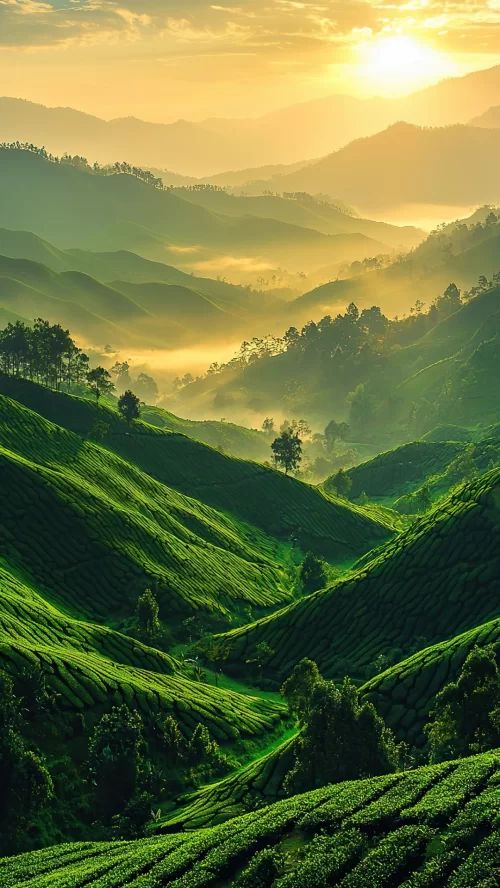
Coastal destinations such as Kochi, Varkala, Kovalam, Kannur, and Kozhikode experience frequent showers accompanied by cloudy skies and humid weather. Backwater destinations including Alleppey and Kumarakom become peaceful and scenic as canals and lakes overflow with fresh rainwater, creating beautiful surroundings for houseboat cruises. Hill stations receive heavier rainfall, often producing mist-covered valleys, dense forests, and lush tea plantations that attract nature lovers and photographers.
The Western Ghats receive the highest rainfall, making mountain landscapes incredibly beautiful while also increasing the possibility of slippery roads, temporary traffic restrictions, and occasional travel delays. Forest reserves become greener, wildlife habitats flourish, and plantation landscapes become even more attractive than during the dry season.
Although Kerala remains open for tourism throughout the monsoon, travelers should understand that sightseeing during this period differs considerably from winter travel. Outdoor plans may require flexibility, while weather conditions can influence transportation, photography, and recreational activities.
For visitors who enjoy lush landscapes and peaceful surroundings, Kerala's monsoon offers a unique experience that cannot be replicated during any other season.
Understanding how rainfall affects different parts of the state helps travelers choose destinations and plan realistic itineraries before beginning their journey.
While Kerala's monsoon creates breathtaking scenery, it also introduces several practical travel challenges that visitors should consider before planning their trip. Frequent rainfall can occur at any time of the day, sometimes lasting only a short period and sometimes continuing for several hours. This unpredictability means outdoor sightseeing often needs to be adjusted according to changing weather conditions.
Road travel may occasionally become slower because of reduced visibility, waterlogging in some low-lying areas, or temporary traffic congestion during heavy showers. Hill station routes passing through Munnar, Wayanad, and Thekkady may experience fog, slippery roads, or localized maintenance work following intense rainfall. Travelers should therefore allow additional travel time between destinations.
Outdoor attractions such as viewpoints, waterfalls, trekking trails, beaches, and wildlife activities may also be affected by weather. Certain adventure activities are occasionally suspended for safety reasons during periods of heavy rainfall. Photography opportunities can vary significantly because cloud cover sometimes limits mountain views and sunsets.
Humidity remains another important consideration, particularly along Kerala's coastline. Although temperatures are generally moderate, high moisture levels may make outdoor sightseeing feel less comfortable for travelers who are sensitive to humid weather.
Despite these challenges, most tourism services continue operating normally, including hotels, houseboats, restaurants, and transportation. Travelers who remain flexible usually continue enjoying memorable holidays even when occasional rain affects their plans.
Being prepared for changing weather allows visitors to adapt their itineraries while still experiencing Kerala's remarkable natural beauty during the monsoon season.
The key to enjoying Kerala during the monsoon is planning the trip with realistic expectations. Travelers should not expect uninterrupted sunshine or perfectly clear skies throughout their vacation. Instead, the season offers mist-covered mountains, lush plantations, overflowing waterfalls, dramatic cloud formations, and peaceful backwaters that create a completely different atmosphere from the winter tourist season.
Visitors should understand that rain is a natural part of the journey rather than an unexpected inconvenience. Some sightseeing plans may need to be rearranged depending on daily weather conditions, and flexibility often becomes one of the biggest advantages during monsoon travel. Having alternative indoor activities, cafés, museums, wellness experiences, or cultural attractions helps ensure that every day remains enjoyable regardless of rainfall.
Accommodation should also be selected carefully. Resorts with scenic views, wellness facilities, comfortable indoor spaces, and easy road access often provide a more enjoyable experience during wet weather. Carrying waterproof clothing, umbrellas, suitable footwear, and extra travel time between destinations further improves comfort throughout the journey.
Monsoon travel is particularly rewarding for nature lovers, photographers, couples, and wellness travelers who appreciate peaceful surroundings and dramatic landscapes. On the other hand, visitors whose priority is uninterrupted outdoor sightseeing or adventure activities may prefer traveling during the winter months instead.
Understanding these seasonal differences helps travelers make informed decisions based on their personal travel style rather than expecting identical experiences throughout the year.
With thoughtful planning and flexible expectations, Kerala's monsoon can become one of the most beautiful and memorable times to explore the state.
Kerala's monsoon is characterized by frequent rainfall that can occur several times throughout the day. While some showers last only a few minutes, others may continue for several hours depending on the region and weather system. Travelers who enjoy sunny weather and uninterrupted sightseeing may find this pattern challenging because outdoor activities often need to be adjusted according to changing conditions. Rain should be considered a normal part of the journey rather than an occasional event.
Rainfall intensity also varies across the state. Hill stations such as Munnar, Wayanad, Thekkady, and Vagamon generally receive heavier rainfall because of their location within the Western Ghats. Coastal destinations including Kochi, Varkala, Kovalam, Kannur, and Kozhikode also experience regular showers, although the timing and intensity can differ throughout the season. Visitors traveling across multiple regions should therefore expect changing weather almost every day.
Continuous rain transforms Kerala into a lush tropical landscape, filling rivers, waterfalls, plantations, and forests with vibrant greenery. However, travelers who prefer spending long hours outdoors without interruptions may feel limited by the need to frequently pause sightseeing or seek shelter during showers. Flexibility becomes an essential part of the travel experience.
Many visitors enjoy the peaceful atmosphere created by rainy weather, especially while staying in scenic resorts, houseboats, or plantation accommodations. Others, however, may find constant rain tiring if they prefer fast-paced sightseeing or outdoor recreation throughout the day.
Understanding the frequency of rainfall helps travelers decide whether the monsoon season matches their expectations before confirming their travel dates.
If your ideal vacation depends on clear skies and consistently dry weather, Kerala's winter season is generally a more comfortable choice than the rainy months.
Frequent rainfall during Kerala's monsoon can influence sightseeing plans in several ways. While most tourist destinations remain open, visitors may occasionally need to postpone outdoor activities until rainfall becomes lighter. Scenic viewpoints, beaches, plantation walks, waterfalls, wildlife safaris, and nature trails often depend on daily weather conditions, making flexibility an important part of itinerary planning.
Road journeys between destinations may also take longer than expected because heavy rain can reduce visibility and slow traffic, particularly on mountain routes. Travelers moving between Munnar, Thekkady, Wayanad, Vagamon, or other hill regions should allow additional travel time rather than planning tightly packed schedules. Occasional maintenance work or localized road diversions may also occur after periods of intense rainfall.
Photography can become unpredictable during continuous rain. Mountain viewpoints may remain covered by clouds for extended periods, beaches may appear under grey skies, and sunsets may not always be visible. At the same time, photographers who enjoy dramatic weather often appreciate mist-covered valleys, rain-soaked forests, and overflowing waterfalls that are unique to the season.
Outdoor adventure activities such as trekking, camping, and boating may occasionally be modified or temporarily suspended depending on local safety conditions. Responsible tour operators prioritize visitor safety whenever rainfall becomes particularly intense.
Travelers who include indoor attractions such as museums, cafés, Ayurvedic wellness centers, heritage buildings, or cultural performances within their itinerary generally find it much easier to adapt when rain interrupts outdoor sightseeing.
Planning flexible daily schedules instead of fixed hour-by-hour itineraries greatly improves the overall monsoon travel experience.
Before planning a Kerala trip during the monsoon, it is important to honestly evaluate your personal travel style. Travelers who enjoy sunshine, beach holidays, uninterrupted sightseeing, and outdoor exploration from morning until evening may not fully enjoy the rainy season. Frequent showers require patience, flexibility, and the willingness to adapt daily plans whenever weather conditions change unexpectedly.
On the other hand, many travelers deliberately choose the monsoon because they appreciate peaceful surroundings, cooler temperatures in the hills, lush green landscapes, dramatic waterfalls, and fewer tourist crowds. For these visitors, rain becomes part of the experience rather than an obstacle. Watching clouds drift across tea plantations or enjoying coffee while overlooking rain-soaked valleys creates unforgettable memories that are unique to Kerala during this season.
Families with very young children, elderly travelers with mobility concerns, or visitors following strict travel schedules may find winter travel more convenient because outdoor activities are generally more predictable. Travelers with flexible plans usually experience fewer difficulties because they can adjust sightseeing according to daily weather forecasts.
Budget travelers often appreciate the monsoon because accommodation prices may be lower than during the peak tourist season, while photographers frequently value the dramatic lighting and lush landscapes created by continuous rainfall. Every traveler therefore experiences the season differently depending on their interests and expectations.
Rather than asking whether Kerala should be avoided during the monsoon, the more useful question is whether your preferred style of travel matches the realities of rainy-season tourism.
If you are comfortable embracing changing weather and flexible plans, Kerala's monsoon can become one of the most rewarding times to experience the state's extraordinary natural beauty.
Senior citizens can certainly visit Kerala during the monsoon, but prolonged rainy weather may create additional challenges that should be considered before planning the journey. Continuous rainfall often means spending more time walking on wet surfaces, entering and exiting vehicles during showers, and adjusting sightseeing plans according to changing weather conditions. Travelers who prefer comfortable and predictable vacations may find these circumstances less convenient than visiting during the dry winter months.
Many of Kerala's attractions involve outdoor sightseeing, including beaches, hill stations, tea plantations, wildlife reserves, waterfalls, gardens, and heritage sites. During periods of frequent rain, reaching these attractions may require walking through wet parking areas, uneven pathways, or steps that become slippery. Even short distances can become tiring for travelers with reduced mobility or balance concerns.
Long road journeys may also feel more demanding during the rainy season. Heavy rainfall occasionally slows traffic on highways and mountain roads, resulting in longer travel times between destinations. Seniors who are sensitive to extended road travel or frequent vehicle movement may find slower journeys less comfortable than during other seasons.
Humidity can also affect overall comfort, particularly in Kerala's coastal districts. Although temperatures usually remain moderate, the combination of moisture and rainfall may feel uncomfortable for travelers who are sensitive to humid conditions or who prefer cooler, drier weather.
None of these factors necessarily prevent senior citizens from enjoying Kerala during the monsoon, but they do require realistic expectations and careful itinerary planning that prioritizes comfort over covering numerous destinations.
Choosing shorter travel distances, comfortable accommodations, and flexible sightseeing schedules can significantly improve the overall experience for older travelers.
One of the most important considerations for senior travelers during Kerala's monsoon is the condition of walking surfaces. Rainwater can make pathways, stone steps, garden trails, viewpoints, and natural attractions considerably more slippery than during the dry season. Popular destinations such as Munnar, Wayanad, Thekkady, Vagamon, Athirappilly Waterfalls, and several beaches require extra caution after rainfall.
Hill stations often include sloping roads, tea plantation trails, and viewpoints connected by staircases or uneven paths. While these attractions remain beautiful throughout the monsoon, wet conditions increase the possibility of slipping if proper footwear and careful movement are not maintained. Similar conditions may also occur around waterfalls, forest trails, and riverside viewpoints where surfaces remain damp for much of the day.
Beaches present another consideration. Wet sand, uneven shoreline conditions, and occasional strong waves following rainfall may reduce walking comfort compared to winter. Likewise, entering or exiting houseboats during rain requires additional care because jetties and boarding platforms may become slippery.
Travelers with knee problems, balance concerns, arthritis, or those recovering from surgery should carefully evaluate whether extensive outdoor sightseeing during the monsoon matches their physical comfort level. Planning frequent rest breaks and avoiding unnecessary walking can make the journey significantly more enjoyable.
Choosing accommodations with easy vehicle access, elevators where available, and minimal stair climbing further improves comfort throughout the trip. Many resorts also offer scenic views that allow travelers to appreciate Kerala's natural beauty without extensive physical activity.
With sensible planning and appropriate precautions, many senior travelers continue to enjoy Kerala safely during the rainy season while minimizing unnecessary physical strain.
For many senior citizens, the winter season between October and March provides a significantly more comfortable travel experience than the monsoon. Pleasant temperatures, lower humidity, clear skies, and dry walking conditions make sightseeing easier while reducing many of the practical challenges associated with rainy weather. Outdoor attractions become more accessible, road journeys are generally smoother, and visitors can comfortably spend longer periods exploring Kerala's famous destinations.
Hill stations such as Munnar, Thekkady, Vagamon, and Wayanad are particularly enjoyable during winter because walking conditions improve considerably. Scenic viewpoints remain clearer, plantation visits become more comfortable, and outdoor photography opportunities increase. Beaches and backwaters also provide pleasant weather for leisurely sightseeing without frequent interruptions caused by rainfall.
Families traveling with elderly parents often find winter itineraries easier to manage because transportation schedules remain more predictable and attractions are generally easier to access. Although winter is the busiest tourism season, the improved weather frequently outweighs the higher visitor numbers for travelers prioritizing comfort and convenience.
That said, senior citizens who enjoy peaceful surroundings and are comfortable adapting to changing weather may still appreciate Kerala during the monsoon, particularly if the itinerary focuses on scenic resorts, houseboats, wellness retreats, and shorter daily excursions instead of extensive sightseeing. The key is to avoid rushing between multiple destinations and instead enjoy Kerala at a slower pace.
The best travel season ultimately depends on personal health, mobility, and preferred holiday style rather than age alone. Consulting with healthcare professionals when necessary and selecting realistic itineraries helps ensure a safe and enjoyable journey.
If comfort, accessibility, and predictable sightseeing are the highest priorities, winter remains the most suitable season for most senior travelers visiting Kerala.
Families with infants and very young children can still visit Kerala during the monsoon, but traveling requires more preparation than during the dry season. Frequent rainfall, changing weather conditions, and occasional travel delays may make daily sightseeing more demanding for parents. Before planning a monsoon holiday, families should consider whether young children will remain comfortable during long drives, repeated weather changes, and outdoor activities that may occasionally be interrupted by rain.
Infants usually require frequent feeding, diaper changes, comfortable resting places, and protection from damp weather. Continuous movement between attractions during periods of rainfall may become tiring for both parents and children. Families often find it more practical to stay longer at one destination instead of attempting to cover several places within a short itinerary.
Accommodation also becomes particularly important. Resorts with spacious rooms, indoor dining, children's play areas, covered walkways, and reliable room service can make rainy-day travel much easier. Staying in comfortable properties allows families to enjoy the holiday even when outdoor sightseeing becomes temporarily limited by weather conditions.
Parents should also pack carefully before starting the journey. Waterproof clothing, umbrellas, extra baby clothes, towels, diapers, baby food, medicines, and protective covers for strollers are useful throughout the trip. Since weather can change quickly, carrying extra supplies reduces unnecessary stress during sightseeing.
Many families still enjoy Kerala during the monsoon by keeping daily plans simple and allowing sufficient time for rest. Rather than rushing between attractions, they focus on enjoying scenic views, comfortable accommodation, and shorter sightseeing sessions whenever weather conditions permit.
With realistic expectations and careful preparation, traveling with young children during Kerala's monsoon can remain comfortable and enjoyable.
During Kerala's monsoon, weather conditions may occasionally influence transportation and sightseeing schedules. Heavy rainfall can reduce driving speeds, increase travel time between destinations, or temporarily affect certain outdoor activities. While major highways and tourism services generally continue operating normally, families traveling with young children should avoid planning tightly packed itineraries that leave little room for unexpected delays.
Mountain destinations such as Munnar, Wayanad, Vagamon, and Thekkady may experience fog, slippery roads, or slower traffic following periods of continuous rain. Coastal areas occasionally receive heavy showers that encourage families to spend more time indoors before continuing their sightseeing. These situations are normal during the monsoon and should be considered while planning daily activities.
Outdoor attractions such as waterfalls, beaches, viewpoints, wildlife activities, and plantation walks may also require adjustments according to weather conditions. Families who include indoor experiences such as museums, cafés, cultural attractions, wellness centers, or comfortable resort facilities usually find it much easier to adapt when rainfall interrupts outdoor plans.
Parents should avoid scheduling long journeys immediately before hotel check-ins, return flights, or train departures. Leaving additional travel time helps reduce unnecessary pressure if weather conditions temporarily slow transportation.
Monitoring local weather forecasts each morning also allows families to adjust sightseeing according to the day's conditions. Visiting outdoor attractions during lighter rainfall and reserving indoor activities for heavier showers often creates a more enjoyable travel experience.
Flexible planning remains one of the most effective ways to ensure a relaxed family holiday during Kerala's rainy season.
Families traveling with infants and very young children often enjoy Kerala more comfortably when they simplify their itinerary during the monsoon. Instead of visiting numerous destinations across the state, choosing two or three carefully selected locations allows children to rest properly while reducing the stress associated with long road journeys and changing accommodation every day.
Backwater destinations such as Alleppey and Kumarakom, comfortable beach resorts in Varkala or Kovalam, and family-friendly hill station resorts in Munnar often provide relaxed environments where parents can balance sightseeing with adequate rest. Properties offering indoor recreation, scenic balconies, restaurants, and spacious rooms remain particularly valuable during periods of frequent rainfall.
Parents should also prioritize health and safety throughout the journey. Keeping children dry after outdoor activities, ensuring they wear appropriate clothing, maintaining hydration, and carrying prescribed medicines contribute significantly to a comfortable vacation. If children are especially sensitive to humid weather or long road journeys, winter may provide a more predictable and convenient travel experience.
Families who enjoy peaceful holidays often discover that Kerala's monsoon offers beautiful scenery without peak-season crowds. Watching rain over tea plantations, relaxing beside backwaters, or enjoying resort facilities can become memorable experiences even when outdoor sightseeing is limited.
Ultimately, successful family travel during the monsoon depends more on realistic planning than on avoiding the season altogether. Choosing appropriate accommodation, reducing daily travel distances, and maintaining flexible schedules help create enjoyable holidays despite changing weather.
If comfort and uninterrupted sightseeing are the highest priorities, traveling during the winter season is generally the easier option for families with infants and very young children.
Kerala's hill stations remain among the state's most beautiful destinations during the monsoon, but road travel requires greater attention than during the dry season. Popular routes leading to Munnar, Wayanad, Thekkady, Vagamon, and other Western Ghats destinations receive regular rainfall that can affect visibility, road conditions, and overall driving comfort. Travelers planning self-drive holidays or long road trips should understand these seasonal realities before finalizing their itinerary.
Rainfall transforms the mountain landscapes into lush green valleys filled with mist, overflowing waterfalls, and dense forests. While this creates spectacular scenery, it also means drivers frequently encounter wet roads, sharp bends, and reduced visibility, especially during early mornings, evenings, and periods of heavy rain. Mountain roads require slower driving speeds and greater attention compared to travel during the winter months.
Professional drivers and experienced local transport operators are generally familiar with these conditions, making organized road travel relatively comfortable. Travelers choosing self-drive vehicles should be confident driving on winding mountain roads while remaining prepared for changing weather conditions throughout the journey.
Frequent rain also increases the likelihood of encountering fog across higher elevations. Certain viewpoints and scenic stops may remain covered by clouds for several hours, although the mist itself often creates beautiful landscapes appreciated by photographers and nature enthusiasts.
Despite these seasonal changes, thousands of visitors continue exploring Kerala's hill stations every monsoon. Safe driving practices, realistic travel schedules, and regular weather updates help ensure a comfortable and enjoyable road trip.
Understanding that the journey may take longer than expected allows travelers to appreciate the scenery without unnecessary pressure to reach destinations quickly.
Heavy rainfall occasionally influences road conditions across Kerala's hill regions. Continuous rain may reduce visibility, create temporary water accumulation, or require precautionary maintenance on certain mountain stretches. Although major tourist routes usually remain operational, travelers should expect slower journeys compared to winter travel, particularly during periods of intense rainfall.
Mountain roads leading to destinations such as Munnar, Wayanad, and Thekkady include numerous curves, elevation changes, and forest sections where rainfall may be heavier than nearby lowland areas. Drivers should avoid unnecessary speeding and maintain safe distances from other vehicles, especially when roads remain wet for extended periods.
Local authorities continuously monitor weather conditions and road safety. On rare occasions, temporary diversions or precautionary restrictions may be introduced if rainfall becomes unusually intense. Such measures are intended to improve traveler safety rather than discourage tourism. Checking current road conditions before departure helps travelers avoid unnecessary inconvenience.
Travelers should also remember that sightseeing stops along mountain routes may require extra caution. Parking areas, viewpoints, plantation paths, and roadside attractions can become slippery after rain, making supportive footwear and careful walking especially important.
Choosing daylight travel significantly improves road safety during the monsoon. Beginning journeys early in the morning allows travelers to complete mountain drives before evening, when visibility may decrease because of fog or continued rainfall.
With sensible planning and patient driving, Kerala's scenic hill roads remain enjoyable throughout the monsoon while showcasing some of the state's most spectacular natural landscapes.
One of the most effective ways to enjoy Kerala's hill stations during the monsoon is to plan daily travel according to reliable weather forecasts. Rainfall intensity often varies from one district to another, meaning travelers may experience sunshine in one location while another receives heavy showers. Checking forecasts each morning helps visitors organize sightseeing more efficiently and avoid unnecessary travel during periods of intense rain.
Flexible itineraries are especially valuable for road trips. Instead of scheduling multiple destinations within a single day, travelers should allow additional time for scenic stops, weather delays, and occasional traffic slowdowns. This approach reduces stress while making the overall journey more enjoyable.
Accommodation should also be selected with convenience in mind. Staying close to major attractions reduces unnecessary driving during poor weather and provides opportunities to relax indoors if rainfall temporarily interrupts sightseeing. Resorts overlooking tea plantations, forests, or valleys often allow visitors to appreciate Kerala's monsoon beauty without extensive outdoor travel.
Drivers should ensure their vehicles are well prepared before beginning mountain journeys. Good tire condition, properly functioning brakes, headlights, windshield wipers, and sufficient fuel contribute significantly to safe travel during wet weather. Travelers hiring vehicles should also confirm that maintenance has been completed before departure.
Although weather forecasts improve planning, flexibility remains essential because mountain weather can change quickly. Accepting occasional adjustments as part of the travel experience often results in a far more enjoyable monsoon holiday than trying to follow rigid schedules.
With careful planning, realistic expectations, and attention to weather updates, Kerala's hill station road trips remain one of the most scenic experiences of the rainy season.
Kerala is well known for trekking, wildlife exploration, camping, plantation walks, bamboo rafting, kayaking, and other outdoor experiences. During the monsoon season, however, some adventure activities operate differently because weather conditions become the primary factor influencing visitor safety. Travelers planning their trip mainly for outdoor adventure should understand that rainfall may affect the availability of certain activities.
Trekking routes across destinations such as Munnar, Wayanad, Thekkady, Vagamon, and other Western Ghats regions often become wet and slippery after continuous rainfall. Forest authorities and local tourism operators may temporarily limit access to selected trails whenever conditions become unsafe. These decisions are made to protect both visitors and the surrounding ecosystem rather than discourage tourism.
Wildlife experiences may also vary during the rainy season. National parks and wildlife sanctuaries generally remain open according to their operating schedules, but jungle safaris, guided walks, bamboo rafting, or boating activities may occasionally be modified depending on rainfall intensity and water levels. Visitors should confirm availability directly with local operators before planning specific activities.
Waterfalls become one of Kerala's biggest attractions during the monsoon because rainfall dramatically increases water flow. Although the scenery becomes exceptionally beautiful, safety barriers and restricted access may occasionally be introduced near viewing areas if water levels become unusually high. Travelers should always respect official instructions and avoid entering restricted areas.
Adventure travelers who remain flexible often continue enjoying Kerala throughout the monsoon by adapting their activities according to daily weather conditions. Scenic drives, plantation visits, cultural attractions, and wellness experiences frequently become enjoyable alternatives whenever outdoor adventures are temporarily unavailable.
Understanding these seasonal adjustments helps visitors enjoy Kerala safely while appreciating the dramatic beauty created by the rainy season.
Outdoor sightseeing during Kerala's monsoon often depends on the daily weather forecast. Rain showers may temporarily interrupt activities such as trekking, cycling, plantation walks, birdwatching, wildlife photography, boating, and beach visits. While most attractions remain open throughout the season, visitors should expect occasional changes to their original itinerary whenever weather conditions become unfavorable.
Mountain viewpoints frequently experience cloud cover and mist, which may reduce long-distance visibility despite creating beautiful atmospheric scenery. Travelers hoping for clear panoramic views of tea plantations, valleys, and surrounding mountains should understand that visibility may improve and disappear several times within the same day depending on rainfall and cloud movement.
Forest trails become especially beautiful during the monsoon because of dense greenery, flowing streams, and abundant wildlife activity. However, wet surfaces require greater caution while walking. Wearing appropriate footwear with good grip becomes essential for anyone participating in outdoor exploration. Carrying waterproof clothing and protecting electronic equipment also improves comfort throughout the journey.
Beach destinations continue attracting visitors during the rainy season, although swimming conditions may occasionally be influenced by stronger waves and changing sea conditions. Travelers should always follow instructions issued by lifeguards and local authorities before entering the water.
Rather than trying to complete every outdoor activity exactly as planned, experienced monsoon travelers often combine nature sightseeing with cafés, museums, cultural performances, Ayurvedic wellness centers, and scenic accommodation where the changing weather becomes part of the holiday experience.
Flexibility allows visitors to appreciate Kerala's natural beauty while remaining safe and comfortable despite changing weather conditions.
The ideal season for adventure travel in Kerala depends on the activities you plan to enjoy. Travelers whose primary goal is trekking, camping, wildlife exploration, cycling, or extended outdoor sightseeing generally find the period between October and March more suitable. Dry weather, clearer skies, and comfortable temperatures make outdoor activities easier while reducing weather-related interruptions.
The monsoon, however, appeals to a different type of traveler. Nature enthusiasts who enjoy mist-covered mountains, overflowing waterfalls, dense forests, dramatic cloud formations, and peaceful landscapes often consider the rainy season one of Kerala's most beautiful travel periods. For these visitors, experiencing nature in its most vibrant form becomes more important than completing every planned adventure activity.
Photographers frequently appreciate the monsoon because forests, rivers, waterfalls, and tea plantations appear exceptionally lush. Wildlife enthusiasts may also enjoy the season's rich biodiversity, although patience is required because weather conditions influence animal movement and outdoor visibility.
Families and first-time visitors seeking uninterrupted sightseeing usually find winter easier to manage, while experienced travelers with flexible itineraries often enjoy the unique atmosphere created by Kerala's rainy season. Both seasons therefore provide rewarding experiences, but they cater to different travel priorities.
Rather than avoiding Kerala during the monsoon, adventure travelers should simply align their expectations with seasonal realities. Selecting activities appropriate for current weather conditions ensures a more enjoyable and safer holiday.
If uninterrupted outdoor adventure is your highest priority, winter remains the preferred travel season. If you appreciate lush landscapes and changing weather, the monsoon offers a uniquely memorable experience.
Travelers following tightly planned itineraries may find Kerala's monsoon season more challenging than other times of the year. Frequent rainfall can occasionally influence road conditions, sightseeing schedules, and the amount of time required to travel between destinations. Although tourism services continue operating across the state, visitors should understand that weather may naturally slow certain parts of the journey.
Road trips connecting destinations such as Kochi, Munnar, Thekkady, Wayanad, Alleppey, Kumarakom, Varkala, and Kovalam may take longer during periods of continuous rain. Reduced visibility, slower traffic movement, and occasional water accumulation on roads can increase travel time, particularly across hilly regions and busy highways. Travelers attempting to cover multiple destinations within a limited number of days may therefore feel rushed if they follow very strict schedules.
Outdoor sightseeing may also require adjustments. Rainfall sometimes interrupts beach visits, plantation walks, wildlife activities, waterfalls, and scenic viewpoints until weather conditions improve. Although many attractions remain accessible, the overall pace of sightseeing becomes less predictable than during the winter season.
Public transportation generally continues operating, but travelers using flights, trains, or long-distance buses should always allow sufficient transfer time between connections. Planning arrivals just minutes before departures increases unnecessary stress if weather temporarily slows road travel.
Understanding that occasional delays are part of monsoon travel helps visitors enjoy the journey rather than becoming frustrated when plans require minor adjustments.
Travelers with flexible schedules usually experience significantly less stress while exploring Kerala during the rainy season.
One of the most effective ways to enjoy Kerala during the monsoon is to avoid rigid hour-by-hour travel plans. Weather conditions can change several times during a single day, meaning a viewpoint that is covered by clouds in the morning may offer excellent visibility later in the afternoon. Travelers who keep their itinerary flexible often enjoy far more rewarding experiences than those trying to follow fixed schedules.
Instead of planning numerous attractions each day, visitors should focus on fewer destinations while allowing additional time for unexpected weather changes. This approach reduces travel fatigue and creates opportunities to appreciate Kerala's natural beauty without constantly watching the clock. Scenic cafés, heritage attractions, Ayurvedic wellness centers, museums, and local markets also provide enjoyable alternatives whenever outdoor activities are interrupted by rain.
Flexible planning is particularly valuable for road trips through Kerala's hill stations. Travelers can delay departures until rainfall becomes lighter, stop at scenic viewpoints whenever visibility improves, or spend extra time at comfortable resorts overlooking tea plantations and forests. These spontaneous moments often become some of the most memorable parts of a monsoon holiday.
Families, senior travelers, photographers, and couples generally benefit from slower itineraries because they reduce unnecessary physical and mental pressure throughout the journey. The emphasis shifts from covering the maximum number of attractions to enjoying each destination at a comfortable pace.
Kerala's monsoon rewards travelers who embrace changing weather rather than trying to control every detail of the itinerary. Accepting occasional changes as part of the experience creates a much more relaxed holiday.
Keeping plans flexible allows visitors to enjoy Kerala's unique seasonal beauty while minimizing stress caused by unpredictable weather.
Adding extra travel time between destinations is one of the simplest ways to make a Kerala monsoon trip more comfortable. Rather than assuming travel durations will always match those experienced during the dry season, visitors should expect occasional slowdowns caused by rainfall, fog, or heavier traffic on popular tourist routes. Building this additional time into the itinerary reduces pressure throughout the journey.
Hill station routes deserve particular attention because winding mountain roads naturally require slower driving during wet conditions. Travelers moving between Munnar, Thekkady, Wayanad, Vagamon, or other Western Ghats destinations should avoid scheduling multiple sightseeing stops immediately after long road journeys. Allowing sufficient rest time improves both comfort and safety.
Accommodation check-ins, houseboat departures, guided tours, and transportation connections should also include comfortable time margins. Arriving early rather than rushing through unfamiliar roads during heavy rain creates a far more enjoyable travel experience. Travelers should especially avoid planning return flights or trains immediately after long mountain drives without allowing additional travel time.
Many experienced visitors intentionally spend two or three nights at each destination instead of changing hotels every day. This approach minimizes packing, reduces time spent traveling, and provides greater flexibility when weather temporarily affects sightseeing plans.
By slowing the overall pace of the journey, travelers often discover that they enjoy Kerala's scenery, hospitality, cuisine, and cultural experiences much more deeply than if they attempted to visit every attraction within a limited schedule.
Allowing extra time between destinations ultimately transforms monsoon travel into a relaxed and rewarding experience instead of a race against changing weather.
Kerala's monsoon is not only defined by frequent rainfall but also by consistently high humidity levels across much of the state. Coastal regions such as Kochi, Alleppey, Kumarakom, Varkala, Kovalam, Kannur, and Kozhikode generally experience humid conditions throughout the rainy season because of their proximity to the Arabian Sea. Although temperatures remain lower than during peak summer, the moisture in the air can make outdoor activities feel warmer and more physically demanding for some travelers.
Humidity varies slightly between destinations. Coastal areas usually feel more humid, while hill stations such as Munnar, Vagamon, Wayanad, and Thekkady often provide relatively cooler conditions because of their higher elevations. However, even in the hills, moisture remains noticeable during periods of continuous rainfall. Travelers moving between coastal and mountain regions should therefore expect changing levels of comfort throughout their journey.
High humidity can cause clothing to remain damp for longer periods, increase perspiration during sightseeing, and reduce overall comfort for visitors who are not accustomed to tropical climates. Travelers who prefer dry, cool weather may require additional rest breaks during outdoor exploration, particularly when visiting beaches, heritage sites, or walking through towns after rainfall.
Despite these conditions, humidity also contributes to Kerala's lush vegetation, vibrant plantations, thriving forests, and beautiful tropical scenery. The same moisture that creates discomfort for some travelers is responsible for the remarkable natural landscapes that make Kerala famous during the rainy season.
Understanding these weather conditions before arrival helps travelers prepare appropriate clothing, plan comfortable sightseeing schedules, and avoid unrealistic expectations.
Visitors who are comfortable with tropical climates generally adjust quickly, while others benefit from slower itineraries and well-planned accommodation with good ventilation or air conditioning.
Travelers who are sensitive to humid weather can still enjoy Kerala during the monsoon by making a few practical adjustments to their itinerary and daily routine. Planning sightseeing during the cooler morning and evening hours often provides a more comfortable experience than spending long periods outdoors during the warmest part of the day. Midday can be reserved for relaxing at cafés, museums, wellness centers, or comfortable accommodation.
Choosing hotels and resorts with air-conditioned rooms, covered common areas, and good natural ventilation significantly improves comfort throughout the trip. Resorts overlooking tea plantations, backwaters, beaches, or forests often allow visitors to appreciate Kerala's scenery while remaining sheltered during periods of heavy rainfall. Comfortable indoor facilities become particularly valuable when weather temporarily limits outdoor activities.
Clothing also plays an important role. Lightweight, quick-drying fabrics, waterproof jackets, extra clothing, comfortable sandals or shoes with good grip, and umbrellas help travelers remain comfortable despite changing weather conditions. Carrying an extra set of dry clothes is particularly useful after long sightseeing sessions or road journeys.
Staying hydrated is equally important because high humidity increases perspiration even when temperatures appear moderate. Drinking water regularly and taking short breaks between activities helps reduce fatigue while exploring Kerala's attractions.
Rather than attempting to maintain fast-paced sightseeing schedules, visitors often enjoy the monsoon more by slowing their itinerary and allowing time to relax between destinations. This approach matches Kerala's peaceful atmosphere during the rainy season while improving overall travel comfort.
Thoughtful preparation allows even humidity-sensitive travelers to enjoy Kerala's remarkable landscapes with minimal inconvenience.
Kerala's weather can change quickly during the monsoon, making preparation one of the most important aspects of a successful trip. Travelers may begin the day under cloudy skies, experience sunshine during the afternoon, and encounter heavy rainfall by evening. This variation is completely normal during the rainy season and should be expected regardless of the destination.
Visitors traveling across different regions will notice distinct weather patterns. Coastal districts generally remain warm and humid throughout the day, while higher-altitude destinations often become cooler, mistier, and windier. Packing for both conditions allows travelers to remain comfortable throughout the journey without needing to purchase additional clothing during the trip.
Checking local weather forecasts each morning also improves planning. Scheduling outdoor sightseeing during periods of lighter rainfall while reserving indoor experiences for heavier showers creates a more enjoyable itinerary. Since most attractions remain open throughout the season, minor adjustments are usually sufficient to continue exploring comfortably.
Electronic devices, travel documents, cameras, and personal belongings should also be protected using waterproof bags or covers. Moisture can quickly affect sensitive equipment during frequent showers, particularly when traveling between destinations or participating in outdoor activities.
Travel insurance, realistic schedules, flexible accommodation bookings, and allowing additional travel time further improve peace of mind during the monsoon. These simple precautions help visitors adapt easily whenever weather conditions change unexpectedly.
With careful preparation and flexible expectations, travelers can comfortably experience Kerala's lush tropical landscapes while minimizing the effects of humidity and changing weather throughout the journey.
Kerala's monsoon creates spectacular photography opportunities, but it also brings frequent cloud cover that can significantly influence landscape photography. During the rainy season, mountain peaks, valleys, tea plantations, beaches, and backwaters are often covered by moving clouds and mist. Travelers expecting uninterrupted panoramic views should understand that visibility changes continuously throughout the day and may not always match the clear conditions seen during winter.
Hill stations such as Munnar, Wayanad, Vagamon, and Thekkady regularly experience low clouds drifting across mountain slopes. Some viewpoints may remain completely covered for several hours before suddenly clearing for a short period. This constantly changing atmosphere rewards patient photographers who are willing to wait for brief moments of improved visibility.
Coastal destinations also experience different lighting conditions during the monsoon. Heavy clouds occasionally reduce the intensity of sunrise and sunset colors, while overcast skies create softer natural lighting that is well suited for portrait photography, architectural photography, and close-up nature images. Rather than producing bright blue skies, the season emphasizes mood, texture, and dramatic weather.
Backwaters such as Alleppey and Kumarakom become especially attractive during cloudy weather because calm waters reflect the surrounding greenery and moving clouds. Plantation landscapes, forests, waterfalls, and rivers also appear richer in color because of continuous rainfall and abundant moisture.
Photographers should therefore approach the monsoon with different expectations than the winter season. Instead of searching only for clear skies, embracing mist, clouds, rain, and changing light often results in more unique and atmospheric images.
Understanding the role of cloud cover allows photographers to appreciate Kerala's rainy season as an opportunity rather than a limitation.
Weather conditions directly affect the types of photographs travelers can capture during Kerala's monsoon. Clear panoramic mountain views may become less frequent because clouds often move across valleys and viewpoints, temporarily limiting long-distance visibility. However, the same weather creates dramatic scenes featuring mist-covered forests, rain-soaked tea gardens, flowing waterfalls, and lush tropical vegetation that cannot be experienced during the dry season.
Waterfalls become one of the biggest highlights for photographers during the monsoon. Locations such as Athirappilly, Meenmutty, Soochipara, and numerous smaller waterfalls across the Western Ghats carry significantly more water, producing powerful cascades surrounded by dense greenery. These locations often become the centerpiece of monsoon photography itineraries.
Wildlife and nature photographers may also appreciate the increased activity across forests, wetlands, and backwaters. Fresh vegetation, colorful flowers, reflections in rain-filled lakes, and moisture-covered leaves create beautiful macro and landscape photography opportunities. The entire environment appears more vibrant because of continuous rainfall.
Beach photography changes considerably during the rainy season. Instead of bright sunshine and clear blue skies, photographers capture dramatic waves, textured clouds, reflections on wet sand, and moody coastal scenes. While this style differs from classic beach photography, many professionals value the creativity offered by changing weather.
Because weather evolves quickly, patience becomes one of the most valuable skills for photographers visiting Kerala during the monsoon. Waiting for clouds to shift or rainfall to ease often rewards visitors with remarkable natural lighting and unforgettable landscapes.
Photographers who adapt to seasonal conditions frequently return home with distinctive images that showcase Kerala's dramatic monsoon beauty.
The best season for photography in Kerala depends entirely on the type of images you hope to capture. Travelers seeking crystal-clear mountain views, bright blue skies, colorful sunsets, and maximum long-distance visibility generally find the period between October and March more suitable. Dry weather allows easier access to viewpoints while increasing the chances of photographing Kerala's famous landscapes under clear conditions.
The monsoon, however, appeals to photographers looking for mood, atmosphere, and dramatic natural scenery. Mist-covered tea plantations, overflowing waterfalls, dense forests, rain clouds, reflections across backwaters, and lush vegetation create images that are unique to the rainy season. These conditions often produce photographs with greater depth and emotion compared to the brighter winter months.
Nature photographers, landscape artists, and travel storytellers frequently consider the monsoon one of Kerala's most rewarding seasons because the environment appears exceptionally vibrant. The challenge lies in working with unpredictable weather rather than expecting consistent conditions throughout the day.
Travelers carrying professional camera equipment should prepare for wet weather by using waterproof camera bags, rain covers, lens cloths, and protective storage. Moisture can affect electronic equipment during extended outdoor sessions, making proper protection essential throughout the trip.
Neither season is universally better for photography because each highlights different aspects of Kerala's beauty. Winter emphasizes clarity and visibility, while the monsoon celebrates atmosphere, greenery, waterfalls, and dramatic weather.
Choosing the right season becomes easier when photographers match their travel dates with the visual style they hope to create rather than expecting identical conditions throughout the year.
Choosing whether to visit Kerala during the monsoon depends more on your travel style than on the season itself. The rainy months offer lush green landscapes, overflowing waterfalls, peaceful backwaters, mist-covered mountains, and fewer tourist crowds. At the same time, visitors should be prepared for frequent rainfall, changing weather conditions, occasional travel delays, and flexible sightseeing schedules. Understanding these realities before planning helps ensure a more enjoyable holiday.
Nature lovers, photographers, wellness travelers, couples, and visitors seeking peaceful surroundings often find the monsoon to be one of Kerala's most rewarding seasons. The dramatic scenery, refreshing atmosphere, and quieter tourism environment create experiences that are very different from the busy winter months. Travelers who enjoy adapting their plans according to weather usually appreciate the season's relaxed pace.
On the other hand, families with infants, senior citizens with mobility concerns, adventure travelers expecting uninterrupted outdoor activities, and first-time visitors following tightly planned itineraries may find winter more comfortable. Clear weather, easier road travel, and predictable sightseeing conditions allow travelers to explore Kerala with fewer weather-related adjustments.
Neither season is universally better because each offers distinct advantages. Rather than comparing them directly, travelers should select the season that best matches their personal expectations, physical comfort, available vacation time, and sightseeing priorities.
Making an informed decision before booking accommodation, transportation, and activities helps travelers avoid unrealistic expectations while allowing them to fully appreciate the experiences each season provides.
Kerala remains a remarkable destination throughout the year, provided visitors choose the season that best aligns with their preferred travel style.
Destination selection becomes especially important during Kerala's monsoon. Travelers seeking peaceful backwater experiences may enjoy Alleppey and Kumarakom, where houseboat cruises and lakeside resorts create relaxing holidays despite occasional rain. Those who appreciate mist-covered tea plantations and mountain scenery often choose Munnar, Vagamon, Wayanad, or Thekkady, understanding that rainfall and cloud cover form an essential part of the experience.
Beach destinations such as Varkala, Kovalam, Kannur, and Kozhikode remain attractive during the rainy season, although sea conditions and outdoor activities may occasionally depend on daily weather. Visitors interested in cafés, wellness retreats, and coastal relaxation often continue enjoying these destinations even when short rain showers interrupt beach time.
Travelers who prefer minimal weather-related disruption should consider shorter travel distances and fewer destination changes. Spending two or three nights in each location reduces unnecessary road travel while providing greater flexibility whenever rainfall affects sightseeing. Comfortable resorts with scenic views, indoor facilities, and easy accessibility further improve the overall experience.
Weather forecasts should be reviewed throughout the trip rather than only before departure. Adjusting daily activities according to rainfall often produces a far more enjoyable itinerary than attempting to follow rigid schedules regardless of weather conditions.
Choosing destinations according to your interests instead of trying to visit every famous attraction allows the journey to remain relaxed and memorable throughout the monsoon season.
Thoughtful destination selection helps travelers experience Kerala's seasonal beauty while minimizing unnecessary inconvenience during periods of changing weather.
Before confirming your Kerala monsoon holiday, prepare a practical travel checklist that reflects the season's unique conditions. Pack waterproof clothing, umbrellas, quick-drying garments, comfortable footwear with good grip, waterproof bags for electronics, personal medicines, and extra clothing for changing weather. These simple preparations make daily sightseeing much more comfortable throughout the journey.
Book accommodation that offers comfortable indoor facilities, reliable road access, and scenic surroundings. Resorts overlooking tea plantations, forests, lakes, beaches, or backwaters allow travelers to enjoy Kerala's beauty even during periods of heavy rain. Confirm transportation arrangements in advance and include additional travel time between destinations to accommodate possible weather-related delays.
Keep your itinerary flexible by avoiding tightly packed sightseeing schedules. Allow time for unexpected rain, slower road travel, and spontaneous opportunities to enjoy Kerala's remarkable landscapes. Include indoor attractions such as museums, cafés, Ayurvedic wellness centers, cultural performances, or heritage buildings to balance outdoor sightseeing during rainy days.
Most importantly, adjust your expectations according to the season. The monsoon is not about uninterrupted sunshine or perfectly clear mountain views. It is about experiencing Kerala at its greenest, freshest, and most peaceful while allowing nature to shape the rhythm of your journey. Travelers who embrace this perspective often find the rainy season deeply rewarding.
Whether you ultimately choose the monsoon or a different season, planning according to your travel style, comfort level, and sightseeing priorities will always lead to a better overall experience.
With careful preparation, flexible planning, and realistic expectations, Kerala's monsoon can become one of the most memorable and visually spectacular journeys you will ever experience.


Get customized Kerala tour planning designed around monsoon seasons, backwater cruising routes, hill travel timing, and comfortable coastal stays. Whether you are visiting for houseboat experiences, beach relaxation, wildlife reserves, cultural heritage,
⚡ Quick Response | 💰 Free consultation | 🕒 24×7 expert support