
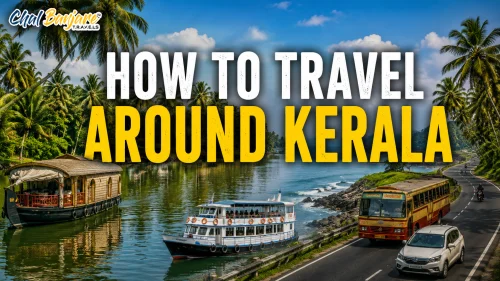
How to Travel Around Kerala
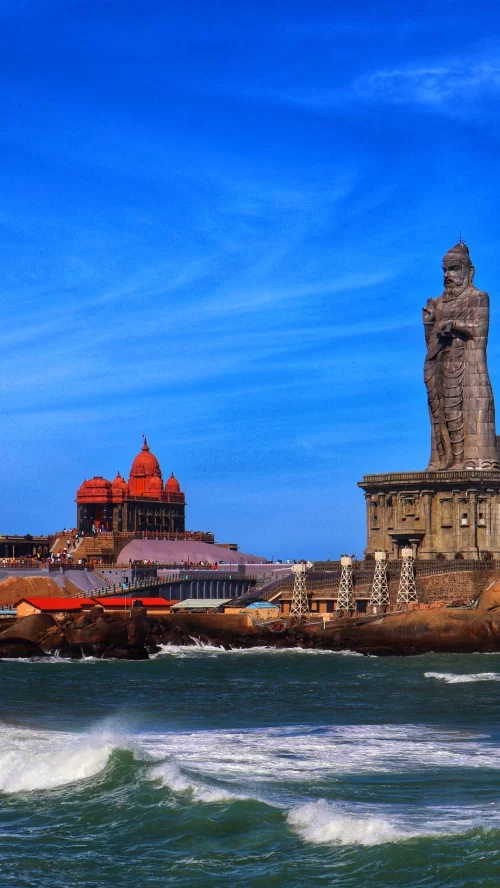
Travelling around Kerala is convenient with trains, buses, taxis, rental vehicles, and local transport options connecting beaches, backwaters, hill stations, wildlife areas, and cultural destinations.
+91 9910402252
admin@chalbanjare.com


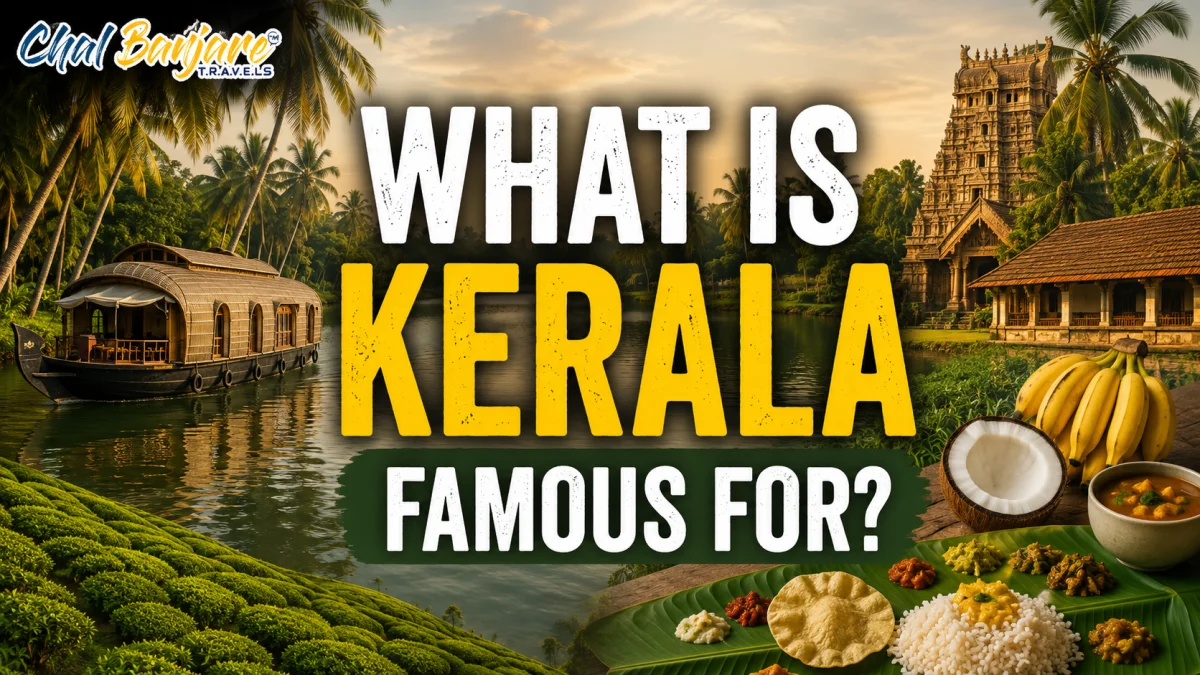
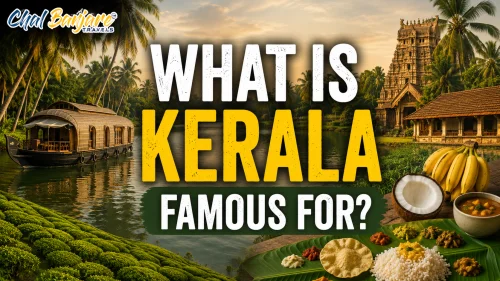
Kerala is famous for its backwaters, lush landscapes, tea plantations, beaches, Ayurveda, wildlife, traditional cuisine, cultural festivals, and unique experiences that attract travellers from across the world.
Kerala is one of India's most celebrated travel destinations because it combines an extraordinary variety of landscapes, experiences, and cultural traditions within a relatively compact geographical area. A traveller can begin the day watching fishing boats along the Arabian Sea, spend the afternoon cruising through peaceful backwaters, and reach mist-covered hill stations surrounded by tea plantations within the same journey. This remarkable diversity has made Kerala a favourite destination for domestic and international visitors seeking nature, relaxation, culture, wildlife, wellness, and authentic local experiences.
Unlike destinations that are known for a single attraction, Kerala offers something for every type of traveller. Couples often choose romantic houseboat cruises and luxury resorts overlooking tranquil lakes, families enjoy wildlife sanctuaries and beaches, adventure enthusiasts explore trekking routes across the Western Ghats, while culture lovers spend time discovering centuries-old temples, churches, mosques, palaces, museums, and heritage towns. Every region presents a different side of the state, ensuring that even repeat visitors continue discovering new experiences.
The state's tourism appeal also lies in its excellent road connectivity, organised hospitality sector, clean surroundings, and welcoming atmosphere. Boutique resorts, plantation stays, village homestays, eco-lodges, wellness retreats, luxury hotels, and traditional heritage properties allow travellers to experience Kerala according to their personal travel style and budget. This flexibility has strengthened Kerala's reputation as one of India's most complete tourism destinations.
Whether someone visits for a relaxing holiday, honeymoon, wildlife safari, Ayurveda retreat, culinary exploration, or cultural journey, Kerala consistently delivers memorable experiences through its unique combination of natural beauty and traditional heritage.
Kerala's reputation comes from offering an exceptional balance of scenery, culture, heritage, wildlife, wellness, and hospitality. Rather than relying on a single attraction, the state creates a complete travel experience where every destination contributes something different, making Kerala one of India's most admired and rewarding places to explore.
Nature forms the foundation of Kerala's identity. The Western Ghats provide dense forests, rolling tea estates, waterfalls, wildlife reserves, rivers, and cool mountain climates, while the Arabian Sea creates a coastline filled with sandy beaches, fishing villages, estuaries, and palm-lined shores. Between these landscapes lies an intricate network of rivers, canals, and lakes that support the famous backwater ecosystem. This remarkable geographical diversity influences almost every aspect of daily life, from agriculture and architecture to cuisine and local traditions.
Kerala's culture reflects centuries of interaction between different communities, traders, and kingdoms. Ancient temples, colonial churches, historic mosques, synagogues, and palaces exist alongside bustling markets and traditional settlements, demonstrating the state's rich multicultural heritage. Classical dance forms such as Kathakali, martial arts like Kalaripayattu, temple festivals, elephant processions, traditional music, and handcrafted art continue to preserve customs that have been passed from one generation to another.
The state's agricultural traditions further strengthen its cultural identity. Coconut groves, rice fields, spice plantations, rubber estates, banana farms, and tea gardens shape both the landscape and the local economy. These agricultural practices influence Kerala's cuisine, festivals, occupations, and village life, creating authentic experiences that travellers encounter throughout their journey.
The combination of spectacular natural surroundings and deeply rooted traditions has created a distinctive regional identity that remains visible in everyday life, making Kerala unlike any other destination in India.
Kerala's identity has evolved through centuries of harmony between nature and culture. Every journey across the state reveals how landscapes, traditions, occupations, festivals, architecture, and hospitality combine to create one of India's most distinctive cultural destinations.
The phrase "God's Own Country" has become synonymous with Kerala because it perfectly reflects the state's extraordinary natural beauty and peaceful atmosphere. Snow is absent here, yet travellers encounter mist-covered hills, emerald-green tea plantations, calm backwaters, tropical forests, pristine beaches, wildlife reserves, rivers, waterfalls, and picturesque villages that create breathtaking scenery throughout the year. The expression highlights the feeling that Kerala possesses a rare combination of landscapes found together in very few places.
The title also represents more than visual beauty. Kerala offers experiences that encourage relaxation, wellness, and meaningful connections with nature. Houseboat cruises drift quietly through palm-fringed canals, Ayurveda therapies promote rejuvenation, plantation walks introduce visitors to aromatic spice gardens, wildlife safaris showcase elephants and exotic birds, while village tourism allows travellers to observe traditional lifestyles that have changed very little over generations.
Kerala's tourism development has carefully balanced visitor experiences with environmental conservation. Protected forests, responsible eco-tourism initiatives, sustainable village tourism, and preservation of traditional architecture help maintain the authenticity that attracts travellers from around the world. These efforts ensure that tourism continues without compromising the state's remarkable natural heritage.
For many visitors, the title "God's Own Country" captures not only Kerala's spectacular scenery but also the peaceful feeling created by its landscapes, hospitality, culture, and slower pace of life, making every journey memorable.
| Feature | Why It Supports The Title |
|---|---|
| Backwaters | Unique Waterway Landscapes |
| Western Ghats | Lush Mountains And Forests |
| Beaches | Scenic Arabian Sea Coastline |
| Ayurveda | Traditional Wellness Heritage |
| Wildlife | Rich Biodiversity And Protected Forests |
| Culture | Ancient Traditions And Hospitality |
Kerala is called God's Own Country because it combines magnificent landscapes, rich biodiversity, traditional wellness, vibrant culture, and peaceful surroundings into a single destination. Every region contributes to this identity, giving travellers unforgettable experiences that continue long after the journey has ended.
Kerala's backwaters are among the state's most iconic attractions and have become one of the strongest symbols of Kerala tourism worldwide. This interconnected network of lakes, rivers, canals, lagoons, and estuaries stretches across several districts, creating peaceful waterways that support local transportation, agriculture, fishing, and village life. Unlike ordinary rivers, the backwaters offer calm waters surrounded by coconut groves, paddy fields, traditional homes, churches, temples, and small settlements that continue to preserve their centuries-old lifestyle.
Some of the most famous backwater destinations include Alleppey, Kumarakom, Ashtamudi Lake, Kuttanad, and portions of Kochi's waterways. Each region offers a slightly different experience depending on its landscape, village life, birdlife, agricultural surroundings, and available cruise options. Travelling through these waterways allows visitors to observe everyday life that cannot be experienced from highways or city streets, making the journey as rewarding as the destination itself.
The peaceful atmosphere, gentle movement of boats, fresh air, and constantly changing scenery make the backwaters suitable for travellers of all ages. Families, honeymoon couples, photographers, wildlife enthusiasts, and international visitors all find unique reasons to include Kerala's backwaters in their travel itinerary.
Kerala's backwaters offer far more than beautiful scenery. They introduce travellers to a slower pace of life where waterways remain an important part of local culture, transportation, agriculture, and everyday living, creating one of India's most distinctive tourism experiences.
Houseboat tourism has transformed Kerala's backwaters into one of India's most recognisable travel experiences. Originally adapted from traditional cargo boats known as kettuvallams, modern houseboats now combine traditional craftsmanship with comfortable accommodation, dining areas, bedrooms, observation decks, and onboard hospitality. Travellers can choose between daytime cruises, overnight stays, luxury houseboats, premium cruises, or shared experiences depending on their preferences and travel budget.
During a typical cruise, visitors slowly pass through narrow canals, open lakes, coconut plantations, village settlements, and paddy fields while enjoying freshly prepared Kerala cuisine on board. Sunrise and sunset cruises are especially popular because changing light creates spectacular reflections across the calm waters. Overnight stays provide a peaceful opportunity to experience village life after daytime tourists have departed, making the experience even more memorable.
Beyond houseboats, visitors can also explore the waterways through smaller country boats, canoe rides, village tours, kayaking experiences, and birdwatching excursions. Each option offers a different perspective of Kerala's remarkable aquatic landscapes while allowing closer interaction with local communities.
Houseboat experiences remain one of Kerala's signature attractions because they combine scenic beauty, traditional craftsmanship, local hospitality, authentic cuisine, and slow-paced travel into an unforgettable journey across the state's famous backwaters.
Travelling through Kerala's waterways offers an experience unlike conventional sightseeing tours. Instead of crowded roads or busy cities, visitors glide quietly past coconut palms, fishing boats, small bridges, village schools, ancient churches, temples, paddy fields, and local homes where daily life unfolds naturally beside the water. The absence of traffic noise allows travellers to appreciate birdsong, gentle waves, and the peaceful rhythm of village life.
Different seasons create different moods along the backwaters. During the monsoon, lush greenery surrounds the canals, while winter offers pleasant weather for comfortable cruises. Early morning journeys reveal mist rising above the lakes, whereas evenings provide colourful sunsets reflected across still waters. These constantly changing natural conditions make every cruise unique regardless of when travellers visit.
Whether exploring for a few hours or staying overnight aboard a houseboat, visitors experience one of Kerala's most relaxing attractions while gaining insight into a way of life that has remained closely connected with the waterways for generations.
| Experience | What Visitors Enjoy |
|---|---|
| Houseboat Cruise | Relaxation And Scenic Views |
| Village Tour | Traditional Local Lifestyle |
| Canoe Ride | Narrow Canal Exploration |
| Sunset Cruise | Beautiful Evening Landscapes |
| Birdwatching | Wetland Wildlife Observation |
| Photography | Water And Village Scenery |
Peaceful cruises through Kerala's lakes, canals, and villages represent one of the state's most memorable travel experiences. The combination of natural beauty, traditional communities, slow-paced journeys, and authentic local life continues to make the backwaters one of Kerala's greatest tourism treasures.
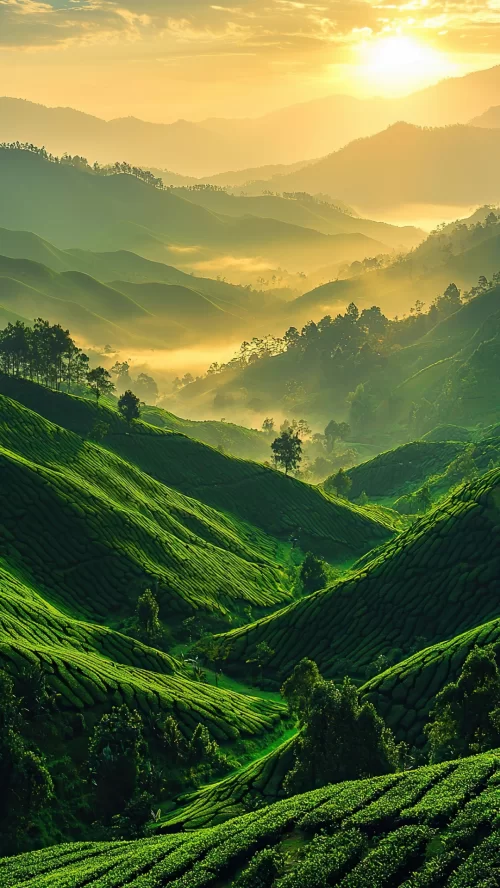
Munnar is one of Kerala's most iconic hill stations and has earned international recognition for its endless tea plantations, cool mountain climate, mist-covered valleys, and spectacular landscapes. Situated in the Western Ghats at an elevation of around 1,500 to 2,600 metres above sea level, Munnar presents a refreshing contrast to Kerala's tropical coastline. The region was extensively developed for tea cultivation during the colonial period, and today thousands of hectares of neatly maintained tea gardens create one of India's most photographed mountain landscapes. Rolling hills covered with vibrant green tea bushes stretch in every direction, forming breathtaking panoramic views that attract photographers, honeymoon couples, families, and nature lovers throughout the year.
The appeal of Munnar extends beyond its tea estates. Winding mountain roads, fresh mountain air, dense forests, sparkling streams, waterfalls, and protected wildlife areas combine to create an environment that feels peaceful and rejuvenating. Every season offers a slightly different visual experience. Winter mornings are often covered with mist, summer provides comfortable temperatures ideal for sightseeing, while the monsoon transforms the hills into vibrant green landscapes filled with flowing waterfalls and cloud-covered valleys. Travellers frequently describe the drive into Munnar as one of the most scenic journeys in South India because every turn reveals dramatic mountain scenery and beautifully cultivated plantations.
Tea cultivation continues to shape both the economy and daily life of the region. Visitors can observe plantation workers harvesting fresh tea leaves by hand, see beautifully maintained estates spread across mountain slopes, and appreciate how generations of cultivation have transformed the landscape into one of Kerala's most recognisable tourism destinations. The combination of cool weather, natural beauty, and organised tourism infrastructure makes Munnar an essential destination for anyone exploring what Kerala is famous for.
Munnar perfectly represents Kerala's mountain tourism by combining spectacular tea plantations, cool weather, beautiful viewpoints, and peaceful natural surroundings. Whether travellers spend a single day exploring or several days relaxing among the hills, the region offers an unforgettable experience that showcases one of Kerala's most famous landscapes.
Exploring Munnar involves much more than simply viewing tea gardens from the roadside. Numerous plantation trails, guided estate walks, nature paths, and scenic viewpoints allow visitors to experience the region more closely while learning about its agricultural heritage. Walking through tea plantations offers the opportunity to observe carefully maintained bushes arranged across steep hillsides, understand harvesting techniques, and appreciate the remarkable effort involved in tea production. Many guided tours also explain the complete journey from freshly picked tea leaves to the finished product enjoyed around the world.
Several viewpoints across Munnar provide breathtaking perspectives of the surrounding mountains and valleys. Popular locations such as Top Station, Echo Point, Pothamedu View Point, Lockhart Gap, and nearby scenic roads reveal uninterrupted views of rolling plantations disappearing into distant mountain ranges. Early mornings often present magical scenes where low clouds drift across the valleys while sunlight gradually illuminates the tea-covered slopes. During the monsoon, waterfalls become more powerful, forests appear greener, and the landscape takes on an entirely different character.
Nature enthusiasts can also combine plantation visits with nearby attractions including Eravikulam National Park, where the endangered Nilgiri Tahr inhabits the mountain grasslands, Mattupetty Dam surrounded by forested hills, Kundala Lake, and numerous small waterfalls located along the scenic driving routes. These attractions allow travellers to enjoy wildlife, landscapes, and plantation culture within the same destination, making Munnar one of Kerala's most complete hill tourism experiences.
Plantation walks and scenic viewpoints allow visitors to appreciate both the natural beauty and agricultural importance of Munnar. These experiences provide a deeper understanding of how tea cultivation, mountain ecosystems, and local communities have shaped one of Kerala's most celebrated destinations.
Munnar lies within the Western Ghats, one of the world's recognised biodiversity hotspots and a UNESCO World Heritage landscape. The mountain ranges surrounding the town support evergreen forests, grasslands, rivers, waterfalls, endemic wildlife, and thousands of plant species found nowhere else. Travelling through this region introduces visitors to landscapes that differ dramatically from Kerala's coastal plains, creating an entirely different perspective of the state's geographical diversity.
The Western Ghats provide ideal conditions for tea cultivation because of their elevation, fertile soil, regular rainfall, and cool temperatures. At the same time, these mountains support remarkable biodiversity including elephants, Nilgiri langurs, gaur, numerous bird species, butterflies, and rare endemic flora. Responsible tourism and conservation efforts have helped preserve many of these natural ecosystems while allowing visitors to experience them through organised sightseeing, trekking, and wildlife tourism. Every season changes the appearance of the mountains, ensuring that repeat visitors often discover new colours, weather patterns, and photographic opportunities.
Whether viewed from winding mountain roads, peaceful viewpoints, tea estates, or protected forests, the Western Ghats remain one of Kerala's greatest natural treasures. Their combination of ecological importance, scenic beauty, pleasant climate, and tourism experiences continues to attract travellers from across India and around the world throughout the year.
| Natural Feature | Visitor Experience |
|---|---|
| Tea Plantations | Scenic Walks And Plantation Tours |
| Mountain Viewpoints | Panoramic Landscape Photography |
| Western Ghats Forests | Nature And Wildlife Experiences |
| Waterfalls | Seasonal Scenic Attractions |
| National Parks | Biodiversity And Wildlife Viewing |
| Mountain Climate | Comfortable Sightseeing Throughout The Year |
The Western Ghats form the heart of Munnar's extraordinary appeal. Their mountains, forests, tea plantations, waterfalls, wildlife, and cool climate create an unforgettable destination that perfectly demonstrates why Kerala is recognised for its remarkable natural beauty and ecological diversity.
Kerala's Arabian Sea coastline stretches for hundreds of kilometres and is dotted with beautiful beaches that offer experiences ranging from lively tourist destinations to peaceful fishing villages. Each beach possesses its own unique character, allowing travellers to choose according to their interests. Kovalam is known for its crescent-shaped shoreline, lighthouse, water sports, and vibrant tourism atmosphere. Varkala combines dramatic red laterite cliffs with golden beaches, creating one of India's most distinctive coastal landscapes. Marari offers a quieter alternative where coconut groves, traditional villages, and uncrowded sands create a relaxing environment away from larger tourist centres.
Beyond these well-known destinations, Kerala is home to numerous other attractive beaches including Bekal, Cherai, Kappad, Payyambalam, Muzhappilangad Drive-In Beach, Shanghumugham, and Poovar. Some beaches are ideal for swimming under suitable conditions, while others are better known for photography, sunset views, seafood restaurants, or peaceful walks along the shore. Coastal villages surrounding these beaches also introduce travellers to Kerala's traditional fishing communities, local cuisine, and maritime heritage.
The diversity of Kerala's coastline means that visitors can combine beach holidays with nearby backwaters, historic forts, temples, wildlife sanctuaries, and hill stations, creating itineraries that offer much more than simply relaxing by the sea. This remarkable variety makes Kerala's coastline one of the state's greatest tourism assets.
Kerala's beaches showcase remarkable diversity, allowing travellers to enjoy lively resorts, peaceful coastal villages, dramatic cliffs, golden sands, and authentic fishing communities while experiencing the relaxed atmosphere that defines the state's Arabian Sea coastline.
One of the greatest pleasures of visiting Kerala's coastline is the opportunity to slow down and enjoy the peaceful rhythm of the Arabian Sea. Many visitors spend their mornings walking along quiet beaches before temperatures rise, while evenings become particularly memorable as the setting sun colours the sky in shades of orange, pink, and gold. Gentle sea breezes, swaying coconut palms, and rhythmic waves create a naturally calming atmosphere that attracts honeymoon couples, families, photographers, and wellness travellers alike.
Beachfront cafés, seafood restaurants, yoga centres, and Ayurvedic wellness resorts further enhance the coastal experience. Visitors may choose to enjoy fresh seafood overlooking the ocean, participate in yoga sessions beside the beach, receive traditional wellness therapies, or simply relax while watching fishing boats return with the day's catch. Depending on the location, travellers can also enjoy activities such as parasailing, surfing, kayaking, catamaran rides, or evening cultural performances organised near popular tourist beaches.
Sunset remains one of the highlights of every coastal visit. Whether viewed from Varkala's cliffs, Kovalam's lighthouse area, or the peaceful sands of Marari, Kerala's evening skies provide spectacular natural displays that become lasting memories for visitors exploring the state's beautiful coastline.
Kerala's beaches offer much more than scenic coastlines. They provide opportunities to relax, enjoy wellness experiences, savour local cuisine, observe traditional fishing culture, and witness unforgettable sunsets that beautifully capture the spirit of the Arabian Sea.
Kerala's tropical coastline is characterised by an extraordinary blend of coconut groves, sandy beaches, estuaries, lagoons, fishing harbours, mangroves, and backwaters that merge seamlessly with the Arabian Sea. Unlike many coastal destinations where development dominates the shoreline, large parts of Kerala continue to preserve their natural beauty while supporting local communities whose livelihoods remain closely connected with the sea. This balance between tourism and traditional life creates a unique coastal environment rarely found elsewhere.
Different regions present distinct coastal landscapes. Northern Kerala features historic forts and broad beaches, central Kerala combines beaches with backwater networks, while southern Kerala offers dramatic cliffs, resort towns, and picturesque fishing villages. Travellers often combine coastal holidays with nearby plantations, wildlife sanctuaries, historic cities, and hill stations, allowing them to experience multiple landscapes during one itinerary. Seasonal changes further enhance the scenery, with monsoon rains creating lush greenery and winter offering pleasant weather for extended sightseeing.
The tropical beauty of Kerala's coastline continues to attract travellers seeking relaxation, photography, wellness, cultural exploration, and authentic local experiences. Every beach presents its own atmosphere while contributing to the diverse character that makes Kerala one of India's most celebrated coastal destinations.
| Beach Destination | Known For |
|---|---|
| Kovalam | Lighthouse And Resort Tourism |
| Varkala | Cliffs And Sunset Views |
| Marari | Peaceful Coastal Relaxation |
| Bekal | Historic Fort And Beach |
| Cherai | Family Friendly Beach Experience |
| Muzhappilangad | Drive In Beach Experience |
Kerala's tropical coastline beautifully combines natural scenery, traditional fishing culture, wellness tourism, historic attractions, and peaceful beaches. Together these experiences create one of India's most rewarding coastal holidays while showcasing another remarkable reason why Kerala is famous around the world.
Kerala is internationally recognised as the birthplace of authentic Ayurveda tourism and has become one of the world's leading destinations for travellers seeking traditional wellness experiences. Ayurveda, which translates to the "science of life," has been practised in Kerala for centuries and continues to play an important role in the state's healthcare traditions. The favourable tropical climate, abundance of medicinal plants, skilled practitioners, and long-established healing centres have helped Kerala preserve many authentic Ayurvedic practices that attract visitors from across India and around the world.
Ayurvedic treatments in Kerala extend far beyond simple massages. Wellness centres and hospitals offer personalised therapies based on individual body constitution, lifestyle, and health goals after detailed consultations with qualified practitioners. Depending on the programme, visitors may experience herbal oil therapies, steam treatments, detoxification procedures, relaxation therapies, rejuvenation programmes, and traditional wellness routines using natural ingredients prepared according to classical Ayurvedic texts. Many centres also integrate yoga, meditation, balanced diets, and breathing exercises into their wellness programmes to provide a more holistic experience.
Destinations such as Kovalam, Varkala, Kumarakom, Kochi, Thekkady, Munnar, and numerous countryside wellness retreats have developed excellent facilities where travellers can combine sightseeing with authentic Ayurveda experiences. Whether choosing a short relaxation session or a comprehensive multi-day wellness programme, visitors gain insight into one of India's oldest healing traditions while enjoying Kerala's peaceful natural surroundings.
Kerala's Ayurveda tradition offers much more than relaxation. It represents a centuries-old system of wellness that combines herbal medicine, healthy living, balanced nutrition, physical therapies, and mental wellbeing, making the state one of the world's most respected wellness tourism destinations.
One of the defining features of wellness tourism in Kerala is the tranquil environment in which many retreats are located. Instead of busy urban surroundings, wellness resorts are often situated beside backwaters, within coconut groves, overlooking tea plantations, surrounded by forests, or near peaceful beaches. These natural settings create an atmosphere that complements traditional therapies by allowing visitors to disconnect from busy routines and experience genuine relaxation.
Many wellness properties combine comfortable accommodation with carefully designed programmes that include Ayurvedic consultations, yoga sessions, meditation classes, healthy regional cuisine, nature walks, and stress management activities. Guests are encouraged to follow structured daily routines that promote physical and mental balance while taking advantage of Kerala's pleasant environment. The peaceful surroundings contribute significantly to the overall experience, allowing travellers to slow down and appreciate nature alongside traditional wellness practices.
Whether staying for a weekend or an extended wellness holiday, visitors often discover that Kerala's natural landscapes enhance the effectiveness of relaxation and rejuvenation programmes. Quiet mornings, fresh air, scenic gardens, and the absence of urban distractions create ideal conditions for rest and self-care.
Kerala's wellness retreats combine natural beauty with traditional healing, allowing travellers to enjoy meaningful relaxation while experiencing the state's forests, beaches, plantations, and backwaters in an entirely different way.
For many visitors, Kerala's wellness tourism is not only about receiving treatments but also about understanding a philosophy that encourages balance between physical health, mental wellbeing, daily routine, nutrition, and the natural environment. Ayurveda emphasises preventive care alongside rejuvenation, making it attractive to travellers seeking healthier lifestyles as well as those simply wishing to relax during their holiday. The emphasis on natural ingredients and traditional methods distinguishes Kerala's wellness experiences from many modern spa treatments.
Visitors often participate in educational sessions where they learn about medicinal herbs, Ayurvedic cooking, healthy dietary habits, seasonal routines, and traditional wellness practices. Some wellness centres also organise plantation visits showcasing medicinal plants used in Ayurvedic preparations, giving travellers deeper insight into how Kerala's biodiversity supports its centuries-old healing traditions. This educational aspect enriches the travel experience by connecting wellness with local culture and environmental conservation.
Even travellers who choose only a single therapy session frequently leave with a greater appreciation for Kerala's commitment to preserving traditional knowledge. Combined with peaceful surroundings and warm hospitality, these ancient healing practices continue to strengthen Kerala's reputation as one of the world's leading wellness destinations.
| Wellness Experience | What Visitors Can Expect |
|---|---|
| Ayurvedic Consultation | Personalised Wellness Assessment |
| Herbal Oil Therapy | Traditional Relaxation Techniques |
| Yoga Sessions | Physical And Mental Balance |
| Meditation | Stress Reduction And Relaxation |
| Healthy Regional Cuisine | Balanced Nutritional Experience |
| Nature Based Retreat | Peaceful Rejuvenating Environment |
Kerala's ancient wellness traditions remain one of its greatest tourism strengths. By combining authentic Ayurveda, natural surroundings, skilled practitioners, and holistic living, the state offers visitors a unique opportunity to experience relaxation, cultural heritage, and traditional healing within one memorable journey.
Kerala's cuisine is one of the state's greatest cultural attractions and reflects centuries of influence from agriculture, coastal trade, spice cultivation, and diverse communities. Fresh coconut, curry leaves, black pepper, cardamom, cinnamon, cloves, turmeric, tamarind, and locally grown vegetables form the foundation of many traditional recipes. Every region contributes unique flavours, creating a culinary journey that changes noticeably as travellers move from coastal fishing villages to plantation-covered hill stations and inland farming communities.
The most iconic culinary experience is the traditional Kerala Sadya, a festive vegetarian feast served on a banana leaf. A complete Sadya includes numerous carefully prepared dishes such as rice, sambar, avial, olan, thoran, pachadi, kichadi, rasam, pickles, pappadam, banana chips, and sweet payasam served according to long-established customs. Beyond Sadya, Kerala is equally famous for seafood delicacies including fish curry, prawn preparations, crab dishes, mussels, squid, and lobster cooked with aromatic local spices. Appam with stew, puttu and kadala curry, Malabar biryani, idiyappam, pathiri, beef fry, chicken roast, and tapioca with fish curry are among the many regional favourites enjoyed throughout the state.
Food in Kerala is closely connected with festivals, family traditions, agriculture, and local identity. Travellers often discover that each district introduces slight variations in recipes, ingredients, and cooking styles, making food exploration an important part of experiencing Kerala's diverse culture.
Kerala's cuisine represents much more than delicious food. Every meal reflects centuries of agricultural traditions, spice cultivation, cultural diversity, and local hospitality, allowing visitors to experience the state's heritage through authentic regional flavours.
One of the most fascinating aspects of Kerala's cuisine is the remarkable variation found between different regions. Northern Kerala, particularly the Malabar region, is famous for aromatic biryanis, pathiri, seafood dishes, and rich Muslim culinary traditions influenced by centuries of maritime trade. Central Kerala showcases festive vegetarian meals, Syrian Christian recipes, duck preparations, and numerous coconut-based dishes, while southern Kerala is known for seafood curries, tapioca dishes, banana-based recipes, and traditional vegetarian cuisine.
Cooking methods often rely on fresh ingredients prepared using traditional techniques that have been passed down through generations. Coconut is grated, roasted, or pressed into milk depending on the recipe, while spices are freshly ground to maximise flavour and aroma. Clay pots continue to be used for preparing many curries, particularly seafood recipes, because they enhance taste and retain heat effectively. Banana leaves remain an important serving tradition during festivals and celebrations, reflecting Kerala's strong connection with nature and sustainable practices.
Visitors exploring local restaurants, village homes, cooking demonstrations, or food tours gain valuable insight into how regional ingredients and family traditions continue to shape Kerala's culinary identity. Every district introduces subtle differences that encourage travellers to experience a wide variety of authentic flavours throughout their journey.
Kerala's regional cooking methods preserve centuries of culinary knowledge while allowing travellers to appreciate how geography, agriculture, culture, and history continue to influence everyday meals across the state.
Exploring Kerala's food culture goes far beyond visiting restaurants. Many travellers participate in cooking classes, plantation visits, spice market tours, village dining experiences, seafood markets, and traditional family meals where recipes are prepared using locally sourced ingredients. These activities allow visitors to understand the relationship between Kerala's agriculture, spice production, fishing communities, and everyday cuisine while interacting with local people.
Food festivals, temple feasts, harvest celebrations, and cultural events often showcase seasonal recipes prepared according to traditional customs. Travellers visiting during Onam, Vishu, or regional festivals have the opportunity to enjoy elaborate festive meals that represent Kerala's hospitality and community spirit. Sampling street snacks, freshly prepared banana chips, local sweets, and regional beverages further enriches the culinary journey and introduces flavours rarely found outside the state.
For many visitors, Kerala's cuisine becomes one of the most memorable aspects of their holiday because every meal reflects the landscapes, traditions, spices, and communities that define the state. Authentic food experiences create lasting memories while helping travellers understand Kerala's culture through its most universal language—its cuisine.
| Food Experience | Highlights |
|---|---|
| Kerala Sadya | Traditional Festive Vegetarian Feast |
| Seafood Cuisine | Fresh Coastal Specialities |
| Cooking Classes | Learn Authentic Recipes |
| Spice Market Visits | Discover Local Ingredients |
| Village Dining | Traditional Home Style Meals |
| Food Festivals | Regional Culinary Traditions |
Kerala's food culture beautifully combines traditional recipes, regional ingredients, family customs, and centuries of spice heritage. Experiencing authentic local cuisine allows travellers to understand the state's history, hospitality, and cultural diversity while enjoying one of India's richest culinary traditions.
Kerala is one of India's richest wildlife destinations, offering an extraordinary variety of forests, mountain ecosystems, wetlands, grasslands, and protected national parks. Situated along the biodiversity-rich Western Ghats, the state preserves vast stretches of tropical rainforest that support thousands of plant and animal species. Wildlife tourism has become an important part of Kerala's tourism industry because visitors can experience nature in its most pristine form while enjoying well-managed eco-tourism activities. Unlike destinations known only for safaris, Kerala combines wildlife with scenic landscapes, plantation regions, waterfalls, rivers, and mountain viewpoints, allowing travellers to experience multiple attractions during a single journey.
Among the most famous protected areas is Periyar National Park in Thekkady, known for its picturesque lake, elephant sightings, guided nature walks, bamboo rafting, and rich biodiversity. Wayanad Wildlife Sanctuary attracts visitors interested in elephants, deer, birds, and forest landscapes while also forming part of the larger Nilgiri Biosphere Reserve. Eravikulam National Park near Munnar protects the endangered Nilgiri Tahr and offers breathtaking mountain scenery, while Silent Valley National Park preserves one of India's last remaining tropical evergreen forests. Other important wildlife destinations include Parambikulam Tiger Reserve, Chinnar Wildlife Sanctuary, Peechi-Vazhani Wildlife Sanctuary, Neyyar Wildlife Sanctuary, and Idukki Wildlife Sanctuary.
Each protected area offers a different experience depending on its landscape, wildlife, altitude, and conservation objectives. Some parks focus on jeep safaris, while others specialise in guided trekking, boating, birdwatching, or interpretation programmes led by trained naturalists. This diversity makes Kerala one of the most rewarding destinations for travellers interested in wildlife, photography, conservation, and nature education.
Kerala's national parks and wildlife sanctuaries provide far more than opportunities to observe animals. They introduce travellers to one of India's richest ecological landscapes where forests, rivers, mountains, wetlands, and protected habitats work together to preserve extraordinary biodiversity for future generations.
The forests of Kerala support an impressive variety of wildlife, making every visit unique. Asian elephants are among the most iconic animals found across many protected areas, particularly in Periyar, Wayanad, and Parambikulam. Visitors may also encounter Indian gaur, sambar deer, barking deer, wild boar, Nilgiri langurs, lion-tailed macaques, giant squirrels, and numerous smaller mammals depending on the region. Although tigers and leopards inhabit several reserves, sightings remain relatively uncommon because these animals naturally avoid human activity, making every observation especially memorable.
Kerala is equally famous for its remarkable birdlife. Hundreds of resident and migratory bird species inhabit forests, wetlands, lakes, and riverbanks throughout the state. Birdwatchers frequently visit Kumarakom Bird Sanctuary, Thattekad Bird Sanctuary, Wayanad forests, and Periyar to observe hornbills, kingfishers, woodpeckers, eagles, owls, herons, cormorants, and colourful endemic species. Reptiles, butterflies, amphibians, orchids, medicinal plants, and towering rainforest trees further enrich Kerala's natural ecosystems, making every forest walk an educational experience.
Nature interpretation programmes organised by trained forest guides help visitors understand animal behaviour, conservation efforts, ecological relationships, and the importance of preserving these fragile habitats. Rather than focusing solely on wildlife sightings, Kerala's eco-tourism experiences encourage travellers to appreciate the complete forest ecosystem and its remarkable biological diversity.
Kerala's forests reveal an extraordinary world where wildlife, birds, plants, rivers, and mountains coexist within carefully protected ecosystems. Every visit offers valuable opportunities to appreciate biodiversity while learning about the importance of long-term environmental conservation.
Nature tourism in Kerala extends well beyond conventional jeep safaris. Many protected areas offer carefully managed eco-tourism programmes that minimise environmental impact while allowing visitors to experience forests responsibly. Activities include bamboo rafting across Periyar Lake, guided trekking through mountain trails, border hiking programmes, jungle patrol experiences with forest staff, birdwatching excursions, nature photography tours, and educational interpretation walks. These activities encourage slower exploration while promoting a deeper understanding of Kerala's remarkable natural heritage.
Every season presents different wildlife experiences. Winter offers pleasant weather and excellent visibility for forest exploration, while the monsoon transforms Kerala's protected areas into lush green landscapes filled with waterfalls, flowering plants, and active birdlife. Summer often improves opportunities for observing animals near water sources, particularly during organised safaris. Responsible tourism practices remain central throughout every season, with visitor regulations helping protect wildlife while ensuring sustainable tourism for future generations.
Travellers who include one or more wildlife destinations in their Kerala itinerary discover an entirely different side of the state beyond beaches and backwaters. Protected forests provide peaceful surroundings, scenic landscapes, educational experiences, and unforgettable encounters with one of India's richest natural environments.
| Protected Area | Known For |
|---|---|
| Periyar National Park | Lake Safaris And Elephants |
| Wayanad Wildlife Sanctuary | Forest Wildlife And Birdlife |
| Eravikulam National Park | Nilgiri Tahr And Mountain Scenery |
| Silent Valley National Park | Ancient Tropical Rainforest |
| Parambikulam Tiger Reserve | Eco Tourism And Biodiversity |
| Thattekad Bird Sanctuary | Exceptional Birdwatching |
Kerala's protected forests offer travellers an opportunity to experience wildlife responsibly while exploring one of the world's richest biodiversity regions. Combining conservation, eco-tourism, and spectacular natural scenery, these destinations remain among Kerala's greatest attractions for nature enthusiasts.
Kerala has been known as the Land of Spices for thousands of years and has played a central role in the global spice trade since ancient times. Long before modern tourism developed, merchants from Arabia, Europe, China, and other parts of Asia travelled to Kerala in search of valuable spices that were highly prized throughout the world. Today, travellers can explore this remarkable heritage by visiting spice plantations spread across the hills of Thekkady, Munnar, Wayanad, Idukki, and other fertile regions where favourable climate and rich soil continue to produce world-famous spices.
Walking through a spice plantation introduces visitors to an extraordinary variety of aromatic crops growing beneath the shade of tropical trees. Cardamom, often referred to as the Queen of Spices, thrives in Kerala's cool mountain forests alongside black pepper vines climbing tall support trees. Cinnamon, cloves, nutmeg, vanilla, turmeric, ginger, cocoa, coffee, and numerous medicinal herbs are also cultivated within these plantations. Guided tours explain how each spice grows, how it is harvested, processed, dried, and eventually exported to markets around the world.
Unlike museums or exhibition centres, spice plantations provide a living classroom where visitors can touch leaves, smell freshly harvested spices, observe traditional farming methods, and understand the agricultural practices that continue to support thousands of farming families. This direct interaction with Kerala's spice heritage makes plantation visits one of the state's most educational and enjoyable tourism experiences.
Kerala's spice plantations beautifully combine agriculture, history, nature, and tourism. Every visit allows travellers to understand why the state's spices transformed global trade while continuing to shape Kerala's economy, cuisine, and cultural identity today.
Spice plantations offer visitors an opportunity to observe traditional cultivation techniques that have been refined over generations. Plantation guides explain how different spices require specific growing conditions, including altitude, rainfall, shade, and soil composition. Visitors learn why cardamom grows beneath forest canopies, how pepper vines climb support trees, when cloves and cinnamon are harvested, and how careful processing preserves flavour, aroma, and quality before the products reach domestic and international markets.
Many plantations combine educational tours with demonstrations of spice processing, drying, grading, and packaging. Travellers may also visit nurseries where young plants are cultivated before being transferred into plantation fields. Along the walking trails, guides identify medicinal herbs, tropical fruits, coffee bushes, cocoa trees, and indigenous plant species that coexist within Kerala's rich agricultural landscapes. These experiences help visitors appreciate the diversity of farming systems rather than viewing spice cultivation as a single crop activity.
Several plantations also feature small museums, tasting sessions, cafés, or retail outlets where travellers can sample locally produced spices, herbal products, essential oils, homemade chocolates, teas, and traditional wellness products. These activities provide additional insight into how plantation agriculture supports both tourism and local livelihoods.
Traditional plantation experiences help visitors understand the remarkable knowledge, patience, and skill involved in cultivating Kerala's famous spices while providing a deeper appreciation for the state's long-standing agricultural traditions.
The history of Kerala cannot be separated from the history of the global spice trade. For centuries, valuable spices grown in Kerala attracted traders, explorers, and merchants from distant civilisations seeking black pepper, cardamom, cinnamon, cloves, and other aromatic products. These trading relationships influenced Kerala's architecture, cuisine, cultural exchanges, maritime development, and commercial prosperity, helping shape the state's unique identity long before modern tourism emerged.
Historic ports such as Kochi became important international trading centres where spices from Kerala's mountain plantations were transported to markets across Europe, the Middle East, and Asia. Even today, many travellers combine plantation visits with heritage walks through Kochi to understand how agriculture and maritime trade developed together. Museums, historic warehouses, colonial buildings, and spice markets further illustrate the important role Kerala played in connecting global civilisations through commerce.
Exploring spice plantations therefore becomes much more than a sightseeing activity. It allows visitors to follow a remarkable historical journey that links mountain farms, traditional cultivation, international trade, local communities, and Kerala's continuing reputation as one of the world's great spice-producing regions.
| Spice | Why It Is Famous |
|---|---|
| Cardamom | Premium Quality Aromatic Spice |
| Black Pepper | Historic Global Export Product |
| Cinnamon | Traditional Culinary And Medicinal Uses |
| Cloves | Rich Aroma And Flavour |
| Nutmeg | Cooking And Wellness Applications |
| Ginger And Turmeric | Traditional Cuisine And Ayurveda |
Kerala's spice plantations connect travellers with one of the world's oldest agricultural and trading traditions. Through guided tours, historical insights, and hands-on plantation experiences, visitors discover how spices helped shape Kerala's economy, culture, cuisine, and international reputation for centuries.
Kerala is widely admired for its colourful festivals that beautifully reflect the state's history, agricultural traditions, religious diversity, and strong sense of community. Throughout the year, villages, towns, temples, churches, mosques, and cultural institutions celebrate numerous festivals that attract both local residents and visitors. These celebrations are much more than public events; they represent centuries-old customs that continue to bring families and communities together while preserving Kerala's unique cultural identity. Travellers visiting during festival seasons gain an opportunity to witness traditions that are deeply rooted in everyday life rather than performances created solely for tourism.
The most celebrated festival in Kerala is Onam, a harvest festival that symbolises prosperity, unity, and cultural pride. Celebrated across the state regardless of community or background, Onam transforms Kerala into a vibrant destination decorated with colourful floral carpets known as Pookalam, traditional dances, music, temple festivities, elaborate Sadya feasts served on banana leaves, sporting events, and the internationally famous Vallam Kali or snake boat races. Homes, hotels, public spaces, and marketplaces all participate in the festive atmosphere, allowing travellers to experience Kerala's hospitality at its very best.
Apart from Onam, Kerala celebrates Vishu, Thrissur Pooram, Attukal Pongala, Theyyam festivals, temple anniversaries, church feasts, Eid celebrations, Christmas, and many local harvest festivals. Every district has its own calendar of regional celebrations that showcase local traditions, rituals, cuisine, folk arts, and community participation. Visiting Kerala during these festivals allows travellers to witness authentic cultural expressions while gaining a deeper appreciation for the state's diverse heritage.
Kerala's festivals offer visitors an unforgettable opportunity to experience local traditions through music, rituals, food, decorations, and community celebrations. Every festival reflects the state's cultural richness while creating memorable experiences that extend far beyond conventional sightseeing.
Festivals in Kerala are closely associated with traditional performing arts, devotional music, ceremonial rituals, and processions that have been preserved for generations. Temple festivals often feature beautifully decorated elephants, traditional percussion ensembles, classical dance performances, fireworks, and elaborate rituals performed according to ancient customs. The rhythmic sounds of Chenda Melam, Panchavadyam, and other percussion traditions create an energetic atmosphere that forms an essential part of Kerala's cultural celebrations.
Many festivals also showcase remarkable folk traditions such as Theyyam, a ritual performance art unique to northern Kerala that combines dance, mythology, elaborate costumes, facial makeup, and spiritual symbolism. In addition, Mohiniyattam, Kathakali, Koodiyattam, Ottamthullal, and various folk dances are frequently performed during religious festivals and cultural events. These performances are not merely entertainment but important cultural expressions that preserve stories from mythology, history, and local folklore.
Visitors attending festivals often observe rituals that vary from one community to another, including temple offerings, traditional prayers, ceremonial processions, community meals, and cultural gatherings. Respectfully observing these practices provides valuable insight into Kerala's spiritual traditions while allowing travellers to appreciate the close relationship between religion, art, and community life.
Music, dance, rituals, and ceremonial traditions transform Kerala's festivals into vibrant cultural experiences where visitors witness centuries-old customs that continue to play an important role in the everyday lives of local communities.
Kerala's cultural heritage extends well beyond individual festivals and performances. Every region preserves traditions that reflect its own history, occupations, religious practices, architecture, cuisine, handicrafts, and artistic expressions. Coastal villages celebrate fishing traditions, plantation communities observe agricultural customs, while temple towns preserve rituals and classical arts that have evolved over hundreds of years. This diversity allows travellers to experience different aspects of Kerala's heritage as they move across the state.
Cultural centres, heritage villages, museums, local markets, traditional homes, and community festivals all contribute to preserving Kerala's identity. Visitors can explore ancient temples, colonial churches, historic mosques, royal palaces, spice markets, and heritage neighbourhoods where architecture and local customs reveal the influence of centuries of maritime trade and cultural exchange. Participating in village tours, cultural evenings, craft demonstrations, and local festivals allows travellers to interact more closely with the people who continue to preserve these traditions.
Kerala's cultural heritage is remarkable because it remains a living tradition rather than a historical display. Festivals continue to unite communities, classical arts are actively performed, traditional occupations remain important, and local customs continue to shape daily life. This authenticity makes Kerala one of India's most rewarding destinations for travellers interested in culture, history, and meaningful travel experiences.
| Festival Or Tradition | Experience For Visitors |
|---|---|
| Onam | Harvest Celebrations And Sadya |
| Thrissur Pooram | Temple Festival And Cultural Processions |
| Theyyam | Traditional Ritual Performance |
| Vallam Kali | Snake Boat Racing Experience |
| Vishu | Traditional New Year Celebrations |
| Local Village Festivals | Authentic Community Traditions |
Kerala's festivals and cultural traditions allow travellers to experience the state's living heritage through celebrations, rituals, music, dance, cuisine, and community participation. Every cultural encounter reveals another layer of Kerala's remarkable identity, making festivals an essential part of any meaningful visit.
Kerala's extraordinary natural beauty extends far beyond its beaches and backwaters. The state is home to numerous waterfalls, evergreen forests, mountain valleys, rivers, reservoirs, wildlife sanctuaries, and scenic viewpoints that together create one of India's most diverse natural landscapes. Fed by the rivers and streams of the Western Ghats, many waterfalls remain active throughout the year, becoming particularly spectacular during and immediately after the monsoon season. Dense forests surrounding these waterfalls further enhance their beauty while supporting remarkable biodiversity.
Among Kerala's most famous waterfalls, Athirappilly stands out as the largest and one of the most spectacular. Often referred to as the Niagara of South India, it attracts photographers, filmmakers, and nature enthusiasts throughout the year. Other popular waterfalls include Vazhachal, Meenmutty, Soochipara, Cheeyappara, Valara, Palaruvi, Lakkam, Attukad, Kanthanpara, and Thommankuthu. Each waterfall offers a different landscape depending on its location, surrounding forests, accessibility, and seasonal water flow. Some require short forest walks, while others can be viewed comfortably from nearby viewpoints.
Beyond waterfalls, Kerala's forests, valleys, tea plantations, spice gardens, rivers, wetlands, and mountain passes create countless opportunities for nature exploration. Travellers often combine waterfall visits with nearby national parks, plantation tours, wildlife experiences, or scenic drives through the Western Ghats, making every journey rich in natural beauty and varied landscapes.
Kerala's waterfalls and surrounding forests showcase the state's extraordinary natural diversity. Every destination combines flowing rivers, dense greenery, mountain scenery, and peaceful surroundings to create unforgettable experiences for nature lovers and photographers alike.
Every region of Kerala presents a distinct natural environment shaped by its geography and climate. Northern Kerala offers dense forests, rolling hills, wildlife sanctuaries, and hidden waterfalls surrounded by plantation landscapes. Central Kerala combines rivers, waterfalls, spice plantations, reservoirs, and forested mountain slopes, while southern Kerala features beautiful hills, tropical forests, rivers, wetlands, and coastal ecosystems that complement its famous beaches and backwaters.
Travellers exploring Munnar enjoy tea-covered mountains and misty valleys, while Wayanad offers caves, waterfalls, wildlife, and ancient forests. Thekkady combines Periyar Lake with spice plantations and evergreen forests, whereas Athirappilly showcases one of India's most spectacular waterfalls surrounded by tropical rainforest. Kumarakom introduces visitors to wetland ecosystems rich in birdlife, while Silent Valley National Park protects one of the country's finest remaining evergreen forests. Each destination contributes differently to Kerala's reputation as a paradise for nature tourism.
Because of this remarkable geographical diversity, visitors can enjoy completely different landscapes within relatively short travel distances. This variety allows travellers to design itineraries that combine mountains, forests, waterfalls, lakes, wildlife, plantations, and coastal scenery without leaving the state.
Kerala's natural diversity allows travellers to experience multiple ecosystems within one journey. Mountains, waterfalls, forests, wetlands, plantations, and wildlife collectively create one of India's richest destinations for outdoor exploration and nature-based tourism.
One of Kerala's greatest strengths is that its landscapes change beautifully with the seasons, offering unique experiences throughout the year. During the monsoon, waterfalls become more powerful, forests turn deep green, rivers flow abundantly, and mist covers the mountain slopes. Winter provides pleasant weather, excellent visibility, and comfortable conditions for sightseeing, trekking, wildlife safaris, and photography. Summer offers cooler temperatures in hill stations while allowing visitors to enjoy plantation tours and mountain escapes.
These seasonal changes influence not only the scenery but also wildlife activity, agricultural cycles, flowering plants, and local festivals connected with nature. Travellers visiting during different months often experience completely different visual landscapes despite visiting the same destination. Early morning mist, colourful sunsets, lush forests, flowering plantations, and seasonal streams create constantly changing scenery that rewards repeat visits. Responsible tourism practices further help preserve these natural attractions while ensuring they remain protected for future generations.
Whether visiting for waterfalls, wildlife, trekking, photography, or simply relaxation, Kerala's varied landscapes continue to impress travellers with their beauty, ecological richness, and peaceful atmosphere. Every season reveals another reason why Kerala remains one of India's most celebrated nature tourism destinations.
| Natural Attraction | Highlights |
|---|---|
| Athirappilly Waterfalls | Largest Waterfall In Kerala |
| Western Ghats | Mountain Landscapes And Biodiversity |
| Evergreen Forests | Rich Flora And Fauna |
| Tea Plantations | Scenic Hill Views |
| Wetlands | Birdwatching And Nature Tourism |
| National Parks | Wildlife And Eco Tourism |
Kerala's waterfalls and natural landscapes beautifully demonstrate why the state is considered one of India's finest nature destinations. The combination of forests, rivers, mountains, wildlife, plantations, and changing seasonal scenery offers travellers unforgettable experiences while highlighting Kerala's extraordinary ecological richness.
One of the most common mistakes travellers make while visiting Kerala is limiting their itinerary to only a few well-known destinations such as Munnar, Alleppey, or Kovalam. Although these places deserve their popularity, Kerala offers far greater diversity than many first-time visitors realise. Every region presents a unique combination of landscapes, culture, cuisine, traditions, and experiences. By focusing only on famous tourist attractions, travellers often miss the opportunity to discover wildlife sanctuaries, peaceful villages, spice plantations, waterfalls, heritage towns, scenic hill roads, and lesser-known beaches that reveal Kerala's authentic character.
The state can broadly be divided into different tourism zones, each offering completely different experiences. Coastal Kerala showcases beaches, fishing villages, backwaters, and seafood traditions. The central regions introduce visitors to heritage towns, temples, churches, rivers, and agricultural landscapes. The Western Ghats feature tea plantations, wildlife reserves, waterfalls, trekking routes, and cool mountain climates, while northern Kerala preserves rich cultural traditions, Theyyam performances, historic forts, and quieter beaches. Exploring destinations from multiple regions creates a much richer and more balanced holiday than spending the entire trip in one location.
Travellers should also remember that Kerala is not simply a sightseeing destination but a place to experience local culture, cuisine, nature, and hospitality. Including plantation visits, village experiences, cultural performances, wildlife activities, local markets, and traditional food alongside famous attractions allows visitors to appreciate the remarkable diversity that has made Kerala one of India's most celebrated tourism destinations.
Kerala rewards travellers who explore beyond its famous destinations. Combining popular attractions with lesser-known experiences creates a deeper understanding of the state's landscapes, traditions, and cultural richness while making the journey far more memorable.
Another common planning mistake is selecting destinations without considering personal travel interests, available time, road travel distances, or seasonal conditions. Kerala offers beaches, wildlife reserves, tea plantations, backwaters, heritage cities, waterfalls, and wellness retreats, but not every destination suits every traveller. Families may prefer wildlife parks and comfortable resorts, honeymoon couples often choose peaceful backwaters and hill stations, while adventure enthusiasts may enjoy trekking, plantation walks, and forest exploration. Selecting destinations according to travel preferences results in a far more satisfying holiday.
Travellers should also avoid trying to cover too many destinations within a limited number of days. Although Kerala appears relatively compact on a map, mountain roads, coastal routes, and winding highways often require more travel time than expected. Constantly changing hotels and spending long hours on the road can reduce the time available for sightseeing and relaxation. Instead, choosing fewer destinations and spending at least two nights in major locations provides a more enjoyable travel experience while reducing unnecessary fatigue.
Seasonal planning is equally important. Hill stations such as Munnar remain pleasantly cool throughout much of the year, beaches are particularly enjoyable during winter, while the monsoon season transforms waterfalls, forests, and plantations into spectacular green landscapes. Understanding these seasonal differences helps travellers choose destinations that best match their expectations.
Careful destination selection helps travellers enjoy Kerala more comfortably by reducing travel fatigue, improving sightseeing opportunities, and ensuring every destination matches their interests, available time, and preferred style of travel.
Many visitors unknowingly spend most of their holiday moving between scenic viewpoints while overlooking Kerala's rich cultural and natural experiences. Although beautiful landscapes are an important part of the state, Kerala's identity is equally shaped by Ayurveda, traditional cuisine, performing arts, festivals, village life, spice plantations, handicrafts, wildlife conservation, and centuries-old cultural traditions. Ignoring these experiences often results in an incomplete understanding of what makes Kerala truly special.
Travellers should make time to watch a Kathakali performance, enjoy an authentic Kerala Sadya, visit a spice plantation, explore local markets, experience a traditional houseboat cruise, observe village life, participate in plantation tours, or relax at an Ayurveda wellness centre. Wildlife enthusiasts should include at least one protected forest or bird sanctuary, while history lovers can explore Fort Kochi, Bekal Fort, museums, and heritage neighbourhoods. These activities add variety and cultural depth to every itinerary.
Responsible travel also plays an important role. Respecting local customs, avoiding littering, supporting local artisans, purchasing authentic handicrafts, and following eco-tourism guidelines help preserve Kerala's remarkable natural and cultural heritage. Travellers who combine scenic attractions with meaningful cultural experiences usually leave with a far greater appreciation of the state than those who focus only on photographs and sightseeing.
| Common Mistake | Better Travel Choice |
|---|---|
| Only Visiting Famous Places | Explore Multiple Regions |
| Rushing Between Destinations | Spend More Time At Each Location |
| Ignoring Local Culture | Attend Cultural Experiences |
| Skipping Wildlife And Nature | Include National Parks And Forests |
| Not Trying Local Cuisine | Enjoy Authentic Kerala Food |
| Poor Seasonal Planning | Choose Destinations According To Weather |
Avoiding these common mistakes allows travellers to experience Kerala more completely by combining nature, culture, history, cuisine, wellness, and local traditions into one balanced and memorable journey through one of India's most diverse tourism destinations.
Kerala has earned its reputation as one of India's finest travel destinations because it successfully combines extraordinary natural beauty with rich cultural traditions, comfortable hospitality, and diverse tourism experiences. From the peaceful backwaters of Alleppey and Kumarakom to the mist-covered tea plantations of Munnar, the wildlife-rich forests of Periyar and Wayanad, the tropical beaches of Kovalam and Varkala, and the historic streets of Fort Kochi, every region contributes something unique to the overall travel experience. Few destinations offer such remarkable variety within a single state.
Visitors quickly discover that Kerala is much more than a collection of tourist attractions. The state's identity is shaped by Ayurveda, traditional performing arts, colourful festivals, plantation agriculture, local cuisine, village life, wildlife conservation, and centuries of maritime trade. Every experience, whether enjoying a houseboat cruise, tasting authentic Sadya, watching Kathakali, walking through spice plantations, or exploring waterfalls and forests, reveals another aspect of Kerala's rich cultural and natural heritage.
Because of this diversity, Kerala appeals equally to honeymoon couples, families, solo travellers, photographers, wildlife enthusiasts, food lovers, wellness seekers, and adventure travellers. Regardless of travel style or trip duration, visitors can create rewarding itineraries that combine relaxation with exploration while experiencing the remarkable hospitality for which Kerala is widely known.
Kerala's greatest strength lies in the way every destination complements another. Together they create a complete travel experience where nature, culture, relaxation, adventure, and tradition exist in perfect harmony throughout the journey.
A well-planned Kerala itinerary should balance different experiences instead of focusing on only one type of attraction. Travellers can combine cool hill stations with peaceful backwaters, wildlife safaris with cultural performances, plantation tours with beach relaxation, and heritage sightseeing with Ayurveda wellness sessions. This balanced approach ensures every day introduces something new while avoiding repetitive sightseeing.
Choosing destinations according to available travel time is equally important. Short holidays are ideal for exploring two or three nearby destinations, while longer trips allow travellers to include northern, central, and southern Kerala together. Accommodation should be selected according to sightseeing priorities, and road journeys should be planned carefully to reduce unnecessary travel time. Leaving room for leisurely exploration rather than maintaining a strict schedule often results in a far more enjoyable holiday.
Travellers should also remain flexible during their journey. Seasonal weather, local festivals, wildlife sightings, and cultural events may create unexpected opportunities that enhance the overall experience. By allowing time to interact with local communities, enjoy regional cuisine, and appreciate Kerala's slower pace of life, visitors often discover memorable experiences beyond those listed in travel itineraries.
Planning around a variety of landscapes, activities, and cultural experiences helps travellers appreciate Kerala's remarkable diversity while ensuring every destination contributes something meaningful to the overall journey.
Before completing your Kerala itinerary, ensure it includes experiences that represent the state's most celebrated attractions. Spend time on a backwater cruise, visit at least one hill station, explore a wildlife sanctuary, experience authentic Kerala cuisine, attend a cultural performance, walk through tea or spice plantations, relax at a beach, and explore local markets or heritage areas. Together these activities provide a comprehensive introduction to Kerala's diverse tourism offerings.
Travellers should also prepare appropriately by choosing the right travel season, carrying comfortable clothing suitable for different climates, allowing sufficient travel time between destinations, booking accommodation in advance during peak seasons, and respecting local customs throughout the journey. Supporting sustainable tourism, avoiding littering, purchasing authentic local products, and following guidelines within protected areas help preserve Kerala's natural and cultural heritage for future visitors.
Ultimately, Kerala is best experienced slowly. Rather than rushing through attractions, taking time to appreciate the landscapes, traditions, cuisine, hospitality, and local way of life creates lasting memories that reflect why the state continues to be known around the world as God's Own Country.
| Essential Experience | Include In Your Trip |
|---|---|
| Backwaters | Houseboat Or Canoe Cruise |
| Hill Stations | Munnar Or Wayanad |
| Wildlife | Periyar Or Other National Parks |
| Culture | Kathakali And Local Festivals |
| Cuisine | Traditional Kerala Specialities |
| Wellness | Authentic Ayurveda Experience |
Following this checklist ensures travellers experience the very best of Kerala through its landscapes, culture, cuisine, wildlife, traditions, and hospitality. With thoughtful planning and an open mind, every journey through Kerala becomes a memorable exploration of one of India's most remarkable destinations.
Get customized Kerala tour planning designed around monsoon seasons, backwater cruising routes, hill travel timing, and comfortable coastal stays. Whether you are visiting for houseboat experiences, beach relaxation, wildlife reserves, cultural heritage,
⚡ Quick Response | 💰 Free consultation | 🕒 24×7 expert support