

How to Travel Around Kerala
Travelling around Kerala is convenient with trains, buses, taxis, rental vehicles, and local transport options connecting beaches, backwaters, hill stations, wildlife areas, and cultural destinations.
+91 9910402252
admin@chalbanjare.com


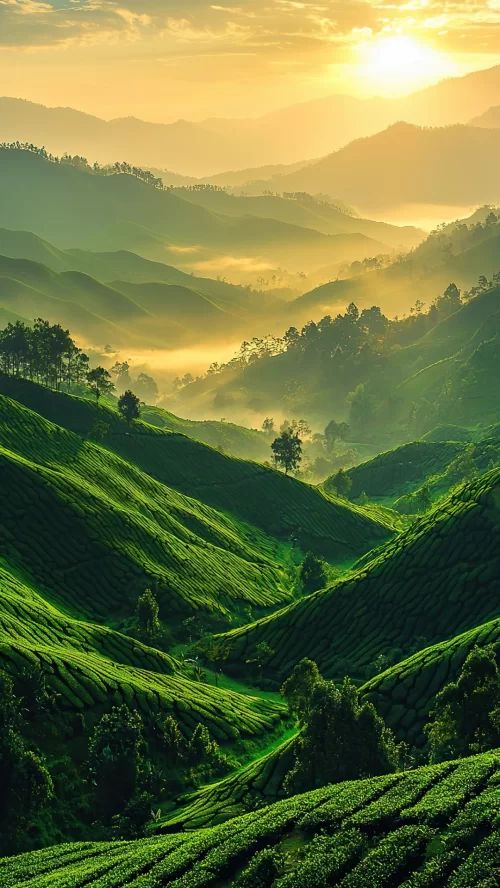
Tea plantation tours in Kerala offer travellers scenic mountain landscapes, plantation walks, tea tasting experiences, factory visits, and insights into traditional tea cultivation in the Western Ghats.
Tea plantations are among Kerala's most iconic attractions, drawing travellers from across the world to the lush hills of the Western Ghats. Vast green estates stretching across rolling mountains create breathtaking landscapes that are very different from Kerala's beaches, backwaters, and wildlife reserves. These plantations combine scenic beauty, agricultural heritage, and peaceful surroundings, making them one of the most photographed and visited experiences in the state. Visitors enjoy walking through neatly arranged tea bushes while learning about one of Kerala's most important plantation industries.
Unlike conventional sightseeing attractions, tea plantations provide an opportunity to experience both nature and local culture together. Plantation visits often include guided walks, factory tours, tea tasting sessions, and opportunities to understand how tea cultivation supports thousands of local families. The calm atmosphere, cool mountain air, and panoramic viewpoints create an enjoyable environment for travellers seeking relaxation while exploring Kerala's highland regions.
Tea plantations represent far more than agricultural land. They offer visitors an immersive experience where beautiful scenery, local traditions, and plantation heritage combine to create one of Kerala's most memorable tourism experiences.
Tea plantations remain one of Kerala's most rewarding attractions because they combine spectacular scenery with authentic agricultural experiences that appeal to nature lovers, photographers, families, and cultural travellers alike.
Kerala's tea plantations thrive because of the favourable climate found across the Western Ghats. High elevations, moderate temperatures, abundant rainfall, mist-covered hills, and fertile mountain soil create excellent conditions for growing high-quality tea. These natural advantages allow tea plants to flourish throughout the year while producing leaves known for their freshness, aroma, and flavour.
The sloping mountain terrain also plays an important role by providing proper drainage and preventing waterlogging around tea bushes. Frequent cloud cover and cool breezes help maintain consistent growing conditions across many plantation regions. Together, these environmental factors have made destinations such as Munnar internationally recognised for tea cultivation and tea tourism.
Understanding the natural environment helps visitors appreciate why Kerala has become one of India's most respected tea-producing regions. Every plantation reflects the close relationship between climate, geography, and sustainable agriculture.
The Western Ghats provide ideal conditions for producing quality tea. Visitors gain a deeper appreciation for Kerala's tea industry by understanding how geography and climate work together.
A visit to Kerala's tea plantations offers much more than simply viewing beautiful landscapes. Many estates organise guided walks where visitors learn about tea cultivation, seasonal maintenance, harvesting techniques, and estate management. Some plantations also provide access to tea factories, allowing travellers to observe the complete manufacturing process from freshly picked leaves to packaged tea ready for sale.
Visitors often enjoy tea tasting sessions, photography opportunities, plantation viewpoints, nature walks, and interactions with experienced guides who explain local farming traditions. Depending on the estate, travellers may also find museums, souvenir shops, cafés, and educational displays that enrich the overall experience. Combining these activities creates an enjoyable day suitable for families, couples, and solo travellers.
Tea plantation visits introduce travellers to Kerala's agricultural traditions while providing peaceful surroundings, educational experiences, and unforgettable mountain scenery throughout the journey.
Tea plantation visits provide an ideal combination of sightseeing, education, and relaxation. Every activity helps visitors understand Kerala's famous tea-growing heritage while enjoying spectacular natural surroundings.
Munnar is widely recognised as Kerala's premier tea-growing destination and serves as the centre of tea tourism in the state. Located high in the Western Ghats, this beautiful hill station is surrounded by endless tea gardens covering valleys and mountain slopes in every direction. Travellers visiting Munnar experience cool weather, fresh mountain air, scenic viewpoints, and a peaceful environment that perfectly complements plantation tourism.
Tea cultivation has shaped Munnar's landscape, economy, and tourism industry for generations. Visitors can explore working plantations, tea museums, factory tours, plantation cafés, and educational exhibits while learning how tea has influenced the region's development. The combination of agricultural heritage and natural beauty makes Munnar one of Kerala's most rewarding destinations.
Exploring Munnar allows visitors to experience the heart of Kerala's tea industry while enjoying spectacular mountain scenery that has become famous throughout India.
Munnar offers one of India's finest tea tourism experiences by combining breathtaking landscapes with authentic plantation culture and educational visitor experiences.
Munnar's rolling valleys are covered with neatly arranged tea bushes that create one of Kerala's most recognisable landscapes. Every road through the region reveals panoramic views of emerald-green plantations stretching across hillsides, intersected by winding roads, streams, forests, and distant mountain peaks. These picturesque surroundings attract photographers, honeymoon couples, families, and nature enthusiasts throughout the year.
Many tea estates include walking paths, observation points, and designated visitor areas where travellers can appreciate the scale and beauty of plantation landscapes. Sunrise and early morning mist often enhance the scenery, while changing light conditions throughout the day provide different perspectives of the surrounding hills. Every season offers unique photographic opportunities within these carefully maintained estates.
Munnar's tea-covered valleys remain one of Kerala's most iconic landscapes, providing visitors with unforgettable views throughout their plantation journey.
The spectacular plantation landscapes of Munnar create unforgettable sightseeing opportunities that beautifully showcase Kerala's mountain environment and agricultural heritage.
Tea tourism in Munnar extends beyond plantation visits by combining mountain scenery, biodiversity, and cultural experiences throughout the Western Ghats. Travellers often include waterfalls, wildlife reserves, viewpoints, spice gardens, lakes, and local villages alongside tea plantation tours, creating well-rounded itineraries that highlight the region's diverse attractions.
The peaceful environment encourages slow travel, allowing visitors to spend time appreciating nature while learning about plantation life. Comfortable weather, beautiful landscapes, and well-organised visitor facilities make tea tourism suitable for travellers of all ages. Whether visiting for a few hours or staying several days, Munnar provides countless opportunities to experience Kerala's famous hill country.
Surrounded by the magnificent Western Ghats, Munnar offers an unforgettable tea tourism experience where spectacular landscapes, agricultural traditions, and natural beauty come together throughout every journey.
Munnar's location within the Western Ghats creates a complete travel experience where tea tourism blends naturally with Kerala's spectacular mountain landscapes and outdoor attractions.
The history of tea cultivation in Kerala dates back to the late nineteenth century when the cool climate and fertile mountain slopes of the Western Ghats attracted plantation development. Large estates gradually emerged across the high-altitude regions, particularly around Munnar, where favourable weather conditions allowed tea bushes to thrive throughout the year. Over time, these plantations transformed previously forested mountain landscapes into carefully managed agricultural estates that continue to define Kerala's hill regions today.
As tea cultivation expanded, supporting infrastructure such as roads, processing factories, worker settlements, storage facilities, and transportation networks also developed. These improvements helped connect remote mountain regions with major trading centres, allowing Kerala's tea to reach markets across India and international destinations. Modern tea tourism now allows visitors to explore these historic estates while learning about the industry's remarkable journey from its early beginnings to the present day.
Understanding the history of Kerala's tea plantations provides travellers with greater appreciation for the landscapes they explore today. Every plantation reflects generations of agricultural development, careful planning, and continuous cultivation.
Kerala's tea plantations represent more than agricultural land. They tell the story of how mountain landscapes evolved into internationally recognised tea-producing regions while preserving their natural beauty.
Tea plantations have played a significant role in the economic development of Kerala's hill districts for many decades. Beyond producing high-quality tea, plantations have generated employment opportunities in cultivation, harvesting, processing, transportation, packaging, tourism, and retail. Thousands of families continue to depend on the tea industry for their livelihoods, making it one of the region's most important agricultural sectors.
Today, tea plantations contribute not only through agricultural production but also by supporting Kerala's tourism industry. Visitors from across India and around the world travel to destinations such as Munnar to experience plantation tours, factory visits, tea tasting sessions, and scenic landscapes. This combination of agriculture and tourism strengthens local businesses while encouraging sustainable economic development throughout Kerala's mountain regions.
The tea industry continues to remain an important contributor to Kerala's economy by combining traditional agriculture with modern tourism and local entrepreneurship.
Tea plantations continue to support Kerala's economy through agriculture, tourism, and employment while preserving the state's internationally recognised tea-growing heritage.
Although tea cultivation has adopted modern technology in many areas, several traditional farming practices continue across Kerala's plantations. Skilled workers carefully monitor plant health, maintain pruning schedules, manage soil conditions, and harvest young tea leaves using methods that have been refined over generations. These practices help maintain consistent quality while preserving the long-established standards of tea cultivation.
Many plantations also focus on environmentally responsible farming by protecting surrounding forests, conserving water resources, maintaining natural biodiversity, and following sustainable agricultural techniques wherever possible. Guided plantation tours often explain how traditional knowledge continues to work alongside modern equipment, allowing visitors to understand the balance between heritage and innovation within Kerala's tea industry.
Traditional farming remains an important part of Kerala's tea plantations. Visitors gain valuable insight into how experience, careful cultivation, and sustainable practices continue to shape the production of quality tea.
The continuation of traditional farming practices allows Kerala's tea plantations to preserve their heritage while adapting to modern agricultural standards and responsible tourism.
A tea factory visit is one of the most educational experiences included in many Kerala plantation tours. After freshly harvested tea leaves arrive from the surrounding estates, visitors can observe how they move through carefully organised processing stages inside the factory. Guided tours explain the purpose of each production step while demonstrating how fresh green leaves gradually transform into the finished tea enjoyed by consumers around the world.
Factory visits often feature viewing galleries or designated visitor areas that allow travellers to safely observe production without interfering with daily operations. Knowledgeable guides explain the importance of quality control, hygiene, careful handling, and proper storage throughout the manufacturing process. This behind-the-scenes experience adds a deeper understanding of the work involved before tea reaches shops and homes.
Exploring a tea factory transforms an ordinary plantation visit into an informative experience that helps visitors appreciate the craftsmanship involved in producing every cup of Kerala tea.
A tea factory visit provides valuable insight into one of Kerala's most important industries while enhancing the overall plantation tourism experience through practical demonstrations and expert explanations.
During a guided factory visit, travellers learn about the major stages involved in tea production after harvesting. Fresh leaves pass through several carefully monitored processes before becoming finished tea ready for packaging. Each stage is designed to preserve flavour, aroma, appearance, and overall quality while meeting industry standards.
Factory guides explain how production methods influence the characteristics of different tea varieties. Visitors gain an appreciation for the precision required throughout manufacturing, from receiving fresh leaves to final sorting and packing. Educational displays and demonstrations make it easier to understand how each production stage contributes to the quality of the finished product available in markets worldwide.
Learning about tea production provides visitors with a complete understanding of how plantation agriculture and factory operations work together to create Kerala's famous tea products.
Understanding the various stages of tea production helps visitors appreciate the expertise and attention required to produce consistently high-quality tea from Kerala's plantations.
The journey of Kerala tea begins in carefully maintained plantations where young leaves are harvested at the right stage of growth before being transported to nearby factories. During guided tours, visitors follow this complete journey by learning how cultivation, harvesting, processing, quality inspection, packaging, and distribution work together to produce tea ready for consumers. This complete perspective connects every part of the plantation experience into a meaningful story.
Many tea factories conclude their guided tours with tasting sessions and retail outlets where visitors can sample different varieties before purchasing freshly packed products. This final stage allows travellers to appreciate how every step of production influences the flavour and quality of the tea they enjoy. Purchasing directly from plantation factories also gives visitors confidence in the freshness and authenticity of their souvenirs.
Following the complete journey from plantation to finished tea gives travellers a comprehensive understanding of Kerala's tea industry while creating a memorable and educational tourism experience.
| Stage | Visitor Experience | Learning Outcome |
|---|---|---|
| Tea Plantation | Observe Tea Bushes | Understand Cultivation |
| Harvesting | Learn Leaf Collection | Appreciate Skilled Work |
| Factory Processing | Guided Factory Tour | Understand Manufacturing |
| Tasting And Shopping | Sample Fresh Tea | Experience Final Product |
Experiencing the complete journey from plantation to packaged tea gives visitors a deeper appreciation of Kerala's tea heritage while making every cup of tea far more meaningful after returning home.
Tea plucking is one of the most fascinating experiences available during a Kerala tea plantation tour. Visitors often see skilled plantation workers carefully selecting young tea leaves from neatly maintained bushes spread across rolling hills. The harvesting process follows long-established practices that focus on collecting only the tender leaves suitable for producing quality tea. This careful selection helps maintain the flavour, aroma, and consistency that Kerala tea is known for across India and international markets.
During guided plantation walks, visitors learn why experienced workers harvest specific leaves while leaving the remaining plant to continue growing. Guides explain how harvesting schedules change throughout the year depending on weather conditions, plant growth, and seasonal rainfall. Watching this traditional activity allows travellers to appreciate the precision and dedication required to maintain thousands of acres of productive tea gardens while preserving plant health for future harvests.
Observing tea plucking gives visitors a deeper understanding of the effort behind every cup of tea. The experience highlights the importance of traditional knowledge, skilled labour, and sustainable harvesting techniques that continue across Kerala's famous plantation regions.
Tea plucking demonstrations allow travellers to witness the beginning of the tea production journey while gaining respect for the expertise required to maintain Kerala's internationally recognised tea plantations.
Maintaining a tea plantation involves much more than harvesting leaves. Throughout the year, plantation workers carefully prune bushes, remove weeds, monitor plant health, maintain walking paths, improve soil conditions, and ensure proper drainage across the estates. These activities keep plantations healthy while supporting consistent tea production and preserving the attractive appearance of the rolling green landscapes enjoyed by visitors.
Guided tours often explain how different maintenance activities are performed during various seasons. Visitors learn how experienced workers identify healthy growth, protect tea plants from changing weather conditions, and maintain uniform plantation rows across steep mountain slopes. These ongoing efforts contribute to both agricultural productivity and the scenic beauty that makes Kerala's tea gardens popular tourist attractions.
Learning about plantation maintenance provides visitors with a greater appreciation of the year-round work required to preserve Kerala's famous tea estates. Every healthy tea bush reflects continuous care, experience, and dedication.
Plantation maintenance is essential for producing quality tea while preserving Kerala's beautiful mountain landscapes. Visitors gain valuable insight into the daily work that keeps these estates thriving.
Many tea estates offer guided activities that allow visitors to experience plantation life beyond simple sightseeing. Walking through tea gardens with experienced guides provides opportunities to understand cultivation techniques, estate management, harvesting schedules, and the daily routines followed within working plantations. Some estates may also organise supervised demonstrations that allow visitors to observe or briefly experience selected plantation activities while respecting operational guidelines.
These guided experiences are designed to educate travellers while protecting plantation operations and ensuring visitor safety. Throughout the tour, guides share stories about local traditions, tea cultivation, estate history, and the important role plantations play in supporting surrounding communities. Combined with scenic mountain views, these activities create an immersive experience suitable for families, couples, students, and nature enthusiasts.
Participating in guided plantation experiences helps visitors develop a meaningful connection with Kerala's tea-growing heritage. Every activity offers practical knowledge while encouraging responsible tourism within working agricultural landscapes.
Guided plantation activities transform a simple sightseeing visit into an engaging educational experience where visitors gain lasting memories of Kerala's tea-growing culture and mountain landscapes.
Tea tasting is one of the highlights of visiting Kerala's tea plantations because it allows travellers to experience the diverse flavours produced across the Western Ghats. Plantation tasting sessions often introduce visitors to different tea varieties prepared using carefully processed leaves from nearby estates. Although each variety shares the freshness associated with Kerala's mountain climate, differences in processing methods, growing conditions, and leaf selection create distinct aromas, colours, and flavour profiles.
During organised tasting sessions, visitors are encouraged to compare multiple samples while learning about the characteristics that make each variety unique. Plantation guides explain how altitude, rainfall, soil conditions, harvesting practices, and manufacturing techniques influence the final cup. These educational sessions help travellers understand that tea appreciation involves much more than simply drinking tea.
Tea tasting allows visitors to experience Kerala's plantation heritage through flavour while developing a deeper understanding of the craftsmanship involved in producing premium-quality tea.
Tea tasting creates an enjoyable connection between plantation visits and the finished product, allowing travellers to appreciate the remarkable diversity of Kerala's famous tea-growing regions.
Professional tea tasting sessions provide insight into the methods experts use to evaluate tea quality before it reaches consumers. During guided demonstrations, visitors learn about the importance of appearance, aroma, liquor colour, flavour, and overall balance. These factors help experts distinguish between different grades and styles while maintaining consistent standards throughout the tea industry.
Guides explain how careful evaluation supports quality control during production and why experienced tasters develop specialised skills through years of practice. Visitors also learn how brewing methods, water temperature, and preparation techniques influence the final flavour of each tea. These educational experiences add greater value to plantation tours by revealing the expertise behind every finished product.
Understanding professional tea evaluation allows visitors to appreciate the attention to detail that contributes to Kerala's reputation for producing high-quality tea.
Expert-led tasting sessions enrich plantation visits by demonstrating how careful evaluation ensures consistent quality throughout Kerala's respected tea industry.
Many tea estates conclude plantation and factory tours with tasting sessions where visitors can relax while enjoying freshly prepared tea in scenic surroundings. Sampling tea immediately after learning about cultivation and processing creates a complete plantation experience that connects every stage of production. Comfortable tasting rooms, plantation cafés, and visitor centres often provide panoramic views of the surrounding hills, making the experience even more memorable.
After the tasting session, travellers usually have the opportunity to purchase freshly packed tea directly from plantation stores. Buying tea at the source allows visitors to take home authentic products while supporting local producers. Many plantation outlets also offer attractive gift packs that make excellent souvenirs for family and friends after returning from Kerala.
Tea tasting completes the plantation journey by allowing visitors to enjoy the final product in the very place where it was cultivated, processed, and prepared, creating lasting memories of Kerala's remarkable tea tourism experience.
| Tea Experience | Visitor Activity | Main Benefit |
|---|---|---|
| Tea Tasting Session | Sample Different Varieties | Understand Flavour Differences |
| Expert Demonstration | Learn Quality Evaluation | Improve Tea Knowledge |
| Plantation Café | Enjoy Freshly Brewed Tea | Relaxing Scenic Experience |
| Tea Shop | Purchase Fresh Plantation Tea | Authentic Travel Souvenir |
Authentic tea tasting sessions provide the perfect conclusion to a Kerala plantation visit by combining education, relaxation, and locally produced flavours within the beautiful surroundings of the Western Ghats.
Tea plantations in Kerala remain green throughout the year, but seasonal weather significantly influences the overall visitor experience. Each season offers a different atmosphere across the tea-growing regions of Munnar and Wayanad. During the cooler months, visitors enjoy clear mountain views, comfortable temperatures, and pleasant walking conditions, while the monsoon transforms the plantations into lush landscapes covered with fresh greenery and mist. Summer offers longer daylight hours and excellent visibility, although afternoons may feel warmer than winter months.
The appearance of tea gardens changes naturally with rainfall, sunlight, and seasonal growth cycles. Misty mornings during the monsoon create dramatic scenery for photographers, while winter often provides bright skies and panoramic mountain views. Visitors interested in educational plantation tours, photography, or leisurely walks should understand these seasonal differences before planning their itinerary. Selecting the right season helps travellers enjoy plantation activities comfortably while appreciating the unique beauty that each time of year brings.
Understanding Kerala's seasonal variations allows visitors to plan plantation tours according to their travel preferences. Every season offers its own distinct atmosphere while showcasing the timeless beauty of Kerala's tea-growing hills.
Seasonal conditions shape every tea plantation experience in Kerala. Choosing the most suitable season allows visitors to enjoy comfortable weather while experiencing the changing beauty of the Western Ghats.
The months between October and March are generally considered the most comfortable for exploring Kerala's tea plantations. Pleasant daytime temperatures, lower humidity, and excellent visibility create ideal conditions for plantation walks, sightseeing, photography, and factory visits. Early mornings remain cool, allowing visitors to spend longer periods outdoors while enjoying uninterrupted views of tea-covered hills and surrounding mountain landscapes.
April and May continue to attract visitors, especially those planning family holidays during school vacations. Although daytime temperatures become warmer, the higher elevations of tea-growing regions remain significantly cooler than Kerala's coastal areas. The monsoon months from June to September offer dramatic green landscapes and fewer crowds, but visitors should prepare for regular rainfall and occasional travel disruptions. Choosing travel dates according to personal preferences helps create a more enjoyable plantation experience.
Selecting suitable travel months allows visitors to comfortably explore tea plantations while making the most of Kerala's beautiful mountain climate and outdoor attractions.
Choosing the right travel months helps visitors experience Kerala's tea plantations under comfortable weather conditions while enjoying every aspect of plantation tourism.
Weather plays an important role in planning a successful tea plantation tour because most activities take place outdoors. Before travelling, visitors should check local weather forecasts, particularly during the monsoon season when rainfall may influence walking routes and sightseeing schedules. Carrying suitable clothing, comfortable footwear, light rain protection, sunscreen, and drinking water ensures a pleasant experience regardless of the season.
Travellers planning photography tours may prefer early mornings or late afternoons when lighting conditions are softer and the surrounding landscapes appear especially attractive. Visitors should also allow flexibility in their itinerary so that outdoor activities can be adjusted if weather conditions change unexpectedly. Careful preparation allows travellers to enjoy plantation tours safely while making the most of Kerala's mountain environment.
Planning tea plantation visits according to weather conditions improves comfort, safety, and overall enjoyment. Good preparation helps visitors fully appreciate Kerala's remarkable tea-growing landscapes throughout the year.
| Season | Plantation Experience | Visitor Advantage |
|---|---|---|
| October To March | Cool Comfortable Weather | Ideal Sightseeing |
| April To May | Warm Pleasant Hills | Long Daylight Hours |
| June To September | Lush Green Landscapes | Beautiful Monsoon Views |
| Throughout The Year | Working Tea Plantations | Educational Experiences |
Weather-aware planning allows travellers to enjoy every aspect of Kerala's tea plantations comfortably while experiencing the region's spectacular mountain scenery under suitable conditions.
Kerala's tea plantations offer some of the state's most spectacular photography opportunities. Endless rows of vibrant green tea bushes spread across rolling mountain slopes, creating striking patterns that change with elevation, sunlight, and seasonal weather. Combined with mist-covered valleys, distant mountain peaks, winding plantation roads, and scattered shade trees, these landscapes provide photographers with endless opportunities to capture the beauty of Kerala's hill regions.
Throughout the day, changing natural light creates different moods across the plantations. Morning sunlight highlights the fresh green leaves, while afternoon light enhances the depth of valleys and surrounding mountains. Even cloudy conditions often produce dramatic scenery, especially when mist moves across the tea gardens. Whether using a professional camera or a mobile phone, visitors can capture memorable images throughout the plantation visit.
The scenic beauty of Kerala's tea plantations makes every viewpoint a rewarding photography location. Every season presents unique colours, lighting, and landscapes that reflect the natural charm of the Western Ghats.
Tea plantations provide outstanding photography opportunities throughout the year. Every viewpoint reveals another beautiful perspective of Kerala's famous mountain landscapes.
Photography opportunities extend far beyond the tea bushes themselves. Visitors can capture waterfalls, forest edges, mountain viewpoints, winding roads, plantation workers from designated public areas, colourful wildflowers, and panoramic valley landscapes during their journey. Many plantations are located near scenic attractions that allow travellers to combine nature photography with plantation experiences in a single itinerary.
Early mornings often provide the clearest mountain views, while late afternoons create softer lighting suitable for landscape photography. Travellers should carry fully charged camera equipment, sufficient storage space, and protective covers during the rainy season. Taking time to explore different viewpoints allows photographers to capture varied compositions that showcase the diversity of Kerala's tea-growing regions.
Kerala's hill regions provide exceptional photographic variety where plantations blend naturally with forests, mountains, and valleys to create unforgettable travel memories.
The tea-growing hills of Kerala provide countless photography opportunities that extend beyond plantations, allowing visitors to document the remarkable diversity of the Western Ghats.
Responsible photography helps preserve the peaceful atmosphere of Kerala's tea plantations while respecting the people who work there every day. Visitors should remain on designated visitor paths, follow instructions from plantation guides, and avoid entering restricted working areas. Maintaining a respectful distance from workers and ongoing agricultural activities ensures that plantation operations continue without unnecessary interruptions.
Travellers should also avoid damaging tea bushes, blocking pathways, or leaving behind litter while searching for photography locations. Seeking permission before photographing individuals and following estate-specific photography guidelines demonstrates consideration for local communities and plantation staff. Responsible behaviour allows everyone to enjoy these beautiful landscapes while supporting sustainable tourism throughout Kerala's tea-growing regions.
Respectful photography protects both the natural environment and the working plantations that make Kerala's tea tourism so special. Responsible visitors help preserve these landscapes for future generations to enjoy.
| Photography Tip | Recommended Practice | Benefit |
|---|---|---|
| Stay On Visitor Paths | Follow Estate Guidelines | Protect Plantations |
| Respect Workers | Maintain Safe Distance | Support Daily Operations |
| Protect Equipment | Carry Rain Protection | Safe Photography |
| Leave No Litter | Keep Areas Clean | Preserve Natural Beauty |
Responsible photography ensures visitors capture Kerala's magnificent tea plantations while protecting the environment, respecting local communities, and preserving the authentic character of these working agricultural landscapes.
Tea plantations in Kerala are generally located in elevated hill regions where temperatures are cooler than the coastal plains. Dressing comfortably allows visitors to enjoy plantation walks, factory tours, and sightseeing without discomfort. Lightweight layers work well because mornings and evenings can feel cool, while afternoons may become pleasantly warm depending on the season. Comfortable walking shoes are equally important since plantation paths often include gentle slopes, uneven surfaces, and occasional steps.
Travellers visiting during the monsoon should carry a light waterproof jacket or umbrella to remain comfortable during changing weather conditions. Sunglasses, sunscreen, and a reusable water bottle are also useful during longer outdoor walks. Choosing practical clothing allows visitors to move easily through tea estates while enjoying the surrounding mountain scenery throughout the day.
Appropriate clothing enhances every plantation visit by keeping travellers comfortable in Kerala's refreshing hill climate. Simple preparation helps visitors enjoy longer walks and more relaxed sightseeing experiences.
Comfortable clothing allows visitors to enjoy Kerala's tea plantations throughout the day while adapting easily to changing mountain weather conditions.
Tea plantations are active agricultural workplaces, making it important for visitors to follow the guidance provided by estate staff throughout the tour. Remaining on designated visitor paths, listening carefully to guides, and respecting restricted areas helps maintain safety while protecting tea plants and plantation operations. Responsible behaviour also ensures that workers can continue their daily activities without unnecessary interruptions.
Visitors should avoid picking tea leaves unless invited during supervised demonstrations and should never damage plants while taking photographs. Maintaining cleanliness, disposing of waste responsibly, and respecting local customs further contribute to a positive tourism experience. Following these simple guidelines allows plantations to welcome visitors while preserving their agricultural and environmental value.
Respecting plantation guidelines creates a safe and enjoyable experience for everyone while supporting sustainable tourism across Kerala's tea-growing regions.
Responsible behaviour ensures visitors enjoy memorable plantation experiences while helping preserve Kerala's working tea estates for future generations.
Not every tea plantation follows the same visitor schedule, so checking operating hours before travelling is highly recommended. Guided tours, factory visits, tea tasting sessions, and museum access may be available only during specific times of the day. Some estates also require advance bookings for larger groups or organised educational tours. Confirming these details before departure helps visitors avoid disappointment and plan a smoother itinerary.
Travellers should also consider seasonal weather, local holidays, maintenance schedules, and travel time between attractions when preparing their itinerary. Allowing enough time for each activity ensures a relaxed visit without rushing through the plantation experience. Careful planning also leaves opportunities to enjoy photography, shopping, and nearby viewpoints before continuing to the next destination.
Checking timings and tour availability before visiting tea plantations helps travellers make the most of their journey while enjoying every activity without unnecessary delays.
| Planning Item | Recommendation | Benefit |
|---|---|---|
| Opening Hours | Check Before Arrival | Smooth Visit |
| Guided Tours | Confirm Availability | Better Experience |
| Weather Forecast | Review Travel Day Conditions | Comfortable Outdoor Visit |
| Travel Schedule | Allow Extra Time | Relaxed Itinerary |
Advance planning allows visitors to experience Kerala's tea plantations comfortably while enjoying guided activities, factory tours, scenic walks, and photography without unnecessary interruptions.
One of the most common mistakes travellers make is visiting Kerala's tea plantations without considering seasonal weather conditions. Although tea estates remain beautiful throughout the year, heavy monsoon rainfall, dense fog, or occasional maintenance work may influence outdoor activities, photography opportunities, and plantation walks. Checking weather forecasts before travelling allows visitors to prepare suitable clothing and organise their itinerary according to local conditions.
Seasonal planning also helps visitors decide the most appropriate time for activities such as tea tasting, factory visits, guided walks, and scenic photography. During rainy periods, waterproof footwear and rain protection improve comfort, while winter visitors benefit from carrying light jackets for cool mornings and evenings. Understanding seasonal conditions allows travellers to enjoy tea plantations safely while making the most of every experience.
Checking seasonal conditions before travelling helps visitors enjoy Kerala's tea plantations comfortably while reducing the chances of weather-related inconvenience during their holiday.
Understanding seasonal conditions allows visitors to experience Kerala's tea plantations at their best while remaining comfortable throughout their journey.
Many travellers assume that simply stopping at a scenic viewpoint provides the complete tea plantation experience. While panoramic viewpoints offer spectacular views of rolling tea gardens, they do not provide the educational value of guided plantation tours. Guided experiences allow visitors to learn about cultivation, harvesting, tea processing, estate management, and local traditions while walking through designated plantation areas with experienced guides.
Viewpoints and guided tours complement one another rather than replacing each other. Visitors who combine both experiences enjoy scenic photography together with practical knowledge about Kerala's tea industry. Planning enough time for both activities creates a more complete understanding of the region's plantation heritage while making the overall visit more rewarding.
Recognising the difference between scenic viewpoints and guided plantation experiences helps visitors enjoy both the beauty and educational value of Kerala's tea-growing regions.
Combining viewpoints with guided experiences creates a richer plantation tour by balancing beautiful scenery with meaningful learning opportunities throughout the visit.
Another common mistake is leaving the plantation after exploring the tea gardens without visiting the nearby tea factory. Factory tours provide an essential part of the overall tea tourism experience because they explain how freshly harvested leaves are transformed into the finished tea enjoyed around the world. Without this experience, visitors may miss the opportunity to understand the complete production journey.
Factory visits also include educational demonstrations, quality control explanations, tea tasting sessions, and retail outlets where freshly packed tea can be purchased directly from the source. Allowing sufficient time for both the plantation and factory ensures a complete understanding of Kerala's tea industry while adding greater value to the visit. Planning the itinerary carefully prevents visitors from overlooking one of the most informative attractions.
Including a tea factory visit alongside plantation walks creates a complete and memorable tea tourism experience that combines agriculture, education, and authentic local products.
| Common Mistake | Better Approach | Benefit |
|---|---|---|
| Ignoring Weather | Check Seasonal Conditions | Comfortable Visit |
| Only Visiting Viewpoints | Join Guided Plantation Tours | Educational Experience |
| Skipping Tea Factory | Include Factory Visit | Complete Tea Knowledge |
| Rushing The Tour | Allow Sufficient Time | Relaxed Experience |
Avoiding these common mistakes helps visitors enjoy Kerala's tea plantations more comfortably while gaining a deeper appreciation of the region's landscapes, heritage, and tea production process.
Kerala offers a variety of tea plantation destinations, each providing a slightly different experience for travellers. Munnar is the state's most recognised tea tourism destination, known for its vast estates, tea museums, factory tours, and spectacular mountain scenery. Wayanad offers a quieter atmosphere where tea gardens blend with forests, wildlife, waterfalls, and peaceful countryside landscapes. Choosing the right destination depends on personal interests, travel duration, and the type of experience visitors hope to enjoy.
Travellers interested in photography may prefer destinations with panoramic viewpoints, while families often enjoy plantations offering guided educational tours and tea tasting sessions. Nature enthusiasts can combine plantation visits with hiking, waterfalls, and forest attractions, while honeymoon couples may appreciate scenic plantation stays surrounded by peaceful mountain landscapes. Understanding the strengths of each destination helps visitors create a more rewarding itinerary.
Selecting plantation destinations according to personal interests ensures every traveller enjoys a unique and memorable tea tourism experience while exploring Kerala's beautiful hill regions.
Choosing the right plantation destination helps visitors experience Kerala's tea heritage in a way that best matches their travel style and personal interests.
A well-planned tea plantation holiday combines sightseeing, accommodation, and plantation activities into a comfortable itinerary. Visitors staying near tea estates can begin exploring early in the day before crowds arrive, allowing more time for guided walks, factory visits, photography, and tea tasting sessions. Nearby attractions such as waterfalls, viewpoints, spice plantations, and nature trails can also be included to create a balanced hill station experience.
Choosing accommodation close to plantation areas reduces travel time while providing opportunities to enjoy sunrise views, peaceful surroundings, and refreshing mountain weather. Allowing enough time for each attraction prevents unnecessary rushing and helps visitors appreciate the relaxed atmosphere that makes Kerala's tea-growing regions so special. Careful planning creates a smoother and more enjoyable travel experience.
Combining accommodation, sightseeing, and plantation experiences allows visitors to enjoy the best of Kerala's tea tourism while exploring the natural beauty of the Western Ghats.
Thoughtful itinerary planning transforms a plantation visit into a complete Kerala hill station holiday where every activity complements the surrounding mountain landscapes.
Before beginning a tea plantation tour, visitors should prepare a simple checklist to ensure a smooth and enjoyable experience. Comfortable walking shoes, suitable clothing, weather protection, drinking water, camera equipment, and sufficient travel time all contribute to a pleasant visit. Checking plantation timings, booking guided tours where required, and confirming factory availability helps avoid last-minute changes.
Travellers should also remember to participate in tea tasting sessions, visit factory retail stores, respect plantation guidelines, and purchase authentic tea from recognised outlets if they wish to take souvenirs home. Following responsible tourism practices, respecting local communities, and protecting the natural environment ensure that Kerala's tea plantations continue welcoming visitors for many years to come.
A simple travel checklist helps visitors experience every aspect of Kerala's tea tourism with confidence while creating lasting memories of the state's beautiful plantations, mountain landscapes, and rich agricultural heritage.
| Travel Checklist | Recommendation | Purpose |
|---|---|---|
| Comfortable Clothing | Dress For Mountain Weather | Comfortable Exploration |
| Guided Tour | Book If Required | Educational Experience |
| Tea Factory Visit | Include In Itinerary | Complete Plantation Tour |
| Tea Shopping | Buy From Plantation Stores | Authentic Souvenirs |
Kerala's tea plantations offer one of the state's most rewarding travel experiences by combining scenic beauty, agricultural heritage, educational activities, and peaceful mountain landscapes. Careful planning ensures visitors enjoy every moment of this unforgettable tea tourism journey.


Get customized Kerala tour planning designed around monsoon seasons, backwater cruising routes, hill travel timing, and comfortable coastal stays. Whether you are visiting for houseboat experiences, beach relaxation, wildlife reserves, cultural heritage,
⚡ Quick Response | 💰 Free consultation | 🕒 24×7 expert support