

How to Travel Around Kerala
Travelling around Kerala is convenient with trains, buses, taxis, rental vehicles, and local transport options connecting beaches, backwaters, hill stations, wildlife areas, and cultural destinations.
+91 9910402252
admin@chalbanjare.com


Spice plantation tours in Kerala offer travellers opportunities to explore aromatic farms, learn traditional cultivation methods, discover local spices, and experience the agricultural heritage of the Western Ghats.
Kerala's spice plantations are among the state's most distinctive attractions, offering visitors an opportunity to explore the region's rich agricultural heritage while enjoying beautiful natural surroundings. Unlike conventional sightseeing destinations, spice plantations provide an immersive experience where travellers can walk through living farms filled with aromatic plants that have shaped Kerala's identity for centuries. These plantations showcase how spices are cultivated, harvested, and processed while introducing visitors to the traditions that continue to support local farming communities.
Many plantations are located in scenic hill regions where cool temperatures, fertile soil, and abundant rainfall create excellent growing conditions. Guided tours allow visitors to identify different spice plants, understand their uses, and appreciate the effort involved in maintaining productive farms. The pleasant fragrance of cardamom, pepper, cinnamon, cloves, and numerous medicinal herbs enhances the overall experience, making every plantation visit enjoyable for families, couples, photographers, and nature enthusiasts alike.
Visiting a spice plantation combines education, culture, agriculture, and nature into one memorable experience. It allows travellers to discover an important part of Kerala's identity while enjoying peaceful landscapes away from crowded tourist areas.
Spice plantations remain one of Kerala's most rewarding attractions by offering visitors an engaging combination of education, nature, local culture, and agricultural traditions that have flourished for generations.
Kerala's unique geography creates ideal conditions for cultivating a remarkable variety of spices. The Western Ghats provide elevated terrain, moderate temperatures, fertile soil, and abundant rainfall that together support healthy plant growth throughout much of the year. These favourable environmental conditions have allowed Kerala to become one of India's most recognised spice-producing regions, with plantations spread across districts such as Idukki, Wayanad, and parts of the central highlands.
The combination of tropical humidity, shaded forest environments, and nutrient-rich soil allows different spice crops to thrive simultaneously. Pepper vines climb supporting trees, cardamom grows beneath forest canopies, while cinnamon, cloves, nutmeg, and other spices flourish under carefully managed plantation conditions. Plantation guides often explain how farmers work with the natural landscape rather than against it, using sustainable cultivation techniques that help preserve soil quality and biodiversity.
Understanding Kerala's geography helps visitors appreciate why the region has remained one of the world's important spice-growing destinations for centuries, producing high-quality spices within naturally favourable mountain environments.
Kerala's climate and geography continue to provide exceptional growing conditions that support both traditional spice farming and the flourishing plantation tourism enjoyed by visitors today.
A visit to a Kerala spice plantation offers much more than simply viewing cultivated plants. Guided walks introduce travellers to different spice varieties while experienced guides explain cultivation methods, harvesting techniques, medicinal uses, and traditional farming practices. Visitors often see pepper vines climbing shade trees, cardamom growing beneath forest cover, and numerous herbs, fruits, and medicinal plants thriving within the plantation ecosystem.
Many plantations also include educational demonstrations, spice tasting opportunities, herbal gardens, retail outlets, and discussions about Ayurveda and sustainable agriculture. Some estates provide shaded walking trails where visitors can enjoy fresh mountain air while learning about the remarkable diversity of tropical plants. These experiences appeal to travellers interested in culture, agriculture, wellness, photography, and responsible tourism.
Every plantation visit offers an opportunity to understand Kerala's spice heritage through direct observation, guided learning, and meaningful interaction with one of the state's most important traditional industries.
Spice plantation visits provide a complete educational and nature-based experience where travellers gain practical knowledge while enjoying Kerala's beautiful agricultural landscapes.
Kerala has played a significant role in the global spice trade for many centuries, earning worldwide recognition for producing valuable spices such as black pepper, cardamom, cinnamon, cloves, and other aromatic products. The region's fertile hills and favourable climate attracted merchants from different parts of Asia, the Middle East, and Europe who travelled long distances to obtain these highly prized commodities. As maritime trade expanded, Kerala's ports became important centres connecting spice-producing plantations with international markets.
Although modern transportation and agricultural practices have evolved, Kerala continues to maintain its reputation as one of India's leading spice-producing regions. Visitors exploring spice plantations today often learn how these historical trade networks contributed to the development of local communities, agricultural practices, and cultural exchanges that shaped the state's identity. Plantation tours frequently include discussions about the historical significance of spices and their continuing importance in Kerala's economy.
Understanding Kerala's historical connection with the spice trade helps visitors appreciate why the region remains internationally recognised for producing premium-quality spices even today.
The story of Kerala's spice trade continues to influence modern plantation tourism by connecting today's visitors with centuries of agricultural and commercial history.
Spices have influenced Kerala's economy, agriculture, cuisine, and cultural traditions for generations. Farming communities developed specialised knowledge for cultivating different crops according to local geography, seasonal rainfall, and forest ecosystems. These farming practices supported livelihoods across the hill regions while encouraging the growth of local markets and trading centres connected to larger commercial networks.
Beyond agriculture, spices became an essential part of everyday life through traditional cooking, preservation methods, medicinal practices, and wellness systems. Plantation tours often explain how various spices continue to play important roles in local households while supporting tourism, food industries, and exports. Visitors gain a broader understanding of how spice cultivation has remained closely connected with Kerala's cultural identity across generations.
The importance of spices extends far beyond commercial value, representing an enduring connection between Kerala's people, landscapes, and long-established agricultural traditions.
Regional history demonstrates how spices have shaped Kerala's culture, economy, and agricultural development while continuing to influence modern plantation experiences.
Many spice plantations continue to follow farming techniques that have been refined over generations while incorporating suitable modern improvements where necessary. Farmers carefully manage soil fertility, shade trees, irrigation, and harvesting schedules to maintain healthy plantations and produce quality spices. These traditional methods help preserve biodiversity while ensuring sustainable cultivation within Kerala's mountain landscapes.
During guided plantation tours, visitors observe how experienced farmers identify mature crops, protect plants from changing weather conditions, and maintain different spice varieties throughout the year. Guides explain how local knowledge continues to support plantation management while adapting to modern agricultural requirements. These practical demonstrations allow travellers to appreciate the expertise involved in maintaining productive spice farms.
Traditional farming remains at the heart of Kerala's spice plantations, allowing visitors to witness agricultural knowledge that continues to be passed from one generation to the next while supporting sustainable spice production.
Traditional cultivation methods continue to define Kerala's spice plantations, preserving centuries of farming knowledge while producing high-quality spices within the unique environment of the Western Ghats.
Kerala's spice plantations cultivate a remarkable variety of aromatic crops, with cardamom, black pepper, cinnamon, and cloves being among the most recognised. Each spice grows under specific environmental conditions that are naturally available across the Western Ghats. Cardamom thrives beneath shaded forest canopies, while black pepper vines climb supporting trees throughout the plantations. Cinnamon trees are carefully maintained for their valuable bark, and clove trees produce fragrant flower buds that are harvested at the correct stage of maturity before processing.
During guided plantation tours, visitors learn how each spice differs in appearance, cultivation requirements, harvesting seasons, and traditional uses. Experienced guides explain how careful soil management, rainfall, shade, and altitude contribute to producing high-quality spices. Walking through these plantations allows travellers to observe multiple crops growing within a single farm while understanding the specialised knowledge required to cultivate each variety successfully.
Exploring these famous spices gives visitors a deeper appreciation of Kerala's agricultural diversity and the expertise that has made the region internationally recognised for premium spice production.
Kerala's famous spice crops represent generations of agricultural knowledge while continuing to support plantation tourism, sustainable farming, and the state's long-standing reputation as one of India's leading spice-producing regions.
In addition to commercial spices, many Kerala plantations cultivate tropical herbs and medicinal plants that contribute to the region's rich botanical diversity. Guided walks often introduce visitors to aromatic leaves, roots, shrubs, and flowering plants that have traditionally been valued for culinary, wellness, and agricultural purposes. These plants are carefully integrated into plantation ecosystems where they benefit from the same favourable climate that supports spice cultivation.
Plantation guides explain how many medicinal plants are grown alongside spice crops without disturbing the natural balance of the farm. Visitors learn about sustainable cultivation methods, natural biodiversity, and the importance of preserving indigenous plant species. These educational experiences help travellers understand that Kerala's plantations function as living ecosystems rather than fields dedicated to a single crop.
Exploring herbs and medicinal plants expands the plantation experience beyond spices alone, offering visitors valuable insight into Kerala's remarkable botanical heritage and traditional agricultural knowledge.
Medicinal plants and tropical herbs add another fascinating dimension to Kerala's spice plantations, allowing visitors to appreciate the region's rich natural diversity and traditional farming systems.
Walking through a Kerala spice plantation allows visitors to experience the remarkable diversity of crops grown within a relatively small area. Different sections of the plantation contain carefully cultivated spice plants that vary in height, appearance, fragrance, and growing requirements. This diversity reflects Kerala's favourable climate and demonstrates why the region has maintained its position as an important centre for spice cultivation over many centuries.
Visitors often enjoy identifying different spices by their leaves, fruits, bark, flowers, and natural aromas while learning how each crop contributes to local agriculture. Plantation tours usually conclude with opportunities to view freshly harvested spices, understand basic processing methods, and purchase authentic products directly from plantation outlets. Experiencing this wide variety of spices creates a memorable and educational journey suitable for travellers of all ages.
The diversity of Kerala's spice plantations highlights the region's exceptional agricultural heritage while providing visitors with an engaging introduction to one of India's most celebrated farming traditions.
| Spice | Plant Characteristic | Visitor Experience |
|---|---|---|
| Cardamom | Shade Loving Plant | Observe Forest Cultivation |
| Black Pepper | Climbing Vine | Learn Vine Management |
| Cinnamon | Aromatic Tree Bark | Understand Bark Harvesting |
| Clove | Flower Bud Crop | Observe Traditional Cultivation |
Experiencing Kerala's diverse spice crops helps visitors understand why the state's plantations remain among the country's most fascinating agricultural destinations for educational tourism and nature exploration.
Thekkady is widely recognised as one of Kerala's premier destinations for spice plantation tourism. Located in the Idukki district near the Western Ghats, the region offers ideal conditions for cultivating cardamom, black pepper, cinnamon, cloves, nutmeg, and numerous other tropical spices. The combination of fertile hills, moderate temperatures, and abundant rainfall creates an environment where spice cultivation has flourished for generations.
Visitors exploring Thekkady often include plantation tours as part of their broader travel itinerary alongside nearby natural attractions. Guided plantation experiences provide opportunities to observe spice cultivation closely while learning about traditional farming methods and sustainable agricultural practices. The refreshing mountain climate and peaceful surroundings make plantation walks comfortable throughout much of the year, allowing travellers to fully appreciate the region's remarkable natural beauty.
Thekkady's spice plantations combine agricultural heritage with scenic landscapes, making the region one of Kerala's most rewarding destinations for visitors interested in nature, farming, and local culture.
Exploring Thekkady's spice-growing region offers visitors an authentic introduction to Kerala's agricultural traditions while showcasing the remarkable biodiversity of the Western Ghats.
Many spice plantations in Thekkady are located close to the forested landscapes surrounding the Periyar region, creating a unique combination of agriculture and nature. The nearby hills, evergreen forests, and rich biodiversity contribute to the favourable growing conditions required for premium-quality spices. Visitors often combine plantation tours with other regional attractions, creating a balanced itinerary that highlights both Kerala's natural environment and its agricultural heritage.
The scenic surroundings provide excellent opportunities for photography, nature appreciation, and peaceful outdoor walks. Plantation routes frequently pass through lush vegetation where spice crops grow alongside native trees and tropical plants. Guides explain how maintaining healthy ecosystems supports successful cultivation while preserving the ecological balance of the surrounding landscape.
The close relationship between spice plantations and the surrounding natural environment makes Thekkady an exceptional destination for travellers seeking both educational and nature-based experiences.
Thekkady's plantations demonstrate how successful spice cultivation exists alongside protected natural landscapes, offering visitors a memorable combination of farming and environmental appreciation.
Guided plantation walks are among the highlights of visiting Thekkady. Experienced guides lead visitors through carefully maintained spice gardens while identifying different plants and explaining their cultivation, harvesting methods, and traditional uses. Walking along shaded pathways surrounded by aromatic crops creates an immersive experience where visitors can appreciate the fragrances, colours, and diversity of Kerala's spice-growing environment.
These guided experiences often include discussions about sustainable farming, seasonal cultivation, processing techniques, and the role of spices in local traditions. Visitors also have opportunities to ask questions, observe different stages of plant growth, and purchase authentic plantation products after completing the tour. The relaxed pace of the walk allows travellers to fully enjoy both the educational content and the peaceful natural surroundings.
Guided walks through Thekkady's aromatic spice gardens provide one of Kerala's most engaging plantation experiences by combining practical learning with beautiful mountain scenery.
| Tour Activity | Main Experience | Visitor Benefit |
|---|---|---|
| Guided Plantation Walk | Identify Spice Plants | Educational Experience |
| Farming Demonstration | Learn Cultivation Methods | Practical Knowledge |
| Nature Walk | Explore Tropical Landscapes | Peaceful Outdoor Experience |
| Plantation Shop | Purchase Authentic Spices | Quality Souvenirs |
Guided walks through Thekkady's spice gardens offer visitors an unforgettable opportunity to experience Kerala's rich spice heritage while enjoying the refreshing atmosphere of one of the state's most celebrated plantation regions.
Although Munnar is internationally recognised for its sprawling tea estates, the surrounding hills are also home to numerous spice plantations that add another dimension to the region's agricultural tourism. Located at varying elevations across the Western Ghats, these plantations cultivate cardamom, black pepper, cinnamon, cloves, nutmeg, vanilla, and several aromatic herbs. Visitors exploring Munnar often include spice plantation tours alongside tea gardens, waterfalls, viewpoints, and mountain drives, creating a well-rounded hill station experience.
Most spice farms are situated in peaceful rural settings where visitors can enjoy guided walks through plantations surrounded by forests and mist-covered hills. Plantation guides introduce travellers to different spice crops while explaining how local farmers adapt cultivation methods according to rainfall, altitude, and seasonal weather. The pleasant mountain climate makes these walks comfortable throughout much of the year, allowing visitors to spend time observing the natural surroundings without feeling rushed.
Exploring spice farms around Munnar provides travellers with an opportunity to experience Kerala's agricultural diversity while enjoying one of the state's most scenic mountain destinations.
Munnar's spice farms complement the region's famous tea estates by offering visitors an educational journey through Kerala's rich agricultural traditions within beautiful mountain surroundings.
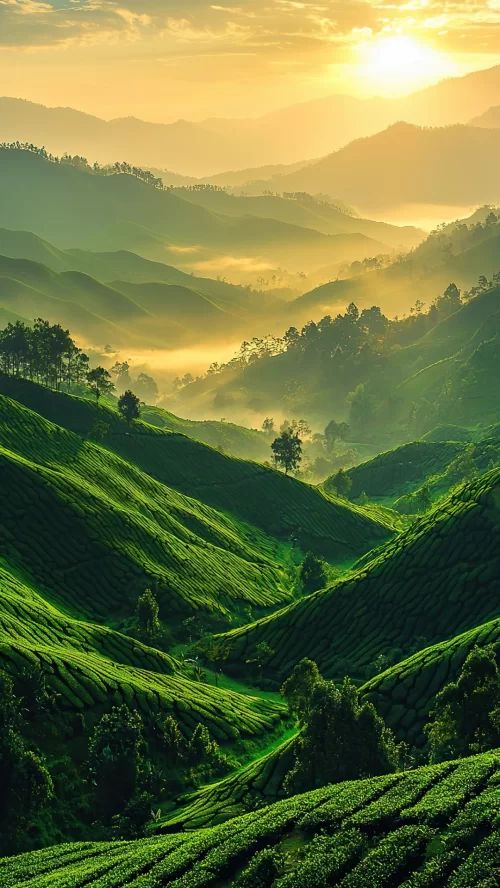
One of the unique characteristics of Munnar is the close relationship between its tea estates and neighbouring spice plantations. Different elevations, soil conditions, and shaded environments allow various crops to flourish within the same region. Travellers often notice rolling tea gardens covering open hillsides while nearby valleys and forested slopes support cardamom, pepper, cloves, cinnamon, and other spice crops. This remarkable agricultural diversity makes Munnar one of Kerala's most fascinating plantation destinations.
Guided tours explain how farmers manage these different crops according to their specific growing requirements while maintaining healthy ecosystems throughout the plantations. Visitors gain a better understanding of how geography influences agricultural practices and why Munnar has become one of Kerala's most productive hill regions. Experiencing both tea and spice cultivation during a single visit provides a comprehensive introduction to the area's farming heritage.
The combination of tea and spice plantations showcases the remarkable agricultural richness of Munnar while highlighting the natural advantages provided by the Western Ghats.
Experiencing both tea and spice cultivation allows visitors to appreciate the diversity of Munnar's landscapes while gaining valuable insight into Kerala's traditional mountain agriculture.
Spice plantation tours in Munnar are enhanced by spectacular mountain scenery that surrounds the farms throughout the year. Rolling hills, dense forests, winding roads, valleys, and cool mountain air create an unforgettable backdrop for guided plantation walks. Visitors can enjoy peaceful surroundings while learning about spice cultivation, making these tours equally appealing to photographers, families, couples, and nature enthusiasts.
Many plantations provide designated walking paths, scenic viewpoints, and shaded resting areas where visitors can comfortably explore the estate. Along the route, guides explain different stages of plant growth, harvesting schedules, and traditional farming methods while pointing out various spice crops growing naturally within the plantation. The relaxed pace allows travellers to enjoy both the educational experience and the surrounding landscapes without feeling hurried.
Mountain scenery transforms every plantation visit into a memorable nature experience where agriculture and the beauty of the Western Ghats exist together in perfect harmony.
| Plantation Feature | Visitor Experience | Main Attraction |
|---|---|---|
| Mountain Plantation | Guided Nature Walk | Scenic Landscapes |
| Mixed Spice Farm | Crop Identification | Agricultural Learning |
| Hill Viewpoint | Landscape Photography | Panoramic Views |
| Plantation Shop | Purchase Fresh Spices | Authentic Souvenirs |
Plantation visits surrounded by Munnar's spectacular mountain scenery offer an ideal combination of nature, education, and relaxation, making them an essential part of any Kerala hill station itinerary.
Wayanad is one of Kerala's most attractive destinations for spice plantation tourism, offering visitors an opportunity to explore farms surrounded by forests, rolling hills, streams, and peaceful countryside. The district's favourable climate supports the cultivation of black pepper, cardamom, cinnamon, cloves, nutmeg, ginger, turmeric, and several other tropical crops. Unlike more commercial tourist centres, Wayanad offers a quieter atmosphere where travellers can enjoy relaxed plantation experiences within natural surroundings.
Many spice plantations are located close to forested landscapes that contribute to the region's rich biodiversity. Guided walks introduce visitors to different spice crops while explaining how sustainable farming practices help preserve both agricultural productivity and the surrounding environment. The refreshing climate and beautiful scenery make plantation tours enjoyable throughout much of the year.
Exploring spice farms in Wayanad allows visitors to experience Kerala's agricultural traditions while enjoying one of the state's most peaceful hill regions.
Wayanad's forest-surrounded spice plantations provide visitors with an authentic and relaxing agricultural tourism experience within Kerala's beautiful northern highlands.
Spice farmers in Wayanad continue to follow cultivation practices that have evolved through generations of experience. Guided plantation tours explain how farmers prepare fertile soil, manage natural shade, maintain healthy plants, and harvest crops at the appropriate stage of maturity. These carefully maintained methods help preserve both the quality of the spices and the long-term productivity of the plantations.
Visitors also learn how different spice crops are cultivated together within the same plantation using environmentally responsible techniques. Plantation guides explain seasonal farming activities, crop management, and the importance of biodiversity in maintaining healthy agricultural ecosystems. These practical demonstrations provide valuable insight into the everyday work involved in producing premium-quality spices.
Traditional farming practices continue to define Wayanad's spice plantations while demonstrating the importance of sustainable agriculture within Kerala's mountain regions.
Traditional farming methods allow visitors to understand how generations of agricultural knowledge continue to support spice cultivation across Wayanad's scenic landscapes.
Spice plantation tours in Wayanad naturally combine agriculture with outdoor recreation, making them ideal for travellers who enjoy peaceful nature-based experiences. Plantation walks pass through lush vegetation where tropical plants, shade trees, flowering shrubs, and spice crops create refreshing surroundings filled with natural fragrances. The calm atmosphere encourages visitors to slow down and appreciate the region's landscapes while learning about local farming traditions.
Many visitors combine plantation tours with nearby waterfalls, viewpoints, wildlife attractions, village experiences, and scenic drives across Wayanad's countryside. The slower pace of travel allows families, couples, photographers, and nature lovers to explore comfortably while respecting plantation operations and local communities. Responsible tourism helps preserve these landscapes for future visitors while supporting local farmers.
Nature-based plantation tourism in Wayanad creates meaningful travel experiences where agriculture, biodiversity, and scenic beauty come together to showcase the unique character of northern Kerala.
| Nature Activity | Plantation Experience | Visitor Benefit |
|---|---|---|
| Guided Walk | Explore Spice Crops | Educational Learning |
| Nature Photography | Capture Green Landscapes | Scenic Memories |
| Countryside Exploration | Observe Traditional Farming | Cultural Experience |
| Plantation Shopping | Buy Fresh Spices | Authentic Souvenirs |
Wayanad's spice plantation experiences perfectly combine nature, agriculture, and local traditions, offering visitors a peaceful introduction to Kerala's rich spice-growing heritage.
Walking tours are among the most enjoyable ways to experience Kerala's spice plantations because they allow visitors to explore the farms at a relaxed pace while learning directly from experienced plantation guides. Unlike viewing plantations from a vehicle, guided walks provide close access to different spice-growing sections where travellers can observe the appearance, fragrance, and growing patterns of individual crops. The shaded walking paths pass through lush vegetation, creating a refreshing environment filled with the natural aroma of tropical spices.
During the tour, guides introduce visitors to cardamom, black pepper, cinnamon, cloves, nutmeg, vanilla, turmeric, ginger, and numerous medicinal plants that thrive in Kerala's favourable climate. Each section of the plantation demonstrates unique cultivation methods suited to different crops, allowing travellers to understand how farmers carefully manage the diverse agricultural landscape. The leisurely pace also gives visitors enough time to ask questions, observe plant characteristics, and appreciate the surrounding scenery.
Guided walking tours provide an immersive experience where visitors learn about Kerala's spice heritage while enjoying peaceful natural surroundings and the refreshing atmosphere of the Western Ghats.
Walking through Kerala's spice plantations offers visitors a close connection with traditional farming while allowing them to experience the region's remarkable botanical diversity in a comfortable and educational setting.
One of the highlights of a plantation walking tour is observing how farmers carefully cultivate and maintain different spice crops throughout the year. Visitors learn about preparing fertile soil, planting young saplings, managing shade trees, maintaining moisture levels, and protecting crops through environmentally responsible farming methods. Every stage of cultivation requires patience and practical knowledge developed through generations of agricultural experience.
Guides explain how regular pruning, weed management, natural composting, and seasonal maintenance help keep plantations productive while protecting soil quality and biodiversity. Visitors also observe how different spice crops require varying levels of sunlight, rainfall, and elevation, demonstrating the importance of Kerala's unique geography. These practical insights help travellers appreciate the continuous effort required to produce premium-quality spices.
Understanding plantation maintenance allows visitors to recognise the dedication behind every spice harvested from Kerala's famous agricultural regions while appreciating the importance of sustainable farming practices.
Learning how spice plantations are maintained provides visitors with valuable insight into Kerala's agricultural traditions while highlighting the expertise required to sustain productive farms year after year.
Local plantation guides enrich walking tours by sharing practical knowledge gained through years of farming experience. Rather than simply identifying different plants, they explain how spices are cultivated, harvested, processed, and prepared for domestic and international markets. Visitors gain firsthand knowledge of seasonal farming activities while understanding the relationship between climate, geography, and successful spice production.
Many plantation tours also include demonstrations showing harvested spices before processing, allowing travellers to compare fresh crops with finished products available in local markets. These educational experiences help visitors connect traditional farming methods with the everyday spices commonly used in kitchens around the world. The combination of local expertise and direct observation creates a meaningful learning experience suitable for travellers of every age.
Learning directly from local farmers transforms an ordinary plantation visit into a memorable educational journey that celebrates Kerala's rich spice-growing traditions and rural heritage.
| Walking Tour Activity | Visitor Experience | Main Benefit |
|---|---|---|
| Guided Plantation Walk | Explore Spice Crops | Educational Learning |
| Farmer Demonstration | Observe Cultivation Methods | Practical Knowledge |
| Crop Identification | Recognise Different Spices | Improved Understanding |
| Harvest Display | View Fresh Produce | Complete Plantation Experience |
Walking tours led by local experts provide one of the most authentic ways to experience Kerala's spice plantations while gaining practical knowledge about traditional cultivation methods and sustainable agriculture.
The spice farming process in Kerala begins with careful selection of suitable land, healthy planting material, and favourable environmental conditions. Farmers prepare fertile soil before planting young saplings or seeds according to the specific requirements of each crop. Throughout the growing period, plantations receive regular maintenance including irrigation where necessary, pruning, natural fertilisation, weed management, and protection against pests. Every stage is carefully monitored to encourage healthy plant growth and maintain consistent crop quality.
Harvesting takes place only when each spice reaches the appropriate stage of maturity. Cardamom capsules, pepper berries, cloves, cinnamon bark, and nutmeg all require different harvesting techniques based on their individual characteristics. Once collected, the produce undergoes cleaning, drying, grading, and other processing steps before being prepared for storage, packaging, or distribution. Visitors observing these activities gain a deeper appreciation of the expertise involved in producing Kerala's famous spices.
Understanding the complete farming process helps visitors recognise the dedication, precision, and traditional knowledge that contribute to Kerala's internationally respected spice industry.
The complete farming process demonstrates how careful planning and continuous maintenance allow Kerala's plantations to produce high-quality spices while preserving long-established agricultural traditions.
After harvesting and initial processing, spices follow several important stages before reaching consumers. Plantation workers carefully clean, dry, grade, and sort the produce to maintain quality and consistency. Depending on the crop, additional processing may be required before packaging. Proper storage under suitable conditions helps preserve aroma, flavour, and freshness until the products are ready for distribution.
Many plantations explain how spices are packed for local markets, retail stores, and wider commercial distribution while maintaining quality standards throughout the supply chain. Visitors also learn why proper grading and careful handling are essential for producing premium-quality products. Understanding these post-harvest activities provides a complete picture of the journey from plantation to finished spice products.
Learning about post-harvest handling allows visitors to appreciate the extensive work involved before Kerala's spices become available in homes, restaurants, and specialty stores.
The journey from plantation to market involves multiple carefully managed stages that preserve the quality and reputation of Kerala's renowned spice products.
Producing quality spices requires continuous effort throughout the year. Farmers monitor weather conditions, care for growing plants, manage soil fertility, control weeds naturally, and harvest crops with precision at the correct stage of maturity. Every activity demands patience, practical experience, and close attention to the changing needs of different spice varieties.
Guided plantation tours help visitors appreciate the human effort involved in every stage of production. By observing working farms and learning directly from experienced guides, travellers gain a greater understanding of the commitment required to maintain productive plantations while protecting the surrounding environment. This knowledge encourages greater appreciation for the spices used in everyday cooking and wellness traditions.
Discovering the effort behind spice production allows visitors to value Kerala's agricultural heritage while recognising the dedication of the farming communities who continue these traditions across generations.
| Production Stage | Main Activity | Purpose |
|---|---|---|
| Planting | Establish Healthy Crops | Strong Plant Growth |
| Maintenance | Care For Spice Plants | Healthy Plantation |
| Harvesting | Collect Mature Crops | Quality Produce |
| Processing | Dry Grade And Package | Ready For Markets |
The spice farming process reflects Kerala's long agricultural tradition, where skilled farmers combine practical knowledge, careful cultivation, and sustainable practices to produce some of India's most respected spices.
Kerala's spice plantations remain green throughout the year, but seasonal weather influences the overall visitor experience. Winter brings pleasant temperatures, clear skies, and comfortable walking conditions, making plantation exploration particularly enjoyable. During the monsoon, plantations become exceptionally lush as rainfall enhances the greenery, while mist-covered hills create dramatic scenery that attracts nature lovers and photographers seeking unique landscapes.
Summer offers warm days in the plains, but plantations located in elevated regions such as Thekkady, Munnar, and Wayanad continue to provide relatively pleasant conditions because of their higher altitude. Seasonal rainfall also affects the appearance of spice crops and surrounding vegetation, allowing visitors to experience different aspects of Kerala's agricultural landscapes depending on the time of travel. Understanding these seasonal differences helps travellers choose the most suitable period for their preferred activities.
Every season offers a distinctive plantation experience, allowing visitors to enjoy Kerala's spice-growing regions under changing weather conditions while appreciating the remarkable beauty of the Western Ghats.
Understanding seasonal conditions allows visitors to plan enjoyable plantation tours while experiencing Kerala's spice-growing landscapes in the atmosphere that best matches their travel preferences.
Many travellers prefer visiting Kerala's spice plantations between October and March because the weather is generally cooler, less humid, and comfortable for outdoor exploration. These months are ideal for guided plantation walks, photography, educational tours, and leisurely sightseeing. Clear mountain views and refreshing temperatures allow visitors to spend longer periods outdoors while exploring different sections of the plantations without excessive heat.
April and May continue to attract visitors, particularly those travelling during school holidays, while the higher elevations of Kerala remain cooler than nearby lowland areas. From June to September, the southwest monsoon transforms plantations into vibrant green landscapes with abundant vegetation. Although rainfall becomes more frequent, many visitors appreciate the peaceful atmosphere and dramatic scenery created by mist and fresh foliage.
Selecting suitable travel months allows visitors to enjoy plantation tours comfortably while experiencing the changing beauty of Kerala's famous spice-growing regions.
Choosing suitable travel months enhances every spice plantation visit by providing comfortable weather and excellent opportunities to explore Kerala's beautiful agricultural landscapes.
Weather conditions play an important role in planning a successful plantation visit because most activities involve walking through outdoor farming areas. Travellers should check local forecasts before departure and prepare clothing appropriate for changing mountain weather. Comfortable footwear, lightweight layers, rain protection during the monsoon, sunscreen, and drinking water all contribute to a more enjoyable plantation experience.
Visitors interested in photography often plan early morning or late afternoon tours when natural lighting is softer and temperatures remain comfortable. Flexible itineraries also allow sufficient time for plantation walks, educational demonstrations, shopping, and nearby sightseeing without feeling rushed if weather conditions change unexpectedly. Proper preparation helps visitors experience Kerala's plantations safely while appreciating the region's remarkable natural beauty.
Planning according to local weather conditions ensures a comfortable and rewarding spice plantation tour where visitors can fully enjoy Kerala's landscapes, farming traditions, and educational experiences.
| Season | Visitor Experience | Main Advantage |
|---|---|---|
| October To March | Cool Pleasant Weather | Ideal Plantation Walks |
| April To May | Warm Hill Climate | Comfortable Sightseeing |
| June To September | Lush Green Plantations | Beautiful Monsoon Scenery |
| Throughout The Year | Working Spice Farms | Educational Plantation Tours |
Weather-aware planning helps visitors experience Kerala's spice plantations comfortably while enjoying guided tours, scenic landscapes, and authentic agricultural experiences throughout every season.
Since spice plantation tours involve walking through outdoor agricultural areas, visitors should wear lightweight, comfortable clothing that allows easy movement in varying weather conditions. Breathable fabrics are particularly useful during warmer months, while light jackets may be helpful in cooler hill stations such as Munnar, Thekkady, and Wayanad. Comfortable walking shoes with good grip are recommended because plantation paths may include uneven surfaces, gentle slopes, or damp sections during the monsoon season.
Carrying a hat, sunglasses, sunscreen, and a reusable water bottle can further improve comfort during longer plantation walks. During the rainy season, lightweight rain protection such as a compact raincoat or umbrella helps visitors continue exploring comfortably without interrupting their tour. Dressing appropriately ensures that travellers can fully enjoy both the educational and scenic aspects of the plantation visit.
Comfortable clothing and practical footwear contribute significantly to an enjoyable plantation experience by allowing visitors to explore Kerala's spice-growing landscapes safely and comfortably.
Appropriate clothing helps visitors remain comfortable throughout the plantation tour while allowing them to focus on Kerala's remarkable agricultural landscapes and educational experiences.
Spice plantations remain active agricultural properties where farming activities continue throughout the year. Visitors should respect plantation guidelines by staying on designated paths, avoiding unnecessary contact with crops, and following instructions provided by guides. These simple practices help protect valuable plants while ensuring that farming operations continue without disruption.
Travellers should also avoid littering, making excessive noise, or entering restricted cultivation areas without permission. Respecting local communities, plantation workers, and the surrounding environment contributes to responsible tourism while preserving the peaceful atmosphere that makes plantation visits enjoyable. Following established guidelines benefits both visitors and the farming communities that maintain these beautiful agricultural landscapes.
Responsible behaviour during plantation tours helps preserve Kerala's spice-growing heritage while ensuring enjoyable experiences for future visitors and local farming communities.
Respecting plantation guidelines creates a safe, educational, and enjoyable experience while helping preserve Kerala's valuable agricultural heritage.
Before planning a plantation visit, travellers should confirm opening hours, guided tour schedules, seasonal availability, and any visitor guidelines that may apply. Some plantations operate fixed tour timings, while others require advance reservations for larger groups. Checking this information in advance helps visitors plan efficient itineraries and avoid unnecessary waiting during their journey.
It is also helpful to consider travel distances between plantations and nearby attractions when preparing the day's schedule. Allowing enough time for guided walks, photography, shopping, and travel between destinations creates a more relaxed experience. Planning ahead ensures that visitors enjoy the plantation without feeling rushed while making the most of their time in Kerala's scenic hill regions.
Checking schedules before departure helps visitors organise smooth plantation tours while ensuring sufficient time to enjoy Kerala's rich spice-growing heritage.
| Travel Preparation | Recommended Action | Visitor Benefit |
|---|---|---|
| Clothing | Wear Comfortable Outdoor Wear | Comfortable Exploration |
| Footwear | Use Good Walking Shoes | Safe Plantation Walks |
| Tour Planning | Check Timings In Advance | Smooth Itinerary |
| Visitor Conduct | Follow Plantation Guidelines | Responsible Tourism |
Simple preparation and thoughtful planning allow visitors to enjoy Kerala's spice plantations comfortably while respecting the working farms and natural environments that make these destinations so special.
One of the most common mistakes visitors make is planning a spice plantation tour without considering Kerala's seasonal weather. Although plantations remain open throughout most of the year, the overall experience can vary depending on rainfall, humidity, and temperature. During the monsoon, plantation trails may become slippery, while summer afternoons can feel warmer in lower-altitude regions. Travellers who understand these seasonal differences can plan more comfortable visits and enjoy the plantation without unnecessary inconvenience.
Checking the expected weather before travelling also helps visitors pack suitable clothing, footwear, and accessories. Lightweight clothes work well during warmer months, while a light jacket may be useful in higher regions like Munnar and Thekkady. Carrying rain protection during the monsoon ensures that sudden showers do not interrupt the experience. Proper preparation allows visitors to enjoy plantation walks comfortably while appreciating the changing beauty of Kerala's spice-growing landscapes.
Understanding seasonal conditions before visiting helps travellers experience plantations safely, capture better photographs, and spend more time exploring the rich agricultural heritage of Kerala.
Good seasonal planning improves every aspect of a plantation visit by helping travellers stay comfortable while enjoying Kerala's scenic spice-growing regions throughout the year.
Many first-time visitors expect every spice plantation to offer the same type of experience, but there can be significant differences between working farms and commercial visitor centres. Some plantations focus primarily on agricultural education and guided walks, while others include larger retail outlets and product demonstrations. Understanding this distinction helps travellers choose experiences that match their interests rather than expecting identical facilities everywhere.
Visitors should also avoid assuming that every shop selling spices represents a working plantation. Authentic plantation tours usually include guided walks through cultivation areas where travellers can observe living spice plants before visiting the retail section. Purchasing products after learning about their cultivation often creates a more meaningful experience while supporting local farming communities that continue traditional agricultural practices.
Recognising the difference between genuine plantation experiences and commercial shopping outlets allows visitors to make informed decisions and enjoy more authentic agricultural tourism.
Understanding what each plantation offers helps travellers select experiences that provide meaningful learning while supporting Kerala's long-established spice farming traditions.
Some visitors focus only on taking photographs or shopping and overlook the educational value of guided explanations. Plantation guides provide valuable information about cultivation methods, harvesting techniques, biodiversity, sustainable farming, and the historical importance of Kerala's spice trade. Listening carefully throughout the tour transforms a simple walk into an informative experience that greatly enhances the overall visit.
Asking questions during the tour also helps visitors understand the differences between various spice crops and appreciate the skill required to maintain productive plantations. Many guides share practical insights that cannot easily be learned through signs or displays alone. Participating actively makes the visit more memorable while creating a deeper appreciation for the work carried out by local farming communities.
Taking full advantage of guided explanations ensures that visitors leave with lasting knowledge as well as enjoyable memories of Kerala's famous spice plantations.
| Common Mistake | Better Approach | Benefit |
|---|---|---|
| Ignoring Weather | Check Seasonal Conditions | Comfortable Visit |
| Choosing Only Shops | Visit Working Plantations | Authentic Experience |
| Skipping Guided Tours | Listen To Plantation Guides | Better Understanding |
| Rushing The Visit | Allow Sufficient Time | Relaxed Exploration |
Avoiding these common mistakes allows travellers to enjoy richer plantation experiences while gaining valuable knowledge about Kerala's agricultural traditions, biodiversity, and world-famous spice cultivation.
Kerala offers numerous spice plantation destinations, each providing a slightly different experience depending on its landscape, climate, and surrounding attractions. Travellers interested in mountain scenery often prefer Munnar, while those combining wildlife with plantation visits frequently choose Thekkady. Wayanad appeals to visitors seeking quieter countryside experiences surrounded by forests and rolling hills. Selecting the right destination according to personal interests helps create a more satisfying travel experience.
Visitors should also consider the amount of time available for sightseeing. Some itineraries include a single plantation visit, while others combine multiple spice farms with tea estates, waterfalls, wildlife reserves, and cultural attractions. Understanding personal travel preferences before planning the itinerary ensures a balanced journey without unnecessary travel or rushed sightseeing.
Choosing the right plantation destination allows visitors to experience Kerala's agricultural heritage in a way that best matches their interests while enjoying the state's remarkable natural beauty.
Choosing destinations carefully helps visitors enjoy memorable plantation experiences while making the most of Kerala's diverse landscapes and attractions.
Spice plantation visits become even more rewarding when combined with nearby attractions that showcase Kerala's natural and cultural diversity. Many travellers include tea gardens, waterfalls, wildlife sanctuaries, lakes, viewpoints, village experiences, and local markets within the same itinerary. This combination creates a varied travel experience while reducing unnecessary road journeys between distant destinations.
Planning nearby sightseeing also allows visitors to experience different aspects of Kerala during a single day. A morning plantation walk can be followed by scenic viewpoints or wildlife activities, while afternoons may include shopping or cultural experiences. Organising attractions based on proximity helps maximise sightseeing time while maintaining a relaxed travel pace.
Combining spice plantations with nearby attractions creates a balanced itinerary that highlights Kerala's agriculture, landscapes, wildlife, and local traditions in one memorable journey.
Thoughtfully planned sightseeing enhances every plantation visit while allowing travellers to experience the remarkable variety that Kerala offers beyond its famous spice farms.
Before beginning a spice plantation tour, visitors should confirm tour timings, wear comfortable clothing, carry drinking water, and prepare suitable footwear for outdoor walking. Booking reputable guided tours, checking weather conditions, and allowing enough time for exploration all contribute to a more enjoyable experience. Travellers should also keep space in their luggage for authentic spice purchases made directly from plantation stores.
Respecting plantation guidelines, listening carefully to local guides, supporting responsible tourism, and appreciating the work of farming communities help preserve Kerala's agricultural heritage for future generations. A well-planned plantation visit offers far more than sightseeing by providing valuable insight into centuries of spice cultivation, biodiversity, and sustainable farming traditions that continue to define the region today.
Following this simple checklist allows visitors to enjoy Kerala's spice plantations comfortably while gaining lasting memories of one of India's most celebrated agricultural experiences.
| Checklist Item | Recommendation | Purpose |
|---|---|---|
| Travel Planning | Confirm Tour Timings | Smooth Visit |
| Clothing | Wear Comfortable Outdoor Wear | Comfortable Walking |
| Preparation | Carry Water And Essentials | Convenient Experience |
| Visitor Conduct | Respect Plantation Guidelines | Responsible Tourism |
Kerala's spice plantations offer an unforgettable combination of nature, agriculture, education, and cultural heritage. With thoughtful planning and responsible travel practices, visitors can enjoy authentic experiences that celebrate the state's centuries-old reputation as one of the world's most renowned spice-growing regions.


Get customized Kerala tour planning designed around monsoon seasons, backwater cruising routes, hill travel timing, and comfortable coastal stays. Whether you are visiting for houseboat experiences, beach relaxation, wildlife reserves, cultural heritage,
⚡ Quick Response | 💰 Free consultation | 🕒 24×7 expert support