
How to Travel Around Kerala
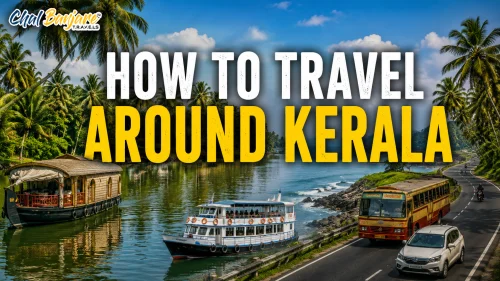
Travelling around Kerala is convenient with trains, buses, taxis, rental vehicles, and local transport options connecting beaches, backwaters, hill stations, wildlife areas, and cultural destinations.
+91 9910402252
admin@chalbanjare.com


Public transport in Kerala offers affordable and convenient travel through buses, trains, ferries, autos, and local services connecting cities, beaches, backwaters, hill stations, and tourist destinations.
Kerala has one of the most extensive public transport networks in southern India, making it possible for tourists to travel comfortably without hiring a private vehicle. Government buses, private buses, trains, metro services, ferries, auto rickshaws, taxis, and local shared transport together provide connectivity between major cities, hill stations, beaches, backwaters, wildlife destinations, and cultural centres. Visitors travelling on different budgets can find transport options that suit both short city journeys and long-distance travel across the state.
Many popular tourist destinations such as Kochi, Thiruvananthapuram, Kozhikode, Alleppey, Kumarakom, Thrissur, Kannur, and Varkala are well connected through multiple public transport options. Hill stations like Munnar and wildlife destinations such as Thekkady require additional local transport after reaching nearby towns, but public buses still provide important regional connectivity. Travellers who plan their routes carefully can explore much of Kerala efficiently without relying entirely on private cabs.
Understanding Kerala's public transport system before arriving helps visitors create practical itineraries while reducing travel costs and enjoying authentic local travel experiences throughout the state.
Kerala's extensive transport network allows travellers to reach most tourist destinations conveniently while choosing transportation according to their budget, travel style, and itinerary.
Every region of Kerala offers different public transport facilities depending on its geography and level of urban development. Major cities provide buses, auto rickshaws, taxis, metro services, ferries, and railway stations, while smaller towns primarily depend on buses, shared vehicles, and local taxis. Coastal areas often include water transport alongside road connectivity, whereas hill stations rely mainly on road transport because railway lines do not extend into mountainous regions.
Visitors travelling between distant destinations usually combine trains and buses to complete their journey efficiently. After arriving at major railway stations, local buses, auto rickshaws, or taxis are commonly used to reach hotels and attractions. Understanding which transport modes operate in different regions helps tourists avoid confusion while planning transfers between cities, beaches, wildlife reserves, and backwater destinations.
Selecting suitable transport according to the region ensures comfortable travel while making the journey more efficient throughout Kerala.
Knowing which transport options operate in each region helps visitors move smoothly between Kerala's diverse landscapes while avoiding unnecessary travel complications.
The most effective way to use Kerala's public transport system is to match transportation with the destinations included in the itinerary. Travellers covering long distances may prefer trains wherever available, while buses provide convenient access to smaller towns and tourist attractions. Within cities, metro services, ferries, buses, and auto rickshaws offer practical options for local sightseeing according to individual preferences and budgets.
Visitors should also consider luggage, travel duration, weather conditions, and accommodation locations before selecting transport. Combining multiple transport options often produces the most efficient itinerary while keeping travel expenses under control. Allowing sufficient transfer time between trains, buses, ferries, and local transport ensures comfortable journeys without unnecessary stress throughout the holiday.
Planning transportation according to budget, comfort, and destination requirements allows travellers to enjoy Kerala efficiently while making the most of its excellent public transport network.
| Travel Requirement | Recommended Transport | Main Benefit |
|---|---|---|
| Long Distance Travel | Train Or KSRTC Bus | Efficient Connectivity |
| City Sightseeing | Metro And Local Bus | Easy Movement |
| Short Distance | Auto Rickshaw | Quick Transfers |
| Backwater Areas | Ferry And Boat Services | Local Experience |
Carefully combining Kerala's various public transport services allows visitors to travel economically while comfortably exploring cities, beaches, hill stations, and backwater destinations.
Kerala has an extensive bus network that serves almost every part of the state. Government-operated services and private buses work together to connect large cities, small towns, villages, tourist attractions, educational centres, and commercial hubs. For many residents and visitors alike, buses remain the most widely used mode of public transportation because they provide regular services throughout the day while reaching destinations that may not have railway connectivity.
Tourists travelling independently often find buses useful for reaching destinations such as Munnar, Thekkady, Wayanad, Athirappilly, Bekal, Varkala, Kumarakom, and numerous smaller attractions located away from railway stations. Major bus terminals in Kochi, Thiruvananthapuram, Kozhikode, Thrissur, Kottayam, and Ernakulam provide excellent regional connectivity, allowing travellers to move between destinations without requiring expensive private transportation.
Kerala's widespread bus network makes independent travel practical while providing economical access to both well-known and lesser-explored parts of the state.
The combination of government and private buses creates one of Kerala's strongest public transport systems, allowing visitors to travel conveniently throughout the state.
Most tourist destinations in Kerala are connected by regular bus services originating from nearby cities or district headquarters. Routes generally operate throughout the day, allowing travellers to reach beaches, hill stations, wildlife reserves, temples, cultural centres, and rural attractions. While travel times may vary according to road conditions and traffic, buses remain one of the most practical ways to explore regions beyond major railway lines.
Visitors should note that direct buses may not always operate between every tourist destination. In some cases, changing buses at district headquarters or larger transport hubs may be necessary. Understanding these regional connections in advance helps travellers prepare realistic itineraries while reducing waiting times during multi-destination journeys across Kerala.
Learning how Kerala's regional bus routes operate enables visitors to confidently explore both popular attractions and lesser-known destinations using affordable public transport.
Understanding route connections allows visitors to use Kerala's bus network efficiently while exploring destinations across different regions of the state.
For budget-conscious travellers, local buses offer excellent value while providing extensive connectivity across Kerala. Visitors can use buses for intercity travel, local sightseeing, and journeys between nearby attractions without significantly increasing transportation expenses. Travelling during daylight hours also makes navigation easier while allowing passengers to enjoy Kerala's scenic landscapes throughout the journey.
Before beginning each journey, travellers should confirm departure timings, boarding locations, and destination names because routes may differ depending on the region. Carrying small luggage, keeping essential items easily accessible, and allowing additional time during busy travel periods all contribute to a smoother experience. Combining local buses with trains and metro services creates an economical transport strategy suitable for extended Kerala holidays.
Using Kerala's local bus services thoughtfully allows visitors to travel comfortably while keeping transportation costs within a manageable budget throughout the trip.
| Travel Purpose | Bus Service Benefit | Suitable For |
|---|---|---|
| Intercity Travel | Wide Connectivity | Tourists |
| Village Access | Frequent Regional Routes | Independent Travellers |
| Budget Travel | Affordable Fares | Backpackers |
| Local Sightseeing | Flexible Travel Options | Day Trips |
Careful planning and realistic scheduling allow travellers to use Kerala's bus network effectively while enjoying economical and comfortable journeys across the state's diverse destinations.
Kerala State Road Transport Corporation, commonly known as KSRTC, operates one of the largest government bus networks in the state. Its services connect major cities, district headquarters, coastal destinations, hill stations, pilgrimage centres, and numerous smaller towns that may not have railway connectivity. For tourists travelling independently, KSRTC provides a dependable and economical way to reach many popular destinations without hiring private transportation.
Regular services operate from important bus stations in Kochi, Thiruvananthapuram, Kozhikode, Thrissur, Kottayam, Kannur, Palakkad, Alappuzha, and other regional centres. Visitors can use KSRTC buses to reach destinations such as Munnar, Thekkady, Wayanad, Vagamon, Varkala, Bekal, Kumarakom, and several cultural and wildlife attractions across Kerala. The extensive coverage makes KSRTC particularly useful for travellers exploring multiple regions during one holiday.
Using KSRTC allows visitors to experience Kerala's public transport system while travelling comfortably between many of the state's most popular tourist destinations.
KSRTC provides reliable connectivity across Kerala, making it an excellent option for visitors planning economical travel between multiple destinations.
KSRTC operates both long-distance and regional bus services to meet different travel requirements. Long-distance buses connect major cities and important tourism centres across Kerala, while regional services provide access to nearby towns, villages, and attractions that may not be served by railways. Travellers can combine these services to create flexible itineraries covering several destinations during the same trip.
Regional buses are particularly useful after arriving by train because they connect railway stations with surrounding tourist areas. Visitors heading towards hill stations, wildlife reserves, plantation regions, and backwater villages often rely on regional KSRTC services to complete the final stage of their journey. Understanding the difference between long-distance and local routes helps tourists plan efficient transfers throughout Kerala.
Combining long-distance and regional KSRTC services allows travellers to reach destinations across the state while maintaining reasonable transportation costs.
Understanding the different categories of KSRTC services helps visitors travel efficiently between Kerala's cities, towns, and scenic attractions.
Travellers planning a Kerala itinerary can use KSRTC buses to connect many of the state's leading destinations without depending entirely on private transport. Popular routes generally link Kochi with Munnar, Kottayam with Kumarakom, Kozhikode with Wayanad, and several other tourism circuits throughout the state. Planning these connections before departure helps visitors minimise waiting time and organise realistic sightseeing schedules.
It is advisable to begin longer journeys early in the day, especially when travelling towards hill stations or destinations requiring additional local transport. Visitors should also allow extra time for transfers between bus stations, railway stations, hotels, and local attractions. Combining buses with auto rickshaws or taxis for the final stretch often creates the most convenient travel experience while maintaining affordability.
Well-planned bus travel allows visitors to explore Kerala comfortably while balancing budget, convenience, and efficient movement between destinations.
| Travel Type | Recommended KSRTC Service | Benefit |
|---|---|---|
| Intercity Travel | Long Distance Bus | Direct Connectivity |
| Regional Tourism | Local Route Bus | Access Smaller Destinations |
| Railway Transfer | Regional Service | Easy Connections |
| Budget Travel | Regular KSRTC Bus | Economical Journey |
Planning bus journeys carefully enables travellers to use KSRTC efficiently while comfortably exploring Kerala's diverse tourist destinations.
Alongside government-operated services, Kerala has a large network of private buses connecting towns, cities, villages, educational centres, and commercial areas. These buses complement the public transport system by operating on numerous regional routes throughout the state. For many destinations, private buses provide frequent services that allow tourists to travel conveniently between nearby locations without requiring private vehicles.
Private buses are commonly seen operating on routes connecting district headquarters with surrounding towns and tourist attractions. They often serve destinations where travellers require short or medium-distance transportation, making them useful for local sightseeing as well as inter-town travel. Visitors exploring rural Kerala, plantation regions, or smaller cultural destinations frequently encounter private bus services as an important part of regional transportation.
The widespread availability of private buses makes them a valuable option for tourists seeking affordable and convenient travel across different parts of Kerala.
Private buses strengthen Kerala's transport network by providing extensive regional connectivity for both residents and visiting travellers.
One of the advantages of Kerala's private bus network is the regular frequency of services on many busy regional routes. Travellers visiting nearby attractions often find buses available throughout the day, making it easier to plan flexible sightseeing without depending on fixed departure times. However, service frequency may vary depending on the destination, time of day, and local travel demand.
Private buses are especially useful for journeys between neighbouring towns where railway connectivity may be unavailable or less convenient. Visitors should identify the correct boarding points, destination names, and route numbers before travelling because multiple buses may operate from the same terminal. Understanding local travel patterns helps tourists move confidently between attractions while reducing unnecessary waiting time.
Learning how regional bus services operate allows visitors to enjoy convenient transportation while exploring Kerala's diverse destinations efficiently.
Understanding route frequency and boarding locations helps visitors travel comfortably while making effective use of Kerala's extensive private bus services.
Private buses are particularly suitable for short and medium-distance journeys where direct regional connectivity is available. Visitors travelling between nearby tourist towns, beaches, temples, markets, and cultural attractions often find these services practical and economical. They also work well when combined with trains, metro services, ferries, or auto rickshaws to complete longer itineraries across Kerala.
Travellers should carry light luggage whenever possible and allow some flexibility in their daily schedule because travel times may vary depending on traffic and road conditions. Planning accommodation close to transport hubs can further simplify regional travel. By combining different public transport options thoughtfully, visitors can explore Kerala comfortably while maintaining a budget-friendly itinerary throughout their holiday.
Selecting private buses for suitable regional journeys allows tourists to experience Kerala conveniently while enjoying affordable transportation across towns and nearby attractions.
| Journey Type | Private Bus Suitability | Main Advantage |
|---|---|---|
| Short Distance | Excellent | Frequent Services |
| Medium Distance | Very Good | Affordable Travel |
| Regional Sightseeing | Very Good | Wide Route Coverage |
| Nearby Town Transfers | Excellent | Convenient Connectivity |
Choosing private buses for appropriate routes helps visitors travel economically while enjoying convenient regional connectivity across Kerala.
Kerala has one of the busiest railway networks in southern India, connecting most major cities and several important tourist destinations along the state's coastline and central regions. Travellers can comfortably use trains to move between Kochi, Thiruvananthapuram, Kozhikode, Kannur, Thrissur, Kottayam, Alappuzha, Kollam, and numerous other destinations. Railway travel is often preferred for longer journeys because it offers a comfortable alternative to road travel while allowing visitors to avoid highway traffic during busy travel periods.
Although trains do not directly reach hill stations such as Munnar or wildlife destinations like Thekkady, they provide convenient access to nearby cities from where buses, taxis, or shared vehicles complete the remaining journey. Visitors planning multi-city holidays frequently combine train travel with local transport to explore beaches, backwaters, heritage towns, cultural attractions, and urban centres efficiently. This combination allows travellers to cover large distances while maintaining a comfortable travel schedule.
Using Kerala's railway network enables visitors to travel efficiently across much of the state while reducing road travel time between major destinations.
Rail travel forms an important part of Kerala's transport system and provides visitors with a comfortable way to explore multiple destinations across the state.
Travelling by train becomes particularly useful when covering longer distances between northern, central, and southern Kerala. Instead of spending several hours driving continuously, visitors can relax during the journey while enjoying changing landscapes that include rivers, coconut groves, towns, agricultural fields, and coastal scenery. This makes railway travel an attractive option for tourists planning extended holidays covering multiple regions.
Many travellers use trains for overnight or daytime intercity journeys before continuing by bus or taxi to destinations that do not have railway stations. Combining transport modes helps minimise travel fatigue while providing greater flexibility during the trip. Careful planning of train timings and onward connections ensures smooth transfers without unnecessary waiting after arrival.
Railway travel allows visitors to cover long distances comfortably while preserving energy for sightseeing at each destination.
Using trains for longer journeys creates a balanced travel experience while allowing visitors to maximise sightseeing time during their Kerala holiday.
When planning a railway-based itinerary, visitors should identify the nearest railway station for each destination before booking accommodation or onward transport. Cities such as Kochi, Thiruvananthapuram, Kozhikode, Thrissur, Kollam, Kannur, Alappuzha, and Kottayam have well-connected railway stations, while destinations like Munnar and Thekkady require additional road transport after arriving at the nearest rail-connected city.
Allowing adequate transfer time between railway stations, hotels, bus terminals, and tourist attractions helps create a relaxed itinerary. Travellers should also consider luggage handling, local transport availability, and expected travel times before finalising their schedule. Careful planning ensures railway travel remains convenient while supporting efficient exploration across Kerala.
Selecting accommodation and onward transport according to railway station locations helps visitors enjoy seamless travel throughout their Kerala itinerary.
| Travel Requirement | Railway Benefit | Planning Tip |
|---|---|---|
| Long Distance Travel | Comfortable Journey | Book Suitable Routes |
| City Connections | Excellent Accessibility | Plan Local Transfers |
| Hill Station Visits | Nearest Railway City | Continue By Road |
| Multi City Holidays | Efficient Connectivity | Allow Transfer Time |
Planning around railway stations allows visitors to combine trains with local transport efficiently while exploring Kerala's diverse destinations comfortably.
Kerala's main railway corridor runs along the western side of the state, connecting most of its major cities through a well-established network. Important tourism hubs including Kochi, Thiruvananthapuram, Kozhikode, Kannur, Thrissur, Kollam, Alappuzha, and Kottayam are linked by regular train services, making rail travel an efficient choice for visitors exploring multiple destinations. These routes support both short intercity journeys and longer trips covering different regions of Kerala.
Travellers can comfortably move between coastal destinations, historic cities, shopping centres, and cultural attractions before continuing by road towards hill stations or wildlife reserves. Because many hotels and tourist facilities are located within reasonable distance of railway stations, onward travel using buses, auto rickshaws, or taxis is generally straightforward. The railway network therefore forms an important backbone for Kerala tourism.
Using Kerala's principal railway routes allows visitors to travel efficiently between major tourism centres while reducing dependence on long-distance road transport.
Kerala's primary railway routes provide dependable connectivity that supports convenient travel between many of the state's leading tourist destinations.
While many popular destinations are directly connected by rail, others require a short onward journey after leaving the train. Coastal destinations, backwater towns, and urban centres often have nearby railway stations, whereas mountain destinations and forest regions depend on road connections from the closest rail-linked city. Understanding these access patterns helps visitors prepare realistic travel schedules and avoid confusion during transfers.
Travellers should identify both their arrival station and the transport required for the final stage of the journey before departure. This approach is especially useful when visiting destinations located away from the railway corridor. Proper planning ensures that train travel remains convenient while supporting smooth movement throughout the holiday.
Understanding railway accessibility helps visitors combine different transport options effectively while travelling across Kerala.
Knowing how railway stations connect with nearby attractions allows visitors to organise smoother journeys while maximising sightseeing opportunities.
After arriving at a railway station, travellers can continue their journey using city buses, KSRTC buses, auto rickshaws, taxis, or app-based transport depending on the destination. Major railway stations usually provide easy access to multiple transport options, allowing visitors to reach hotels, tourist attractions, or nearby bus terminals without difficulty. Planning these transfers before arrival saves valuable travel time.
Visitors should also allow sufficient time between train arrival and onward departures, particularly when changing transport modes or travelling during busy tourist seasons. Carrying essential travel information, accommodation details, and local transport plans helps ensure a smooth transition from rail travel to local sightseeing. Well-organised transfers contribute significantly to a comfortable Kerala holiday.
Careful transfer planning allows visitors to continue their journey efficiently while making full use of Kerala's integrated public transport network.
| After Train Arrival | Recommended Transport | Purpose |
|---|---|---|
| Hotel Transfer | Auto Rickshaw Or Taxi | Quick Arrival |
| Nearby City Travel | Local Bus | Economical Journey |
| Regional Destination | KSRTC Bus | Continue Travel |
| Tourist Attraction | Local Transport | Convenient Sightseeing |
Planning onward transfers before reaching the railway station helps visitors continue their Kerala journey smoothly while avoiding unnecessary delays and confusion.
Kochi is the only city in Kerala with an operational metro system, providing fast and reliable transportation across important urban areas. The metro has become a preferred travel option for residents and visitors because it helps reduce travel time while avoiding road traffic during busy hours. Travellers exploring Kochi can conveniently use the metro to move between commercial districts, shopping centres, transport hubs, and several important city locations.
The metro also integrates well with other public transport options such as buses, auto rickshaws, taxis, and ferry services. This allows visitors to complete longer city journeys by combining different transport modes according to their itinerary. Whether arriving by train or planning a day of sightseeing, the metro offers an efficient foundation for exploring Kochi comfortably.
Metro connectivity provides visitors with a modern and convenient way to travel through Kochi while reducing dependence on private vehicles.
The Kochi Metro enhances urban mobility while providing tourists with an efficient option for travelling between important parts of the city.
Metro travel offers several practical advantages for visitors exploring Kochi. It reduces travel time during busy traffic periods, provides predictable journey durations, and allows travellers to move comfortably between different parts of the city without navigating congested roads. Visitors can easily combine metro travel with walking, ferries, buses, and auto rickshaws to reach nearby attractions after leaving the station.
The metro is particularly useful for travellers staying in central Kochi because it connects many important commercial and residential areas. Visitors planning shopping, dining, or cultural activities can often use metro services for the majority of their journey before completing the final distance using local transport. This combination keeps city travel convenient while reducing unnecessary delays.
Understanding how metro services integrate with Kochi's wider transport network helps visitors travel more efficiently throughout the city.
The metro plays an important role in making city travel easier while supporting comfortable and well-planned sightseeing across Kochi.
Travellers can improve their Kochi itinerary by planning attractions according to metro connectivity and nearby public transport options. Grouping attractions within the same part of the city reduces unnecessary travel while allowing more time for sightseeing, shopping, dining, and cultural experiences. Metro stations also provide convenient starting points for exploring surrounding neighbourhoods using buses or auto rickshaws.
Visitors should identify nearby metro stations before booking accommodation because easy access to the network simplifies daily travel. Combining metro journeys with ferry rides and local buses creates a balanced transport strategy that supports efficient movement across Kochi while remaining economical. Good planning allows travellers to explore more destinations without spending excessive time on transportation.
Organising city sightseeing around Kochi's metro network creates a convenient travel experience while maximising time available for exploring the city's attractions.
| Urban Travel Need | Recommended Transport | Primary Benefit |
|---|---|---|
| Fast City Travel | Metro | Reduced Travel Time |
| Nearby Attractions | Auto Rickshaw | Convenient Transfers |
| Regional City Travel | Local Bus | Wide Connectivity |
| Waterfront Areas | Ferry | Scenic Urban Travel |
Planning daily sightseeing around Kochi's metro and supporting public transport services helps visitors travel comfortably while making the most of their time in Kerala's largest metropolitan city.
Auto rickshaws are one of the most convenient public transport options for short-distance travel across Kerala. They are available throughout major cities, district headquarters, tourist towns, railway stations, bus terminals, markets, beaches, and commercial areas. Visitors often use auto rickshaws for quick transfers between hotels, transport hubs, restaurants, shopping areas, and nearby sightseeing attractions where walking may not be practical.
Unlike buses that operate on fixed routes, auto rickshaws provide point-to-point transportation, making them especially useful when travelling with luggage or reaching destinations located away from main roads. They also help tourists save time while exploring busy cities such as Kochi, Thiruvananthapuram, Kozhikode, Thrissur, and Kannur. For short journeys, autos remain one of the fastest and most accessible travel options available throughout Kerala.
Using auto rickshaws for local transportation allows visitors to travel conveniently while enjoying flexible movement within Kerala's cities and towns.
Auto rickshaws provide an efficient solution for short urban journeys while complementing Kerala's wider public transport network.
Auto rickshaws operate extensively across Kerala's urban and semi-urban regions. Major tourist destinations including Kochi, Fort Kochi, Thiruvananthapuram, Kozhikode, Alappuzha, Kollam, Kottayam, Varkala, and numerous other towns have readily available auto services throughout the day. Visitors arriving at railway stations or bus terminals can usually find autos waiting nearby, providing convenient onward transportation.
In smaller villages and remote destinations, the number of available auto rickshaws may be lower, particularly during late evening hours. Travellers visiting hill stations or wildlife areas may need to depend on local taxis or shared vehicles instead of autos for longer journeys. Understanding regional availability helps visitors select suitable transport according to each destination.
Knowing where auto rickshaws operate most frequently enables travellers to plan smooth local transfers throughout their Kerala itinerary.
Understanding regional availability helps visitors use auto rickshaws effectively while combining them with buses, trains, ferries, and metro services.
Auto rickshaws are particularly useful for connecting attractions located within the same town or city. Visitors can comfortably travel between museums, temples, markets, beaches, waterfronts, shopping streets, restaurants, and accommodation without waiting for scheduled public transport. They also provide convenient transfers between ferry terminals, metro stations, railway stations, and nearby hotels.
Travellers should identify nearby attractions that can be covered together to reduce unnecessary travel and improve sightseeing efficiency. Combining walking with short auto rides often creates the most practical city itinerary. During busy tourist seasons or peak traffic hours, allowing additional travel time ensures a more relaxed sightseeing experience across Kerala's popular destinations.
Planning short transfers with auto rickshaws helps visitors maximise sightseeing time while travelling comfortably within Kerala's towns and cities.
| Travel Requirement | Recommended Use | Main Benefit |
|---|---|---|
| Hotel Transfer | Auto Rickshaw | Quick Journey |
| Nearby Attractions | Auto Rickshaw | Flexible Travel |
| Railway Station Transfer | Auto Rickshaw | Convenient Access |
| Local Shopping | Auto Rickshaw | Easy Movement |
Using auto rickshaws for short transfers creates a practical and comfortable way to explore Kerala's cities while making efficient use of available public transport.
Kerala is famous for its extensive network of rivers, canals, lakes, and backwaters, making water transport an important part of daily life in many regions. Traditional ferries and passenger boats continue to connect towns, villages, islands, and waterfront communities where waterways provide faster or more practical transportation than roads. For tourists, ferry travel offers not only convenient connectivity but also an opportunity to experience Kerala's unique backwater landscape from the water.
Public ferry services operate in several parts of the state, particularly around Kochi, Alappuzha, Kumarakom, Kollam, and other backwater destinations. Unlike private sightseeing cruises or houseboats, public ferries primarily serve local commuters while remaining accessible to visitors. Travelling by ferry provides an authentic glimpse into everyday life while allowing passengers to enjoy scenic views of coconut groves, village life, fishing boats, and peaceful waterways.
Using Kerala's ferry network combines practical transportation with one of the state's most memorable travel experiences.
Public ferry services provide visitors with an enjoyable and economical way to experience Kerala's famous waterways while travelling between waterfront destinations.
Water transport plays an important role in connecting communities across Kerala's backwater regions where canals and lakes form an extensive transportation network. Ferries link islands, villages, residential areas, markets, and transport hubs, providing an efficient alternative to longer road journeys. Visitors exploring destinations such as Alappuzha, Kumarakom, Kochi, and Kollam often find ferry services useful for reaching nearby locations while enjoying the region's natural beauty.
Many ferry routes also complement road transportation by connecting bus terminals, railway stations, and urban centres with waterfront communities. Travellers should check operating schedules before beginning their journey because timings may vary depending on the location and season. Combining ferries with buses or auto rickshaws creates flexible itineraries for exploring Kerala's backwater destinations.
Understanding how ferry routes operate helps visitors travel smoothly across Kerala's unique network of waterways.
Learning about ferry connectivity allows travellers to experience Kerala's backwaters while enjoying practical transportation between different waterfront destinations.
Travelling by public ferry offers an experience that differs significantly from organised houseboat cruises. Visitors share the journey with local commuters, students, workers, and residents, providing an authentic perspective on daily life in Kerala's backwater communities. The slower pace of water transport allows travellers to observe traditional homes, coconut plantations, fishing activities, birdlife, and village life along the canals and lakes.
Ferries are best incorporated into relaxed travel itineraries where sightseeing is just as important as reaching the destination. Travellers should carry essentials such as drinking water, sun protection, and light luggage while allowing flexibility for boarding times and weather conditions. Experiencing Kerala through its waterways adds a memorable dimension to any public transport itinerary.
Including ferry travel in a Kerala holiday allows visitors to enjoy one of the state's most distinctive transportation experiences while exploring its famous backwater landscapes.
| Water Transport Purpose | Recommended Option | Main Advantage |
|---|---|---|
| Backwater Travel | Public Ferry | Scenic Journey |
| Island Connectivity | Passenger Boat | Local Access |
| Village Transfers | Ferry Service | Practical Transport |
| Authentic Experience | Public Boat | Local Culture |
Travelling through Kerala's waterways using public ferries provides an authentic, scenic, and economical way to experience one of the state's most iconic natural landscapes.
One of the simplest ways to enjoy a smooth journey across Kerala is to check transport routes, departure timings, and service availability before beginning each trip. Although buses, trains, ferries, and metro services operate regularly throughout much of the state, schedules may differ depending on the destination, season, and time of day. Planning ahead helps travellers avoid unnecessary waiting and ensures better coordination between different modes of transport.
Visitors travelling to hill stations, wildlife destinations, or remote villages should pay particular attention to regional transport schedules because services may operate less frequently than those in larger cities. Identifying nearby railway stations, bus terminals, ferry jetties, and metro stations before departure also simplifies transfers. Spending a few minutes reviewing the day's transport plan often results in a far more comfortable travel experience.
Checking transport information before leaving each destination allows visitors to travel confidently while making efficient use of Kerala's extensive public transport network.
Well-planned journeys help visitors experience Kerala comfortably while avoiding common travel inconveniences caused by poor preparation.
Travellers using public transport for extended journeys should carry a few basic essentials to improve comfort throughout the trip. Drinking water, light snacks, personal medicines, mobile chargers, identification documents, weather-appropriate clothing, and rain protection during the monsoon can make long journeys considerably more pleasant. Lightweight luggage also makes transfers between buses, trains, ferries, and local transport much easier.
Visitors exploring multiple destinations during the same day should keep frequently used items easily accessible instead of packing everything inside larger suitcases. Carrying a small backpack for daily travel allows quicker movement while reducing inconvenience during transfers. Preparing these essentials before departure helps visitors remain comfortable regardless of travel duration or changing weather conditions.
Simple preparation before each journey contributes significantly to a safe, organised, and enjoyable public transport experience throughout Kerala.
Keeping essential travel items readily available allows visitors to enjoy longer journeys comfortably while adapting easily to different travel situations.
Even with excellent planning, occasional delays may occur while travelling across Kerala due to traffic, weather, seasonal crowds, or transport transfers. Instead of creating tightly packed schedules, visitors should include reasonable buffer time between destinations. Flexible planning allows travellers to continue enjoying the journey even when transport operates slightly behind schedule.
Allowing additional time is especially important when changing between trains, buses, ferries, or metro services. Visitors planning wildlife activities, houseboat departures, or evening train journeys should begin travelling early enough to accommodate possible delays. Maintaining a relaxed itinerary also provides opportunities to enjoy local cafés, viewpoints, markets, and cultural experiences discovered along the way.
Remaining flexible throughout the journey helps travellers adapt to changing conditions while enjoying a more relaxed and memorable Kerala holiday.
| Travel Tip | Benefit | Recommended Action |
|---|---|---|
| Check Timings | Smoother Planning | Review Before Departure |
| Carry Essentials | Greater Comfort | Pack Light |
| Allow Buffer Time | Reduced Stress | Keep Flexible Schedule |
| Plan Transfers | Easy Connections | Know Boarding Points |
Following these practical travel tips helps visitors use Kerala's public transport system efficiently while enjoying comfortable journeys across the state's diverse destinations.
A common mistake made by first-time visitors is assuming that every tourist destination in Kerala has direct public transport connectivity. While the state's transport network is extensive, some destinations require changing buses, trains, ferries, or local vehicles before reaching the final location. Planning routes without understanding these connections can lead to unnecessary delays and confusion during the journey.
Travellers should identify transfer points, estimate travel durations, and understand how different transport modes connect before beginning their trip. This is particularly important for itineraries covering hill stations, backwater villages, wildlife reserves, and smaller towns. A carefully planned route helps visitors avoid missed connections while making travel significantly more comfortable.
Understanding transport connections before departure allows travellers to move efficiently across Kerala while avoiding unnecessary complications during their holiday.
Checking transport connections in advance allows visitors to create practical itineraries while enjoying smoother travel across Kerala.
Another frequent mistake is expecting the same level of transport availability in remote destinations as found in Kerala's major cities. Hill stations, plantation regions, forest areas, and isolated villages often have fewer bus services and limited local transport, particularly during early mornings or late evenings. Visitors should adjust their expectations according to the destination they are visiting.
Travellers should also remember that attractions located away from town centres may require additional taxi rides or short walks after leaving public transport. Allowing enough time for these final connections helps create a more comfortable travel experience while preventing unnecessary stress during sightseeing.
Recognising the transport limitations of remote regions allows visitors to prepare realistic travel plans while enjoying Kerala's natural attractions comfortably.
Preparing for regional transport differences helps travellers explore Kerala confidently while avoiding unnecessary travel difficulties.
Trying to visit too many destinations in a single day is one of the most common planning mistakes when using public transport in Kerala. Although buses, trains, ferries, and metro services provide good connectivity, changing between different transport modes requires time. Visitors who plan extremely tight schedules often miss opportunities to enjoy attractions because they are constantly rushing to the next destination.
A better approach is to group nearby attractions together and allow flexibility between transport connections. Travellers should also consider weather conditions, seasonal traffic, and waiting times while preparing their itinerary. Balanced schedules create a more enjoyable holiday while reducing unnecessary fatigue throughout the journey.
Planning realistic daily itineraries allows visitors to experience Kerala comfortably while making effective use of its public transport system.
| Common Mistake | Possible Result | Better Approach |
|---|---|---|
| Ignoring Connections | Missed Transfers | Plan Complete Routes |
| Expecting Frequent Rural Services | Long Waiting Time | Research Local Transport |
| Overloaded Itinerary | Travel Fatigue | Reduce Daily Destinations |
| No Buffer Time | Missed Activities | Allow Flexible Schedule |
Avoiding these common mistakes helps travellers enjoy Kerala's public transport system efficiently while experiencing a relaxed, well-organised, and memorable journey.
Kerala offers one of the most diverse public transport networks in India, allowing travellers to explore beaches, hill stations, wildlife destinations, backwaters, heritage towns, and modern cities without depending entirely on private vehicles. The ideal transport option depends on the destinations included in your itinerary, travel duration, available budget, luggage requirements, and preferred level of comfort. By selecting the right combination of buses, trains, metro services, ferries, auto rickshaws, and local taxis, visitors can travel efficiently while keeping transportation costs under control.
Long-distance journeys between major cities are often most comfortable by train, while KSRTC and private buses provide extensive connectivity to towns, villages, hill stations, and tourist attractions beyond railway routes. Within Kochi, the metro offers quick urban travel, and ferries provide an enjoyable way to explore waterfront areas. Auto rickshaws remain useful for short-distance transfers between hotels, railway stations, markets, restaurants, and sightseeing locations. Matching each transport mode with the appropriate part of the journey helps create a smooth and enjoyable travel experience.
Travellers should avoid relying on a single mode of transportation throughout their holiday. Combining trains for long-distance travel, buses for regional routes, ferries for backwater exploration, and local transport for city sightseeing creates an efficient itinerary that balances convenience, flexibility, and affordability across Kerala.
Choosing transport according to both your itinerary and travel preferences ensures a comfortable Kerala holiday while allowing you to experience the state's diverse landscapes, culture, and attractions without unnecessary travel complications.
Successful public transport travel begins with careful route planning before arriving in Kerala. Visitors should identify railway stations, major bus terminals, ferry jetties, metro stations, and accommodation locations while preparing their itinerary. Understanding where transport changes are required helps reduce confusion during the journey and prevents missed connections between buses, trains, and local transport services.
Travel times should always be estimated realistically because Kerala's geography includes coastal highways, busy cities, winding mountain roads, rural villages, and backwater regions where journey durations can vary depending on traffic, weather, and seasonal tourist demand. Adding reasonable buffer time between transport connections provides flexibility and reduces unnecessary stress, particularly when travelling towards hill stations, wildlife reserves, or houseboat destinations.
Grouping nearby attractions together also improves travel efficiency by reducing repeated journeys. Instead of travelling back and forth across the same region, visitors can organise sightseeing according to location, allowing more time to enjoy each destination while spending less time in transit.
Careful planning of routes, transfers, and travel times allows visitors to move confidently across Kerala while enjoying smoother journeys and making the most of every sightseeing day.
Before beginning your Kerala journey, review every important aspect of your transportation plan. Confirm train or bus timings, identify the nearest transport hub to your accommodation, check local weather forecasts, and understand how you will reach destinations that require additional road travel after leaving railway stations. Keeping a flexible attitude throughout the trip allows you to adapt comfortably if weather or traffic slightly changes your schedule.
Travellers should carry only essential luggage during daily sightseeing, keep identification documents easily accessible, remain aware of local transport timings, and avoid planning too many destinations within a single day. Families, senior travellers, and visitors carrying heavy luggage should consider selecting accommodation close to transport hubs whenever possible. Good preparation significantly improves comfort while reducing unnecessary travel stress throughout the holiday.
Kerala's public transport system provides excellent opportunities to experience the state economically while interacting with local communities and enjoying authentic travel experiences. With thoughtful planning and realistic expectations, visitors can comfortably explore Kerala's beaches, backwaters, mountains, wildlife reserves, cultural attractions, and vibrant cities using a combination of public transport options.
| Final Checklist | Action Before Travelling |
|---|---|
| Transport Timings | Verify Departure Schedules |
| Route Planning | Identify Transfer Points |
| Weather Conditions | Check Local Forecast |
| Daily Itinerary | Keep Flexible Travel Time |
| Travel Essentials | Carry Documents And Water |
| Accommodation Location | Stay Near Transport Hubs When Possible |
Following this final planning guide allows visitors to use Kerala's public transport system confidently while enjoying safe, economical, and well-organised travel across every major destination in the state.

Get customized Kerala tour planning designed around monsoon seasons, backwater cruising routes, hill travel timing, and comfortable coastal stays. Whether you are visiting for houseboat experiences, beach relaxation, wildlife reserves, cultural heritage,
⚡ Quick Response | 💰 Free consultation | 🕒 24×7 expert support