How to Travel Around Kerala
Travelling around Kerala is convenient with trains, buses, taxis, rental vehicles, and local transport options connecting beaches, backwaters, hill stations, wildlife areas, and cultural destinations.
+91 9910402252
admin@chalbanjare.com


North Kerala and South Kerala offer completely different travel experiences, from quiet beaches and cultural heritage to famous backwaters, hill stations and tropical landscapes, making each region suitable for different types of travelers.
Kerala is often divided into North Kerala and South Kerala because both regions offer distinctly different travel experiences despite sharing the same state. While lush greenery, tropical weather, warm hospitality, and rich cultural traditions unite the entire state, each region has developed its own identity through geography, history, architecture, cuisine, tourism infrastructure, and natural attractions. Travelers planning their first Kerala holiday frequently compare these regions to determine which better matches their interests and expectations.
South Kerala is the more established tourism region and is home to many of Kerala's internationally recognized attractions. Famous destinations such as Alleppey, Kumarakom, Munnar, Thekkady, Kochi, Kovalam, and Varkala have become synonymous with Kerala tourism. Visitors are attracted by iconic houseboat cruises, scenic tea plantations, wildlife sanctuaries, colonial heritage, beautiful beaches, luxury wellness resorts, and well-developed tourism facilities. Most first-time visitors naturally include South Kerala because it represents the classic Kerala experience promoted around the world.
North Kerala presents a quieter and more authentic side of the state. Destinations such as Kannur, Bekal, Kasaragod, Kozhikode, Wayanad, and the surrounding hill regions receive fewer visitors while offering equally impressive landscapes. The region is known for peaceful beaches, dense forests, waterfalls, historic forts, Theyyam performances, spice plantations, wildlife habitats, and traditional villages that continue to preserve Kerala's cultural heritage. Travelers often describe North Kerala as slower, less commercial, and more immersive.
The pace of travel also differs noticeably. South Kerala generally follows a structured tourism circuit where travelers move comfortably between famous destinations with excellent infrastructure. North Kerala encourages slower exploration, scenic road journeys, and longer stays in quieter locations where nature and local culture become the primary attractions rather than crowded sightseeing spots.
Although both regions showcase Kerala's natural beauty, they create very different holiday atmospheres. South Kerala offers a polished tourism experience with internationally recognized attractions, while North Kerala rewards travelers seeking peaceful landscapes, authentic traditions, and lesser-explored destinations.
Understanding these differences helps travelers build an itinerary that matches their interests instead of simply visiting the most popular places. Both regions are equally beautiful, but they appeal to different styles of travel.
Travelers choose North Kerala or South Kerala based primarily on the experiences they want during their holiday. South Kerala appeals strongly to visitors who wish to experience the destinations that have made Kerala famous across the world. Houseboat cruises through Alleppey, tea plantations in Munnar, wildlife safaris in Thekkady, beaches in Varkala and Kovalam, and the colonial heritage of Kochi together create an itinerary that introduces visitors to the state's most celebrated attractions.
North Kerala, however, attracts travelers who prefer discovering destinations that remain relatively uncrowded and authentic. Rather than focusing on famous tourist circuits, visitors spend more time exploring traditional villages, peaceful beaches, hill forests, waterfalls, local festivals, spice plantations, and historic forts. The atmosphere encourages meaningful travel experiences where interaction with local communities often becomes as memorable as the sightseeing itself.
Nature lovers frequently appreciate North Kerala because large forest areas, wildlife habitats, rivers, and mountain landscapes remain less commercialized. Destinations such as Wayanad provide opportunities for trekking, birdwatching, plantation visits, cave exploration, and wildlife experiences without the heavy tourist traffic found in some of Kerala's more popular locations.
Travel convenience also influences decisions. South Kerala benefits from a highly developed tourism network with abundant accommodation, organized sightseeing, and excellent transport connections between destinations. North Kerala offers comfortable tourism facilities as well, but visitors often experience a quieter and less crowded environment that many travelers consider more relaxing.
Couples, photographers, and repeat visitors frequently choose North Kerala for its peaceful atmosphere, while families and first-time travelers often prefer South Kerala because it combines convenience with many of the state's most recognizable attractions. Neither region is objectively better—they simply provide different styles of exploring Kerala.
The best choice depends on whether your priority is experiencing Kerala's famous highlights or discovering its quieter, less-explored natural and cultural treasures.
The decision between North Kerala and South Kerala ultimately depends on the type of journey you wish to experience. Travelers who enjoy well-known attractions, organized tourism, luxury accommodation, and classic sightseeing generally find South Kerala more suitable. The region offers a carefully developed tourism circuit where transportation, accommodation, guided activities, and visitor facilities are readily available, making travel comfortable even for first-time visitors.
North Kerala appeals to travelers looking for quieter destinations where exploration feels more personal and less commercial. Rather than visiting places crowded with tourists, visitors often discover empty beaches, peaceful villages, scenic forests, mountain roads, traditional festivals, and locally owned homestays that provide a deeper connection with Kerala's culture and natural environment.
Travel duration should also be considered. Short vacations are often better suited to South Kerala because many iconic attractions are conveniently connected through established tourism routes. Longer holidays allow travelers to explore North Kerala at a slower pace, appreciating its landscapes and traditions without feeling rushed.
Photography enthusiasts enjoy both regions for different reasons. South Kerala offers world-famous landscapes such as tea gardens, houseboats, and backwaters, while North Kerala provides untouched beaches, Theyyam ceremonies, forest trails, waterfalls, and traditional village life that remain relatively undiscovered by mainstream tourism.
Many experienced travelers eventually combine both regions within separate trips because together they reveal Kerala's complete diversity. South Kerala introduces visitors to the state's globally recognized attractions, while North Kerala showcases its quieter cultural richness and untouched natural beauty.
Rather than asking which region is superior, travelers should focus on selecting the one that best matches their preferred travel pace, sightseeing priorities, and holiday expectations.
North Kerala presents a side of the state that feels refreshingly untouched compared to many mainstream tourist destinations. Stretching from Kozhikode to Kasaragod, this region combines peaceful beaches, rolling hills, dense forests, spice plantations, rivers, waterfalls, wildlife habitats, and centuries-old cultural landmarks into one diverse landscape. While South Kerala is internationally recognized for houseboats and tea plantations, North Kerala impresses travelers through its raw natural beauty, authentic villages, and slower pace of tourism.
The coastline of North Kerala is dotted with long stretches of relatively uncrowded beaches where visitors can enjoy peaceful walks, scenic sunsets, and traditional fishing villages. Destinations such as Bekal, Kannur, Kappad, Muzhappilangad, Payyambalam, and Thottada provide beautiful coastal scenery without the heavy commercialization often associated with popular beach destinations. Many beaches are bordered by coconut groves, rocky headlands, historic forts, and estuaries, creating a varied coastal landscape that appeals to photographers and nature lovers alike.
Moving inland, North Kerala transforms into a region of forests, hills, and plantations. Wayanad is the best-known example, offering mist-covered mountains, coffee estates, tea gardens, spice plantations, waterfalls, caves, wildlife sanctuaries, and scenic viewpoints overlooking the Western Ghats. The drive through these landscapes is often as memorable as the destinations themselves, with winding mountain roads passing through dense greenery and traditional villages.
The region also possesses remarkable cultural heritage. Historic forts such as Bekal Fort, ancient temples, colonial-era structures, and the unique Theyyam ritual performances reflect centuries of history and local traditions that continue to shape daily life. Visitors interested in culture often find North Kerala particularly rewarding because many traditions remain closely connected to local communities rather than being presented solely for tourism.
Unlike highly commercial tourist circuits, North Kerala encourages travelers to spend time exploring smaller villages, interacting with local residents, and appreciating landscapes at a relaxed pace. This slower rhythm allows visitors to discover destinations that feel genuine, peaceful, and deeply connected to Kerala's heritage.
For travelers seeking a combination of beaches, forests, hills, heritage, and authentic cultural experiences, North Kerala offers one of the state's most diverse and rewarding travel regions.
One of North Kerala's greatest attractions is its peaceful atmosphere. Unlike destinations where tourism dominates daily life, much of North Kerala continues to preserve its traditional rhythm. Visitors often notice that villages remain calm, beaches are less crowded, roads pass through untouched countryside, and many attractions allow uninterrupted exploration without the rush commonly experienced at more famous tourist locations.
The slower pace encourages travelers to spend more time appreciating their surroundings rather than simply moving between attractions. Morning walks along quiet beaches, leisurely drives through plantations, visits to local markets, and conversations with residents become memorable parts of the journey. This relaxed style of travel particularly appeals to photographers, solo travelers, couples, and families seeking meaningful experiences rather than busy sightseeing schedules.
Nature plays an important role in shaping this atmosphere. Forests, rivers, waterfalls, and mountain valleys remain relatively untouched, allowing visitors to experience Kerala's biodiversity in a more natural setting. Birdsong replaces traffic noise, scenic viewpoints remain uncrowded, and plantation trails provide opportunities for peaceful walks surrounded by coffee, pepper, cardamom, and tea cultivation.
North Kerala's coastal villages also contribute significantly to its charm. Traditional fishing communities continue their daily routines much as they have for generations, while local cafés, small restaurants, and homestays offer warm hospitality without the commercial environment often found in larger tourist centers. Travelers frequently describe these authentic interactions as some of the highlights of their journey.
The region is equally attractive for wellness-focused travelers. Quiet beaches, fresh mountain air, forest surroundings, and peaceful accommodation create ideal conditions for relaxation, yoga, meditation, and simply disconnecting from busy urban lifestyles. Rather than offering luxury through large-scale development, North Kerala provides comfort through space, tranquility, and natural beauty.
For visitors seeking an unhurried holiday where nature, local culture, and peaceful surroundings define the experience, North Kerala delivers one of the most relaxing destinations in South India.
One of the biggest advantages of traveling through North Kerala is the opportunity to discover destinations that remain relatively unknown to mainstream tourism. While many visitors concentrate on Kerala's famous southern attractions, the northern districts reward travelers with beautiful landscapes that often feel untouched and surprisingly uncrowded. This sense of discovery adds excitement to every journey and makes North Kerala particularly attractive for repeat visitors looking to experience a different side of the state.
Bekal, famous for its impressive seaside fort, combines history with dramatic coastal scenery where ancient stone walls overlook the Arabian Sea. Kannur offers beautiful beaches alongside the world-famous Theyyam performances, while Kozhikode introduces travelers to historic waterfronts, Malabar cuisine, and rich trading history. Wayanad provides waterfalls, wildlife sanctuaries, caves, mountain viewpoints, and plantation landscapes that rank among Kerala's finest natural attractions.
Beyond these well-known destinations lie numerous smaller villages, riverside viewpoints, forest trails, and plantation roads waiting to be explored. Scenic drives frequently reveal hidden waterfalls, peaceful picnic spots, local temples, traditional markets, and quiet countryside that rarely appear in standard tourist itineraries. Travelers willing to spend extra time exploring often discover some of the region's most memorable experiences away from popular attractions.
Adventure enthusiasts also appreciate North Kerala's outdoor opportunities. Trekking routes, wildlife safaris, mountain cycling, bamboo rafting, birdwatching, and nature photography allow visitors to experience the region actively while remaining surrounded by beautiful landscapes. The Western Ghats provide a spectacular backdrop for these activities throughout much of the year.
Because tourism remains relatively balanced, visitors often experience greater interaction with local communities and traditions than in busier destinations. Homestays, village cafés, plantation visits, and local festivals allow travelers to gain a deeper understanding of Kerala's cultural identity while supporting community-based tourism.
For those seeking scenic landscapes beyond the typical Kerala itinerary, North Kerala offers countless hidden gems where natural beauty and authentic experiences combine to create unforgettable journeys.
South Kerala is the region that has shaped the state's global tourism identity. It brings together many of Kerala's most famous attractions within one well-developed travel circuit, allowing visitors to experience peaceful backwaters, mist-covered hill stations, tropical beaches, wildlife reserves, historic cities, waterfalls, spice plantations, and cultural landmarks during a single holiday. This exceptional diversity makes South Kerala one of India's most complete travel destinations and explains why it is often recommended to first-time visitors.
The backwaters remain South Kerala's most recognizable attraction. Destinations such as Alleppey and Kumarakom are famous for their interconnected canals, lakes, lagoons, and traditional houseboats. Cruising through these calm waterways introduces travelers to coconut-lined villages, paddy fields, local fishing communities, migratory birds, and peaceful rural life that has remained largely unchanged for generations. The experience combines sightseeing, accommodation, and local cuisine into one unforgettable journey.
The hill stations of South Kerala offer an entirely different landscape. Munnar is internationally known for its rolling tea gardens, panoramic viewpoints, waterfalls, and cool mountain climate, while Thekkady combines spice plantations with wildlife experiences around Periyar Tiger Reserve. These destinations allow travelers to enjoy scenic drives through the Western Ghats, plantation walks, nature photography, and outdoor activities surrounded by lush greenery.
South Kerala's beaches provide another dimension to the holiday. Varkala's dramatic cliffs overlooking the Arabian Sea, Kovalam's crescent-shaped beaches, and Marari's peaceful shoreline each offer unique coastal experiences. Whether travelers are interested in relaxation, yoga retreats, seaside cafés, or beautiful sunset views, the region provides beaches suited to different travel preferences.
Historic cities such as Kochi complete the experience by introducing visitors to colonial architecture, waterfront promenades, Chinese fishing nets, museums, churches, art districts, and vibrant local markets. This blend of natural beauty and cultural heritage makes South Kerala much more than a beach or hill station destination.
For travelers looking to experience Kerala's most iconic attractions within one itinerary, South Kerala offers an unmatched combination of landscapes, culture, and well-developed tourism infrastructure.
South Kerala attracts the largest number of domestic and international visitors because it contains many of the destinations that have become synonymous with Kerala tourism. Travelers planning their first visit often choose this region because it provides easy access to the state's most celebrated attractions without requiring extensive planning. Well-maintained roads, organized sightseeing, professional tour services, and a wide range of accommodation options make the overall experience comfortable and convenient.
Houseboat cruises in Alleppey remain one of the biggest highlights. Floating through the backwaters while enjoying traditional Kerala cuisine, peaceful village scenery, and beautiful sunrise and sunset views creates an experience that few destinations anywhere in the world can match. Many visitors consider this the defining memory of their Kerala holiday.
Munnar continues to be one of India's most famous hill stations. Endless tea plantations, scenic viewpoints, waterfalls, botanical attractions, and cool mountain weather make it a favorite among families, honeymooners, photographers, and nature lovers. Visitors often spend several days exploring the surrounding plantations, enjoying local tea experiences, and visiting nearby national parks.
Kochi introduces travelers to Kerala's multicultural history through Fort Kochi, Mattancherry, museums, synagogues, churches, colonial buildings, and thriving art districts. The city blends historical exploration with modern cafés, waterfront dining, shopping, and cultural performances, creating an experience that complements the region's natural attractions.
Wildlife experiences around Thekkady and Periyar Tiger Reserve further enhance the region's appeal. Visitors can enjoy boating, jungle safaris, spice plantation tours, bamboo rafting, and nature walks while observing elephants, birds, and other wildlife in protected forest environments.
Because these destinations are connected through an established tourism circuit, travelers can comfortably experience Kerala's most famous attractions during one well-organized journey without feeling overwhelmed by complicated logistics.
One of South Kerala's greatest strengths is its ability to satisfy almost every type of traveler. Families enjoy comfortable sightseeing, couples appreciate romantic houseboat stays and mountain resorts, photographers discover constantly changing landscapes, wildlife enthusiasts explore protected forests, food lovers experience authentic Kerala cuisine, and wellness travelers find world-class Ayurvedic retreats. Very few destinations in India offer such a balanced combination of experiences within one region.
The geographical diversity keeps the journey exciting throughout the holiday. Travelers may begin their trip in the colonial streets of Kochi, continue to Munnar's tea-covered mountains, explore the forests of Thekkady, cruise through Alleppey's backwaters, and finish with a relaxing beach stay in Varkala or Kovalam. Each destination introduces a completely different landscape, ensuring that every day feels fresh and memorable.
South Kerala is also known for its excellent hospitality. Luxury resorts, plantation stays, eco-lodges, boutique hotels, houseboats, wellness retreats, and family-run homestays are available across the region, allowing travelers to choose accommodation according to their budget and preferred travel style. Most properties also provide organized sightseeing assistance, making vacation planning significantly easier.
The region's cultural richness further enhances the overall experience. Kathakali performances, Kalaripayattu demonstrations, temple festivals, spice markets, local handicrafts, traditional music, and Ayurvedic wellness traditions provide opportunities to experience Kerala's heritage alongside its natural beauty. These cultural activities add depth to the itinerary beyond conventional sightseeing.
South Kerala also benefits from excellent transportation links. Major airports, railway stations, highways, and organized tour services connect the region's leading attractions efficiently, allowing visitors to maximize sightseeing time while minimizing travel-related stress. This convenience makes it especially attractive for first-time travelers and families.
For visitors seeking a well-rounded Kerala holiday that combines famous attractions, diverse landscapes, comfortable travel, and memorable cultural experiences, South Kerala remains one of the finest tourism regions in India.
North Kerala offers some of the state's most pristine natural scenery, making it an excellent choice for travelers who enjoy landscapes that remain relatively untouched by large-scale tourism. The region combines the rugged beauty of the Western Ghats with peaceful Arabian Sea beaches, dense forests, coffee plantations, spice gardens, rivers, waterfalls, and rolling hills. Instead of concentrating on a few famous attractions, North Kerala rewards visitors with a continuous sequence of scenic drives, hidden viewpoints, and quiet natural escapes.
One of the region's greatest strengths is its forested mountain landscape. Wayanad, the best-known hill destination in North Kerala, is surrounded by evergreen forests, wildlife sanctuaries, caves, lakes, waterfalls, and plantation-covered hills. Morning mist drifting across valleys, winding mountain roads lined with coffee and pepper plantations, and panoramic viewpoints overlooking the Western Ghats create unforgettable scenery that changes throughout the day. The natural environment feels expansive and peaceful, making it ideal for travelers who enjoy spending time outdoors.
Waterfalls are another defining feature of North Kerala. Seasonal cascades hidden within forests become especially impressive during and after the monsoon, when rivers flow strongly and the surrounding vegetation turns vibrant green. Combined with bamboo groves, spice estates, and dense woodland, these waterfalls provide excellent opportunities for photography, short nature walks, and quiet relaxation away from crowded tourist spots.
The coastline presents an equally attractive contrast to the mountains. Beaches such as Bekal, Kappad, Muzhappilangad, Payyambalam, and Thottada feature long stretches of golden sand, rocky shores, coconut groves, and historic forts overlooking the Arabian Sea. Unlike many heavily visited coastal destinations, these beaches often retain a peaceful atmosphere where travelers can enjoy uninterrupted walks, spectacular sunsets, and authentic fishing villages.
Because tourism remains relatively balanced, North Kerala's natural beauty feels genuine rather than heavily commercialized. Visitors frequently encounter uncrowded viewpoints, quiet forest roads, and hidden beaches that encourage slow exploration and meaningful interaction with the landscape.
For travelers seeking untouched forests, dramatic waterfalls, peaceful beaches, and authentic countryside scenery, North Kerala delivers one of the most rewarding natural environments in South India.
South Kerala is internationally recognized for its remarkable variety of natural landscapes, many of which have become symbols of Kerala tourism itself. Unlike North Kerala, where forests and hidden destinations dominate the scenery, South Kerala combines iconic backwaters, tea-covered mountains, tropical beaches, wildlife reserves, spice plantations, waterfalls, rivers, and scenic valleys into one well-connected tourism circuit. This diversity allows travelers to experience several distinct ecosystems within a relatively short journey.
The backwaters of Alleppey and Kumarakom remain the region's defining natural attraction. Vast networks of lakes, canals, lagoons, and coconut-lined waterways create landscapes unlike anywhere else in India. Traditional houseboats moving slowly through peaceful villages, fishermen casting nets, migratory birds resting near wetlands, and lush paddy fields combine to create an environment that is both relaxing and visually spectacular.
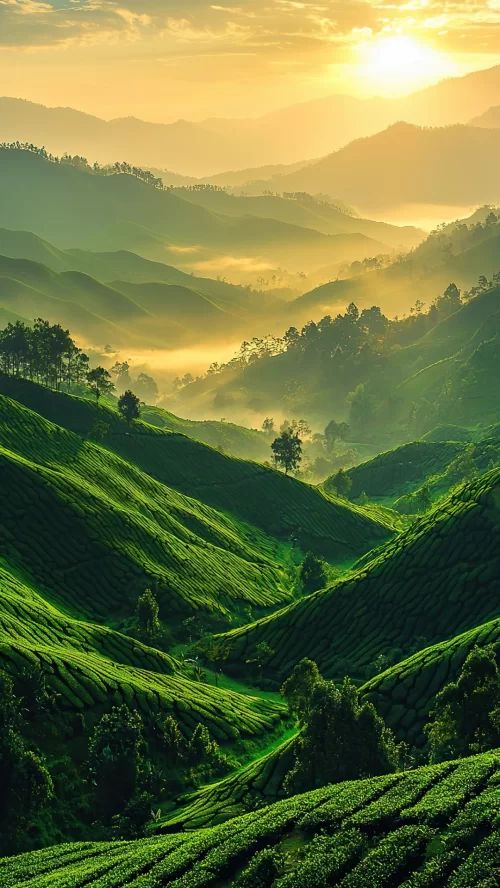
Munnar adds another dimension through its famous tea plantations. Rolling hills covered with neatly maintained tea gardens stretch across the mountains, creating one of India's most recognizable landscapes. Cool weather, misty mornings, waterfalls, and panoramic viewpoints further enhance the region's scenic appeal, attracting photographers, honeymooners, and nature enthusiasts throughout the year.
South Kerala's beaches also contribute significantly to its natural beauty. Varkala's dramatic cliffs overlooking the Arabian Sea create one of the state's most unique coastal landscapes, while Kovalam and Marari offer palm-lined beaches ideal for relaxation and sunset viewing. Together with nearby wildlife destinations such as Thekkady and Periyar Tiger Reserve, the region showcases an impressive combination of mountains, forests, waterways, and coastline.
The seamless transition between these landscapes makes South Kerala particularly attractive for first-time visitors. Within a single itinerary, travelers can experience cool hill stations, tranquil backwaters, tropical beaches, spice plantations, and wildlife reserves without long travel gaps between destinations.
For visitors looking to experience Kerala's most famous natural attractions in one comprehensive journey, South Kerala remains one of India's finest scenic destinations.
Choosing between North Kerala and South Kerala depends largely on the type of natural scenery you enjoy most. Travelers looking for peaceful forests, hidden waterfalls, quiet beaches, mountain roads, and authentic countryside often prefer North Kerala because the region offers a more untouched and less commercialized environment. The landscapes encourage slow exploration, making every drive and short walk feel like part of the sightseeing experience.
South Kerala appeals to visitors who want to experience Kerala's iconic scenery that has become famous around the world. Houseboats cruising through backwaters, endless tea plantations, dramatic beaches, wildlife reserves, and picturesque hill stations create a journey filled with recognizable landmarks and postcard-worthy views. Every destination introduces a different landscape while remaining comfortably connected through established tourism routes.
Photography enthusiasts also find unique opportunities in both regions. North Kerala excels in capturing forest landscapes, waterfalls, village life, traditional festivals, and uncrowded beaches where natural light and quiet surroundings create exceptional compositions. South Kerala offers classic Kerala imagery including tea estates, houseboats, backwaters, Chinese fishing nets, cliffside beaches, and panoramic mountain viewpoints that have become synonymous with the state.
Families and first-time travelers often appreciate South Kerala's diversity because multiple famous attractions can be experienced within one itinerary. Repeat visitors and travelers seeking quieter holidays frequently enjoy North Kerala, where discovering hidden viewpoints and lesser-known destinations becomes part of the adventure.
Many experienced travelers believe that the two regions complement each other rather than compete directly. North Kerala showcases Kerala's untouched wilderness and authentic countryside, while South Kerala highlights the state's most celebrated landscapes and tourism experiences.
If your priority is offbeat nature surrounded by peace and authenticity, North Kerala may be the better choice. If you wish to experience Kerala's classic scenery and internationally recognized attractions, South Kerala will likely provide a more satisfying journey.
North Kerala offers a coastal experience that is peaceful, scenic, and deeply connected to local life. Unlike many popular beach destinations that focus on nightlife or commercial tourism, the beaches of North Kerala are appreciated for their natural beauty, clean surroundings, and relaxed atmosphere. Travelers often discover long stretches of golden sand where they can enjoy uninterrupted walks, quiet sunsets, fishing villages, and spectacular views of the Arabian Sea without encountering large crowds.
Kannur district is home to several beautiful beaches, including Payyambalam, Thottada, Meenkunnu, and Muzhappilangad Drive-in Beach. Muzhappilangad is particularly unique because it is one of the few drive-in beaches in Asia, allowing visitors to experience the coastline from their vehicles while enjoying panoramic ocean views. Bekal Beach, located near the famous Bekal Fort, combines history with coastal beauty, creating one of North Kerala's most picturesque sightseeing destinations.
The beaches in North Kerala are ideal for travelers seeking relaxation rather than entertainment. Early mornings are often filled with local fishermen preparing their boats, while evenings provide peaceful opportunities to watch colorful sunsets over the Arabian Sea. Coconut groves, rocky shorelines, estuaries, and small villages further enhance the region's coastal charm, giving every beach its own distinct identity.
North Kerala also offers opportunities for kayaking, canoeing, boating, and exploring scenic rivers that flow into the Arabian Sea. Although these waterways are smaller than the famous backwaters of South Kerala, they provide equally peaceful experiences where visitors can appreciate mangroves, birdlife, and traditional village life away from mainstream tourism.
One of the biggest advantages of North Kerala's coastline is its authenticity. Beach destinations have largely retained their natural character, making them particularly attractive for photographers, couples, solo travelers, and families looking for calm surroundings rather than crowded recreational areas.
For travelers who value peaceful coastal landscapes and uncrowded beaches, North Kerala delivers an exceptionally rewarding waterfront experience.
South Kerala offers one of India's most diverse waterfront experiences by combining internationally famous backwaters with beautiful beaches and luxurious houseboat cruises. Unlike North Kerala, where beaches remain the primary coastal attraction, South Kerala allows visitors to enjoy two completely different water-based environments within the same itinerary. This combination has played a major role in establishing Kerala's global tourism reputation.
The backwaters of Alleppey and Kumarakom remain the region's defining attraction. Networks of lakes, canals, and lagoons surrounded by coconut palms create peaceful landscapes where travelers can experience traditional houseboats equipped with modern comforts. Cruising through these waterways introduces visitors to village life, paddy fields, fishing communities, bird sanctuaries, and breathtaking sunrise and sunset views that cannot be experienced elsewhere in India.
Houseboat stays have become one of South Kerala's signature tourism experiences. Travelers can choose day cruises or overnight journeys that include private accommodation, freshly prepared Kerala cuisine, and scenic routes through tranquil canals. The slow movement of the boat allows visitors to appreciate the surrounding nature while enjoying complete relaxation away from busy urban environments.
South Kerala's beaches offer a different style of waterfront holiday. Varkala is famous for its dramatic cliffs overlooking the Arabian Sea, while Kovalam features crescent-shaped beaches with excellent tourism facilities, seaside cafés, and water-based recreation. Marari Beach appeals to travelers looking for a quieter coastal retreat surrounded by coconut groves and luxury resorts.
The diversity of South Kerala's waterfront attractions means visitors can alternate between peaceful backwater cruises, scenic beaches, wellness retreats, and coastal sightseeing without traveling long distances. This flexibility makes the region especially attractive for families, honeymooners, and first-time visitors.
For travelers wanting to experience Kerala's most iconic waterways alongside beautiful beaches, South Kerala provides an unmatched combination of relaxation and scenic beauty.
Choosing between North Kerala and South Kerala depends on how you imagine your ideal waterfront holiday. Travelers who prefer quiet beaches, authentic fishing villages, scenic estuaries, and peaceful coastal landscapes generally find North Kerala more satisfying. The region emphasizes relaxation through natural surroundings rather than organized tourism, making it ideal for visitors seeking solitude and slow travel.
South Kerala is better suited to travelers who want a broader waterfront experience. The combination of famous backwaters, luxury houseboats, beaches, and well-developed tourism facilities creates a varied holiday where every day offers something different. Visitors can spend one day cruising through Alleppey's canals, another relaxing on Varkala Beach, and the next exploring Kovalam's seaside attractions without leaving the region.
Families often appreciate South Kerala because houseboat cruises provide enjoyable experiences for travelers of all ages while beaches such as Kovalam and Marari offer comfortable facilities and easy accessibility. Couples frequently choose South Kerala for romantic houseboat stays and cliffside resorts, whereas photographers and repeat visitors often prefer North Kerala's quieter beaches and less commercialized coastal scenery.
Travel style also plays an important role. If your vacation revolves around peaceful exploration, hidden beaches, and authentic local experiences, North Kerala offers greater tranquility. If you wish to experience Kerala's internationally recognized backwaters together with comfortable beach resorts and iconic attractions, South Kerala becomes the more suitable option.
Many experienced travelers eventually explore both regions because they complement one another beautifully. North Kerala showcases Kerala's quieter coastal character, while South Kerala highlights the state's world-famous waterways and premium tourism experiences.
Ultimately, the better waterfront destination depends on whether your priority is peaceful coastal discovery or experiencing Kerala's legendary backwaters and houseboat lifestyle.
North Kerala offers one of the most authentic cultural experiences in the state because many of its traditions continue to thrive within local communities rather than existing primarily as tourist attractions. Travelers interested in history, folklore, temple rituals, local festivals, traditional art forms, and heritage architecture often find North Kerala particularly rewarding. Instead of focusing only on famous monuments, the region allows visitors to witness living traditions that have been preserved for centuries and continue to play an important role in everyday life.
Theyyam is undoubtedly the cultural highlight of North Kerala. This centuries-old ritual performance combines dance, music, elaborate costumes, facial painting, mythology, and spiritual beliefs into a powerful cultural event unlike anything found elsewhere in India. Conducted mainly in Kannur and Kasaragod districts, Theyyam performances take place in temples and sacred groves where local communities gather to celebrate ancient traditions. Watching Theyyam is not simply attending a performance but experiencing a living ritual deeply respected by local people.
Historic forts also contribute significantly to North Kerala's heritage. Bekal Fort, one of the largest and best-preserved forts in Kerala, overlooks the Arabian Sea and reflects the military architecture of earlier centuries. St. Angelo Fort in Kannur showcases Portuguese, Dutch, and British influences while providing panoramic coastal views. These structures not only preserve history but also offer beautiful settings for photography and sightseeing.
The region's traditional villages further enrich the cultural experience. Visitors can explore old temples, mosques, churches, local markets, weaving communities, handicraft centers, and spice-growing villages where customs have been preserved for generations. Walking through these settlements provides valuable insight into Kerala's diverse cultural identity and everyday lifestyle.
North Kerala is also known for its distinctive Malabar cuisine, traditional martial art known as Kalaripayattu, folk music, boat races, and local festivals celebrated throughout the year. These experiences help travelers understand the cultural richness that extends far beyond the region's natural beauty.
For visitors seeking authentic traditions, historical landmarks, and meaningful cultural encounters, North Kerala offers one of the state's most immersive heritage experiences.
South Kerala showcases a different dimension of the state's cultural heritage by combining ancient temples, colonial architecture, historic port cities, traditional performing arts, religious landmarks, and internationally recognized cultural attractions. While North Kerala is known for preserving local traditions, South Kerala introduces visitors to Kerala's historical evolution through its famous monuments, multicultural influences, and well-established heritage destinations.
Kochi serves as the cultural gateway to South Kerala. Fort Kochi, Mattancherry, Jew Town, and the surrounding historic neighborhoods preserve centuries of Portuguese, Dutch, British, Arab, and Jewish influences that shaped Kerala's maritime history. Walking through narrow colonial streets lined with heritage buildings, art galleries, churches, cafés, and museums allows travelers to experience one of India's most fascinating cultural landscapes.
South Kerala is also home to several important temples that attract both pilgrims and heritage enthusiasts. Ancient temple architecture, colorful festivals, traditional rituals, and classical art performances provide visitors with opportunities to appreciate Kerala's spiritual and artistic heritage. Many temples host annual festivals featuring decorated elephants, percussion ensembles, traditional dances, and elaborate cultural celebrations.
Classical performing arts remain another important aspect of South Kerala's cultural identity. Visitors can attend professionally organized Kathakali dance performances, Mohiniyattam recitals, and Kalaripayattu martial art demonstrations in Kochi, Thekkady, and several other tourism centers. These performances introduce travelers to Kerala's artistic traditions through storytelling, expressive costumes, music, and centuries-old performance techniques.
Ayurveda further enhances the region's cultural appeal. Rather than simply being a wellness activity, Ayurveda represents an ancient system of medicine deeply rooted in Kerala's history. Travelers frequently combine sightseeing with traditional therapies, herbal treatments, and wellness programs that reflect generations of medical knowledge.
For visitors interested in colonial heritage, classical arts, spiritual traditions, and historical cities, South Kerala provides a comprehensive introduction to the cultural richness of the state.
Choosing between North Kerala and South Kerala depends on the type of cultural journey you wish to experience. Travelers interested in witnessing authentic local traditions that continue to flourish within villages and temple communities generally find North Kerala more rewarding. Rituals such as Theyyam, traditional festivals, local handicrafts, Malabar cuisine, and historical forts create experiences that feel deeply connected to everyday life rather than organized tourism.
South Kerala appeals more strongly to travelers seeking a structured heritage circuit featuring famous landmarks, museums, colonial architecture, classical performing arts, temples, and internationally recognized cultural attractions. Destinations such as Kochi provide a convenient introduction to Kerala's history while combining sightseeing with excellent cafés, art galleries, shopping, and waterfront experiences.
Photography enthusiasts also enjoy different opportunities in each region. North Kerala offers colorful Theyyam ceremonies, traditional village life, ancient forts, and local markets that capture Kerala's living heritage. South Kerala provides beautiful colonial streets, Chinese fishing nets, heritage churches, temple architecture, Kathakali performances, and waterfront cityscapes that reflect centuries of cultural exchange.
Families and first-time visitors often appreciate South Kerala because heritage attractions are well connected and easy to explore alongside famous tourist destinations. Repeat visitors, culture enthusiasts, and travelers seeking authentic regional traditions frequently prefer North Kerala, where cultural experiences feel more intimate and less commercialized.
Many experienced travelers eventually explore both regions because together they provide a complete understanding of Kerala's remarkable heritage. North Kerala preserves traditional rituals and local identity, while South Kerala showcases historical evolution, artistic excellence, and multicultural influences that shaped the state's modern character.
The ideal choice depends on whether your priority is experiencing living cultural traditions in peaceful surroundings or discovering Kerala's famous historical landmarks and artistic heritage.
North Kerala is an outstanding destination for travelers who enjoy peaceful mountain landscapes, dense forests, rich biodiversity, and outdoor adventures away from heavily commercialized tourism. The region is dominated by the Western Ghats, a UNESCO World Heritage mountain range that supports evergreen forests, wildlife sanctuaries, coffee plantations, spice gardens, waterfalls, rivers, and mist-covered valleys. Unlike many famous hill stations that attract large tourist crowds, North Kerala's mountain destinations maintain a calm atmosphere where visitors can enjoy nature at a slower pace.
Wayanad is the most popular hill destination in North Kerala and is often considered one of Kerala's finest nature retreats. Rolling hills covered with coffee, tea, pepper, and cardamom plantations create spectacular scenery throughout the year. Attractions such as Edakkal Caves, Soochipara Falls, Meenmutty Falls, Banasura Sagar Dam, Chembra Peak, and numerous scenic viewpoints provide opportunities for trekking, sightseeing, boating, photography, and nature walks. Every route through Wayanad passes lush forests and plantation landscapes that make the journey as enjoyable as the destinations themselves.
Wildlife experiences are another major attraction of North Kerala. Protected forests such as Wayanad Wildlife Sanctuary are home to elephants, deer, gaurs, wild boars, monkeys, leopards, numerous bird species, reptiles, and butterflies. Safari experiences, guided forest walks, and birdwatching excursions allow visitors to appreciate the region's biodiversity while learning about conservation efforts in the Western Ghats ecosystem.
Nature enthusiasts often appreciate the relatively untouched character of North Kerala's forests. Quiet trekking trails, bamboo groves, hidden waterfalls, forest streams, and scenic mountain roads create opportunities to experience nature without the large visitor numbers found at more commercial destinations. Early mornings frequently bring mist-covered valleys and exceptional wildlife photography conditions.
Adventure activities such as trekking, camping, cycling, ziplining, bamboo rafting, and plantation walks further enhance the region's appeal. Travelers who enjoy combining outdoor recreation with peaceful natural surroundings often consider North Kerala one of the state's most rewarding destinations.
For visitors seeking forest adventures, mountain landscapes, and wildlife experiences in tranquil surroundings, North Kerala offers an unforgettable journey through one of India's richest ecological regions.
South Kerala is home to some of India's most famous hill stations and wildlife reserves, making it the preferred choice for travelers who wish to combine scenic mountain landscapes with well-developed tourism infrastructure. Destinations such as Munnar and Thekkady have become internationally recognized for their tea plantations, cool climate, luxury resorts, spice estates, and organized wildlife experiences that attract visitors throughout the year.
Munnar is undoubtedly South Kerala's most iconic hill station. Vast tea estates spread across rolling mountains, creating breathtaking landscapes that change beautifully with shifting sunlight and seasonal mist. Visitors can explore tea museums, plantation trails, waterfalls, botanical gardens, scenic viewpoints, and Eravikulam National Park, which is famous for protecting the endangered Nilgiri Tahr. The pleasant climate and excellent tourism facilities make Munnar one of the most accessible hill destinations in South India.
Thekkady offers a completely different experience centered around forests and wildlife. Periyar Tiger Reserve remains one of India's best-managed protected areas, where travelers can enjoy boating across Periyar Lake, jeep safaris, guided jungle walks, bamboo rafting, and birdwatching. Although tiger sightings are relatively rare, the reserve supports elephants, sambar deer, gaurs, wild boars, monkeys, and numerous bird species, providing rewarding wildlife experiences throughout the year.
South Kerala also combines mountain tourism with spice plantation experiences. Cardamom, pepper, cinnamon, cloves, and nutmeg are cultivated across the hills surrounding Thekkady, allowing visitors to explore aromatic plantations while learning about Kerala's historic spice trade. These plantation tours often complement wildlife sightseeing and contribute to the region's distinctive character.
The tourism infrastructure throughout South Kerala makes hill travel particularly convenient. Well-maintained roads, organized sightseeing tours, luxury resorts, plantation stays, and experienced guides allow visitors to explore mountain regions comfortably while enjoying a wide range of recreational opportunities.
For travelers seeking famous hill stations, scenic tea gardens, and professionally managed wildlife experiences, South Kerala offers one of India's finest mountain tourism circuits.
Choosing between North Kerala and South Kerala depends largely on the type of mountain and wildlife experience you are looking for. Travelers who enjoy quieter forests, less crowded trekking routes, authentic plantation landscapes, and peaceful wildlife exploration generally prefer North Kerala. The region provides opportunities to experience nature with fewer visitors, making every hike, safari, and scenic drive feel more personal and immersive.
South Kerala is better suited to visitors who want to experience Kerala's most famous hill destinations while enjoying comfortable accommodation and organized tourism services. Munnar's tea plantations and Thekkady's wildlife experiences are among the state's biggest attractions, making the region ideal for first-time visitors seeking iconic mountain scenery without sacrificing convenience.
Photography enthusiasts find exceptional opportunities in both regions. North Kerala excels in capturing dense forests, waterfalls, plantation landscapes, misty valleys, and wildlife in relatively undisturbed environments. South Kerala offers classic postcard views of tea gardens, panoramic mountain roads, Periyar Lake, spice plantations, and well-maintained viewpoints that have become synonymous with Kerala tourism.
Families often appreciate South Kerala because attractions are easier to access and supported by excellent visitor facilities. Adventure travelers, birdwatchers, trekkers, and repeat visitors frequently enjoy North Kerala's quieter forests and more rugged outdoor experiences. Both regions support rich biodiversity, but they present it in noticeably different ways.
Many travelers ultimately choose to experience both regions because they complement one another. North Kerala showcases untouched mountain wilderness and authentic forest experiences, while South Kerala highlights Kerala's internationally recognized hill stations and premium wildlife tourism.
The better destination depends on whether you value peaceful exploration through less-discovered landscapes or prefer famous hill stations with comprehensive tourism infrastructure and iconic scenery.
North Kerala is an excellent destination for families who prefer peaceful vacations surrounded by nature, culture, and spacious landscapes rather than crowded tourist hotspots. The region offers a slower travel pace that allows families to spend quality time together while exploring beaches, forests, waterfalls, heritage sites, plantations, and wildlife reserves. Since many destinations remain less commercialized, parents often find it easier to enjoy sightseeing without constantly dealing with heavy traffic or overcrowded attractions.
Wayanad is one of the most family-friendly destinations in North Kerala because it offers activities suitable for travelers of all age groups. Families can enjoy scenic drives through plantations, visit waterfalls, explore caves, take short nature walks, enjoy boating at Banasura Sagar Dam, and observe wildlife in protected forests. Children often find these outdoor experiences both entertaining and educational, while senior citizens appreciate the peaceful surroundings and cooler climate compared to Kerala's coastal regions.
North Kerala's beaches also contribute to relaxed family holidays. Places such as Bekal, Payyambalam, Thottada, and Muzhappilangad provide wide stretches of clean sand where children can play comfortably under supervision while parents enjoy the scenic coastline. Many of these beaches remain far less crowded than major tourist destinations, allowing families to spend longer periods outdoors without feeling overwhelmed.
Cultural attractions such as Bekal Fort, St. Angelo Fort, and Theyyam performances introduce younger travelers to Kerala's history and traditions in engaging ways. Visiting local markets, spice plantations, fishing villages, and traditional communities further enriches the journey by combining sightseeing with meaningful cultural experiences that appeal to both adults and children.
Accommodation options include family-friendly resorts, plantation stays, homestays, and comfortable hotels that offer spacious surroundings and personalized hospitality. Since tourism is relatively less crowded, families often enjoy quieter stays with greater privacy and easier access to natural attractions.
For families seeking peaceful holidays focused on nature, heritage, and meaningful experiences, North Kerala provides an excellent alternative to busier tourist destinations.
South Kerala has long been considered one of India's most family-friendly tourism regions because of its excellent infrastructure, diverse attractions, and well-developed hospitality industry. Families visiting the region can comfortably combine houseboat cruises, hill stations, wildlife experiences, heritage cities, beaches, and wellness retreats within a single itinerary. The wide variety of attractions ensures that children, parents, and senior citizens all find activities suited to their interests and energy levels.
Houseboat cruises in Alleppey and Kumarakom are particularly popular among families because they offer a unique sightseeing experience without requiring extensive walking. Children enjoy observing village life, birds, and boats along the waterways, while adults appreciate the peaceful scenery and freshly prepared local cuisine served onboard. Overnight cruises provide a memorable experience that often becomes the highlight of the trip.
Munnar is another favorite family destination due to its pleasant weather, tea plantations, waterfalls, and scenic viewpoints. Families can visit tea museums, botanical gardens, national parks, and plantation estates while enjoying comfortable road journeys through beautiful mountain landscapes. Thekkady further enhances the itinerary with wildlife safaris, boat rides on Periyar Lake, spice plantation tours, and educational eco-tourism activities.
South Kerala's beaches, including Varkala, Kovalam, and Marari, offer excellent facilities such as family-friendly resorts, restaurants, clean beaches, and convenient transportation. Many hotels also provide swimming pools, children's recreation areas, wellness centers, and organized sightseeing assistance, making travel considerably easier for families with young children.
The region's transportation network also contributes to a comfortable holiday. Well-maintained highways, airports, railway stations, and organized tour services reduce travel stress, allowing families to spend more time enjoying attractions and less time managing logistics.
For families seeking a balanced vacation that combines famous attractions, comfortable travel, and diverse sightseeing opportunities, South Kerala remains one of the most reliable choices in India.
Choosing between North Kerala and South Kerala for a family vacation depends primarily on your preferred travel style and the ages of the travelers in your group. Families who enjoy peaceful surroundings, outdoor exploration, and authentic cultural experiences generally find North Kerala more rewarding. The quieter environment, slower pace, and spacious natural attractions make it ideal for travelers who wish to avoid crowded destinations while spending quality time together.
South Kerala is often the better option for first-time family vacations because it combines famous attractions with excellent visitor facilities. Organized sightseeing, reliable transportation, diverse accommodation, and easy accessibility allow parents to plan holidays with greater confidence, especially when traveling with children or elderly family members. Attractions are well developed and supported by services designed specifically for tourists.
Travel duration is another important consideration. Families planning week-long holidays can comfortably explore several destinations across South Kerala, including Kochi, Munnar, Thekkady, Alleppey, and Varkala. North Kerala is particularly enjoyable for travelers who prefer slower itineraries where fewer destinations are explored in greater depth rather than attempting to cover numerous attractions within a limited timeframe.
Budget flexibility is available in both regions. Families can choose from affordable homestays, comfortable mid-range hotels, plantation resorts, beach resorts, luxury properties, and eco-lodges depending on their travel preferences. However, South Kerala generally offers a wider selection of family-oriented tourism facilities due to its longer-established tourism industry.
Many experienced travelers recommend South Kerala for first-time family holidays because of its convenience and famous attractions, while North Kerala is often preferred for repeat visits when families wish to discover quieter destinations and authentic local experiences. Both regions provide safe, welcoming, and memorable travel environments.
The ideal choice depends on whether your family values peaceful exploration through lesser-known landscapes or prefers iconic attractions supported by comprehensive tourism infrastructure.
North Kerala offers a peaceful and authentic accommodation experience that reflects the region's slower pace of tourism. Instead of being dominated by large commercial hotel chains, many destinations feature boutique resorts, plantation stays, eco-lodges, beachfront cottages, heritage properties, and family-operated homestays. These accommodations allow travelers to experience Kerala's natural beauty while enjoying personalized hospitality and a closer connection with local culture.
Beach resorts in Kannur, Bekal, Kasaragod, and surrounding coastal areas are known for their quiet surroundings and beautiful Arabian Sea views. Unlike heavily developed beach destinations, these properties are often surrounded by coconut groves, fishing villages, and uncrowded shorelines, creating a relaxing environment where guests can enjoy privacy, peaceful sunsets, and direct access to nature. Many resorts are designed with traditional Kerala architecture, blending comfortably into the surrounding landscape.
Wayanad introduces another style of accommodation through plantation resorts and forest retreats. Travelers can stay within coffee estates, spice plantations, or eco-friendly lodges overlooking valleys and forests. Morning mist, birdsong, and fresh mountain air create an atmosphere that appeals to nature lovers, photographers, couples, and travelers seeking complete relaxation away from busy cities.
Homestays remain one of North Kerala's greatest strengths. Many local families welcome guests into traditional homes where visitors experience authentic Malabar cuisine, local customs, plantation life, and genuine hospitality. These stays often provide valuable cultural interactions that are difficult to experience in larger commercial hotels. Travelers looking for immersive experiences frequently choose homestays because they allow deeper connections with the destination.
Adventure travelers also benefit from North Kerala's accommodation diversity. Eco-camps, riverside cottages, mountain lodges, and nature resorts provide convenient access to trekking routes, waterfalls, wildlife sanctuaries, and outdoor activities while maintaining environmentally responsible tourism practices.
For travelers seeking peaceful stays surrounded by nature and authentic local experiences, North Kerala offers accommodation that becomes an integral part of the journey rather than simply a place to spend the night.
South Kerala offers one of India's most diverse accommodation experiences because each destination introduces a completely different style of stay. Travelers can enjoy luxurious houseboats floating through peaceful backwaters, tea plantation resorts surrounded by rolling hills, premium beach resorts overlooking the Arabian Sea, heritage hotels in historic cities, wildlife lodges near protected forests, and internationally recognized Ayurvedic wellness retreats. This extraordinary variety allows accommodation to become one of the highlights of the holiday.
Houseboats remain South Kerala's most iconic accommodation option. Modern houseboats in Alleppey and Kumarakom feature private bedrooms, attached bathrooms, dining areas, observation decks, and professional hospitality services while cruising through scenic canals and lakes. Guests enjoy freshly prepared Kerala cuisine, breathtaking sunrise and sunset views, and the peaceful atmosphere of the backwaters without needing to change accommodation during the journey.
Munnar is famous for its luxury plantation resorts and boutique mountain retreats. Many properties are located within tea estates or overlooking panoramic valleys, allowing guests to wake up to spectacular views of mist-covered hills. These resorts frequently include spas, walking trails, fireplaces, and plantation tours that enhance the overall mountain experience.
Thekkady complements the region's accommodation diversity through spice plantation resorts and forest lodges located near Periyar Tiger Reserve. Travelers often combine wildlife safaris with comfortable stays surrounded by spice gardens and tropical forests. Wellness-focused travelers also find excellent Ayurvedic resorts offering yoga, meditation, herbal therapies, and rejuvenation programs.
South Kerala's beach destinations such as Varkala and Kovalam provide luxury seaside resorts, boutique hotels, cliffside properties, and family-friendly beachfront accommodation equipped with swimming pools, restaurants, wellness centers, and direct beach access. These facilities make coastal holidays convenient and comfortable for visitors of all ages.
For travelers seeking world-class hospitality and diverse accommodation experiences, South Kerala offers one of the finest selections anywhere in India.
Both North Kerala and South Kerala provide excellent accommodation, but they cater to different travel expectations. North Kerala emphasizes authenticity, tranquility, and close interaction with nature, while South Kerala focuses on variety, luxury, and tourism convenience. Choosing between them depends on whether you prefer immersive local experiences or iconic accommodation that forms part of Kerala's internationally recognized tourism circuit.
North Kerala is particularly attractive for travelers who enjoy quiet surroundings. Beach cottages, plantation stays, eco-resorts, and family homestays allow guests to experience local life without large tourist crowds. Many accommodations are surrounded by forests, plantations, or peaceful coastlines, creating an atmosphere where relaxation comes naturally through the environment itself.
South Kerala offers greater diversity in terms of accommodation styles. Travelers can experience several unique stays during one itinerary, beginning with heritage hotels in Kochi, continuing to plantation resorts in Munnar, forest lodges in Thekkady, luxury houseboats in Alleppey, and beachfront resorts in Varkala or Kovalam. This constantly changing accommodation experience complements the region's varied landscapes and sightseeing opportunities.
Families generally appreciate South Kerala because many resorts provide swimming pools, children's recreation areas, organized sightseeing, restaurants, and modern amenities designed specifically for tourists. North Kerala appeals more to couples, photographers, solo travelers, and repeat visitors who prioritize peaceful surroundings, personalized hospitality, and authentic regional experiences over extensive resort facilities.
Accessibility is another important difference. South Kerala's accommodation network is supported by well-developed transportation infrastructure, allowing travelers to move easily between destinations. North Kerala remains comfortable to explore, but journeys often involve quieter roads and smaller tourism centers, contributing to the region's slower and more relaxed atmosphere.
If your ideal stay includes luxury, convenience, and iconic experiences such as houseboats and plantation resorts, South Kerala is likely the better choice. If you value peaceful environments, authentic hospitality, and nature-based accommodation, North Kerala provides a uniquely rewarding alternative.
North Kerala is an excellent choice for first-time travelers who wish to experience a more peaceful and authentic side of the state rather than following the traditional tourist circuit. Although it receives fewer visitors than the southern region, North Kerala rewards travelers with beautiful beaches, forested hills, waterfalls, wildlife sanctuaries, heritage sites, and cultural traditions that remain closely connected to everyday local life. Visitors who appreciate slow travel often find the region surprisingly memorable because the atmosphere encourages exploration without the pressure of crowded sightseeing.
The region is particularly attractive to nature lovers. Destinations such as Wayanad offer a refreshing combination of coffee plantations, scenic mountain roads, waterfalls, caves, wildlife reserves, and panoramic viewpoints across the Western Ghats. Travelers can spend more time appreciating landscapes instead of waiting in long queues or navigating busy tourist areas. This slower pace allows first-time visitors to develop a deeper connection with Kerala's natural environment.
North Kerala also introduces travelers to authentic cultural experiences rarely found elsewhere. Watching a traditional Theyyam performance, exploring Bekal Fort, visiting Malabar villages, tasting regional cuisine, or staying in locally operated homestays provides insights into Kerala's heritage that go beyond conventional sightseeing. These experiences often become some of the most memorable aspects of the journey because they feel genuine rather than heavily commercialized.
Another advantage is the region's peaceful coastline. Beaches such as Bekal, Thottada, Payyambalam, and Muzhappilangad allow travelers to relax without the heavy crowds common at many popular beach destinations. Long walks, beautiful sunsets, and quiet surroundings create an ideal environment for couples, photographers, and travelers seeking relaxation.
North Kerala is best suited to visitors who enjoy flexible itineraries, scenic road trips, outdoor activities, and discovering destinations that remain relatively untouched. Rather than rushing between famous attractions, travelers are encouraged to spend more time appreciating each destination and interacting with local communities.
For first-time visitors who value authenticity, tranquility, and immersive experiences, North Kerala provides an unforgettable introduction to one of Kerala's most naturally beautiful regions.
South Kerala remains the preferred choice for most first-time travelers because it combines the state's most famous attractions with excellent tourism infrastructure and convenient transportation. Visitors can experience the destinations that have made Kerala internationally famous while enjoying comfortable accommodation, organized sightseeing, and well-established travel services. This combination of accessibility and diversity makes South Kerala one of the easiest regions in India to explore.
Many travelers choose South Kerala because it includes iconic destinations such as Kochi, Munnar, Thekkady, Alleppey, Kumarakom, Varkala, and Kovalam. Each location introduces a different aspect of Kerala, allowing visitors to enjoy colonial heritage, tea plantations, wildlife reserves, houseboat cruises, tropical beaches, waterfalls, and Ayurvedic wellness experiences within a single itinerary. This remarkable variety ensures that every day of the journey offers something new.
The tourism infrastructure throughout South Kerala simplifies travel planning considerably. International airports, railway stations, well-maintained highways, experienced tour operators, professional guides, and accommodation across every budget help reduce logistical challenges for first-time visitors. Families, couples, and senior travelers particularly appreciate this convenience because it allows them to focus on sightseeing rather than transportation arrangements.
South Kerala also offers numerous organized experiences that introduce visitors to the state's culture. Kathakali performances, Kalaripayattu demonstrations, spice plantation tours, Ayurvedic therapies, houseboat cruises, wildlife safaris, and heritage walks allow travelers to experience Kerala's traditions in an accessible and well-managed environment.
The region's diversity means travelers rarely need to choose between mountains, beaches, wildlife, or culture because all of these experiences are available within one carefully planned route. This balance explains why South Kerala consistently remains the first recommendation for visitors exploring Kerala for the very first time.
For travelers seeking a comprehensive introduction to Kerala's most celebrated attractions, South Kerala continues to offer one of India's finest first-time travel experiences.
The choice between North Kerala and South Kerala ultimately depends on the type of holiday you wish to experience during your first visit. If your priority is discovering Kerala's internationally recognized attractions while enjoying convenient transportation and organized sightseeing, South Kerala is generally the better option. It introduces travelers to the classic images of Kerala that have become famous around the world, including tea plantations, backwaters, houseboats, beaches, and colonial heritage.
North Kerala is better suited to travelers who enjoy exploring destinations that remain relatively undiscovered by mainstream tourism. Instead of following busy sightseeing routes, visitors can spend time in quiet villages, peaceful forests, scenic beaches, spice plantations, and cultural heritage sites where the atmosphere feels more authentic and relaxed. This style of travel particularly appeals to repeat visitors, photographers, and travelers who appreciate meaningful experiences over famous landmarks.
Travel duration should also influence the decision. South Kerala is ideal for first-time itineraries lasting five to ten days because major attractions are well connected through established tourism circuits. North Kerala rewards travelers who have additional time to explore at a slower pace, allowing scenic drives, plantation visits, nature walks, and cultural experiences to unfold naturally without rushing between destinations.
Budget flexibility exists in both regions, with accommodation ranging from affordable homestays to luxury resorts. However, South Kerala offers a broader selection of premium tourism services, while North Kerala focuses more on boutique stays, eco-resorts, plantation properties, and personalized hospitality.
Many experienced travelers eventually recommend exploring both regions on separate trips because each represents a different side of Kerala. South Kerala showcases the state's iconic attractions, whereas North Kerala reveals its quieter landscapes, authentic traditions, and hidden natural beauty.
The ideal region depends on whether your travel goals focus on experiencing Kerala's famous highlights or discovering peaceful destinations that remain largely untouched by mass tourism.
North Kerala and South Kerala both showcase the incredible diversity that has made Kerala one of India's most admired travel destinations. While they share lush greenery, warm hospitality, tropical weather, and rich cultural traditions, the overall travel experience differs significantly. Choosing between the two regions should depend on your interests, travel style, available time, and the kind of memories you want to create rather than simply selecting the most popular itinerary.
South Kerala is the better choice for travelers who want to experience the classic image of Kerala. It brings together internationally famous destinations such as Kochi, Munnar, Thekkady, Alleppey, Kumarakom, Varkala, and Kovalam, allowing visitors to enjoy tea plantations, houseboat cruises, wildlife reserves, backwaters, beaches, colonial heritage, and Ayurvedic wellness experiences within a single journey. Excellent transportation, organized tourism services, and accommodation across every budget make the region especially suitable for first-time visitors, families, honeymooners, and senior travelers.
North Kerala offers a quieter and more immersive travel experience. Travelers who enjoy discovering hidden beaches, peaceful hill stations, forest landscapes, authentic villages, traditional festivals, and lesser-known heritage sites often find the northern districts more rewarding. Instead of following busy tourist circuits, visitors can spend longer periods exploring nature, interacting with local communities, and experiencing Kerala's cultural traditions in their original setting. This slower pace particularly appeals to photographers, solo travelers, repeat visitors, and those seeking meaningful experiences away from crowds.
Adventure enthusiasts may appreciate North Kerala for its trekking routes, waterfalls, wildlife sanctuaries, and plantation landscapes, while luxury travelers often find South Kerala more attractive because of its premium resorts, houseboats, wellness retreats, and internationally recognized hospitality. Families can enjoy both regions, but South Kerala generally provides greater convenience, whereas North Kerala offers more peaceful surroundings.
Both regions are exceptionally beautiful, and neither should be considered superior in every situation. Instead, each represents a different interpretation of Kerala's natural beauty and cultural heritage. Selecting the right region depends on matching your itinerary with your personal travel preferences.
If time allows, many experienced travelers recommend exploring both regions on separate trips. Together they provide a complete understanding of Kerala's remarkable diversity, from world-famous attractions to hidden natural treasures rarely experienced by mainstream tourists.
Your final decision should be based on the type of holiday you wish to enjoy rather than the popularity of individual destinations. If your dream vacation includes famous houseboats, tea gardens, wildlife safaris, beaches, heritage cities, and luxury resorts, South Kerala offers a carefully developed tourism circuit where these attractions are easily accessible and supported by excellent visitor facilities.
If, however, you enjoy discovering destinations that remain relatively untouched by mass tourism, North Kerala provides a refreshing alternative. Scenic drives through the Western Ghats, peaceful beaches, historic forts, traditional villages, coffee plantations, waterfalls, and authentic cultural experiences allow travelers to experience Kerala at a slower pace. Instead of rushing between famous attractions, visitors have more opportunities to appreciate the landscape and connect with local communities.
Travel duration also plays an important role. South Kerala is ideal for itineraries lasting five to ten days because the region's famous destinations are well connected through established travel routes. North Kerala is often more rewarding for travelers who can spend additional time exploring less-visited places without following a tight schedule. The slower rhythm of the region encourages deeper exploration rather than quick sightseeing.
Budget considerations are flexible in both regions. Travelers will find affordable homestays, comfortable mid-range hotels, boutique resorts, plantation accommodations, eco-lodges, and luxury properties throughout Kerala. South Kerala generally offers a wider selection of premium tourism facilities, while North Kerala specializes in personalized hospitality and authentic local experiences.
Rather than viewing the two regions as competitors, many travelers consider them complementary. South Kerala introduces visitors to Kerala's globally recognized tourism highlights, while North Kerala reveals the state's quieter landscapes, traditional culture, and hidden scenic beauty that often remain overlooked by conventional itineraries.
Choosing the right region simply means selecting the experience that best matches your expectations, travel pace, and sightseeing priorities.
Before confirming your Kerala itinerary, begin by identifying what type of holiday you want. Travelers interested in iconic attractions, organized sightseeing, luxury accommodation, and famous landscapes should prioritize South Kerala. Those looking for quiet beaches, forests, authentic villages, cultural traditions, and slower travel should consider North Kerala. Having clear expectations helps create a more enjoyable and satisfying journey.
Select the right travel season according to your planned activities. Winter offers the most comfortable weather for sightseeing throughout both regions, while summer is suitable for hill stations and quieter vacations. The monsoon transforms Kerala into a lush green paradise, making it particularly attractive for photographers, nature lovers, and travelers seeking wellness retreats. Always check regional weather forecasts before beginning long road trips, especially during the rainy season.
Reserve accommodation in advance if traveling during the peak tourism season. Popular houseboats, plantation resorts, beach resorts, and boutique hotels often reach full occupancy well before holidays and long weekends. Compare amenities such as meals, transportation, sightseeing assistance, wellness facilities, and cancellation policies before making reservations.
Pack according to both the season and your itinerary. Comfortable walking shoes, lightweight clothing, sunscreen, hats, sunglasses, reusable water bottles, rain protection during the monsoon, power banks, personal medications, and light jackets for hill stations should be included in most travel plans. If visiting wildlife sanctuaries or trekking destinations, carry suitable outdoor clothing and insect protection as well.
Finally, avoid trying to cover too many destinations within a limited number of days. Both North Kerala and South Kerala are best enjoyed at a relaxed pace that allows time for scenic drives, local cuisine, cultural interactions, nature walks, and peaceful moments surrounded by Kerala's extraordinary landscapes. A well-balanced itinerary almost always creates a more memorable holiday than rushing through numerous attractions.
With thoughtful planning and realistic expectations, both North Kerala and South Kerala promise unforgettable travel experiences filled with natural beauty, cultural richness, warm hospitality, and lasting memories that encourage visitors to return again.

Get customized Kerala tour planning designed around monsoon seasons, backwater cruising routes, hill travel timing, and comfortable coastal stays. Whether you are visiting for houseboat experiences, beach relaxation, wildlife reserves, cultural heritage,
⚡ Quick Response | 💰 Free consultation | 🕒 24×7 expert support