

How to Travel Around Kerala
Travelling around Kerala is convenient with trains, buses, taxis, rental vehicles, and local transport options connecting beaches, backwaters, hill stations, wildlife areas, and cultural destinations.
+91 9910402252
admin@chalbanjare.com


Munnar and Wayanad are two of Kerala's most popular hill stations, offering tea plantations, waterfalls, forests, wildlife and peaceful mountain landscapes with distinctly different travel experiences.
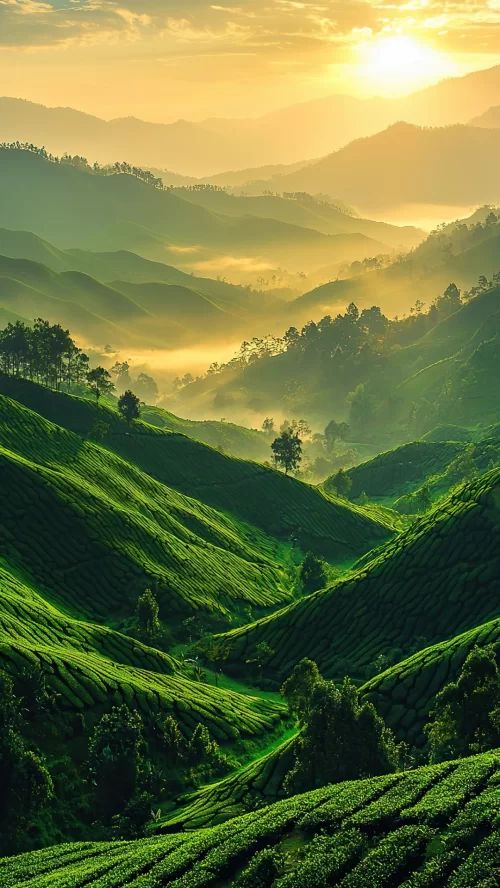
Munnar and Wayanad are two of Kerala’s most loved hill destinations, but both offer completely different travel atmospheres. Munnar is known for its structured tea plantation landscapes, cool mountain air, and neatly arranged rolling hills, while Wayanad feels more raw, forested, and naturally untamed with a stronger connection to the Western Ghats wilderness.
While Munnar gives a more postcard-like hill station experience with scenic viewpoints and plantation estates, Wayanad offers a blend of forests, waterfalls, and rural countryside charm. Both destinations provide peaceful escapes from city life but appeal to different types of travelers depending on their expectations.
Understanding this difference helps in choosing the right destination for your Kerala hill station trip.
Travelers choose Munnar and Wayanad because both destinations offer a refreshing break from urban environments, but in distinct ways. Munnar is often preferred for its iconic tea plantations, luxury resorts, and well-developed tourist infrastructure. Wayanad, on the other hand, attracts visitors looking for forests, wildlife, and offbeat natural exploration.
Both regions are part of the Western Ghats, which makes them rich in biodiversity and scenic beauty. However, the travel experience differs in terms of crowd levels, accessibility, and types of activities available.
This variety makes Kerala one of the most versatile hill travel destinations in India.
The core difference between Munnar and Wayanad lies in their landscapes. Munnar is dominated by endless tea gardens spread across hills, creating a visually structured and calming environment. Wayanad, in contrast, is filled with dense forests, hidden waterfalls, and natural trails that feel more adventurous and less commercialized.
Travelers who enjoy organized sightseeing and scenic viewpoints often prefer Munnar, while those who enjoy raw nature and wildlife encounters tend to choose Wayanad. Both experiences are equally rewarding but cater to different travel personalities.
Your choice depends on whether you prefer curated beauty or natural wilderness.
Munnar is widely known for its vast tea plantations that stretch across rolling hills and valleys, creating a visually stunning landscape. These plantations are not only scenic but also offer guided tours where travelers can understand tea processing and plantation life.
The region is filled with multiple viewpoints such as Top Station, Echo Point, and Kundala Lake, each offering panoramic views of mist-covered hills and green valleys. The combination of cool climate and scenic landscapes makes Munnar a perfect relaxation destination.
Every turn in Munnar reveals a postcard-like view of Kerala’s hill beauty.
Munnar offers a well-developed yet peaceful hill station experience, where travelers can enjoy comfortable stays, scenic drives, and well-maintained tourist spots. The town itself is surrounded by tea gardens, making even short drives visually rewarding.
Luxury resorts and homestays are spread across plantation areas, allowing visitors to wake up to misty mornings and green landscapes. The overall experience is calm, organized, and ideal for leisure-focused vacations.
Munnar is a perfect blend of comfort and natural beauty.
One of the biggest attractions of Munnar is its consistently cool and refreshing climate throughout the year. The weather enhances the beauty of tea plantations and makes outdoor sightseeing comfortable even during daytime hours.
The peaceful environment, combined with natural silence and green surroundings, creates a relaxing travel experience. It is especially popular among couples, families, and travelers seeking a quiet break from busy city life.
Munnar’s climate plays a key role in its popularity as a hill destination.
Wayanad is a nature-rich destination known for its dense forests, hidden waterfalls, and wildlife diversity. Unlike structured plantation regions, Wayanad offers a more raw and immersive natural experience where forests dominate the landscape and wildlife sightings are more common.
Popular attractions include waterfalls like Meenmutty and Soochipara, along with wildlife sanctuaries and trekking trails that pass through thick greenery. The region is ideal for travelers who enjoy outdoor exploration and adventure.
Wayanad feels closer to untouched nature compared to many hill stations.
Wayanad is deeply connected to the Western Ghats ecosystem, which makes it one of the most biodiverse regions in Kerala. The landscape includes hills, valleys, rivers, and forests that create a rich natural environment for both wildlife and travelers.
The region offers a slower, more organic travel experience where nature is the primary attraction rather than man-made viewpoints. This makes it ideal for those who want to disconnect from urban life and explore raw natural surroundings.
Wayanad is all about experiencing nature in its purest form.
Beyond forests and waterfalls, Wayanad also offers peaceful countryside experiences with paddy fields, tribal villages, and rural landscapes. These areas provide insight into local life and traditional Kerala culture, making the destination more than just a nature spot.
Homestays in Wayanad often allow travelers to experience local food, culture, and hospitality, adding a deeper dimension to the trip. The overall environment is quiet, less commercial, and deeply connected to nature.
This makes Wayanad ideal for slow and meaningful travel experiences.
Munnar is often considered one of the most visually structured hill destinations in Kerala, where natural scenery feels almost perfectly arranged across rolling tea plantations and mist-covered mountains. The landscape is dominated by endless green carpets of tea estates that flow smoothly over hills, creating a calm and uniform visual experience that is highly photogenic.
The viewpoints in Munnar enhance this beauty further, offering wide panoramic scenes where valleys, clouds, and plantations merge into a single frame. Locations such as Top Station and Echo Point provide a sense of height and openness that appeals strongly to travelers who enjoy scenic photography and relaxed sightseeing.
Munnar’s scenery feels curated by nature, offering consistency and visual harmony throughout the journey.
Wayanad offers a completely different kind of natural scenery compared to Munnar, focusing more on raw, untamed landscapes. The region is filled with dense forests, hidden waterfalls, and deep valleys that feel more adventurous and less structured. This creates a sense of discovery at every turn.
Unlike the open tea gardens of Munnar, Wayanad’s scenery is layered with thick greenery, winding forest paths, and natural water bodies. Waterfalls like Meenmutty and Soochipara add dynamic movement to the landscape, making the environment feel alive and constantly changing.
Wayanad’s beauty lies in its wild and unpredictable natural charm.
Choosing between Munnar and Wayanad for natural scenery depends entirely on the type of experience a traveler prefers. Munnar is ideal for those who enjoy calm, organized, and panoramic landscapes that are easy to explore and visually consistent throughout the trip.
Wayanad, on the other hand, is better suited for travelers who prefer adventure, exploration, and diverse natural elements such as forests, waterfalls, and wildlife. It feels less predictable but more immersive in terms of raw nature experience.
Both destinations offer beautiful scenery, but in very different styles.
Munnar is known more for its viewpoints than waterfalls, but it still offers several scenic water bodies and small cascades that enhance its landscape beauty. The region is famous for elevated viewpoints such as Top Station, where travelers can see cloud-covered valleys stretching across the Western Ghats.
Other popular spots like Echo Point and Kundala Lake provide calm water scenery combined with mountain backdrops. These locations are less about powerful waterfalls and more about peaceful water reflections and panoramic hill views.
Munnar’s strength lies in elevated viewpoints rather than dramatic waterfalls.
Wayanad is significantly richer when it comes to waterfalls and natural water-based attractions. Waterfalls like Meenmutty, Soochipara, and Kanthanpara are major highlights that attract travelers looking for powerful and scenic natural experiences. These waterfalls are surrounded by dense forests, adding to their dramatic appeal.
Along with waterfalls, Wayanad also offers viewpoints like Lakkidi, which provide sweeping views of misty valleys and winding mountain roads. This combination of water and elevation makes Wayanad more dynamic in its natural offerings.
Wayanad provides a more action-filled natural sightseeing experience.
For photography lovers, both destinations offer strong but different advantages. Munnar provides clean, structured frames with tea gardens and misty mountains that are ideal for landscape photography. Wayanad, on the other hand, offers more dramatic compositions with waterfalls, forests, and wildlife elements.
Outdoor enthusiasts may prefer Wayanad due to its trekking routes and waterfall trails, while Munnar is better suited for relaxed sightseeing and scenic drives with frequent photo stops.
The choice depends on whether you prefer calm frames or dynamic outdoor action.
Munnar is globally known for its tea plantations, which form the backbone of its landscape and tourism identity. Visitors can walk through neatly maintained tea estates, observe tea-picking processes, and learn about tea production in guided estate tours. These experiences are both educational and scenic.
The plantations in Munnar are highly organized, offering well-defined paths and viewpoints that make exploration easy and comfortable. This structured plantation tourism is one of the key reasons Munnar attracts large numbers of visitors throughout the year.
Tea estates define the core identity of Munnar’s travel experience.
Wayanad offers a different plantation experience focused more on spices, coffee, and mixed agriculture rather than tea. Visitors can explore spice gardens featuring pepper, cardamom, and cinnamon, often combined with homestay experiences that showcase rural Kerala life.
Unlike the structured tea estates of Munnar, Wayanad’s plantations feel more natural and integrated with local villages and forest surroundings. This gives travelers a more authentic countryside experience.
Wayanad’s plantation tourism is more rustic and culturally immersive.
The choice between Munnar and Wayanad for plantation experiences depends on what kind of tourism style a traveler prefers. Munnar offers a more structured, visually uniform, and well-managed tea plantation experience, ideal for leisure travelers and photography enthusiasts.
Wayanad provides a more immersive and rustic plantation experience with spice gardens, rural surroundings, and cultural interaction. It feels less commercial and more connected to local life.
Both offer unique plantation experiences but cater to different travel expectations.
Munnar offers a moderate level of adventure experiences, mainly focused on trekking, nature walks, and scenic hiking routes rather than intense wilderness exploration. The terrain is made up of rolling hills, tea estates, and misty viewpoints, which makes trekking here more about scenic enjoyment than rugged adventure.
Popular trekking routes such as Meesapulimala and Anamudi provide beautiful mountain views and cool weather conditions. These trails are suitable for both beginners and moderate trekkers, offering structured and relatively safe outdoor experiences.
Munnar’s adventure style is calm, scenic, and nature-focused rather than extreme.
Wayanad offers a much more diverse and adventurous experience compared to Munnar, with dense forests, wildlife sanctuaries, and natural caves. Trekking routes in Wayanad often pass through thick jungle trails, river crossings, and elevated viewpoints that require more physical effort and exploration.
Attractions like Edakkal Caves add a historical and archaeological dimension to the adventure experience, while wildlife sanctuaries offer chances to observe animals in natural habitats. This makes Wayanad ideal for travelers seeking a mix of adventure and raw nature.
Wayanad provides a more rugged and immersive outdoor experience.
The choice between Munnar and Wayanad for adventure depends on how much intensity a traveler prefers. Munnar is ideal for those who enjoy light trekking, scenic viewpoints, and structured outdoor activities with minimal difficulty.
Wayanad is better suited for travelers who want a more challenging experience involving forests, caves, wildlife zones, and less predictable terrain. It offers a deeper sense of exploration and connection with nature.
Both destinations provide adventure, but at very different levels of intensity.
Munnar is highly suitable for family travel due to its well-developed infrastructure, safe tourist routes, and calm environment. The destinations are easy to access, and most sightseeing spots are connected by smooth roads, making travel comfortable for children and senior citizens.
Families can enjoy tea plantation visits, boat rides at Kundala Lake, and relaxed viewpoints without long or difficult walks. The overall environment is peaceful and structured, which makes it a stress-free hill station experience.
Munnar is often preferred by families looking for comfort and convenience.
Wayanad also offers family-friendly experiences but with a more nature-focused and slightly adventurous atmosphere. Families can explore waterfalls, wildlife sanctuaries, and spice plantations, but some attractions may require short walks or mild trekking.
Homestays in Wayanad provide a peaceful rural environment where families can experience village life, local cuisine, and nature closely. It is ideal for families who enjoy outdoor exploration and nature-based learning experiences.
Wayanad offers a more natural and slightly adventurous family vacation.
The decision between Munnar and Wayanad for family travel depends on comfort level and interest in activities. Munnar is better for families who prefer structured sightseeing, easy mobility, and relaxed holiday experiences.
Wayanad suits families who enjoy outdoor exploration, nature activities, and a slightly more adventurous environment. Both destinations are safe, but they differ in travel style and intensity.
Choosing the right destination ensures a more enjoyable family holiday.
Munnar is well known for its wide range of accommodation options, especially luxury resorts and cottages located within or near tea estates. These stays offer panoramic views of rolling hills, misty mornings, and neatly arranged plantations, creating a premium hill station experience.
Many resorts in Munnar are designed for comfort and scenic enjoyment, offering modern amenities along with nature-facing rooms. This makes it a popular choice for honeymooners, couples, and leisure travelers seeking a peaceful retreat.
Munnar’s stays focus heavily on comfort and scenic luxury.
Wayanad offers a different kind of accommodation experience focused on nature immersion and eco-friendly stays. Forest resorts and homestays are common, allowing travelers to stay close to wildlife zones, plantations, and rural landscapes.
These accommodations often emphasize simplicity, local culture, and sustainability rather than luxury. Guests can enjoy authentic Kerala hospitality, home-cooked meals, and a peaceful environment surrounded by greenery.
Wayanad’s stays feel more natural and culturally rooted.
When comparing accommodations, Munnar focuses more on comfort, luxury, and structured hospitality, while Wayanad emphasizes natural surroundings, simplicity, and eco-tourism. Both offer excellent stays but cater to different traveler expectations.
Munnar is more suitable for those who want resort-style relaxation, while Wayanad is ideal for travelers who prefer closeness to nature and a more rustic experience.
The choice depends on whether comfort or nature immersion is the priority.
Munnar is often recommended as the first choice for travelers visiting Kerala’s hill stations for the first time because of its structured tourism environment and easy accessibility. The roads are well-maintained, attractions are clearly mapped, and most viewpoints and plantations are located within manageable distances, making travel smooth and stress-free.
First-time visitors usually prefer destinations that do not require difficult trekking or deep forest navigation, and Munnar fits this expectation perfectly. The tea plantations, viewpoints, and cool climate create a predictable and comfortable travel experience that helps travelers ease into Kerala’s hill culture.
This makes Munnar an ideal introduction to Kerala’s mountain landscapes.
Wayanad, on the other hand, appeals more to travelers who prefer raw nature, wildlife encounters, and slightly adventurous experiences. Unlike Munnar’s structured environment, Wayanad feels more open, forested, and less commercialized, which creates a stronger sense of exploration.
Visitors who enjoy waterfalls, trekking trails, caves, and wildlife sanctuaries often find Wayanad more engaging. It is ideal for those who want to experience Kerala beyond tea gardens and explore its deeper connection with the Western Ghats ecosystem.
Wayanad offers a more immersive and nature-driven introduction to Kerala.
The choice between Munnar and Wayanad for first-time Kerala travelers depends entirely on expectations. Travelers who prefer comfort, structured sightseeing, and scenic relaxation will find Munnar more suitable. It provides a smooth introduction to Kerala’s hill station beauty.
Travelers who want a deeper connection with nature, forests, and wildlife should consider Wayanad, as it offers more diverse outdoor experiences. Both destinations are excellent, but they cater to different travel personalities and interests.
Understanding your travel style is key to making the right choice.
The final choice between Munnar and Wayanad depends on travel style rather than which destination is objectively better. Munnar suits travelers who prefer calm, structured, and visually consistent landscapes, while Wayanad is ideal for those who enjoy forests, wildlife, and a more adventurous experience.
Both destinations are equally beautiful but offer different emotional experiences. Munnar feels like a peaceful retreat with scenic order, while Wayanad feels like an immersive journey into raw nature and the Western Ghats ecosystem.
The right choice depends entirely on personal travel expectations.
If your ideal vacation involves scenic tea gardens, luxury stays, and relaxed sightseeing, Munnar is the better option. However, if you prefer forest treks, waterfalls, caves, and wildlife exploration, Wayanad offers a richer adventure experience.
Both destinations represent two different sides of Kerala’s natural beauty—one curated and scenic, the other raw and exploratory. Understanding this contrast helps in building a more satisfying travel itinerary.
Your preference between comfort and adventure defines the final decision.
Before finalizing your Kerala hill station trip, it is important to review key travel factors such as season, accommodation type, and travel style. Ensuring proper planning helps avoid last-minute confusion and improves overall travel comfort.
Travelers should confirm weather conditions, book accommodations in advance during peak seasons, and choose destinations based on interest in either tea gardens or forest experiences. A well-planned itinerary ensures a smoother and more enjoyable journey.
Preparation is the key to a perfect Kerala hill station experience.


Get customized Kerala tour planning designed around monsoon seasons, backwater cruising routes, hill travel timing, and comfortable coastal stays. Whether you are visiting for houseboat experiences, beach relaxation, wildlife reserves, cultural heritage,
⚡ Quick Response | 💰 Free consultation | 🕒 24×7 expert support