How to Travel Around Kerala
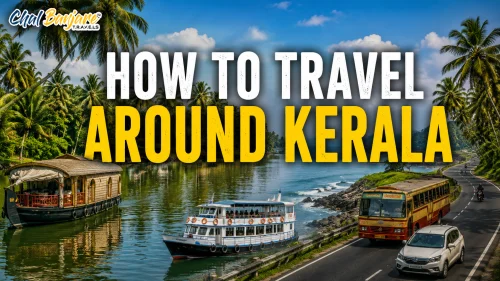
Travelling around Kerala is convenient with trains, buses, taxis, rental vehicles, and local transport options connecting beaches, backwaters, hill stations, wildlife areas, and cultural destinations.
+91 9910402252
admin@chalbanjare.com


Kozhikode offers Malabar food culture, historic beaches, local markets, heritage attractions, and authentic coastal Kerala experiences.
Kozhikode, historically known as Calicut, is one of Kerala’s most culturally rich coastal cities and is especially famous for its deep connection with Malabar food, spice trade history, and traditional coastal life. The city has long been an important trading center on the Arabian Sea coast, attracting Arab, Portuguese, and later European merchants who influenced the region’s culture, cuisine, and architecture.
Today, Kozhikode is known for its relaxed coastal atmosphere, legendary food culture, bustling local markets, beaches, and strong local identity rooted in Malabar traditions. Travellers often visit for authentic biryani, seafood, tea shop culture, historic mosques, and heritage streets rather than only sightseeing attractions. The city feels more grounded and local compared to heavily commercial tourist destinations.
Kozhikode is best suited for travellers who enjoy local food, cultural depth, coastal city life, and authentic Malabar experiences beyond mainstream tourism.
Kozhikode can be explored comfortably in 2 to 4 days depending on travel style and nearby destinations included in the itinerary. Travellers mainly interested in beaches, food trails, and city sightseeing can cover major experiences within a short trip, while those wanting heritage exploration, nearby waterfalls, bird sanctuaries, and slow cultural travel often prefer longer stays.
The city also works well as a base for exploring northern Kerala destinations such as Wayanad, Kannur, Beypore, and Vythiri. Since Kozhikode combines coastal experiences with strong food and cultural identity, the destination is best enjoyed at a relaxed pace rather than through rushed sightseeing schedules.
| Trip Duration | Recommended Experiences | Ground Reality |
|---|---|---|
| 2 Days | Food trails, beaches, markets, heritage walks | Good for short city exploration and local food experiences |
| 3–4 Days | Nature spots, beaches, heritage, local culture | Best option for first-time Kozhikode travellers |
| 5+ Days | Wayanad, Kannur, slow travel, photography | Ideal for broader Malabar region exploration |
Most travellers enjoy Kozhikode best with a balanced 3 to 4 day itinerary that combines beaches, food, heritage, and nearby scenic destinations.
Kozhikode appeals to different types of travellers because the city offers strong food culture, historical heritage, and relaxed coastal experiences within the same destination. Some visitors focus mainly on Malabar cuisine and café exploration, while others spend more time around beaches, local markets, heritage mosques, and cultural neighborhoods.
Food-focused travellers usually explore local restaurants, biryani spots, tea shops, bakeries, and seafood eateries spread across the city. Heritage travellers often visit Beypore, Mishkal Mosque, old trade routes, and traditional market areas. Coastal travellers prefer sunset walks, harbor experiences, and slower beach exploration around Kozhikode and Beypore.
| Travel Style | Best For | Ground Reality |
|---|---|---|
| Food Experiences | Biryani, seafood, cafés, local snacks | One of Kerala’s strongest regional food cultures |
| Heritage Experiences | History, mosques, trade culture | Deeply connected to Malabar identity and history |
| Coastal Experiences | Beaches, sunsets, harbor exploration | Relaxed atmosphere with peaceful coastal scenery |
Travellers who combine local food, heritage exploration, and coastal experiences usually discover the most authentic and rewarding side of Kozhikode.
Kozhikode Beach is one of the city’s most iconic attractions and is especially popular for sunset walks, local food experiences, and relaxed evening atmosphere. The beach is deeply connected to everyday life in Kozhikode, where locals gather during evenings to enjoy sea breeze, snacks, tea stalls, and coastal views rather than high-end commercial tourism.
The long promenade area, old piers, seafood stalls, and local snack vendors create a lively yet relaxed atmosphere. Travellers often visit during sunset hours when the sky changes color across the Arabian Sea and the beach becomes active with families, photographers, and food lovers exploring the local street food culture.
Kozhikode Beach is best enjoyed slowly during evening hours when the city’s coastal atmosphere, food culture, and sunset scenery come together naturally.
Beypore Beach offers a quieter and more traditional coastal experience compared to the main Kozhikode city beach. Located near the historic Beypore port area, the beach combines peaceful shoreline scenery with views of fishing activity, harbor movement, and traditional maritime culture connected to the Malabar coast.
The area is especially known for calm sea-facing walks, fishing boats, old harbor surroundings, and scenic evening light across the Arabian Sea. Travellers often combine Beypore Beach with visits to the traditional uru boat-building yards and nearby local seafood spots. The atmosphere remains slower and less crowded than heavily commercial beach destinations.
Beypore Beach is ideal for travellers who enjoy quieter coastlines, harbor culture, and traditional Malabar maritime surroundings.
Kappad Beach is historically significant because it is believed to be the landing site of Vasco da Gama when he arrived on the Malabar coast in 1498, opening major maritime trade connections between Europe and India. Today, the beach combines historical importance with peaceful shoreline scenery and a more relaxed atmosphere than crowded tourist beaches.
The coastline includes rocky sections, open sandy stretches, coconut trees, and scenic Arabian Sea views that make the area attractive for photography and quiet exploration. The historical connection adds cultural value to the visit, while the calmer beach environment makes it suitable for travellers wanting peaceful coastal experiences away from city crowds.
Kappad Beach offers a balanced combination of history, peaceful coastal beauty, and relaxed Malabar shoreline experiences.
Kozhikode is widely considered one of the best food destinations in Kerala, especially famous for its rich Malabar cuisine influenced by Arab trade history, coastal traditions, and local spice culture. Malabar biryani remains the city’s most iconic dish, known for its fragrant rice, balanced spices, slow-cooked meat preparation, and unique regional flavor different from other Indian biryanis.
Seafood is another major highlight because of Kozhikode’s long Arabian Sea coastline and fishing heritage. Restaurants and local eateries across the city serve fresh fish curry, prawns, mussels, squid, crab, and fried coastal snacks prepared using traditional Kerala-style cooking methods. Travellers exploring the food scene usually discover that Kozhikode’s cuisine feels deeply local and less commercialised than many tourist-focused food destinations.
Travellers interested in authentic Kerala food culture often consider Kozhikode one of the most rewarding destinations in South India for regional cuisine and coastal flavours.
Kozhikode has a strong bakery and tea shop culture that forms an important part of everyday life in the city. Traditional bakeries, small cafés, and roadside tea shops are spread across local markets and busy streets, creating a relaxed atmosphere where travellers can experience authentic Malabar snacks and social culture.
The city is especially famous for Kozhikode halwa, banana chips, bakery snacks, and evening tea combinations enjoyed by both locals and visitors. Tea cafés become lively during evening hours when people gather for chai, local conversations, and quick snacks. Compared to modern café cities, Kozhikode’s café culture feels more traditional and community-oriented.
Exploring Kozhikode’s bakeries and tea cafés gives travellers a deeper connection to the city’s local lifestyle and long-standing food traditions.
Kozhikode’s food trails go beyond famous biryani and seafood, offering travellers a chance to explore traditional Kerala meals, street snacks, and small local eateries spread across markets and coastal neighborhoods. Many travellers enjoy simply walking through local streets and discovering food naturally rather than following luxury dining experiences.
Traditional Kerala meals usually include rice, fish curry, vegetable dishes, pickles, and coconut-based preparations served in simple local restaurants. Street food culture becomes especially active during evenings near beaches and busy markets where travellers can try fried snacks, local sweets, seafood bites, and regional specialties at affordable prices.
Kozhikode’s local food trails are best enjoyed slowly because many memorable food experiences appear naturally through street exploration and traditional eateries.
Mishkal Mosque is one of Kozhikode’s most important historical landmarks and reflects the strong Arab trading influence that shaped the Malabar coast for centuries. Built using traditional Kerala architectural style rather than typical domes and minarets, the mosque stands out because of its wooden interiors, sloping tiled roof, carved pillars, and layered structure.
The mosque remains an active place of worship and also serves as an important reminder of Kozhikode’s historical role in maritime trade and cultural exchange. Travellers visiting the area often appreciate how the structure blends local Kerala construction methods with Islamic heritage, creating a unique architectural identity rarely seen elsewhere in India.
Mishkal Mosque offers a deeper understanding of Kozhikode’s cultural identity and historical connection with maritime trade routes across the Arabian Sea.
Beypore Port is one of Kerala’s oldest trading ports and is especially famous for its traditional uru boat-building heritage. For centuries, skilled craftsmen in Beypore have been constructing large wooden vessels using manual techniques passed through generations, creating one of the most unique maritime traditions in India.
Travellers visiting the uru yards can observe large wooden boats under construction using traditional carpentry methods without heavy modern machinery. The atmosphere around the port includes fishing activity, old harbor surroundings, local workshops, and coastal trade culture that still feels deeply connected to Kozhikode’s maritime history.
Beypore’s traditional boat-building culture remains one of Kozhikode’s most authentic heritage experiences connected to the Malabar coast’s maritime history.
Kozhikode played a major role in the historic spice trade that connected the Malabar coast with Arabia, Europe, and other parts of Asia. The city became internationally important because of its spices, coastal trade routes, and strategic harbor access, attracting merchants and explorers for centuries.
Even today, local markets, harbor areas, cultural neighborhoods, and traditional trade communities continue to reflect this long history of commercial and cultural exchange. Travellers exploring Kozhikode slowly often notice how food, architecture, religion, and daily life still carry influences shaped by centuries of maritime interaction.
Understanding Kozhikode’s spice trade history helps travellers appreciate why the city developed such a rich combination of food culture, heritage, and coastal identity.
SM Street, also known as Sweet Meat Street, is one of Kozhikode’s most iconic market areas and a major cultural experience for travellers exploring the city. The street is filled with small shops, snack stalls, textile stores, bakeries, footwear outlets, and local businesses that create a lively atmosphere throughout the day.
The market reflects the everyday rhythm of Kozhikode where food culture, local shopping, and community interaction blend naturally. Travellers often spend hours exploring the narrow lanes, tasting local snacks, shopping for regional products, and observing the busy but traditional Malabar market environment.
SM Street offers one of the most authentic city experiences in Kozhikode where travellers can connect directly with the local culture and traditional market atmosphere.
Kozhikode’s markets are deeply connected to the region’s old spice trade heritage and continue to offer a variety of local products such as spices, handcrafted items, textiles, and traditional Kerala goods. Travellers exploring these shopping areas often discover stores selling pepper, cardamom, dried spices, coconut-based products, and handmade local items.
Textile shops in Kozhikode also reflect the city’s strong Malabar identity with traditional clothing, cotton fabrics, and regional designs available across local commercial areas. Shopping in Kozhikode feels more practical and local-focused rather than highly commercial tourist shopping.
Exploring Kozhikode’s traditional shops and spice markets helps travellers understand the city’s strong historical connection with trade and regional craftsmanship.
Kozhikode is best experienced slowly through its tea shops, coastal neighborhoods, fishing communities, and everyday street life rather than only through major attractions. Tea cafés and roadside snack stalls are deeply connected to the social culture of the city where people gather throughout the day for conversation, food, and relaxed interaction.
Travellers spending time near beaches, markets, and fishing areas often observe the rhythm of local coastal life including seafood trade, tea culture, evening beach gatherings, and traditional community interactions. These smaller everyday experiences often become more memorable than sightseeing itself.
Travellers who spend time observing Kozhikode’s local routines and tea shop culture often gain a deeper understanding of the city beyond its tourist attractions.
Thusharagiri Waterfalls is one of the most scenic natural attractions near Kozhikode and is especially popular among nature lovers, trekkers, and travellers wanting a break from the coastal city atmosphere. Surrounded by forested hills and Western Ghats greenery, the waterfall region offers a refreshing landscape filled with streams, rocky pathways, and tropical vegetation.
The area becomes especially beautiful during and after monsoon season when water flow increases and the forests appear greener and more dramatic. Travellers visiting Thusharagiri often combine waterfall exploration with short treks, photography, and nature walks through the surrounding hills and forest routes.
Thusharagiri offers a refreshing contrast to Kozhikode’s coastal atmosphere by combining waterfalls, forests, and scenic hill landscapes within easy reach of the city.
Kadalundi Bird Sanctuary is one of the best nature experiences near Kozhikode, known for its mangrove ecosystem, calm waterways, migratory birds, and peaceful backwater scenery. Located where the Kadalundi River meets the Arabian Sea, the sanctuary attracts birdwatchers, photographers, and slow travellers looking for quiet environmental experiences.
The sanctuary becomes especially active during migratory seasons when numerous bird species arrive around the wetlands and mangrove areas. Boat rides through the river channels provide opportunities to observe birds, fishing activity, and scenic natural surroundings while enjoying the calm atmosphere of the backwaters.
Kadalundi Bird Sanctuary is best enjoyed slowly through quiet boat rides and nature observation rather than rushed sightseeing.
The countryside around Kozhikode offers beautiful tropical landscapes filled with coconut groves, small rivers, village roads, paddy fields, and peaceful Kerala scenery ideal for photography and slow travel. These quieter areas provide a more authentic visual experience compared to crowded urban attractions.
Travellers exploring rural roads outside the city often discover calm waterways, traditional homes, local farming activity, and scenic countryside routes perfect for relaxed drives and photography sessions. Early mornings and evenings usually create the best conditions because of softer natural lighting and cooler temperatures.
Kozhikode’s countryside scenery is ideal for travellers wanting peaceful Kerala landscapes beyond busy city areas and commercial tourist zones.
Wayanad is one of the most popular day trip and extended travel destinations from Kozhikode because it offers cooler temperatures, forest landscapes, waterfalls, plantations, and mountain scenery completely different from the coastal atmosphere of the city. The drive toward Wayanad itself is highly scenic with winding roads, dense greenery, and changing elevation through the Western Ghats.
Travellers visiting Wayanad from Kozhikode often explore waterfalls, tea plantations, viewpoints, wildlife zones, and hill station villages while enjoying the calmer climate. The destination works especially well for nature lovers, photographers, and travellers wanting to combine coastal Kerala with mountain experiences.
Wayanad adds natural diversity to a Kozhikode itinerary by combining forests, mountains, and cooler landscapes within a short travel distance.
Kannur is an excellent northern Kerala day trip destination from Kozhikode, especially for travellers interested in beaches, Theyyam culture, heritage, and peaceful coastal roads. The route itself passes through scenic Arabian Sea landscapes, fishing villages, coconut groves, and small coastal towns that make the journey highly enjoyable.
Travellers often visit Kannur for its cleaner beaches, cultural traditions, local food, and slower atmosphere compared to larger Kerala cities. During festival season, Theyyam performances become one of the most powerful cultural experiences available anywhere in the Malabar region.
Kannur works especially well for travellers who want authentic Malabar coastal experiences connected to culture, heritage, and peaceful beaches.
Vythiri is one of the most peaceful hill destinations accessible from Kozhikode and is especially popular for mountain resorts, rainforest surroundings, and Western Ghats scenery. Located in the Wayanad region, Vythiri offers a cooler climate, mist-covered landscapes, and luxury nature stays ideal for relaxation and slow travel.
The route toward Vythiri passes through forest roads and mountain curves that become especially beautiful during monsoon and winter months. Travellers often choose Vythiri for wellness stays, nature photography, plantation views, and peaceful retreat experiences away from crowded tourist zones.
Vythiri is best suited for travellers wanting quiet mountain landscapes and relaxing nature experiences within easy reach of Kozhikode.
Kozhikode and Beypore beaches offer some of the best coastal photography conditions in northern Kerala, especially during sunset hours when the Arabian Sea reflects golden and orange tones across the shoreline. The relaxed atmosphere, fishing activity, old piers, and open sea views create visually rich coastal frames for photographers.
Evening hours are the most rewarding because the weather becomes cooler and the beaches become active with local life, food stalls, fishing boats, and scenic silhouettes against the sea. Beypore especially provides quieter harbor-style compositions compared to busy city beaches.
Travellers interested in peaceful coastal photography often find Kozhikode’s beaches visually rewarding because of their natural atmosphere and authentic local character.
Kozhikode’s markets, tea shops, bakeries, and food streets provide excellent opportunities for cultural and street photography. Areas such as SM Street become visually vibrant during evening hours when food stalls, local shoppers, traditional shops, and busy tea cafés create dynamic city scenes.
Photographers often capture local snack preparation, spice markets, tea culture, street movement, and everyday Malabar life that reflects the city’s authentic identity. Unlike highly commercial tourist destinations, Kozhikode’s street atmosphere feels naturally local and community-focused.
Street photography in Kozhikode becomes most rewarding when travellers slow down and observe the rhythm of local life, food culture, and market interaction.
The harbor regions around Beypore and Kozhikode provide excellent coastal photography conditions with fishing boats, traditional maritime activity, wooden docks, and Arabian Sea landscapes reflecting the city’s old trading heritage. Early mornings are especially scenic because fishing activity becomes more visible while the lighting remains soft and atmospheric.
Photographers exploring the harbor areas often capture fishing communities, colorful boats, coastal reflections, and traditional maritime surroundings that feel deeply connected to Malabar coastal life. The combination of sea, trade culture, and working waterfront scenery creates highly authentic photography experiences.
Kozhikode’s harbor areas are ideal for photographers wanting authentic coastal storytelling experiences connected to Kerala’s fishing and maritime traditions.
Winter is considered the best time to visit Kozhikode because the weather becomes more comfortable for sightseeing, food exploration, beaches, and local market visits. From November to February, humidity reduces slightly and outdoor travel feels easier compared to peak summer months.
This season is especially suitable for travellers planning beach walks, heritage exploration, photography, and day trips toward Wayanad or Kannur. Clearer skies and cooler evenings also improve the overall coastal atmosphere.
Winter offers the best balance of pleasant weather, sightseeing comfort, and coastal experiences for first-time Kozhikode travellers.
Monsoon transforms Kozhikode into a lush tropical coastal destination filled with dramatic sea views, rain-covered streets, and greener countryside landscapes. From June to September, the city develops a calm and atmospheric mood especially around beaches, harbor areas, and nearby hill routes.
Heavy rain can occasionally affect sightseeing plans, but travellers who enjoy rain travel and photography often find this season visually rewarding. The monsoon also enhances waterfalls and forest landscapes near Kozhikode.
Monsoon is best suited for slow travellers and photographers who enjoy Kerala’s rain-soaked coastal and tropical landscapes.
Summer in Kozhikode remains hot and humid, especially during daytime hours, but the destination still works well for travellers interested in food exploration, beaches, and short city breaks. Morning and evening hours are generally more comfortable for outdoor movement.
Beach walks, café visits, food trails, and local shopping become more enjoyable after sunset when temperatures reduce slightly. Summer also offers comparatively lower hotel pricing in some parts of the city.
Summer works best for travellers who prefer relaxed food-focused itineraries and quieter coastal evenings instead of heavy daytime sightseeing.
Kozhikode works best when combined with nearby hill stations, beaches, and Malabar cultural destinations instead of being treated only as a short city stop. Most first-time travellers enjoy a route that balances food culture, beaches, nature, and heritage experiences.
Popular combinations include Kozhikode with Wayanad for mountain landscapes, Kannur for culture and beaches, or Beypore for harbor experiences and coastal exploration.
| Trip Duration | Recommended Route | Ground Reality |
|---|---|---|
| 2–3 Days | Kozhikode + Beypore | Good for food, beaches, and local city exploration |
| 4–5 Days | Kozhikode + Wayanad | Balanced mix of coast and hill station experiences |
| 6+ Days | Kozhikode + Kannur + Wayanad | Ideal for complete Malabar region exploration |
Travellers who combine food, nature, and heritage experiences usually enjoy the most complete Kozhikode itinerary.
Kozhikode offers three major travel styles: food-focused exploration, coastal relaxation, and heritage discovery. Food travellers usually spend more time around local eateries, tea cafés, and markets, while beach-focused travellers prefer Kozhikode Beach, Beypore, and sunset exploration.
Heritage travellers often explore old mosques, harbor culture, spice trade history, and traditional Malabar neighborhoods that reveal the city’s historical importance.
| Travel Style | Best For | Ground Reality |
|---|---|---|
| Food Experiences | Biryani, seafood, tea cafés | Strongest local attraction for most travellers |
| Beach Experiences | Sunsets, harbor walks, relaxation | Peaceful and less commercial than many beach cities |
| Heritage Experiences | Trade history, mosques, culture | Deeply connected to Malabar identity |
Kozhikode becomes most rewarding when travellers combine food, culture, and coastal experiences within a relaxed itinerary.
Before planning a Kozhikode trip, travellers should understand that the city is best explored slowly through local food culture, coastal walks, markets, and nearby nature destinations rather than rushed sightseeing schedules.
The overall experience improves significantly when travellers plan around weather conditions, realistic travel pace, and balanced day trips across the Malabar region.
With the right pace and realistic planning, Kozhikode becomes one of Kerala’s most rewarding destinations for food, culture, heritage, and authentic Malabar coastal experiences.
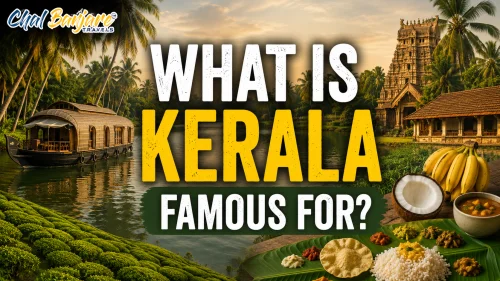
Get customized Kerala tour planning designed around monsoon seasons, backwater cruising routes, hill travel timing, and comfortable coastal stays. Whether you are visiting for houseboat experiences, beach relaxation, wildlife reserves, cultural heritage,
⚡ Quick Response | 💰 Free consultation | 🕒 24×7 expert support