How to Travel Around Kerala
Travelling around Kerala is convenient with trains, buses, taxis, rental vehicles, and local transport options connecting beaches, backwaters, hill stations, wildlife areas, and cultural destinations.
+91 9910402252
admin@chalbanjare.com


Kasaragod offers coastal forts, quiet beaches, backwaters, Malabar culture, and peaceful northern Kerala travel experiences away from heavy tourist crowds.
Kasaragod is one of Kerala’s most underrated coastal destinations, known for its quiet beaches, historic forts, peaceful backwaters, village landscapes, and strong Malabar cultural identity. Unlike Kerala’s more crowded tourist hubs, Kasaragod feels slower, less commercial, and more suitable for travellers who enjoy peaceful exploration.
The district offers a rare mix of Arabian Sea coastline, backwaters, hill regions, temples, Theyyam traditions, and local food culture. Travellers who want hidden Kerala experiences beyond mainstream routes often find Kasaragod rewarding because it combines nature, heritage, and coastal life in a calm setting.
Kasaragod is best for travellers who want calm coastal scenery, heritage depth, and authentic northern Kerala experiences away from heavy tourist crowds.
Kasaragod can be explored in 2 to 4 days depending on whether travellers want only beaches and forts or a deeper route covering backwaters, villages, and hill landscapes. A short trip is enough for Bekal Fort and nearby beaches, while a longer stay allows more relaxed exploration of Valiyaparamba backwaters, Ranipuram hills, and cultural areas.
Since attractions are spread across the district, planning travel time properly is important. Kasaragod works well as part of a northern Kerala itinerary with Kannur, Bekal, Mangalore, or Wayanad.
| Trip Duration | Recommended Experiences | Ground Reality |
|---|---|---|
| 2 Days | Bekal Fort, Bekal Beach, Pallikere Beach | Good for short coastal and heritage trips |
| 3–4 Days | Forts, beaches, backwaters, local food | Best option for first-time Kasaragod travellers |
| 5+ Days | Ranipuram, villages, day trips, slow travel | Ideal for deeper offbeat Kerala exploration |
Most travellers enjoy Kasaragod best with a 3 to 4 day plan that balances beaches, forts, backwaters, and nature experiences.
Kasaragod offers three main travel styles: peaceful beach holidays, heritage-focused fort exploration, and nature-based backwater or hill experiences. Beach travellers usually prefer Bekal, Kappil, and Pallikere, while heritage travellers focus on Bekal Fort, Chandragiri Fort, temples, and Theyyam traditions.
Nature lovers often enjoy Valiyaparamba backwaters, mangroves, village roads, coconut groves, and Ranipuram’s forested hill landscapes. A balanced itinerary should include all three experiences to understand Kasaragod properly.
| Travel Style | Best For | Ground Reality |
|---|---|---|
| Beach Experiences | Sunsets, relaxation, photography | Quiet and less commercial coastal atmosphere |
| Heritage Experiences | Forts, temples, Theyyam, history | Strong connection with Malabar culture |
| Nature Experiences | Backwaters, hills, villages, birdwatching | Best explored slowly with flexible planning |
Travellers who combine beaches, heritage, and nature usually experience the most complete and meaningful side of Kasaragod.
Bekal Fort is the most famous attraction in Kasaragod and one of Kerala’s most scenic coastal forts. Built beside the Arabian Sea, the fort offers wide sea views, laterite stone walls, observation points, and a peaceful heritage atmosphere that makes it ideal for history lovers and photographers.
The fort is best explored during early morning or late afternoon when the weather feels cooler and the sea views become more beautiful. The surrounding coastline, open lawns, and viewpoints create a strong combination of heritage and natural scenery.
Bekal Fort is a must-visit for anyone travelling to Kasaragod because it captures the district’s coastal beauty and historical importance in one place.
Chandragiri Fort is another important heritage attraction in Kasaragod, located near the Chandragiri River with beautiful views of the river meeting the Arabian Sea. The fort is quieter than Bekal, making it suitable for travellers who prefer peaceful exploration and scenic viewpoints.
The surrounding river landscape becomes especially beautiful during sunset, when the sky reflects across the water and the coastal breeze makes the area pleasant. It is a good place for relaxed photography, history walks, and quiet sightseeing.
Chandragiri Fort is ideal for travellers who want a quieter heritage experience with river views and peaceful sunset scenery.
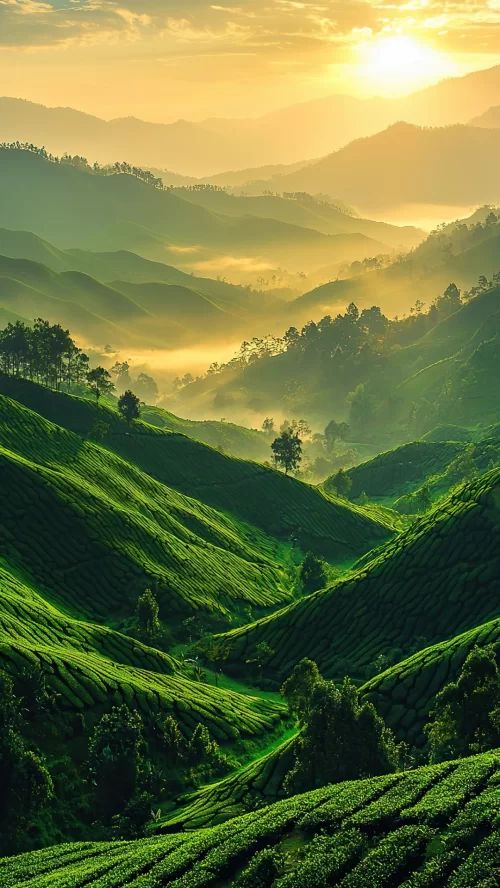
Ranipuram is the hill station side of Kasaragod, offering forest landscapes, green slopes, misty trails, and cooler weather compared to the humid coast. It is often called an offbeat alternative to Kerala’s popular hill stations because it remains quieter and more nature-focused.
The area is suitable for trekking, nature walks, photography, and peaceful mountain stays. The journey to Ranipuram passes through village roads and forested routes, making it a refreshing contrast to Kasaragod’s beach and fort experiences.
Ranipuram adds natural variety to a Kasaragod itinerary by offering mountain views, forest trails, and a quieter hill experience.
Bekal Beach is one of the best beaches in Kasaragod for peaceful walks, coastal photography, and sunset views. Located close to Bekal Fort, the beach offers a calm shoreline, open sea views, and a relaxed atmosphere suitable for families, couples, and slow travellers.
The beach is especially beautiful in the evening when the light softens and the Arabian Sea coastline becomes ideal for photography. Travellers often combine Bekal Fort and Bekal Beach in the same day for a complete coastal heritage experience.
Bekal Beach is perfect for travellers who want calm sea views and a relaxed coastal atmosphere near Kasaragod’s most famous fort.
Kappil Beach in Kasaragod is known for its quiet surroundings, scenic coastal road views, and peaceful shoreline. It is less crowded than popular tourist beaches, making it ideal for travellers looking for calm beach time and natural scenery.
The beach area offers beautiful views of coconut trees, open sand stretches, and the Arabian Sea. It is best visited during morning or evening hours when the weather is more comfortable and the light is better for photography.
Kappil Beach is best for travellers who prefer silence, scenery, and uncrowded coastal surroundings.
Pallikere Beach is another peaceful beach near Bekal, known for its relaxed atmosphere and wide Arabian Sea views. It is suitable for travellers who want beach time without heavy commercial activity or large crowds.
The beach works well for evening walks, photography, and quiet family visits. Its proximity to Bekal makes it easy to include in a coastal sightseeing route covering forts, beaches, and resorts.
Pallikere Beach is ideal for travellers who want simple, quiet beach time with scenic Arabian Sea views.
Valiyaparamba is one of Kasaragod’s most beautiful backwater regions, known for calm waterways, island scenery, coconut groves, and peaceful boating experiences. The backwaters here are less crowded than Kerala’s more famous houseboat areas, making them perfect for slow and quiet travel.
Boat rides through Valiyaparamba offer views of small islands, village life, fishing activity, and lush tropical surroundings. The atmosphere is calm and scenic, especially during morning and evening hours.
Valiyaparamba backwaters are ideal for travellers who want quiet water landscapes and authentic Kerala village scenery.
Kasaragod’s rivers, mangrove areas, and countryside routes offer peaceful nature experiences away from busy tourist zones. These landscapes are filled with coconut trees, small bridges, narrow roads, backwater channels, and traditional village surroundings.
Travellers exploring these areas slowly can enjoy bird sounds, water reflections, village homes, and quiet local life. The scenery is especially beautiful after monsoon when the greenery becomes fresh and vibrant.
Kasaragod’s mangroves and countryside landscapes are best enjoyed slowly, allowing travellers to experience the quieter natural side of the district.
Kasaragod’s coastal villages and backwater areas are suitable for birdwatching, countryside photography, and peaceful nature observation. Coconut groves, paddy fields, rivers, and wetlands create a calm environment for travellers who enjoy slow outdoor experiences.
Early mornings are usually the best time to observe birds and village activity. Travellers can also enjoy walking through quiet lanes, watching fishing routines, and experiencing the slower rhythm of Malabar village life.
Birdwatching and village exploration in Kasaragod offer a calm and authentic way to experience Kerala beyond beaches and forts.
Bekal Fort is the strongest symbol of Kasaragod’s heritage and coastal history. Its massive laterite walls, sea-facing viewpoints, and defensive design reflect the importance of the Malabar coast in regional trade and military history.
The fort’s architecture blends naturally with the coastal landscape, making it both a historical attraction and a scenic viewpoint. Travellers interested in history, architecture, and photography should keep enough time to walk through the fort slowly.
Bekal Fort is the best place to understand Kasaragod’s heritage while enjoying dramatic Arabian Sea views.
Theyyam is one of the most powerful cultural traditions in northern Kerala, and Kasaragod is one of the regions where this ritual art form is still deeply connected to village temples and local communities. The performances combine costume, face painting, drumming, dance, fire, and spiritual storytelling.
Most Theyyam performances happen during the festival season, usually in village temples and sacred spaces. Travellers should plan according to local calendars and respect temple customs while attending performances.
Watching Theyyam in Kasaragod gives travellers a deep cultural experience rooted in Malabar’s spiritual and folk traditions.
Kasaragod’s cultural identity can also be experienced through its local markets, temples, village roads, and traditional communities. These places reveal everyday Malabar life through food, festivals, architecture, local trade, and community interaction.
Village temples often become active during festivals, while local markets offer spices, snacks, textiles, and regional products. Exploring these areas slowly helps travellers understand Kasaragod beyond its famous beaches and forts.
Kasaragod’s village heritage experiences are ideal for travellers who want to understand the district’s everyday culture and local traditions.
Kasaragod’s food culture is strongly influenced by Malabar cuisine, coastal fishing traditions, and local Kerala flavours. Malabar biryani, seafood curries, fried fish, prawns, and coconut-based dishes are some of the most common food experiences travellers can enjoy here.
The cuisine feels local and traditional, especially in family-run eateries and village restaurants. Seafood is often fresh due to the district’s long coastline and fishing communities.
Food lovers can enjoy Kasaragod through its simple, flavourful, and deeply local Malabar coastal cuisine.
Tea shops and bakeries are an important part of local life in Kasaragod, offering travellers a chance to enjoy simple snacks, Kerala tea, bakery items, and relaxed conversations. These small places often feel more authentic than modern cafés because they are closely connected to everyday community life.
Beachside cafés and casual eateries near Bekal and nearby areas provide peaceful places to enjoy snacks, seafood, and drinks while experiencing the coastal atmosphere.
Kasaragod’s tea shops and casual cafés are best enjoyed slowly as part of the district’s relaxed local travel experience.
Traditional Kerala meals in Kasaragod are usually simple, filling, and rooted in local cooking styles. Meals often include rice, fish curry, vegetable dishes, coconut preparations, pickles, and seasonal sides served in local restaurants or homestays.
Village food experiences are especially rewarding for travellers staying in homestays or exploring rural areas. Home-style cooking often gives a more authentic taste of the region than commercial dining.
Traditional meals and village food experiences help travellers understand Kasaragod’s local lifestyle through simple, regional flavours.
Kasaragod’s backwaters and river channels offer peaceful outdoor experiences through kayaking, boating, and slow water exploration. Valiyaparamba backwaters are especially suitable for relaxed boating routes surrounded by islands, coconut groves, and village scenery.
These activities are not high-adrenaline adventures but are ideal for travellers who enjoy nature, photography, and quiet water-based exploration. Morning and evening hours are usually more comfortable for boating.
Backwater exploration in Kasaragod is perfect for travellers who prefer peaceful outdoor activity over crowded adventure tourism.
Ranipuram offers Kasaragod’s best hill and forest experiences, with scenic drives, trekking trails, green slopes, and peaceful mountain landscapes. The route to Ranipuram itself feels refreshing as travellers move from humid coastal areas toward cooler highland surroundings.
Nature walks and trekking experiences are best planned during clear weather because monsoon rain can make trails slippery. The area is ideal for travellers who want an offbeat Western Ghats experience within Kasaragod district.
Ranipuram adds adventure and mountain scenery to a Kasaragod trip, making the itinerary more diverse and nature-focused.
Kasaragod’s quiet coastal roads, peaceful beaches, and scenic village stretches make it suitable for beach photography, cycling, and relaxed road trips. The coastal routes around Bekal, Kappil, and Pallikere provide beautiful views of the Arabian Sea, coconut trees, and traditional village life.
Travellers who enjoy slow outdoor exploration can plan short rides, sunset photography sessions, and coastal drives without the heavy traffic found in bigger tourist towns. Early mornings and evenings are best for comfort and light.
Kasaragod’s coastal outdoor experiences are best enjoyed slowly through scenic drives, quiet beaches, and peaceful photography stops.
Kannur is one of the best day trip options from Kasaragod for travellers interested in beaches, Theyyam traditions, forts, and Malabar heritage. The coastal route between Kasaragod and Kannur is scenic, passing through small towns, village landscapes, and Arabian Sea stretches.
Travellers can explore Payyambalam Beach, St Angelo Fort, local food spots, and Theyyam performances during the festival season. Kannur adds cultural depth to a Kasaragod itinerary.
Kannur is a rewarding day trip from Kasaragod for travellers who want deeper Malabar culture and coastal heritage experiences.
Mangalore is a practical and interesting day trip from Kasaragod because it offers coastal city experiences, temples, beaches, food, and urban sightseeing. The city has a different cultural feel, blending coastal Karnataka traditions with temple heritage and seafood cuisine.
Travellers can explore temples, markets, beaches, and local eateries within a day. Mangalore is especially useful for travellers arriving or departing through its airport or railway connections.
Mangalore adds variety to a Kasaragod trip by combining temple sightseeing, coastal city life, and regional food experiences.
Wayanad is a longer but highly rewarding travel option from Kasaragod for travellers wanting forest routes, waterfalls, plantations, and mountain landscapes. The journey shifts from coastal Kerala into the Western Ghats, creating a strong contrast in scenery and climate.
While Wayanad may be better suited for an overnight extension than a quick day trip, travellers with enough time can combine Kasaragod’s beaches and forts with Wayanad’s hills and forests for a complete northern Kerala experience.
Wayanad is best added to a Kasaragod itinerary when travellers want a broader route combining coast, heritage, forests, and mountains.
Winter is the best time to visit Kasaragod because the weather becomes more comfortable for beaches, forts, backwaters, and road trips. From November to February, humidity feels lower compared to summer, making outdoor sightseeing easier and more enjoyable.
This season is ideal for Bekal Fort, beach sunsets, Valiyaparamba boating, Ranipuram visits, and cultural exploration. Clearer skies also improve photography conditions across beaches and heritage sites.
Winter offers the most comfortable and balanced Kasaragod travel experience for first-time visitors.
Monsoon turns Kasaragod into a lush and dramatic coastal destination with green landscapes, strong sea waves, rain-washed roads, and misty hill scenery near Ranipuram. From June to September, the district feels more atmospheric and peaceful.
However, heavy rainfall can affect outdoor plans, beach access, and hill routes. Travellers should keep flexible schedules, carry rain protection, and avoid risky coastal activity during rough weather.
Monsoon is best for travellers who enjoy rain-soaked landscapes, quiet stays, and dramatic coastal photography.
Summer in Kasaragod, from March to May, is hot and humid, especially during afternoons. Outdoor sightseeing can feel tiring, but the destination still works for budget travellers and people who prefer quieter beaches and lower accommodation demand.
Morning and evening hours are best for beaches, forts, and photography. Afternoons are better for indoor rest, food exploration, or resort relaxation.
Summer works best for relaxed travellers who plan outdoor activities during cooler parts of the day.
First-time travellers should plan Kasaragod as a relaxed coastal and heritage route rather than a rushed sightseeing trip. The best route usually combines Bekal Fort, nearby beaches, Valiyaparamba backwaters, and either Ranipuram or Kannur depending on available days.
Kasaragod also works well as part of a larger northern Kerala route with Kannur, Bekal, Mangalore, and Wayanad. This combination gives travellers beaches, forts, backwaters, hills, and cultural experiences in one itinerary.
| Trip Duration | Recommended Route | Ground Reality |
|---|---|---|
| 2–3 Days | Bekal Fort + Bekal Beach + Chandragiri Fort | Good for short coastal heritage trips |
| 4–5 Days | Bekal + Valiyaparamba + Ranipuram | Balanced mix of coast, backwaters, and hills |
| 6+ Days | Kasaragod + Kannur + Wayanad | Ideal for complete northern Kerala exploration |
A balanced Kasaragod route should include beaches, forts, backwaters, and at least one nature or cultural experience.
Kasaragod’s strongest travel experiences revolve around beaches, forts, and backwaters. Beach travellers should focus on Bekal, Kappil, and Pallikere, while heritage travellers should spend more time at Bekal Fort and Chandragiri Fort.
Backwater lovers should include Valiyaparamba for boating, island views, and peaceful village scenery. Combining these three experiences creates the most complete Kasaragod itinerary.
| Experience Type | Best For | Ground Reality |
|---|---|---|
| Beaches | Sunsets, relaxation, photography | Peaceful and less crowded coastal atmosphere |
| Forts | History, architecture, sea views | Bekal and Chandragiri are key highlights |
| Backwaters | Boating, villages, slow travel | Valiyaparamba offers calm and scenic routes |
Travellers who combine beaches, forts, and backwaters usually experience the most scenic and meaningful side of Kasaragod.
Before planning a Kasaragod trip, travellers should understand that the district is spread out and best explored with a relaxed itinerary. The destination is ideal for peaceful travel, coastal heritage, nature experiences, and slow exploration rather than crowded tourist activity.
Weather, transport timing, and stay location matter because beaches, forts, backwaters, and hills are located in different parts of the district. Planning according to season and travel style will make the trip smoother.
With the right season, route planning, and relaxed pace, Kasaragod becomes one of Kerala’s most peaceful destinations for beaches, forts, backwaters, and hidden Malabar experiences.


Get customized Kerala tour planning designed around monsoon seasons, backwater cruising routes, hill travel timing, and comfortable coastal stays. Whether you are visiting for houseboat experiences, beach relaxation, wildlife reserves, cultural heritage,
⚡ Quick Response | 💰 Free consultation | 🕒 24×7 expert support