How to Travel Around Kerala
Travelling around Kerala is convenient with trains, buses, taxis, rental vehicles, and local transport options connecting beaches, backwaters, hill stations, wildlife areas, and cultural destinations.
+91 9910402252
admin@chalbanjare.com


Planning a first Kerala trip requires choosing destinations, understanding seasons, arranging transport, selecting stays, and creating a balanced itinerary based on interests, budget, and travel preferences.
Kerala is one of the most welcoming destinations for first-time travellers because it offers a balanced combination of natural beauty, cultural experiences, comfortable tourism infrastructure, and excellent connectivity. Whether you are interested in peaceful backwaters, tea-covered hill stations, tropical beaches, wildlife sanctuaries, or historical cities, Kerala provides diverse experiences within a relatively compact geographical area. This allows visitors to explore multiple landscapes during a single holiday without travelling extremely long distances.
The state is known for its well-developed tourism facilities, making it convenient for families, couples, solo travellers, and senior citizens. Accommodation options range from affordable homestays to luxury resorts and traditional houseboats, while transportation networks connect most major destinations efficiently. Visitors also benefit from a wide variety of local cuisine, cultural performances, wellness experiences, and nature-based activities that create a complete holiday suitable for different travel styles.
First-time visitors can comfortably plan itineraries that combine sightseeing, relaxation, adventure, and cultural exploration without feeling overwhelmed. Kerala offers experiences that suit both short vacations and extended holidays.
The variety of destinations and travel experiences makes Kerala an excellent introduction to South India's natural beauty and cultural heritage.
Thoughtful planning allows first-time travellers to enjoy Kerala comfortably while discovering its remarkable landscapes, traditions, and hospitality.
Kerala provides first-time travellers with beautiful scenery, comfortable travel infrastructure, and diverse experiences that create an enjoyable and well-balanced holiday.
One of Kerala's greatest strengths is the diversity of landscapes available within a single state. Coastal destinations such as Kovalam, Varkala, and Bekal are known for sandy beaches, Arabian Sea views, and relaxed seaside experiences. The famous backwaters around Alleppey and Kumarakom provide peaceful cruises through canals, lakes, and traditional villages where visitors experience Kerala's unique water-based lifestyle.
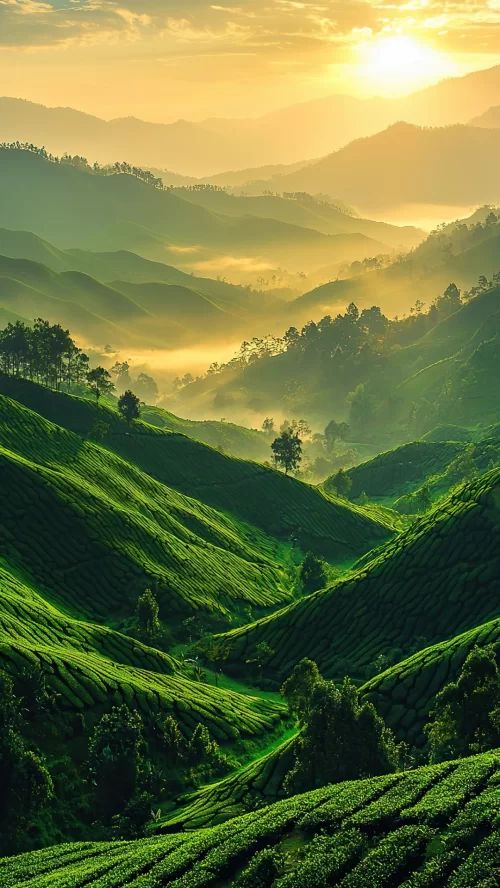
Hill stations including Munnar and Wayanad offer cooler temperatures, tea plantations, waterfalls, forests, and scenic mountain viewpoints. Wildlife destinations such as Thekkady, Periyar, Silent Valley, and Eravikulam National Park allow visitors to experience forests, biodiversity, trekking opportunities, and nature-based activities. Every region has its own climate, scenery, attractions, and ideal travel experiences, making destination selection an important part of itinerary planning.
Understanding these regional differences helps visitors combine destinations that match their interests while creating a balanced travel experience. Each landscape contributes something unique to a Kerala holiday.
Kerala's beaches, backwaters, hills, and wildlife reserves together create one of India's most diverse tourism experiences.
Selecting destinations according to preferred landscapes ensures visitors enjoy a rewarding and personalised journey across Kerala.
Understanding Kerala's diverse regions allows travellers to plan holidays that combine beaches, hills, backwaters, and wildlife according to personal preferences.
The most successful Kerala itinerary is one that reflects your travel interests while remaining realistic about available time and budget. Some visitors focus on relaxing beach holidays, while others prefer tea plantations, wildlife, Ayurvedic wellness, cultural heritage, or scenic backwater cruises. Identifying travel priorities before selecting destinations helps create a smoother and more enjoyable holiday.
Budget also influences accommodation, transportation, and activity choices. Budget travellers may prefer public transport and homestays, while luxury travellers often choose premium resorts, private transfers, and exclusive experiences. Equally important is allowing enough time for each destination instead of trying to visit every attraction within a limited schedule. A balanced itinerary provides opportunities for sightseeing as well as relaxation throughout the journey.
Travellers should organise destinations logically to minimise unnecessary travel while maximising sightseeing opportunities. Practical planning improves comfort and overall holiday satisfaction.
Choosing destinations according to interests, budget, and travel duration creates a more rewarding Kerala travel experience.
Careful planning allows visitors to experience Kerala comfortably while making the best use of available time and travel resources.
Planning according to interests, budget, and available time helps travellers enjoy Kerala comfortably while creating meaningful and memorable experiences.
Kerala offers numerous destinations, each providing a completely different travel experience. Munnar is admired for its rolling tea plantations, mist-covered mountains, waterfalls, and cool climate. Alleppey attracts visitors with its famous backwaters, traditional houseboats, and peaceful canals. Kochi combines colonial history, vibrant markets, heritage architecture, museums, and a lively waterfront, while Thekkady is known for forests, wildlife experiences, spice plantations, and the renowned Periyar region.
These destinations complement each other exceptionally well and are frequently combined into a single itinerary. Visitors experience beaches, heritage, mountains, forests, and backwaters without travelling across different states. Every location offers unique sightseeing opportunities while showcasing different aspects of Kerala's culture, landscapes, and traditions. Selecting destinations according to travel interests helps create a balanced holiday suitable for both short and extended trips.
Combining contrasting destinations allows travellers to experience Kerala's remarkable diversity while avoiding repetitive sightseeing. Every location adds a distinct character to the journey.
Munnar, Alleppey, Kochi, and Thekkady together represent some of Kerala's most rewarding travel experiences.
Choosing complementary destinations ensures visitors experience Kerala's mountains, waterways, forests, and heritage within one memorable holiday.
Choosing Kerala's major destinations allows visitors to experience mountains, backwaters, heritage, and wildlife within a well-planned itinerary.
Different destinations in Kerala naturally appeal to different traveller groups depending on their interests and travel style. Families often enjoy destinations such as Munnar, Alleppey, Kumarakom, and Thekkady because they offer comfortable sightseeing, nature experiences, boating, wildlife, and spacious accommodation suitable for all ages. Couples frequently choose romantic destinations featuring backwaters, beaches, luxury resorts, and scenic hill stations that provide peaceful surroundings.
Solo travellers often appreciate Kochi, Varkala, Munnar, and Wayanad for their cultural attractions, walkable areas, cafés, trekking opportunities, and welcoming tourism environment. Every destination offers safe and rewarding experiences when planned appropriately. Understanding the strengths of each location helps visitors create itineraries that match their travel expectations while maintaining comfort throughout the holiday.
Selecting destinations according to traveller type improves the overall experience and allows visitors to focus on attractions that genuinely match their interests.
Every traveller can find destinations in Kerala that suit their preferred pace, interests, and style of exploration.
Thoughtful destination selection creates comfortable holidays for families, couples, solo travellers, and groups alike.
Selecting destinations according to traveller type helps visitors enjoy Kerala comfortably while creating memorable and personalised holiday experiences.
Every Kerala itinerary should begin by identifying the experiences that matter most to the traveller. Visitors seeking relaxation may prioritise beaches, backwaters, Ayurvedic wellness, and luxury resorts, while adventure enthusiasts often include trekking, wildlife reserves, waterfalls, and outdoor activities. Photography enthusiasts frequently combine tea plantations, coastal scenery, heritage towns, and mountain viewpoints within a single journey.
Food lovers may spend more time exploring Kochi and traditional Kerala cuisine, while cultural travellers often include museums, temples, churches, historic neighbourhoods, and local festivals whenever available. Travellers should avoid selecting destinations simply because they are popular and instead focus on experiences that genuinely reflect their interests. This personalised approach creates more meaningful holidays while reducing unnecessary travel between locations.
Matching destinations with travel preferences also allows visitors to allocate sufficient time to the experiences they value most. Flexible planning improves both comfort and overall satisfaction.
Personalised destination selection transforms an ordinary Kerala trip into a memorable and fulfilling travel experience.
Choosing places that match individual interests creates balanced itineraries filled with meaningful sightseeing and relaxing experiences.
Choosing destinations according to personal preferences helps travellers experience Kerala through carefully planned and rewarding journeys.
Kerala experiences noticeable seasonal differences because its coastal areas, backwater regions, hill stations, and forest destinations have different elevations and weather patterns. Coastal places such as Kochi, Kovalam, Varkala, and Alleppey generally remain warm and humid, while hill destinations including Munnar, Wayanad, and Vagamon experience cooler temperatures. Forest regions such as Thekkady may feel pleasant in the mornings and evenings but warmer during daytime exploration.
Weather conditions also influence road journeys, outdoor sightseeing, boating, trekking, and wildlife experiences. Travellers visiting several regions during one itinerary should prepare for changing temperatures rather than expecting identical weather everywhere. Lightweight clothing may be suitable for the coast, while light jackets and layered clothing can be useful in the hills, especially during early mornings, evenings, and cooler months.
Understanding regional weather variations helps travellers choose suitable destinations, pack appropriately, and organise daily activities more comfortably. Seasonal awareness also reduces the possibility of disrupted sightseeing and uncomfortable travel.
Kerala’s varied geography allows visitors to experience warm beaches, misty hills, tropical forests, and peaceful waterways within the same journey.
Planning according to regional weather creates a smoother itinerary and helps travellers enjoy every destination under suitable conditions.
Understanding Kerala’s regional weather differences helps visitors prepare correctly while enjoying beaches, backwaters, hills, and forests in greater comfort.
Winter, generally covering the cooler months from around October to February, is one of the most comfortable periods for visiting Kerala. Humidity becomes more manageable in many regions, hill stations remain pleasant, and outdoor sightseeing can be enjoyed for longer hours. This period is particularly suitable for first-time travellers planning a combination of beaches, backwaters, wildlife areas, heritage attractions, and mountain destinations.
Summer usually brings warmer daytime conditions, especially across coastal and lowland regions. However, hill stations such as Munnar, Wayanad, and Vagamon remain attractive for travellers seeking cooler surroundings. The monsoon transforms Kerala into a lush green destination with powerful waterfalls, misty landscapes, and refreshing natural scenery. Rainfall can be frequent, so outdoor plans, road travel, boating, and trekking may require flexibility.
Each season offers a different experience rather than a single universally suitable travel period. Travellers should choose according to preferred scenery, weather tolerance, budget, and planned activities.
Winter supports comfortable sightseeing, summer favours hill escapes, and monsoon appeals to travellers interested in greenery and atmospheric landscapes.
Understanding the character of every season allows visitors to select the travel experience that matches their expectations most closely.
Winter, summer, and monsoon each reveal a different side of Kerala, allowing travellers to plan according to their preferred weather and landscapes.
The most suitable time for a Kerala trip depends heavily on the activities and landscapes included in the itinerary. Travellers interested in backwater cruises, beach visits, heritage walks, and extensive sightseeing often prefer cooler and relatively drier months. Those planning hill station stays may enjoy Kerala across a wider part of the year because mountain destinations generally remain cooler than coastal areas.
Wildlife visits, trekking, waterfall exploration, plantation walks, boating, and outdoor photography should be planned according to local weather and operational conditions. Monsoon travellers may experience greener landscapes and dramatic waterfalls but should expect occasional disruptions. Couples seeking quiet retreats may appreciate less crowded periods, while families often prioritise stable weather and convenient road travel.
Travellers should identify their main interests before selecting dates rather than choosing a season based only on general popularity. This approach creates a more personalised and practical itinerary.
Matching the season with planned activities improves comfort, safety, photography opportunities, and the overall quality of the journey.
Careful timing allows visitors to experience Kerala’s beaches, backwaters, forests, and hills according to the landscapes they value most.
Planning travel dates according to activities and preferred scenery helps visitors experience Kerala in a way that suits their individual expectations.
The ideal duration of a Kerala trip depends on the number of destinations, travel pace, and experiences included in the itinerary. A short holiday can focus on one region, such as Kochi with Alleppey or Munnar with nearby attractions. Travellers with additional time can combine hill stations, backwaters, wildlife areas, beaches, and heritage cities within a more complete circuit.
Fast-paced travellers may prefer shorter stays and more destinations, while families, couples, and senior citizens often benefit from slower itineraries with sufficient rest. Nature lovers may spend additional days in Munnar, Wayanad, or Thekkady, while beach-focused visitors may prefer longer stays in Varkala, Kovalam, or Marari. Houseboat experiences and wellness retreats may also require dedicated time rather than being added hurriedly.
A well-planned trip should consider road travel, hotel check-ins, sightseeing hours, meal breaks, and relaxation time. Counting only destination names without considering these practical details often creates an exhausting itinerary.
Choosing a realistic duration allows travellers to experience Kerala comfortably instead of spending most of the holiday moving between locations.
The right number of days should reflect personal travel style, destination priorities, and the desired balance between exploration and relaxation.
Selecting a suitable trip duration helps visitors enjoy Kerala at a comfortable pace while giving every chosen destination enough attention.
Most major Kerala destinations require enough time for both sightseeing and local experiences. Kochi generally deserves at least one full day for Fort Kochi, Mattancherry, waterfront areas, museums, markets, and heritage attractions. Munnar often requires two or three nights because its tea plantations, viewpoints, waterfalls, national park areas, and surrounding routes are spread across different directions.
Alleppey can be experienced through an overnight houseboat stay, a day cruise, or a relaxed land-based stay near the backwaters. Thekkady usually needs one or two nights for boating, plantation visits, cultural activities, and nature experiences. Beach destinations such as Varkala and Kovalam become more rewarding with at least two nights, especially when travellers want leisure time rather than only brief sightseeing.
Adding destinations should not reduce each stay to a few rushed hours. Travel between regions can consume a significant portion of the day because routes pass through towns, hills, and winding roads.
Allocating sufficient nights to each place improves sightseeing quality and creates opportunities for local food, photography, shopping, and relaxation.
Realistic destination-wise planning ensures visitors experience Kerala beyond hotel transfers and hurried attraction visits.
Giving every major destination enough time allows travellers to explore local attractions properly while maintaining a comfortable and enjoyable itinerary.
A realistic Kerala itinerary should group nearby destinations and avoid long transfers on consecutive days whenever possible. Routes such as Kochi, Munnar, Thekkady, and Alleppey work well because they create a logical circuit through heritage, hills, forests, and backwaters. Southern Kerala itineraries may combine Thiruvananthapuram, Kovalam, Varkala, and nearby attractions without unnecessary backtracking.
Travellers should avoid planning major sightseeing immediately after a long road journey, particularly on hill routes where travel can be tiring. Including buffer time helps manage traffic, weather changes, meal stops, and unexpected delays. Rest periods are especially important for families with children, senior citizens, and travellers who prefer a relaxed holiday.
Limiting the number of destinations often creates a better experience than covering many places superficially. Spending additional time in fewer locations allows visitors to enjoy local culture, scenery, cuisine, and unplanned discoveries.
A balanced itinerary should include travel days, sightseeing days, and slower periods rather than treating every day as a continuous transfer schedule.
Realistic planning reduces fatigue and helps travellers return from Kerala with meaningful experiences instead of memories dominated by road journeys.
Creating a realistic itinerary helps visitors enjoy Kerala’s destinations thoroughly while reducing fatigue, rushed sightseeing, and unnecessary travel pressure.
Kerala is well connected with major Indian cities through an extensive network of flights, trains, national highways, and interstate bus services. Air travel is the fastest option for visitors arriving from distant regions, while trains are suitable for travellers seeking affordable and comfortable long-distance transportation. Road journeys are practical for people travelling from nearby states such as Karnataka and Tamil Nadu.
Flights connect Kerala with cities including Delhi, Mumbai, Bengaluru, Chennai, Hyderabad, Kolkata, Ahmedabad, and Pune. Railway services reach numerous stations across the state, making it possible to arrive close to coastal cities, backwater destinations, and northern Kerala regions. Private buses, government buses, taxis, and self-drive vehicles provide additional flexibility for travellers entering Kerala by road.
The right travel option depends on departure city, available time, budget, luggage requirements, and the first destination included in the itinerary. Travellers should compare total journey time rather than considering ticket duration alone because airport transfers and onward transportation can add several hours.
Booking major transport in advance becomes particularly important during holiday periods, festivals, school vacations, and the popular winter season. Early planning generally provides better timing choices and smoother connections.
Understanding Kerala’s air, rail, and road networks helps travellers select an arrival method that supports a convenient and well-organised beginning to the holiday.
Choosing the most suitable connectivity option helps travellers reach Kerala comfortably while keeping the first day of the itinerary practical and stress-free.
Kochi is one of the most convenient entry points for travellers planning to visit Munnar, Alleppey, Kumarakom, Thekkady, Athirappilly, and central Kerala. Cochin International Airport, Ernakulam railway stations, and major bus terminals provide extensive connectivity. Starting from Kochi also allows visitors to include Fort Kochi and Mattancherry before continuing towards hill stations or backwater regions.
Thiruvananthapuram is the preferred gateway for southern Kerala destinations such as Kovalam, Poovar, Varkala, and nearby heritage attractions. Its airport, railway station, and road connections make it suitable for beach-focused itineraries and journeys continuing towards the southern coast. Travellers covering both Varkala and Kovalam can often organise an efficient route from this entry point.
Kozhikode is useful for itineraries covering Wayanad, Kannur, Bekal, and the Malabar region. Kannur International Airport may also be convenient for selected northern routes. Choosing an arrival city near the main destination helps reduce long transfers and allows more time for sightseeing.
Some travellers arrive through one city and depart from another to avoid repeating the same route. For example, a journey may begin in Kochi and conclude in Thiruvananthapuram after covering central and southern Kerala.
Understanding the purpose of each major gateway allows visitors to organise routes more efficiently and avoid unnecessary travel across the state.
Selecting the correct Kerala entry point reduces transfer time and creates a more efficient route towards beaches, backwaters, hills, or wildlife destinations.
Travellers should choose their flight, train, or road arrival based on the location of the first confirmed destination rather than selecting the cheapest ticket without considering onward travel. A low-priced arrival in a distant city may lead to additional taxi expenses, longer transfers, and reduced sightseeing time. Route planning should therefore include the complete journey from home to hotel.
Visitors heading towards Munnar usually travel onward from Kochi by taxi, bus, or private vehicle because the hill station does not have its own railway station or airport. Alleppey and Varkala have railway connectivity, while destinations such as Thekkady and Wayanad require road transfers from nearby airports or railway stations. Houseboat guests should also confirm boarding locations before arranging transportation.
Arrival timing is equally important. Reaching late at night may require an overnight stay near the airport or railway station before continuing towards mountain or forest regions. Daytime transfers are often more comfortable for first-time travellers because routes are easier to navigate and scenery can be enjoyed along the way.
Families, senior citizens, and travellers carrying heavy luggage may prefer private transfers, while budget travellers can combine trains, buses, and local taxis. Every option should be assessed for comfort, convenience, and total travel duration.
Planning transportation around the final destination ensures the Kerala journey begins efficiently and prevents avoidable route complications.
Planning every connection according to the final destination helps travellers save time, control expenses, and begin their Kerala itinerary comfortably.
A thoughtfully planned Kerala itinerary can include several contrasting landscapes without becoming difficult to manage. A popular central Kerala route begins in Kochi, continues towards Munnar, moves to Thekkady, and finishes in Alleppey or Kumarakom. This circuit combines heritage attractions, tea plantations, mountain scenery, wildlife surroundings, spice experiences, and peaceful backwaters within a logical travel sequence.
Travellers interested in beaches can extend the journey towards Varkala or Kovalam after visiting the backwaters. Northern Kerala itineraries may combine Kozhikode, Wayanad, Kannur, and Bekal, offering forests, waterfalls, hill landscapes, beaches, forts, and Malabar culture. Visitors with limited time should focus on one region instead of attempting to connect northern, central, and southern Kerala within a short holiday.
The selected route should reflect the traveller’s strongest interests. Couples may prioritise Munnar, backwaters, and beaches, while families may combine Kochi, Thekkady, Alleppey, and comfortable resort stays. Nature enthusiasts may spend more time in Wayanad, Munnar, or forest regions.
Each route should include sufficient time for local sightseeing as well as travel between destinations. Scenic diversity is enjoyable only when the itinerary remains comfortable and realistic.
Combining beaches, backwaters, hills, and wildlife areas through an organised route allows visitors to experience Kerala’s remarkable geographical variety.
A carefully selected route helps travellers experience Kerala’s beaches, hills, forests, and waterways without creating an exhausting travel schedule.
Combining nearby destinations is one of the most effective ways to reduce road time and improve the overall Kerala travel experience. Kochi can be paired with Athirappilly or Alleppey, while Munnar and Thekkady can be included within the same central Kerala circuit. Kumarakom and Alleppey are both part of the backwater region, so travellers may choose one according to preferred accommodation and activities.
In southern Kerala, Varkala, Thiruvananthapuram, Kovalam, and Poovar can be organised within a connected coastal journey. Northern routes can combine Kozhikode with Wayanad or Kannur with Bekal. Grouping places geographically prevents repeated travel through the same roads and reduces the cost of private transportation.
Travellers should review actual road duration rather than judging distance only through kilometres. Hill roads, town traffic, narrow routes, and sightseeing stops can make short distances take longer than expected. Leaving some flexibility between hotel check-out and check-in times also prevents unnecessary pressure.
Open-jaw travel, where visitors arrive in one city and depart from another, may further improve route efficiency. This approach is especially helpful for itineraries moving from central Kerala towards the southern coast.
Efficient destination combinations allow travellers to spend more time exploring local attractions and less time repeating long transfers.
Combining nearby places creates smoother travel routes while preserving more time for sightseeing, relaxation, local food, and meaningful destination experiences.
A balanced Kerala itinerary should not treat every day as a race between attractions. Hill stations, beaches, backwaters, and forest destinations are best enjoyed at a slower pace because the surrounding atmosphere is an important part of the experience. Travellers should include time for plantation walks, scenic viewpoints, relaxed meals, local markets, and unplanned stops alongside major sightseeing.
Transfer days should contain fewer activities, especially when travelling through hill roads between Kochi, Munnar, and Thekkady. After a long journey, visitors may prefer a relaxed evening rather than immediately beginning a full sightseeing schedule. Similarly, a houseboat stay or beach resort day should include sufficient leisure time instead of being combined with several distant attractions.
Families with children and senior citizens should include regular breaks, manageable walking distances, and convenient meal timings. Couples may prefer slower mornings and scenic evenings, while solo travellers can leave flexibility for local discoveries, cafés, photography, or cultural interactions.
Keeping one lighter day within a longer itinerary provides useful flexibility if rain, traffic, tiredness, or local conditions affect earlier plans. It also prevents the holiday from becoming physically demanding.
A balanced schedule allows visitors to experience Kerala’s attractions fully while still enjoying the calm and restorative character for which the destination is known.
Balancing sightseeing with relaxation creates a more enjoyable Kerala holiday and allows every destination to be experienced without unnecessary fatigue or pressure.
Kerala offers several transportation options for travelling between cities, beaches, backwater regions, hill stations, and wildlife destinations. Private taxis provide the greatest convenience because they allow flexible stops, direct hotel transfers, and easier movement with luggage. They are especially useful for families, couples, senior citizens, and travellers following multi-destination itineraries through routes such as Kochi, Munnar, Thekkady, and Alleppey.
Government and private buses connect most towns at affordable fares, making them suitable for budget-conscious visitors. Train services are practical for coastal routes and major cities such as Kochi, Alleppey, Varkala, Thiruvananthapuram, Kozhikode, and Kannur. However, destinations including Munnar, Thekkady, and Wayanad require road transportation because they do not have direct railway access.
Self-drive cars and rental scooters provide independence for experienced travellers who are comfortable with local traffic, narrow roads, and hill driving. Rental conditions, valid documents, fuel availability, parking, and insurance should be checked carefully before departure. Scooters are more suitable for short local exploration than long intercity journeys.
Travellers can also combine different options, such as using trains for long coastal stretches and taxis for mountain or backwater transfers. This approach can balance comfort and cost effectively.
Understanding the strengths of each transportation method helps visitors choose a practical travel arrangement for every stage of their Kerala journey.
Kerala’s taxis, buses, trains, and rental vehicles provide choices for different budgets, routes, group sizes, and comfort expectations.
Travel distances in Kerala may appear manageable on a map, but journey times can be longer because of hill roads, town traffic, narrow stretches, construction, and frequent local movement. Kochi to Munnar commonly requires several hours by road, while Munnar to Thekkady also involves winding mountain routes. Thekkady to Alleppey passes through changing terrain and should not be treated as a short local transfer.
Coastal routes are generally more straightforward, although traffic near Kochi, Thiruvananthapuram, and busy towns can increase travel time. Journeys towards Wayanad, Vagamon, and other hill destinations may involve curves, elevation changes, and slower driving speeds. Travellers should therefore plan according to realistic road duration instead of distance alone.
Meal breaks, viewpoint stops, weather conditions, and hotel check-in timings should also be included while estimating transfer schedules. Starting early can improve comfort and provide additional flexibility, especially on routes connecting hill stations and distant regions.
Visitors should avoid adding heavy sightseeing after a long journey because traffic or weather may cause unexpected delays. A relaxed evening is often more practical after major transfers.
Understanding actual journey conditions helps travellers create safer, more realistic itineraries and prevents fatigue caused by overly ambitious schedules.
Planning around realistic travel durations helps visitors move between Kerala destinations comfortably without reducing important sightseeing and relaxation time.
The most suitable transportation option depends on travel budget, group size, route, luggage, and preferred comfort. Solo travellers and backpackers may reduce expenses by using buses and trains, while families often find private taxis more convenient for door-to-door transfers. Couples may choose a dedicated car for privacy and flexible sightseeing, especially when visiting hill stations or remote resorts.
Shared transportation can be economical, but fixed schedules and multiple stops may increase travel time. Private vehicles cost more but allow customised breaks, attraction visits, and hotel pickups. For groups, dividing the taxi cost among several travellers may make private transport more reasonable than purchasing separate tickets for every journey.
Senior citizens, travellers with young children, and visitors carrying heavy luggage should prioritise comfort, reliable air conditioning, vehicle space, and manageable boarding arrangements. Budget planning should include parking, tolls, driver allowances, fuel conditions, and possible waiting charges where applicable.
Travellers should confirm all inclusions before booking a vehicle and avoid choosing only on the basis of the lowest quoted amount. Clear communication about the route, daily duration, luggage, and sightseeing plan prevents later misunderstandings.
Selecting transport according to practical needs creates a smoother Kerala holiday while keeping both expenses and comfort under control.
Choosing transportation according to budget and comfort helps travellers enjoy Kerala without unnecessary expense, fatigue, or logistical difficulty.
Kerala provides accommodation for every type of traveller, ranging from affordable hotels and family-run homestays to plantation resorts, beach properties, wildlife lodges, wellness retreats, and traditional houseboats. Hotels are widely available in major cities and tourist centres, offering predictable facilities and convenient access to transport. Resorts often provide scenic surroundings, larger rooms, recreational facilities, and a more relaxed holiday environment.
Homestays allow visitors to experience local hospitality, regional cuisine, and a more personal connection with Kerala’s culture. They are particularly popular in Fort Kochi, Munnar, Wayanad, Alleppey, and smaller plantation or village locations. Quality and facilities can vary, so travellers should review room details, accessibility, meal arrangements, and verified guest feedback before booking.
Houseboats offer a distinctive backwater experience, particularly around Alleppey and Kumarakom. Guests should compare boat category, route, room condition, meal inclusions, air-conditioning schedule, boarding point, and cruise duration. Houseboats are best selected for the experience itself rather than treated as ordinary transportation.
Travellers may combine accommodation styles during one journey, such as staying in a city hotel, mountain resort, backwater houseboat, and beach homestay. This variety makes the overall holiday more memorable.
Understanding the features of every stay type helps visitors select accommodation that matches their expectations, destination, and travel budget.
Kerala’s hotels, resorts, homestays, and houseboats allow travellers to personalise accommodation according to comfort, experience, location, and budget.
Accommodation location strongly influences daily travel time, sightseeing convenience, and the overall character of a Kerala trip. Staying near Fort Kochi provides easy access to heritage streets, waterfront attractions, cafés, and cultural sites, while accommodation in central Kochi may be more practical for business districts, shopping, and transport connections. Travellers should select the location according to planned activities rather than relying only on the destination name.
In Munnar, town-based hotels provide easier access to markets and restaurants, while plantation resorts may offer peaceful scenery but require longer drives for sightseeing. Backwater properties can range from centrally located canal-side stays to remote lakeside resorts with limited outside access. Beach accommodation may provide sea views but vary greatly in distance from restaurants, transport, and major attractions.
Remote resorts can create privacy and tranquillity, although guests may depend more heavily on the property for meals and transportation. Central accommodation offers convenience but may involve traffic, noise, and fewer uninterrupted natural views.
Families and senior citizens should check slopes, staircases, lift access, vehicle approach, and walking distance before confirming hill or beach properties. These practical details can significantly affect comfort.
Choosing the right location allows travellers to balance scenery, accessibility, privacy, and daily convenience throughout the journey.
Accommodation location determines how easily visitors can explore Kerala while influencing transport costs, meal choices, comfort, and the surrounding travel experience.
Every Kerala destination supports different accommodation experiences, so travellers should avoid using the same selection criteria everywhere. Heritage hotels and homestays suit Kochi travellers interested in culture, while tea estate resorts and hillside properties are attractive in Munnar. Thekkady visitors may prefer forest-facing resorts or spice plantation stays, whereas Alleppey travellers can choose between houseboats, canal-side homestays, and lakeside resorts.
Couples often prioritise privacy, scenic views, balconies, wellness facilities, and romantic dining. Families may focus on room size, connected rooms, swimming pools, child-friendly meals, and easy vehicle access. Solo travellers may prefer central homestays or hostels that provide affordability, local interaction, and convenient public transportation.
Luxury travellers may select premium resorts with private pools, spa services, curated activities, and personalised transfers. Budget travellers can find comfortable guesthouses and homestays by booking early and avoiding unnecessary extras. The most expensive property is not always the most suitable if its location or facilities do not match the itinerary.
Travellers should confirm cancellation rules, meal plans, room categories, check-in timings, and seasonal access before payment. This is especially important for remote resorts and houseboats.
Matching accommodation with the destination and travel style creates greater comfort while making each stay a meaningful part of the Kerala experience.
Choosing destination-specific accommodation helps every traveller enjoy Kerala with suitable comfort, facilities, surroundings, and overall value.
Planning a Kerala travel budget becomes much easier when expenses are divided into major categories such as transportation, accommodation, food, sightseeing, and optional activities. Transportation costs vary depending on whether travellers choose flights, trains, buses, private taxis, or self-drive vehicles. Accommodation expenses depend on destination, property type, travel season, and room category, while food costs differ between local restaurants, cafés, premium resorts, and fine dining establishments.
Activities such as houseboat cruises, wildlife safaris, boating, cultural performances, plantation tours, trekking, Ayurvedic wellness experiences, and entry tickets should also be included while preparing the budget. Visitors often forget expenses such as airport transfers, parking charges, tolls, snacks during road journeys, shopping, and personal purchases. Accounting for these smaller expenses prevents unexpected financial pressure during the holiday.
Preparing an estimated daily budget allows travellers to monitor spending without affecting their overall experience. Keeping a small reserve for unforeseen expenses is also a practical approach, particularly during longer itineraries covering multiple destinations.
Organising expenses before departure helps travellers enjoy Kerala without worrying about unexpected financial surprises throughout the journey.
A carefully planned budget creates greater flexibility while allowing visitors to focus on sightseeing, relaxation, and memorable travel experiences.
Planning transport, accommodation, food, and activity expenses in advance helps visitors enjoy Kerala with better financial control and greater peace of mind.
Kerala offers travel experiences suitable for a wide range of budgets. Budget holidays generally include public transportation, affordable hotels or homestays, local restaurants, and selected sightseeing activities. Comfortable mid-range trips usually combine private transportation, quality hotels or resorts, organised sightseeing, and a balance between convenience and affordability. Luxury holidays focus on premium resorts, private transfers, exclusive houseboats, wellness experiences, and personalised services.
The choice depends entirely on travel priorities rather than destination quality. A budget traveller can still enjoy Kerala's natural beauty by selecting practical accommodation and public transport, while luxury travellers may choose private villas, spa resorts, and customised itineraries. Families, couples, and solo travellers all have accommodation and transport choices across different price ranges without significantly limiting sightseeing opportunities.
Travellers should decide early which travel style best suits their expectations and then plan accommodation, transport, and activities accordingly. This approach keeps spending consistent throughout the holiday.
Kerala offers rewarding experiences for every budget, making it accessible to a wide variety of travellers.
Selecting a suitable travel style allows visitors to balance comfort, convenience, experiences, and overall holiday costs effectively.
Understanding different travel styles helps visitors plan Kerala holidays that match both their expectations and available travel budget.
Every traveller has different priorities, and the travel budget should reflect those preferences instead of following a fixed formula. Some visitors may spend more on luxury accommodation and wellness experiences, while others prioritise wildlife safaris, plantation visits, photography, shopping, or extended houseboat stays. Identifying these priorities before booking helps allocate funds more effectively.
Travellers interested in exploring multiple destinations should reserve a larger portion of the budget for transportation, while those staying longer in one location may spend more on accommodation and local experiences. Families should also account for children's expenses, additional meals, and larger rooms, whereas couples may allocate more towards private experiences or scenic resorts. Flexible budgeting allows travellers to enjoy their preferred activities without unnecessary compromises.
Maintaining a small contingency amount helps cover weather-related changes, itinerary adjustments, or personal purchases that may arise during the journey. Good financial planning supports a more relaxed holiday experience.
Budgeting according to individual interests ensures visitors spend more on experiences they genuinely value throughout the trip.
A personalised travel budget creates a balanced Kerala holiday while helping travellers control expenses without limiting memorable experiences.
Planning expenses according to personal preferences helps visitors enjoy Kerala confidently while making the most of every travel experience.
One of the most common Kerala planning mistakes is adding too many destinations to a short itinerary. Although the state appears compact on a map, travelling between beaches, backwaters, hill stations, cities, and wildlife regions can require several hours. Attempting to cover Kochi, Munnar, Thekkady, Alleppey, Varkala, and Kovalam within only a few days often results in continuous transfers and very limited local exploration.
Each destination deserves enough time for sightseeing, meals, hotel check-in, relaxation, and unexpected delays. Munnar’s attractions are spread across several routes, while backwater experiences and beach stays become less meaningful when reduced to a brief stop. Travellers should focus on fewer places and explore them properly rather than treating Kerala as a checklist of destination names.
Fast itineraries can be particularly tiring for families, senior citizens, and travellers unused to winding hill roads. Frequent hotel changes also increase packing effort and reduce the feeling of relaxation expected from a Kerala holiday.
Grouping nearby destinations and removing distant additions usually creates a more enjoyable route. A well-paced journey allows visitors to appreciate local food, scenery, culture, and spontaneous experiences.
Limiting the number of destinations improves travel quality and helps visitors return with meaningful memories rather than spending most of the trip inside a vehicle.
Covering fewer destinations at a comfortable pace allows travellers to experience Kerala more deeply while avoiding exhaustion and rushed sightseeing.
Ignoring weather and route conditions can create major difficulties during a Kerala trip. Coastal heat, hill fog, monsoon rainfall, slippery roads, and seasonal changes can affect sightseeing, travel duration, trekking, boating, and beach activities. Travellers should review local forecasts for each destination because weather can differ significantly between Kochi, Munnar, Thekkady, Alleppey, and Varkala.
Route planning is equally important because the shortest-looking path may not always be the fastest or most comfortable. Hill roads can involve sharp bends, slow traffic, and limited overtaking opportunities. Road construction, local congestion, and weather-related diversions may further extend journey times. Relying only on map distance often leads to unrealistic schedules.
Visitors should plan longer transfers during daylight whenever possible and avoid combining them with demanding sightseeing. Flexible departure times and buffer periods make it easier to manage rain, traffic, meal stops, and unexpected delays.
Seasonal planning also helps travellers select suitable activities. Monsoon visitors may focus more on wellness, scenic stays, and flexible exploration, while drier months are more convenient for beaches, trekking, and extended outdoor sightseeing.
Considering weather and route conditions together allows visitors to create a safer, more realistic itinerary across Kerala’s varied landscapes.
Weather-aware route planning helps travellers reduce delays, improve comfort, and organise realistic sightseeing across Kerala’s coastal, hill, and backwater regions.
Last-minute planning can lead to limited accommodation choices, higher transport costs, and inconvenient travel timings during Kerala’s popular holiday periods. Winter months, school vacations, festivals, long weekends, and major celebrations often create strong demand for hotels, resorts, houseboats, trains, flights, and private taxis. Waiting too long may force travellers to select properties far from preferred attractions.
Houseboats and scenic resorts require particular attention because quality options can become unavailable quickly during busy periods. Travellers should compare facilities, location, meal plans, cancellation rules, and verified reviews rather than booking the only remaining option. Transport tickets and airport transfers should also be secured early when arrival times are fixed.
Last-minute itineraries may include inefficient routes because convenient accommodation is unavailable in the correct destination sequence. This can increase road travel and reduce sightseeing time. Early planning allows travellers to organise logical routes and maintain a balanced pace.
Advance booking does not require fixing every activity. Major transport, accommodation, and high-demand experiences can be confirmed while keeping local sightseeing flexible according to weather and energy levels.
Planning important arrangements early provides better choice, clearer pricing, and greater control over the overall Kerala holiday experience.
Avoiding last-minute planning helps travellers secure suitable accommodation, convenient transportation, and a better organised Kerala itinerary during busy travel periods.
The final stage of planning a Kerala trip begins with reviewing whether the selected destinations genuinely match your travel interests. Visitors interested in mountains and plantations may focus on Munnar, Wayanad, or Vagamon, while travellers seeking relaxation can choose Alleppey, Kumarakom, Varkala, Kovalam, or Marari. Wildlife enthusiasts may include Thekkady or Wayanad, whereas cultural travellers often spend additional time in Kochi, Thiruvananthapuram, and heritage towns.
Routes should connect these destinations logically without unnecessary backtracking. Central Kerala itineraries may follow Kochi, Munnar, Thekkady, and Alleppey, while southern routes can combine Thiruvananthapuram, Kovalam, Poovar, and Varkala. Northern Kerala journeys may include Kozhikode, Wayanad, Kannur, and Bekal. Selecting one practical regional circuit is usually more rewarding than attempting to cross the entire state within limited time.
Experiences should also reflect personal preferences. Couples may prioritise scenic resorts, private backwater cruises, and relaxed beach stays, while families may choose comfortable sightseeing, wildlife activities, and convenient accommodation. Solo travellers may prefer walkable destinations, cultural experiences, cafés, guided activities, and flexible public transport.
A personalised itinerary gives every destination a clear purpose and prevents the journey from becoming a collection of unrelated stops. Travellers should remove any place that adds excessive travel without offering an experience they genuinely value.
Choosing destinations, routes, and activities according to individual interests creates a meaningful Kerala holiday with better pacing, comfort, and overall satisfaction.
Matching destinations, routes, and experiences with personal interests helps travellers create a focused Kerala itinerary that feels enjoyable, practical, and rewarding.
Major travel arrangements should be confirmed before departure, particularly during winter, school holidays, festivals, and long weekends. Flights, trains, hotels, resorts, houseboats, and private taxis can become limited during busy periods. Booking early provides better timing, room categories, route options, and cancellation conditions while reducing the possibility of last-minute changes.
Transport planning should cover the complete journey from the arrival airport or railway station to every hotel and final departure point. Travellers should confirm realistic road durations, vehicle type, luggage space, driver contact details, tolls, parking charges, and other inclusions. Hill transfers should ideally be planned during daylight, especially for first-time visitors unfamiliar with winding roads.
Accommodation should be selected according to both destination and location. A scenic resort may offer peace and natural views but require additional travel for restaurants and sightseeing. Central hotels provide convenience but may have more traffic and noise. Houseboat travellers should verify boarding points, meal plans, cruise duration, air-conditioning arrangements, and cabin facilities before payment.
Popular activities such as houseboat cruises, wildlife programmes, guided treks, cultural performances, plantation visits, and wellness sessions may require advance reservation. Travellers should confirm age limits, weather dependence, operating schedules, safety arrangements, and cancellation terms.
Planning transport, stays, and major activities before departure creates a stable travel framework while leaving enough flexibility for local sightseeing and changing weather conditions.
Advance planning for transportation, accommodation, and important activities helps travellers begin their Kerala journey with greater confidence, convenience, and financial clarity.
Before leaving for Kerala, travellers should complete a final review of documents, bookings, finances, packing, health requirements, and emergency arrangements. Identification documents, travel tickets, hotel confirmations, activity vouchers, driver contacts, and insurance details should be stored digitally and carried in an accessible physical format where necessary. Sharing the itinerary with a trusted person provides additional security.
The route should be checked one final time to confirm arrival and departure points, realistic transfer durations, hotel check-in timings, and sufficient rest between long journeys. Travellers should review current weather conditions for every destination and adjust clothing, footwear, rain protection, and outdoor plans accordingly. Hill, beach, backwater, and wildlife locations may require different preparation within the same trip.
Payment planning should include cards, digital payment options, and sufficient cash for smaller establishments or locations with inconsistent connectivity. A contingency amount should remain available for medical needs, weather-related changes, extra transport, or unplanned accommodation. Personal medicines, prescriptions, sunscreen, insect repellent, basic first aid, and reusable water bottles should also be included.
Travellers should reconfirm houseboat boarding points, airport pickups, early morning departures, and remote resort transfers shortly before travel. Keeping the itinerary flexible allows adjustments when rain, traffic, local closures, or personal energy levels affect the original schedule.
A complete final checklist reduces uncertainty and allows first-time visitors to focus on Kerala’s landscapes, culture, cuisine, wildlife, and peaceful travel experiences from the beginning of the journey.
Following a complete travel checklist helps first-time visitors experience Kerala with better preparation, greater comfort, and fewer avoidable disruptions throughout the holiday.


Get customized Kerala tour planning designed around monsoon seasons, backwater cruising routes, hill travel timing, and comfortable coastal stays. Whether you are visiting for houseboat experiences, beach relaxation, wildlife reserves, cultural heritage,
⚡ Quick Response | 💰 Free consultation | 🕒 24×7 expert support