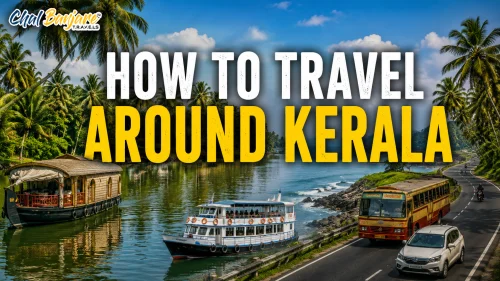
How to Travel Around Kerala
Travelling around Kerala is convenient with trains, buses, taxis, rental vehicles, and local transport options connecting beaches, backwaters, hill stations, wildlife areas, and cultural destinations.
+91 9910402252
admin@chalbanjare.com


Kerala villages offer authentic cultural experiences through local festivals, traditional food, farming life, backwater communities, and peaceful countryside traditions.
Alleppey’s village canals offer one of Kerala’s most authentic cultural experiences, where narrow waterways pass through coconut groves, paddy fields, small bridges, and canal-side homes. Local boating culture is deeply connected with daily life here, as many villages still depend on boats and ferries for movement across the backwaters.
Travellers can experience this atmosphere through canoe rides, shikara cruises, village walks, and slow canal routes that reveal a quieter side of Alleppey beyond luxury houseboats.
Alleppey village canals are perfect for travellers who want to understand Kerala’s backwater lifestyle through local boating and peaceful countryside scenery.
Kumarakom offers peaceful village stays around Vembanad Lake, where homestays, waterfront cottages, bird-rich wetlands, and countryside roads create a calm backwater atmosphere. Compared to busy houseboat routes, Kumarakom feels slower and more suitable for relaxed cultural travel.
Staying in a homestay allows travellers to experience local food, village conversations, lake views, farming routines, and quiet backwater mornings more closely.
Kumarakom is ideal for travellers seeking calm village stays, local food, and peaceful backwater culture in Kerala.
Fishing activity is an important part of Kerala’s backwater culture, especially around Alleppey, Kumarakom, Kottayam, and smaller canal-side villages. Early mornings often show fishermen preparing nets, small boats moving through canals, and local markets beginning their daily routine.
These experiences feel natural and meaningful because they show how backwater communities live with the rhythm of water, farming, fishing, and village trade.
Traditional backwater lifestyles give travellers a deeper understanding of Kerala’s village culture and water-based communities.
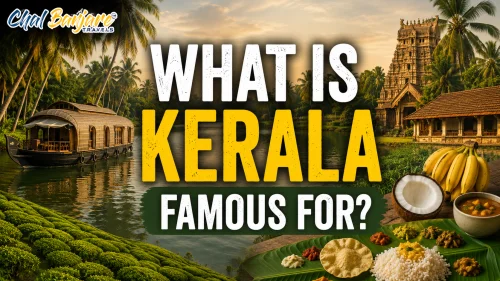
Kerala sadya is one of the most meaningful traditional food experiences in village and cultural travel, served on banana leaves with rice, curries, pickles, vegetables, payasam, and regional side dishes. It is commonly associated with festivals, family gatherings, temple events, and special occasions.
In village homestays and local eateries, sadya often feels more authentic because the dishes are prepared in a traditional style using local ingredients and coconut-based flavours.
Kerala sadya is perfect for travellers who want a traditional and culturally rich village food experience.
Kerala countryside cuisine includes seafood curries, fried fish, appam, tapioca, coconut-based gravies, spicy village dishes, and traditional toddy shop food in some regions. These meals are closely connected with fishing villages, backwaters, and rural food culture.
Travellers should choose clean and trusted local places, especially when trying toddy shop meals or seafood, because quality and hygiene can vary between locations.
Kerala countryside food is ideal for travellers who enjoy bold local flavours and authentic village dining experiences.
Local tea shops, village bakeries, and homemade food spots are simple but important parts of Kerala’s rural travel experience. They offer tea, banana fritters, pazham pori, bakery snacks, local sweets, appam, puttu, and everyday village food in a relaxed setting.
These small stops are especially enjoyable during road trips through backwater villages, hill stations, plantations, and coastal countryside areas.
Kerala tea shops and village food spots are best for travellers seeking simple, authentic, and relaxed local food experiences.
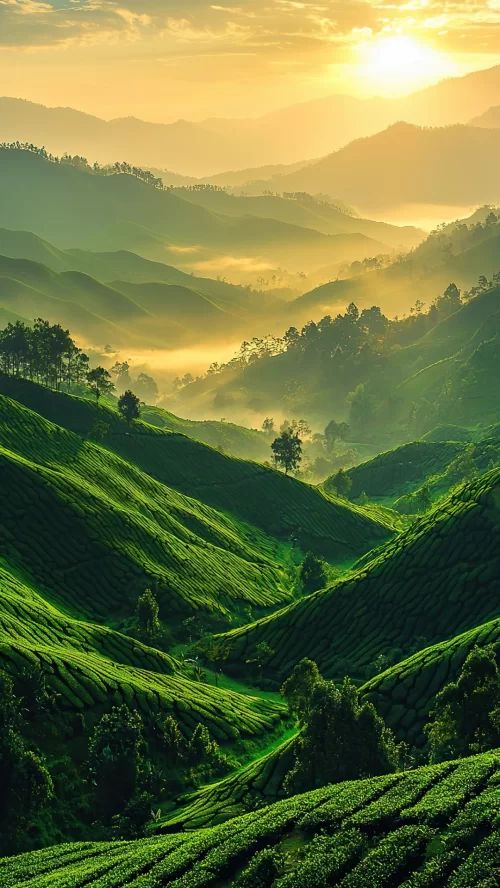
Munnar’s tea plantations offer beautiful farming and countryside experiences through rolling green estates, cool mountain weather, local tea workers, tea museums, and scenic plantation roads. These landscapes are among Kerala’s most iconic rural mountain visuals.
Travellers can explore tea estate walks, learn basic tea processing, visit local markets, and experience nearby farming villages such as Vattavada and Marayoor for a deeper view of mountain life.
Munnar’s tea plantations are perfect for travellers seeking scenic farming culture and peaceful hill countryside experiences.
Thekkady is one of Kerala’s best regions for spice plantation tours, especially cardamom, pepper, cinnamon, cloves, nutmeg, and coffee farms. These plantations are set among cool hills, forest edges, and peaceful countryside routes.
Guided plantation walks help travellers understand how Kerala’s spice economy connects with local farming, traditional medicine, cuisine, and trade history.
Thekkady spice plantations are ideal for travellers who want farming experiences, local learning, and peaceful countryside scenery.
Kottayam is strongly connected with rubber plantation landscapes, quiet village roads, countryside homestays, small churches, canal-side settlements, and local agricultural routines. The region offers a peaceful rural atmosphere away from mainstream tourist crowds.
Travellers can explore shaded rubber estate roads, village tea shops, homestays, and nearby backwater routes to understand how plantation life shapes central Kerala’s countryside.
Kottayam’s rubber plantation villages are best for travellers who enjoy peaceful rural scenery and authentic Kerala countryside experiences.
Theyyam is one of Kerala’s most powerful cultural experiences, especially in Kannur and North Kerala villages where ritual performances combine dance, spirituality, costume art, music, and local beliefs. These performances usually happen inside village temples and sacred groves during festival seasons.
The atmosphere becomes highly immersive because the performances are deeply connected with local communities and centuries-old Malabar traditions rather than staged tourist events.
Theyyam performances are perfect for travellers seeking authentic village culture and traditional ritual experiences in Kerala.
Village festivals across Kerala often include decorated temples, elephant processions, traditional percussion music, cultural gatherings, fireworks, and local food stalls that create vibrant community celebrations.
These festivals feel deeply rooted in local life and are often more culturally immersive in smaller villages than in larger cities.
Kerala village festivals are ideal for travellers who want immersive cultural celebrations and traditional community experiences.
Kerala villages preserve many traditional art forms including Kathakali, Kalaripayattu, folk dances, percussion performances, temple music, and local storytelling traditions that continue during festivals and cultural gatherings.
Watching these performances helps travellers understand Kerala’s artistic heritage beyond sightseeing attractions.
Traditional music and folk performances are best for travellers seeking deeper cultural understanding during Kerala village travel.
Alleppey’s village regions are well known for coir making, where coconut husk fibres are transformed into ropes, mats, carpets, and traditional handmade products. Small workshops and village homes still continue this craft using traditional techniques.
These experiences help travellers understand how Kerala’s backwater economy and village industries are closely connected with coconut farming and local craftsmanship.
Coir villages in Alleppey are perfect for travellers seeking traditional craftsmanship and local cultural experiences.
Several Kerala villages continue traditional weaving, bamboo craft, pottery, cane work, and handmade product creation that reflect older rural lifestyles and artisan communities.
These small-scale craft activities often feel more meaningful because travellers can directly observe local artisans working inside village environments.
Traditional craft villages are ideal for travellers seeking authentic artisan culture and handmade Kerala products.
Village markets across Kerala offer spices, handmade baskets, coir products, local snacks, traditional clothing, pottery, and small agricultural products that reflect everyday countryside life.
Compared to tourist shopping streets, village markets often feel slower, more personal, and closely connected with local communities.
Kerala village markets are best for travellers seeking authentic shopping experiences and local cultural interaction.
Kerala villages are filled with ancient temples, old churches, mosque towns, and peaceful shrines surrounded by coconut groves, ponds, and traditional village landscapes. These spiritual spaces often feel calm, culturally rich, and deeply connected with local life.
Unlike crowded city attractions, village spiritual sites usually provide quieter and more reflective travel experiences.
Kerala’s village spiritual sites are perfect for travellers seeking peaceful heritage and cultural experiences.
Kalpathy in Palakkad is one of Kerala’s most famous heritage villages, known for old Brahmin settlements, traditional homes, temple streets, cultural festivals, and preserved South Indian architectural style.
The narrow streets, tiled houses, temple surroundings, and slow atmosphere make Kalpathy feel culturally distinct from Kerala’s backwater and coastal regions.
Kalpathy heritage village is ideal for travellers seeking traditional architecture and cultural heritage experiences in Kerala.
Village travel in Kerala allows visitors to observe local customs, agricultural routines, religious rituals, dress styles, family traditions, and community gatherings that shape everyday rural life across different regions of the state.
These experiences become more meaningful when travellers spend time slowly in homestays and village communities instead of following rushed itineraries.
Learning village customs and traditions helps travellers experience Kerala beyond standard sightseeing tourism.
Kerala’s countryside landscapes are filled with paddy fields, coconut groves, narrow village roads, canals, and peaceful farming regions that create some of the state’s most relaxing cultural travel experiences. These areas feel calm, green, and deeply connected with rural lifestyles.
Walking through villages slowly allows travellers to observe farming routines, local homes, small shrines, and traditional countryside life beyond commercial tourist destinations.
Kerala’s countryside roads and farming villages are perfect for travellers seeking peaceful cultural and nature experiences.
Fishing villages along Kerala’s coastline reveal a different side of local culture through colourful boats, seafood markets, net repair activities, coconut-lined beaches, and coastal village life connected with the Arabian Sea.
Destinations near Varkala, Kannur, Alleppey, and Kasaragod offer especially rewarding coastal village experiences for slow travellers and photographers.
Kerala’s fishing villages are ideal for travellers seeking authentic coastal culture and peaceful local experiences.
During monsoon season, Kerala villages become extremely scenic with rain-soaked paddy fields, flowing canals, mist-covered hills, fresh greenery, and peaceful countryside atmosphere across rural regions.
Although rain may affect transport and outdoor movement, monsoon village life offers highly rewarding slow travel and photography experiences.
Monsoon village experiences in Kerala are best for travellers seeking peaceful rural scenery and authentic countryside atmosphere.
Kerala villages provide rich opportunities for cultural photography through farming routines, fishing activities, tea workers, temple rituals, village markets, traditional homes, and local festivals that reflect everyday rural life.
Unlike staged tourist environments, village photography often feels more natural and emotionally connected with local culture.
Kerala villages are perfect for travellers seeking authentic cultural photography and rural storytelling experiences.
Backwaters, paddy fields, coconut groves, lakes, and canals create beautiful sunrise photography conditions across Kerala’s countryside regions, especially around Alleppey, Kumarakom, Kottayam, and Kollam.
Early mornings usually provide calm water reflections, misty landscapes, and peaceful village movement ideal for scenic photography.
Sunrise photography in Kerala villages is ideal for travellers seeking peaceful countryside and backwater landscapes.
Temple festivals, Theyyam performances, traditional dances, elephant processions, and village celebrations create some of Kerala’s most vibrant cultural photography opportunities through colour, costume art, music, and ritual atmosphere.
Festival seasons are especially rewarding for photographers interested in heritage and cultural storytelling.
Kerala’s festivals are best for travellers seeking vibrant cultural photography and immersive heritage experiences.
Kerala villages are generally welcoming and peaceful, but travellers should remain respectful toward local customs, temple traditions, religious spaces, and photography sensitivity during cultural travel experiences.
Simple clothing, polite behaviour, and asking permission before photographing people help create more meaningful and respectful interaction with local communities.
Respecting local traditions helps travellers enjoy more authentic and positive cultural experiences in Kerala villages.
Most Kerala villages remain humid and tropical throughout the year, so travellers should carry light cotton clothes, sandals, rainwear during monsoon months, sunscreen, and mosquito protection for comfortable countryside travel.
Rural areas may also have fewer transport and shopping options compared to large tourist towns.
Practical packing helps travellers enjoy Kerala village travel more comfortably and smoothly.
Kerala offers many types of rural stays including homestays, plantation cottages, eco resorts, lakeside retreats, and village guesthouses. Homestays usually provide the strongest cultural interaction, while eco resorts focus more on nature and comfort.
Travellers should choose based on their interest in local interaction, relaxation, accessibility, and countryside immersion.
Choosing the right stay style helps travellers experience Kerala villages according to their travel preferences.
First-time travellers exploring Kerala’s village culture should combine backwaters, plantation regions, heritage villages, local food experiences, and traditional art forms for a balanced cultural itinerary across different parts of the state.
Slow travel pacing helps visitors enjoy Kerala’s countryside atmosphere, local interaction, and village traditions more meaningfully instead of rushing through too many destinations.
| Trip Duration | Recommended Cultural Route | Best For |
|---|---|---|
| 3–4 Days | Alleppey + Kumarakom + Kottayam villages | Backwater and countryside culture |
| 5–6 Days | Munnar + Thekkady + Palakkad heritage villages | Plantation and village experiences |
| 7+ Days | Backwaters + Kannur Theyyam + heritage and coastal villages | Deep cultural and rural Kerala exploration |
Balanced route planning helps travellers experience Kerala’s village culture in a more peaceful and authentic way.
Kerala offers different types of village experiences depending on the traveller’s interests. Backwater villages focus on canals and fishing culture, plantation regions highlight farming landscapes, while heritage villages showcase architecture, rituals, and traditional community life.
Many travellers combine multiple experiences to understand Kerala’s cultural diversity more deeply.
| Experience Type | Best Destinations | Ideal For |
|---|---|---|
| Backwater Villages | Alleppey, Kumarakom, Kollam | Slow travel and local boating culture |
| Plantation Countryside | Munnar, Thekkady, Kottayam | Nature and farming experiences |
| Heritage Villages | Kalpathy, Kannur villages | Culture, rituals, and traditional architecture |
Choosing the right cultural route helps travellers experience Kerala according to their preferred travel style and interests.
Before planning a Kerala cultural trip, travellers should focus on realistic pacing, respectful behaviour, seasonal weather conditions, and choosing stays that encourage local interaction instead of only commercial sightseeing.
Kerala’s village culture becomes most rewarding when travellers spend time slowly in backwaters, plantations, heritage villages, and countryside communities.
With balanced planning and respectful slow travel, Kerala becomes one of India’s most rewarding destinations for village culture, countryside experiences, local traditions, and authentic rural exploration.
Get customized Kerala tour planning designed around monsoon seasons, backwater cruising routes, hill travel timing, and comfortable coastal stays. Whether you are visiting for houseboat experiences, beach relaxation, wildlife reserves, cultural heritage,
⚡ Quick Response | 💰 Free consultation | 🕒 24×7 expert support