Why monsoon transforms the Western Ghats road experience
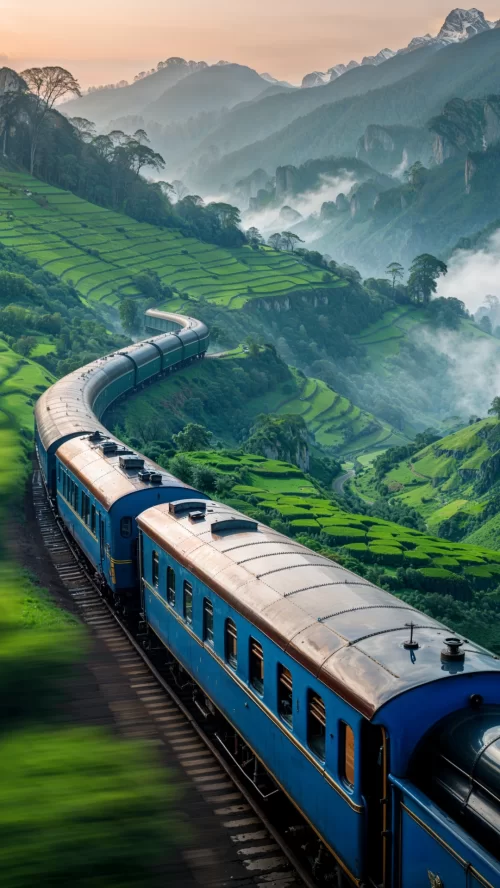
The Western Ghats become dramatically scenic during monsoon, with dense greenery, flowing streams, and active waterfalls. However, this transformation also brings frequent rain, mist, and reduced road visibility across hilly routes.
While visually stunning, the driving experience becomes more challenging compared to other seasons.
Understanding this contrast helps in planning a safer journey.
- Lush green landscapes.
- Frequent rainfall.
- Misty hill views.
- Active waterfalls.
- Reduced visibility.
- Scenic transformation.
- Challenging drives.
Monsoon makes the Western Ghats both beautiful and demanding for road travel.
Understanding weather challenges during long mountain drives
Long drives through the Western Ghats during monsoon often involve unpredictable weather, including heavy rain, fog, and sudden changes in visibility. These conditions can slow down travel and increase driving difficulty.
Steep slopes and winding roads require extra caution.
Preparation and awareness are essential for safety.
- Heavy rainfall.
- Sudden fog.
- Reduced visibility.
- Winding roads.
- Steep slopes.
- Slower travel.
- Safety focus.
Weather conditions significantly impact mountain driving in monsoon.
Setting realistic expectations before planning the journey
Travelers should expect slower travel times, occasional delays, and changing road conditions while driving through the Western Ghats in monsoon. Flexibility is important for a smooth experience.
Not all routes will remain equally accessible throughout the season.
A realistic mindset improves travel satisfaction.
- Travel delays.
- Slow movement.
- Route changes.
- Weather impact.
- Flexible planning.
- Access variation.
- Realistic expectations.
Proper expectations ensure better monsoon travel planning.