Explore how geography and traditions influence Karnataka cuisine
Karnataka’s food culture has developed through a close relationship with its geography, agricultural traditions, climate, religious practices, and local lifestyles. The state includes fertile plains, dry northern districts, forested hill regions, coffee-growing areas, major cities, and a long Arabian Sea coastline. Each landscape produces different grains, vegetables, spices, fruits, seafood, and cooking techniques, creating a cuisine that changes noticeably as travellers move between destinations.
Rice forms an important part of meals in southern and coastal Karnataka, while jowar and ragi are commonly used in areas where millet-based farming has remained part of everyday life. Coconut appears frequently in coastal and Udupi preparations, whereas peanuts, sesame, lentils, chillies, and dry spice combinations are prominent in northern Karnataka. Forested regions such as Kodagu have developed distinctive dishes using local meat, rice, bamboo shoots, seasonal greens, and regional spice blends.
Tradition also influences how food is prepared and served. Temple kitchens have contributed to the development of vegetarian cuisine, while farming communities created nutritious meals suited to physically demanding work. Royal kitchens in Mysuru introduced refined sweets and elaborate dishes, and coastal communities developed methods such as roasting, grinding, steaming, fermenting, and cooking with fresh coconut. Festivals, weddings, religious ceremonies, and seasonal harvests continue to preserve many of these food traditions.
- Rice is widely used in southern Karnataka meals
- Jowar is important in northern Karnataka cuisine
- Ragi remains common in rural and traditional diets
- Coconut shapes many coastal food preparations
- Millets reflect the state’s agricultural heritage
- Temple traditions influence vegetarian cooking
- Seafood is central to coastal communities
- Local spices vary between different regions
- Seasonal ingredients remain important in traditional meals
- Festivals preserve historic cooking practices
Karnataka cuisine cannot be understood through a single dish or cooking style. Its food reflects the landscapes, crops, communities, and traditions of each region, giving travellers an opportunity to experience a wide range of flavours during one journey through the state.
Understand differences between coastal north and south Karnataka food styles
Coastal Karnataka cuisine is strongly influenced by the Arabian Sea, coconut-growing regions, local fishing communities, and humid weather. Meals often include rice, coconut, tamarind, curry leaves, chillies, and freshly prepared masalas. Fish curry, prawn dishes, neer dosa, kori rotti, ghee roast preparations, vegetable stews, and coconut-based accompaniments are commonly associated with destinations around Mangaluru, Udupi, Kundapura, Karwar, and nearby coastal towns.
North Karnataka food is generally more rustic, grain-based, and robust in flavour. Jolada rotti made from jowar is often served with vegetable curries, pulses, chutneys, yoghurt, and spicy accompaniments. Enne gai, shenga chutney, various lentil preparations, and dry vegetable dishes reflect the farming traditions and drier climate of the region. Meals may feel more intensely spiced than many southern Karnataka preparations, although spice levels vary between households and restaurants.
South Karnataka cuisine includes rice-based meals, ragi dishes, dosas, idlis, vegetable preparations, sambar, rasam, chutneys, and sweet dishes. Bengaluru, Mysuru, Mandya, Hassan, and surrounding districts offer a mixture of traditional vegetarian meals, breakfast dishes, millet preparations, and modern interpretations. The cuisine often balances spicy, sour, mildly sweet, and savoury flavours within the same meal, especially in traditional festive or ceremonial dining.
| Karnataka Region |
Common Ingredients And Food Characteristics |
| Coastal Karnataka |
Rice Coconut Seafood Tamarind And Freshly Ground Spices |
| Udupi Region |
Vegetarian Dishes Coconut Lentils Vegetables And Temple Influences |
| North Karnataka |
Jowar Rotis Pulses Peanuts Dry Chutneys And Robust Curries |
| South Karnataka |
Rice Ragi Dosas Sambar Rasam And Balanced Flavours |
| Kodagu Region |
Rice Meat Seasonal Produce And Distinctive Local Spices |
| Urban Karnataka |
Traditional Meals Regional Restaurants Cafes And Modern Cuisine |
Understanding these regional differences helps travellers move beyond the general idea of South Indian food. A meal in Mangaluru can be very different from one served in Hubballi, Mysuru, Bengaluru, or Madikeri, making regional dining an important part of Karnataka exploration.
Discover why food is an important part of Karnataka travel experiences
Food allows travellers to understand Karnataka beyond monuments, landscapes, and sightseeing attractions. Traditional meals reveal how local communities use regional crops, preserve seasonal ingredients, celebrate festivals, and adapt cooking methods to their surroundings. Eating local food can therefore provide cultural insight that may not be available through ordinary sightseeing alone.
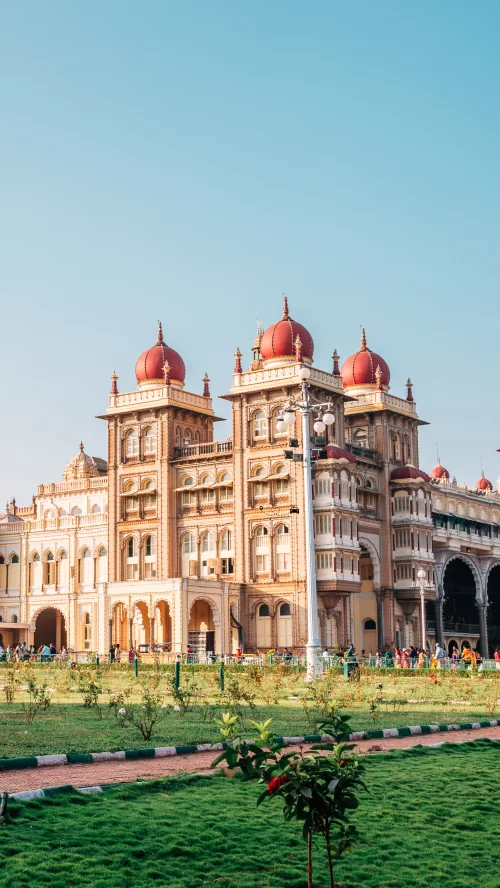
Many memorable food experiences are connected directly with destinations. Visitors may enjoy a traditional breakfast before exploring Mysuru Palace, drink freshly brewed coffee near a plantation in Chikmagalur, taste seafood after visiting coastal beaches, or eat a North Karnataka meal while travelling through heritage towns. These combinations of place and flavour create stronger travel memories than choosing familiar restaurant food throughout the journey.
Local dining also supports small eateries, family-run restaurants, market vendors, traditional cooks, plantation cafés, and regional food producers. Travellers who explore authentic cuisine can discover dishes that are rarely available outside their place of origin. Food becomes especially meaningful when visitors ask about ingredients, understand serving customs, and try regional combinations instead of ordering dishes separately without context.
- Food connects travellers with regional traditions
- Local meals reflect agricultural practices
- Traditional dishes add meaning to sightseeing journeys
- Regional dining supports local food businesses
- Market visits reveal everyday eating habits
- Festive dishes explain cultural celebrations
- Plantation visits introduce local beverages and produce
- Coastal meals strengthen beach travel experiences
- Heritage cities preserve historic food traditions
- Trying local combinations creates authentic experiences
Including food exploration in a Karnataka itinerary helps travellers experience the state through taste, tradition, and everyday community life. Regional dishes, local eateries, markets, and beverages can become some of the most memorable parts of the entire journey.