
How Tea is Made in Assam – A Tourist's Guide
Understanding how tea is made in Assam allows travellers to explore plantations, learn traditional processing methods, and experience the journey from fresh tea leaves to the final product.
+91 9910402252
admin@chalbanjare.com


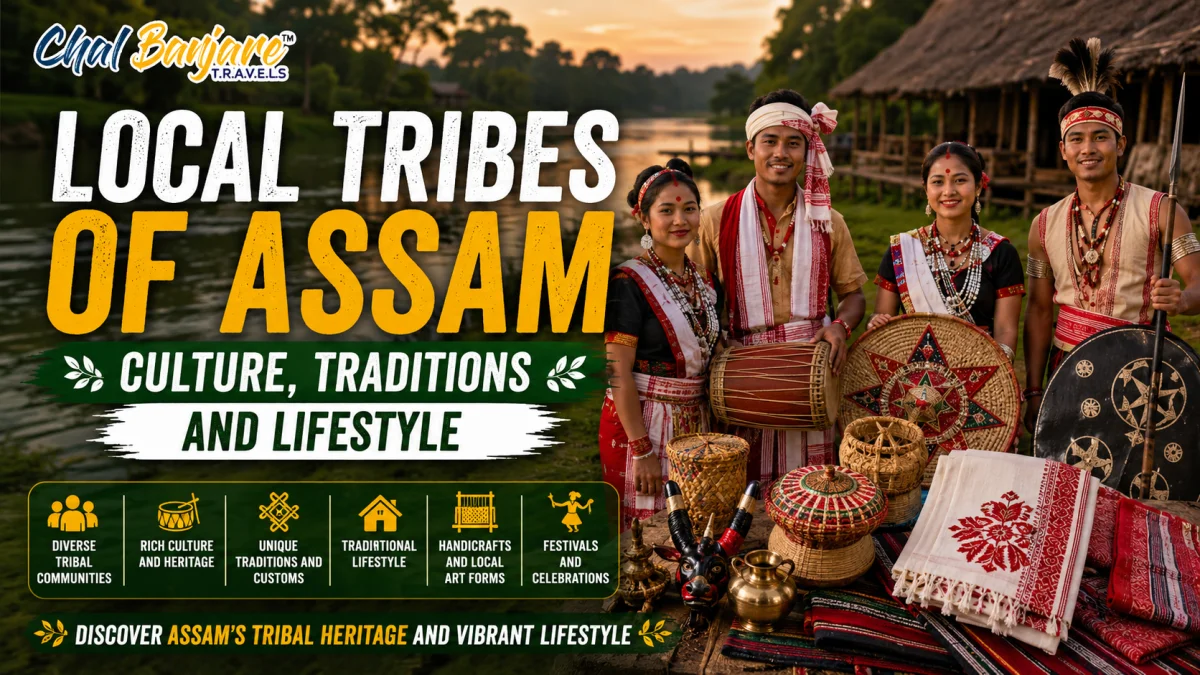
Assam’s tribal communities represent the state’s rich cultural diversity through traditional lifestyles, festivals, languages, handicrafts, food habits, and unique social practices.
Assam is home to one of India's richest collections of indigenous tribal communities, each contributing its own customs, language, festivals, traditional attire, architecture, music, and way of life. These communities have lived across the Brahmaputra Valley, hill regions, forests, and river islands for centuries, preserving unique cultural identities while adapting to changing times. Their traditions form an important part of Assam's multicultural society and offer visitors an opportunity to understand a lifestyle closely connected with nature and community values.
The state is inhabited by numerous recognised tribal groups including the Bodo, Mising, Karbi, Rabha, Tiwa, Deori, Sonowal Kachari, Dimasa, Moran, Motok, and several other indigenous communities. Every tribe possesses its own language or dialect, distinctive festivals, weaving traditions, folk music, dance forms, agricultural practices, and spiritual beliefs. Despite these differences, all communities share a deep respect for nature, family, village cooperation, and cultural continuity.
Travellers interested in cultural tourism often visit villages, heritage centres, festivals, and rural communities to experience authentic tribal life. Responsible tourism provides valuable opportunities to appreciate local traditions while encouraging the preservation of these remarkable cultural identities for future generations.
The diversity of Assam's tribal communities makes the state one of India's most culturally fascinating destinations. Every community contributes unique traditions that continue enriching the region's history, heritage, and social identity.
Although Assam's tribal communities share common values such as respect for nature and strong community relationships, each tribe has developed distinctive customs shaped by geography, history, and local resources. Riverine communities such as the Mising have traditionally adapted to seasonal flooding through elevated stilt houses, while hill tribes like the Karbi have developed lifestyles suited to mountainous landscapes. Agricultural techniques, clothing styles, food habits, music, and ceremonial practices also vary significantly between communities.
Traditional weaving is highly developed among several tribes, with unique patterns and colours identifying different cultural groups. Festivals are celebrated according to agricultural cycles, seasonal changes, and religious beliefs, creating colourful events filled with folk music, dances, community feasts, and traditional rituals. Even village architecture reflects local environments, using bamboo, cane, wood, and natural materials suited to regional climatic conditions.
Understanding these regional differences allows visitors to appreciate the remarkable diversity that exists within Assam itself rather than viewing all tribal communities as culturally identical.
| Cultural Element | Variation Among Tribes |
|---|---|
| Housing | Stilt houses, bamboo homes, and hill settlements. |
| Festivals | Agricultural, seasonal, and community celebrations. |
| Traditional Dress | Distinct weaving styles and regional designs. |
| Occupation | Agriculture, fishing, weaving, and forest livelihoods. |
| Music and Dance | Unique folk performances for every community. |
Every tribal community contributes its own distinctive traditions to Assam's cultural landscape. Exploring these differences offers travellers a deeper understanding of the state's extraordinary diversity and living heritage.
Tribal heritage plays an essential role in shaping Assam's cultural identity. Traditional festivals, weaving techniques, folk music, dance performances, cuisine, architecture, oral storytelling, and agricultural knowledge continue influencing the wider society while preserving the individuality of each indigenous community. These traditions remain visible throughout Assam during cultural festivals, village celebrations, handicraft exhibitions, and community gatherings where visitors experience authentic expressions of local heritage.
Many tribal communities continue preserving ancestral customs despite rapid modernisation. Younger generations actively participate in cultural festivals, traditional dances, handloom weaving, and community ceremonies, ensuring valuable knowledge continues to be transmitted across generations. Government initiatives, cultural organisations, and responsible tourism also contribute towards documenting and protecting these unique traditions while promoting sustainable rural development.
For visitors, learning about Assam's tribal heritage provides a richer travel experience beyond sightseeing. Understanding the stories, values, and traditions of indigenous communities creates meaningful cultural connections while encouraging respectful and responsible tourism throughout the state.
Assam's tribal heritage continues shaping the state's cultural character through vibrant traditions, artistic excellence, and strong community values. Respectful cultural exploration allows visitors to appreciate one of Northeast India's most valuable living legacies.
The Bodo community is one of the largest and most influential indigenous tribes of Assam, with a rich cultural heritage that has evolved over centuries. Primarily settled across western and northern Assam, the Bodos have traditionally depended on agriculture while maintaining strong community relationships and preserving their unique language, customs, music, and artistic traditions. Their villages are known for their organised layouts, welcoming atmosphere, and close connection with nature.
Traditional Bodo houses are generally constructed using bamboo, wood, and locally available materials suited to the regional climate. Daily life revolves around farming, weaving, livestock care, and community cooperation. Women play a significant role in handloom weaving, producing colourful traditional garments featuring distinctive patterns that reflect Bodo cultural identity. Family traditions, respect for elders, and collective participation remain central to village life.
Visitors exploring Bodo villages gain valuable insights into authentic rural life through interactions with local families, observation of traditional occupations, and participation in cultural programmes organised during festivals and community events.
The Bodo community preserves a vibrant cultural heritage that continues enriching Assam's identity. Their traditions, craftsmanship, and village life offer travellers an authentic introduction to the state's indigenous culture.
Bwisagu is the most celebrated festival of the Bodo community and marks the arrival of spring as well as the beginning of the agricultural season. The festival is filled with colourful traditional attire, joyful community gatherings, folk songs, energetic dances, musical performances, and rituals expressing gratitude for prosperity and nature's blessings. Families visit relatives, prepare traditional food, and participate in village celebrations that strengthen social bonds.
Music and dance occupy a central place in Bodo cultural life throughout the year. Traditional musical instruments accompany graceful folk dances performed during festivals, marriages, harvest celebrations, and community events. Songs often celebrate nature, agriculture, love, seasonal change, and everyday village life while preserving oral traditions that have been passed through generations.
Travellers attending cultural festivals experience not only performances but also the welcoming spirit of Bodo society, where celebrations encourage collective participation and strengthen community identity.
Bodo festivals showcase the community's deep respect for nature, agriculture, and social harmony. These celebrations provide visitors with memorable opportunities to experience Assam's living tribal heritage.
Agriculture has traditionally formed the foundation of Bodo society, with farming activities closely linked to seasonal festivals and daily village life. Rice cultivation, vegetable farming, and livestock rearing continue supporting many rural households, while agricultural knowledge is passed through generations using sustainable traditional practices. Seasonal work encourages cooperation among families, reinforcing the community's collective spirit.
Handloom weaving remains another important cultural tradition, particularly among Bodo women who create colourful garments, shawls, scarves, and household textiles using traditional techniques. These handwoven products display distinctive motifs and colours that symbolise cultural identity while contributing to household livelihoods. Community cooperation extends beyond agriculture and weaving into social ceremonies, festivals, village development, and mutual support during important family occasions.
Understanding these interconnected traditions allows visitors to appreciate how agriculture, craftsmanship, and strong community relationships continue preserving the cultural identity of the Bodo people even in the modern era.
| Traditional Practice | Cultural Importance |
|---|---|
| Agriculture | Foundation of rural livelihood and festivals. |
| Handloom Weaving | Preserves traditional clothing and craftsmanship. |
| Community Cooperation | Strengthens village unity and shared responsibilities. |
| Traditional Festivals | Celebrate seasons, harvests, and cultural identity. |
| Family Traditions | Pass knowledge and customs across generations. |
The Bodo community continues preserving its traditions through agriculture, weaving, festivals, and strong village relationships. These enduring practices remain essential to both cultural identity and everyday life across many parts of Assam.
The Mising community is one of Assam's largest indigenous tribes and is primarily found along the banks of the Brahmaputra River and its tributaries. Their lifestyle has evolved around riverine landscapes, seasonal flooding, fertile agricultural land, and close interaction with nature. For centuries, the Misings have maintained a distinct cultural identity through their language, traditional clothing, architecture, music, festivals, and community-based way of life while adapting to the dynamic river environment.
One of the most distinctive features of Mising villages is the traditional stilt house, locally designed to withstand seasonal floods. These elevated bamboo and wooden homes provide protection during the monsoon while allowing ventilation throughout the year. Village life revolves around farming, fishing, weaving, livestock rearing, and strong family relationships. Women are highly skilled in handloom weaving, producing colourful garments and textiles that reflect the artistic traditions of the community.
Visitors exploring Mising villages experience a peaceful rural atmosphere where traditional occupations continue alongside modern influences. Community hospitality, locally prepared food, traditional performances, and beautiful riverside surroundings make these villages rewarding destinations for travellers interested in Assam's indigenous heritage.
The Mising community beautifully demonstrates how culture and nature coexist along the Brahmaputra River. Their traditional lifestyle continues preserving centuries of indigenous knowledge while adapting to changing environmental conditions.
Ali Ai Ligang is the most important festival celebrated by the Mising community and marks the beginning of the agricultural season. Observed with great enthusiasm, the festival reflects gratitude towards nature and hopes for a successful harvest. Villagers gather to perform traditional rituals, prepare local delicacies, sing folk songs, and participate in energetic community dances that strengthen social bonds across generations.
Traditional music and dance remain central to the celebrations, with colourful attire adding vibrancy to the festivities. Families prepare regional dishes using locally grown rice, vegetables, fish, and traditional ingredients, while guests are welcomed with generous hospitality. Community participation plays a vital role, ensuring that every generation continues learning cultural traditions, songs, and ceremonial practices associated with the festival.
Travellers fortunate enough to witness Ali Ai Ligang gain valuable insight into the agricultural heritage and joyful community spirit that define Mising cultural identity. Respectful participation allows visitors to appreciate authentic tribal traditions while supporting cultural preservation.
Ali Ai Ligang showcases the Mising community's deep connection with agriculture, nature, and collective celebration. It remains one of Assam's most vibrant tribal festivals and an unforgettable cultural experience for visitors.
The Mising way of life is closely connected with agriculture, rivers, forests, and seasonal cycles. Fertile floodplains support the cultivation of rice, vegetables, mustard, and other crops that provide the foundation of village livelihoods. Fishing also remains an important traditional occupation, with rivers supplying food and supporting everyday life for many families living along the Brahmaputra.
Nature influences almost every aspect of Mising culture, from housing and clothing to festivals and food. Bamboo, wood, cane, and other locally available materials are widely used in house construction, handicrafts, tools, and household items. Sustainable use of natural resources has traditionally helped communities coexist with seasonal floods while maintaining agricultural productivity and ecological balance.
Travellers exploring Mising villages quickly recognise the strong respect for nature that shapes daily routines, cultural celebrations, and community values. This close relationship with the environment continues defining the identity of the Mising people while preserving valuable indigenous knowledge for future generations.
| Traditional Activity | Connection with Nature |
|---|---|
| Rice Cultivation | Depends on fertile river plains and seasonal rainfall. |
| Fishing | Supports food and local livelihoods. |
| Stilt House Construction | Protects homes from seasonal flooding. |
| Handloom Weaving | Uses locally available natural materials. |
| Seasonal Festivals | Celebrate agriculture and natural cycles. |
The Mising community's close relationship with agriculture and nature remains one of the defining characteristics of its cultural heritage. Their sustainable traditions continue inspiring visitors while preserving Assam's rich indigenous identity.
The Karbi community is one of Assam's prominent indigenous tribes, primarily inhabiting the scenic hill regions of Karbi Anglong and surrounding areas. Their traditions have developed in harmony with the surrounding forests, hills, and agricultural landscapes, creating a unique cultural identity that continues to thrive despite changing times. The Karbi people are known for their warm hospitality, vibrant festivals, traditional attire, rich folklore, and close-knit village communities.
Traditional Karbi villages are characterised by simple yet functional homes built using bamboo, timber, and locally available materials suited to the hilly terrain. Agriculture has long formed the backbone of village life, while weaving, bamboo craftsmanship, livestock care, and forest-based livelihoods continue supporting many households. Strong family values and collective decision-making remain important features of Karbi society, reinforcing cooperation within the community.
Visitors exploring Karbi villages gain opportunities to observe authentic rural traditions, appreciate local architecture, and understand how indigenous communities have successfully adapted to the natural environment while preserving their cultural heritage.
The Karbi community preserves a distinctive hill culture deeply rooted in nature, agriculture, and community cooperation. Their traditions continue enriching Assam's remarkable cultural diversity.
Karbi festivals celebrate agriculture, seasonal change, community unity, and ancestral traditions. During these occasions, villages come alive with colourful attire, folk music, traditional dances, ceremonial gatherings, and community feasts that strengthen social relationships. Festivals also provide opportunities for younger generations to learn cultural customs while preserving the community's oral traditions and artistic expressions.
Handicrafts occupy an important place in Karbi culture, particularly bamboo weaving, basket making, traditional textiles, household items, and decorative products created using locally available natural materials. Women continue weaving colourful garments featuring distinctive designs, while skilled craftsmen produce practical items used in everyday village life. Traditional customs relating to family celebrations, agriculture, and hospitality remain central to Karbi society.
Travellers attending festivals or visiting artisan villages gain valuable insight into the creativity and cultural richness that continue defining the Karbi community across Assam's hill regions.
Karbi festivals and handicrafts preserve generations of cultural knowledge while showcasing the artistic creativity of one of Assam's most significant indigenous communities.
Visiting Karbi villages offers one of the most authentic ways to experience the community's living traditions. Rural settlements provide opportunities to observe farming activities, traditional house construction, weaving practices, and everyday village routines while interacting respectfully with local families. Many villages welcome responsible visitors interested in learning about indigenous lifestyles through cultural exchanges and community-based tourism initiatives.
Travellers can witness how traditional values continue shaping daily life despite increasing modern influences. Community cooperation remains evident during agricultural work, festivals, family ceremonies, and village gatherings, while local cuisine introduces visitors to regional ingredients and cooking techniques passed through generations. Respectful interaction, appropriate behaviour, and appreciation for local customs create meaningful experiences for both visitors and host communities.
Responsible tourism encourages the preservation of Karbi traditions while providing economic opportunities that support local communities without compromising their cultural identity. Visitors leave with a deeper appreciation of Assam's indigenous heritage and the importance of protecting its remarkable cultural diversity.
Experiencing Karbi culture through village visits allows travellers to develop genuine connections with Assam's indigenous heritage while supporting responsible tourism that benefits local communities and preserves traditional ways of life.
The Rabha community is one of Assam's prominent indigenous tribes, residing mainly in the western and southern regions of the state, particularly around forested landscapes, river valleys, and fertile agricultural areas. Over generations, the Rabhas have developed a distinctive cultural identity shaped by their close relationship with nature, agriculture, village life, and community cooperation. Their customs, language, traditional attire, folk beliefs, and artistic expressions continue contributing significantly to Assam's rich cultural diversity.
Traditional Rabha villages are characterised by bamboo houses, neatly organised settlements, and strong family-oriented lifestyles. Community members actively participate in farming, weaving, fishing, bamboo craftsmanship, and livestock care while preserving customs that strengthen social harmony. Traditional clothing, colourful woven fabrics, and handmade household products remain important symbols of cultural identity and continue to be used during ceremonies and celebrations.
Visitors exploring Rabha villages experience authentic rural life through interactions with local residents, observation of traditional occupations, and participation in cultural programmes organised during festivals. Respectful engagement allows travellers to better understand the values, hospitality, and heritage that continue defining the Rabha community.
The Rabha community preserves a vibrant cultural identity rooted in cooperation, agriculture, and traditional knowledge. Their customs continue enriching Assam's diverse cultural landscape while offering meaningful experiences for responsible travellers.
Festivals play a central role in Rabha cultural life and are closely connected with agriculture, seasonal cycles, and community relationships. These celebrations provide opportunities for families and neighbouring villages to gather, perform traditional rituals, prepare regional food, and celebrate their shared heritage. Community participation remains essential, ensuring younger generations continue learning songs, dances, customs, and ceremonial practices from their elders.
Traditional Rabha music is performed using indigenous instruments that accompany energetic folk dances during festivals and village celebrations. Songs often celebrate nature, agricultural prosperity, social unity, and everyday rural experiences. Colourful traditional attire further enhances these performances, creating lively cultural events that reflect the artistic creativity of the Rabha people.
Travellers visiting during festival seasons have valuable opportunities to witness authentic performances while learning about the cultural significance behind various rituals and artistic expressions. Respectful observation helps preserve these traditions while encouraging sustainable cultural tourism.
Rabha festivals beautifully celebrate the community's artistic traditions, agricultural heritage, and strong social values. These vibrant gatherings remain an important part of Assam's living tribal culture.
The Rabha community has traditionally maintained a close relationship with forests, rivers, and fertile agricultural landscapes. Farming remains the primary occupation for many families, while forest resources have historically provided bamboo, timber, medicinal plants, fruits, and materials used in house construction, handicrafts, and household tools. Sustainable use of these natural resources has long supported both livelihoods and cultural traditions.
Traditional knowledge regarding seasonal farming, crop cultivation, fishing, bamboo utilisation, and environmental conservation continues to be passed from one generation to another. Village life reflects a balanced relationship with the surrounding ecosystem, where natural resources are used carefully while maintaining ecological harmony. Bamboo craftsmanship, weaving, and agricultural practices remain essential components of daily life and local identity.
Visitors exploring Rabha villages quickly recognise the importance of environmental stewardship within the community. Their respect for nature continues shaping cultural practices, festivals, occupations, and everyday routines while preserving valuable indigenous knowledge for future generations.
| Traditional Activity | Importance in Rabha Culture |
|---|---|
| Agriculture | Main source of livelihood and seasonal celebrations. |
| Forest Resources | Provide bamboo, timber, and natural materials. |
| Bamboo Craftsmanship | Creates useful household and decorative products. |
| Fishing | Supports traditional food practices. |
| Community Cooperation | Strengthens village life and cultural continuity. |
The Rabha community's close relationship with forests and agriculture continues preserving sustainable traditions that define its cultural identity while contributing significantly to Assam's remarkable indigenous heritage.
The Tiwa community, also known as the Lalung community, is one of Assam's important indigenous tribes with settlements spread across both the plains and hill regions of central Assam. This geographical diversity has influenced the development of distinct cultural practices while maintaining a shared identity rooted in traditional customs, agriculture, community cooperation, and respect for nature. The Tiwa people continue preserving their language, festivals, folk traditions, and artistic heritage despite gradual social and economic changes.
Traditional Tiwa villages feature bamboo houses surrounded by agricultural fields, orchards, and community spaces where social and cultural activities take place throughout the year. Farming remains central to daily life, while weaving, bamboo craftsmanship, livestock rearing, and local trade support household livelihoods. Families maintain close social relationships, and village elders continue playing important roles in preserving customs and guiding community traditions.
Visitors interested in cultural tourism can experience Tiwa heritage through respectful village visits, local interactions, and participation in community-based cultural programmes that highlight the richness of indigenous life in Assam.
The Tiwa community continues preserving a distinctive cultural heritage that reflects harmony with nature, strong family values, and enduring village traditions across the plains and hills of Assam.
Traditional festivals occupy a significant place in Tiwa cultural life, marking important agricultural seasons, community gatherings, and social celebrations. These occasions bring together families and neighbouring villages for rituals, folk music, dances, feasts, and cultural performances that reinforce shared identity and preserve long-standing traditions. Agricultural cycles remain closely connected with these festivals, reflecting gratitude for nature and hopes for successful harvests.
Village customs emphasise cooperation, mutual respect, and collective participation in farming, ceremonies, and community events. Traditional attire woven using local techniques is commonly worn during festivals, while folk dances and indigenous musical performances create lively celebrations that showcase the artistic talents of the Tiwa people. Seasonal gatherings also provide opportunities for younger generations to learn songs, customs, and ceremonial practices from community elders.
Visitors attending Tiwa festivals gain valuable insight into rural Assamese life while experiencing authentic indigenous traditions in a respectful and culturally enriching environment.
Tiwa festivals beautifully celebrate agriculture, community unity, and cultural continuity. These vibrant events continue preserving one of Assam's valuable indigenous traditions while offering meaningful experiences for visitors.
Community celebrations remain central to Tiwa society, strengthening social relationships while preserving traditional knowledge across generations. Festivals, family ceremonies, harvest celebrations, and village gatherings encourage cooperation, cultural exchange, and collective participation among residents. These events provide valuable opportunities to transmit folklore, songs, dances, handicraft skills, and agricultural knowledge to younger members of the community.
Traditional heritage is also preserved through handloom weaving, bamboo craftsmanship, local cuisine, storytelling, and customary village practices that continue alongside modern lifestyles. Many Tiwa families actively maintain ancestral traditions while embracing educational and economic development, creating a balanced approach that protects cultural identity without limiting progress. Responsible tourism supports these preservation efforts by encouraging appreciation for authentic indigenous traditions.
Travellers exploring Tiwa cultural regions should approach village visits with respect for local customs, photography etiquette, and community values. Responsible interaction strengthens cultural understanding while ensuring tourism benefits both visitors and host communities.
| Cultural Tradition | Community Importance |
|---|---|
| Village Festivals | Strengthen unity and preserve traditions. |
| Handloom Weaving | Protects traditional artistic skills. |
| Agricultural Customs | Support sustainable rural livelihoods. |
| Music and Dance | Celebrate cultural identity. |
| Community Gatherings | Pass heritage across generations. |
Community celebrations continue serving as the foundation of Tiwa cultural identity. Through festivals, traditions, and shared heritage, the Tiwa people preserve an important chapter of Assam's rich indigenous legacy while welcoming respectful cultural exploration.
The Deori community is one of Assam's recognised indigenous tribes with a rich cultural heritage deeply connected to the Brahmaputra Valley. Traditionally settled across districts such as Lakhimpur, Dhemaji, Tinsukia, Dibrugarh, and Sivasagar, the Deori people have preserved their language, customs, agricultural traditions, festivals, and distinctive social practices for centuries. Despite gradual modernisation, the community continues to maintain strong cultural values that reflect harmony with nature, family, and village life.
Traditional Deori villages are characterised by bamboo and wooden houses surrounded by fertile agricultural fields. Farming remains the primary occupation, while weaving, fishing, livestock rearing, and bamboo craftsmanship contribute to household livelihoods. Women continue practising traditional handloom weaving, producing colourful garments and textiles that showcase indigenous designs and craftsmanship. Village life revolves around cooperation, respect for elders, and active participation in community activities, creating a close-knit social structure.
Travellers visiting Deori settlements gain opportunities to observe authentic rural lifestyles, appreciate indigenous architecture, and understand how traditional customs continue alongside contemporary development. Responsible interactions with local communities provide meaningful insights into one of Assam's oldest cultural traditions.
The Deori community continues preserving its distinctive cultural heritage through traditional occupations, village life, and community values. Their enduring traditions remain an important part of Assam's diverse indigenous identity.
Religious traditions and community festivals occupy an important place in Deori society, bringing families together to celebrate agricultural seasons, ancestral customs, and social unity. Festivals feature traditional music, folk dances, rituals, and community feasts that strengthen relationships while preserving cultural knowledge for future generations. Village elders play an important role in guiding ceremonial practices and maintaining continuity between generations.
Traditional social customs emphasise mutual respect, cooperation, hospitality, and collective participation during festivals, marriages, and important family occasions. Music and dance accompany many celebrations, while colourful traditional attire reflects the artistic heritage of the community. These cultural events provide opportunities for younger generations to learn songs, customs, folklore, and ceremonial traditions directly from experienced community members.
Visitors attending Deori cultural events experience authentic indigenous traditions in a welcoming environment while gaining a deeper appreciation for Assam's rich tribal heritage. Respectful observation and participation encourage the continued preservation of these valuable customs.
Religious traditions and festivals continue strengthening the cultural identity of the Deori community. These vibrant celebrations preserve generations of indigenous knowledge while enriching Assam's multicultural heritage.
The Deori community has made significant contributions to Assam's cultural landscape through its traditional weaving, folk music, festivals, agriculture, cuisine, and indigenous knowledge. Handwoven textiles created by Deori women continue reflecting remarkable craftsmanship, while agricultural practices demonstrate sustainable methods adapted to the fertile river plains of Upper Assam. Their traditional cuisine, community celebrations, and artistic expressions further enrich the state's cultural diversity.
Beyond material traditions, the Deori people preserve valuable oral histories, folklore, songs, and community values that strengthen Assam's multicultural identity. Many community organisations actively promote cultural education, traditional festivals, and artisan skills, encouraging younger generations to continue practising ancestral customs. Responsible tourism and cultural awareness further support these preservation efforts while creating respectful opportunities for visitors to learn about indigenous heritage.
Travellers exploring Deori villages gain meaningful cultural experiences that extend beyond sightseeing, allowing them to appreciate the important role indigenous communities continue playing in preserving Assam's remarkable historical and cultural legacy.
| Cultural Contribution | Importance |
|---|---|
| Handloom Weaving | Preserves traditional textile craftsmanship. |
| Agriculture | Supports rural livelihoods and heritage. |
| Festivals | Celebrate indigenous identity and unity. |
| Traditional Music | Protects oral and performing arts. |
| Community Values | Strengthen Assam's multicultural society. |
The Deori community continues contributing significantly to Assam's cultural richness through its traditions, craftsmanship, and community values. Their heritage remains an essential part of the state's diverse indigenous identity.
Village life remains at the heart of many tribal communities across Assam, where generations have preserved traditional occupations closely connected with agriculture, forests, rivers, and local natural resources. Although lifestyles have gradually evolved with improved education, transportation, and technology, many indigenous communities continue practising farming, fishing, weaving, bamboo craftsmanship, livestock rearing, and forest-based livelihoods that have sustained their families for centuries.
Agriculture forms the foundation of daily life in most tribal villages, with rice cultivation, vegetable farming, fruit growing, and seasonal crops supporting household economies. Community cooperation remains an important feature of village society, particularly during planting, harvesting, house construction, festivals, and family ceremonies. These shared responsibilities strengthen social relationships while preserving indigenous customs that continue shaping everyday life.
Visitors exploring tribal villages gain valuable opportunities to understand rural traditions through respectful interactions, observation of local occupations, and participation in community-based tourism activities. These experiences reveal how closely tribal life remains connected with nature and sustainable resource use.
Traditional village life continues preserving the cultural identity of Assam's indigenous communities. Agriculture, craftsmanship, and community cooperation remain essential foundations of their rich heritage.
Traditional tribal homes across Assam are generally built using bamboo, cane, timber, thatch, and other locally available materials that suit the region's climate and geography. Riverine communities often construct elevated stilt houses to withstand seasonal flooding, while hill communities build homes adapted to sloping terrain. These environmentally suitable architectural styles demonstrate generations of practical knowledge and sustainable living.
Daily life includes preparing traditional meals using locally grown rice, vegetables, fish, herbs, and seasonal produce collected from nearby forests and rivers. Clothing is often handwoven using traditional techniques, with colourful garments reflecting the cultural identity of individual tribes. Household activities include weaving, farming, bamboo craftsmanship, livestock care, food preparation, and participation in village gatherings that strengthen social relationships.
Visitors observing everyday life quickly recognise how traditional knowledge continues guiding practical decisions regarding housing, clothing, food, and resource management while maintaining strong cultural values across tribal communities.
| Traditional Lifestyle Element | Common Characteristics |
|---|---|
| Housing | Bamboo, timber, and stilt house construction. |
| Food | Rice, fish, vegetables, and local ingredients. |
| Clothing | Handwoven traditional garments. |
| Occupations | Farming, weaving, fishing, and handicrafts. |
| Community Life | Cooperation and shared village responsibilities. |
The traditional lifestyle of Assam's tribal communities reflects remarkable harmony between people and nature. Everyday practices continue preserving indigenous knowledge while supporting sustainable rural living.
While modern education, communication, healthcare, and transportation have influenced many tribal communities, traditional values continue playing an important role in everyday life across Assam. Many families successfully balance contemporary opportunities with the preservation of indigenous customs, ensuring younger generations remain connected with their cultural roots while embracing new possibilities for education and employment.
Festivals, community gatherings, handloom weaving, traditional music, folk dances, agricultural celebrations, and local cuisines continue strengthening cultural identity despite increasing urban influences. Cultural organisations, educational institutions, artisan cooperatives, and responsible tourism initiatives also encourage documentation and preservation of traditional knowledge. These efforts help ensure that valuable languages, folklore, craftsmanship, and village customs remain relevant for future generations.
Travellers visiting tribal regions today experience communities that continue honouring their heritage while participating in modern society. Respectful cultural tourism supports these preservation efforts and encourages greater appreciation for Assam's extraordinary indigenous diversity.
Traditional lifestyles continue thriving across Assam through the dedication of indigenous communities committed to preserving their heritage while adapting thoughtfully to the opportunities of the modern world.
Tribal festivals in Assam are among the most vibrant expressions of the state's indigenous heritage. Celebrated throughout the year according to agricultural seasons, local traditions, and community customs, these festivals preserve centuries-old practices while strengthening social relationships across villages. Every tribal community has its own unique celebrations that reflect its history, beliefs, occupations, and close relationship with nature. These occasions provide valuable opportunities for younger generations to inherit cultural knowledge while bringing communities together in joyful celebration.
Well-known festivals such as Bwisagu of the Bodo community, Ali Ai Ligang of the Mising tribe, Baikho celebrated by the Rabha community, and Jonbeel Mela associated with the Tiwa people represent only a small part of Assam's rich tribal festival calendar. Each celebration includes traditional attire, community feasts, rituals, music, dance, and agricultural ceremonies that honour seasonal cycles and local customs. Visitors attending these festivals witness authentic cultural expressions rather than performances created specifically for tourism.
Responsible travellers should approach these celebrations with respect, seek permission before photographing participants, and follow local customs to ensure their presence supports cultural preservation rather than disrupting traditional practices.
Tribal festivals remain among the finest opportunities to understand Assam's indigenous communities. Their colourful traditions, strong community spirit, and cultural richness create unforgettable experiences for visitors interested in authentic cultural tourism.
Music and dance are inseparable parts of tribal celebrations throughout Assam. Every indigenous community has developed its own distinctive folk dances, songs, costumes, and musical instruments that reflect local traditions and community identity. Performances are rarely limited to entertainment alone; they often celebrate successful harvests, welcome seasonal changes, honour ancestors, express gratitude towards nature, and strengthen social unity within villages.
Traditional dances are usually performed in groups, encouraging participation from people of all ages. Indigenous musical instruments accompany rhythmic songs that have been passed through oral traditions for generations. Colourful handwoven garments, jewellery, bamboo accessories, and ceremonial decorations add visual beauty to every performance while highlighting the artistic creativity of individual communities. Village gatherings also include storytelling, traditional games, food preparation, and opportunities for families to reconnect with relatives and neighbours.
Visitors who respectfully attend these gatherings gain a much deeper understanding of tribal culture than through museums or exhibitions alone. Experiencing living traditions within their natural community setting creates meaningful cultural memories while encouraging appreciation for Assam's remarkable diversity.
| Cultural Element | Role During Festivals |
|---|---|
| Traditional Dance | Celebrates harvests, seasons, and community unity. |
| Folk Music | Preserves oral traditions and cultural stories. |
| Traditional Attire | Reflects tribal identity and craftsmanship. |
| Community Gatherings | Strengthen family and village relationships. |
| Traditional Food | Shared during festivals and social celebrations. |
Traditional music, dance, and community celebrations continue serving as powerful symbols of Assam's indigenous identity. These living cultural practices remain central to preserving the heritage of tribal communities across the state.
Seasonal celebrations provide travellers with some of the most authentic opportunities to experience tribal life in Assam. Most indigenous festivals coincide with agricultural activities such as sowing, harvesting, or welcoming spring, reflecting the close relationship between communities and their natural surroundings. These occasions transform villages into vibrant cultural centres where visitors can observe rituals, traditional performances, handicrafts, local cuisine, and everyday customs in their original setting.
Planning travel around festival dates allows visitors to witness cultural traditions that are practised naturally by local communities rather than staged for commercial purposes. Responsible tourism plays an important role during these visits by encouraging respectful behaviour, supporting local artisans, purchasing handmade products, and appreciating community values. Visitors should always seek permission before photographing ceremonies and avoid interrupting religious or cultural rituals.
Experiencing tribal festivals through respectful participation creates lasting memories while contributing positively to the preservation of Assam's indigenous heritage. These celebrations demonstrate the remarkable cultural diversity that continues defining the state today.
Seasonal celebrations offer travellers an unforgettable window into Assam's indigenous traditions. Respectful participation helps preserve these remarkable cultural practices while creating deeper connections with the communities that continue keeping them alive.
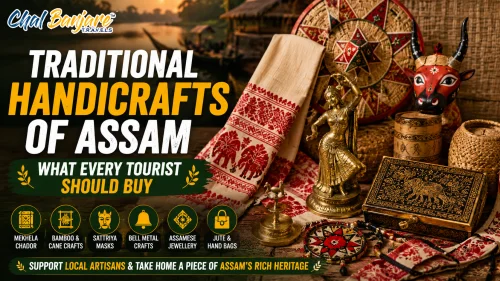
Traditional handicrafts represent one of the most valuable aspects of Assam's tribal heritage. Across the state's indigenous communities, generations of artisans have developed exceptional skills in weaving, bamboo craftsmanship, cane work, wood carving, basket making, pottery, and handmade household products. These crafts are not merely decorative but form an essential part of daily life, reflecting practical knowledge, artistic creativity, and the sustainable use of locally available natural resources.
Handloom weaving occupies a particularly important place in many tribal communities, where women produce colourful traditional garments, shawls, wraps, scarves, and ceremonial textiles using techniques passed down through generations. Bamboo and cane are equally significant, being transformed into baskets, storage containers, fishing equipment, furniture, agricultural tools, decorative articles, and household accessories. Every handcrafted item reflects the cultural identity of its community while demonstrating remarkable precision and craftsmanship.
Travellers exploring tribal villages, rural markets, and cultural fairs can observe artisans at work and appreciate the patience, skill, and dedication involved in creating these handmade products. Purchasing authentic handicrafts directly from local artisans also supports rural livelihoods while encouraging the continuation of traditional craftsmanship.
Assam's tribal handicrafts beautifully combine functionality with artistic excellence. Every woven textile and handcrafted bamboo product reflects generations of indigenous knowledge preserved through family traditions and community craftsmanship.
Artistic skills within Assam's tribal communities are traditionally transferred from elders to younger family members through continuous observation and practical experience. Children often begin learning weaving, bamboo work, woodcraft, pottery, and other traditional crafts from an early age, ensuring valuable knowledge remains alive across generations. These learning methods preserve not only technical skills but also cultural stories, community values, and traditional design patterns that distinguish one tribe from another.
Every community has developed its own artistic identity, reflected in weaving motifs, colour combinations, decorative patterns, household objects, and ceremonial items. Many of these designs carry symbolic meanings connected with nature, agriculture, ancestral beliefs, and local traditions. Community festivals, exhibitions, and artisan cooperatives further encourage the preservation of these skills by providing opportunities to showcase traditional craftsmanship while creating sustainable economic opportunities for rural families.
Visitors who take time to interact with artisans gain a deeper appreciation of the effort required to preserve indigenous art forms in a rapidly modernising world. Responsible tourism helps strengthen these traditions by encouraging the continued practice of authentic handmade craftsmanship.
| Traditional Art Form | How It Is Preserved |
|---|---|
| Handloom Weaving | Passed through family and community training. |
| Bamboo Craftsmanship | Learned through practical village experience. |
| Cane Work | Traditional techniques preserved across generations. |
| Wood Craft | Continued through artisan families. |
| Decorative Designs | Inspired by culture, nature, and traditions. |
The artistic traditions of Assam's tribal communities remain alive through family learning, community cooperation, and cultural pride. These skills continue connecting younger generations with their rich indigenous heritage.
Traditional handicrafts are far more than economic activities—they serve as living expressions of tribal identity, history, and cultural continuity. Every woven textile, bamboo basket, handcrafted ornament, or carved household item carries stories that reflect the community's relationship with nature, agriculture, festivals, and everyday life. These creations help preserve unique tribal identities while strengthening cultural pride among younger generations.
Today, many artisan groups, self-help organisations, government initiatives, and cultural institutions actively promote tribal handicrafts through exhibitions, craft fairs, training programmes, and responsible tourism. Such efforts not only provide additional income for rural families but also encourage the continuation of traditional craftsmanship in the face of mass-produced alternatives. Travellers can contribute positively by purchasing genuine handmade products directly from artisans and respecting the cultural significance behind each creation.
Understanding the deeper cultural value of tribal handicrafts transforms shopping into a meaningful cultural experience. Every authentic handmade product represents generations of knowledge, creativity, and dedication that continue preserving Assam's indigenous heritage.
Tribal handicrafts remain powerful symbols of Assam's indigenous identity. Supporting these traditional art forms helps protect centuries-old knowledge while ensuring future generations continue celebrating their remarkable cultural heritage.
Exploring Assam's tribal culture is much more than visiting villages or attending colourful festivals. It is an opportunity to understand centuries-old traditions, sustainable lifestyles, artistic craftsmanship, agricultural knowledge, and the close relationship that indigenous communities maintain with nature. Every tribe, including the Bodo, Mising, Karbi, Rabha, Tiwa, Deori, and many others, has developed unique customs that continue contributing to Assam's remarkable cultural identity. Respectful cultural tourism allows visitors to experience these traditions while appreciating the diversity that makes the state one of India's most culturally significant destinations.
Travellers should always approach tribal communities with courtesy, patience, and genuine curiosity. Local customs, religious beliefs, family traditions, and village etiquette deserve respect at every stage of the journey. Seeking permission before taking photographs, dressing modestly during cultural events, avoiding interference with rituals, and interacting politely with local residents help create positive experiences for both visitors and host communities. Purchasing authentic handmade products directly from local artisans further supports traditional livelihoods and encourages the preservation of indigenous craftsmanship.
Meaningful cultural travel is built upon learning rather than simply observing. Spending time in villages, speaking with local residents through guides, tasting traditional cuisine, appreciating folk performances, and understanding everyday rural life provide experiences that go far beyond conventional sightseeing. These genuine interactions leave visitors with a deeper appreciation for Assam's indigenous heritage while supporting responsible tourism across the region.
Respectful exploration creates rewarding experiences while helping preserve the traditions that have shaped Assam's indigenous communities for generations. Responsible travellers become partners in protecting this extraordinary cultural heritage for the future.
A well-planned cultural itinerary allows travellers to experience the many dimensions of Assam's tribal heritage. Combining visits to traditional villages, cultural centres, local museums, artisan settlements, heritage festivals, and scenic rural landscapes creates a balanced journey that highlights both everyday life and ceremonial traditions. Destinations such as Majuli, Karbi Anglong, Kokrajhar, Dhemaji, Lakhimpur, Chirang, Baksa, and other tribal regions offer valuable opportunities to understand the customs, architecture, cuisine, crafts, and lifestyles of different indigenous communities.
Festival-based travel offers especially rewarding experiences, as agricultural celebrations, folk dances, traditional music, and community gatherings showcase tribal culture in its most authentic form. However, visitors should remain flexible with travel plans because some events follow traditional calendars rather than fixed dates. Allocating sufficient time for village interactions, guided cultural walks, and artisan demonstrations provides a much richer experience than attempting to cover multiple destinations quickly.
Choosing local guides, staying in community-operated homestays where available, and supporting village businesses help ensure that tourism directly benefits indigenous communities. These thoughtful choices strengthen cultural preservation while creating memorable and meaningful travel experiences.
| Travel Planning Element | Recommendation |
|---|---|
| Village Visits | Spend enough time interacting with local communities. |
| Festival Planning | Confirm dates before travelling. |
| Accommodation | Choose local homestays when available. |
| Shopping | Purchase authentic handmade tribal products. |
| Local Guidance | Hire knowledgeable guides for cultural interpretation. |
Careful planning allows travellers to experience Assam's tribal culture respectfully while creating meaningful connections with local communities. Every thoughtfully planned visit contributes towards preserving one of Northeast India's richest cultural landscapes.
Before beginning a tribal cultural journey through Assam, travellers should prepare by learning basic information about the communities they plan to visit, understanding local customs, checking seasonal conditions, and confirming transportation arrangements for remote regions. Carrying comfortable clothing, cash for rural purchases, reusable water bottles, and a flexible travel schedule can greatly improve the overall experience, particularly when visiting villages with limited tourism infrastructure.
Respect should remain the guiding principle throughout the journey. Visitors should avoid treating villages as tourist attractions and instead approach every interaction with genuine interest and sensitivity. Supporting local artisans, choosing responsible tour operators, respecting photography etiquette, avoiding littering, and appreciating traditional knowledge all contribute positively to sustainable cultural tourism. These simple practices ensure that visitors leave behind positive memories rather than unwanted impacts.
Assam's tribal communities preserve some of India's most valuable living traditions through their festivals, cuisine, handicrafts, agriculture, music, dance, architecture, and community values. Exploring these traditions responsibly allows travellers to experience a side of Assam that is authentic, educational, and deeply rewarding while helping safeguard indigenous heritage for future generations.
A journey through Assam's tribal regions offers far more than sightseeing—it provides lasting cultural experiences built upon mutual respect, meaningful learning, and genuine appreciation for the state's extraordinary indigenous heritage. Travellers who explore responsibly help ensure these living traditions continue inspiring future generations.


Get customized Assam tour planning designed around seasonal weather patterns, river conditions, wildlife safari timing, and realistic road travel flow. Whether you are visiting for national parks, tea estate stays, cultural experiences, spiritual sites, o
⚡ Quick Response | 💰 Free consultation | 🕒 24×7 expert support