Quick Facts About Kaipholangso Waterfall
| Entry Fee | Free |
| Timings | 08:00 - 17:00 |
| Altitude (m) | 100 |
| Ideal Visit Duration (hrs) | 4 |
| Best Time of Day | Morning |
| Crowd Level | Moderate |
| Distance from Bokakhat (km) | 13 |
| Distance from Kaziranga (km) | 35 |
| Walking Difficulty | Moderate |
| Parking Available | Yes |
| Last Mile Access | Trek |
| Suitable for Kids | Yes |
| Suitable for Seniors | No |
| Wheelchair Friendly | No |
Why Visit Kaipholangso Waterfall
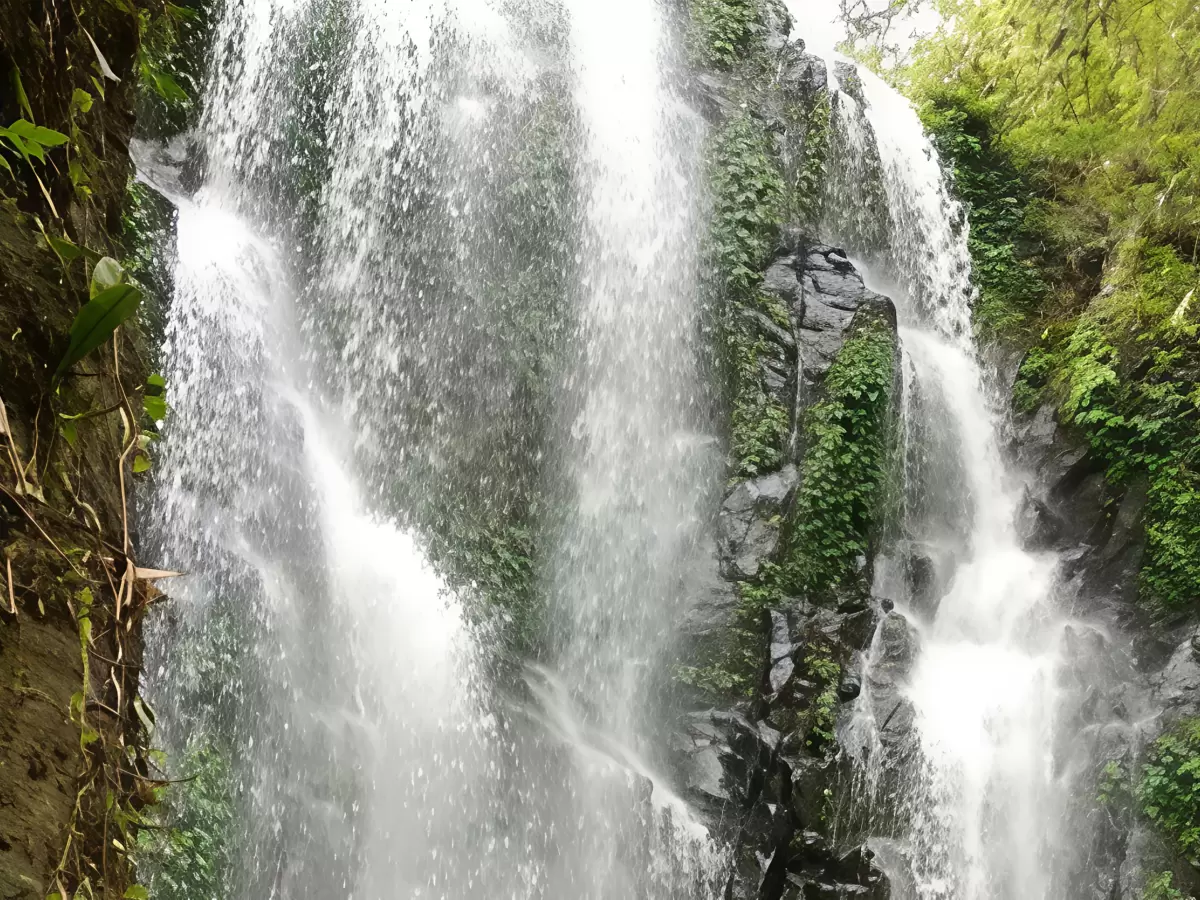
Atmosphere at Kaipholangso Waterfall is refreshing, serene, and naturally invigorating, offering visitors a peaceful retreat amidst cascading waters and lush surroundings. The sound of the waterfall, mist in the air, and greenery around create a calming and immersive environment, perfect for nature lovers and photographers.
What makes Kaipholangso Waterfall special is its unspoiled natural beauty and scenic charm. Nestled in a verdant landscape, the waterfall provides a picturesque setting for picnics, trekking, and capturing breathtaking photographs. Visitors can enjoy the tranquility of the flowing water, explore nearby trails, and experience a close connection with the region’s flora and fauna. Seasonal variations, particularly during and after the monsoon, enhance the waterfall’s volume and the surrounding greenery, making each visit unique.
Beyond its visual appeal, Kaipholangso Waterfall offers ecological and recreational significance, attracting travelers seeking relaxation, adventure, and a deeper appreciation of nature. It caters to families, solo travelers, photographers, and eco-tourists looking for a serene and scenic escape. The holistic experience ensures that visitors leave with lasting impressions of the waterfall’s beauty, calm atmosphere, and natural charm.
History of Kaipholangso Waterfall
Kaipholangso Waterfall, located in Assam, is a scenic natural site known for its cascading waters and surrounding lush greenery. While primarily a natural attraction, the waterfall has historically been part of the local landscape revered by nearby indigenous communities for its serene environment and as a source of freshwater.
The area around Kaipholangso has traditionally supported small settlements and agricultural activities, with the waterfall often serving as a natural landmark and a communal gathering spot during festivals and local rituals. Its pristine setting reflects the harmonious relationship between nature and local traditions over generations.
Today, Kaipholangso Waterfall is a popular destination for tourists and nature enthusiasts, offering a combination of natural beauty, tranquility, and insight into the region’s ecological and cultural context.
Best Time to Visit Kaipholangso Waterfall
Visiting Kaipholangso Waterfall is most enjoyable when the weather is favorable, ensuring safe trekking, clear views, and an overall pleasant experience. Seasonal planning significantly enhances the beauty and accessibility of the waterfall.
The months from October to March are ideal for visiting, as the weather is cool and dry. During this period, trekking trails are easier to navigate, and the waterfall is picturesque with moderate water flow, making it perfect for sightseeing and photography.
Spring and early summer, from March to May, offer bright and sunny days. Early morning or late afternoon visits are recommended to avoid warmer hours and to enjoy the natural surroundings and greenery along the trails.
Monsoon season, from June to September, brings heavy rainfall, which can make trekking paths slippery and challenging. While the waterfall is at its most powerful and scenic, caution is advised. This season offers fewer visitors and a serene, off-season experience for those prepared for wet conditions.
- October to March for cool, dry weather and safe trekking
- March to May for sunny days; early mornings or late afternoons recommended
- June to September for maximum waterfall flow and lush greenery, though trails may be slippery
- Early mornings provide the best light for photography and peaceful exploration
- Weekdays are generally quieter than weekends for a calm visit
How to Reach Kaipholangso Waterfall
- By Air: The nearest airport is Lokpriya Gopinath Bordoloi International Airport, Guwahati, approximately 250 km away. Visitors can hire taxis or pre-arranged transfers to reach the nearest town or base point for the waterfall comfortably.
- By Train: The closest railway stations are Guwahati and Lumding Junction, well connected to major cities. From the station, taxis or private vehicles can take visitors to the base of Kaipholangso Waterfall.
- By Road: The waterfall is accessible via state highways and rural roads. Buses, shared taxis, and private vehicles operate from nearby towns. Road travel may involve scenic drives through forested and hilly terrain.
- Local Transport: From the nearest town or parking point, visitors typically trek a short distance to the waterfall. Local guides or porters may be available to assist with the last-mile access safely.
What to Expect When You Visit Kaipholangso Waterfall
- Immersive surroundings that reflect the true natural, cultural, or spiritual character of the destination, offering a peaceful and enriching travel experience.
- Well-maintained visitor pathways and accessible viewing points designed to provide comfortable exploration while preserving the authenticity of the location.
- Opportunities to engage with local traditions, regional architecture, or natural landscapes, allowing travelers to gain deeper cultural understanding.
- Scenic photo spots and panoramic viewpoints that highlight the area’s unique beauty throughout different times of the day.
- Informational boards, guides, or locally available assistance that help visitors learn the historical or environmental importance of the site.
- Seasonal changes in atmosphere, crowd levels, and visual appeal, ensuring a different yet memorable experience depending on the time of visit.
- Nearby amenities such as refreshment stalls, rest areas, or small markets offering local flavors and handicrafts.
- A calm and respectful environment that allows visitors to fully absorb the significance and charm of the destination.
Important Visitor Information and Safety of Kaipholangso Waterfall
- Crowd & Peak Hours: Expect higher visitor numbers during weekends and public holidays. Early morning visits are quieter and ideal for photography and peaceful exploration.
- Weather Notes: Summers can be warm, monsoons (June to September) may make trails slippery and water levels high, and winters are mild and comfortable for outdoor visits.
- Dress Code: Wear comfortable walking shoes with good grip and casual clothing suitable for trekking. Light layers are recommended for mornings and evenings.
- Safety Tips: Stay on designated trails, avoid slippery rocks near the waterfall, supervise children, keep personal belongings secure, and follow local guidelines for a safe and enjoyable visit.
Photography and Viewpoints at Kaipholangso Waterfall
- The cascading waterfall provides dynamic and dramatic subjects for both wide-angle and close-up photography.
- Natural light during early morning and late afternoon enhances the shimmer and textures of the falling water.
- Surrounding lush greenery and rocks offer natural framing and composition opportunities for landscape shots.
- Seasonal variations, such as monsoon-fed flow versus lean season trickle, create diverse moods and photographic possibilities.
- Long-exposure photography captures the silky smooth effect of flowing water, adding an artistic dimension to images.
- Elevated vantage points around the waterfall allow panoramic views, combining the cascade, forest, and nearby terrain into a single compelling frame.