All you need to know about Assam

Assam is a northeastern state shaped by the wide Brahmaputra River, floodplains, tea-growing landscapes, and forested wildlife zones. Unlike Himalayan hill states, its terrain is largely lowland with seasonal river changes that influence travel timing. The climate is humid, with strong monsoon patterns that affect accessibility in some areas.

Assam attracts travelers for river-based landscapes, biodiversity experiences, and tea estate environments rather than high-altitude adventure. Journeys are generally road-focused and slower paced outside major transport corridors. Assam suits visitors interested in nature reserves, river culture, rural settings, and a distinct northeastern travel atmosphere.

What Makes Assam a Unique Travel Region

Assam is defined by the Brahmaputra River system, fertile plains, tea estates, and biodiverse wetlands rather than high mountain terrain. Travel here moves through river islands, national parks, and historic temple towns shaped by Ahom-era heritage. Unlike hill-focused Northeast states, Assam offers broader road connectivity and relatively easier access. The rhythm of life follows the river, monsoon cycles, and agricultural landscapes. Assam attracts travelers interested in wildlife safaris, riverine culture, tea garden experiences, and exploring a region where ecology and history are closely intertwined.

  • Geography: Vast river plains, wetlands, tea plantations, and forest reserves along the Brahmaputra basin.
  • Culture: Ahom heritage, Vaishnavite traditions, and diverse tribal communities.
  • Travel vibe: River-centered, wildlife-oriented, culturally layered, and monsoon-influenced.
  • Distinct experience type: National park safaris, river island visits, temple circuits, and tea estate stays.

Types of Destinations You’ll Find in Assam

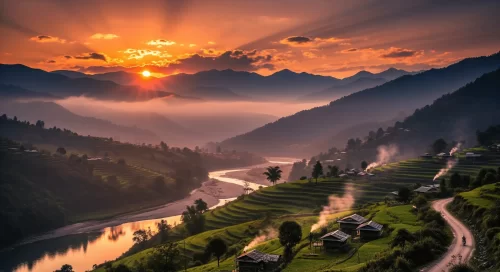
  • Riverine landscapes shaped by the Brahmaputra and its floodplains
  • Tea-growing regions with rolling estates and plantation settlements
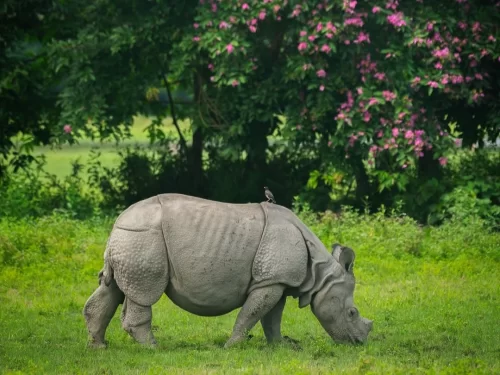
  • Wetland and grassland wildlife zones known for rich biodiversity
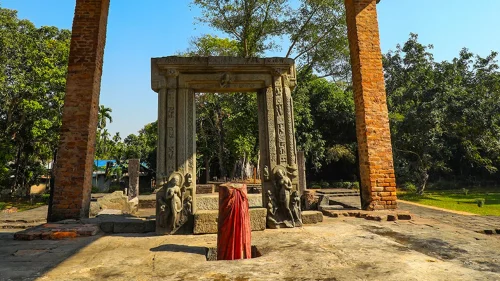
  • Spiritual and cultural areas centered around ancient temples and monasteries
  • Forest reserves and hill tracts blending plains ecology with upland terrain

Popular Tourist Circuits Across Assam

Travel in Assam is structured along the Brahmaputra valley, with major routes following the river corridor and branching into forest reserves, tea-growing regions, and hill districts. Distances are longer than they appear due to highway conditions, ferry crossings in certain belts, and seasonal flooding during monsoon. Wildlife areas operate under regulated safari timings, and river conditions can affect transport schedules. The climate is humid subtropical, with heavy rainfall between June and September. Practical planning usually focuses on one river-side zone or wildlife cluster at a time over 4 to 6 days rather than attempting cross-state coverage in a short duration.

Circuit Type Areas Covered (generic descriptions only, no place names) Ideal Duration (realistic and safety based) Travel Style
Wildlife and River Safari Circuit Floodplain grasslands, forest reserves, river islands, wetland ecosystems 3–4 days Safari-based travel with regulated entry timings and guided drives
Tea and Heritage Circuit Tea plantations, colonial-era estates, river towns, cultural centers 3–5 days Leisure road travel with estate visits and short explorations
River Island and Rural Circuit Inland river islands, agricultural villages, ferry-connected settlements 2–4 days Combination of road and ferry travel with flexible scheduling
Hill and Forest Belt Circuit Low-altitude hill districts, forested slopes, tribal villages 3–4 days Road-based travel with moderate driving hours
Extended Brahmaputra Valley Circuit Upper and lower river valleys, wetlands, tea regions, wildlife areas 6–8 days Phased river-valley journey with buffer days during monsoon season

Best Time to Travel to Assam

The best time to travel to Assam depends on whether you prefer comfortable wildlife exploration, clear river views, or vibrant green monsoon landscapes.

Season Months Weather Conditions Travel Suitability
Winter November to February Cool, dry weather with pleasant daytime temperatures and lower humidity Highly suitable for wildlife safaris, river experiences, and outdoor sightseeing with comfortable conditions
Spring March to April Moderate temperatures with fresh greenery and occasional light showers Ideal for nature-focused travel and cultural experiences before peak summer warmth
Summer May to June Warm and humid weather with increasing rainfall Suitable for travelers comfortable with humidity and interested in experiencing the region’s lush atmosphere
Monsoon July to October Heavy rainfall, high humidity, and flourishing green landscapes Best for those who enjoy dramatic river scenery and vibrant countryside views during the rainy season

How Many Days Do You Need to Explore Assam

Trip Duration What You Can Experience Best For
4–5 Days A relaxed introduction to riverine landscapes, tea garden surroundings, cultural traditions, and one major wildlife experience without excessive road travel. Short holidays focused on nature and cultural exposure at a comfortable pace.
6–7 Days A well-paced journey covering floodplain ecosystems, forest reserves, rural life, and river-based experiences with time to adjust to seasonal weather patterns. Wildlife enthusiasts and first-time visitors seeking balanced exploration.
8–10 Days A broader exploration across varied terrain including grasslands, river islands, tea regions, and cultural heritage zones with sufficient rest days between travel stretches. Travelers who prefer immersive nature and cultural experiences rather than quick transitions.
11–13 Days A slow and comprehensive journey allowing deeper understanding of regional diversity, seasonal landscapes, and buffer time for weather-related disruptions during monsoon months. Slow travelers and explorers prioritizing depth, wildlife observation, and cultural context.

Culture, Food & Everyday Life in Assam

Daily life in Assam is shaped by wide river plains, seasonal flooding, fertile soil, and a humid subtropical climate. Agriculture, fishing, and tea cultivation influence routines, with communities adapting closely to monsoon cycles and river behavior. Social life reflects a mix of indigenous traditions, Vaishnavite influences, and diverse ethnic communities, creating a culture that values respect, music, textiles, and collective celebration without overt display. Food habits are light yet flavorful, centered around rice, freshwater produce, herbs, and balanced preparations that suit a humid climate. The pace of life feels steady and grounded in nature; travelers often sense openness, rhythmic simplicity, and a quiet cultural confidence shaped by river landscapes and agrarian rhythms.

  • River-plain, monsoon-shaped lifestyle
  • Community-oriented and culturally layered society
  • Rice-based, herb-driven balanced food habits
  • Steady, nature-connected daily rhythm

Culture, Food & Everyday Life in Assam

Daily life in Assam is shaped by wide river plains, seasonal flooding, fertile soil, and a humid subtropical climate. Agriculture, fishing, and tea cultivation influence routines, with communities adapting closely to monsoon cycles and river behavior. Social life reflects a mix of indigenous traditions, Vaishnavite influences, and diverse ethnic communities, creating a culture that values respect, music, textiles, and collective celebration without overt display. Food habits are light yet flavorful, centered around rice, freshwater produce, herbs, and balanced preparations that suit a humid climate. The pace of life feels steady and grounded in nature; travelers often sense openness, rhythmic simplicity, and a quiet cultural confidence shaped by river landscapes and agrarian rhythms.

  • River-plain, monsoon-shaped lifestyle
  • Community-oriented and culturally layered society
  • Rice-based, herb-driven balanced food habits
  • Steady, nature-connected daily rhythm

Festivals & Seasonal Travel Experiences in Assam

Season Festival / Experience Type Travel Atmosphere
Spring (April) Rongali Bihu (Bohag Bihu), Assamese New Year celebrations Vibrant cultural performances across Guwahati and rural villages, traditional music and dance gatherings, warm weather with active local participation.
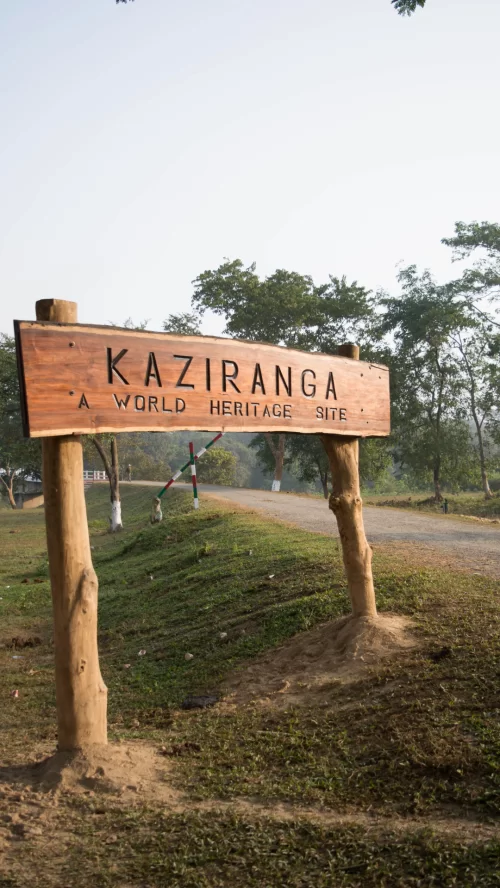
Summer (May–June) Kaziranga National Park safari season (before monsoon closure) Hot and humid plains climate, active jeep safaris in Kaziranga before seasonal park closure, steady tourist movement in wildlife zones.
Monsoon (July–September) Tea garden landscape experiences, riverine scenery Heavy rainfall in Brahmaputra Valley, frequent flooding in low-lying districts, national parks largely closed, lush greenery across tea estates.
Autumn (October–November) Durga Puja, wildlife park reopening season Improved weather conditions, clearer skies, reopening of Kaziranga and Manas for safari operations, balanced tourist flow.
Winter (December–February) Magh Bihu (Bhogali Bihu), peak wildlife safari season Cool and dry weather, ideal for Kaziranga and Manas visits, high migratory bird presence, active cultural gatherings in rural Assam.

Travel Conditions, Weather & Practical Tips for Assam

  • Assam has a humid subtropical climate. Summers (April to June) are hot and humid, while monsoon (June to September) brings heavy rainfall and localized flooding, especially around the Brahmaputra basin. Winter months are mild and comfortable.
  • Wildlife destinations such as Kaziranga National Park and Manas National Park operate seasonally. Parks usually remain closed during peak monsoon due to flooding. Safari schedules depend on weather and forest department regulations.
  • Humidity levels remain high for most of the year, particularly in lowland areas. Evenings in winter can feel cool but not severe. Light layering is usually sufficient except during early morning safaris.
  • Mobile connectivity is stable in Guwahati and major towns, but network coverage can weaken inside forest zones and river island areas like Majuli. Internet speed varies in rural locations.
  • Packing should include breathable cotton clothing, sun protection, insect repellent for wildlife areas, comfortable walking shoes, and rain protection during monsoon months. Early morning safaris may require a light jacket in winter.

Is Assam Right for Your Travel Style?

  • Families: Good fit for wildlife safaris in Kaziranga, river island visits to Majuli, and cultural experiences in Sivasagar. Travel is generally easier compared to hill states, with better road connectivity in plains.
  • Couples: Suitable for slow riverfront stays, tea garden retreats, and peaceful Brahmaputra sunsets. Best for relaxed, nature-focused travel rather than adventure-heavy trips.
  • Seniors: Comfortable in Guwahati and tea estate regions. Wildlife safaris involve jeep rides that can be bumpy but are manageable for most with basic mobility.
  • Adventure Seekers: Limited extreme adventure, but strong for wildlife exploration, river cruises, and offbeat rural experiences. Nearby hill districts offer light trekking options.
  • Solo Travellers: Safe in major towns and tourist circuits. Works well for cultural exploration, photography, and slow travel along the Brahmaputra.

Explore - Place to Visit, Activity to do & Food to try

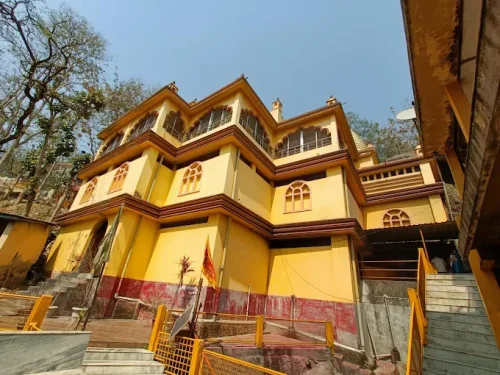
Navagraha Temple Guwahati Assam ancient hilltop temple dedicated to nine celestial planets with dome architecture Temple

Navagraha Temple Guwahati

Navagraha Temple in Guwahati is dedicated to the nine celestial deities of Hindu astrology.

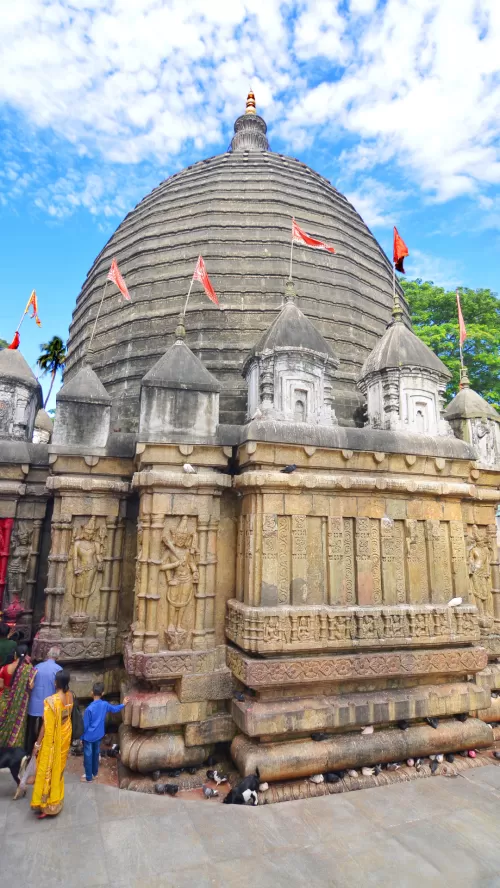
Devotees in queue at Kamakhya Temple Guwahati during soft daylight, featuring shikhara dome, lion statues and red flags, perfect spiritual experience Assam tour package. Temple

Kamakhya Temple

Kamakhya Temple is a revered Shakti Peeth located on Nilachal Hill in Guwahati, Assam.

Assam State Zoo cum Botanical Garden entrance at Guwahati during sunny day, featuring dome building fountain greenery trees, perfect family experience Assam tour package. Zoo

Assam State Zoo

Assam State Zoo in Guwahati is a popular destination for wildlife enthusiasts and families.

River Rafting adventure with team paddling inflatable raft through thrilling white water rapids.
Price: ₹1,200 – ₹3,000 PP
Guwahati
River Rafting
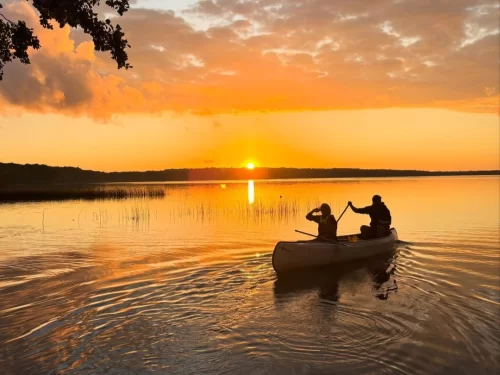
Canoeing couple paddling a canoe on calm lake waters during golden sunset with scenic sky reflections and peaceful surroundings.
Price: ₹500 – ₹1,500 PP
Guwahati
Canoeing
Kayaking person paddling an orange kayak through powerful ocean waves near rocky cliffs with water splashing around.
Price: ₹800 – ₹2,000 PP
Guwahati
Kayaking
Assamese Laksha in spicy coconut curry broth with rice noodles and lime garnish, authentic Indian Northeastern noodle soup, steaming hot delight.
Assam Laksa
Assam Laksa Assam Laksa is a pungent, sour, and spicy fish-based noodle soup that features a complex, translucent broth made from poached mackerel, tamarind, and aromatic herbs.
Masor Tenga in tangy tomato-based fish curry with mustard and spices, authentic Indian Assamese cuisine with light refreshing flavors.
Masor Tenga
Masor Tenga is the refreshing, "sour" soul of Assamese cuisine. A stark departure from India’s heavy, spice-laden gravies, this light and soupy fish curry is a masterclass in minimalism, designed to cool the body and highlight the freshness of river fish.

Frequently Asked Questions

Assam is known for its lush river valleys, tea gardens, wildlife reserves, cultural heritage, and a strong blend of nature, tradition, and history.
Assam offers a balanced travel experience focused on nature, wildlife, river landscapes, cultural traditions, and relaxed exploration.
Assam offers diverse travel zones including river plains, tea-growing regions, forested wildlife areas, cultural centers, and spiritual landscapes.
Signature travel themes include wildlife tourism, tea culture, river-based travel, cultural heritage, and nature-focused experiences.
Yes, Assam is one of India?s most important states for wildlife tourism, known for protected forests, river ecosystems, and biodiversity.
Assam has a rich cultural heritage shaped by traditional arts, music, dance, historical sites, and long-standing local customs.
The cultural identity of Assam is deeply influenced by its river-based lifestyle, tea heritage, indigenous communities, and traditional festivals.
Assam celebrates several regional and harvest festivals that reflect its agricultural traditions and cultural values.
The best time to visit Assam is from October to April when weather conditions are comfortable and travel across the state is easier.
An ideal Assam trip usually requires 6 to 10 days to explore wildlife areas, cultural regions, and scenic landscapes at a relaxed pace.
Assam has good road, rail, and air connectivity, making it a convenient base for multi-city travel within the state.
Assam is suitable for family travel, offering safe destinations, educational nature experiences, and culturally enriching journeys.
Assam suits travelers interested in nature, wildlife, culture, slow travel, and authentic regional experiences.
Yes, Assam?s river systems play a major role in scenic and experiential travel, shaping landscapes and local culture.
Assam offers a mix of city hotels, wildlife lodges, tea estate stays, homestays, and budget accommodations.
Assam is generally safe for tourists when travel is planned thoughtfully and local guidelines are followed.
Yes, Assam is well suited for slow travel, allowing visitors to enjoy nature, culture, and river landscapes without rushing.
Assam is often combined with other North East Indian states for extended cultural and landscape-focused travel.
Assam is moderately crowded in major hubs, while wildlife and rural areas remain peaceful and less tourist-heavy.
Travelers choose Assam for its rich natural beauty, wildlife, tea heritage, cultural depth, and calm travel experience.

Loved this place ? Let’s Plan Your Assam Trip

⚡ Quick Response | 💰 Free consultation | 🕒 24×7 expert support

×

Plan Your Trip