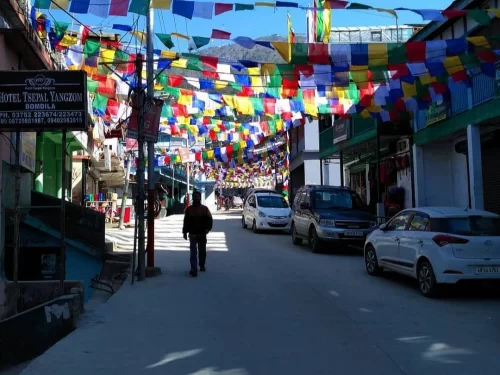
Tenga Valley in West Kameng, Arunachal Pradesh, India

Tenga Valley , Bomdila
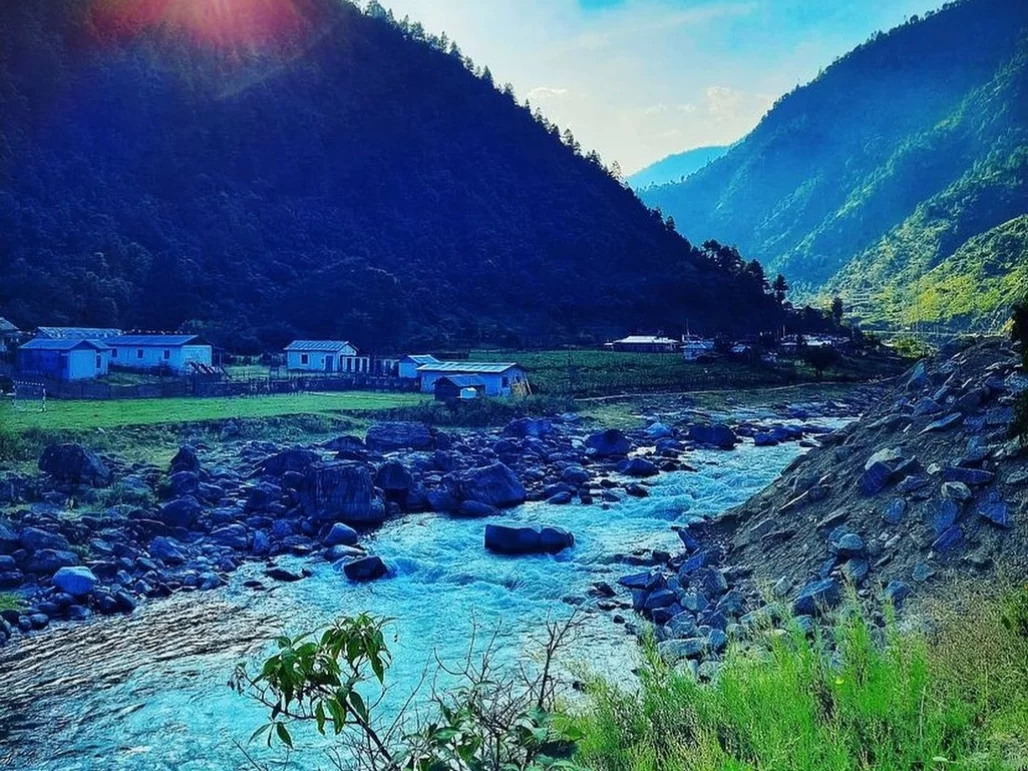
Visitors frequent the valley as a strategic stopover on the road to Tawang, utilizing its local markets and military canteen facilities. The area is significant for its proximity to the Eaglenest Wildlife Sanctuary, providing a base for birdwatchers and nature enthusiasts exploring the diverse Himalayan biodiversity and the nearby Tenga River rapids

Quick Facts About Tenga Valley

Entry Fee Free
Timings 06:00 - 17:00
Altitude (m) 1980
Ideal Visit Duration (hrs) 4
Best Time of Day Morning
Crowd Level Moderate
Distance from City Centre (km) 0
Walking Difficulty Easy
Parking Available Yes
Last Mile Access Road
Suitable for Kids Yes
Suitable for Seniors Yes
Wheelchair Friendly No

Why Visit Tenga Valley: A High-Altitude Military and Nature Retreat

Tenga Valley serves as a critical mountain stopover for travelers ascending the steep ridges between Bhalukpong and Bomdila. Visitors are drawn to the valley’s unique microclimate, which is notably milder than the surrounding peaks, and its role as a strategic high-altitude military station that provides a rare look at the logistics and life of the Indian Army in the Eastern Himalayas.

The on-ground atmosphere is defined by an unusual blend of disciplined order and alpine tranquility. The valley floor is characterized by the sparkling Tenga River, neatly maintained military cantonments, and terraced agricultural plots where the air is crisp and scented with pine; the environment feels secure and sheltered, offering a sense of "civilization" in the midst of the rugged, untamed wilderness of West Kameng.

What makes Tenga Valley distinct is its accessibility to the Eagle’s Nest Wildlife Sanctuary, a world-renowned birding hotspot located just a short drive away. While the valley itself offers a comfortable rest point with its local markets and riverside views, its true value for travelers lies in its position as a launchpad for spotting rare species like the Bugun Liocichla, making it a vital hub for serious naturalists and ornithologists.

Military Heritage and Topographical Significance of Tenga Valley

Tenga Valley is a high-altitude valley situated in the West Kameng district, carved by the Tenga River as it flows through the Eastern Himalayan ranges. Historically, the valley gained significant prominence following the 1962 Sino-Indian War, evolving into a vital strategic hub and a major military station for the Indian Army. This military presence has shaped the valley's modern infrastructure and contributed to the unique coexistence of a disciplined cantonment environment alongside the traditional ancestral lands of the Shertukpen and Monpa communities.

The cultural landscape is defined by its role as a transitional zone between the tropical foothills of Bhalukpong and the high-alpine reaches of Bomdila and Tawang. The valley is characterized by its distinctive microclimate and temperate vegetation, which differs sharply from the surrounding ridges. For visitors, the experience of Tenga Valley is marked by its serene river views and its function as a critical rest point on the historic trade and pilgrimage routes. The area reflects a blend of local tribal customs and a strong sense of national history, evidenced by the memorials and meticulously maintained landscapes that honor the region's geopolitical importance.

Best Time to Visit Tenga Valley: A Seasonal Guide for West Kameng

Tenga Valley, a strategic and scenic high-altitude bowl in West Kameng, is best experienced when the crisp mountain air ensures clear views of the surrounding ridges and the local orchards are in transition. Unlike the higher passes of Tawang, Tenga remains accessible through most of the winter, making it a reliable stop for those seeking a temperate mountain climate without the extreme sub-zero isolation of the higher reaches.

  • Ideal Months: October to November (Autumn) for crystal-clear Himalayan views and March to May (Spring) for blooming rhododendrons and temperate trekking conditions.
  • Weather Conditions: Expect moderate daytime temperatures between 15°C and 22°C. During autumn, the "Siberian High" influences the region, resulting in minimal cloud cover and sharp, high-contrast lighting ideal for visiting the Ball of Fire Museum and local monasteries.
  • Periods to Avoid: June to September must be approached with caution; the valley's location makes it a funnel for monsoon clouds, leading to persistent mist, dampness, and frequent landslides on the critical NH13 (Trans-Arunachal Highway) that connects Tenga to Bhalukpong and Bomdila.

How to Reach Tenga Valley: Practical Access & Route Guide

Tenga Valley, located in the West Kameng district of Arunachal Pradesh, is a strategically significant and scenic high-altitude valley. It serves as a major transit point between the plains of Assam and the higher reaches of Bomdila and Tawang.

  • Nearest Airport: Tezpur Airport (TEZ) in Assam is the closest domestic airstrip, located approximately 135 km away. For more consistent flight schedules from major Indian cities, Guwahati International Airport (GAU) (approx. 320 km) is the primary gateway, followed by a 7–8 hour mountain drive.
  • Nearest Railway Station: Rangapara North Junction in Assam is the most convenient railhead, situated about 125 km from Tenga Valley. While Bhalukpong has a station closer to the border, Rangapara offers better connectivity to Guwahati and Kolkata. From the station, private taxis or shared "Line Sumos" are readily available.
  • Road Access & Last-Mile Connectivity: Tenga Valley is situated on the NH-13 (Trans-Arunachal Highway). It is well-connected by daily APSTS buses and shared taxis departing from Tezpur's Mission Chariali or the Bhalukpong entry gate. The drive from the Bhalukpong border takes roughly 3.5 to 4 hours through the scenic Sessa Orchid Sanctuary.
  • Permit Requirements: Entry to Tenga Valley requires a mandatory Inner Line Permit (ILP) for Indian citizens or a Protected Area Permit (PAP) for foreign nationals. These are checked at the Bhalukpong gate. Permits should be secured online or at Arunachal Bhawan in Guwahati or Tezpur before starting the uphill journey.
  • Realistic Travel Conditions: The road from Bhalukpong to Tenga involves steep ascents and numerous hairpin bends. While the highway is largely well-maintained, the Sessa–Nichiphula stretch is prone to landslides during the monsoon (June–September), which can cause significant travel delays.

Traveler Tip: Tenga Market is a reliable stop for refueling and basic supplies, as it hosts one of the last major petrol pumps before the climb to Bomdila. Note that accommodation options in the valley are limited compared to nearby Bomdila, so most travelers visit Tenga as a mid-journey stopover.
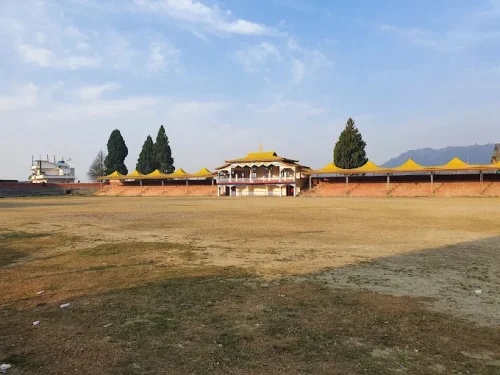
What to Expect When You Visit Tenga Valley

  • http://googleusercontent.com/map_location_reference/1
  • Environment and Surroundings: Tenga Valley is a high-altitude valley situated along the banks of the Tenga River in the West Kameng district. The landscape is defined by sprawling military cantonments set against a backdrop of towering pine forests and rugged mountain ridges. Unlike the humid foothills of [Bhalukpong](http://googleusercontent.com/map_location_reference/0), the air here is significantly cooler and crisper, with winters frequently bringing frost and occasional light snowfall.
  • Facilities and Amenities: Because the valley is a major strategic military base, commercial facilities for tourists are concentrated in a small market area. You will find basic grocery stores, small eateries, and military-run canteens, but luxury hospitality is absent. Mobile connectivity is generally stable near the main road, but data speeds can be slow. ATMs are available but may have long queues or limited cash, so it is advisable to carry sufficient currency from larger hubs like Tezpur or Bomdila.
  • Accessibility and Movement: The valley is located on the main road to Tawang, making it a common stopover. However, movement within certain sections of the valley is restricted due to military presence; visitors should stay on the main arterial roads and avoid straying into marked cantonment areas. The terrain is relatively flat compared to the surrounding mountains, but the approach roads are steep and subject to closures during heavy snowfall or landslides.
  • Typical Visitor Behavior and Conditions: The atmosphere is disciplined and quiet, reflecting the heavy army presence. Photography of military installations, bridges, or personnel is strictly prohibited and can lead to immediate questioning by authorities. Most travelers use the valley as a lunch break or transit point rather than an overnight destination. Respect for the local Monpa and Shertukpen traditions in nearby villages is expected, and a conservative dress code is recommended when visiting local Buddhist shrines.

Essential Visitor Information for Tenga Valley: Expert Insights

  • Crowd & Weather Realities: Tenga Valley experiences a temperate climate, but winters (December to February) are significantly colder than the plains, often seeing sub-zero night temperatures. Unlike the more crowded Tawang, Tenga remains a quiet, predominantly military-influenced settlement with minimal tourist congestion.
  • Peak & Quiet Hours: The valley is most active between 08:00 and 10:00 when the local market and military transit are in full swing. Evenings after 18:00 are extremely quiet as the town settles early due to the high-altitude chill and mountain terrain.
  • Dress Code & Cultural Etiquette: There is no formal dress code, but heavy woolens are required from November to March. As the valley is a strategically sensitive military zone, avoid wearing camouflage-patterned clothing, which can lead to unnecessary questioning at security checkpoints.
  • Safety & Practical Cautions: Photography of military installations, bridges, and personnel is strictly prohibited and can result in the confiscation of equipment. Ensure your Inner Line Permit (ILP) or Protected Area Permit (PAP) clearly lists the Bhalukpong-Bomdila-Tawang circuit, as you will likely pass through military check posts within the valley.

Capturing the Tenga Valley: Strategic Viewpoints and Photography Guide

  • The River Loop Vantage: The most iconic shot of Tenga is the horseshoe bend of the Tenga River. For the best perspective, pull over at the designated viewing points on the Bomdila-Tenga road before descending into the valley. Use a wide-angle lens during mid-morning (08:30 – 10:30) when the sun illuminates the valley floor, revealing the sharp contrast between the military barracks and the emerald coniferous forests.
  • Early Morning Valley Mist: The valley is famous for its dense morning fog that settles low over the river. To capture the "mystical mountain" aesthetic, set up at 05:45 – 06:30. The light is soft and diffused, making it ideal for high-key landscape photography where the mountain ridges appear as layered silhouettes.
  • Military Infrastructure Restrictions: Tenga Valley is a major Indian Army base and a highly sensitive strategic zone. Photography of all military installations, cantonments, bunkers, bridges, and personnel is strictly prohibited. Ensure your camera is pointed toward natural landscapes only; security personnel are vigilant and may request to inspect digital galleries if rules are breached.
  • Golden Hour Constraints: Because Tenga is situated in a deep, narrow valley, the sun disappears behind the western peaks early. The photographic "sunset" occurs roughly 60 to 90 minutes before the actual sunset time. For warm, golden tones on the river, plan to finish your primary shoots by 15:15 during winter.
  • Drone Flight Prohibitions: Due to the heavy military presence and proximity to the border, the entire Tenga Valley is a No-Fly Zone. Drone operation is strictly illegal without high-level defense and civil aviation clearances, and unauthorized flights will lead to immediate confiscation and legal action.
  • Macro Opportunities in the Pine Forests: The surrounding slopes are rich in Himalayan pine and temperate flora. During the monsoon and post-monsoon months, the forest floor provides excellent macro opportunities for mosses and fungi. The dappled light under the canopy is best managed with a reflector or a mild fill-flash to balance the deep forest shadows.

Near By Attraction

Bomdila Market vibrant local marketplace decorated with colorful prayer flags and surrounded by scenic hills in Arunachal Pradesh Package. Market / Bazaar

Bomdila Market

Bomdila Market is the main local market of Bomdila where daily life, regional produce, and small-town trade come together.
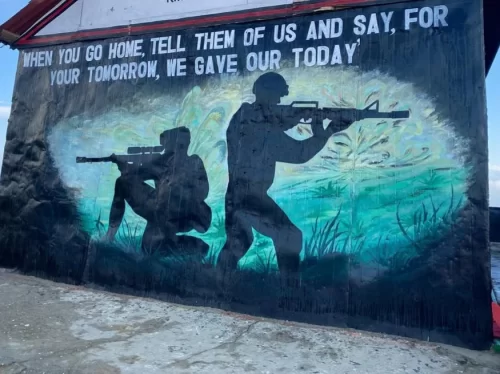
Bomdila War Memorial historic military memorial honoring brave soldiers amidst scenic Himalayan surroundings in Arunachal Pradesh Package. War Memorial

Bomdila War Memorial

Bomdila War Memorial is a quiet hilltop memorial honoring Indian soldiers who lost their lives in the 1962 Sino-Indian War.

Apple Orchards Bomdila scenic apple orchards surrounded by lush green hills and beautiful sunrise views in Arunachal Pradesh Package. Garden

Apple orchards bomdila

The Apple Orchards in Bomdila are famous for their lush apple trees, scenic landscapes, and seasonal fruit harvesting experiences.

Frequently Asked Questions About Tenga Valley

Tenga Valley is located in West Kameng district of Arunachal Pradesh along the banks of the Tenga River. It lies between Bomdila and Dirang on the main highway route.
Tenga Valley can be reached by road from Bomdila within about 1 to 2 hours depending on traffic and weather conditions. The valley is well connected by the main highway passing through the region.
The best time to visit Tenga Valley is between October and April when the weather remains pleasant and skies are clearer. Monsoon months may bring heavy rainfall and occasional landslides.
Tenga Valley is popular for its scenic river views forested hills and peaceful mountain setting. Many travelers pass through the valley while traveling toward Bomdila or Tawang.
Tenga Valley is suitable for family visits as it involves minimal walking and easy roadside access. Visitors can enjoy the landscape without strenuous activities.
There are limited guesthouses and small hotels available in Tenga Valley. Many travelers prefer staying in Bomdila or Dirang where accommodation options are more varied.
Tenga Valley has basic facilities including small local shops and eateries along the highway. Larger commercial amenities are available in nearby towns like Bomdila.
Most travelers spend one to two hours in Tenga Valley as a stopover for relaxation and photography. It is often included as a short halt during a longer road journey.
Tenga Valley remains accessible during monsoon season but heavy rainfall can affect road travel and cause delays. Checking weather and road conditions before departure is advisable.
Travelers visiting Tenga Valley should carry comfortable clothing drinking water and light rain protection during wet months. Since facilities are limited planning essentials in advance is helpful.

Loved this place ? Let’s Plan Your Arunachal Pradesh Trip

Get customized Arunachal Pradesh tour planning designed around mountain road distances, permit requirements, seasonal weather windows, and realistic travel pacing. Whether you are visiting for monasteries, high-altitude passes, river valleys, tribal cultu

⚑ Quick Response | πŸ’° Free consultation | πŸ•’ 24Γ—7 expert support

×

Plan Your Trip